Discover Hunza Valley’s Hidden Gems: Secret Spots
Hunza Valley is a hidden gem in Pakistan’s northern region. It’s a place where time stands still and nature’s beauty is breathtaking. The valley offers verdant landscapes, ancient forts, and friendly locals.
Hunza’s true essence lies in its off-the-beaten-path destinations. These spots are where the crowds thin out and the real magic begins. They offer a unique experience that few tourists witness.
Remote Ghujerab Village and untouched Ganish Village are some of these secret spots. The vast Khunjerab National Park is another hidden treasure. These places reveal Hunza Valley’s hidden charms.
Introduction to Hunza Valley
Hunza Valley is a natural wonder in Pakistan’s Gilgit-Baltistan region. It’s nestled in the Karakoram Mountain Range. This enchanting place is often called the original Shangri-La.
The valley is famous for its stunning beauty and rich culture. Visitors are drawn to its breathtaking landscapes and vibrant heritage.
Hunza Valley’s Scenic Beauty and Rich Culture
Karimabad, the capital of Hunza Valley, houses the iconic Baltit Fort and Malikamu Shikari. These landmarks offer amazing views of surrounding peaks, including the famous Rakaposhi.
The valley charms visitors with its lush landscapes and ancient monuments. Its friendly local community adds to its appeal.
Why Hunza Valley is a Must-Visit Destination
Hunza Valley blends natural wonders with cultural treasures. It’s perfect for travelers seeking unique experiences off the beaten path.
The region offers diverse outdoor adventures. You can trek the challenging Baltoro Glacier or hike scenic trails.
Hunza’s rich history and vibrant customs make it unforgettable. The valley’s renowned cuisine adds to its allure.
| Key Facts about Hunza Valley | Details |
|---|---|
| Location | Gilgit-Baltistan region of Pakistan, bordering Afghanistan and China |
| Nearest Airport | Islamabad, approximately 20-hour drive through winding mountain roads |
| Population | Estimated around 87,000 as of September 2021 |
| Primary Language | Burushaski, with many locals also fluent in Urdu and English |
| Predominant Religion | Ismaili sect of Shia Islam |
| Unique Factors | Lifestyle, diet rich in fruits and vegetables, clean mountain air, and stress-free environment contributing to the longevity of the Hunza people |
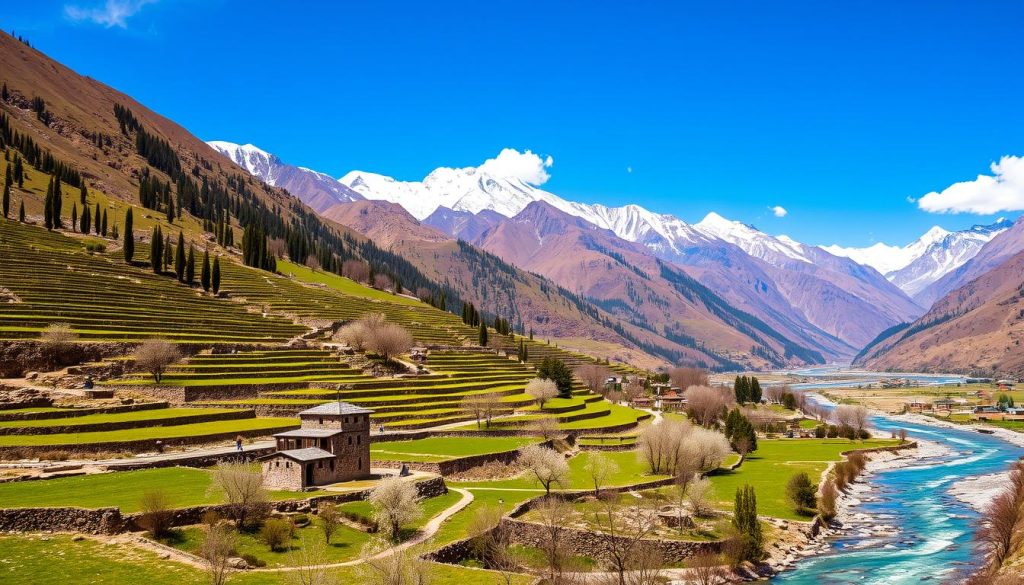
“Hunza Valley is a true natural wonder, offering a captivating blend of stunning landscapes and rich cultural heritage.”
Best Time to Visit Hunza Valley
Hunza Valley, a stunning gem in the Karakoram mountains, attracts visitors worldwide. Choosing the best time to visit depends on various factors. Let’s explore the seasons to help you plan your trip.
Spring (March to April) brings magic to Hunza. Cherry, apple, and apricot trees burst into bloom. The mild weather is perfect for trekking and cultural exploration.
Summer (May to September) is prime time for Hunza Valley visits. The weather is ideal for adventure seekers and epic treks. July and August offer great opportunities for swimming in alpine lakes.
Autumn (October to November) paints Hunza in crimson and gold. The valley’s landscape transforms into a breathtaking autumn paradise. This season showcases the region’s natural beauty in a unique way.
Winter lovers might enjoy Hunza from December to February. However, be ready for freezing temperatures and heavy snowfall. These conditions can make travel challenging.
A week-long stay is recommended to fully experience Hunza Valley. You’ll have time to explore its rich culture and stunning landscapes. From Rakaposhi peak to historic forts, Hunza offers captivating adventures for all.
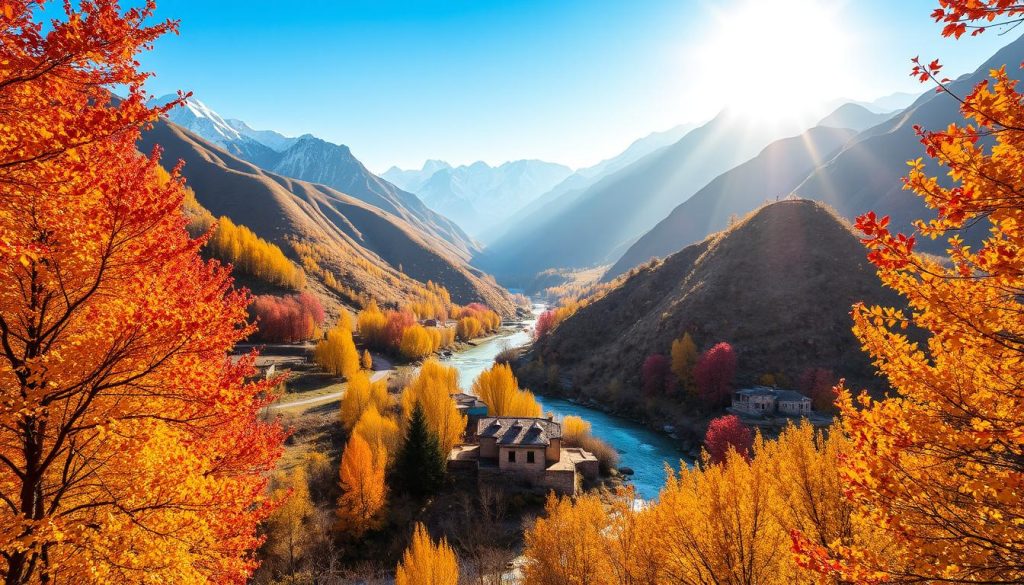
“Hunza Valley captivates travelers with its natural beauty and cultural richness. Each season offers a unique and awe-inspiring experience.”
Rakaposhi Peak: Majestic Sentinel of the Karakoram
Rakaposhi Peak stands tall at 7,788 meters in the Karakoram Mountain Range. It’s known as the “Snow Covered” peak or Dumani, meaning “Mother of Mist”. This awe-inspiring mountain dominates the Hunza Valley landscape, captivating visitors with its changing moods.
Capturing the Beauty of Rakaposhi at Dawn and Dusk
The beauty of Rakaposhi shines brightest during dawn and dusk. At sunrise, the snow-capped peak glows with a warm, golden hue. It casts a mesmerizing reflection on surrounding glaciers and valleys.
As day ends, the peak takes on a regal presence. It stands majestically against the deepening colors of the evening sky. This sight creates unforgettable memories for lucky witnesses.
Photographers and nature lovers flock to Hunza Valley. They aim to capture Rakaposhi’s ever-changing moods. These stunning visuals become lifelong treasures for many.
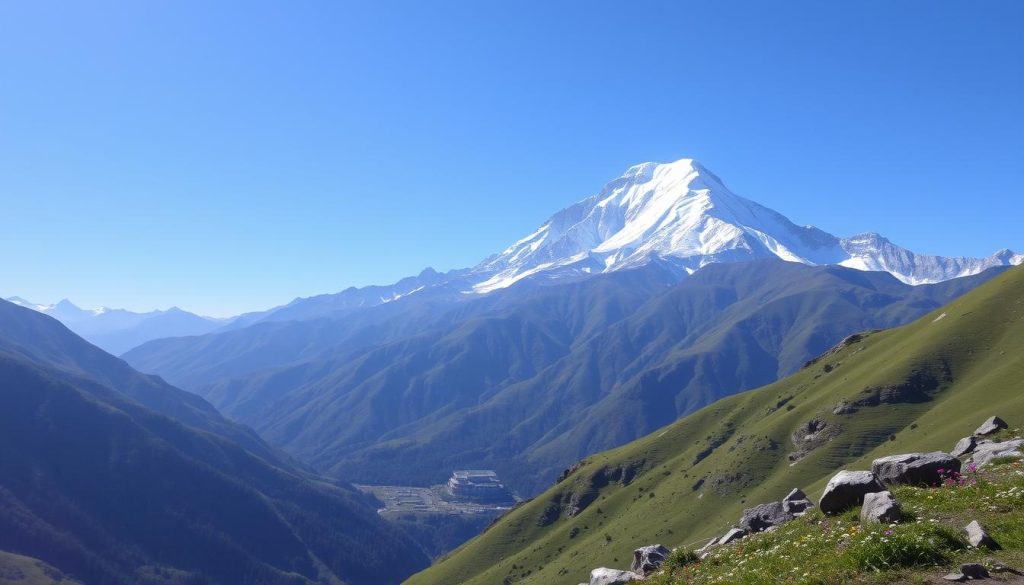
“Rakaposhi is a true masterpiece of nature, a commanding presence that inspires awe and wonder in all who behold it.”
Altit and Baltit Forts: Preserving Hunza’s Heritage
Altit Fort and Baltit Fort are iconic landmarks in Hunza Valley. These ancient fortresses showcase the region’s rich cultural heritage. Visitors can explore the fascinating history of the Hunza people here.
Altit Fort was once home to Hunza’s rulers, called Mirs. The Agha Khan Culture Trust has carefully preserved this impressive structure. Now a museum, it lets visitors explore local heritage through its restored architecture.
Baltit Fort, in Karimabad, was also a Mir residence. It fell into disrepair after being abandoned in 1945. The Agha Khan Culture Trust stepped in to restore this historical gem. Now, it’s a captivating attraction showcasing regional architecture.
| Fort | Location | Preservation Status |
|---|---|---|
| Altit Fort | Hunza | Restored and maintained by the Agha Khan Culture Trust |
| Baltit Fort | Karimabad | Revived and preserved by the Agha Khan Culture Trust |
These forts highlight the Hunza people’s resilience and ingenuity. They showcase rich architectural heritage and cultural identity preservation. Visiting these sites offers an educational and immersive historical experience.
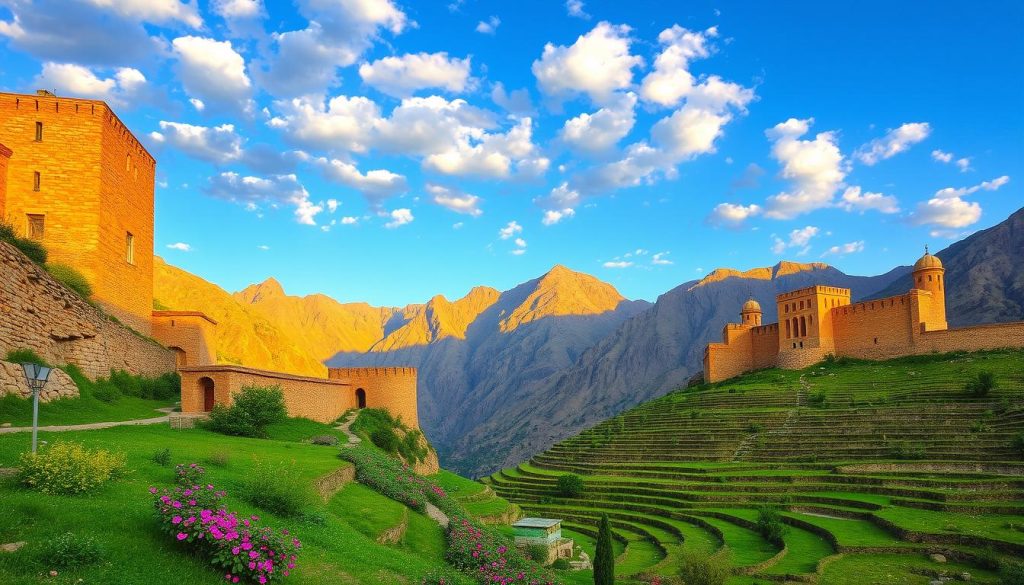
“The restoration and preservation of Altit Fort and Baltit Fort by the Agha Khan Culture Trust have been instrumental in safeguarding the cultural heritage of the Hunza Valley.”
Attabad Lake: A Turquoise Wonder Born from Disaster
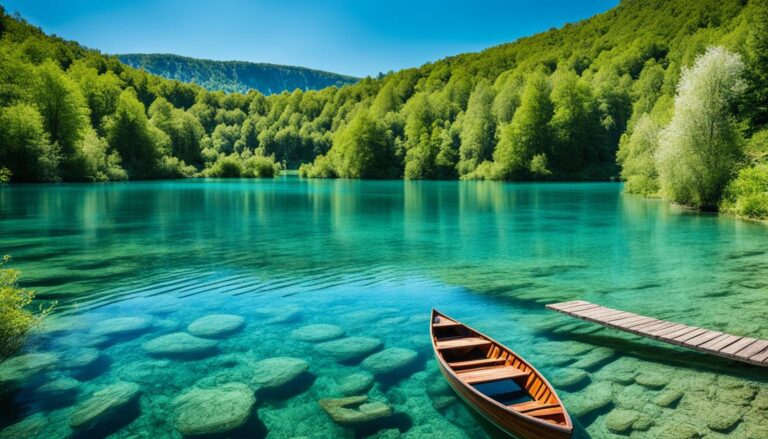
Attabad Lake is a stunning natural wonder in Hunza Valley. It formed in 2010 after a landslide blocked the Hunza River. Now, this turquoise lake attracts tourists from all over the world.
Recreational Activities at Attabad Lake
Attabad Lake offers many fun activities for visitors. Boating and jet skiing let people enjoy the calm, turquoise waters. Fishing is also popular, with various freshwater species to catch.
Camping by the lake is a great way to experience its beauty. Visitors can sleep under the stars and wake up to amazing mountain views.
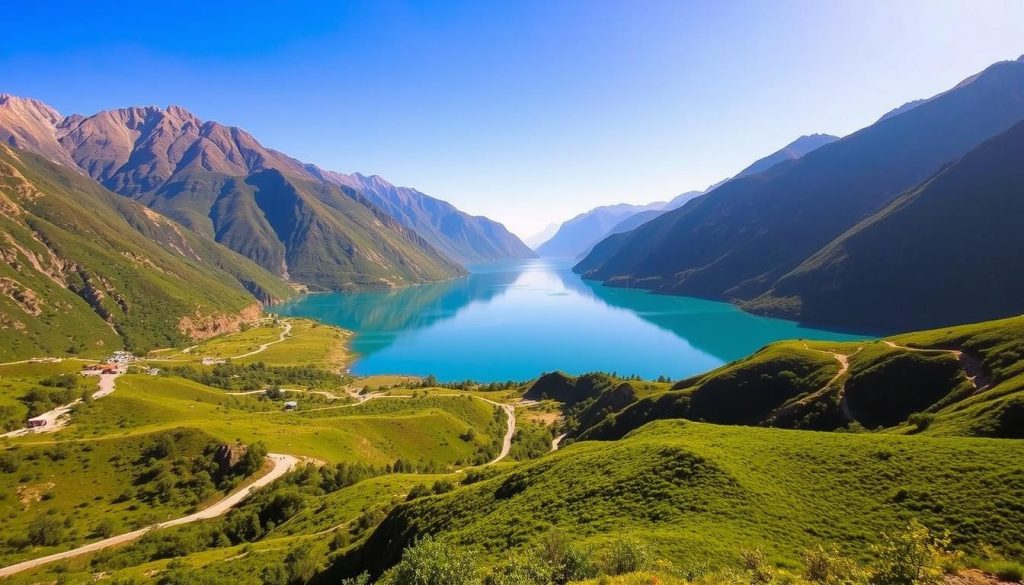
“The lake typically freezes over in winter, with the water turning a stunningly greenish turquoise color during spring and early summer.”
Hiking trails near the lake offer breathtaking views of the area. These paths let travelers explore the beautiful Hunza Valley landscape.
Tourism has grown around Attabad Lake in recent years. Many hotels and guest houses now cater to visitors seeking to enjoy this natural marvel.
Gulmit: The Historic Town with Hidden Gems
Gulmit, or Gul-e-Gulmit, is a charming historic town in the Hunza Valley. It’s surrounded by towering mountains, pristine glaciers, and stunning valleys. This quaint settlement serves as a gateway to remarkable natural wonders.
Exploring Gulmit’s Valleys and Passu Cones
Gulmit is an ideal base for adventurers looking to explore the Hunza Valley’s hidden treasures. Visitors can discover the beautiful Chipursan, Shimshal, Boibar, and Misgar valleys nearby. Each valley offers unique charm and breathtaking landscapes.
The iconic Passu Cones, a series of towering peaks, are a must-see attraction. These majestic mountains have become a favorite spot for photographers visiting Gulmit.
The Hunza Valley is the most developed area in Northern Pakistan’s Gilgit Baltistan region. It attracts both local and foreign tourists. Village homestays have gained popularity in Gulmit, Ghulkin, and Charpursan Valleys.
| Destination | Highlight |
|---|---|
| Chipursan Valley | Breathtaking mountain landscapes and traditional villages |
| Shimshal Valley | Renowned for its rugged terrain and off-the-beaten-track adventures |
| Boibar Valley | Serene pastoral settings and opportunities for hiking and trekking |
| Misgar Valley | Picturesque villages and access to the Karakoram Highway |
| Passu Cones | Iconic natural wonder and popular photography spot |
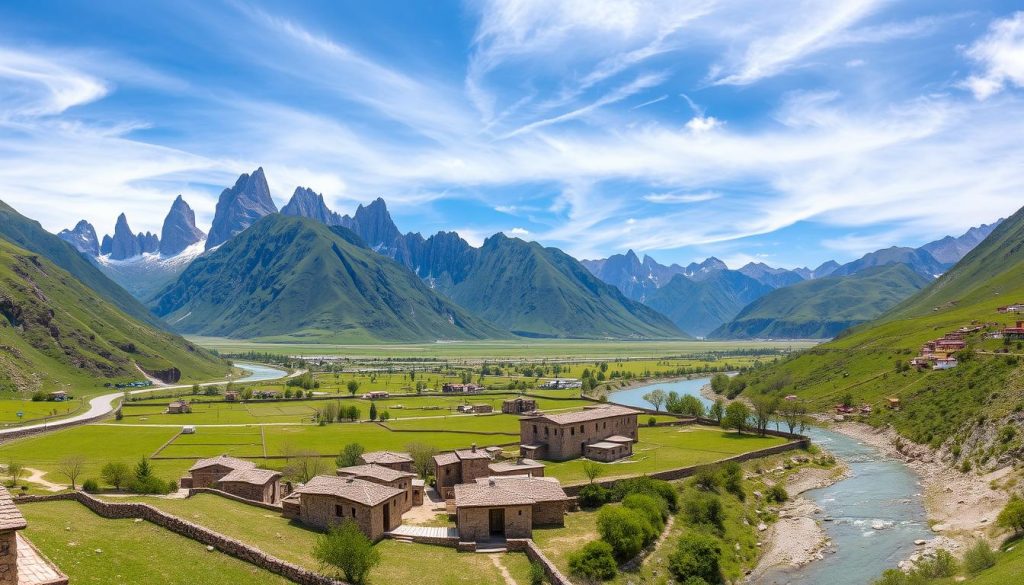
Gulmit and its surrounding valleys offer a treasure trove of experiences. You can immerse yourself in local culture, embark on outdoor adventures, or admire breathtaking scenery. This region promises unforgettable memories for all who visit.
Hunza Valley Hidden Gems
The stunning Hunza Valley in northern Pakistan is full of hidden gems. This magical region offers lesser-known wonders that captivate travelers. Discover the true essence of this enchanting place.
Borith Lake: Serene Salt Water Oasis
Borith Lake is a peaceful salt water oasis between Ghulkin and Passu villages. Its turquoise waters and lush greenery offer a tranquil escape. This natural wonder is perfect for those seeking quiet contemplation.
Rush Lake: Pakistan’s Highest Lake
Rush Lake, Pakistan’s highest lake, lies 66 kilometers from the main Hunza Valley. Accessible from Hopper Valley, it offers breathtaking views. Nature lovers can connect with the region’s pristine beauty here.
Hussaini Hanging Bridge: A Thrilling Adventure
The Hussaini Hanging Bridge is a must-visit for thrill-seekers in Hunza Valley. This old artificial bridge hangs high above a rushing river. Its precarious design and stunning backdrop provide an adrenaline-fueled experience.
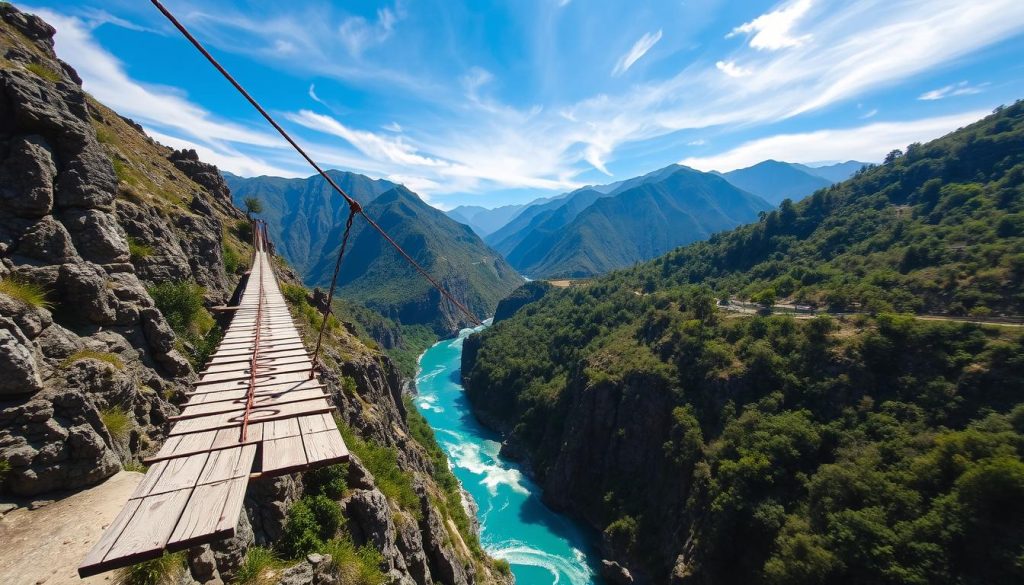
Hunza Valley’s hidden gems offer diverse experiences for adventurous travelers. From serene Borith Lake to lofty Rush Lake, each spot is unforgettable. The thrilling Hussaini Hanging Bridge adds excitement to your journey.
Conclusion
Hunza Valley in Pakistan is a hidden gem. It offers natural and cultural wonders that captivate visitors worldwide. From Rakaposhi Peak to Altit and Baltit Forts, this valley brims with secret spots.
Attabad Lake and Gulmit town add to its charm. The valley provides breathtaking landscapes and authentic experiences. It’s a must-visit destination that will leave you in awe.
The region boasts diverse topography and rich cultural heritage. You can enjoy scenic road trips or hike through valleys. Immerse yourself in local cuisine and traditions for an unparalleled experience.
Hunza Valley showcases Pakistan’s natural beauty and cultural richness. Its towering peaks and serene lakes are awe-inspiring. The vibrant local communities will leave a lasting impression.
You’ll be inspired by the people’s resilience and hospitality. This journey will deepen your appreciation for Pakistan’s diverse landscapes. Pack your bags and discover the secrets of Hunza Valley.