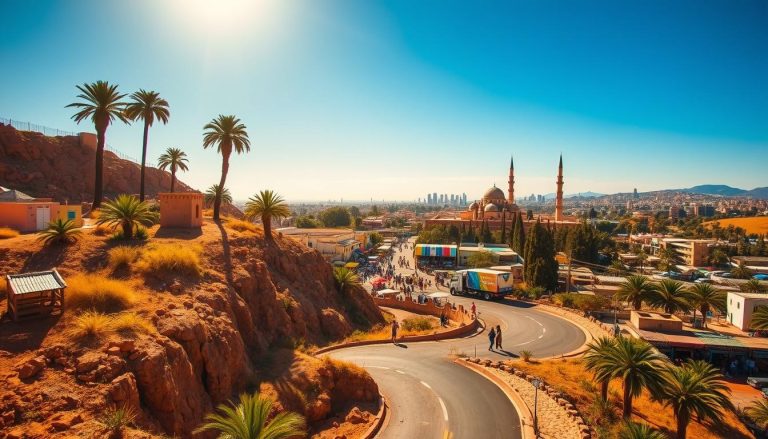
Discover Hunza Valley: Off the Beaten Path Adventure
Ever heard of Hunza Valley in northern Pakistan? It’s a hidden gem in the Karakoram Mountain range. This adventure destination promises unforgettable experiences and unique attractions.
Hunza Valley is home to the long-lived Hunza people. Their vibrant heritage adds to the region’s charm. Here, you’ll find untouched landscapes and secluded trekking routes.
The area offers challenging hikes to Baltoro Glacier and K2 Base Camp. You can also explore historic forts and savor local cuisine. Hunza Valley truly delivers an unparalleled adventure.
The scenic Karakoram Highway leads to this captivating destination. Hunza’s culture and natural wonders set it apart from other places. Prepare for a journey that will leave you in awe.
This off-the-beaten-path gem will inspire your sense of adventure. Get ready to create lasting memories in the extraordinary Hunza Valley.
Exploring the Breathtaking Hunza Valley
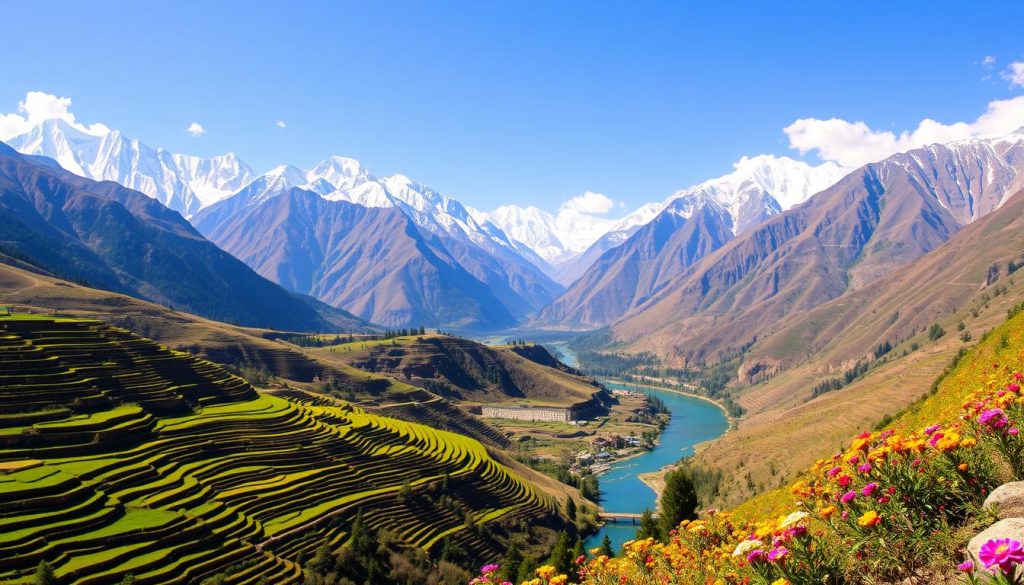
The Hunza Valley sits in northern Pakistan’s Karakoram Mountain range. This hidden gem amazes visitors with its natural beauty. Snow-capped peaks, glistening glaciers, and crystal-clear streams create a stunning landscape.
Nestled in the Heart of the Karakoram Mountains
The Hunza Valley is in Gilgit-Baltistan, bordering Afghanistan and China. This remote mountain region is home to the long-lived Hunza people. Their vibrant culture thrives in this untouched world.
Visitors can explore picturesque vistas and untamed natural beauty. The valley offers a unique glimpse into a slower-paced way of life.
A Remote Region with Stunning Natural Beauty
Reaching the Hunza Valley from Islamabad takes a 20-hour drive through winding mountain roads. The breathtaking scenery makes the challenging journey worthwhile.
The region boasts world-class treks, including the Baltoro Glacier and K2 Base Camp. Outdoor enthusiasts can immerse themselves in stunning natural landscapes.
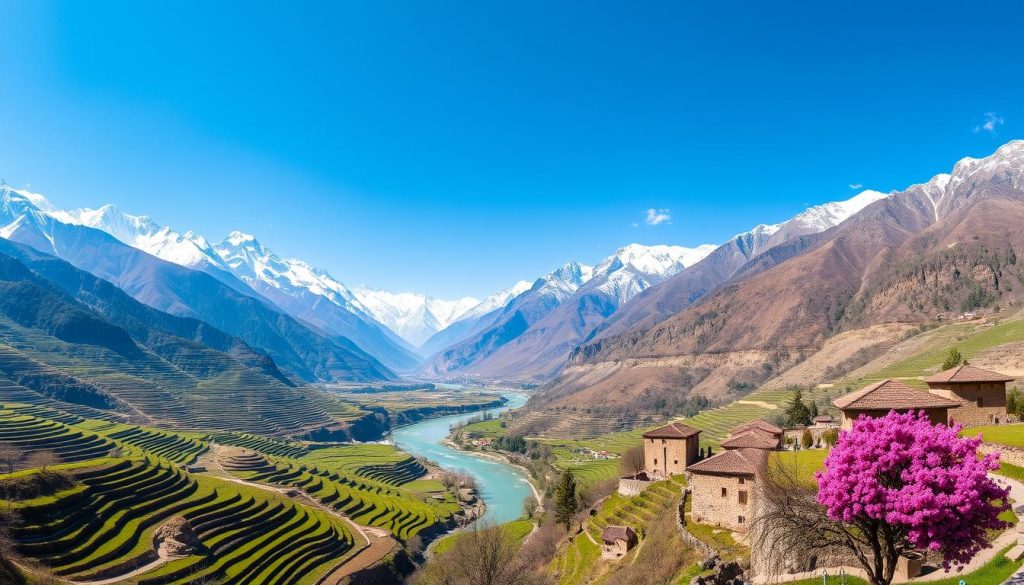
The Hunza Valley offers rich cultural heritage and mouthwatering local cuisine. It’s a hidden gem for those seeking unforgettable adventures off the beaten path.
Accessing the Hidden Gem of Hunza
The Journey Along the Scenic Karakoram Highway
Hunza Valley, a remote paradise in northern Pakistan, is mainly reached by a scenic drive. The journey from Islamabad takes about 20 hours along the famous Karakoram Highway. This route winds through the stunning Karakoram mountain range.
The Karakoram Highway is hailed as one of the world’s most beautiful drives. It snakes through towering mountains, offering breathtaking views. Travelers can marvel at snow-capped peaks, pristine glaciers, and cascading waterfalls.
The journey itself is a crucial part of the Hunza Valley experience. Visitors can explore small villages and taste traditional Hunza cuisine along the way. This road trip sets the stage for the hidden gem awaiting at the journey’s end.
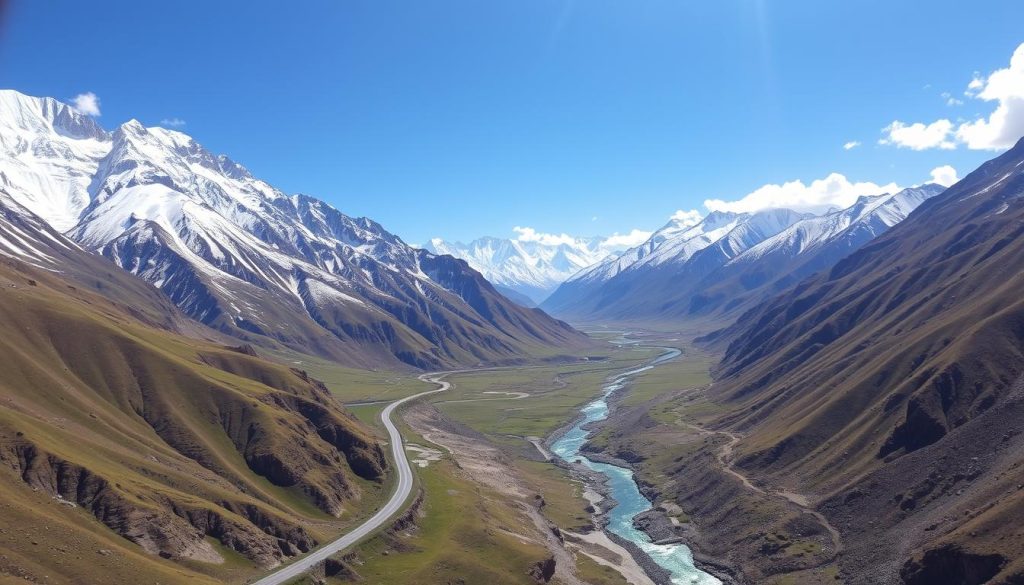
“The journey to Hunza Valley is as much a part of the experience as the destination itself. The Karakoram Highway offers a truly breathtaking and unforgettable adventure.”
Trekking and Hiking Adventures in Hunza Valley
The Hunza Valley, nestled in the Karakoram Mountains, offers challenging and rewarding trekking adventures. This remote region promises stunning mountain landscapes and hidden glaciers. Adventurers of all levels can push their limits on epic treks.
Challenging Treks to Baltoro Glacier and K2 Base Camp
The Hunza Valley’s main attraction is the trek to Baltoro Glacier and K2 Base Camp. This 11-day adventure takes you through a remote, rugged landscape. You’ll be surrounded by towering peaks, including K2, the world’s second-highest mountain.
| Trek Duration | Group Size | Deposit Required | Maximum Altitude |
|---|---|---|---|
| 11 days | 6-12 participants | $800 | 4,100 meters (Nanga Parbat Base Camp) |
The journey involves crossing glaciers and navigating steep trails. You’ll be immersed in the awe-inspiring beauty of this remote region. This trek demands high physical fitness and determination, but offers unforgettable rewards.
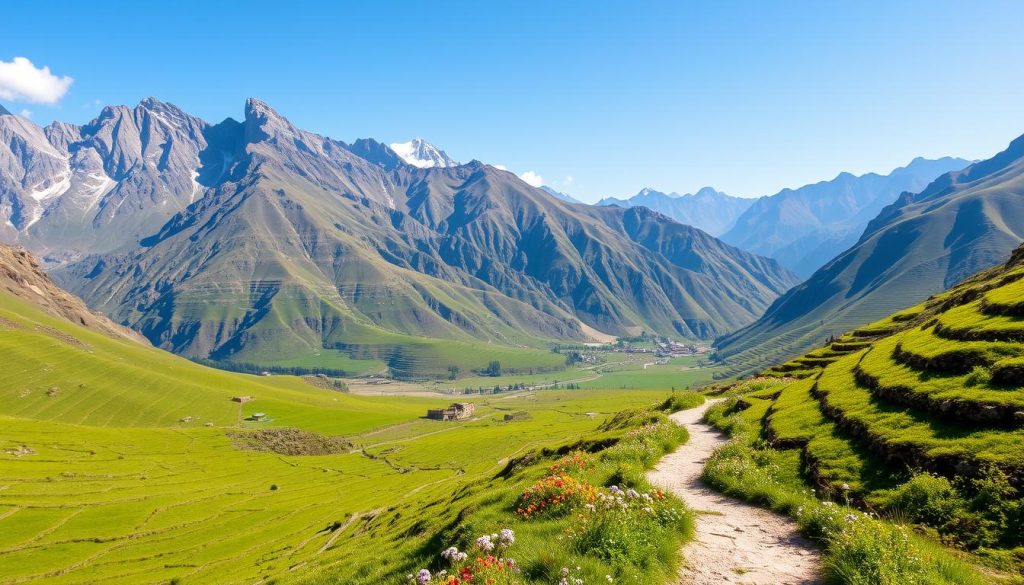
The Hunza Valley also caters to those seeking more leisurely hikes. Various scenic trails provide stunning views of mountains and glaciers. There are adventures for every skill level, from day hikes to multi-day treks.
“The Hunza Valley is a trekker’s paradise, where you can challenge yourself on some of the world’s most epic trails while immersing in the region’s breathtaking natural beauty.”
Discovering Ancient Forts and Cultural Heritage
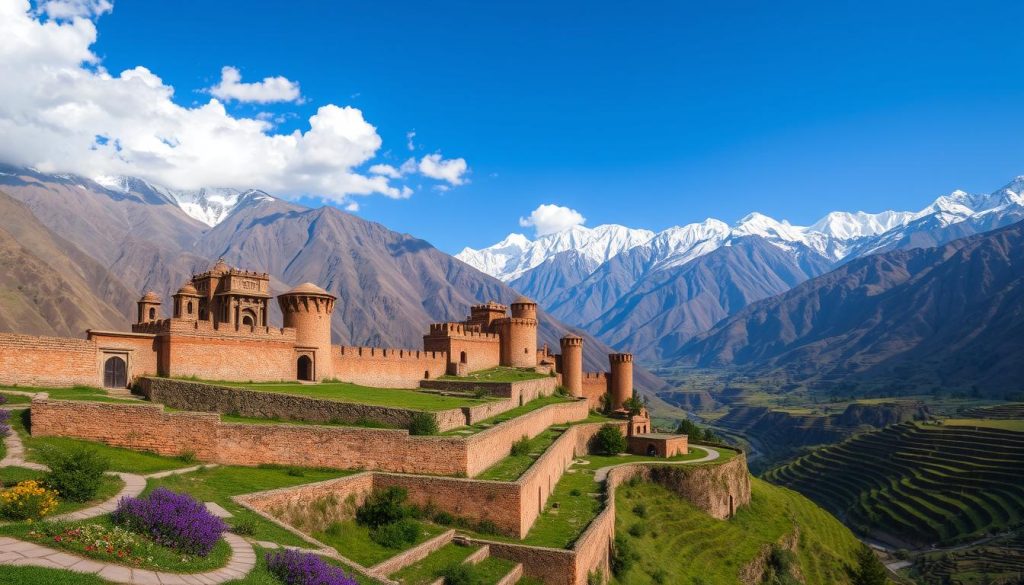
The Hunza Valley holds ancient forts and architectural wonders. Two famous sites are the Baltit Fort and Altit Fort. These 8th-century structures showcase the Hunza people’s resilience and ingenuity.
Baltit Fort sits atop a hill, offering stunning views of the Karakoram mountains. Visitors can explore its maze of passageways, courtyards, and living quarters. The fort’s wooden carvings and architecture reflect the vibrant Hunza culture.
Altit Fort stands along the Hunza River, a crucial stronghold for rulers. Its strategic location and defensive structures are impressive. Exploring Altit Fort reveals the cultural heritage and history of the Hunza people.
| Fort | Construction Date | Architectural Highlights |
|---|---|---|
| Baltit Fort | 8th century | Wooden carvings, intricate decorative elements, imposing architecture |
| Altit Fort | 8th century | Strategic location, formidable defensive structures |
These fortresses showcase the region’s vibrant Hunza culture and its people’s resilience. Exploring these ancient forts in Hunza Valley offers a unique experience. Visitors can immerse themselves in the captivating history and cultural heritage of this remarkable place.
Savoring the Flavors of Local Cuisine
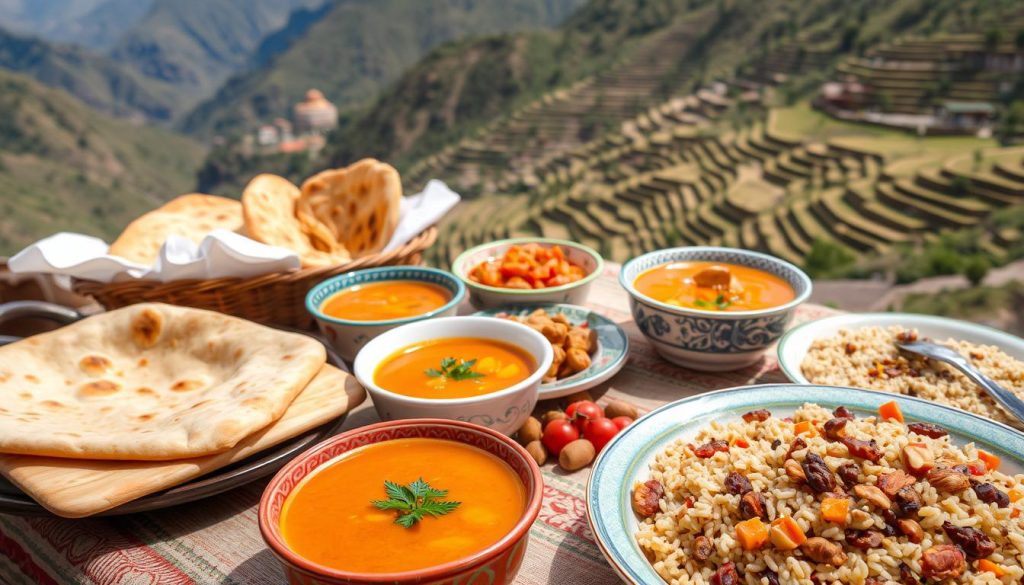
Hunza Valley is famous for its fresh produce and local dishes. The region offers a variety of traditional recipes for foodies to enjoy. One popular delicacy is Chapshoro, a tasty meat-filled pastry.
Visitors can try other Hunza dishes made with fresh fruits and vegetables. The valley is known for its apricots, used in many sweet and savory foods.
Tasting Hunza’s local cuisine is essential for travelers exploring this unique destination. It’s a great way to experience the area’s culture through food.
Chapshoro and Traditional Dishes
Hunza Valley’s traditional dishes offer captivating flavors. The famous Chapshoro showcases the region’s culinary skills. This meat-filled pastry is a local favorite.
Other time-honored recipes celebrate the valley’s fresh produce. These include seasonal fruits like apricots and walnuts. Each dish highlights the area’s rich food traditions.
- Savor the flaky crust and savory filling of Chapshoro, a beloved Hunza delicacy
- Delight your taste buds with traditional Hunza dishes made with locally-sourced ingredients
- Discover the versatility of apricots, a signature crop of the Hunza Valley, in both sweet and savory preparations
“Experiencing the flavors of Hunza’s local cuisine is a must for any traveler seeking to immerse themselves in the unique culture of this off-the-beaten-path destination.”
Embracing the Unique Hunza Culture
The Hunza Valley, hidden in the Karakoram Mountains, offers a glimpse into a unique world. The Hunza people’s culture has remained unchanged for centuries. As descendants of Alexander the Great’s army, the Hunzakuts have a rich, captivating heritage.
Traditions of Longevity and Vibrant Heritage
Hunza culture fascinates with its people’s longevity, often living into their 90s and 100s. Their lifestyle and diet of fresh fruits, vegetables, and nuts intrigue researchers. Visitors can experience Hunza culture through festivals like the Shandur Polo Festival.
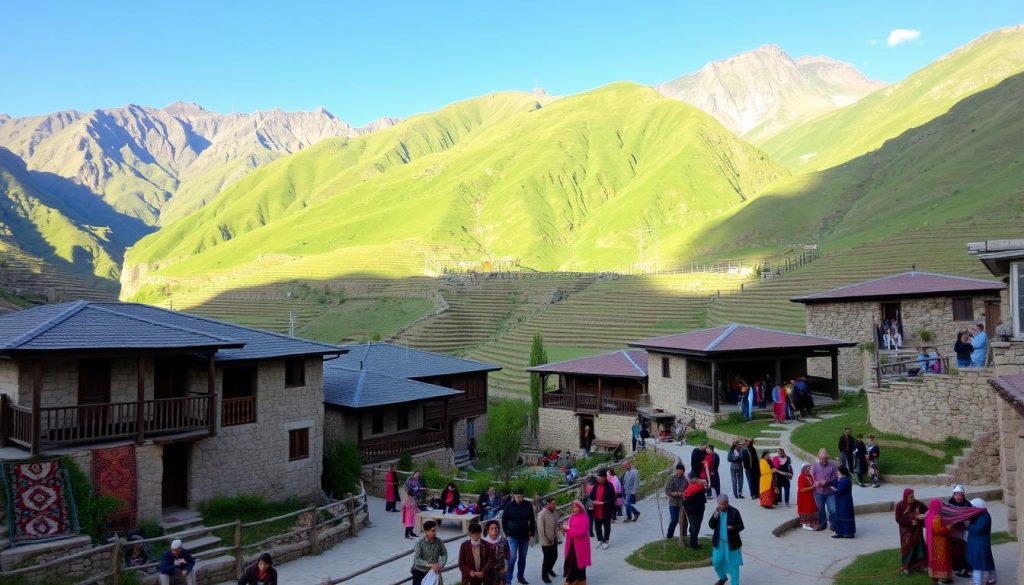
Staying in a traditional Hunza home allows travelers to learn about local daily life. The valley’s allure lies in its vibrant heritage, rooted in Ismaili Islam principles.
Centuries-old forts, castles, and lively music showcase the Hunza people’s resilience and ingenuity. These cultural elements offer a unique glimpse into their enduring world.
| Traditional Hunza Dishes | Description |
|---|---|
| Chapshuro | A savory pastry made with a rich dough and filled with vegetables or meat |
| Gyaling/Gral | Thin, stretchy wheat bread typically served in a stack and dipped in apricot oil or local cow butter |
| Tumoro Tea | A tea made with wild thyme found in the region, known for its health benefits |
The Hunza Valley offers a truly unforgettable experience for curious travelers. By embracing local customs, visitors can immerse themselves in this unique culture.
Off the Beaten Path: Undiscovered Natural Wonders
Hunza Valley attracts adventurers with its hidden natural treasures. This region boasts secluded spots and untouched landscapes waiting to be explored. Mountain lakes and historical sites offer exciting opportunities for adventure seekers.
Attabad Lake, a stunning turquoise wonder, formed after a landslide in 2010. It stretches over 21 kilometers, surrounded by local businesses. Borith Lake, a saltwater gem at 2,600 meters, is only accessible by 4×4 vehicles or motorbikes.
The renovated Hussaini Bridge is a thrilling must-visit spot. With an entry fee of 100 PKR, it offers stunning views and showcases local ingenuity. It’s open during daylight hours for visitors to experience.
Altit Fort, a 700-year-old historical site, charges 500 PKR for Pakistanis and 1,200 PKR for foreigners. The Eagle’s Nest viewpoint in Duikar village provides panoramic views of Central Hunza. These hidden gems await discovery by curious travelers.
Hunza Valley offers chances to spot rare wildlife in their natural habitats. Golden Eagles, Ibexes, Bears, and Snow Leopards roam the area. The region sits over 2,000 meters above sea level, with mountains reaching 25,000 feet.
“Hunza Valley is a destination that offers a wealth of undiscovered natural wonders for the intrepid traveler.”
Hunza Valley off the beaten path
Secluded Trekking Routes and Remote Villages
The Hunza Valley, hidden in the Karakoram Mountains, offers a unique adventure. This region has secluded trails and remote villages untouched by modern life. Visitors can explore a world frozen in time.
Adventurers can create their own paths in Hunza Valley. The Ondra Fort trek in Gulmit is a 3km journey taking 1-2 hours. Another option is the 8km hike from Hussaini Bridge to Passu Bridge.
Shimshal village sits at 3,100 meters, offering a deep dive into local culture. An overnight trek reaches about 3,500 meters. These experiences let you connect with centuries-old traditions.
Misgar village, at 3,000 meters, and Chapursan Valley at 3,500 meters, are lesser-known gems. They showcase local life and pristine landscapes. These spots have fascinated explorers for generations.
Hunza Valley caters to all adventurers. You can choose challenging treks or peaceful village walks. This destination promises unforgettable off-the-beaten-path experiences.
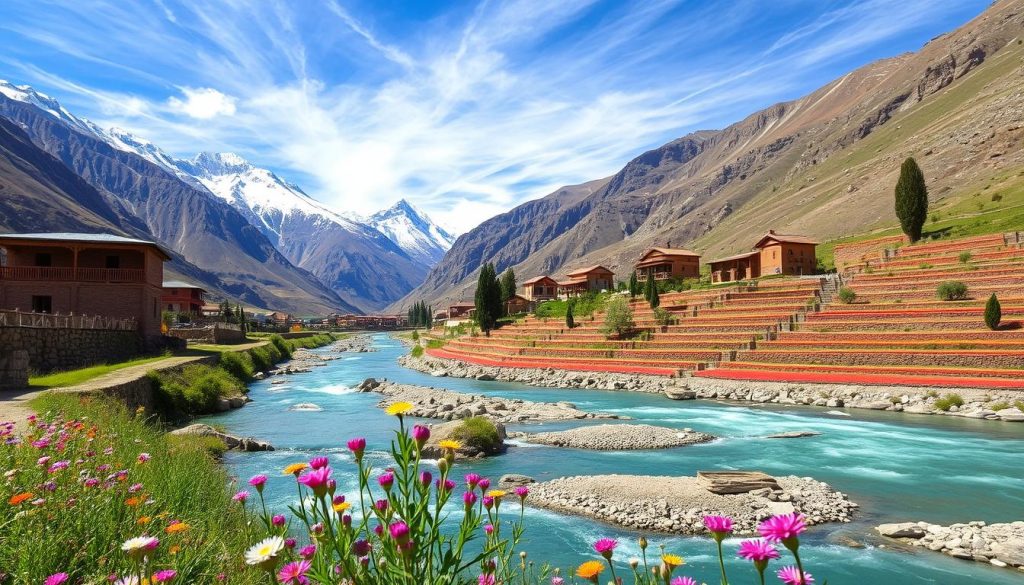
Sustainable Eco-Tourism in Hunza Valley
Hunza Valley is becoming a hotspot for adventure seekers and nature lovers. The local community promotes responsible travel to protect the environment. They focus on minimizing impact on the land and resources.
Visitors can enjoy eco-friendly accommodations and join conservation efforts. Educational programs teach travelers about the valley’s unique ecosystem. These initiatives help preserve Hunza’s beauty for future generations.
Sustainable tourism in Hunza benefits both the environment and local community. Travelers can experience rich culture while reducing their carbon footprint. This creates a win-win situation for visitors and the valley.
By choosing eco-friendly options, guests can fully appreciate Hunza’s natural wonders. This approach ensures the valley remains a hidden gem for years to come. It’s a perfect destination for those seeking off-the-beaten-path adventures.