Discover Dilijan: History and Architecture Insights
Ever wondered how a small town in lush forests can shape a nation’s culture? Your journey to uncover Dilijan’s secrets starts here. Known as Armenia’s ‘Little Switzerland’, this town has a rich history and architecture. With 23,712 people, Dilijan is a key center for education, trade, and spirituality.
In this article, you’ll explore Dilijan’s fascinating history and architecture. You’ll learn about its historical sites and architectural styles. Whether you love architecture or history, Dilijan’s charm is waiting for you.
Introduction to Dilijan’s Rich Heritage
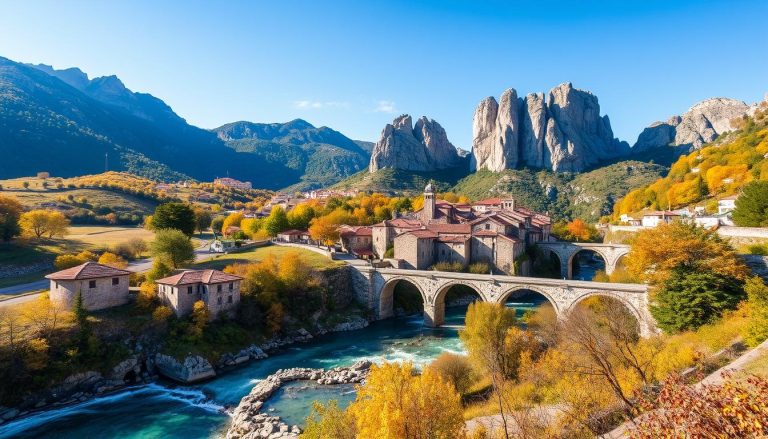
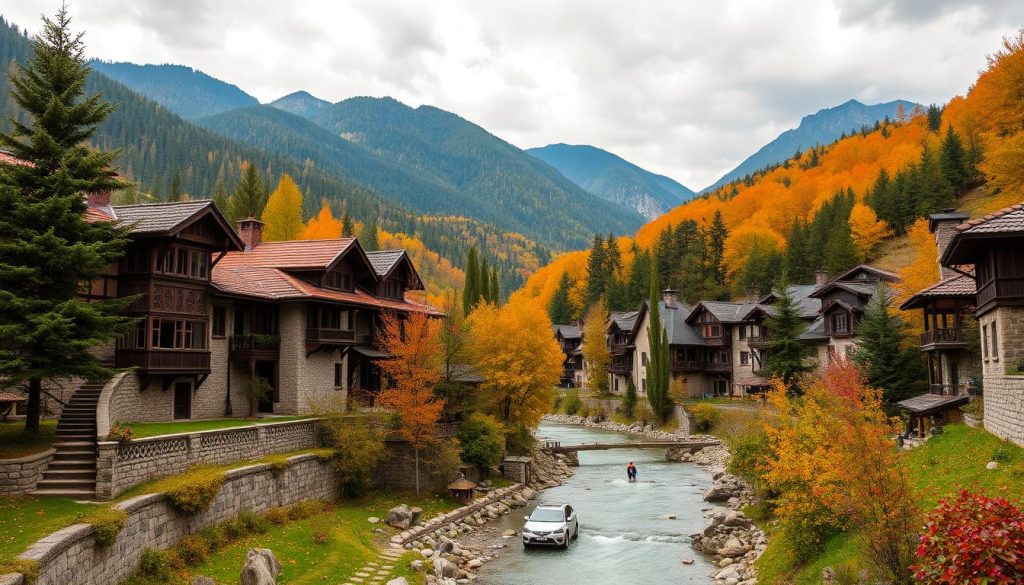
When you step into Dilijan, you’re greeted by its architectural heritage and vibrant history. This town, nestled in Armenia’s lush hills, has a history dating back to the Bronze Age. You’ll see how different cultures have shaped its architecture and community.
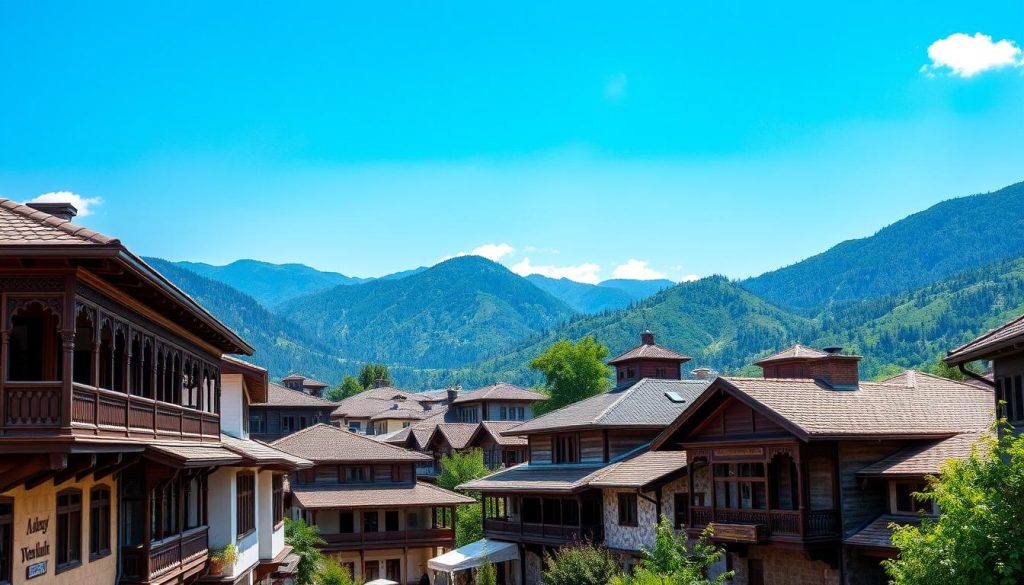
Walking through its streets, you’ll see buildings from the 19th and early 20th centuries. They show a mix of Armenian, Russian, and European styles. This blend tells the story of Dilijan town history.
The Old Dilijan Complex is a symbol of Armenian culture. It’s a place where locals and tourists meet. The atmosphere is calm, perfect for exploring and relaxing. It offers a peek into the past, with modern art and activities.
Dilijan is a town with a rich history and cultural depth. It’s a place where stories and art come together, creating a unique experience.
The Historical Context of Dilijan
Dilijan’s history shows how it changed over time. Its location on important trade routes helped with both economic and cultural exchanges. You can see old structures in Dilijan that show its rich past. Exploring Dilijan’s history, we see how early settlements laid the town’s foundation.
Early Settlements and Cultural Significance
Dilijan has been home since the early Iron Age. This was the start of its role in Armenian history. The early monasteries, like Haghartsin and Goshavank, were more than just places of worship. They were centers of learning and spirituality, shaping the area’s identity.
Medieval Era: A Hub of Trade and Education
In the medieval times, Dilijan became a key spot for trade and learning. Scholars came to the monasteries, making Dilijan a beacon of knowledge. The old structures still inspire awe and respect today.
Learning about Dilijan’s history and architecture
Exploring Dilijan’s architecture and history gives us a peek into its rich culture. The city boasts 32 architectural monuments, each with its own story. You’ll see the beauty of Armenian heritage in places like the Haghartsin and Goshavank monasteries.
Key Historical Sites and Landmarks
Dilijan’s landmarks are key to understanding its past. The Haghartsin Monastery, built between the 10th and 13th centuries, shows off medieval Armenian architecture. It’s a peaceful spot surrounded by nature, perfect for feeling connected to the community.
- Haghartsin Monastery: A testament to medieval Armenian architecture.
- Goshavank Monastery: Known for its rich historical background and ornate designs.
- The Rotonda: A cultural hub that once hosted theatrical performances.
For those interested in Dilijan’s monuments, these sites showcase the region’s legacy and craftsmanship.
Architectural Styles Present in Dilijan
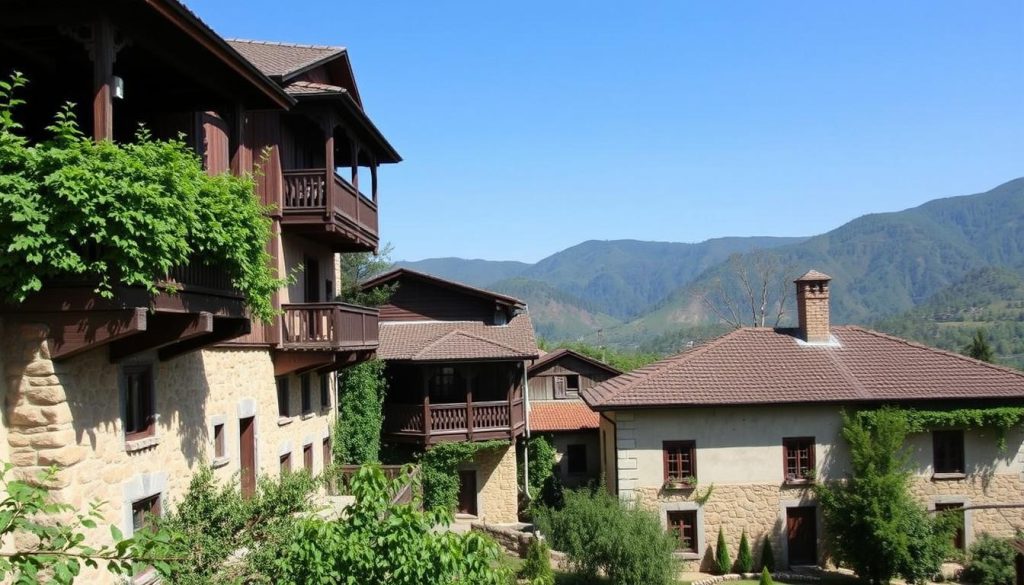
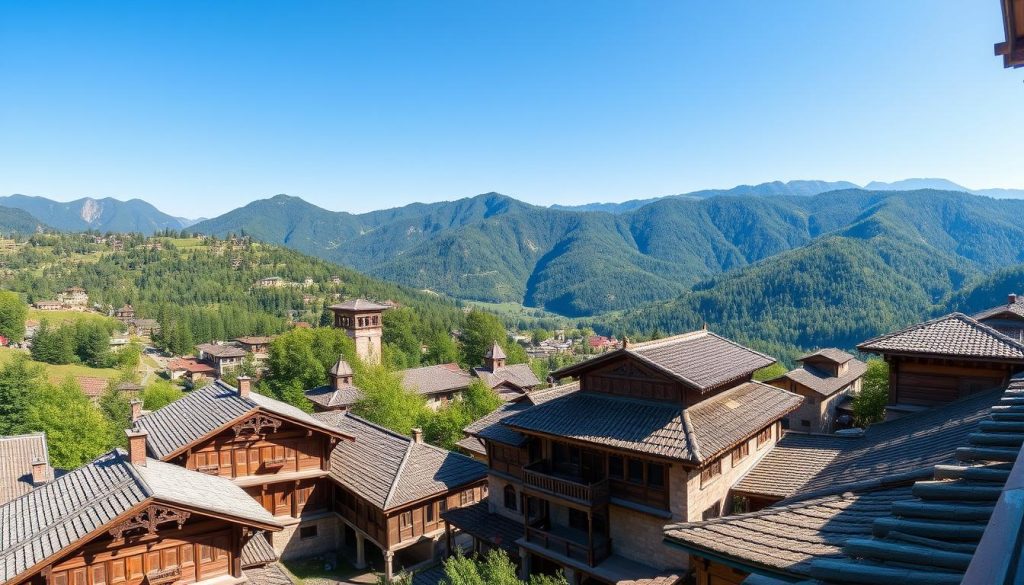
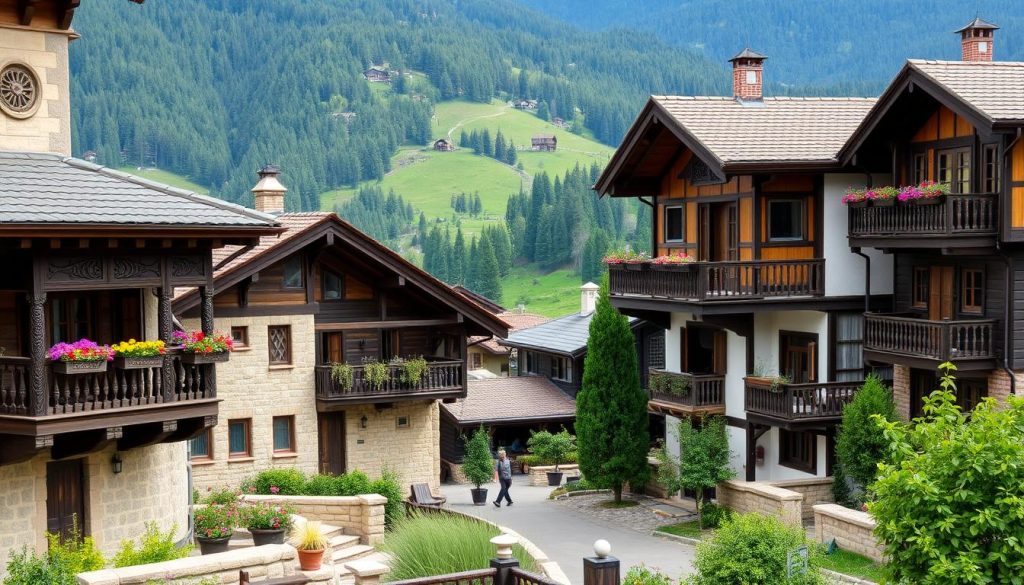
Dilijan’s architecture reflects different historical periods. Traditional Armenian styles are common, but there’s also a mix of newer designs. Since the mid-19th century, buildings have grown taller, with balconies and woodwork influenced by the Molokan community.
| Architectural Element | Description |
|---|---|
| Tiled Roofs | Commonly seen, contributing to the structural integrity and aesthetic appeal. |
| Whitewashed Walls | Enhances brightness and reflects the region’s warm climate. |
| Carved Cornices | Features intricate designs that celebrate local craftsmanship. |
| Wooden Balconies | Provide outdoor spaces that blend function with artistry. |
This mix of styles shows Dilijan’s rich history and its efforts to keep its heritage alive while meeting modern needs.
Exploring Dilijan’s Architectural Heritage
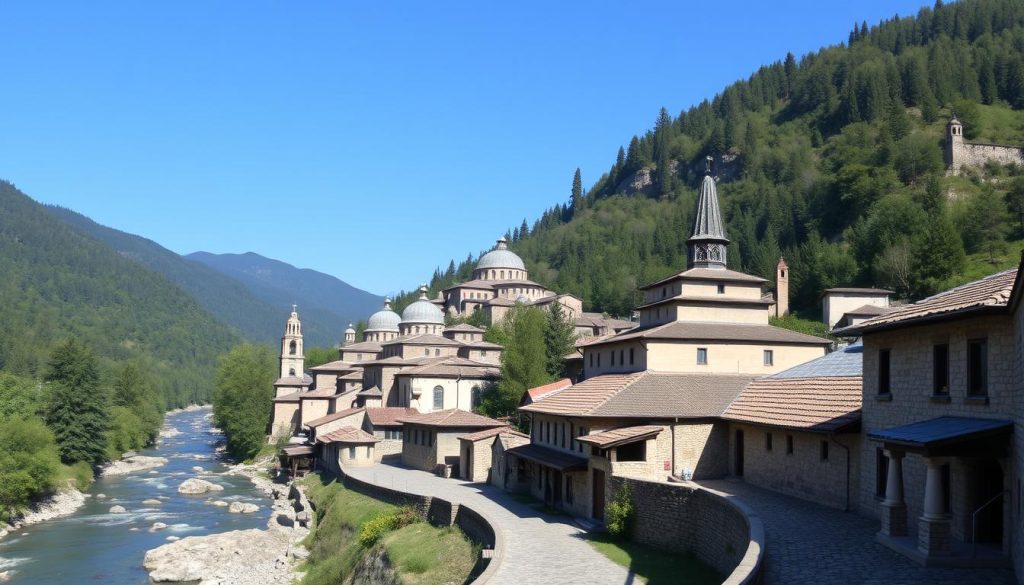
As you explore Armenia’s heart, Dilijan’s architecture will amaze you. It shows off traditional Armenian craftsmanship. The town’s buildings mix function and beauty, with detailed woodwork and stone.
The homes and buildings here tell stories of skilled builders from long ago. They are a testament to the town’s rich history.
Traditional Armenian Influences in Architecture
Dilijan’s buildings blend with nature, showing Armenian traditions. You’ll see pointed arches, domed roofs, and intricate lintels. These features make the local style unique.
The town uses local materials like stone and timber. This connection to the environment adds to Dilijan’s charm. Walking around, you’ll see how culture and traditions are woven into the buildings.
Preservation of Historic Buildings
Keeping historic buildings in Dilijan is key to its identity. Efforts to restore these structures are underway. They aim to preserve the town’s history for the future.
These projects honor Dilijan’s past while bringing new life to the community. They also draw visitors interested in learning about the town’s heritage. Dilijan balances respect for history with a forward-looking vision.
Notable Historical Sites in Dilijan
Dilijan is home to many historical sites that show its rich culture and spiritual side. These landmarks give us a glimpse into the area’s heritage and beautiful architecture.
The Haghartsin Monastery: A Spiritual Jewel
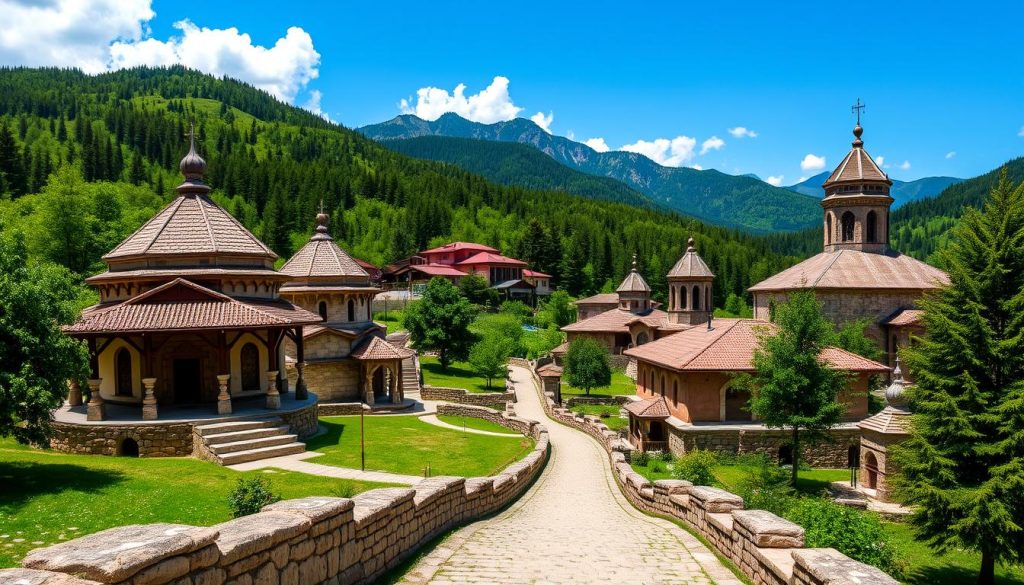
Haghartsin Monastery is a marvel of medieval Armenian architecture. It was built in the 9th century. This peaceful place has churches and a refectory with detailed carvings and frescoes.
It’s set in a stunning natural setting, drawing pilgrims and tourists alike. Haghartsin is a symbol of Armenia’s spiritual depth. It’s key to understanding Dilijan’s historical sites.
Goshavank Monastery: History and Architecture
Goshavank Monastery dates back to the 12th century. It’s known for its architecture that highlights medieval education. The monastery has a church and a school, showing the importance of learning back then.
The stonework here is a testament to Armenian architectural skill. It’s a place you shouldn’t miss if you’re interested in Dilijan’s history. Goshavank offers a glimpse into Armenian culture, making it a vital part of your journey through Dilijan’s historical sites.
| Monastery Name | Establishment Year | Architectural Features | Cultural Significance |
|---|---|---|---|
| Haghartsin Monastery | 9th Century | Intricate carvings, frescoes | Spiritual hub for visitors |
| Goshavank Monastery | 12th Century | Exquisite stonework, educational layout | Important cultural and educational center |
Dilijan’s Role as a Cultural Center
Dilijan is a lively cultural center in Armenia, filled with artistic activities. It hosts art and music festivals that bring together local and international artists. These events celebrate creativity, making Dilijan a key place for cultural exchange.
Art and Music Festivals in Dilijan
Dilijan celebrates art all year round. The Dilijan Arts Festival is a highlight, showcasing visual arts, music, and workshops. It brings artists and the community together, strengthening bonds between locals and visitors.
The festival’s mix of local traditions and modern art creates a special atmosphere. It attracts different audiences and shows off Dilijan’s architectural styles and heritage.
Influence on Armenian Cultural Identity
Dilijan’s influence goes beyond its festivals. It plays a big role in Armenian culture. Historical sites in the town tell stories of its past, while modern art shows the growth of Armenian life.
Dilijan’s heritage and efforts to keep cultural traditions alive boost national pride. The blend of history and innovation in art shows Dilijan’s importance in Armenian culture.
Modern Developments in Dilijan
Dilijan has seen big changes in recent years. These changes respect its history and meet the needs of its people. You’ll find new attractions and efforts to keep the town’s cultural heritage alive.
Post-Soviet Revival: A New Dawn
After the Soviet Union fell, Dilijan started to change. The number of shops went up eight times in eight years. This shows a strong economic growth.
Cafes and restaurants have also grown, with a fourfold increase. Hotels and Bed & Breakfasts have increased by 3.5 times since 2012. This means more places for tourists to stay, showing Dilijan’s growing importance in tourism.
In 2015, a new church was built. It was designed by Maxim Atayants and is a big draw for visitors. The Dilijan City Park was also renovated, creating a peaceful spot for everyone.
Community Efforts for Cultural Preservation
The community is key in keeping Dilijan’s old buildings safe. The Development of Armenia Charitable Foundation started a big project. It aims to make Dilijan City Lake bigger and better.
The City Stadium was renovated. Now, it hosts big sports events while keeping the town’s history alive. The Toon Armeni Guest House was turned into a fancy hotel, showing a love for old buildings.
Café #2 is the first community café in the Tavush region. It gives young people a chance to learn and work. These efforts show Dilijan’s commitment to its past and future.
New attractions like the VereV Rope Park offer fun activities. This mix of new and old shows Dilijan’s dedication to its history and culture. Local groups keep Dilijan beautiful through workshops and cultural events. This shows a town that values its past but looks to the future.
Outdoor Attractions Surrounding Dilijan
Exploring Dilijan and its surroundings reveals a world of natural beauty. Dilijan National Park is a top spot for nature lovers. It’s known as ‘Little Switzerland‘ of Armenia for its stunning landscapes and diverse wildlife.
Dilijan National Park and Its Natural Wonders
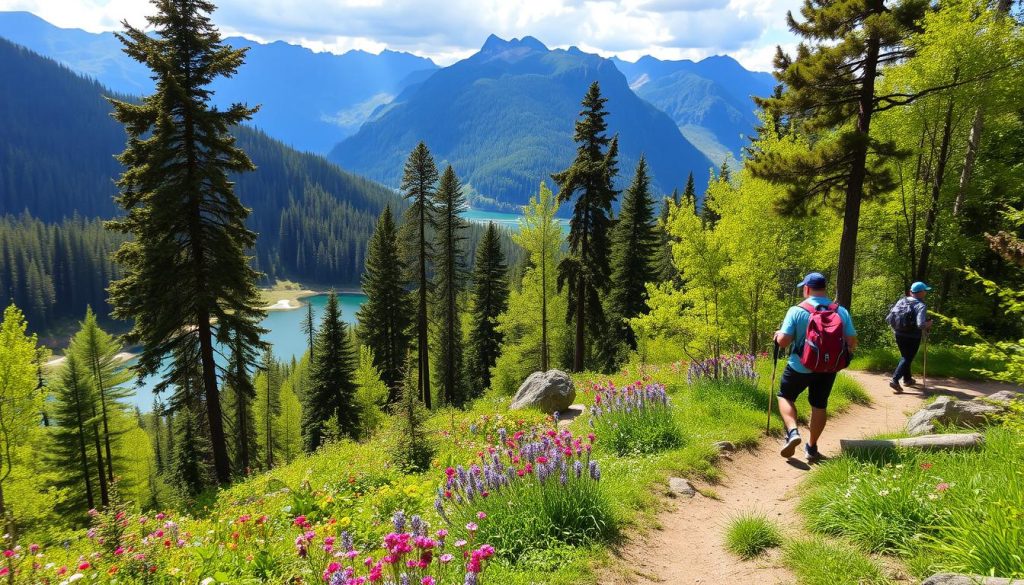
Dilijan National Park offers many trails for all hikers. You can choose a trail for a thrilling adventure or a peaceful walk. Wildlife watching is also popular, letting you see animals in their homes.
Outdoor Activities: Hiking and Nature Exploration
Dilijan is perfect for outdoor fun. Hikers can enjoy scenic paths, while mountain bikers seek thrills. Horseback riding offers a unique way to see the beautiful landscapes.
Photography tours let you capture the park’s beauty. Birdwatchers will love spotting different species. For a thrill, try ziplining over the treetops for a stunning view.
Spa and wellness resorts in the park use mineral waters for treatments. Camping and glamping let you live close to nature. These options offer a peaceful retreat.
Traditional cooking classes add a local flavor to your visit. As you explore Dilijan National Park, you’ll find a mix of outdoor fun and Armenia’s natural wonders. It’s a rewarding experience for all.
Conclusion
Exploring Dilijan reveals a place where history and architecture meet nature’s beauty. This charming town invites you to explore its rich past. You’ll see landmarks like the Haghartsin and Goshavank monasteries, showcasing Armenia’s architectural heritage.
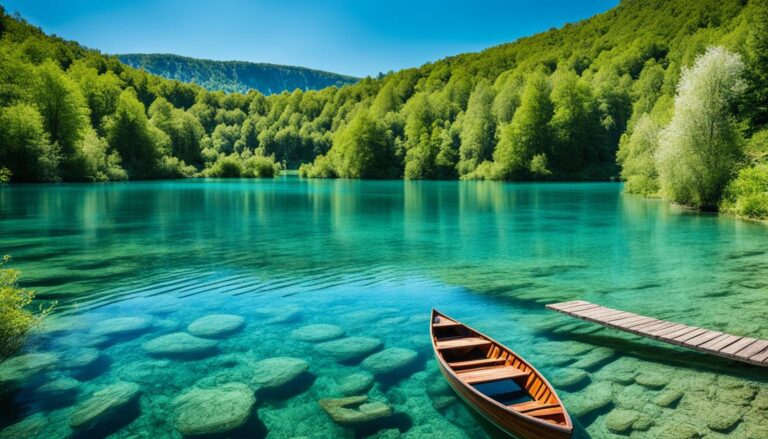
Attractions like Sharambeyan Street and Dilijan National Park offer unique experiences. Sharambeyan Street is where local artisans display their crafts. Dilijan National Park, with its diverse ecosystems, is perfect for boating, fishing, and hiking.
A visit to Dilijan is more than just seeing buildings. It’s about experiencing vibrant cultural events and trying fresh, organic Armenian food. Discovering Dilijan’s architectural heritage makes your journey unforgettable.