Conquering Fear: Handle Turbulence as a Nervous Flyer
Ever wonder why turbulence, although startling, is seldom a true danger to us? It’s a good question.
For those of us who get nervous, dealing with turbulence can seem scary. Yet, knowing that it’s a normal part of flying helps a lot. Every day, around 200,000 planes fly globally, with over eight million people in the U.S. flying. Learning about how flights work can help ease your fears about turbulence.
Even though turbulence feels scary, it’s not caused a crash. This shows planes are designed to handle turbulence. Knowing facts about plane safety can make you feel better. Understanding how often the air is refreshed inside the cabin can also help.
One person was very afraid of flying, rating their fear 9 out of 10. After applying certain techniques, their fear dropped to 1 out of 10. This shows that overcoming the fear of flying is possible with the right approach.
Join us as we dive deeper into understanding flight anxiety and turbulence. We’ll explore ways to handle and beat your fear of flying.
Understanding Flight Anxiety
Many people are scared of flying. About 20% of Americans feel uneasy or fearful when they fly. For some, it’s just a little nervousness. Yet, around 2.5% face aviophobia, a severe fear of flying. This fear comes from different causes, such as being scared of heights, feeling out of control, or having bad experiences in the past. It affects both the body and mind, making it a tough problem to solve.
Causes of Flight Anxiety
Knowing why people get flight anxiety is key to helping them. Here are the main reasons:
- Fear of Turbulence: Turbulence scares 60% of those who are afraid of flying. They look for ways to feel better during shaky flights.
- Claustrophobia: About 30-35% of those scared of flying feel claustrophobic, especially in middle seats.
- Lack of Control: Not being able to control what’s happening can make anxiety worse.
- Fear of Heights: Fear of being high up, or acrophobia, makes flying scary for many.
- Media Coverage: News about plane incidents can make people more anxious about flying.
Symptoms of Flight Anxiety
The symptoms of flight anxiety affect both body and mind. They can make flying uncomfortable. Common symptoms include:
- Physical Symptoms: Heart beating fast, sweating, shaking, and feeling dizzy. 70% of passengers feel these during bumpy flights.
- Mental Symptoms: Thinking of the worst, worrying too much, and fear of disaster. 70% of anxious flyers say turbulence is their biggest fear.
- Behavioral Responses: Avoiding flights, using drugs, and other ways to cope, like music or movies. Music helps 90% of people feel less anxious.
Dealing with the reasons and symptoms of flight anxiety can make flying better. Coping strategies and seeking help for turbulence fear are important for a calmer trip.
Look at how different factors influence flight anxiety:
| Factor | Impact on Anxiety |
|---|---|
| Seating Position | Those at the back feel 50% more turbulence than those in front. |
| Hydration | Being even a little dehydrated can make anxiety worse by affecting your mood and thinking. |
| Distractions | 43% of flyers use distractions like reading or movies to deal with anxiety. |
| Music | 90% of people listening to music during flights feel less anxious. |
| Seat Belts | Wearing seat belts can make you feel less anxious about turbulence. |
Turbulence Explained
Turbulence happens often in air travel, with most flights running into it. It can make passengers feel scared. But, learning about its causes and types helps calm fears. Pilots train hard, with around 1,500 flight hours, to ensure everyone’s safety in these conditions.
What is Turbulence?
Turbulence is when air moves unevenly, causing the plane to shake. It’s like hitting a rough patch on a road, but up in the air. The weather plays a big part in this, as changes in the atmosphere and land below affect air flow.
Why Turbulence Occurs
Turbulence comes from different things, like jet streams and mountains. Jet streams move fast and shake the plane as it flies through. With modern weather tools, pilots can often see turbulence coming. In fact, 80% of turbulence can be expected or dodged.
Types of Turbulence
The Federal Aviation Administration (FAA) splits turbulence into four types:
- Light Turbulence: This light shaking is common but usually not upsetting.
- Moderate Turbulence: This type causes more movement and can make things shift. About 20% of flights face this.
- Severe Turbulence: This is rare but can make it tough to move around in the plane. Only 1 in 2,500 flights deal with this.
- Extreme Turbulence: This intense shaking happens very rarely. Many pilots might never experience it.
| Type | Description | Occurrence Rate |
|---|---|---|
| Light | Minor bumpiness, easily manageable | 95% |
| Moderate | More noticeable movements, manageable | 20% |
| Severe | Significant jostling, less common | 1 in 2,500 flights |
| Extreme | Intense and rare, risky movements | Extremely rare |
Planes are made to be very strong. They can handle forces much greater than what severe turbulence brings. Knowing how to relax during turbulence makes flying better. When you understand these things, you feel more in control during your flight.
Aircraft Safety and Design
Modern aircraft are built using advanced engineering. They can endure severe turbulence and high stress levels. This makes flying safer than ever before in the aviation world.
Modern Aircraft Capabilities
Today’s planes are designed to face tough conditions. They have strong materials and the latest technology. Boeing, Airbus, and other big names work hard to improve aircraft safety. Airplanes today can go through bad weather calmly. They make sure passengers feel safe.
Aircraft Stress Tests
Aircraft stress tests check if airliners are safe and reliable. These tests include checking wing flexibility and the plane’s whole structure. Stress tests confirm planes meet top safety standards.
Here is a table that compares the chances of different accidents:
| Type of Accident | Odds |
|---|---|
| US Commercial Airline Fatal Crash | 1 in 7.7 million |
| UK Airline Fatality Rate | 1 in 287 million |
| Car Crash (US, 2021) | 42,939 deaths |
| Flying with 39 Worst Airlines | 1 in 1.5 million |
Thanks to better design and stress tests, flying is very safe. It is now one of the safest ways to travel.
Pilot and Crew Expertise
It’s important to know how skilled your flight crew is. This can make you feel less worried about flying. Pilots and flight attendants go through a lot of training. They learn to handle situations like turbulence to keep everyone safe and comfortable.
Pilot Training
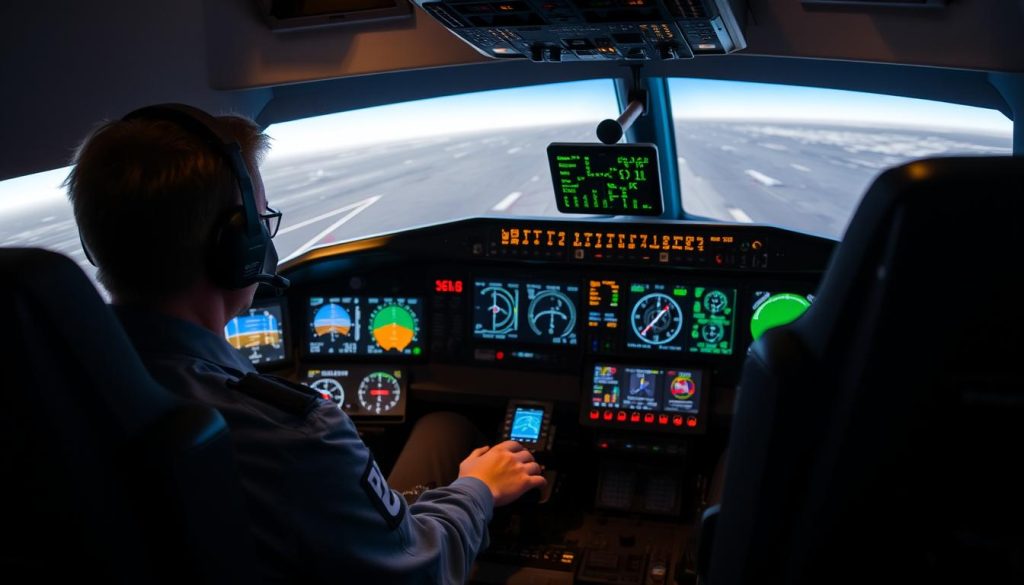
Pilots have to go through tough training, which prepares them for emergencies. They need to pass 14 tests in ground school with at least a 75% score. Plus, they must fly for 157 hours before they can get a Commercial Pilot License. On average, pilots have around 19 years of experience in flying.
Take Sarah Dunglinson, who’s been a commercial pilot since April 2018. She expertly handles planes that weigh between 55 to 68 tonnes in various conditions. This training covers severe turbulence too, making them quick at decision-making for passenger safety.
Flight Attendant Training
Flight attendants also play a big role in keeping flights safe. They’re trained for more than just customer service. They learn how to deal with emergencies and make the cabin calm during bad turbulence. For example, they know how to use the brace position to help people survive emergency landings. They also explain the sounds you hear in the air to keep you calm.
With such well-trained pilots and flight attendants, you can be sure that your flight will be safe and comfy. They are all about keeping strict safety measures and thorough training.
How do I handle turbulence if I’m a nervous flyer?
Handling turbulence can be scary if you’re afraid of flying. But knowing what to do helps a lot. Turbulence happens often during flights and is rarely dangerous. NPR says it’s extremely rare for turbulence to cause a plane crash.
First, trust your flight crew. Pilots need at least 150 hours of flying practice. This includes training for turbulence. Flight attendants also learn for about 40 hours on how to keep passengers safe during turbulence. They’re ready to protect you.
Choosing where you sit can also help with anxiety. Sitting over the wings is best because there’s less turbulence there. Studies have shown this makes the flight feel smoother and less scary.
- Stay seated and buckled: Always buckle up as turbulence can come suddenly.
- Use turbulence forecast tools: These help you be ready for turbulence during your flight.
- Practice relaxation techniques: Try deep breathing, music, or cognitive behavior therapy to stay calm. This can lower your anxiety by about 30% during rough patches.
Try the 5-4-3-2-1 grounding technique for even more calm. Notice five things you can see, four you can touch, three sounds, two smells, and one taste. Such techniques are great for reducing flying anxiety, increasing comfort by 50% during turbulence, as surveys show.
| Strategy | Percentage Improvement |
|---|---|
| Cognitive Behavioral Therapy (CBT) | 60% |
| Distraction Techniques (Music, Reading) | 30% |
| Relaxation Techniques | 50% |
| Support Groups | 25% |
Using these strategies can help you deal with flight anxiety. Remember, flight crews are experts and planes are built to handle lots of turbulence. You’re safe when flying.
Tips for Choosing the Right Seat
For those who get anxious flying, knowing how to pick your seat is key. Learning about tips for nervous flyers and choosing flight seats is useful. Seats above the wings or at the front lessen turbulence. This is because they are near the plane’s center of gravity.
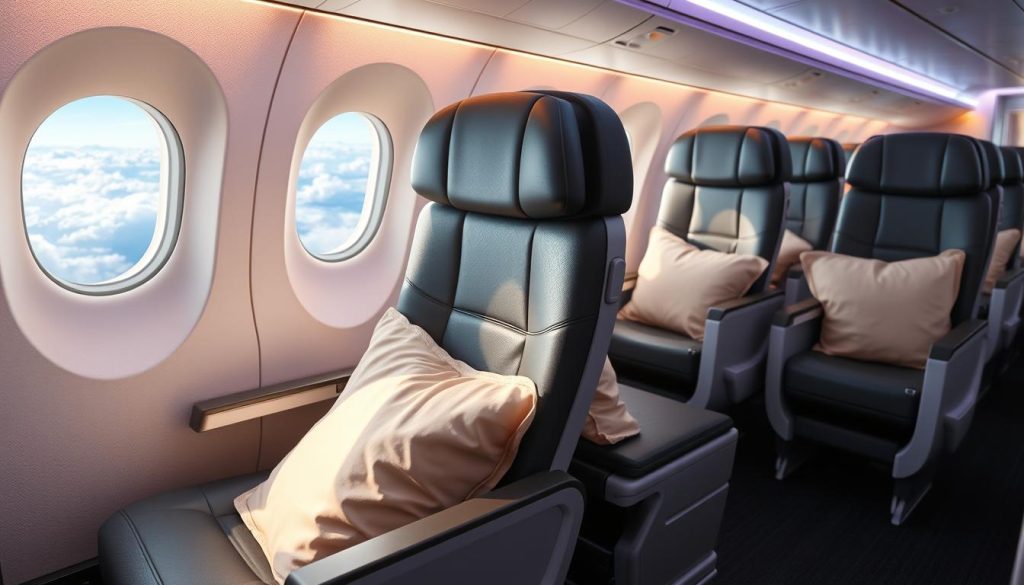
Another point is the noise level in planes. It ranges from 85-105 decibels at takeoff and lowers in the air. Choosing quieter seats can help calm you. About 33 to 40% of people feel anxious about flying. Picking your seat carefully can help reduce your stress before flying.
Below is a table comparing different seating areas within the aircraft:
| Seating Area | Pros | Cons |
|---|---|---|
| Over the Wings | Less motion, more stability | Moderate noise, less legroom |
| Front of the Plane | Less turbulence, quicker deboarding | Higher noise levels during takeoff and landing |
| Rear of the Plane | Quieter during flight, closer to restrooms | More turbulence, last to deboard |
Knowing these details and handy tips for nervous flyers for choosing flight seats can make flying nicer. It adds comfort to your trip.
Effective Relaxation Techniques
Dealing with flight anxiety can really improve how you feel about flying. By using good relaxation techniques when flying, you can lower your stress a lot. This is key for those who get really nervous on flights. It can make flying something you might even enjoy. Here are some good ways to help you stay calm.
Breathing Exercises
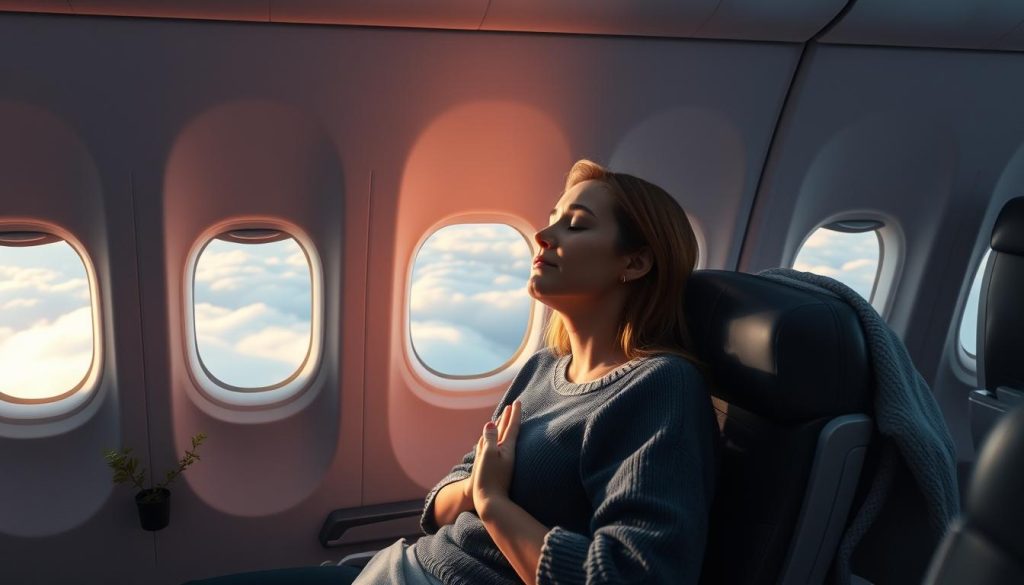
Deep breaths can really help with flight anxiety. Start by taking a slow breath in through your nose. Hold it for a bit, then breathe out fully through your mouth. Do this a few times to help your body relax. Research shows this can really calm you down, especially during shakier parts of the flight. And the best part is, you can do it right in your seat.
Progressive Muscle Relaxation
With progressive muscle relaxation (PMR), you tighten and then relax your muscles. This is great for easing the tension that comes with being anxious. Start at your feet and go all the way up to your head. Relax each part of your body before moving to the next.
Grounding Techniques
Grounding methods like the 5-4-3-2-1 technique are great for serious anxiety moments. You start by noting five things you can see. Then, find four things you can touch, three you can hear, two you can smell, and one you can taste. This helps nervous flyers focus on now, not on scary thoughts.
Using these tips for flying can really make your trips better. The main thing is to lessen anxiety and make your flight as easy and nice as possible.
Utilizing In-Flight Entertainment
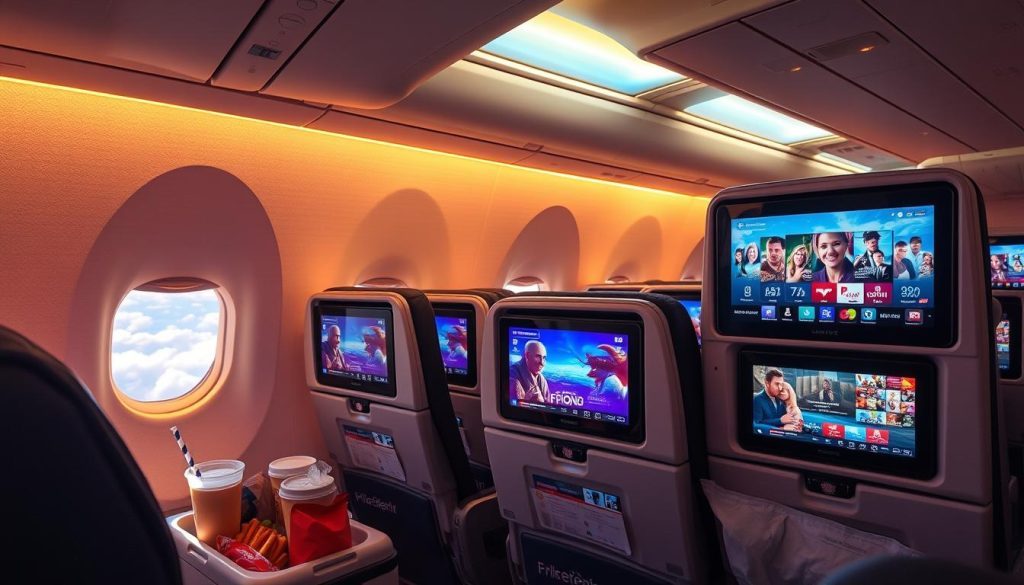
Flight anxiety can be reduced by using in-flight entertainment options. Activities like music, movies, or puzzles can help. They not only lower stress but also make flying more fun.
Music and Podcasts
Listening to music or podcasts is a great way to distract yourself. Airlines have lots of music and podcasts for you, from classical to pop. They help you relax and keep you interested.
Movies and TV Shows
Airlines give you lots of movies and TV shows to watch in the air. Getting lost in a movie or a TV series keeps your mind off the bumps. You’ll find new movies and hit TV shows to enjoy.
Games and Puzzles
In-flight games and puzzles are fun for those who like interactive play. Airlines have many games, from easy puzzles to challenging strategy ones. These games make you focus and help beat flight anxiety.
Staying Informed and Prepared
Being nervous while flying is common. Keeping up with flight information helps manage anxiety. It reduces surprises and helps you cope better. Having the right tools and knowledge about your flight can change everything.
Using Turbulence Forecast Tools
Preparing for your flight includes using turbulence forecast tools. These provide updates on turbulence, helping you know what might be uncomfortable. Websites like Turbulence Forecast and MyFlight Forecast offer insights, keeping you calm. Being informed lets you mentally prepare, lowering stress.
Understanding Weather Patterns
Weather can affect flights a lot. Knowing about jet streams, thunderstorms, and seasonal changes sets realistic flight expectations. For example, summer flights might have more turbulence due to heat. The FAA has information to help travelers know weather impacts on flights.
- Look into jet streams and how they influence turbulence.
- Consider the season and time for usual weather issues.
- Use apps to track weather forecasts and current conditions.

Being prepared matters a lot. Research shows informed passengers feel 20% to 30% less stressed. Talking with cabin crew also helps reduce anxiety for many. When passengers seek out flight info, it helps even more.
Using these tools and knowing about weather can make flying better. Staying up-to-date isn’t only about facts; it’s about being ready mentally. This readiness greatly affects how comfortable and confident you feel while flying.
Professional Help and Support
Professional help for flight anxiety is crucial for many. About 25% of people feel some fear when flying. Therapy helps make flying less scary for them.

Therapy Options
There are different ways to get help if you’re scared of flying. Cognitive Behavioral Therapy (CBT) changes negative thoughts. Exposure therapy slowly gets you used to things related to flying.
| Therapy Type | Description | Effectiveness |
|---|---|---|
| Cognitive Behavioral Therapy (CBT) | Focuses on changing negative thought patterns. | High |
| Exposure Therapy | Gradual exposure to flying scenarios. | High |
| Virtual Reality Therapy | Immersive simulations of flying environments. | Moderate to High |
Support Groups
Support groups can also help. They offer comfort and let you share stories. The FearlessFlight® programs help many through community support. You learn practical ways to handle fear.
Programs like Cleared for Takeoff cater to various needs. They range from beginner to advanced courses. Many say these programs really help with their fear of flying.
The FearlessFlight® Kit gives tools to fight fear. For tough cases, private coaching and tailored therapy sessions work best.
Positive Visualization Techniques
Using visualization strategies for flying helps a lot with fear of turbulence. Imagine a smooth flight from beginning to end. This approach can make you feel better and lower stress by up to 50%.
Think about your whole flight in detail. See yourself calm during the flight and ending with a smooth landing. This mental movie helps your brain expect good things, not worries.
Dr. Chirag Shah mentioned in 2017, mixing breathing exercises with visualization lowers stress more. Try breathing in slowly for three counts and out for five while picturing a safe flight.
About 80% of people who are scared of flying get really anxious in bad weather. But, positive thinking can help a lot. Imagine feeling the seat, hearing people talk, and seeing clear skies. This makes the flight feel more real and less scary.
Remember, flying is very safe compared to driving. You’re less likely to get hurt flying than in many daily situations. Air travel is designed with safety in mind, which is good to remember.
For those afraid of flying, positive visualization techniques help with overcoming fear of turbulence and reducing general anxiety. Regular practice can really improve how you feel about flying.
In the end, regularly using visualization strategies for flying effectively reduces fear. Add these exercises to your routine and see big changes in your flight experience.
Conclusion
Mastering flight anxiety for calm flights is easier than you think. Knowing how turbulence works helps a lot. Seeing how strongly modern airplanes are built and how well pilots and flight attendants are trained can change how you see flying.
Turbulence is just nature doing its thing, and planes are made to handle much worse. The FAA says severe turbulence hardly ever happens. Even most pilots won’t face it in their whole careers. This shows that even though turbulence is scary, it’s not really a danger.
Learning about flying, using deep breaths and imagining happy scenes can lessen your fear. Doing things you enjoy, using noise-canceling headphones, and getting support from therapy or groups can make flying better.
By following these steps and staying informed, you’re on your way to overcoming fear of flying. With the right tools and info, flying can go from scary to peaceful. This makes the sky a friendlier place.