Explore the Vibrant Masai Crafts Market in Nairobi
Ever wondered what makes a shopping trip unforgettable? Is it the colors, the culture, or meeting local artists? At the Masai Crafts Market in Nairobi, you dive into a world of detailed patterns and traditional African art.
This market gives you a special cultural shopping experience. You can see handmade jewelry, textiles, and wooden carvings that show Kenya’s true culture. It’s a lively place, great for those wanting to see how locals live.
The Cultural Significance of Masai Crafts in Kenya
Authentic Masai crafts are more than just beautiful art. They hold deep cultural meaning, showing the history and values of the Maasai people. These traditional crafts offer a glimpse into the soul of Kenyan tribal art, revealing the community’s identity and traditions.
Historical Background of Masai Artistry
The history of Masai crafts goes back centuries. Each piece tells a story of the community’s past. Local artisans have shared their skills for generations, creating unique designs that are a hallmark of Kenyan tribal art.
Symbolism and Meaning Behind Masai Designs
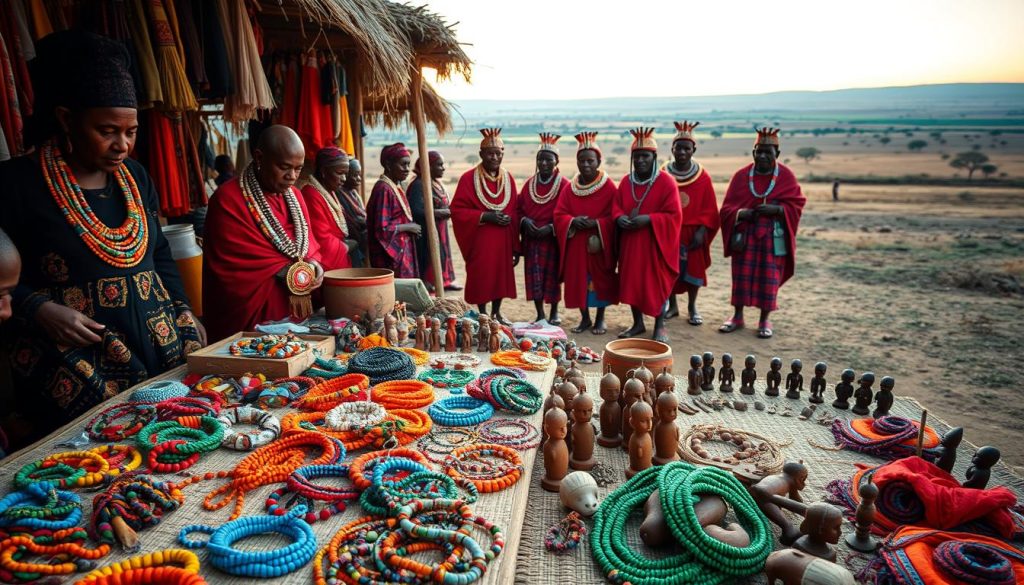
Masai beadwork is full of symbolism. Different colors and patterns mean different things in Masai culture. They show status, age, and achievements within the community. Knowing the meaning behind these designs gives insight into Maasai values and traditions.
| Color | Symbolism |
|---|---|
| Red | Represents courage and strength |
| Blue | Symbolizes the sky and spirituality |
| Green | Signifies land and fertility |
Exploring authentic Masai crafts reveals a rich cultural heritage and history. The work of local artisans not only adds beauty to homes and spaces. It also tells a story of tradition and community.
Where to Find the Masai Crafts Market in Nairobi
Nairobi’s streets are home to a hidden treasure – the Masai Crafts Market. Here, you can find authentic Masai crafts and souvenirs. The market moves around the city, making it easy to fit into your schedule.
Location and Opening Hours
The Masai Market is found in several spots in Nairobi. You can check it out on Fridays at Village Market, Sundays at Yaya Centre, and Saturdays at High Court parking lot. It opens from morning till late afternoon. Arriving early helps you avoid the crowds and enjoy your shopping more.
Transportation Options to Reach the Market
Reaching the Masai Crafts Market is simple, thanks to public transport. You can take a matatu or use Uber or Taxify. If driving, there’s parking available at each location, making your visit easy.
Nearby Attractions and Facilities
The market is close to other attractions like malls, restaurants, and cultural centers. For example, visiting Village Market on Fridays lets you also see Karura Forest. It’s perfect for nature enthusiasts. After shopping, try local food at nearby restaurants.
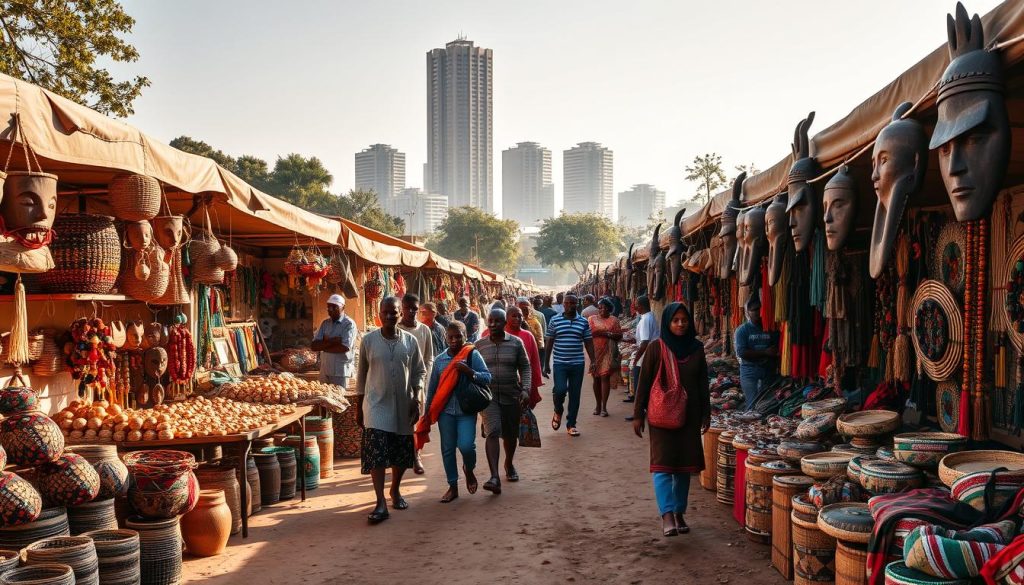
What to Expect at the Masai Crafts Market Nairobi
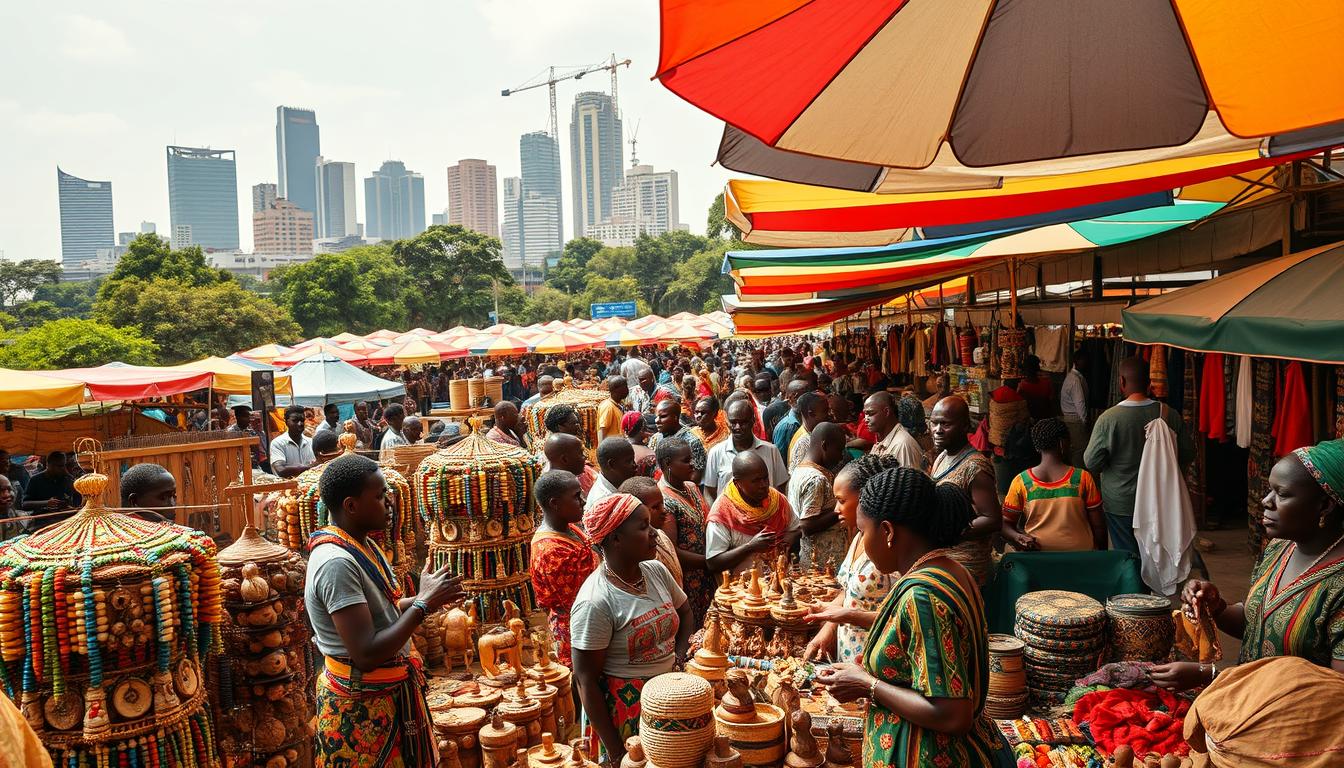
When you enter the Masai Crafts Market in Nairobi, you’ll see a world full of colors and culture. The market is a lively open-air space. It’s filled with stalls offering handmade crafts, souvenirs, and Maasai art.
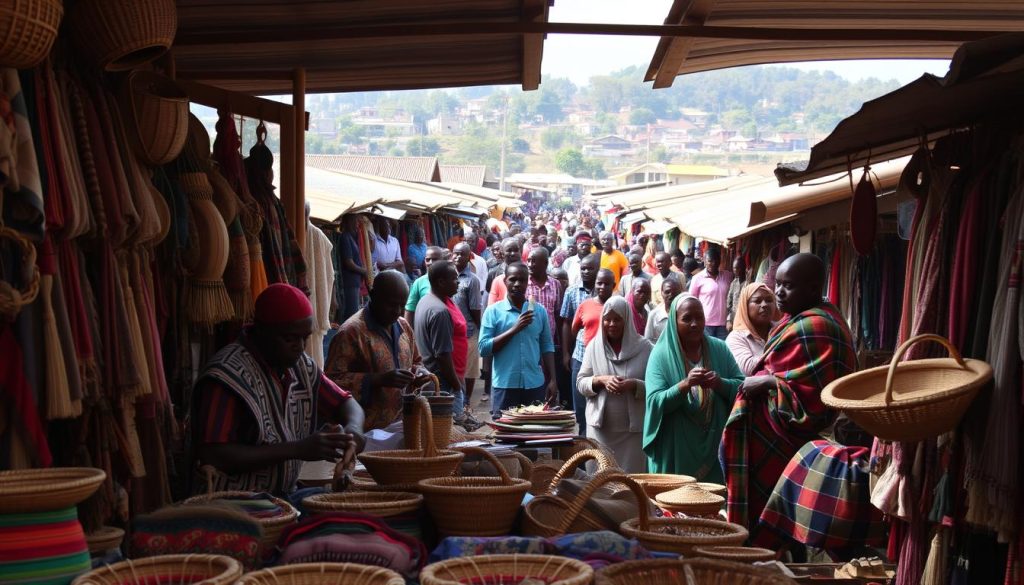
Market Layout and Organization
The market is well-organized. Stalls are grouped by the crafts they sell. You’ll find everything from jewelry to wooden carvings and textiles.
| Craft Type | Description | Typical Price Range |
|---|---|---|
| Handmade Jewelry | Intricately designed beadwork and metalwork | $10-$50 |
| Wooden Carvings | Figurines, masks, and decorative items | $20-$100 |
| Textiles | Traditional Maasai fabrics and clothing | $15-$75 |
Typical Crowd and Atmosphere
The market buzzes with life. Vendors call out, and haggling fills the air. Weekends are the busiest, drawing locals and tourists. Expect a vibrant market atmosphere that’s both lively and welcoming.
Best Times to Visit
Weekdays offer a calmer cultural shopping experience. You can browse without the crowds. For a quieter visit, try early morning or late afternoon.
Safety Tips for Visitors
Be careful with your belongings in crowded markets. Keep valuables safe and watch out for pickpockets. Also, respect vendors when haggling. They are local artisans who value their work.
Traditional Masai Jewelry: Beadwork and Symbolism
Traditional Masai jewelry is more than just beautiful. It tells stories of Masai culture, status, and spirituality. Each piece is a window into the community’s rich heritage.
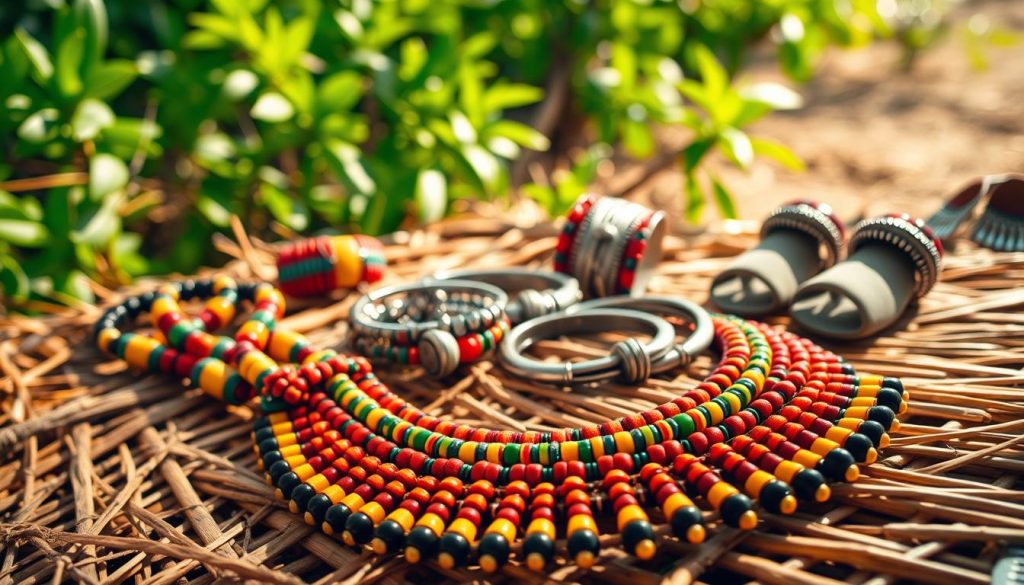
Necklaces and Their Cultural Significance
Necklaces are key in Masai jewelry, worn at ceremonies. They symbolize beauty and status. The beadwork is not just pretty; it shows the wearer’s place in the community.
Wedding and Ceremonial Pieces
Some necklaces are for weddings and initiation ceremonies. These are more detailed, showing the event’s importance. A Masai artisan once said,
“Jewelry is not just adornment; it’s a narrative of our history and values.”
Bracelets and Earrings
Bracelets and earrings are also important in Masai jewelry. They are made with the same care and meaning, showing different parts of Masai life.
Color Meanings in Masai Beadwork
Colors in Masai beadwork mean something. Red stands for bravery, and blue for the sky and spirituality. Knowing these meanings deepens your appreciation of the jewelry.
At the Masai Crafts Market, you’ll see jewelry as more than handmade jewelry. It’s a peek into the Masai community’s soul. Each piece supports authentic Masai crafts and traditional African crafts.
Textiles and Clothing at the Market
Exploring the Masai Crafts Market in Nairobi opens a world of vibrant textiles and clothing. It’s filled with traditional African crafts. You’ll find unique and colorful garments that show the rich culture of the Maasai people.
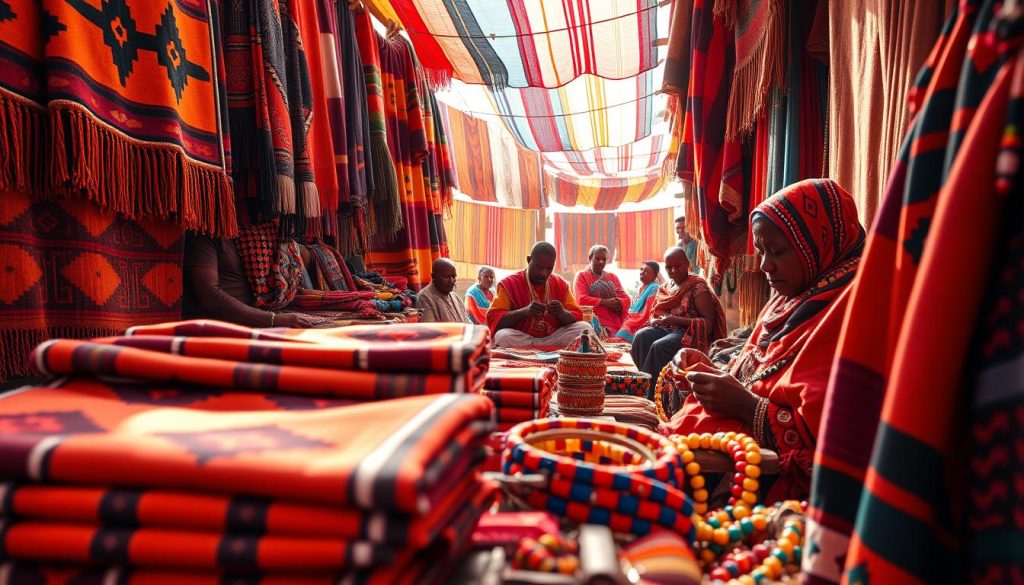
The Iconic Masai Shuka
The Masai shuka is a traditional cloth of the Maasai people. It’s known for its bright colors and checkered patterns. This iconic garment is a key part of Maasai culture and a favorite unique Masai souvenir for tourists. You can find shukas in many colors and patterns, each with its own meaning.
Other Traditional Garments and Fabrics
The market also has other traditional garments like kikoys and kangas. These fabrics are not just beautiful but also carry cultural significance. They are often used in traditional Maasai attire. They make great Kenyan tribal art pieces to take home.
Modern Adaptations of Traditional Designs
The market also showcases modern takes on traditional Masai designs. These pieces mix contemporary styles with traditional craftsmanship. They cater to a wide range of tastes, making them ideal for those who want both traditional and modern African crafts.
Whether you’re after a traditional garment or a modern take on a classic, the Masai Crafts Market has it all. The textiles and clothing section is a must-see for anyone interested in Kenyan tribal art and unique Masai souvenirs.
Wooden Carvings and Sculptures
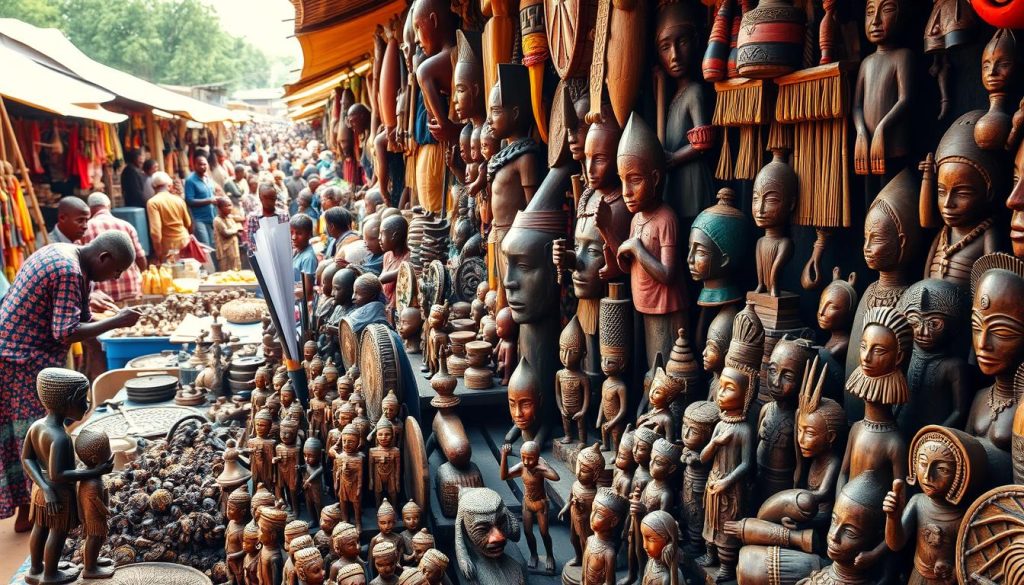
At the Masai Crafts Market, you’ll see amazing wooden carvings and sculptures. These are made with care by local Masai artists. They’re not just pretty; they also hold deep cultural value.
Types of Wood Used
The artists at the Masai Crafts Market work with different woods. They use Mugavu and Mombo for their durability and look. The wood choice depends on the design and finish needed.
Popular Carving Designs and Their Meanings
Masai carvings often show animals like lions and elephants. These animals mean a lot in Masai culture. For example, a lion might stand for bravery and strength. An elephant could mean wisdom and long life.
As one artist said, “The animals we carve are not just figures; they are stories of our people and our land.“
“The art of woodcarving is passed down through generations, with each piece telling a story of its own.”
Caring for Your Wooden Purchases
To keep your wooden carvings looking great, don’t put them in direct sunlight for too long. Dust them gently with a soft cloth. For a deeper clean, use a damp cloth, then dry with a soft cloth.
Buying authentic Masai crafts means you’re getting a special piece of art. You’re also helping local artists and their traditions.
Leather Goods and Traditional Weaponry
At the Masai Crafts Market, you’ll find leather goods and traditional weapons. These items show the Maasai people’s rich culture. You can see leather sandals, belts, and bags made with old techniques.
Handcrafted Leather Items
The leather goods here are both useful and beautifully made. You’ll find handmade sandals, fancy belts, and cool bags. These are perfect for daily use or as special souvenirs. Local artisans make these items with care, ensuring they’re of the best quality.
Ceremonial Spears and Shields
At the market, you can see Maasai spears and shields. These items are important in Maasai culture and used in ceremonies. Spears are made from wood and metal, and shields are colorful and decorated.
Decorative vs. Functional Items
Leather goods and weapons at the market vary. Some are for decoration, like wall hangings and shields. Others, like sandals and belts, are for everyday use.
| Item Type | Description | Price Range |
|---|---|---|
| Handmade Sandals | Leather sandals crafted using traditional techniques | $20-$50 |
| Ceremonial Spears | Traditional Maasai spears made from wood and metal | $30-$100 |
| Decorative Shields | Vibrantly colored shields used for decoration | $25-$75 |
Meeting the Artisans: Stories Behind the Crafts
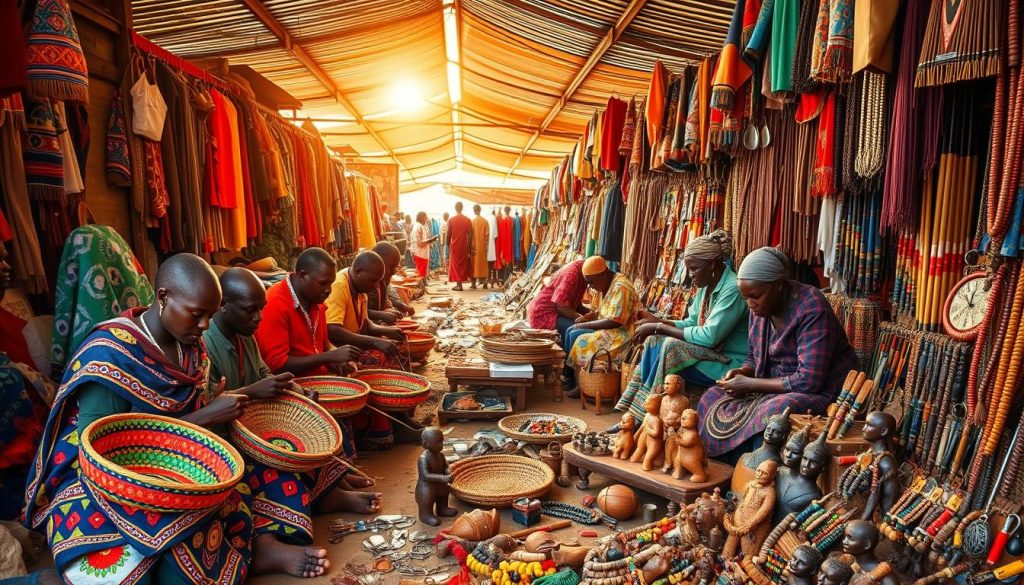
Visiting the Masai Crafts Market is a special experience. It lets you see the cultural value and skill in each craft. You’ll meet the talented people who make these beautiful items.
The Role of Craftsmanship in Masai Communities
Craftsmanship is key in Masai communities. It’s a way to express themselves and connect with their heritage. The skills are passed down, making each piece a piece of history.
By making these crafts, artisans keep their culture alive. They also help their community’s economy grow.
Supporting Local Artisans Through Your Purchase
Buying authentic Masai crafts helps local artisans. It lets them keep their traditions alive. It also helps the local economy.
Your purchase is a way to support Kenyan culture. It’s a meaningful thing to do when you travel.
Ethical Shopping Considerations
When shopping for Masai crafts, think about fairness. Make sure you’re paying a fair price. Respect the artisans and their traditions.
This way, you’ll have a positive shopping experience. It will also help the local community.
Negotiating Prices: Etiquette and Tips
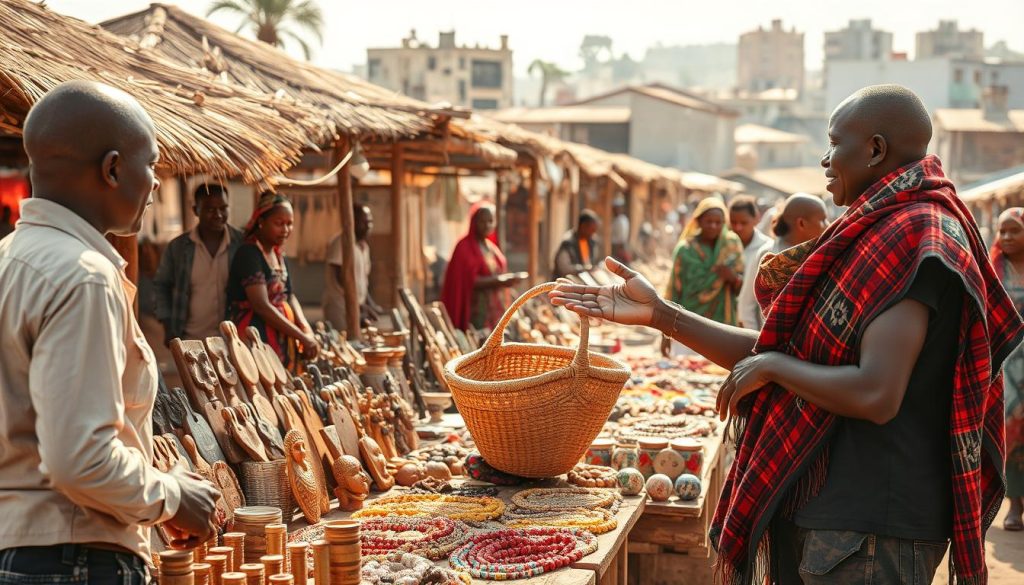
Exploring the Masai Crafts Market in Nairobi is more than just finding unique crafts. It’s about knowing how to negotiate. As you walk through the market, you’ll see that haggling is a big part of buying.
Understanding Fair Pricing
Before you start negotiating, learn what’s a fair price for the crafts you like. Do some research first. Think about the materials, the skill, and the time it took to make it. Fair pricing shows respect for the artisan’s work.
Bargaining Techniques That Respect Local Culture
When you’re bargaining, be polite and friendly. Start by saying how much you value the craft, then offer a fair price. Be ready to go back and forth. Smiling and showing you’re really interested helps. The goal is to find a price both sides can agree on.
When Not to Negotiate
There are times when you shouldn’t try to negotiate. If the price is fair or the seller says it’s their best offer, it’s okay to accept it. Not every deal needs haggling. Being aware of this keeps the market a positive place.
Authenticity Guide: Identifying Genuine Masai Crafts
Genuine Masai crafts show off traditional designs and materials. They tell stories of the Maasai culture. When you shop for Masai crafts in Nairobi, knowing how to spot real items is key. It helps support local artisans and keeps cultural heritage alive.
Common Characteristics of Authentic Items
Real Masai crafts have designs that have been passed down for ages. They are made from natural stuff like wood, leather, and beads. You can tell they’re made with care by the fine details and quality.

How to Avoid Mass-Produced Imitations
To steer clear of fake items, look closely at the craft. Check for any signs of being handmade. Irregularities in design or pattern usually mean it’s traditional craftsmanship. Also, be cautious of very low prices, as they might mean it’s not real.
Certificates of Authenticity and Fair Trade Labels
Many genuine Masai crafts come with certificates or fair trade labels. These prove the crafts are made by local artisans. They also show that buying them helps the community. Look for these labels to make sure you’re getting real Masai crafts.
| Characteristics | Authentic Masai Crafts | Mass-Produced Imitations |
|---|---|---|
| Materials | Natural materials like wood, leather, and beads | Often synthetic or machine-made materials |
| Craftsmanship | Handmade with evident detail and quality | Machine-made with less attention to detail |
| Price | Generally higher due to the value of craftsmanship | Often cheaper |
Conclusion: Bringing Home a Piece of Kenyan Heritage
When you leave the Masai Crafts Market in Nairobi, you’ll carry a special piece of Kenyan heritage with you. This market offers a unique shopping experience. You’ll find traditional Masai crafts and souvenirs that are both beautiful and culturally significant.
Shopping here supports local artisans and helps keep traditional crafts alive. Whether you’re looking for a gift or a keepsake, the market has something for everyone. You can find unique items like traditional jewelry, textiles, and wooden carvings that showcase the Masai people’s rich culture.
Your visit to the Masai crafts market in Nairobi will be a memorable part of your trip. It’s a chance to connect with local culture and bring home a piece of Kenya’s history. The market’s lively atmosphere and wide range of offerings make it an experience you won’t forget.