Your Guide to Responsible Travel in Mombasa
Planning a trip to Mombasa, Kenya, raises a question: How can you travel sustainably in this beautiful coastal city? Mombasa is known for its rich culture and stunning landscapes. Yet, more tourists mean more pressure on the local environment and community.
Sustainable travel practices are key to keeping Mombasa special. By choosing wisely, you help protect this unique place. This guide will show you the best eco-friendly spots, sustainable hotels, and ethical ways to see Mombasa. Your trip will be fun and environmentally friendly.
What is Responsible Tourism in Mombasa and Why It Matters
Responsible tourism in Mombasa means making choices that help the local environment and community. Your actions can greatly affect Mombasa’s natural beauty and cultural heritage.
Choosing eco-friendly activities and ethical travel experiences helps keep Mombasa sustainable. This makes your trip better and ensures tourism benefits everyone locally.
The Environmental Challenges Facing Kenya’s Coastal Region
Kenya’s coast, including Mombasa, has big environmental problems like pollution and overfishing. These issues harm the area’s wildlife and the people who live there.
Key environmental concerns include:
- Marine pollution from plastic waste and oil spills
- Overfishing and destructive fishing practices
- Habitat loss due to coastal development
Economic and Social Benefits of Ethical Travel Choices
Ethical travel in Mombasa helps the local community a lot. Supporting local businesses and conservation efforts means tourism money goes where it’s needed.
| Economic Benefits | Social Benefits |
|---|---|
| Job creation in the tourism sector | Cultural exchange between tourists and locals |
| Support for local enterprises | Community development projects |
| Revenue generation for conservation efforts | Preservation of traditional practices and heritage |
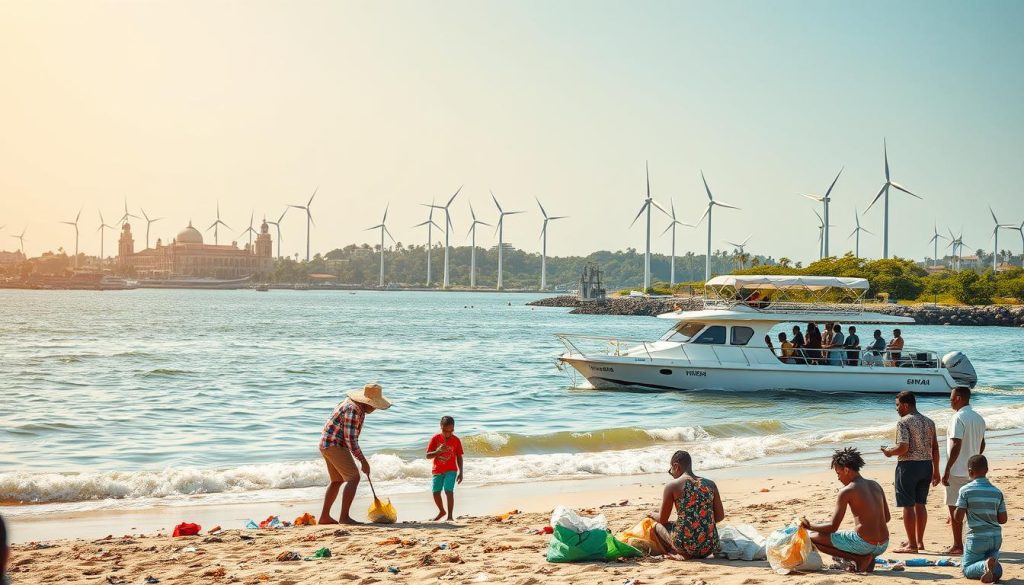
By choosing wisely, you can have a great time in Mombasa. You’ll also help the local environment and community thrive.
Planning Your Sustainable Trip to Mombasa
Traveling sustainably to Mombasa means planning well. This ensures your visit helps the local community and keeps the area beautiful. By choosing wisely, you help make tourism better for everyone.
Best Seasons for Responsible Visits
The dry seasons are the best times to visit Mombasa. These are from January to March and July to September. The weather is great, and it’s easier on the environment, making your trip better.
Essential Cultural Research Before Arrival
Learning about Mombasa’s culture before you go is key. It helps you connect with the community better. Knowing and respecting local customs makes your visit more meaningful.
Eco-Friendly Packing Tips for Coastal Kenya
Choosing eco-friendly items for your trip is important. Pick reef-safe sunscreen to protect the sea. Also, bring reusable items to cut down on waste.
Reef-Safe Sunscreen and Other Beach Essentials
Use sunscreens with zinc oxide or titanium dioxide for coral safety. Don’t forget a reusable water bottle and a sustainable beach bag.
Reusable Items to Reduce Waste
Bring reusable straws, cloth napkins, and a portable coffee cup. They help reduce waste during your trip.
| Eco-Friendly Item | Conventional Alternative | Environmental Impact |
|---|---|---|
| Reusable Water Bottle | Single-Use Plastic Bottles | Reduces plastic waste |
| Reef-Safe Sunscreen | Chemical Sunscreens | Protects coral reefs |
| Cloth Bags | Plastic Bags | Decreases plastic pollution |
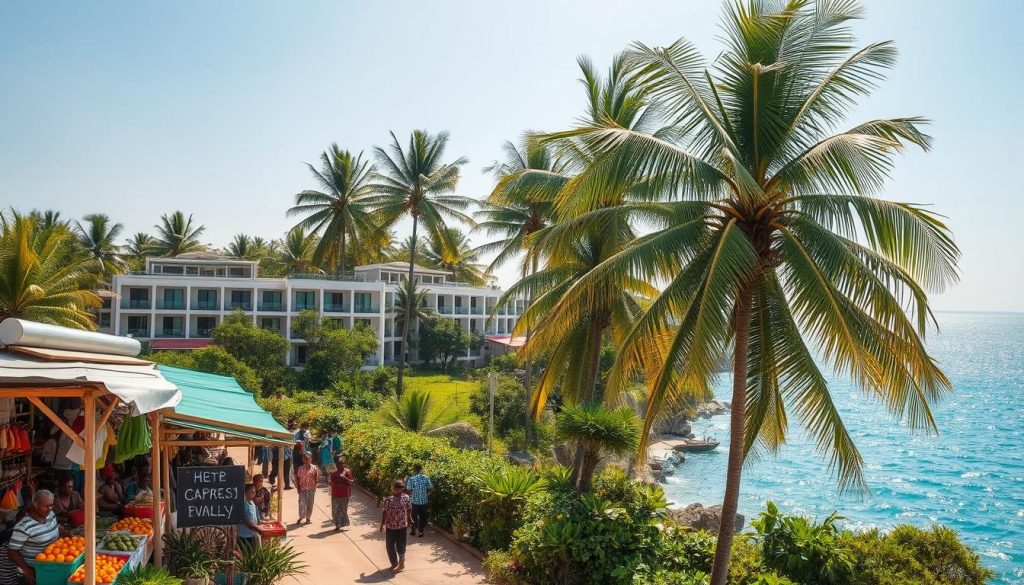
Responsible Accommodation Options in Mombasa
Choosing the right place to stay in Mombasa is important for the environment. Your choice can affect the local area and people.
Eco-Certified Hotels and Resorts on Nyali and Diani Beaches
Mombasa has many eco-friendly hotels and resorts, mainly on Nyali and Diani Beaches. These places are known for their green efforts. They use clean energy, save water, and manage waste well.
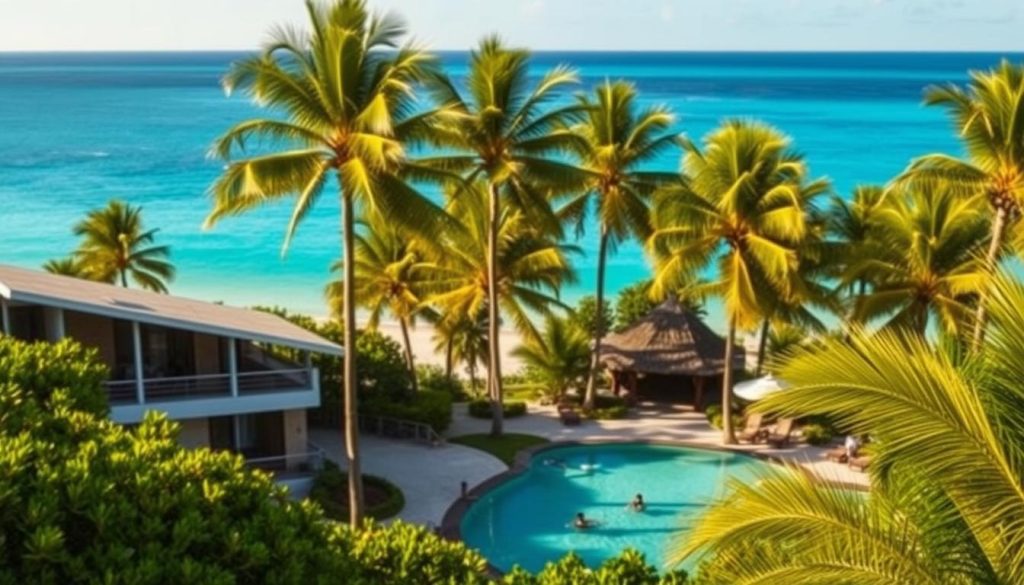
Community-Owned Guesthouses in Mombasa County
Community guesthouses are another great choice. They help local people and let you see real Swahili life.
Questions to Ask About a Property’s Sustainability Practices
It’s key to ask about a place’s green efforts. Find out how they save water and handle waste.
Water Conservation Measures
Hotels in Mombasa are using less water. They have special showerheads and toilets to save water.
Waste Management and Recycling Programs
Good waste management is vital. Look for places with strong recycling and waste reduction plans.
| Sustainability Practice | Eco-Certified Hotels | Community-Owned Guesthouses |
|---|---|---|
| Water Conservation | Low-flow fixtures, rainwater harvesting | Simple, efficient water systems |
| Waste Management | Comprehensive recycling, composting | Basic recycling, minimal waste |
Choosing green accommodations helps Mombasa stay beautiful. It supports tourism that cares for the environment and culture.
Sustainable Transportation Around Mombasa
Traveling sustainably in Mombasa means more than just visiting places. It’s also about how you get there. The way you travel can greatly affect the environment.
Using Tuk-Tuks and Public Transport Responsibly
Tuk-tuks and public transport are great for seeing Mombasa. They’re popular and good for the planet, unlike cars. Always agree on the fare before you start to avoid problems.
Public transport like buses and matatus is cheap and shows you local life. It’s a way to see how people live.
Low-Impact Options for Exploring Nearby Attractions
Walking or cycling to nearby spots is better for the planet. It lets you see the area up close. Many places in Mombasa are easy to walk to.
For longer trips, biking is a green choice. It lets you enjoy the views along the coast.
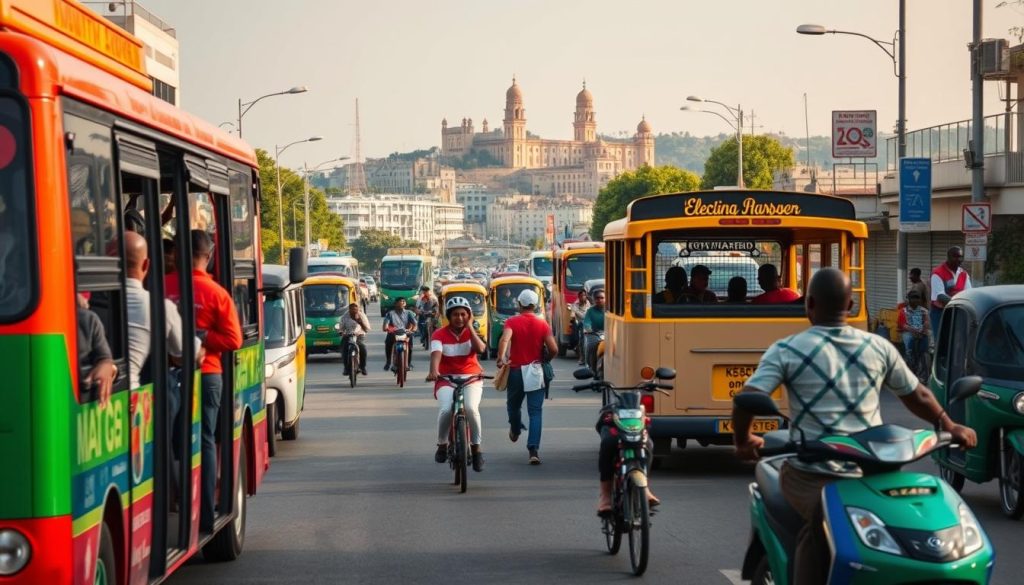
Choosing green travel options helps lower your trip’s carbon footprint. This thoughtful way of traveling makes your trip better and helps the environment.
Eco-Friendly Activities Along Mombasa’s Coast
Start an eco-friendly adventure along Mombasa’s coast. You’ll find activities that are fun and help protect the area’s biodiversity. Mombasa’s coast has many experiences that support conservation and sustainability.
Coral Reef Conservation Experiences at Mombasa Marine Park
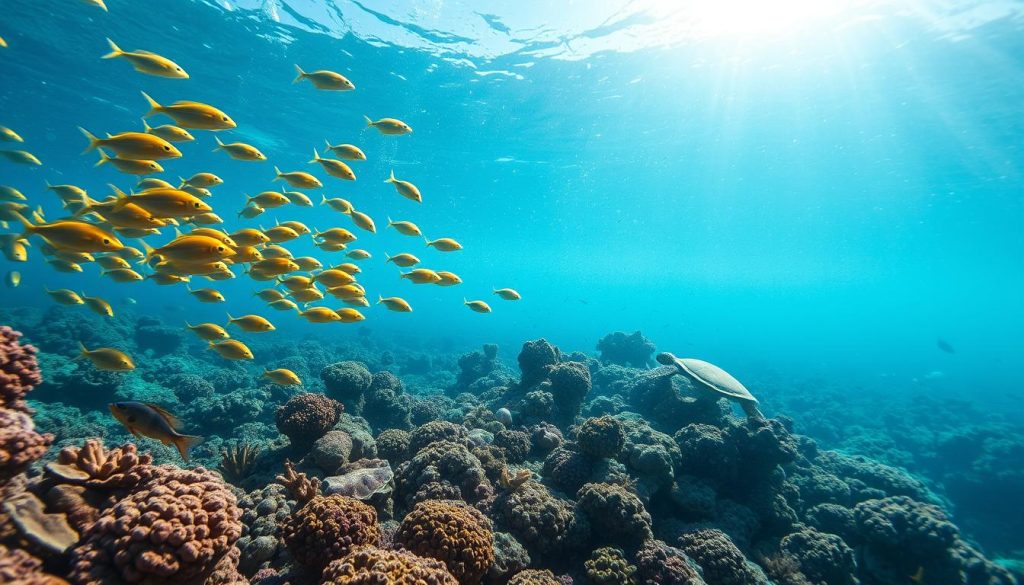
Join in coral reef conservation at Mombasa Marine Park for a meaningful experience. This area has a vibrant coral reef ecosystem. Snorkeling or diving tours here support conservation efforts.
Sustainable Beach Activities at Nyali and Bamburi
Nyali and Bamburi beaches are great for sustainable activities. You can swim, sunbathe, and play volleyball while supporting local eco-friendly businesses. These beaches also have clean-up initiatives to protect marine life.
Ethical Wildlife Viewing at Haller Park and Shimba Hills
Wildlife lovers will enjoy Haller Park and Shimba Hills. These places offer safe havens for various species. By visiting, you support conservation efforts. Always follow guidelines for responsible animal interaction.
Responsible Animal Interaction Guidelines
When watching wildlife, keep a safe distance and don’t feed the animals. Never touch or pet them. These steps protect both you and the animals, making for a respectful experience.
Supporting Conservation Through Entrance Fees
Entrance fees at Mombasa’s conservation areas fund conservation efforts. By paying these fees, you support biodiversity protection. It’s a simple way to help preserve Mombasa’s natural beauty.
| Location | Eco-Friendly Activity | Conservation Impact |
|---|---|---|
| Mombasa Marine Park | Coral Reef Conservation | Protects coral reefs and marine biodiversity |
| Nyali and Bamburi Beaches | Sustainable Beach Activities | Supports local eco-friendly businesses and beach cleanups |
| Haller Park and Shimba Hills | Ethical Wildlife Viewing | Conserves local wildlife and their habitats |
Cultural Immersion and Respectful Community Engagement
Engaging with Mombasa’s community is key to a fulfilling experience. Exploring this vibrant city means more than visiting sites. It’s about interacting with locals and understanding their life.
Ethical Tours of Old Town Mombasa and Fort Jesus
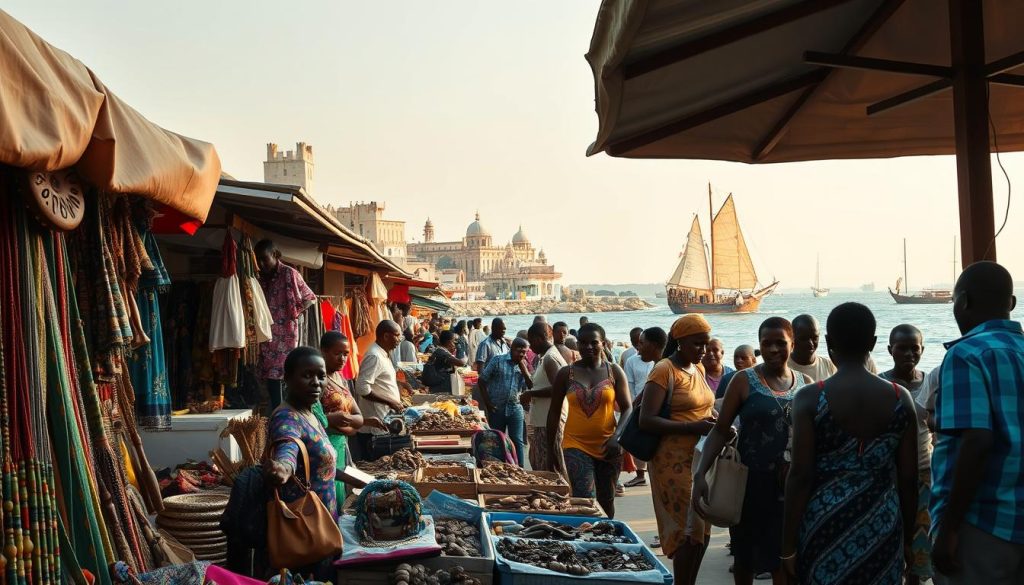
Joining ethical tours of Old Town Mombasa and Fort Jesus offers a unique view. These tours educate visitors and support local guides. They also help preserve these historical areas.
Supporting Authentic Swahili Arts and Crafts
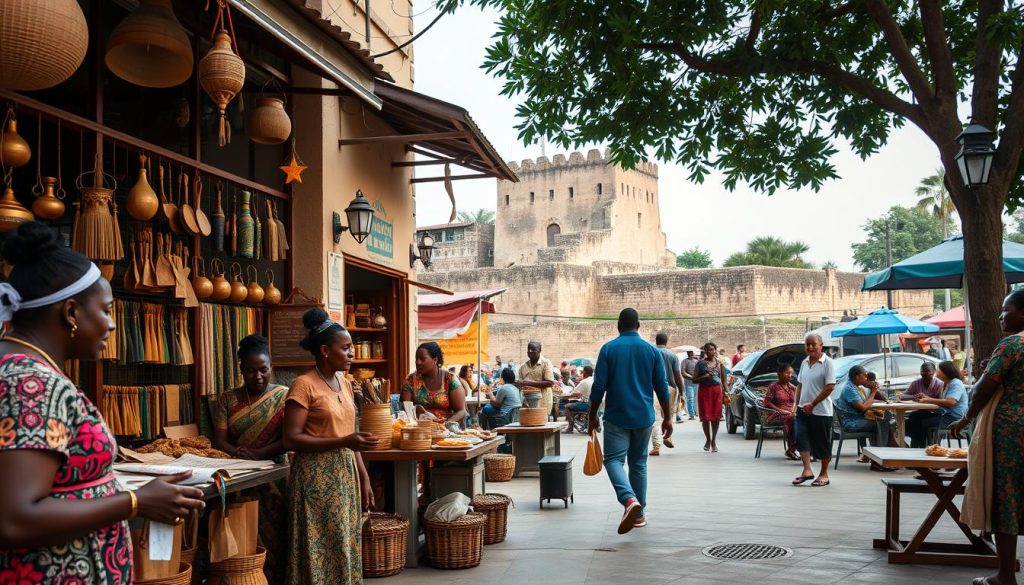
Supporting Swahili arts and crafts is a great way to engage with the culture. Buying handmade crafts helps local artisans and keeps traditions alive. Look for projects that benefit the community.
Photography Ethics and Cultural Sensitivity
When taking photos, remember photography ethics and cultural sensitivity. Always ask for permission, even in sacred places. This shows respect and helps build a good relationship with locals.
| Cultural Immersion Activity | Benefits | Tips for Respectful Engagement |
|---|---|---|
| Ethical Tours | Supports local guides, preserves historical sites | Choose guided tours, respect site rules |
| Supporting Local Arts | Promotes traditional crafts, supports artisans | Purchase directly from artisans, learn about crafts |
| Photography | Captures memories, promotes cultural understanding | Ask permission, be culturally sensitive |
By participating in these activities, you enhance your travel and help the community. Responsible travel means making a positive impact.
Supporting Local Communities Through Responsible Tourism in Mombasa
Mombasa is rich in culture and vibrant communities. Responsible tourism helps these communities thrive. By participating in local projects and making smart choices, you help the local economy grow. You also build strong bonds with the people of Mombasa.
Community-Based Tourism Initiatives in Coastal Villages
Community-based tourism lets you dive into Mombasa’s real culture. You can join in local traditions and learn about daily life. For example, you might help with traditional cooking or craft workshops.
Dining at Locally-Owned Restaurants and Food Markets
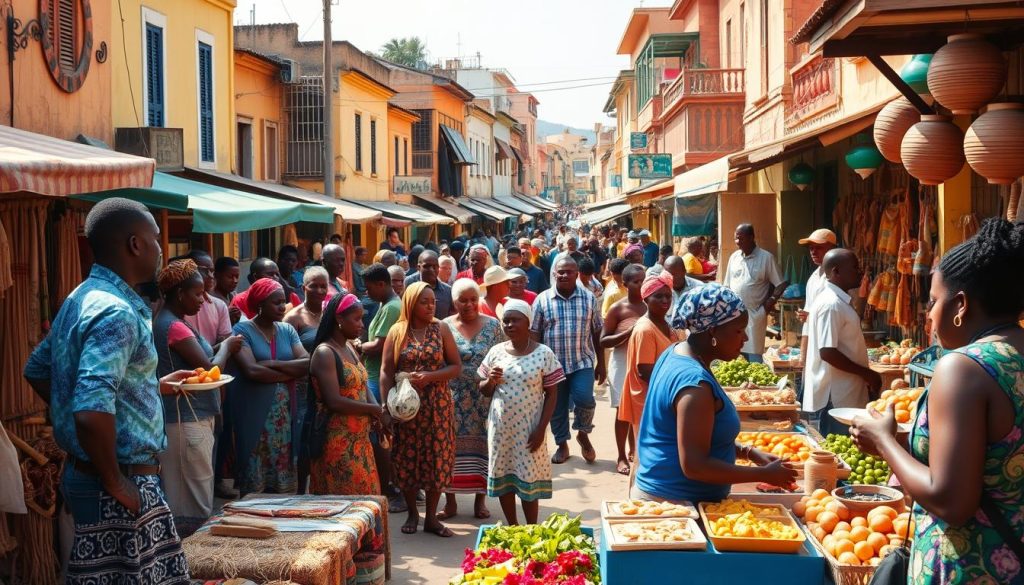
Eating at local spots is a great way to enjoy Mombasa’s food and support the economy. These places serve dishes made with fresh, local ingredients. By dining at family-run places or street stalls, you help local families.
“The best way to get to know a place is through its food. Eating at local restaurants and food markets not only delights your taste buds but also supports the community.”
Responsible Souvenir Shopping at Mombasa Handicraft Markets
Choosing the right souvenirs is key. Look for items that support local artisans and avoid harmful products. Mombasa’s markets have unique, handmade goods that show off the local culture.
Fair Trade Products to Look For
- Handmade crafts, such as woodcarvings and woven baskets
- Local artwork, including paintings and sculptures
- Traditional clothing and accessories, like kanga and kikoi
Items to Avoid Purchasing
- Products made from endangered species or protected materials
- Items that are mass-produced or imported
- Crafts that are not made by local artisans
| Responsible Shopping Tips | Benefits |
|---|---|
| Buy directly from artisans | Ensures fair compensation for their work |
| Choose locally-made products | Supports the local economy and preserves cultural heritage |
| Avoid products made from endangered species | Contributes to conservation efforts and protects biodiversity |
By choosing wisely and participating in responsible tourism, you positively impact Mombasa. You help the city and its people thrive.
Conservation Efforts You Can Support During Your Visit
Visiting Mombasa can help support conservation efforts. The area has diverse ecosystems like marine parks and forests. These are key for biodiversity and local communities.
Marine Conservation Projects at Mombasa Marine National Park
The Mombasa Marine National Park is a key spot for marine conservation. It protects vital marine ecosystems like coral reefs and mangroves. These are crucial for marine life. By visiting, you help through entrance fees and guided tours.
- Join guided snorkeling or diving tours to see marine life.
- Support conservation with entrance fees.
- Learn about conservation through educational programs.
Forest Protection Initiatives at Arabuko-Sokoke
Arabuko-Sokoke Forest is a vital conservation area near Mombasa. It’s one of the last coastal forests in East Africa. It’s home to many plants and animals. Conservation here aims to stop deforestation and promote sustainable forest use.
Key activities include:
- Take guided forest walks to learn about the ecosystem.
- Support local conservation with donations or volunteering.
Short-Term Volunteer Opportunities for Visitors
Short-term volunteer opportunities are available for those who want to make a difference. You can help with research, habitat restoration, or educational programs. Places like the Mombasa Marine National Park and local NGOs offer these chances.
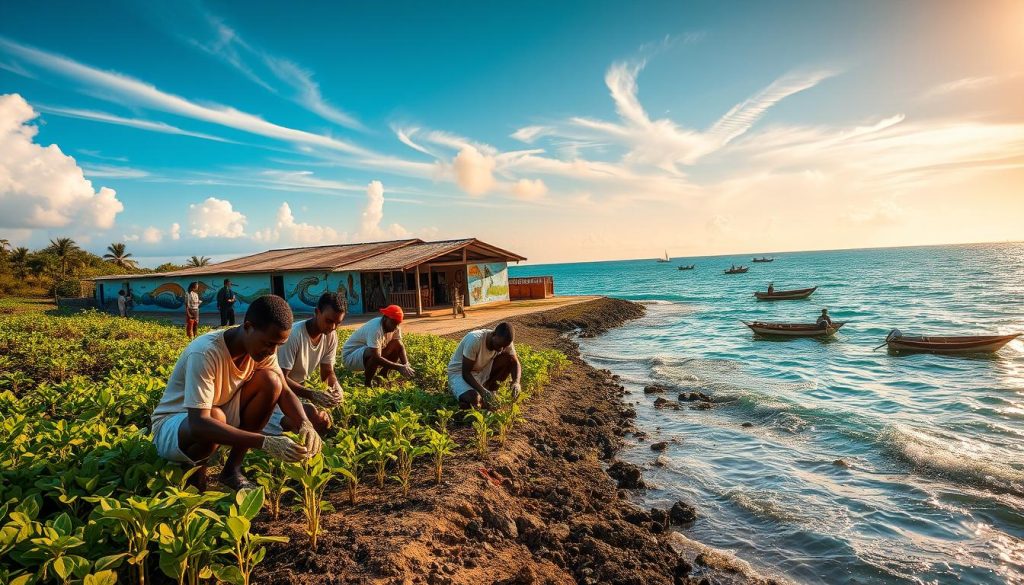
By joining these efforts, you help protect Mombasa’s natural resources. You also make your trip more meaningful.
Navigating Ethical Challenges in Mombasa
Understanding the ethical challenges in Mombasa is key for a good trip. As you explore this lively city, you’ll face choices that need careful thought. This ensures your actions make a positive difference.
Addressing Poverty and Begging Respectfully
When you see poverty and begging, it’s important to act with kindness and responsibility. Think about supporting local groups that tackle poverty’s causes. This is better than giving money directly to people.
Avoiding Exploitative Tourism Activities and Scams
To steer clear of bad tourism and scams, watch out for very low prices or deals that seem too good. Do your homework on tour operators. Make sure they’re open about what they do.
Identifying Ethical Tour Operators
Good tour operators are open about their methods, involve locals, and support green tourism. Look for those with certifications or positive feedback from others.
Red Flags to Watch For
Stay away from operators who rush you, don’t share details, or seem only after money. Trust your gut and research well to avoid bad experiences.
Conclusion: Making a Positive Impact Through Your Visit to Mombasa
When you plan your trip to Mombasa, your choices matter a lot. By choosing responsible tourism Mombasa, you help protect the local environment and communities.
Choosing sustainable travel Mombasa helps local economies grow. It also helps you understand different cultures better. By staying in eco-friendly places and using green transport, you make your visit better for everyone.
Every choice you make, from staying in community-owned places to buying local crafts, helps. It makes tourism in Mombasa more sustainable. As you see Mombasa, remember your actions help keep its beauty and culture alive.
Traveling mindfully makes your trip better and helps the places you visit. Your visit to Mombasa can be rewarding for you and the locals. It leaves a positive and lasting impact.