Discover Ethical Elephant Sanctuaries in Chitwan
Have you ever wondered if the elephant experiences at popular places are truly ethical? More and more travelers are looking for responsible elephant sanctuaries in Chitwan. This area in Nepal has many sanctuaries that care deeply for elephants and practice sustainability.
In this article, we’ll show you how to find elephant sanctuaries that really help these amazing animals. These places are dedicated to the welfare and conservation of elephants.
The Importance of Ethical Elephant Tourism
Visiting elephants in a responsible way is key to their well-being. This kind of tourism focuses on keeping animals safe and supporting local people. By choosing tours that help protect elephants, you help save these amazing animals.
But it’s not just about the elephants. Ethical tourism also boosts local economies. It promotes a way of traveling that helps the environment and animals. This way, your visit helps protect elephants and supports the places they live.
Your choices make a big difference. By choosing wisely, you help spread the word about caring for elephants. This way, we can all work together to protect these incredible animals and their homes.
Understanding Responsible Elephant Sanctuaries in Chitwan
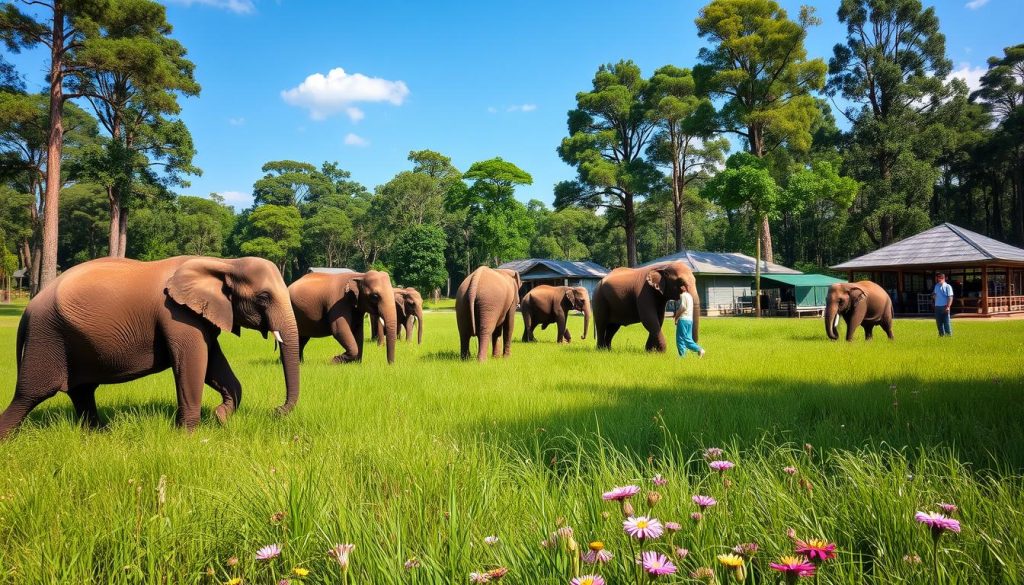
Responsible elephant sanctuaries in Chitwan are key to ethical elephant interactions. To truly appreciate these places, you must know what makes them responsible. It’s also important to clear up common myths about elephant tourism.
What Makes a Sanctuary Responsible?
Responsible elephant sanctuaries put the needs of elephants first. They offer a natural home where elephants can live well. The main features include:
- No riding or shows that use elephants for fun.
- Top-notch care, like vet visits and good food.
- Opportunities for learning about elephants and their needs.
- Support for local communities and conservation.
Common Misconceptions about Elephant Tourism
Many people have common misconceptions about elephant tourism. These can make it hard to know what a real sanctuary is. Here are some important points:
- Not all sanctuaries are ethical; some may still harm elephants for the sake of conservation.
- Visitors might think activities like feeding are safe, but they can actually harm the elephants.
- Marketing for elephant tourism can make it seem like animals are being cared for, when they’re not.

A Brief Overview of Chitwan National Park
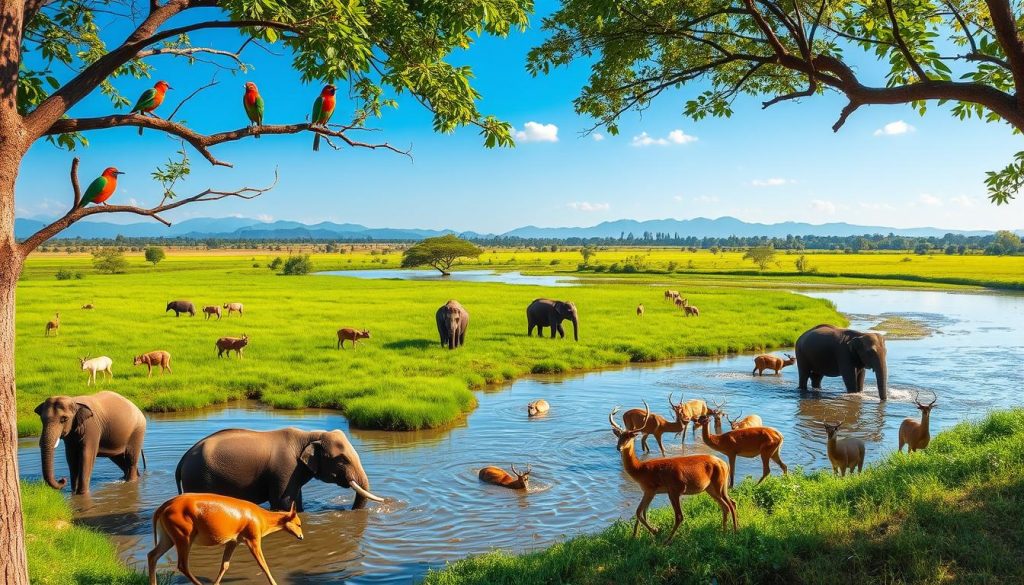
Chitwan National Park is a UNESCO World Heritage Site in Nepal. It’s known for its rich biodiversity and stunning landscapes. The park’s geography includes dense forests and grasslands, making it a home for many wildlife species.
Visiting Chitwan National Park is a chance to see rare animals like the one-horned rhinoceros and Bengal tigers. You’ll also see many bird species. These experiences highlight the park’s beauty and the need for responsible elephant tourism.
In the park, you’ll find elephant sanctuaries that follow ethical practices. Learning about Chitwan’s history and ecology helps you appreciate these animals more. It also shows the efforts to save their habitats.
Recognizing Genuine Ethical Practices
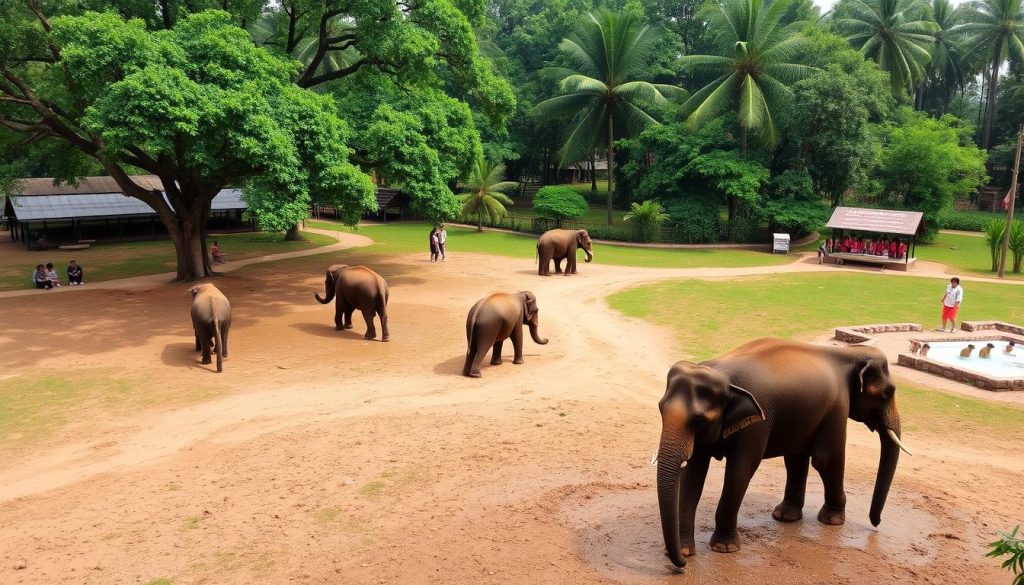
It’s important to know the difference between ethical elephant sanctuaries and other places. When you’re looking for the best, look for sanctuaries that care about the animals. These places are not just homes for elephants. They are spaces where elephants can live freely, stay healthy, and be happy.
Key Features of Ethical Elephant Sanctuaries
True ethical elephant sanctuaries have some key features that help animals:
- Open spaces for roaming: Elephants need room to move and act naturally.
- Veterinary care: They have access to vet services for medical needs.
- No forced activities: Interactions should never be forced, like rides or tricks.
Distinguishing Between Sanctuaries and Breeding Centers
It’s important to know the difference between sanctuaries and breeding centers. They serve different purposes:
| Aspect | Ethical Sanctuaries | Breeding Centers |
|---|---|---|
| Purpose | Rescue and rehabilitation of elephants | Breeding for commercial purposes |
| Visitor interactions | Encourages observing elephants in a natural setting | Often promotes rides or shows |
| Animal welfare | Focused on the wellbeing of elephants | May prioritize profit over welfare |
By knowing these features, you can choose better places for your travels. Always choose sanctuaries that care more about elephants than making money.
Top Ethical Elephant Sanctuaries to Visit in Chitwan
Exploring Chitwan means choosing ethical elephant tourism for a richer experience. Many responsible elephant sanctuaries in Chitwan focus on elephant care and education. Each place offers unique ways to connect with these amazing animals.
Nepal Elephant Walk Sanctuary (NEWS)
Nepal Elephant Walk Sanctuary creates a safe home for retired elephants. It teaches visitors about elephant care and well-being. You can join tours that let you interact with elephants in a respectful way.
Tiger Tops Elephant Camp
Tiger Tops Elephant Camp offers real elephant experiences that support conservation. It shows how to care for elephants naturally. The camp puts animal welfare first, making your visit both fun and educational.
Sapana Village Lodge
Sapana Village Lodge is all about ethical tourism. It lets you get close to elephants and learn about their lives. By joining their programs, you help support ethical elephant tourism and have a memorable time in Chitwan.

What to Expect During Your Visit
Visiting an ethical elephant sanctuary in Chitwan is a special experience. You’ll get to see majestic elephants up close in a way that respects them. You’ll enjoy activities that highlight the importance of keeping a safe distance and letting elephants be themselves.
Activities and Interactions with Elephants
At the sanctuary, you’ll find many activities that focus on ethical elephant interactions. Here’s what you can expect:
- Guided walking tours to see elephants in their natural home.
- Lessons from caretakers about elephant behavior and care.
- Chances to take photos without disturbing the elephants.
- Feeding sessions where you can give treats while keeping a safe distance.
Guidelines for Responsible Wildlife Encounters
To make sure your visit is good for the elephants, follow these important rules:
- Keep a safe distance to make the elephants feel safe.
- Avoid loud noises and sudden movements that might scare them.
- Don’t try to touch or ride the elephants; just watch them.
- Follow the rules about photography and how to interact with the elephants.
Challenges Faced by Elephants in Captivity
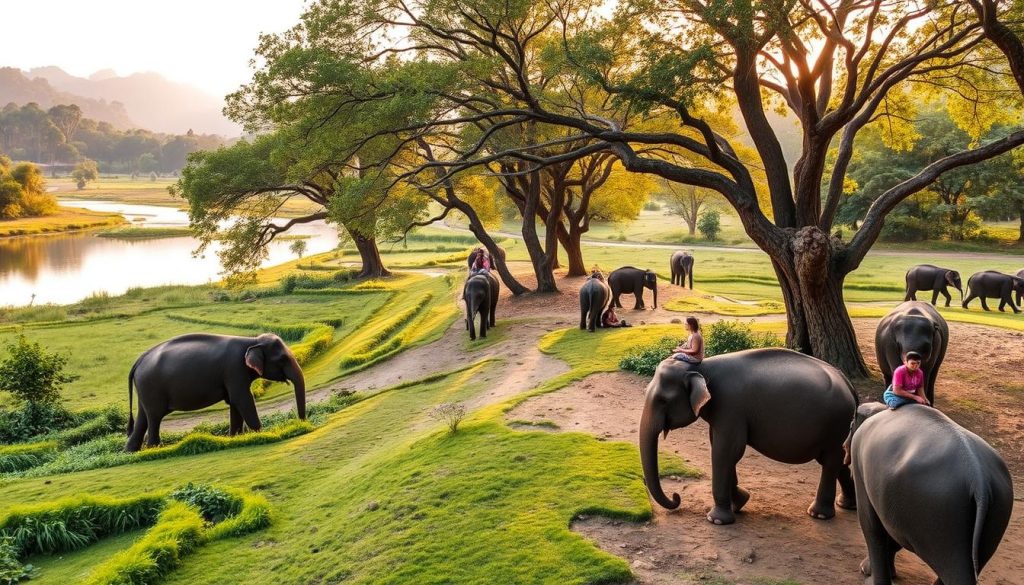
Captive elephants face many problems that harm their minds and bodies. These issues come from poor living spaces and forced work. Many places don’t focus on treating elephants right, making them stressed and sick.
Being trapped can cause elephants to feel anxious. This can lead to behaviors like swaying or being aggressive.
Changing how we care for elephants is key to solving these problems. Elephants in captivity often don’t have enough room or fun activities. This can cause bad behaviors. Also, poaching and losing their homes is a big threat to both wild and captive elephants.
Knowing about these issues helps us understand why we need to treat captive elephants better. By pushing for better care and protection, we can help these amazing animals thrive in the future.

Conservation-focused Elephant Sanctuaries
Elephant sanctuaries are key in protecting these animals and their homes. They fight against illegal hunting and poaching. This makes a safer place for elephants.
The Role of Anti-Poaching Measures
Anti-poaching efforts are crucial for elephants’ survival. Sanctuaries use many strategies, like:
- Watching over elephant herds to stop poachers.
- Having trained guards to watch the borders.
- Using drones and cameras for surveillance.
- Teaching local people about the value of elephants and nature.
These actions help protect elephants and keep ecosystems healthy.
Community Involvement in Conservation Efforts
Getting local people involved in elephant care is vital. Sanctuaries work with communities through various projects. This builds a sense of responsibility for wildlife.
- Creating jobs in the sanctuary to help local economies.
- Teaching kids in schools about protecting elephants.
- Getting locals to help with conservation tasks, like fixing habitats.
This teamwork helps elephants and people live better together in a sustainable way.
Sustainable Elephant Practices in Chitwan
In Chitwan, many sanctuaries are focusing on sustainable elephant practices. These efforts improve the lives of elephants and help local communities. They make sure tourism and conservation go hand in hand.
It’s important to reduce the environmental impact of tourism. Sanctuaries use natural materials, recycle waste, and use solar energy. These steps help protect the natural homes of elephants.
- Using natural materials for housing and facilities.
- Promoting waste recycling and composting.
- Utilizing solar energy sources to power operations.
These actions are key to keeping elephants safe. They also support the local ecosystem. Here are some eco-friendly practices:
| Practice | Description |
|---|---|
| Sustainable Feeding | Using locally sourced food cuts down on emissions and helps local farmers. |
| Community Involvement | Working with local communities creates jobs and raises awareness about wildlife. |
| Wildlife Protection | Steps are taken to keep elephants safe from poachers. |
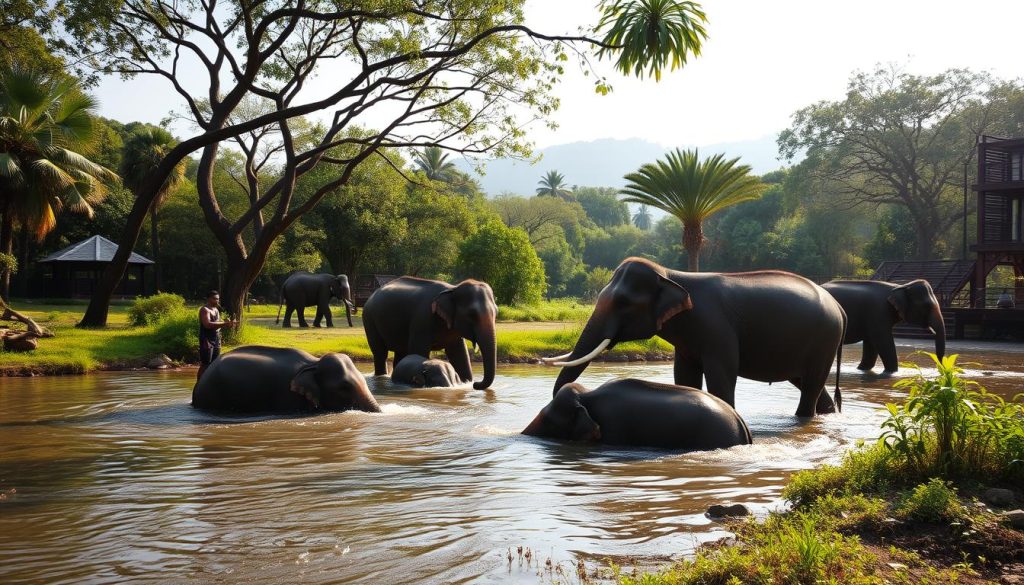
Chitwan’s sanctuaries show how tourism can be good for both visitors and wildlife. By choosing to visit these places, you help protect elephants and their homes. It’s a win-win for everyone.
How You Can Support Ethical Tourism
Supporting ethical tourism is key to protecting elephants and promoting green practices. By making smart choices, you help save these amazing animals and their homes.
Choosing the Right Sanctuaries
Before visiting an elephant sanctuary, do your homework. Look for places that care deeply about their elephants’ health and happiness. Here’s what to check:
- Transparency: Make sure the sanctuary is open about how they treat their elephants.
- Ethical Interactions: Pick places that let you watch elephants respectfully, not touch them.
- Community Involvement: Find sanctuaries that work with local people and help the economy.
Spreading Awareness About Responsible Tourism
It’s important to promote tourism that cares about animals. Here’s how you can help:
- Post about ethical tourism on social media to spread the word.
- Talk to your loved ones about why it’s important to treat animals right.
- Join or support efforts to teach people about the value of ethical wildlife tourism.
Conclusion
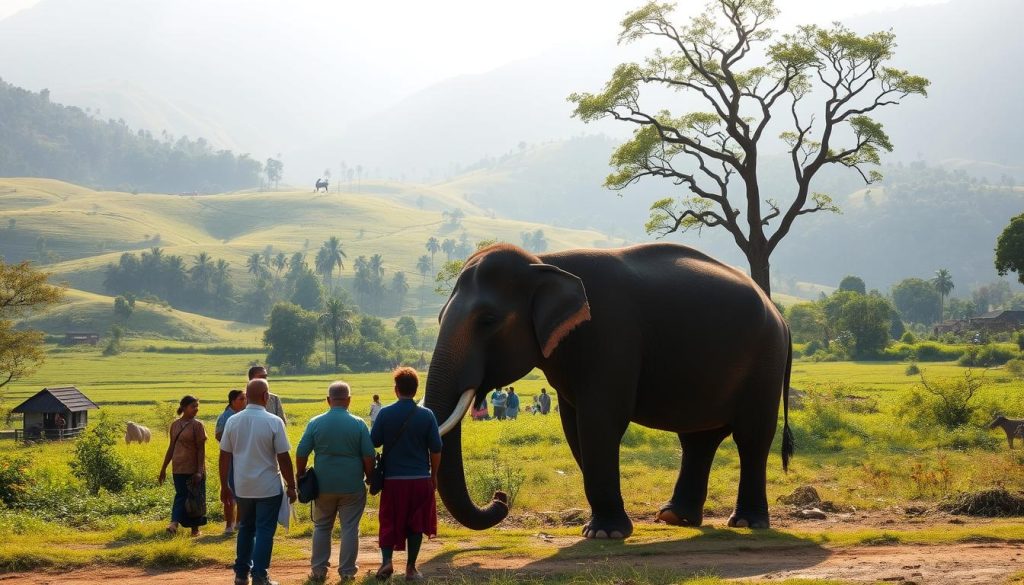
Visiting responsible elephant sanctuaries in Chitwan is more than just an adventure. It’s a promise to support ethical elephant tourism and sustainable practices. These sanctuaries are crucial for conservation and community growth. By choosing to visit, you help animals and respect local cultures.
Learning about ethical elephant tourism helps you make better choices. It’s important to know the difference between real sanctuaries and those focused on making money. Your support for sustainable practices sets a good example for others.
When planning your trip to Chitwan, remember every choice matters. Supporting these sanctuaries makes your visit more meaningful and helps elephants in the long run. Your actions contribute to a future where elephants are treated with respect and care.