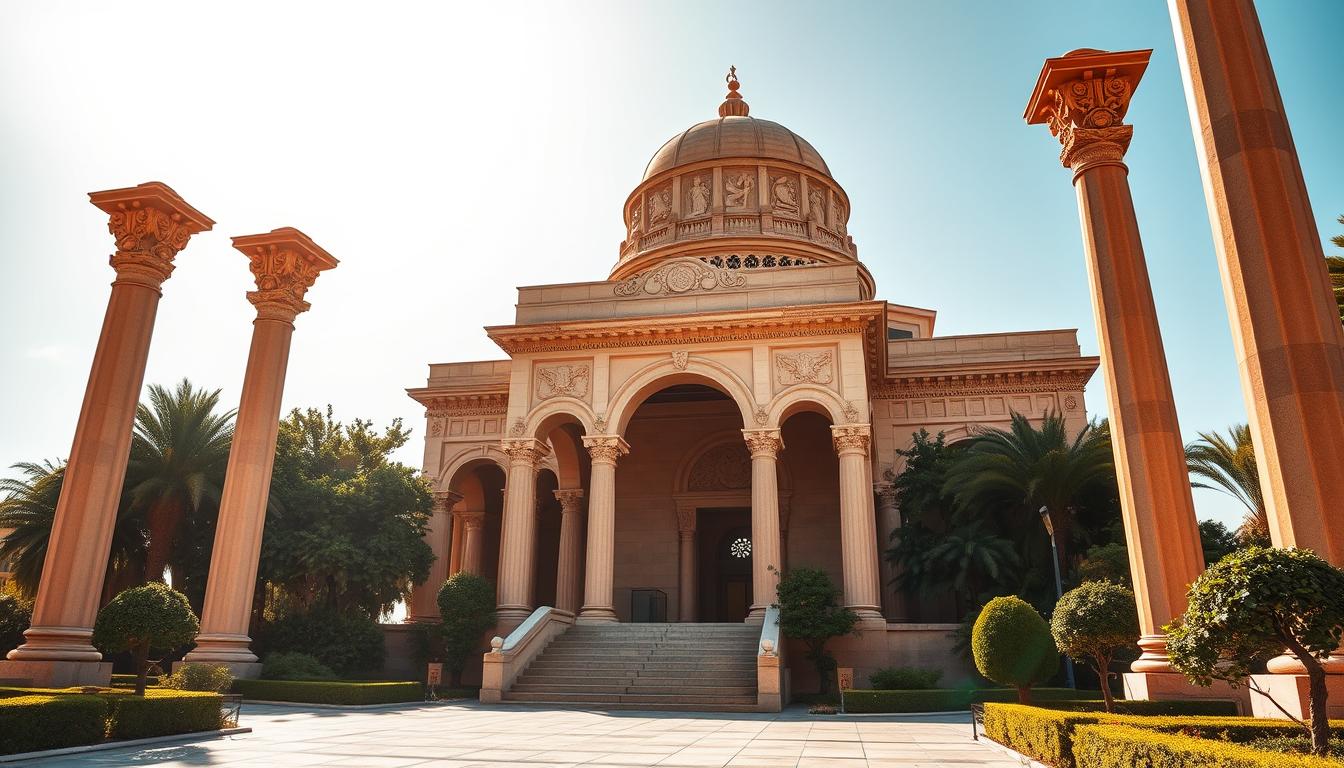
Your Guide to the Monastir Habib Bourguiba Mausoleum
Ever wondered what makes a historical site a symbol of a nation’s fight for freedom? The Monastir Habib Bourguiba mausoleum is a key site with deep cultural and historical value.
This memorial honors Tunisia’s first president, a key figure in the country’s fight for freedom. Exploring this must-visit mausoleum reveals the rich history and legacy of Tunisia.
In Tunisia, this mausoleum is more than a burial place. It represents the country’s modern history. Visiting here offers a deeper look into Tunisia’s path to freedom and its cultural heritage.
The Legacy of Habib Bourguiba in Tunisia
Habib Bourguiba was a key figure in Tunisia’s history. His impact goes beyond his political career. He played a big role in the country’s fight for freedom and its growth.
Who Was Habib Bourguiba?
Habib Bourguiba was Tunisia’s first President from 1957 to 1987. He was born on August 3, 1903. He studied in Tunis and Paris, shaping his political views.
He led Tunisia to freedom from France. His leadership focused on secularism and modernization. This made Tunisia stand out from its Arab neighbors.
“Bourguiba’s vision for Tunisia was one of progress and modernity,” a perspective that guided his policies and decisions throughout his presidency. His legacy continues to be felt in Tunisia’s contemporary political and social landscape.
Bourguiba’s Role in Tunisian Independence
Bourguiba was key in Tunisia’s fight for freedom. He co-founded the Neo-Destour party in 1934. This party was a key force in the independence movement.
He used politics and diplomacy to fight French rule. His efforts paid off on March 20, 1956, when Tunisia became independent. Bourguiba’s inauguration as the first President of Tunisia marked the beginning of a new era for the country, characterized by efforts to modernize its economy, education system, and infrastructure.
Bourguiba started building his tomb in 1963. This showed his desire to leave a lasting mark. The Habib Bourguiba mausoleum in Monastir is a symbol of his lasting impact on Tunisia.
History of the Monastir Habib Bourguiba Mausoleum
The Monastir Habib Bourguiba Mausoleum was built during Bourguiba’s lifetime. It shows his vision for Tunisia’s architecture. Located in Monastir, it honors Habib Bourguiba and is a key historical site.
Construction and Inauguration
The mausoleum’s construction followed traditional Tunisian architecture and modern Arab-Muslim styles. It was meant to symbolize Tunisia’s rich history and its hopes for the future. Its inauguration was a big event, celebrating Bourguiba’s work to create a modern Tunisian identity.
Evolution of the Site Over Time
The Monastir Habib Bourguiba Mausoleum has changed over the years. It has kept its historical value while meeting the needs of the Tunisian people. Today, it shows Tunisia’s lasting heritage.
Political Context of Its Creation
The mausoleum was a key part of Tunisia’s politics during Bourguiba’s rule. It was a physical sign of his political beliefs and a symbol of his legacy. The design and building were shaped by Bourguiba’s dream for a modern, secular Tunisia.
| Aspect | Description |
|---|---|
| Architectural Style | Blend of traditional Tunisian and modern Arab-Muslim styles |
| Significance | Symbol of Tunisia’s history and future aspirations |
| Historical Context | Built during Bourguiba’s lifetime, reflecting his political ideology |
Architectural Features and Design
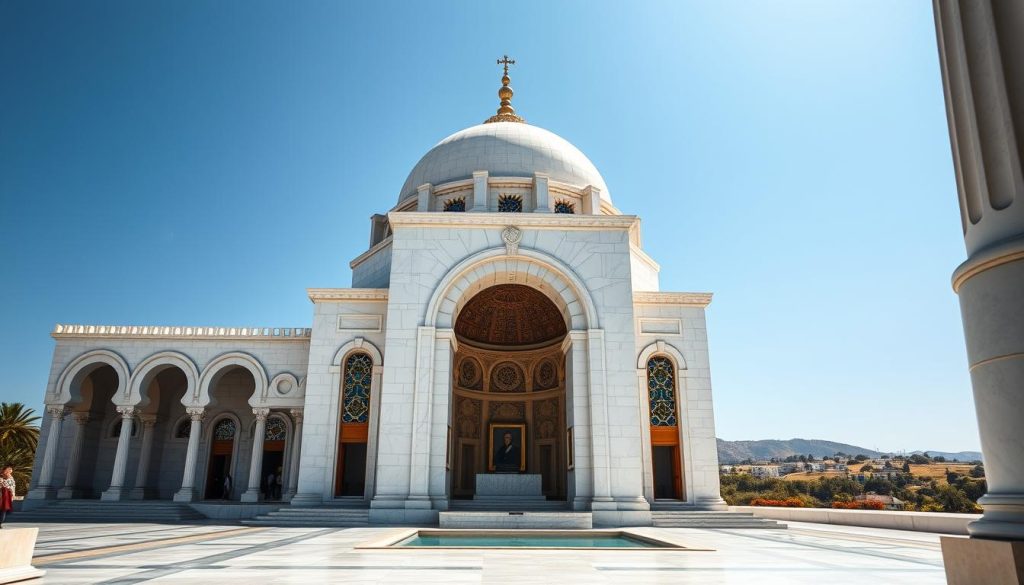
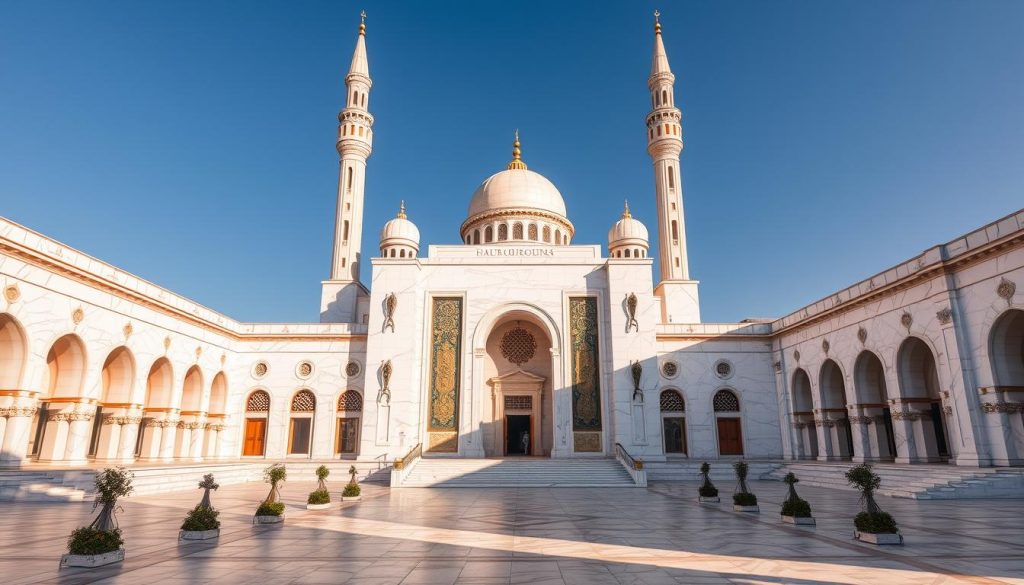
As you get close to the mausoleum, its stunning design catches your eye. It looks like a mosque, with a golden dome and two minarets.
Exterior Design Elements
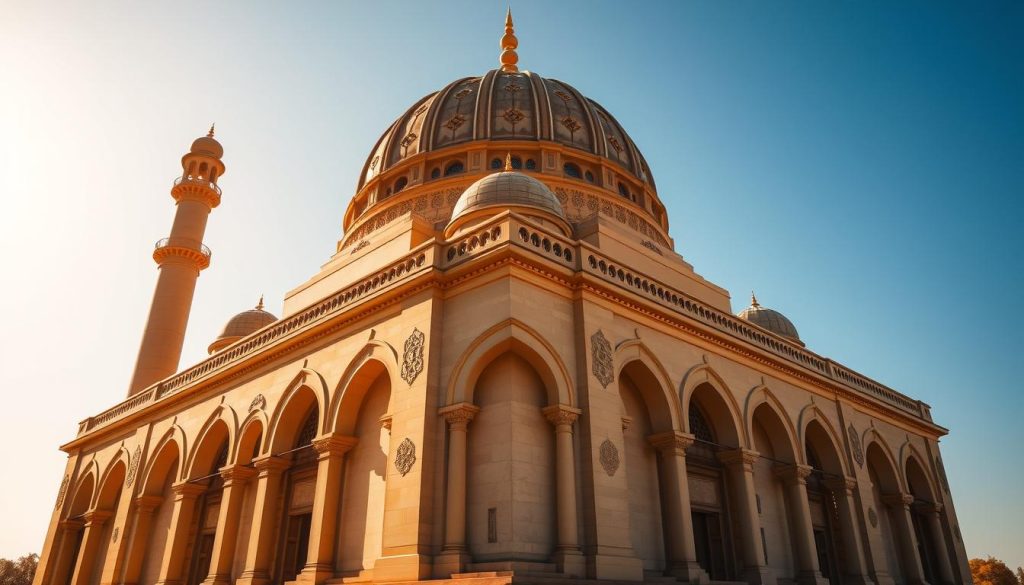
The outside of the Habib Bourguiba mausoleum is made of white marble and limestone. It looks very majestic. The walls have detailed carvings and patterns, showing off Tunisian craftsmanship.
The Iconic Dome and Minarets
The golden dome stands out, symbolizing a connection to heaven. The two minarets add beauty and highlight the mausoleum’s importance as a religious and cultural site.
Artistic Influences and Symbolism
The design mixes traditional Tunisian and Islamic styles. Calligraphy and geometric patterns add to its symbolic value. They honor Habib Bourguiba’s legacy.
| Architectural Feature | Description | Symbolism |
|---|---|---|
| Golden Dome | Prominent dome made of gold-colored material | Represents heavenly connection and importance |
| Minarets | Two minarets flanking the dome | Signify religious and cultural significance |
| Marble and Limestone | Use of white marble and limestone for the exterior | Represents purity and durability |
Inside the Monastir Habib Bourguiba Mausoleum
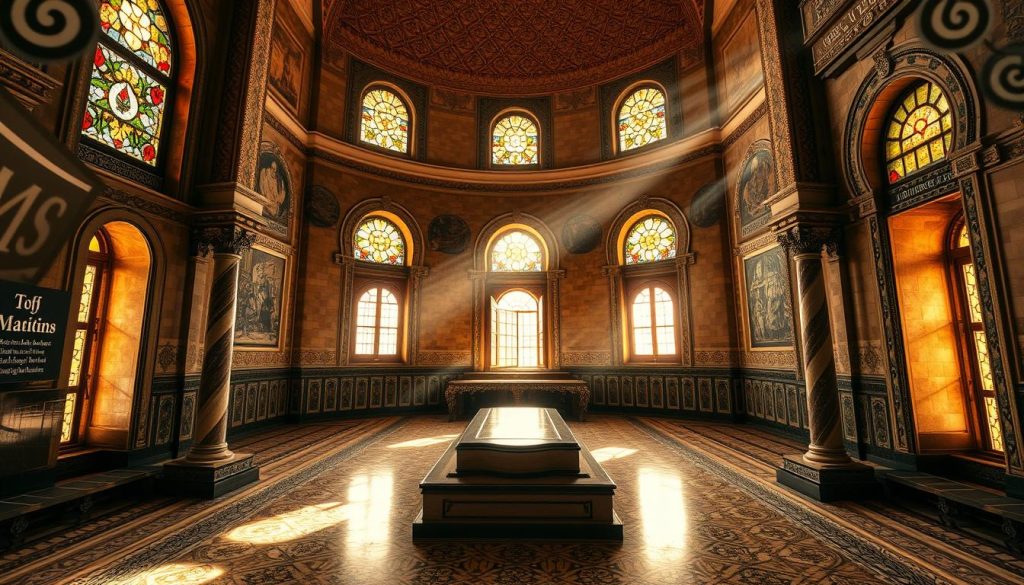
Inside the Monastir Habib Bourguiba Mausoleum, you’ll find a mix of history and beauty. It honors Bourguiba’s life and presidency. The mausoleum is more than a burial site; it’s a symbol of Tunisia’s fight for freedom and its modern story.
The Main Chamber and Tomb
The main chamber is where Habib Bourguiba, Tunisia’s former president, is buried. His tomb is simple yet shows great respect from the Tunisian people. The chamber is peaceful, perfect for visitors to reflect and pay their respects.
Exhibition Areas and Historical Artifacts
Next to the main chamber, there are areas filled with historical items. These include Bourguiba’s personal things, documents, and photos. They tell the story of Tunisia’s fight for freedom and Bourguiba’s role in it.
The Family Mausoleum Section
The mausoleum also has a section for Bourguiba’s family, like his first wife, Mathilde (Moufida). This part shows the personal side of Bourguiba’s life and the value of family in Tunisian culture.
| Feature | Description |
|---|---|
| Main Chamber | Houses Habib Bourguiba’s tomb |
| Exhibition Areas | Showcases historical artifacts and personal belongings |
| Family Mausoleum Section | Dedicated to Bourguiba’s family members |
Visiting the Monastir Habib Bourguiba Mausoleum gives a special look into Tunisia’s history and its first president’s legacy. As a key Monastir tourist attraction, it attracts visitors worldwide who want to learn about Tunisia’s rich culture.
Cultural and Historical Significance
The mausoleum is more than a historical site; it’s a symbol of Tunisia’s identity. Exploring the Monastir Habib Bourguiba Mausoleum offers a peek into the country’s rich culture and history.
The Mausoleum’s Place in Tunisian Identity
The Monastir Habib Bourguiba Mausoleum is a key part of Tunisian identity. It reminds us of the nation’s fight for freedom and its path to modern times. Habib Bourguiba’s legacy is celebrated here, making it a pivotal element of Tunisian heritage.
The mausoleum’s design and the items inside offer a glimpse into Tunisia’s past. It lets visitors feel connected to the country’s history.
Political Symbolism and National Heritage
The mausoleum holds political significance, showing the hopes and victories of the Tunisian people. As a national treasure, it reflects the country’s values and fight for freedom. The Monastir Habib Bourguiba Mausoleum is a key part of Tunisia’s cultural scene.
Visitors can learn about Tunisia’s history and people’s strength through this site. It’s a powerful way to understand the country’s past.
Planning Your Visit to the Mausoleum
When planning your trip to Tunisia, don’t miss the Monastir Habib Bourguiba Mausoleum. It’s a key site that shows Tunisia’s modern history and its first president, Habib Bourguiba.
Location and Transportation Options
The Monastir Habib Bourguiba Mausoleum is in Monastir, a coastal city in Tunisia. You can get there by train from big cities like Tunis.
From Tunis to Monastir
Trains from Tunis to Monastir run often. The trip takes about two hours, depending on the train type.
Local Transportation
Once in Monastir, you can use a local bus or taxi to get to the mausoleum. Taxis are easy to find outside the train station.
Opening Hours and Admission Fees
The mausoleum welcomes visitors all week, except on national holidays. The entry fee is low, making it open to everyone.
| Day | Opening Hours | Admission Fee |
|---|---|---|
| Monday to Friday | 9:00 AM – 5:00 PM | $5 |
| Weekends | 10:00 AM – 6:00 PM | $7 |
Guided Tours and Available Services
Guided tours in many languages are offered. They help you understand the mausoleum’s history. There are also brochures and audio guides for self-guided tours.
Best Times to Visit the Monastir Bourguiba Mausoleum
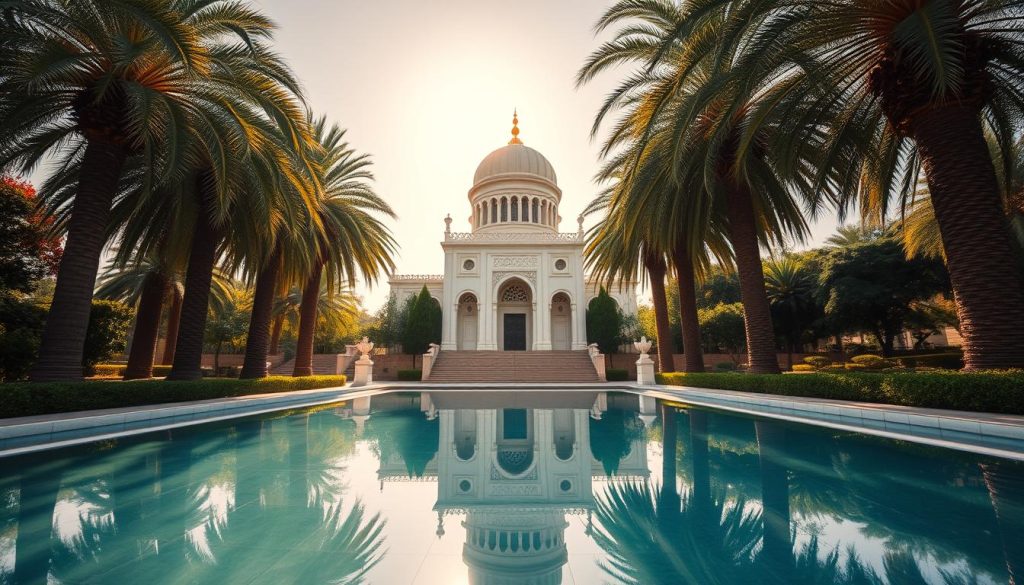
When planning a trip to the Monastir Habib Bourguiba Mausoleum, think about the best times. This ensures a peaceful and enriching visit. The mausoleum, a key historical site, draws visitors from everywhere. Choosing the right time can make your visit better.
Seasonal Considerations
Monastir’s weather changes with the seasons. Summers are hot, and winters are mild. The best times to go are spring (March to May) and autumn (September to November). The weather is nice then, perfect for seeing the mausoleum and its area.
Special Events and Commemorations
The Monastir Habib Bourguiba Mausoleum has special events and ceremonies. These happen on important dates in Habib Bourguiba’s life. Visiting then can give you a deeper look into his legacy and culture. But, these times can be busier.
Avoiding Crowds and Peak Hours
To have a quiet visit, go on weekdays instead of weekends. Early morning or late afternoon is also good. These times are less crowded than the busy mid-day hours.
Tips for Your Visit:
- Plan your visit during weekdays for a more serene experience.
- Check the local calendar for special events that might interest you.
- Arrive early or visit later in the day to avoid peak hours.
Visitor Etiquette and Cultural Considerations
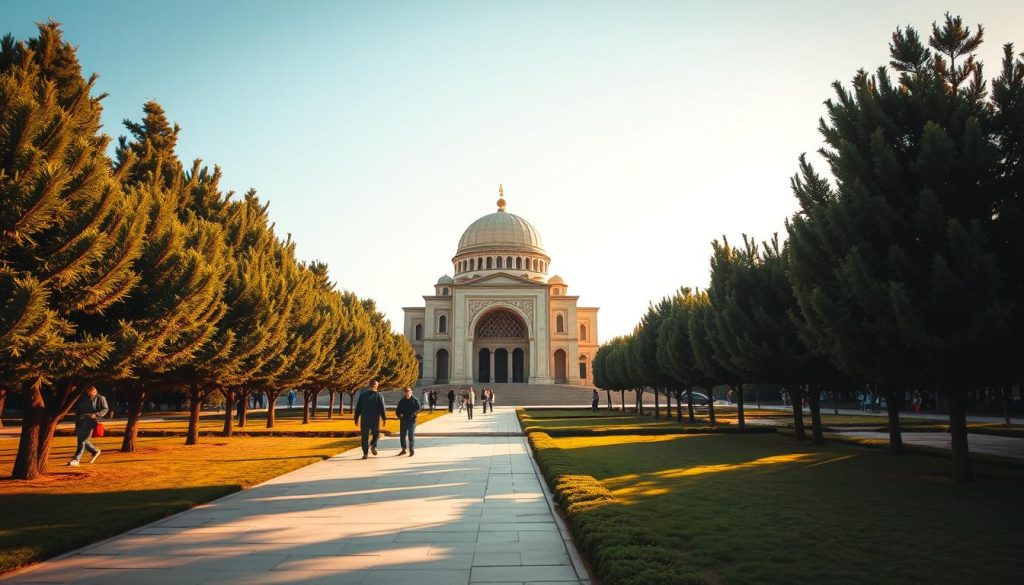
To have a meaningful visit to the Monastir Habib Bourguiba Mausoleum, learn about local etiquette and cultural norms. This mausoleum is a key cultural and historical site in Tunisia. Visitors should act with respect.
Dress Code and Respectful Behavior
When you visit, dress modestly to show respect for the site’s cultural value. Men and women should wear clothes that cover shoulders and knees. Also, remove your shoes before entering. It’s a good idea to wear socks or bring a pair.
Be quiet and avoid actions that might disturb others. Also, be mindful of your body language. Don’t show public affection or take pictures in restricted areas.
Photography Rules and Restrictions
Photography is mostly allowed, but there are rules. Flash photography is not allowed to protect the artifacts and keep the atmosphere calm. Some areas might be off-limits for photos. Always follow the signs and staff instructions.
Here are some guidelines for photography:
| Activity | Allowed | Restrictions |
|---|---|---|
| Photography | Yes | No flash, restricted areas |
| Videography | Yes | Permission required, no tripod |
| Using Camera | Yes | Be respectful, no disruption |
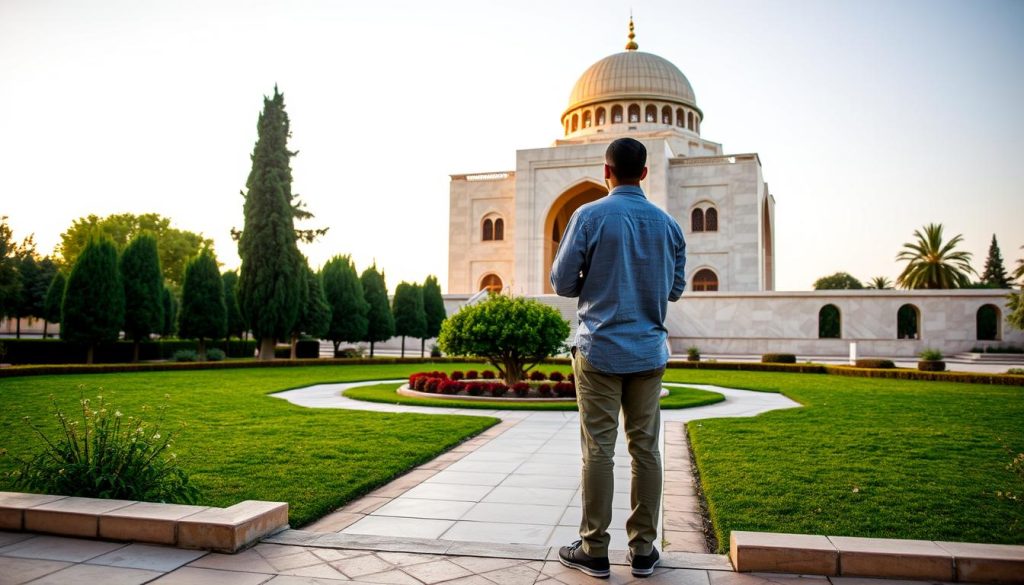
By following these guidelines, you can have a respectful and enjoyable visit to the Monastir Habib Bourguiba Mausoleum.
Exploring Monastir Beyond the Mausoleum
Monastir has more to offer than just the Habib Bourguiba Mausoleum. It’s filled with historical sites and stunning landscapes. As you explore, you’ll find a mix of culture, history, and natural beauty.
The Historic Ribat Fortress
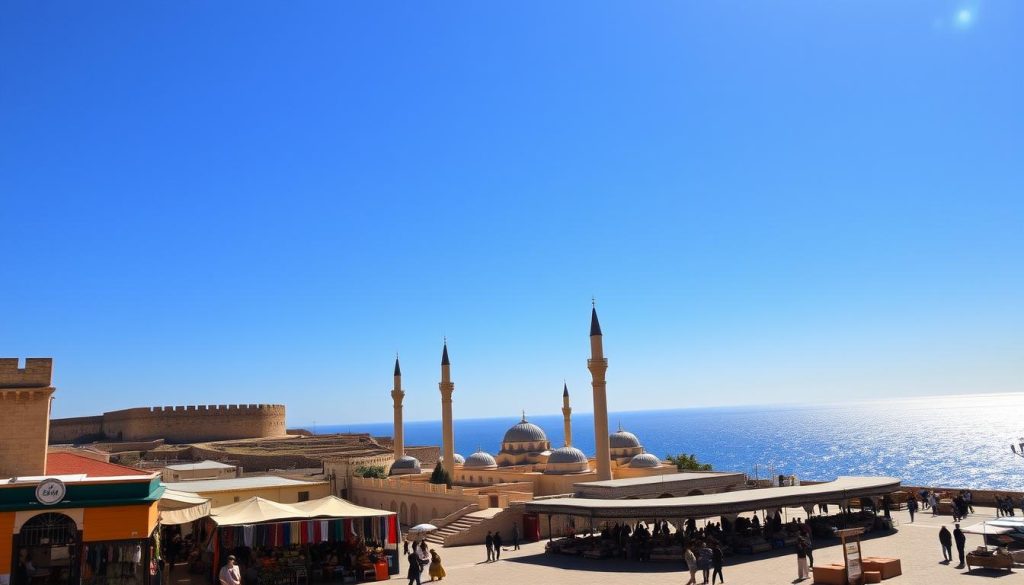
The Ribat Fortress is a key historical site in Monastir. It was once a military and religious center. Now, it shows the city’s rich history and offers a peek into its past.
Monastir Medina and Traditional Markets
Walking through Monastir’s Medina feels like a journey back in time. The souks are alive with colors, smells, and sounds. Here, you can find special souvenirs, local crafts, and experience Tunisian hospitality.
Beaches and Coastal Attractions
Monastir is also known for its beautiful beaches and coastal spots. The Marina Port de Monastir plage is a favorite for both locals and visitors. It offers a calm setting and breathtaking views of the Mediterranean.
Day Trips from Monastir
Looking to see more of the area? There are many day trips from Monastir. You can visit nearby cities, check out other historical sites, or enjoy the natural scenery.
| Attraction | Description | Distance from Monastir |
|---|---|---|
| Ribat Fortress | Ancient Islamic fortification | Within Monastir |
| Monastir Medina | Historic old town with traditional markets | Within Monastir |
| Marina Port de Monastir plage | Popular beach with marina | Within Monastir |
Conclusion: Experiencing Tunisia’s Modern History
Exploring the Monastir Habib Bourguiba mausoleum lets you dive into Tunisia’s modern history. It shows the country’s fight for freedom. The mausoleum honors Habib Bourguiba, who helped shape Tunisia’s future.
Seeing the Bourguiba burial place shows its architectural and cultural importance. It’s a key part of Tunisian identity. The mausoleum is a tribute to Bourguiba and a symbol of Tunisia’s history and people’s strength.
Your visit to the mausoleum connects you to Tunisia’s story. It’s a place that shows the country’s growth and its people’s spirit. It’s a must-see for anyone wanting to learn about Tunisia’s history and its people.