Your Guide to the Stunning Islamic Monuments in Monastir
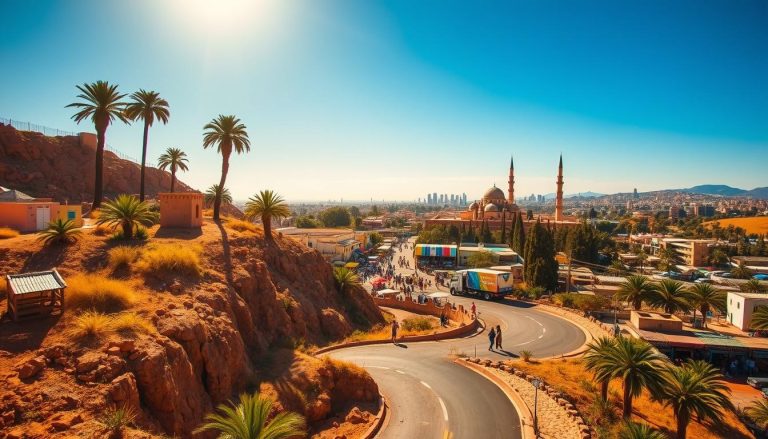
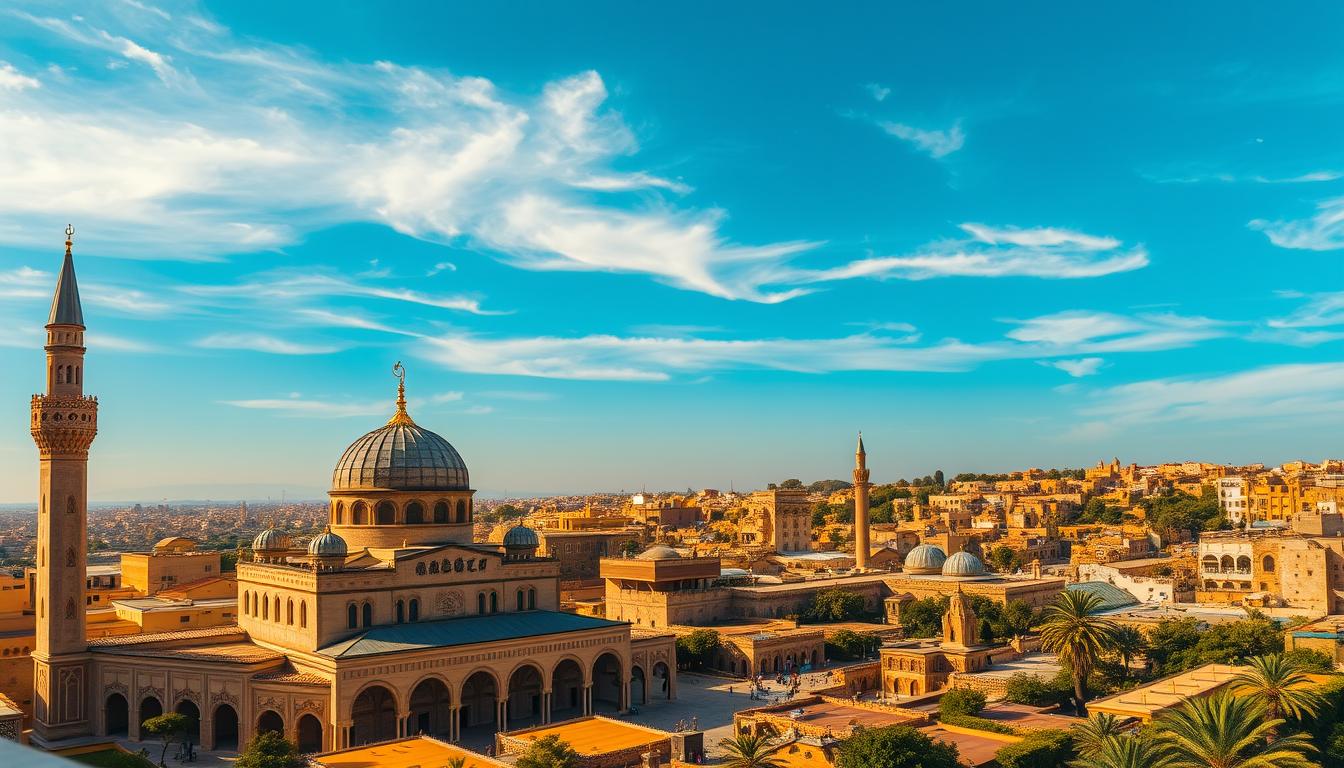
Ever wondered what secrets ancient cities hold? Monastir, a historic Tunisian city, is full of secrets. Its stunning architecture shows its rich cultural heritage.
Exploring Monastir, you’ll find a wealth of history. Monastir’s rich history is seen in its many preserved monuments. Its strategic location has made it a hub of cultural exchange, blending architectural styles.
Discovering Monastir’s cultural heritage reveals the stories of its landmarks. You’ll understand the city’s importance in the Islamic world.
Discovering Monastir: Tunisia’s City of Islamic Heritage
Monastir is a city in Tunisia known for its Islamic heritage. It has a long history, serving as a key cultural and trade center in the Islamic world.
The Historical Significance of Monastir in Islamic Culture
Monastir’s role in Islamic culture is significant. The Ribat, a fortress from the 8th century, was crucial for defense and spreading Islam. Its strategic location made it a major hub for Islamic trade and culture.
| Historical Feature | Significance |
|---|---|
| Ribat of Monastir | 8th-century fortress that played a key role in the city’s defense and Islamic spread |
| Islamic Trade Routes | Monastir’s location facilitated trade and cultural exchange across the Mediterranean |
Geographical Setting and Cultural Context
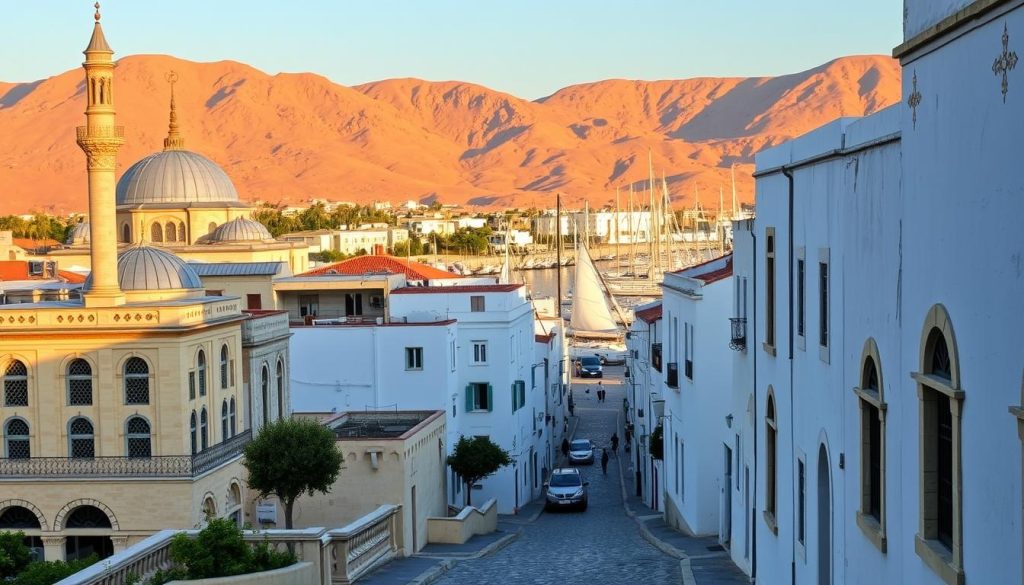
Monastir is on Tunisia’s Mediterranean coast, making it a key cultural and geographical spot. Its medina (old city) has narrow streets and Islamic architecture, showing the city’s rich heritage. The city’s location has shaped its culture, blending different traditions.
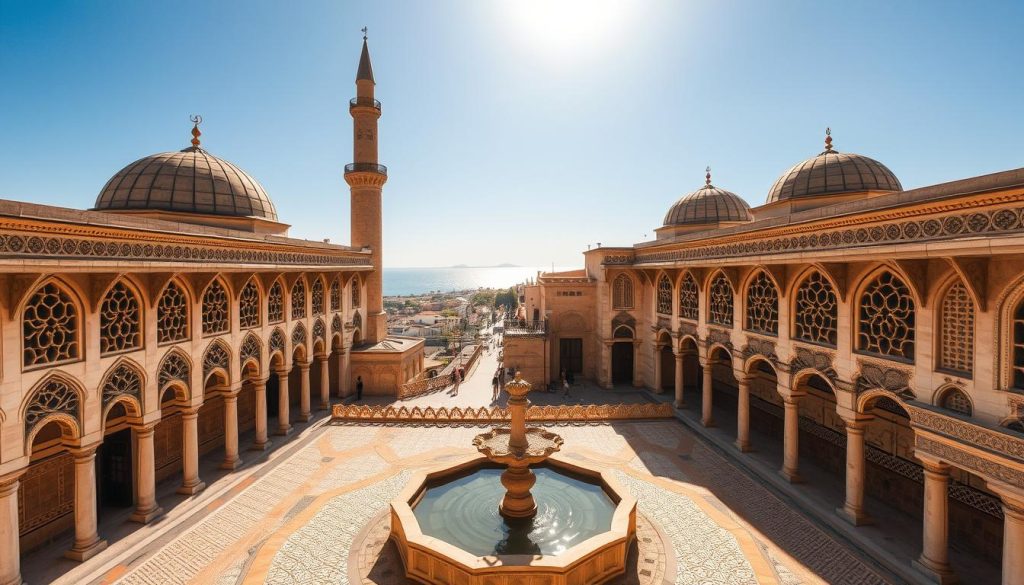
Monastir’s culture is deeply Islamic, with many historical sites and monuments. These reflect the city’s importance in Islamic culture. Visitors can see the city’s history and cultural diversity up close.
The Magnificent Ribat of Monastir: A Fortress of Faith
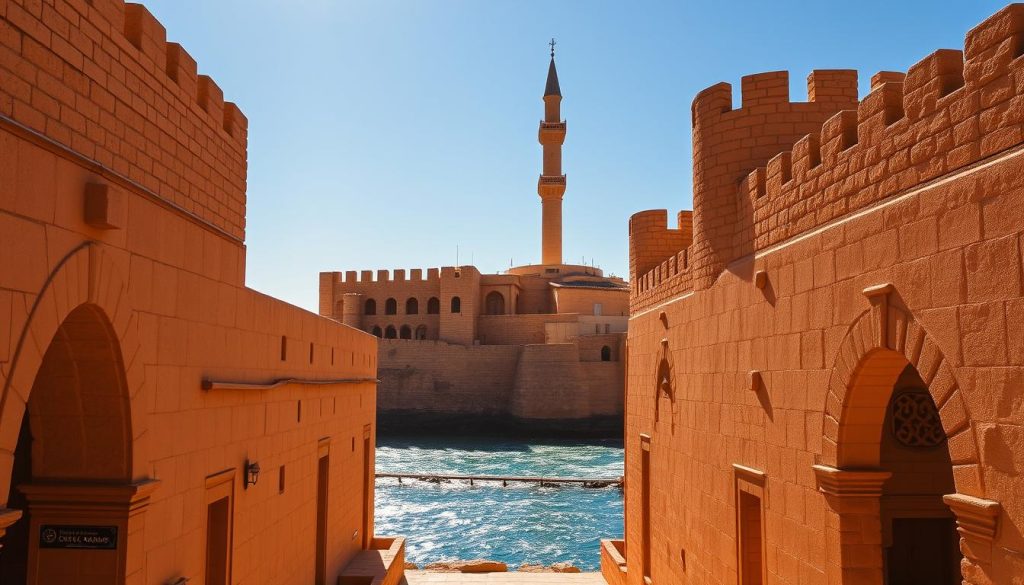
Exploring Monastir, you’ll find the stunning Ribat of Monastir. It’s a key Islamic monument from the 8th century. This site has played many roles in history.
History and Purpose of the 8th Century Ribat
The Ribat of Monastir was built in the 8th century. It was a fortress, monastery, and Islamic learning center. Its location helped defend Monastir against invaders.
Key historical aspects of the Ribat include:
- Built during the Aghlabid dynasty, a period significant for Islamic architectural advancements.
- Serving as a military outpost to protect the city from invasions.
- Functioning as a religious center, promoting Islamic education and culture.
Architectural Features and Strategic Design
The Ribat’s design is a mix of function and religious meaning. Its thick walls and watchtowers were made to withstand sieges. It also had a layout for troop movement and supply storage.
The Ribat’s design made it a key defensive spot. Its high position allowed defenders to watch and respond to threats.
“The Ribat of Monastir is a masterpiece of Islamic architecture, embodying the military and religious spirit of its era.” – Historical Account
The Ribat in Popular Culture and International Films
The Ribat of Monastir has been in several international films, like “Life of Brian” by Monty Python. This has made it a cultural icon. It attracts visitors interested in its history and film fame.
The Ribat’s fame in popular culture shows its importance. It’s not just a historical site but a symbol of Monastir’s rich culture. People from all over come to see its grandeur and historical value.
Bourguiba Mausoleum: Modern Islamic Architectural Marvel
In Monastir, you’ll find the Bourguiba Mausoleum, a modern Islamic architectural wonder. It was built in 1963 to honor Habib Bourguiba, Tunisia’s first president. The mausoleum beautifully combines traditional and modern styles.
The Life of Habib Bourguiba and His Legacy in Tunisia
Habib Bourguiba played a key role in Tunisia’s fight for freedom. He became the first president after Tunisia won independence from France in 1956. His rule had both positive and negative impacts on Tunisia, making the mausoleum a significant historical site.
Golden Dome and Minarets: Architectural Elements
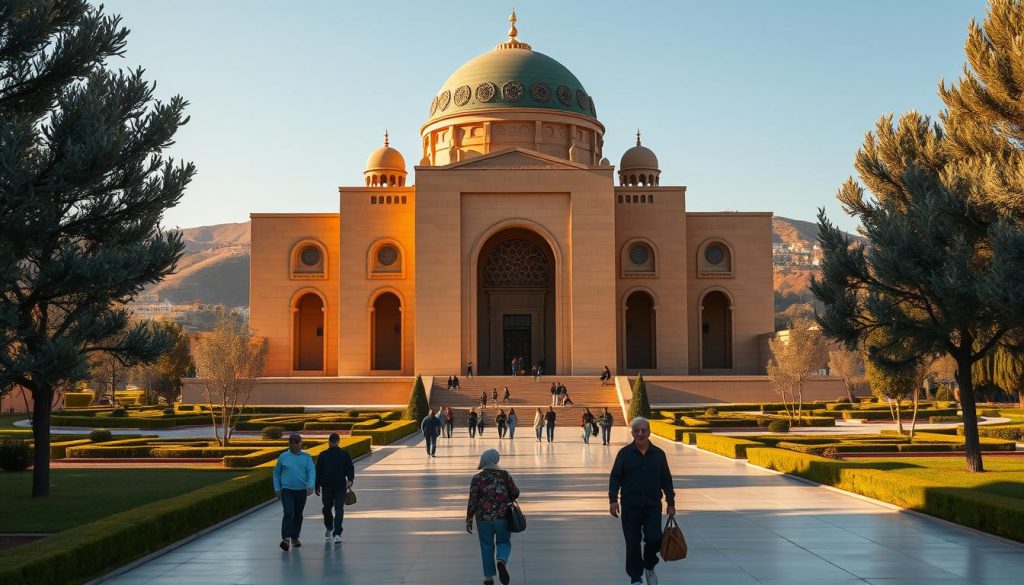
The Bourguiba Mausoleum is famous for its golden dome and elegant minarets. The golden dome represents the divine. The minarets, tall and slender, add to the mausoleum’s beauty and connect it to the mosque complex. These features showcase Islamic architectural principles beautifully.
The Family Mausoleum and Surrounding Mosque Complex
The Bourguiba Mausoleum is part of a larger complex. It includes a mosque and other family tombs. This complex is a place of reverence for Habib Bourguiba and his family. It also serves as an active religious site, showing the blend of religious and state elements in Tunisia’s history.
The Great Mosque of Monastir: A Center of Worship
In the heart of Monastir lies the Great Mosque, a place of worship for centuries. It’s not just a religious site but also a symbol of the city’s rich culture and history.
Historical Development from the 9th Century to Present
The Great Mosque of Monastir was built in the 9th century. It has seen many changes over the years, showing the city’s cultural and religious evolution. These changes have made it a unique architectural site for both historians and tourists.
Monastir’s strategic importance is mirrored in the mosque’s history. As the city’s influence grew, so did the mosque. Various rulers and dynasties have left their architectural mark on it.
| Century | Significant Changes |
|---|---|
| 9th | Initial construction of the mosque |
| 12th | Expansion and renovation under new rulers |
| 17th | Further architectural modifications |
Prayer Hall and Minaret: Distinctive Features
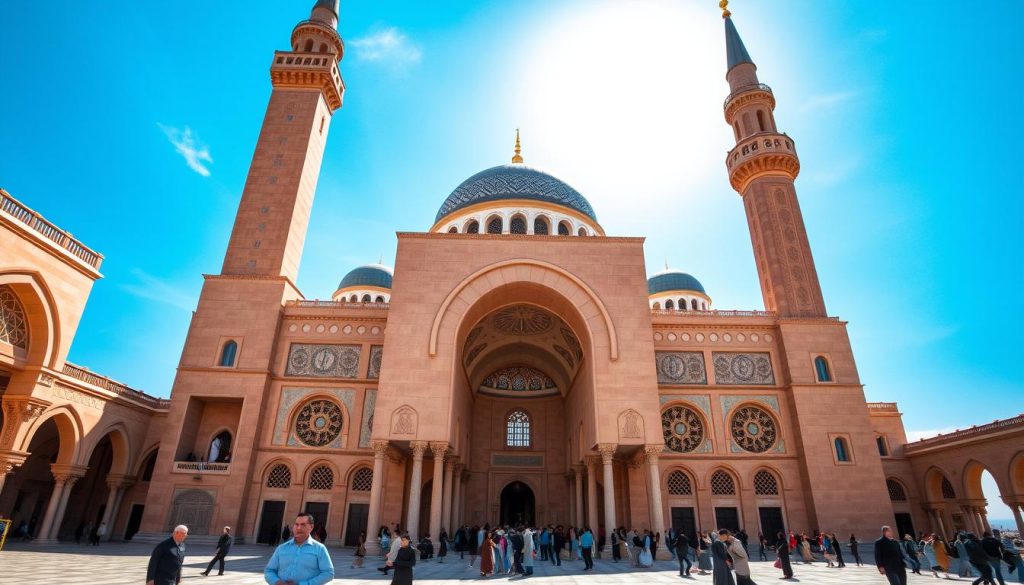
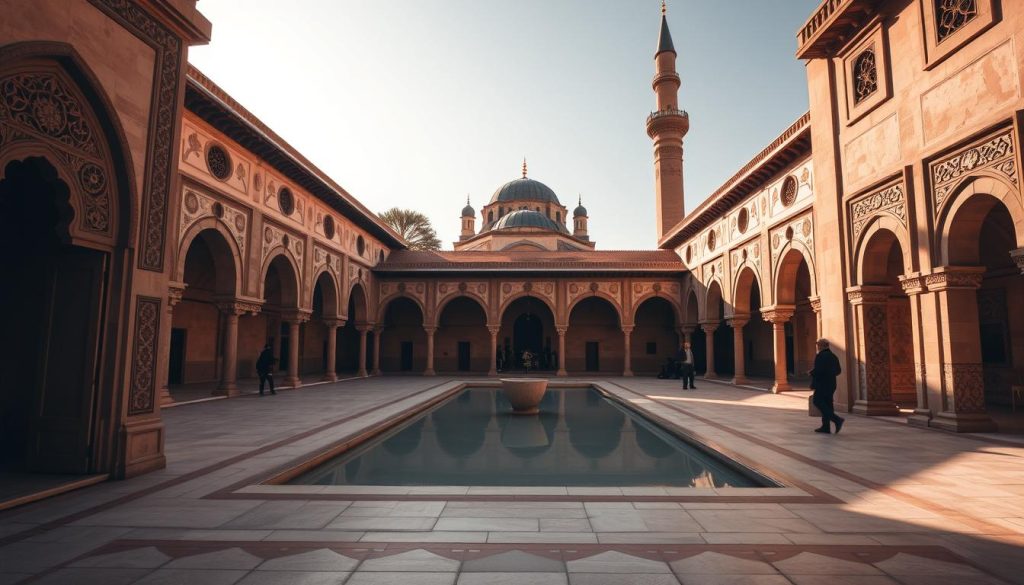
The Great Mosque is famous for its impressive prayer hall and minaret. The prayer hall is a masterpiece of Islamic architecture, with intricate decorations and a spacious layout. The minaret, towering above the city, is a visual landmark and a symbol of the call to prayer.
The architectural design of the mosque is a blend of traditional and innovative elements. It stands out as a unique example of Islamic monuments in Monastir. Visitors can see the detailed craftsmanship and understand the historical significance of the mosque’s design.
Islamic Monuments in Monastir: Beyond the Famous Landmarks
Monastir’s Islamic heritage goes beyond its famous sites. As you explore the city, you’ll find a wealth of Islamic architecture and history.
The Medina Quarter and Its Architectural Heritage
The Medina quarter in Monastir is a gem of Islamic architecture. Narrow streets and alleys show off historic homes, mosques, and other buildings. The architecture here is simple yet functional, showing the city’s rich history and culture.
Walking through the Medina quarter lets you see Monastir’s Islamic charm up close. You’ll see traditional Tunisian architecture everywhere, with beautiful doors, windows, and courtyards.
| Feature | Description | Significance |
|---|---|---|
| Narrow Streets | Winding alleys through the Medina | Reflects historical urban planning |
| Historic Homes | Traditional Tunisian architecture | Showcases local building techniques |
| Ornate Mosques | Intricate designs and calligraphy | Highlights Islamic artistry |
Zaouias and Marabouts: Sacred Shrines of Monastir
Zaouias and marabouts are sacred sites in Monastir, each with its own story. These shrines are key religious spots and cultural landmarks that show Monastir’s Islamic heritage.
Visiting these sites gives you a peek into Monastir’s spiritual and cultural life. You’ll see intricate tile work, ornate calligraphy, and more that decorate these places.
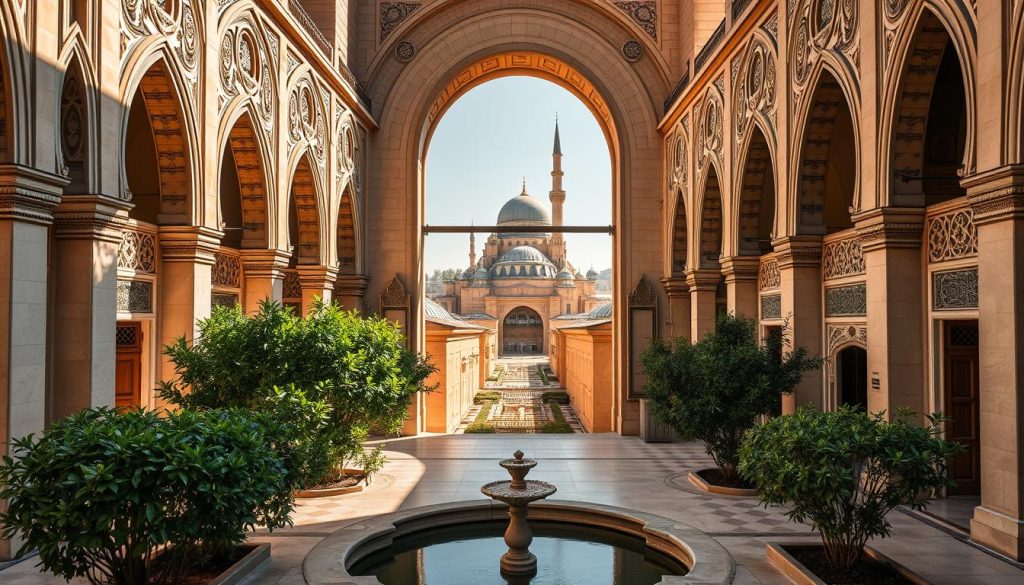
Exploring Monastir’s lesser-known Islamic sites deepens your understanding of the city’s culture and religion. Whether you’re into history, architecture, or spirituality, Monastir’s zaouias, marabouts, and Medina quarter are full of wonders.
The Art and Craftsmanship of Monastir’s Islamic Architecture
Monastir’s Islamic monuments are a mix of art and skill that has grown over centuries. As you wander through the city, you’ll see the detailed work that shows Monastir’s deep cultural roots.
Geometric Patterns and Calligraphy in Decoration
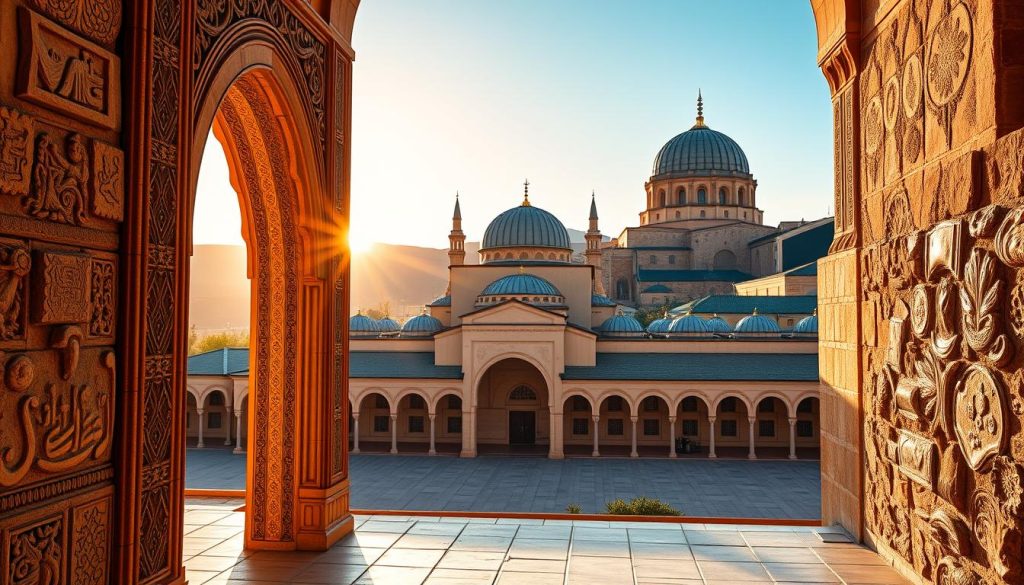
The decoration in Monastir’s Islamic buildings is filled with geometric patterns and calligraphy. These add beauty and hold deep cultural and religious values. The geometric patterns symbolize unity and God’s infinite nature.
Traditional Building Techniques and Local Materials
Monastir’s Islamic architecture stands out for its traditional building techniques and local materials. Builders used stone, brick, and wood, which were common and fit the local climate. The use of arches and domes has been passed down, making Monastir’s buildings unique.
| Material | Usage | Significance |
|---|---|---|
| Stone | Foundations and walls | Durability and strength |
| Brick | Arches and domes | Aesthetic appeal and structural integrity |
| Wood | Doors and ceilings | Craftsmanship and decorative elements |
Conservation Challenges and Restoration Projects
Monastir’s Islamic architecture is facing conservation challenges. Factors like the environment, urban growth, and tourism can harm these sites. To keep Monastir’s heritage alive, many restoration projects are underway.
“The preservation of historical sites like those in Monastir is crucial not only for cultural heritage but also for the identity of communities.”
Practical Guide to Visiting Monastir’s Islamic Sites
Planning your trip to Monastir? Knowing how to visit its Islamic sites is key. Monastir boasts a rich Islamic history. Being ready will make your visit better.
Transportation Options and Getting Around
Monastir is easy to reach by air, thanks to the Monastir Habib Bourguiba International Airport. Once there, you can use public transport, taxis, or join guided tours. The city’s Islamic sites are close, so walking or using local transport is easy.
Entrance Fees, Opening Hours, and Guided Tours
Monastir’s Islamic sites are open daily, but check their hours. Entrance fees vary, with some free and others a small charge. Guided tours offer deep insights into the sites’ history and importance.
Tips for Visitors: Think about a guided tour for a better experience. Many tours are in various languages, welcoming visitors from around the world.
Accommodation Options Near the Monuments
Monastir has many places to stay, from luxury hotels to guesthouses. Many are near the Islamic sites. Booking early is wise, as it gets busy.
Choose a place close to the sites you want to see. Staying in the city center or Medina quarter is convenient for many sites.
Cultural Etiquette and Respectful Tourism at Religious Sites
Exploring Monastir’s Islamic heritage requires knowing cultural etiquette and respectful tourism. Monastir’s Islamic sites are not just landmarks but sacred spaces for locals. Being mindful of local customs will make your visit better and help you connect with the community.
Dress Code and Behavior Guidelines for Sacred Spaces
Visiting Monastir’s Islamic sites means dressing modestly. Cover your shoulders and knees as a sign of respect. Also, be quiet and don’t take pictures inside prayer areas or during prayers. Remember to remove your shoes before entering mosques or shrines. This shows respect for the local community’s spiritual practices.
Photography Protocols and Interaction with Locals
Photography is usually okay outside religious buildings, but ask permission first. When talking to locals, be polite and respectful. Saying “As-salamu alaykum” (peace be upon you) can show your respect for their culture.
Special Considerations During Religious Holidays
During holidays like Eid or Ramadan, rules at Islamic sites might change. Some areas might be closed during prayer times or special events. Being considerate of these times will help you visit smoothly.
By being informed and respectful, you can enjoy Monastir’s Islamic monuments. You’ll also help the local community feel appreciated.
Conclusion: The Enduring Legacy of Monastir’s Islamic Architecture
Exploring Monastir reveals a wealth of Islamic monuments. These sites show the city’s role in Islamic learning and trade. The Ribat of Monastir and the Great Mosque highlight the growth of Islamic styles over time.
The Islamic monuments Monastir still amaze visitors today. They blend traditional methods with local materials, creating a unique Tunisian heritage. Visiting these places lets you see the beauty of Islamic architecture Monastir and feel the city’s lively culture.
Monastir is a treasure trove of history, art, and architecture. It’s a key spot for those wanting to dive into the Islamic world’s rich past. By keeping these Monastir cultural heritage sites alive, we help future generations appreciate this incredible city.