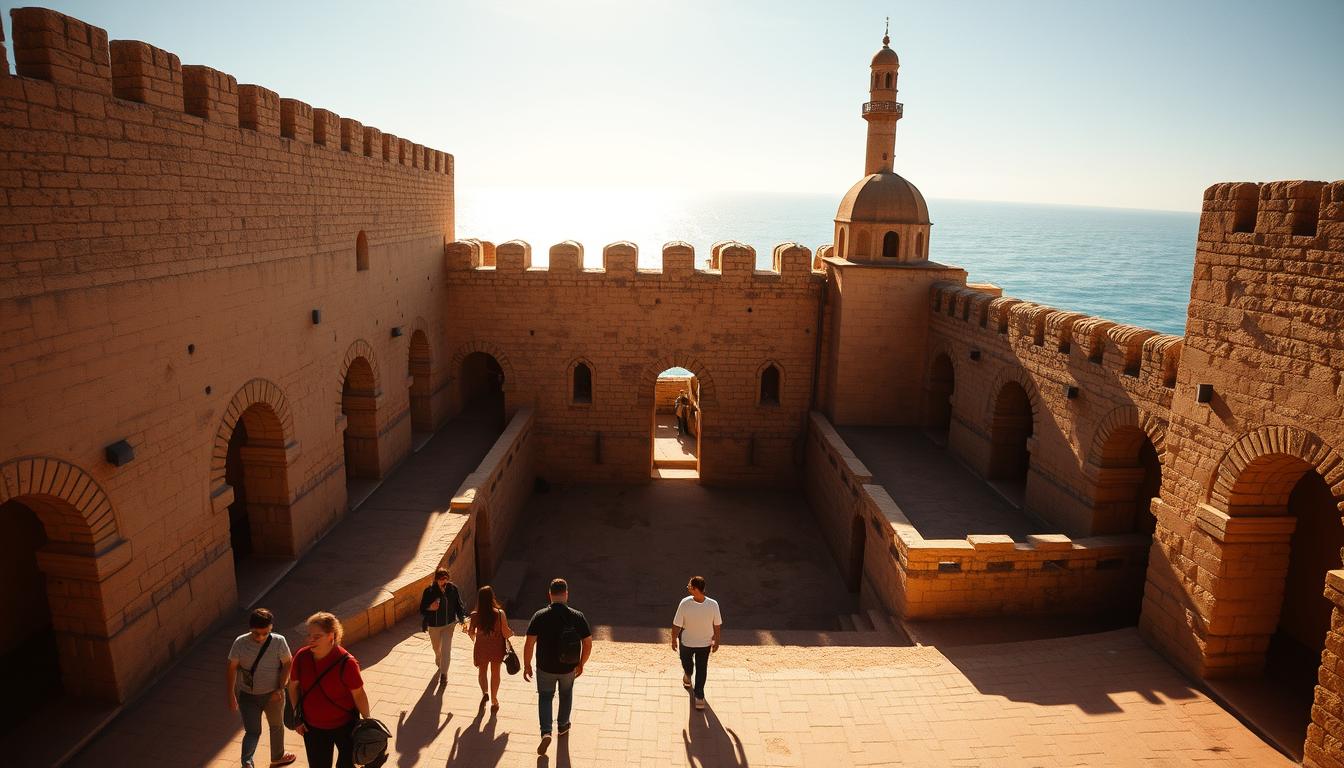
Explore the Ribat of Monastir on Your Tour
Planning a trip to Tunisia? You might wonder about the historical sites to see. Have you thought about visiting a place that has guarded the Mediterranean coast for centuries? The Ribat in Monastir is a treasure, mixing history, architecture, and stunning views.
This ancient fortress was built in 796. It shows Tunisia’s rich history and is key in Islamic military and religious history. When you explore this amazing structure, you’ll learn its secrets and feel the region’s cultural heritage. A trip to the Ribat is essential for anyone wanting to explore Tunisia’s history.
The Historical Significance of the Ribat of Monastir
The Ribat of Monastir, built in 796, is a key historical site. It has seen the rise and fall of many dynasties. On a Monastir historical site tour, learning about its history is important. It was built as a defense and a place of worship, crucial in the area’s past.
Origins in the 8th Century
The Ribat started in the 8th century under the Abbasid Dynasty. This was when it became a significant fortified religious site.
Founding by the Abbasid Dynasty
In 796, the Ribat was a quadrilateral structure. It had four buildings and two courtyards. This design was typical of its time, blending military and religious needs.
Evolution Through the Centuries
Over time, the Ribat of Monastir has changed a lot. It was expanded and renovated during the Aghlabid, Fatimid, and Hafsid periods. These changes have shaped it into what it is today.
Major Expansions and Renovations
The Ribat’s design shows the impact of different dynasties. A Ribat guided tour Monastir will show how various styles were combined. This highlights the Ribat’s changing role in the area.
| Period | Significant Events | Architectural Changes |
|---|---|---|
| 8th Century | Founding by the Abbasid Dynasty | Initial quadrilateral structure |
| Aghlabid Period | Major expansions | Addition of new buildings |
| Fatimid and Hafsid Periods | Renovations and further expansions | Blend of architectural styles |
Understanding the Ribat: What Makes It Special
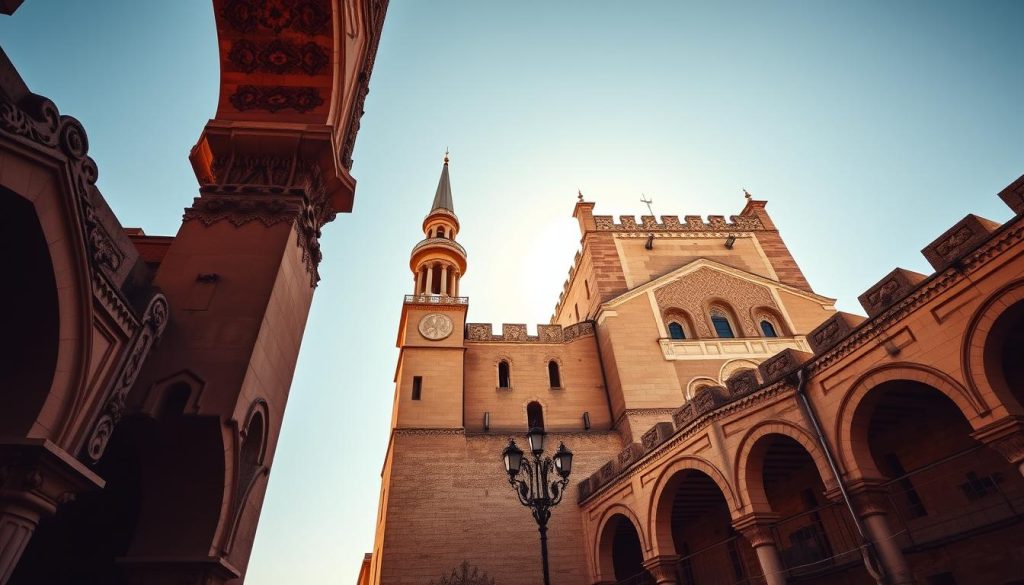
To truly appreciate the Ribat of Monastir, it’s key to understand its role in Islamic culture. The Ribat is a unique structure that combined military and religious functions.
Definition and Purpose of Ribats in Islamic Culture
Ribats were defensive buildings that also served as religious centers. Here, “monk-warriors” lived, fought, and prayed. They were devoted to their faith and defended their territories.
The Unique Features of Monastir’s Ribat
The Ribat of Monastir is known for its watchtower, prayer hall, and defensive walls. On a Monastir Ribat sightseeing tour or one of the Best Ribat of Monastir tours, you’ll see how these features make it special.
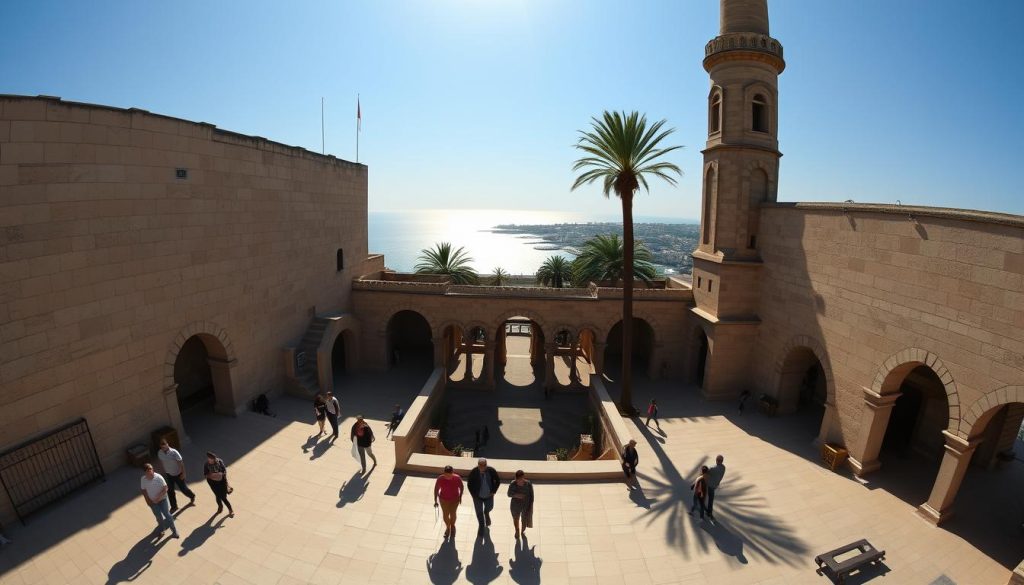
- A robust defensive system that protected the city
- A prayer hall that highlights the religious significance of the site
- An imposing watchtower offering panoramic views
Architectural Highlights of the Ribat of Monastir
The Ribat of Monastir is known for its stunning architecture. It’s a must-see on any Monastir Ribat excursion. Learning about its features will deepen your appreciation of this ancient site.
The Imposing Watchtower
The watchtower, called “Le Nadhour,” stands out. It offers breathtaking views of Monastir and the Mediterranean Sea. Climbing to the top is a highlight, giving you a peek into its past as a fortress.
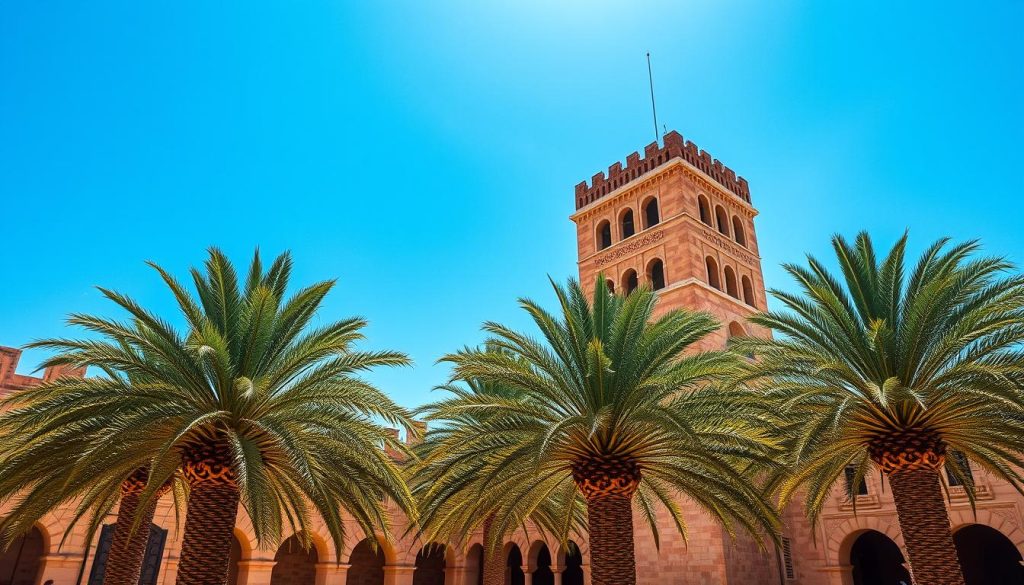
The Prayer Hall and Courtyard
The prayer hall and courtyard are key parts of the Ribat. They show its religious significance. The calm courtyard contrasts with the strong defenses, revealing the Ribat’s diverse nature.
Defensive Walls and Structures
The defensive walls and structures highlight the Ribat’s fortress role. These structures have lasted through time, offering a glimpse into the region’s military past. Exploring these walls on a Monastir Ribat excursion will give you a deeper understanding of its strategic value.
| Feature | Description | Significance |
|---|---|---|
| Watchtower | Offers panoramic views | Defensive and surveillance role |
| Prayer Hall | Religious ceremonies | Spiritual significance |
| Defensive Walls | Fortified structures | Military history and protection |
Exploring the Ribat of Monastir reveals its rich history and culture. These architectural highlights make your visit unforgettable.
Planning Your Ribat of Monastir Tour
Getting ready to see the Ribat of Monastir? Planning ahead is key. It lets you enjoy the history and beauty of this ancient place fully.
Best Times to Visit
Going early in the morning is highly recommended. It’s less crowded and more peaceful. The Ribat is open all day, so it’s easy to fit into your plans.
Entrance Fees and Opening Hours
Knowing the entrance fees and hours helps plan your day better. Always check the latest info before you go to avoid any trouble.
Recommended Duration for Your Visit
Plan to spend at least a couple of hours at the Ribat of Monastir. A guided tour can make your visit even better. Tours like “Monastir Ribat guided visit” or “Ribat guided tour Monastir” offer deep insights into the site’s history.
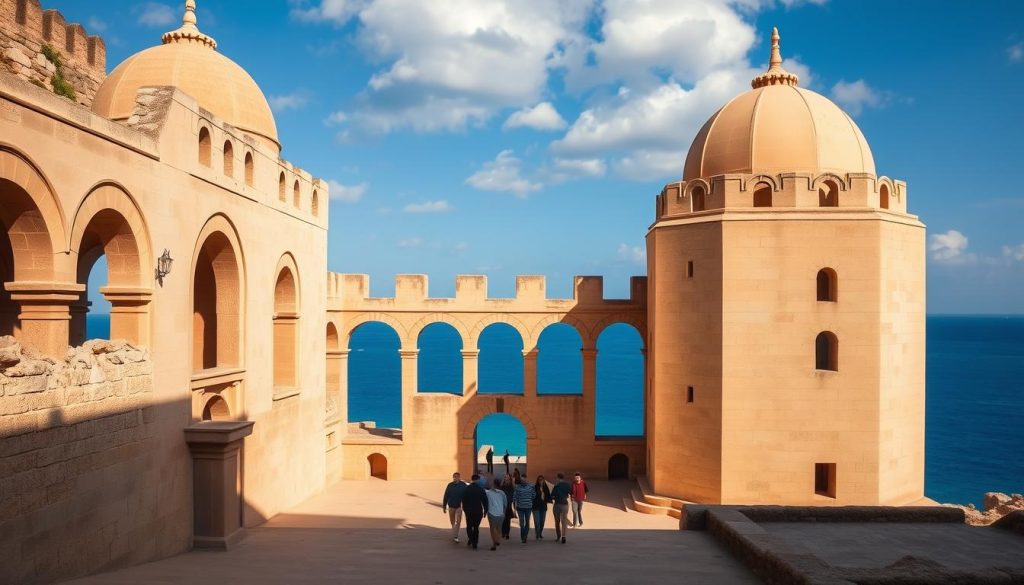
Types of Ribat of Monastir Tour Options Available
There are many ways to see the Ribat of Monastir. You can go solo, with friends, or family. There’s a tour for everyone.
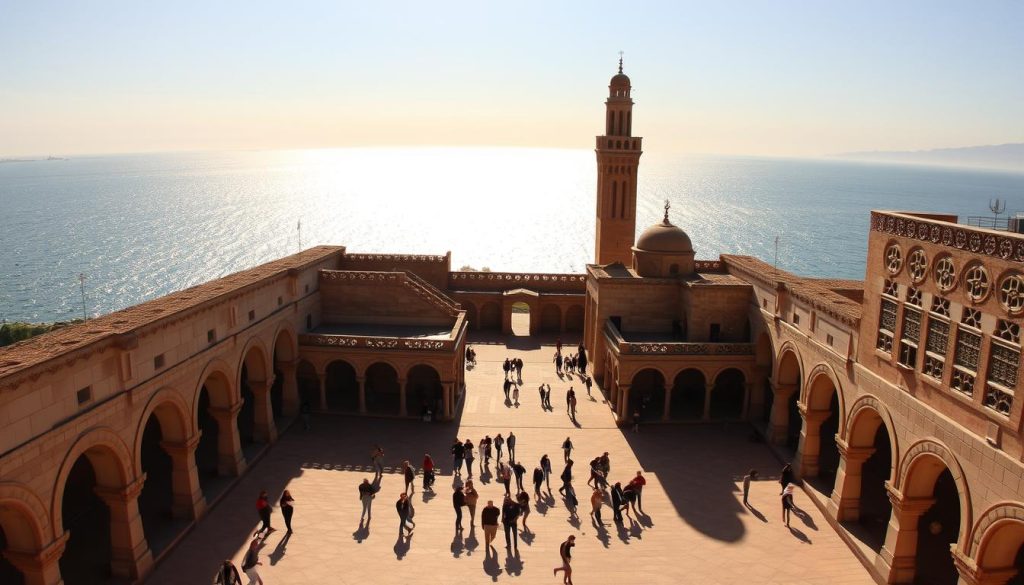
Group Tours and Their Benefits
Group tours are great for seeing the Ribat of Monastir. They’re cost-effective and let you meet new people. Guides share interesting facts, making your visit richer.
Private Guided Tours
Private tours offer a personal touch. You can delve deeper into what interests you. They fit your schedule and preferences.
Specialized Historical and Archaeological Tours
For history buffs, there are specialized tours. They give in-depth information on the Ribat’s history. It’s a more engaging visit.
Choosing the right tour makes your visit to the Ribat of Monastir better. Whether you love history, architecture, or just exploring, the Ribat has something for you.
What to Expect During Your Ribat of Monastir Tour
When you enter the Ribat of Monastir, you step into a world filled with history and amazing architecture. You’ll learn about its rich past and see why it’s important in Islamic history.
The Visitor Experience
Walking through the Ribat, you’ll see where “monk-warriors” lived. The architecture and artifacts tell a story of the past. The Ribat’s mix of military and religious use is clear as you see it all.
Climbing the Tower: Views and Challenges
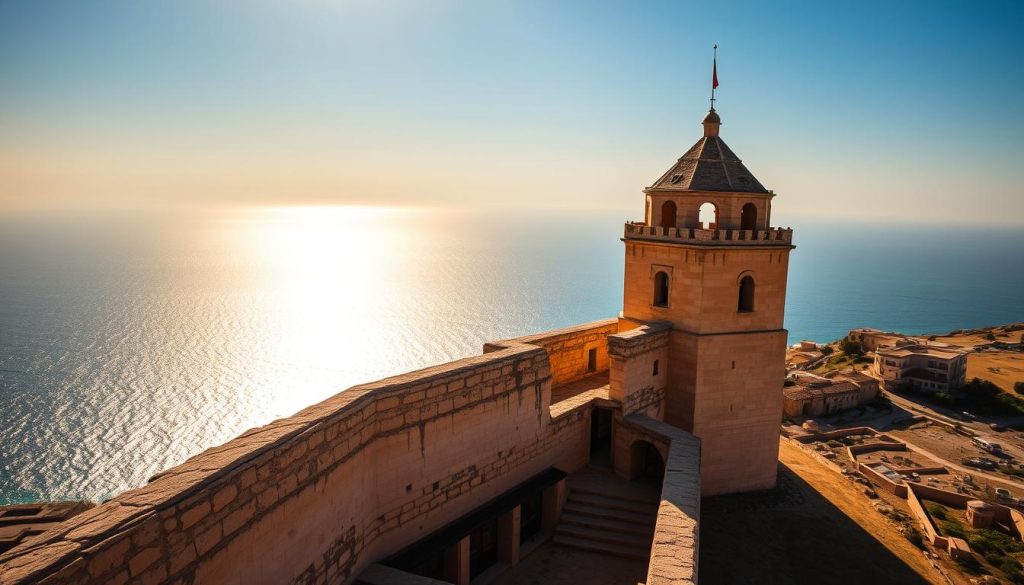
Climbing the watchtower is a must. From the top, you’ll see amazing views of Monastir and the Mediterranean Sea. The stairs are tough, but the views are worth it. You’ll see why the Ribat was so important.
Interactive Exhibits and Museums
The Ribat has interactive exhibits and museums. They show its history and importance. These displays help you understand the Ribat’s role in Islamic history better.
By the end of your tour, you’ll love the Ribat of Monastir even more. Its history, architecture, and exhibits make for a memorable visit.
Cultural and Religious Significance of the Ribat
Exploring the Ribat of Monastir reveals its deep cultural and religious meaning. It’s more than just a beautiful building. It shows Tunisia’s rich history and cultural identity.
Role in Islamic Military and Religious History
The Ribat of Monastir was key in Islamic military and religious history. It was a fortress and a place of worship. It helped defend against invaders and served the local community.
Symbolic Importance to Tunisian Heritage
The Ribat holds a special place in Tunisian heritage. It shows the country’s rich culture. On a Ribat of Monastir tour or Monastir Ribat excursion, visitors see its historical and cultural value. It stands as a symbol of Tunisia’s enduring history and culture.
Photography Opportunities at the Ribat
Exploring the Ribat of Monastir reveals a world of photography wonders. It’s a mix of stunning architecture and natural beauty. This makes it perfect for taking memorable photos.
Best Vantage Points
The watchtower offers amazing views of Monastir and the Mediterranean. It’s the best spot for photos. You can see the wide landscape and the Ribat’s detailed architecture.
Sunrise and Sunset Shots
Visiting at sunrise or sunset is a must. The soft light makes the Ribat’s textures and colors pop. It’s ideal for capturing stunning photos.
Capturing Architectural Details
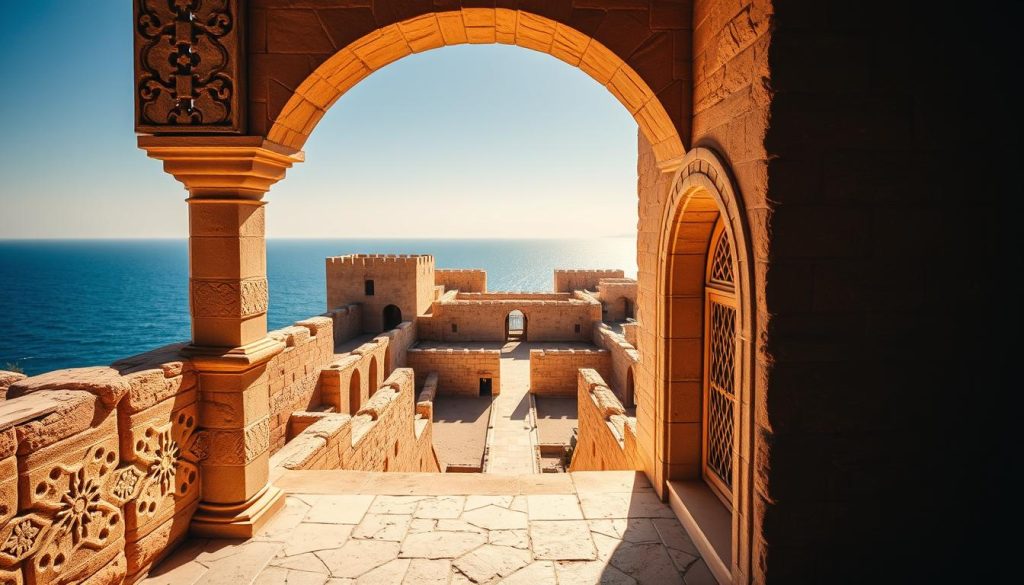
The Ribat’s architecture is full of intricate stonework and history. It’s a photographer’s dream. The light and shadow add depth to your photos.
Light and Shadow Play
The light through the Ribat’s structures creates beautiful shadows. This contrast adds drama to your photos. It highlights the architecture’s textures and details.
| Photography Tip | Description | Best Time |
|---|---|---|
| Sunrise/Sunset | Capture the Ribat in golden light | Early morning or late afternoon |
| Architectural Details | Focus on intricate stonework and historical elements | Anytime, but avoid harsh midday sun |
| Panoramic Views | Take in the expansive views from the watchtower | Anytime, but sunrise/sunset for best light |
The Ribat in Popular Culture
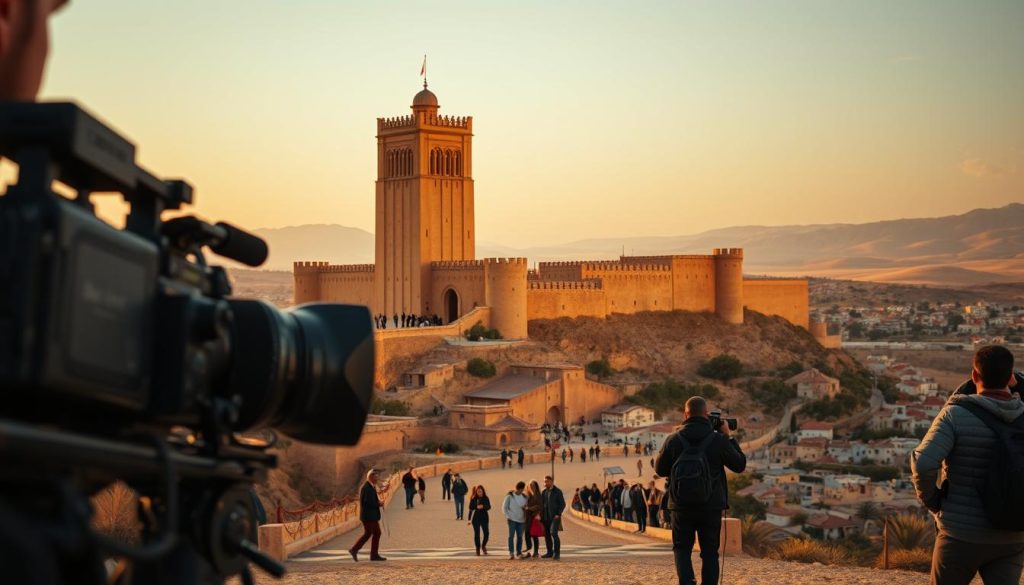
The Ribat’s unique architecture and rich history have made it a favorite among filmmakers and artists. On your Ribat guided tour Monastir, you’ll learn how it has influenced popular culture. This adds another layer of appreciation for this ancient fortress.
Famous Films Shot at the Ribat
The Ribat of Monastir has been in several famous films. Its architecture and historical ambiance are perfect for movies. The watchtower and defensive walls have been a stunning backdrop for many films.
Its historic significance and beauty make it a top choice for filmmakers. They aim to capture the essence of Tunisian heritage.
The Ribat’s Influence on Art and Literature
The Ribat’s influence goes beyond cinema to art and literature. Its rich history and cultural significance inspire many. The architecture, blending Islamic and Mediterranean styles, fascinates creatives.
Enjoying the Best Ribat of Monastir tours will deepen your understanding. You’ll see how this site continues to inspire artists and writers today.
| Aspect | Description | Impact |
|---|---|---|
| Architecture | Blend of Islamic and Mediterranean styles | Inspires artists and architects |
| Cinema | Featured in several famous films | Showcases Tunisian heritage |
| Literature | Subject of various literary works | Rich cultural significance |
Combining Your Ribat of Monastir Tour with Other Attractions
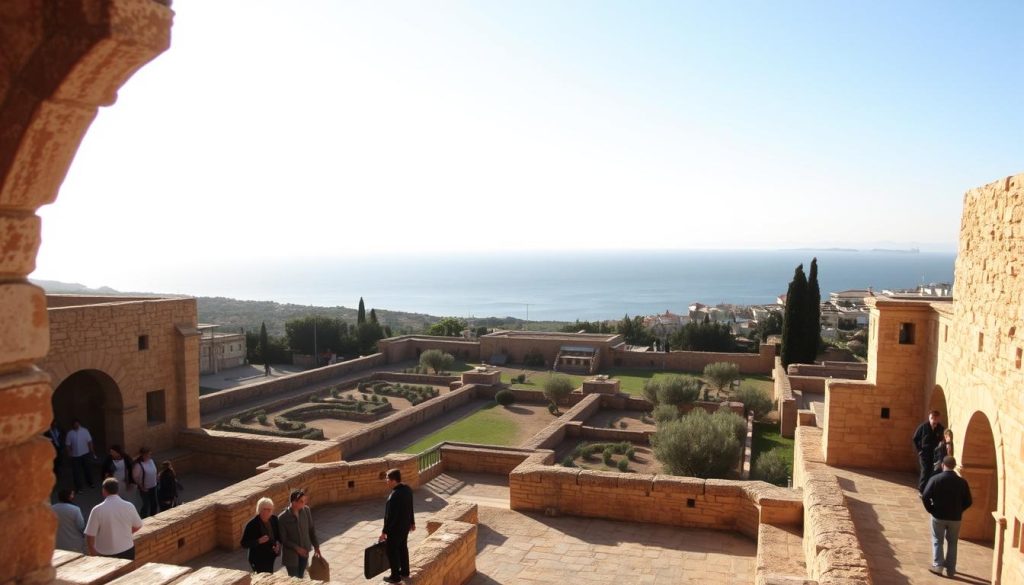
To make the most of your trip, add visits to other local landmarks to your Ribat tour. Monastir is full of history and culture. Exploring more than just the Ribat will give you a deeper understanding of the area.
The Medina of Monastir
The Medina of Monastir is a key attraction. Its historic alleys and traditional souks offer a glimpse into local life. Don’t miss the shops and market stalls for unique souvenirs and a lively atmosphere.
Bourguiba Mausoleum
Don’t forget the Bourguiba Mausoleum. It’s a grand monument to Tunisia’s first president. The structure showcases modern Tunisian architecture and is a place of respect and beauty.
Day Trips from Monastir
For more adventure, take a day trip from Monastir. The area’s beaches and historical sites are close by. Whether you love history, culture, or the beach, there’s something for everyone.
Visitor Tips for an Enjoyable Ribat Experience
Planning your visit to the Monastir Ribat? Keep a few things in mind for a great time. The Ribat of Monastir has cobblestone paths and can get busy. So, being ready is important.
What to Wear and Bring
Wear comfortable shoes because the paths are uneven and you might walk a lot. Also, don’t forget sun protection like a hat and sunscreen. And bring water to stay hydrated.
Cultural Etiquette to Observe
Dressing modestly is key at the Ribat of Monastir. Make sure your clothes cover your shoulders and knees. This shows respect for the local culture. Also, be considerate of others and avoid loud behavior.
Accessibility Information
The Ribat of Monastir is mostly easy to get around. But, some areas might be off-limits for preservation or safety reasons. If you have special needs, contact the site or check the official website for accessibility info.
Conclusion: Why the Ribat of Monastir Is a Must-Visit Destination
Exploring the Ribat of Monastir reveals a world of history, architecture, and culture. This ancient fortress, dating back to the 8th century, offers a peek into Tunisia’s past. A tour here lets you see the watchtower, prayer hall, and strong walls, creating memories that last.
The Ribat of Monastir is more than a historical site. It’s a key to understanding Tunisia’s military and religious history. Walking through its structures, you’ll see the architectural beauty and its impact on Tunisian identity. It’s a place that will leave a mark, whether you love history, architecture, or culture.
Visiting the Ribat of Monastir is not just about seeing a landmark. It’s about helping preserve Tunisia’s cultural heritage. So, plan your trip, dive into history, and let the Ribat of Monastir enchant you with its enduring charm.