
Your Guide to Monastir’s Traditional Markets
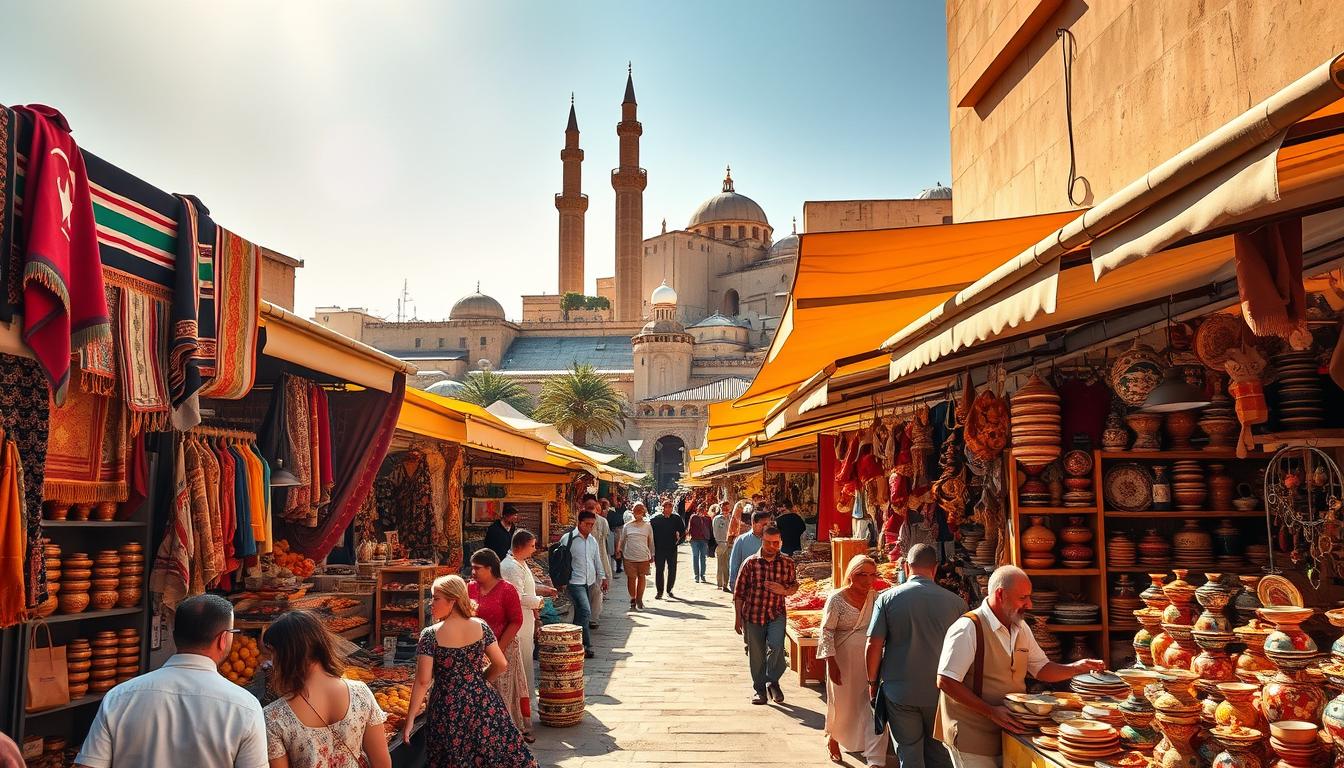
Ever wondered what makes Monastir’s marketplace so special? Picture walking through a lively area. The smell of fresh food and the chatter of people surround you.
Here, Tunisian culture shines through local crafts and real tastes. The Monastir market is more than shopping. It’s a dive into Tunisia’s deep heritage.
As you go through this guide, you’ll learn why these traditional markets are a must-see.
The Rich Heritage of Monastir’s Market Culture
When you enter Monastir’s traditional markets, you step into a living museum. The souks have been the heart of commerce for centuries. They show the city’s key role in the region.
Historical Evolution of Markets in Monastir
The history of Monastir’s markets mirrors the city’s own story. The Ribat of Monastir marks a significant point in this history. These markets have changed with the times but kept their cultural heart.
Some key historical points include:
- The impact of Arab, Mediterranean, and Ottoman cultures on market traditions.
- The Medina Souk’s role as a historic commerce hub.
- How markets have adjusted to historical events.
The Role of Markets in Local Economy
Monastir’s markets, like the Monastir souk and Monastir bazaar, are crucial to the local economy. They offer a space for local artisans and producers. They sell everything from textiles and pottery to spices and olive oil.
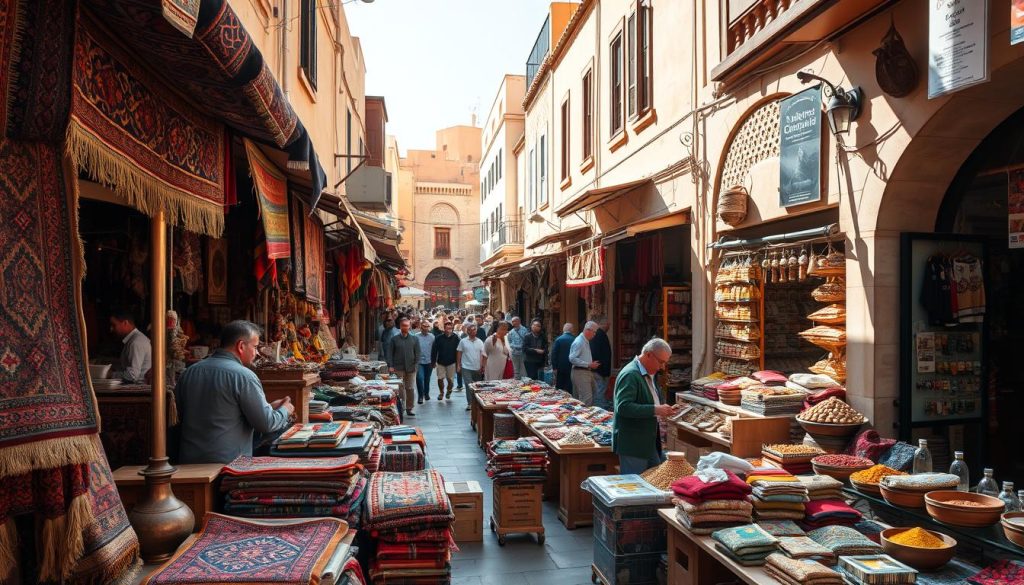
- Supporting local businesses and artisans.
- Bringing in tourists and boosting revenue.
- Keeping traditional crafts and practices alive.
In summary, Monastir’s market culture is a mix of history, commerce, and tradition. Knowing and valuing this heritage makes your visit to the city’s lively markets even more special.
Traditional Markets in Monastir: A Complete Overview
Exploring Monastir reveals a variety of traditional markets. These markets are more than places to shop. They are vibrant centers of local culture and history.
Medina Souk – The Historic Center
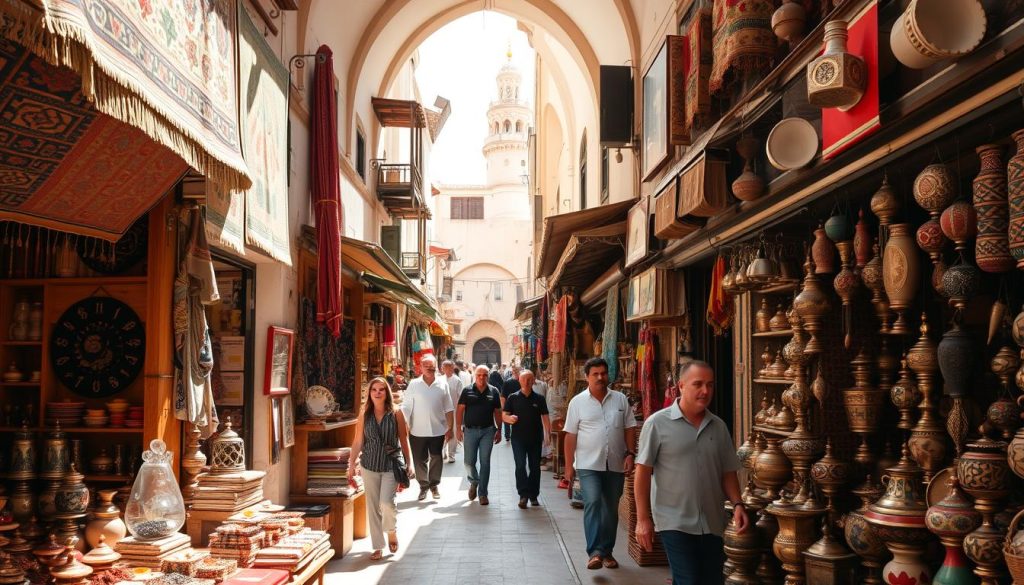
The Medina Souk is the heart of Monastir’s traditional shopping. It’s a historic marketplace in the medina’s ancient walls. Here, you can find local handicrafts and traditional clothing.
Walking through the narrow alleys, you’ll feel Tunisia’s rich cultural heritage. The sights, sounds, and aromas are unforgettable.
Weekly Markets and Their Schedules
Monastir has various weekly markets with their own schedules and specialties. These markets let you experience local life. You can shop for fresh produce, spices, and more.
They show the city’s vibrant community spirit. Locals and visitors gather to socialize and shop.
| Day | Market | Specialty |
|---|---|---|
| Monday | Medina Market | Fresh Produce |
| Wednesday | Weekly Souk | Local Handicrafts |
| Friday | Farmers’ Market | Spices and Olives |
Specialized Craft Markets
Monastir’s specialized craft markets are perfect for traditional Tunisian crafts. You’ll find handmade goods like textiles, pottery, and jewelry. Shopping here supports local artisans and preserves traditional crafts.
In conclusion, Monastir’s traditional markets offer a rich shopping experience. Whether you’re in the Medina Souk, weekly markets, or craft markets, you’ll find a memorable Monastir shopping experience.
What to Buy: Authentic Tunisian Treasures
Monastir’s markets are filled with authentic Tunisian treasures. You’ll find everything from intricately woven textiles to beautifully crafted pottery. These local crafts make perfect souvenirs or gifts.
Textiles and Carpets
Textiles and carpets are very popular in Monastir’s markets. The region is famous for its vibrant fabrics. These fabrics often have traditional patterns and motifs.
Regional Patterns and Techniques
Tunisian textiles show off the country’s diverse cultural heritage. You can find fabrics with intricate Berber designs and Islamic geometric patterns.
Quality Assessment Tips
When buying textiles or carpets, look for quality materials and craftsmanship. Check the weave’s density, the colors’ vibrancy, and the finish. A genuine Tunisian carpet will have a unique character that shows it’s handmade.
| Product | Characteristics | Price Range |
|---|---|---|
| Traditional Tunisian Carpets | Handwoven, unique designs, high-quality wool | $100-$500 |
| Textiles with Berber Designs | Vibrant colors, intricate patterns, cotton or wool blend | $20-$100 |
| Handmade Embroidery | Intricate stitching, traditional motifs, linen or cotton | $30-$150 |
Pottery and Ceramics
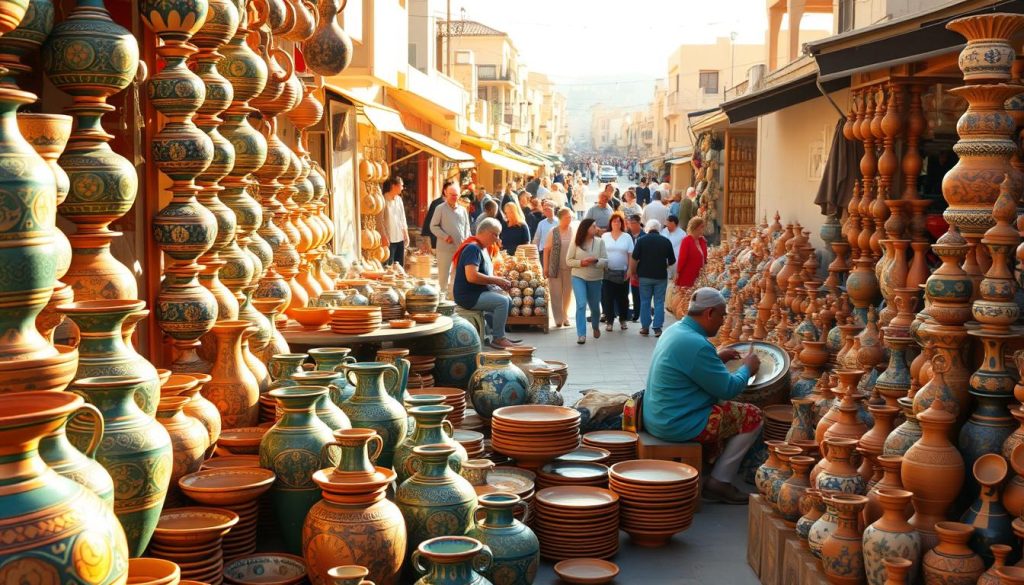
Monastir’s markets also have a variety of pottery and ceramics. You can find everything from plates and bowls to decorative vases and figurines. Look for items that show traditional Tunisian craftsmanship.
Leather Goods and Traditional Footwear
Leather goods, including traditional footwear, are a highlight in Monastir’s markets. You can find beautifully crafted leather bags, belts, and shoes. These items reflect local styles and techniques.
Jewelry and Metalwork
Tunisian jewelry is known for its intricate designs and use of local materials. In Monastir’s markets, you can find unique pieces that make for memorable souvenirs.
When shopping for these authentic Tunisian treasures, remember to haggle respectfully. Appreciate the craftsmanship that goes into each item. Whether you’re looking for a special memento or a gift, Monastir’s markets have something for everyone.
Culinary Delights at Monastir’s Food Markets
As you explore Monastir’s food markets, you’ll find a world of flavors. These markets showcase Tunisia’s rich culinary heritage. You’ll see local produce, spices, and traditional dishes that will excite your taste buds.
Seasonal Produce and Spices
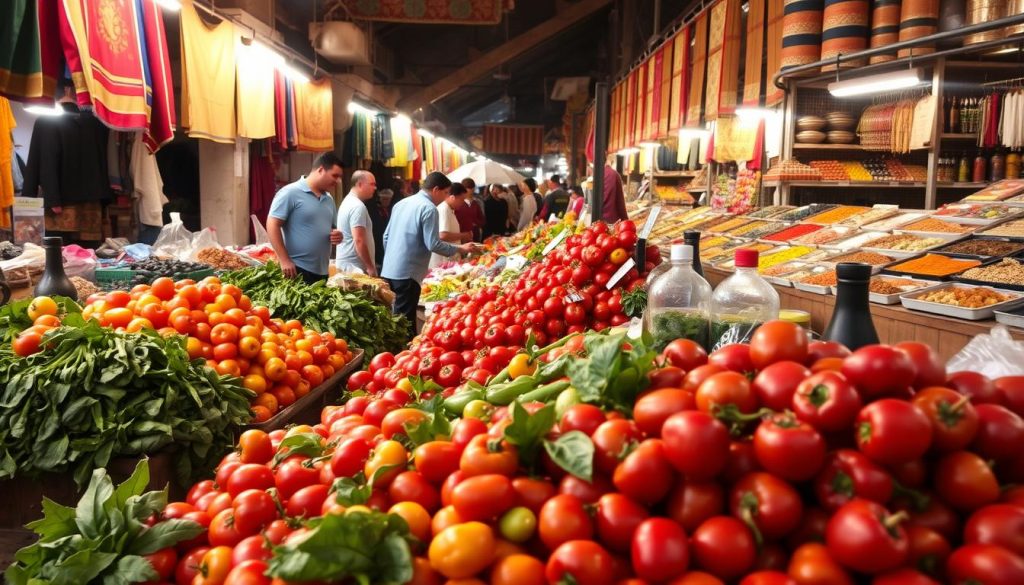
Monastir’s markets are famous for their fresh produce. You’ll find juicy fruits, crisp vegetables, and aromatic herbs. The markets also have spices like cumin, coriander, and harissa, key to Tunisian cooking.
Olive Oil, Dates, and Local Specialties
Here, you can taste Tunisia’s staples like high-quality olive oil and dates. Try local treats like makroud, a date pastry, and brik, a fried pastry with egg and tuna.
Street Food Experiences
Street food is a big part of Monastir’s market scene. You can try traditional snacks and meals from vendors. Here are some must-try foods:
Must-Try Traditional Snacks
- Shawarma: A favorite street food with lamb or chicken, served in a pita with veggies and tahini sauce.
- Merguez: Spicy lamb sausages grilled to perfection.
- Brik: A fried pastry filled with egg, tuna, and capers.
Where to Find the Best Food Vendors
The best vendors are in the market’s heart, where it’s busiest. Look for stalls with lots of customers for fresh and quality food. Ask locals for the best spots; they know the hidden gems.
Exploring Monastir’s food markets lets you taste authentic Tunisian cuisine. You’ll also experience the locals’ warm hospitality. So, take your time, explore the stalls, and enjoy Monastir’s culinary delights.
Navigating the Monastir Souk Experience
Before you dive into Monastir’s souks, knowing the layout and logistics can make your trip better. These traditional markets are a feast for the senses. They offer a variety of local goods, fresh produce, and tasty treats.
Market Hours and Peak Times
Monastir’s souks open early and stay busy until the afternoon. Going in the morning is best for fresh produce and fewer crowds. This way, you can have a real local experience without the rush of tourists.
Layout and Organization
The souks are set up to help you find what you need. They’re divided by product type, like spices, textiles, and crafts. Knowing this can make your shopping trip smoother and more productive.
Key Areas to Explore:
- Medina Souk for historic and cultural significance
- Specialized craft markets for unique local handicrafts
- Food markets for seasonal produce and local specialties
Transportation Options and Parking
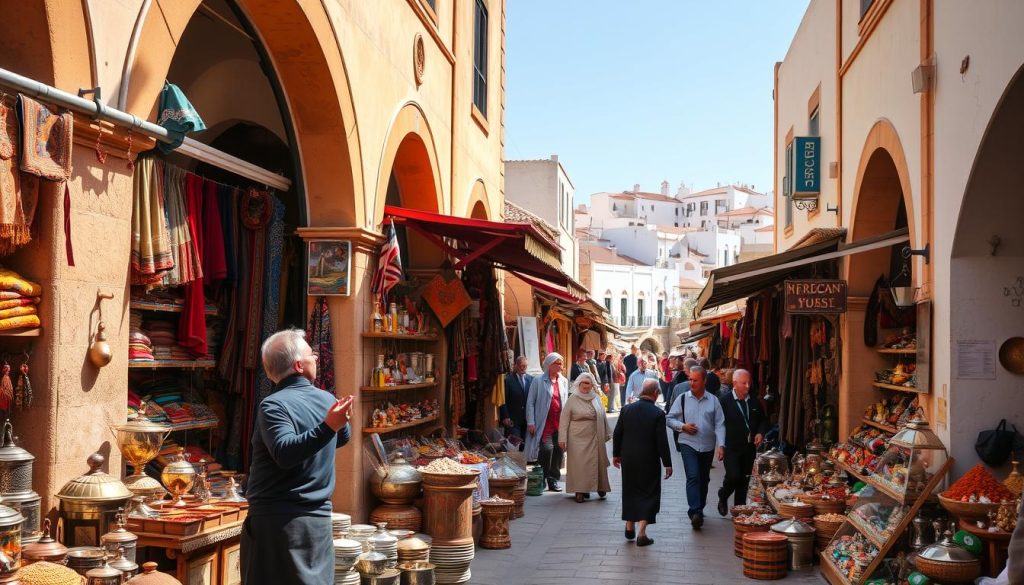
Getting to Monastir’s souks is easy. You can drive, park nearby, or use public transport and taxis. For a relaxed vibe, try walking or join a guided tour.
Mastering the Art of Haggling in Tunisian Markets
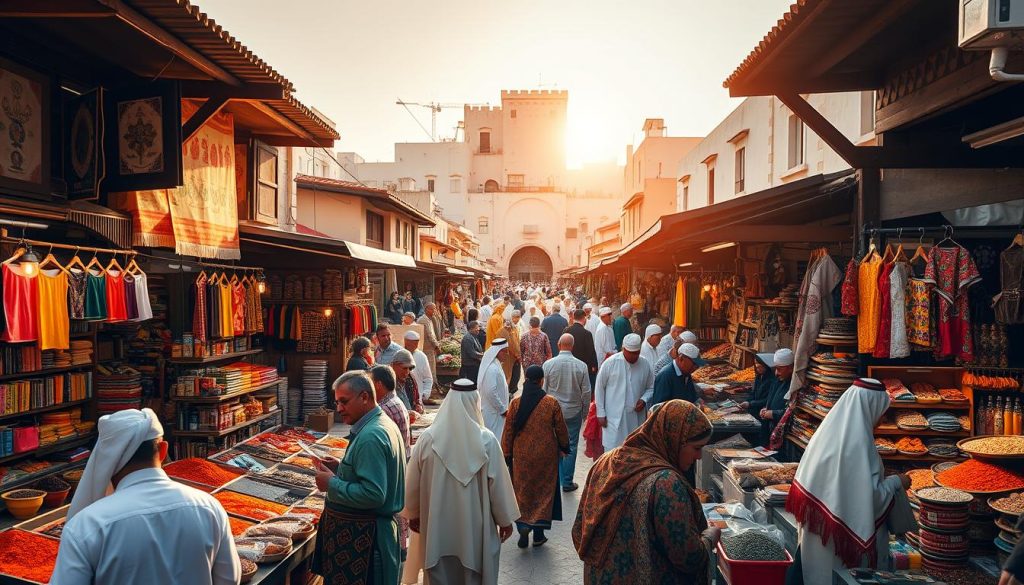
Shopping at Monastir’s bazaar is more fun when you know how to haggle. It’s not just about the price. It’s a big part of Tunisia’s shopping culture.
Price Expectations for Common Items
Knowing what things cost helps you haggle better. In Monastir, you’ll find textiles, pottery, and leather goods. Prices vary.
A handmade textile might start at 50 TND. But, you could get it for 35 TND after haggling. Pottery might start at 20 TND. You could talk it down to 15 TND. Knowing these prices helps you haggle smarter.
Negotiation Etiquette and Strategies
When haggling, be respectful and smile. Start by saying the item is nice and you’re interested. Then, offer a lower price than you’re willing to pay.
Being ready to leave if the price is too high is key. This shows you’re not desperate. Often, the vendor will offer a better deal. Remember, haggling is a conversation. Be ready to listen and adjust.
Key Negotiation Tips:
- Start with a lower offer than you’re willing to pay.
- Be respectful and polite throughout the negotiation.
- Be willing to walk away if the deal isn’t right.
Useful Arabic Phrases for Shopping
Learning Arabic phrases makes shopping better. Saying “As-salamu alaykum” (peace be upon you) can start things off well.
For haggling, ask “Kam hadha?” (how much is this?) to check prices. Say “Mumtaz, sa’afni fi…” (excellent, give me a discount on…) to ask for a better deal. Trying to speak Arabic can help you get a better deal.
Some essential phrases include:
- “As-salamu alaykum” (السلام عليكم) – Peace be upon you.
- “Kam hadha?” (كم هذا؟) – How much is this?
- “Mumtaz, sa’afni fi…” (ممتاز، ساعدني في…) – Excellent, give me a discount on…
Learning these haggling skills will make your shopping in Monastir’s markets better. You’ll enjoy it more and get a true local experience.
Cultural Etiquette and Responsible Tourism
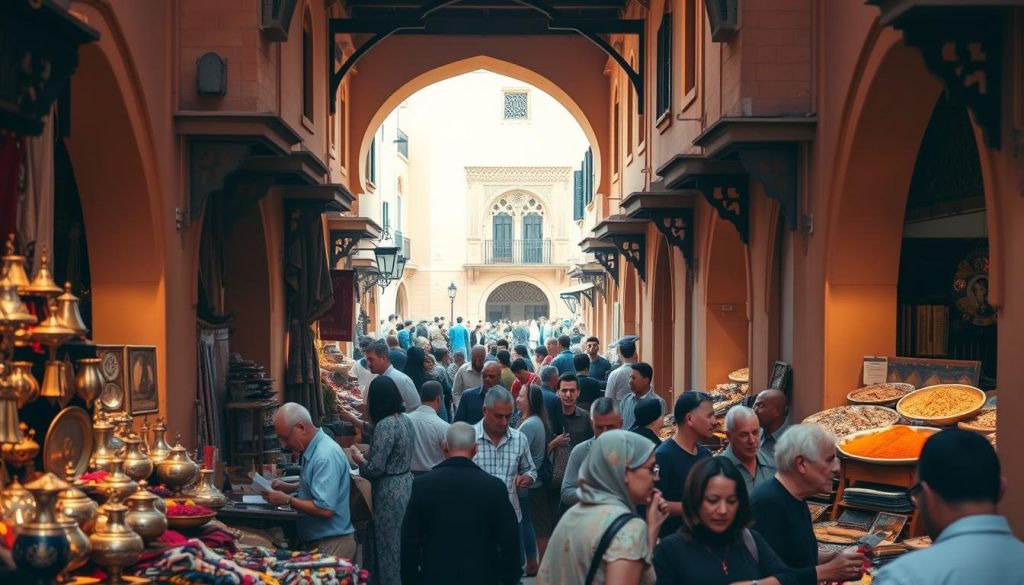
To fully immerse yourself in the Monastir shopping experience, understanding and respecting local traditions is key. Monastir’s markets are not just places to shop; they are vibrant cultural hubs where locals gather to socialize and conduct business.
Appropriate Dress and Behavior
Visitors should dress modestly, covering their shoulders and knees as a sign of respect for the local culture. It’s also advisable to remove your shoes when entering mosques or some traditional homes. Being mindful of your body language is equally important; for instance, using your left hand for transactions is considered impolite.
Photography Guidelines
Before taking pictures of people or their goods, always ask for permission. Some vendors may not be comfortable being photographed, and respecting their wishes is crucial. Also, be cautious when capturing images of sensitive areas like mosques or government buildings.
Supporting Local Artisans
Monastir’s crafts market is a treasure trove of local artisans’ work. By purchasing their goods, you are directly supporting the local economy. It’s also a good practice to engage with the artisans, learning about their craft and appreciating the skill that goes into each piece.
Fair Trade Practices
Ensuring fair trade practices is vital. This means being aware of the prices you pay and making sure they are reasonable and fair to both you and the seller. It’s also about recognizing the value of the craftsmanship and the materials used.
Avoiding Tourist Traps
Be cautious of overly touristy areas that might inflate prices or sell low-quality goods. Exploring beyond the main souks can lead you to authentic, locally made products at fair prices. Engaging with local vendors and asking for recommendations can also help you avoid tourist traps.
| Aspect | Best Practice | Benefit |
|---|---|---|
| Dress Code | Dress modestly | Shows respect for local culture |
| Photography | Ask permission before taking pictures | Respects vendors’ privacy |
| Shopping | Support local artisans | Boosts local economy |
Beyond Monastir: Comparing Regional Markets
Exploring beyond Monastir opens up a world of regional markets. You’ll find unique shopping spots in Sousse and Mahdia.
Day Trips to Sousse and Mahdia Markets
Sousse and Mahdia are close to Monastir, making them great for day trips. Sousse’s markets buzz with energy, while Mahdia’s souk is more relaxed. You can take a louage or drive on the A1 highway . It’s about an hour to Sousse and a bit longer to Mahdia.
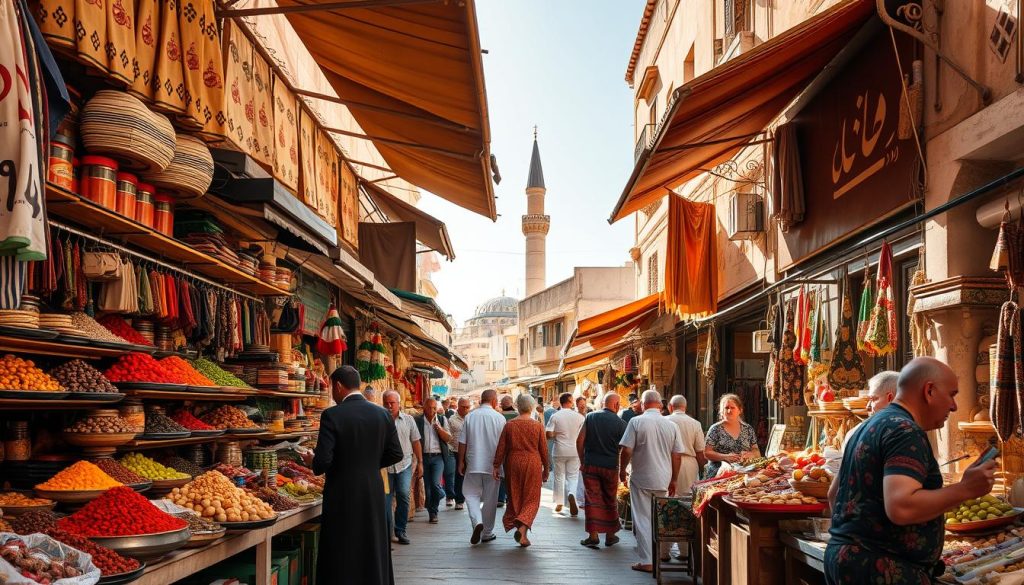
Unique Specialties of Each Market Town
Each town has its own treasures. Sousse is known for olive oil and handicrafts. Mahdia is famous for textiles and local jewelry. You can try these products and bring some home as gifts.
Transportation Between Market Towns
Traveling between towns is easy. You can use public transportation or rent a car for more freedom. The louage system works well for short trips.
By visiting these markets, you’ll learn more about Tunisian market culture. You’ll see how each town offers something special.
Conclusion: Creating Lasting Memories at Monastir’s Markets
Visiting the traditional markets in Monastir is a special experience. It gives you a peek into local life and culture. You’ll see the vibrant stalls and souks, showing off Monastir’s rich heritage.
The Monastir market is full of authentic Tunisian treasures. You can find textiles, pottery, leather goods, and jewelry. Don’t miss trying local foods like olive oil, dates, and street food. The Tunisian people’s warm hospitality is unforgettable.
Exploring Monastir’s traditional markets will leave you with lasting memories. Whether you’re bargaining, admiring crafts, or enjoying the vibe, the Monastir market is unforgettable.





