Explore the Ribat of Monastir and Its Breathtaking Views
Have you ever stood on a historic fortress wall, looking out at the vast Mediterranean Sea? The Ribat of Monastir gives you that chance. It’s on the Mediterranean shores, showing off Tunisia’s deep history.
When you visit, you’ll see breathtaking views of the sea and the city. The Ribat of Monastir is perfect for photos and a journey back in time. It lets you explore the area’s rich heritage.
In this article, we’ll explore the Ribat of Monastir’s importance. We’ll help you enjoy your visit to this amazing site.
The Historical Significance of the Ribat of Monastir
The Ribat of Monastir, built in 796, has seen the growth of Islamic heritage in Tunisia. It is a key historical site in Monastir, showing the area’s deep history.
Origins and Purpose of the Fortress
The Ribat was built to defend the city from invaders. Its location made it a watchtower, watching for danger. Exploring the Ribat helps you see its importance in Monastir’s past.
The Ribat’s Role in Islamic History
The Ribat of Monastir was important in Islamic history. It was a military base and a center for learning and culture. Scholars and theologians met here, spreading Islamic knowledge. Today, it’s a key part of Monastir’s history.
Historical Timeline of Monastir
Monastir’s history is closely tied to the Ribat. The city has changed a lot over the years, but the Ribat has remained. It has seen the rise and fall of dynasties, marking the city’s history.
Learning about the Ribat of Monastir helps you appreciate its importance. It’s a symbol of the region’s culture and religion.
Architectural Marvel: The Structure of the Monastir Ribat
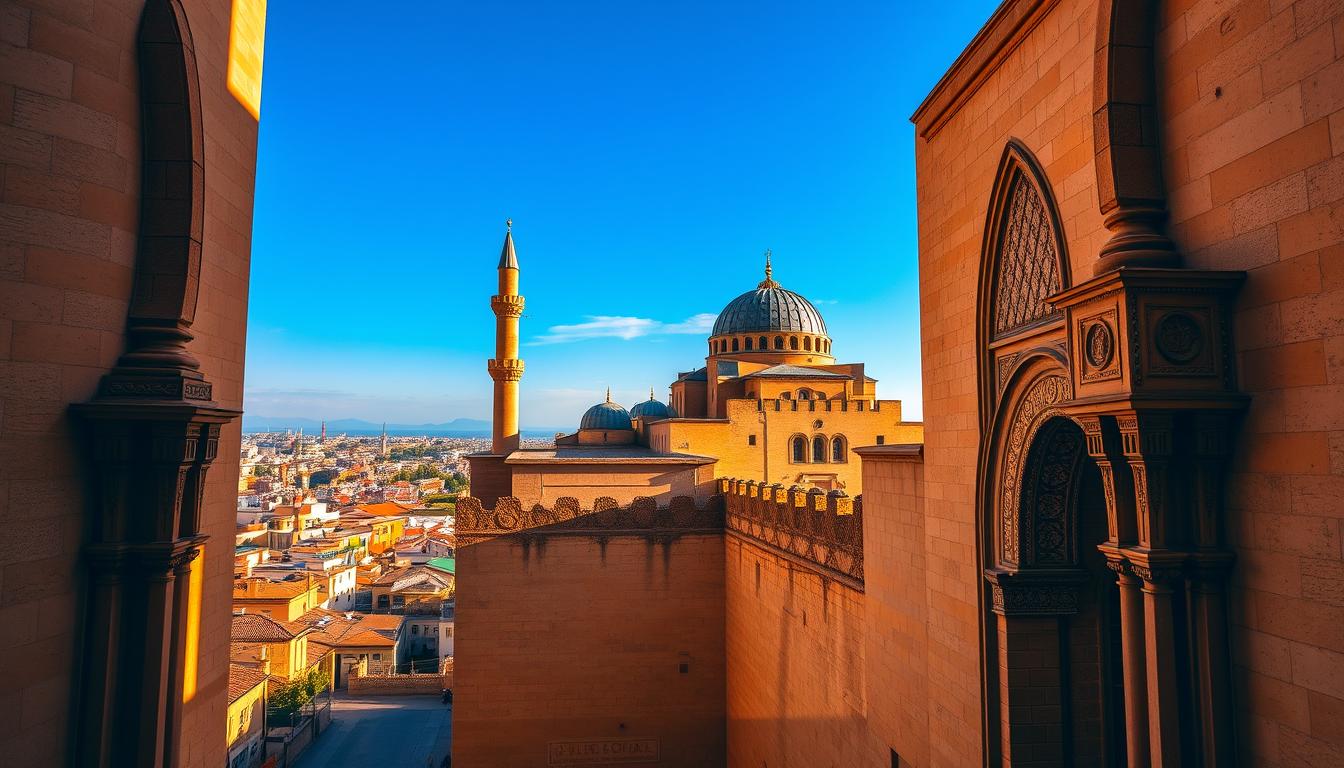
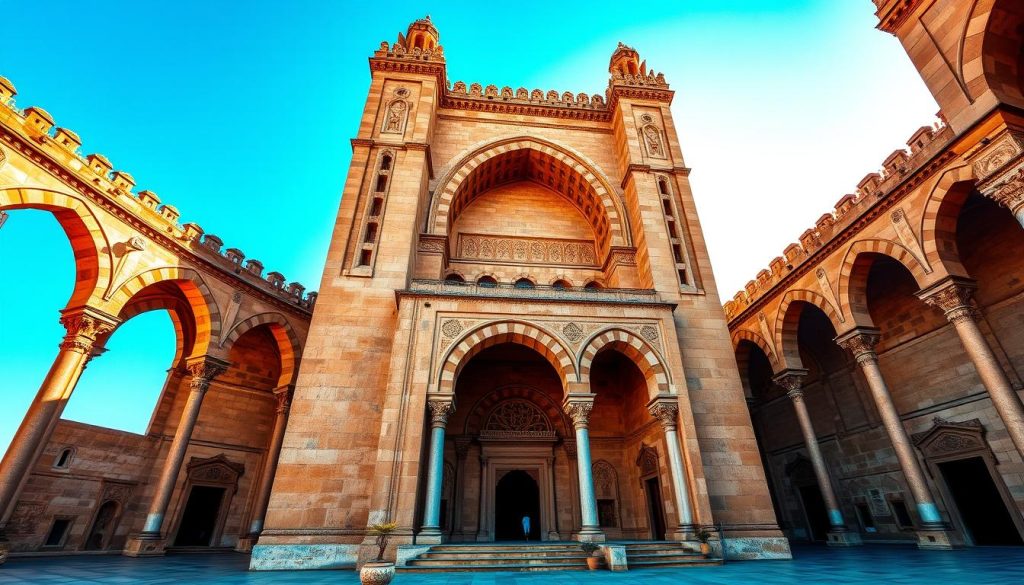
The Monastir Ribat is a stunning example of Islamic architecture. It combines defense and religion in a unique way. As a key tourist attraction Monastir, it lets visitors see the area’s rich history and architecture.
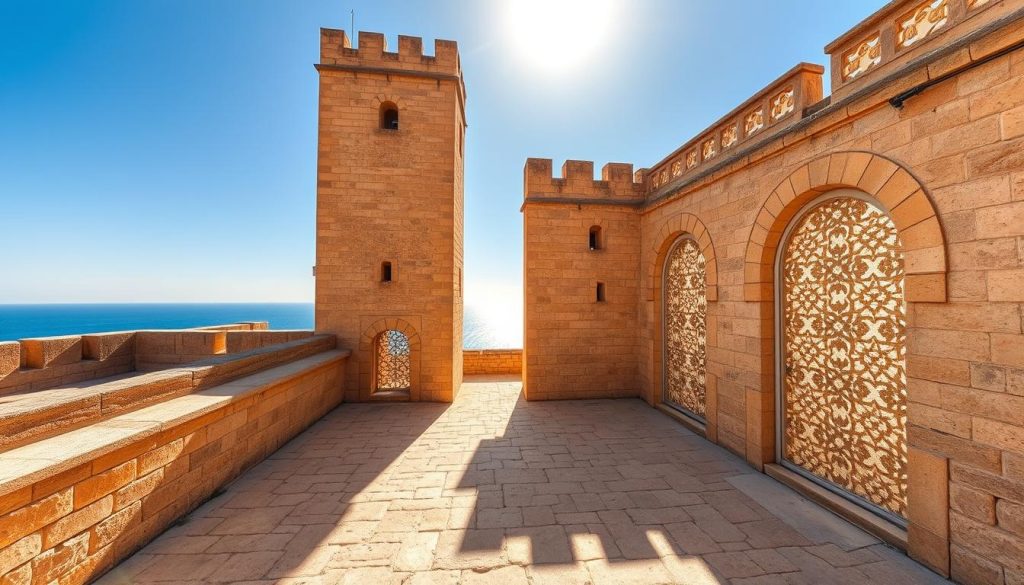
Defensive Design Elements
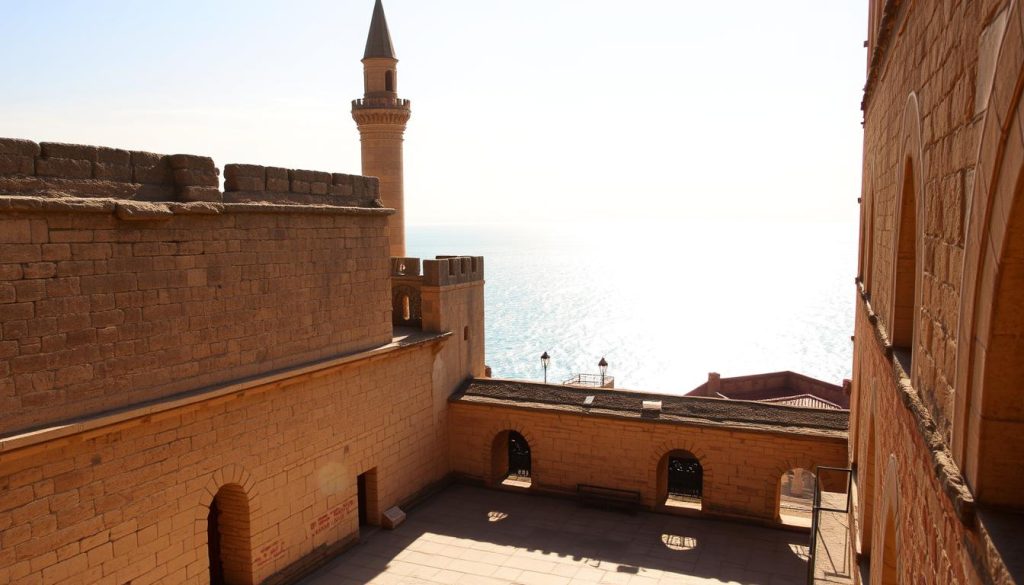
The Ribat’s design is strong and strategic. It’s a prime example of ancient military architecture. Its design helped protect the city and keep its people safe.
- Thick walls and fortified towers
- Strategic location overlooking the Mediterranean
- Watchtowers for surveillance
Islamic Architectural Influences
The Monastir Ribat also shows Islamic architectural styles. It has arches, domes, and detailed stone carvings. These features are typical of Islamic architecture.
“The Ribat of Monastir is a significant example of the Islamic architectural style, reflecting the cultural and religious values of its time.” – Historical Source
Restoration and Preservation Efforts
Many restoration efforts have kept the Ribat in good shape. These efforts have helped keep its historical and architectural value. Now, visitors can explore Monastir landmarks and learn about the area’s history.
| Year | Restoration Effort | Outcome |
|---|---|---|
| 1990s | Structural reinforcement | Stabilized the foundation |
| 2000s | Conservation of stonework | Preserved original stone carvings |
| 2010s | Restoration of watchtowers | Reinstated original watchtower functionality |
Visiting the Monastir Ribat is like stepping back in time. It shows the area’s architecture, culture, and religion. As you see this amazing structure, you’ll appreciate the skill and creativity of its builders.
Explore the Ribat of Monastir and Its Breathtaking Views
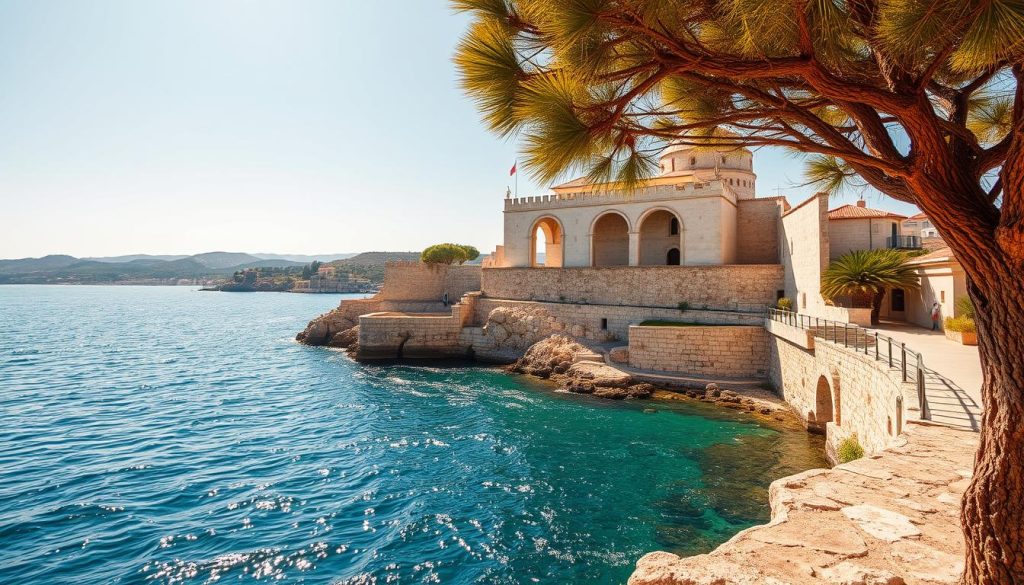
When you enter the Ribat of Monastir, you’ll see views that amaze you. Its location offers a perfect view of the area around it.
Panoramic Vistas from the Watchtower
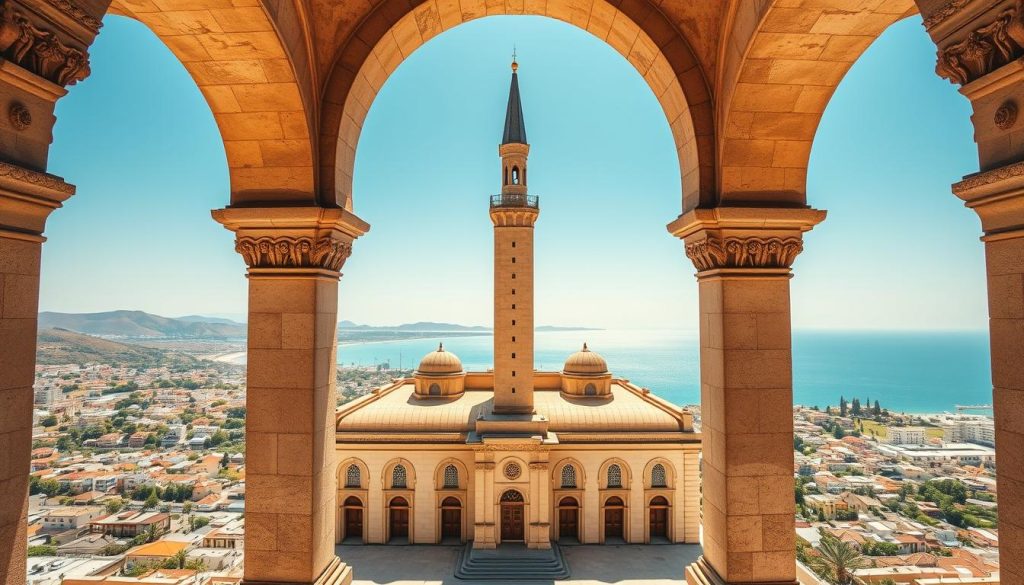
Reaching the watchtower gives you a wide view of the Mediterranean Sea and Monastir. On a clear day, you can see for miles.
The watchtower’s height lets you see the city’s layout and buildings in a new way.
Mediterranean Sea Perspectives
The Ribat is close to the Mediterranean Sea, offering beautiful views of the coast. You can see the waves and the sea stretching out.
The views are even more stunning at sunrise and sunset, when the light turns golden.
Cityscape Views of Modern Monastir
From the Ribat, you can see modern Monastir. The old fortress and the new city show the city’s history and growth.
You can see the city’s mix of old and new buildings. It’s interesting to see how they blend together.
Sunset and Sunrise Viewing Opportunities
The Ribat is great for watching the sunset and sunrise. The changing light makes the view even more beautiful.
“The Ribat of Monastir is a must-visit for anyone who loves amazing views and wants to see the best of Monastir.”
Watching the sunrise or sunset here is unforgettable.
Walking Tour: What to See Inside the Ribat
When you enter the Ribat of Monastir, you step into a world filled with history and stunning architecture. This ancient fortress is a key historical monument Monastir. It gives us a peek into the area’s rich past.
The Central Courtyard
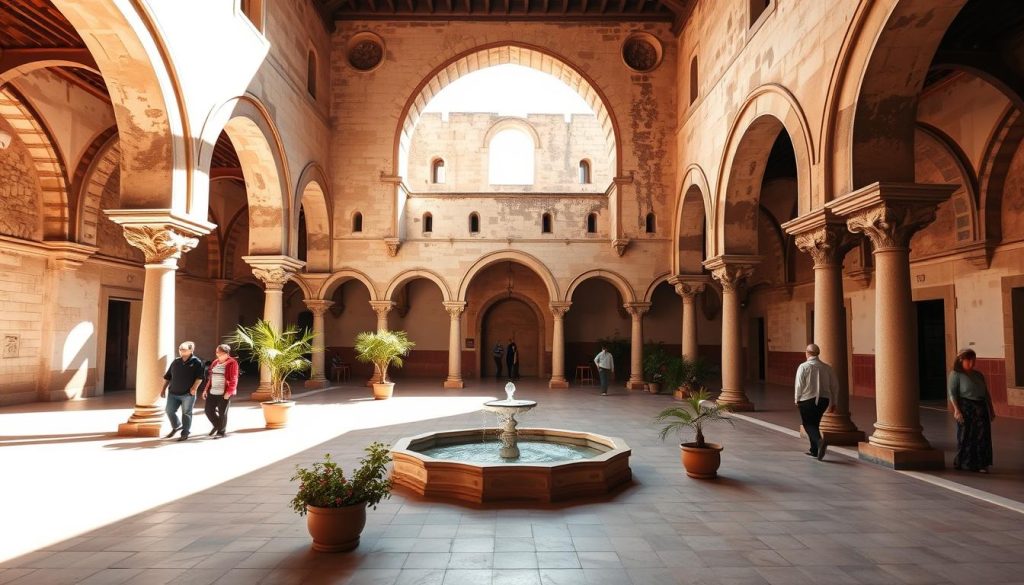
The Ribat’s heart is its central courtyard. It’s a large area surrounded by high walls. It was a place where soldiers and scholars would meet.
The courtyard’s simplicity hides its importance. Standing here, you can almost hear the whispers of history.
Prayer Rooms and Living Quarters
Exploring more, you’ll find the prayer rooms and living quarters. These spaces show us what life was like for those who lived and prayed here. Look closely at the architectural details, which show Islamic influences.
The Museum Collection
The Ribat now has a museum with exhibits that tell its story. This Monastir sightseeing spot is filled with history. The artifacts on display help us understand its past.
Hidden Corners and Lesser-Known Spots
Make sure to check out the Ribat’s hidden spots. These areas, often missed by visitors, offer a closer look at its history. They give you a personal connection to this site.
Visiting the Ribat of Monastir is more than seeing a historical site. It’s a chance to experience Tunisia’s history. The Ribat’s lasting presence makes it a top spot for Monastir sightseeing.
The Cultural and Religious Significance of Ribats in Tunisia
The Ribat of Monastir is a key example of the cultural and religious importance of Ribats in Tunisia. These structures have been vital in Tunisia’s history. They served as both religious centers and defensive fortifications.
Centers of Islamic Learning
Ribats were more than just fortifications; they were also centers of Islamic learning. The Ribat of Monastir played a significant role in spreading Islamic knowledge. When you visit Monastir, you can explore its rich history and architecture.
Defensive Role in Coastal Protection
The Ribats, like the one in Monastir, were crucial in protecting Tunisia’s coast from invaders. This makes Monastir a fascinating place to visit.
Comparison with Other Tunisian Ribats
Comparing the Ribat of Monastir with other Ribats in Tunisia offers a deeper understanding of their importance. The table below shows some key differences and similarities.
| Ribat | Location | Historical Significance |
|---|---|---|
| Ribat of Monastir | Monastir | One of the oldest and most significant Ribats in Tunisia |
| Ribat of Sousse | Sousse | Known for its robust architecture and historical importance |
| Ribat of Lamta | Lamta | A smaller but historically significant Ribat |
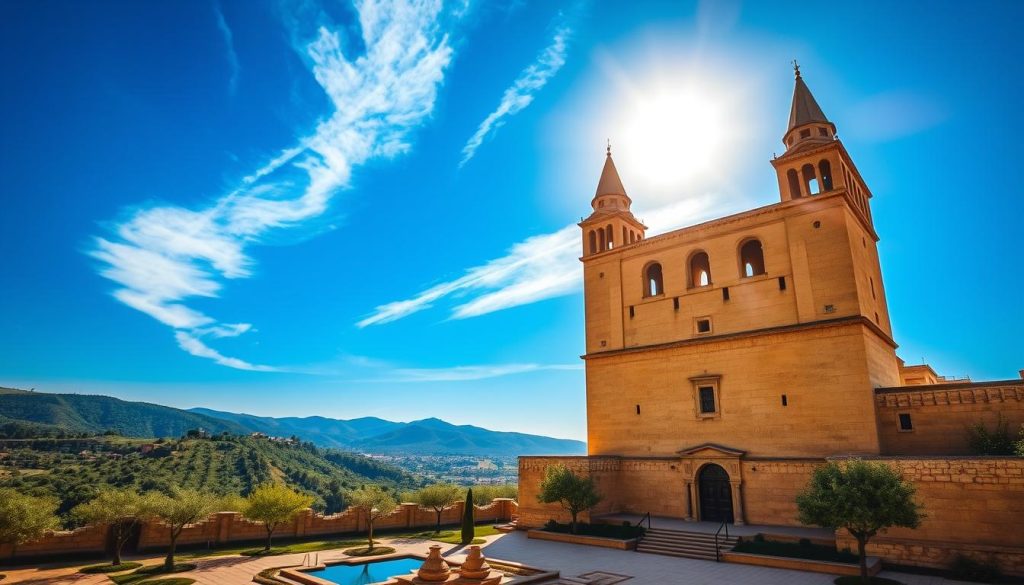
Exploring Monastir landmarks, the Ribat is a must-see. It offers insights into Tunisia’s rich history and cultural heritage.
Practical Visitor Information
To have a great time at the Ribat of Monastir, here’s what you need to know. Planning ahead helps you enjoy the breathtaking views and history without any trouble.
Opening Hours and Admission Fees
The Ribat of Monastir welcomes visitors all week, except on holidays. Always check the opening hours and admission fees before you go. The cost is usually low, making it easy for everyone to visit.
Guided Tours vs. Self-Exploration
You can see the Ribat on a guided tour or by yourself. Tours offer deep insights, while exploring freely lets you set your own pace. Think about what you prefer.
Accessibility Considerations
The Ribat’s old walls and uneven floors might be hard for some to navigate. Check if the site is easy to get around before you go, if you have mobility issues.
Dress Code and Visitor Etiquette
Dress modestly at the Ribat of Monastir to show respect. Also, remember to follow basic rules like not touching certain things and staying on paths.
Being well-informed and ready will help you enjoy the Monastir Ribat experience. You’ll get to see its rich history and breathtaking views.
Photography Guide: Capturing the Ribat’s Majesty
To truly appreciate the Ribat of Monastir, you need to see it through the lens of a camera. Capture its beauty and historical significance. The Ribat offers many opportunities for photography, with stunning views and architectural details to capture.
Best Angles and Viewpoints
When photographing the Ribat, consider the best angles and viewpoints to showcase its grandeur. Experiment with different perspectives, such as capturing the fortress from below or climbing to the top for panoramic views.
Optimal Lighting Conditions
The optimal lighting conditions for photographing the Ribat are during the early morning or late afternoon. The sun casts a warm glow during these times. Avoid harsh midday light to prevent unflattering shadows and highlights.
Equipment Recommendations
For capturing the Ribat’s majesty, consider using a DSLR camera with a wide-angle lens. A tripod can also be helpful for stabilizing your camera, even in low light conditions.
Social Media-Worthy Spots
The Ribat has several social media-worthy spots, including the watchtower and the central courtyard. Look for interesting textures and patterns in the architecture to add depth to your photos.
| Photography Tip | Best Time | Recommended Equipment |
|---|---|---|
| Capture panoramic views | Early morning | DSLR with wide-angle lens |
| Photograph architectural details | Late afternoon | Macro lens |
| Take portraits with the Ribat backdrop | Golden hour | Prime lens |
Getting to Monastir and the Ribat
The Ribat of Monastir, a key historical monument Monastir, is easy to get to by car, public transport, or taxi. It’s a top tourist attraction Monastir that attracts visitors from all over the world.
Transportation from Major Tunisian Cities
Monastir is connected to big cities in Tunisia. You can drive on the A1 highway from Tunis to Sfax. This makes it easy to get to from the capital and other big cities. Buses and louages (shared taxis) also go from Sousse and Tunis.
Local Transportation Options
Getting to the Ribat in Monastir is simple. Taxis are easy to find, and walking is great if you’re in the city center. For a local feel, use the public transport system, which has buses for different parts of the city.
Navigating Around the Ribat Area
The Ribat is in a great spot for exploring. You can stroll by the marina, see the Bourguiba Museum, or enjoy the sea views. The area is safe and friendly, perfect for Monastir sightseeing.
Exploring Beyond the Ribat: Monastir’s Other Attractions
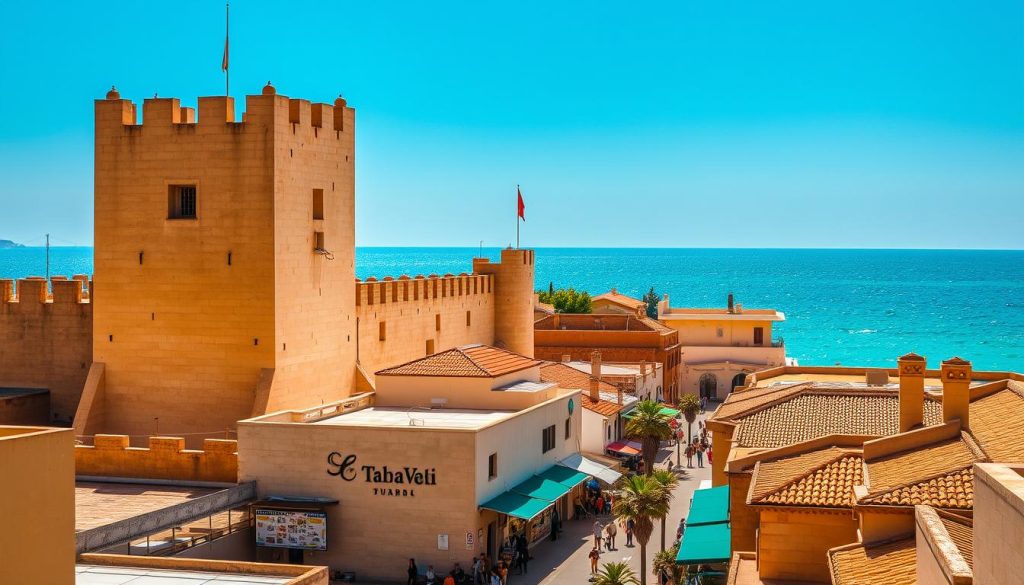
The Ribat of Monastir is a must-see, but the city has more to offer. As you explore Monastir, you’ll find cultural, historical, and natural attractions. These make the city a fascinating place to visit.
Bourguiba Mausoleum
The Bourguiba Mausoleum honors Habib Bourguiba, Tunisia’s first president. This grand monument shows the country’s modern history. It’s a place of reverence for the Tunisian people.
Monastir Medina
The Monastir Medina is a highlight of the city. Its narrow streets and historic architecture are unique. You’ll find traditional shops, local eateries, and a glimpse into Monastir’s daily life.
Beaches and Coastal Areas
Monastir is famous for its beautiful beaches and coastal areas. You can relax on the sandy shores, enjoy water sports, or stroll along the seafront promenade.
Day Trips from Monastir
There are day trip options if you want to explore more. You can visit nearby cities, historical sites, or natural attractions. This makes your stay in the region even more rewarding.
| Attraction | Description | Distance from Monastir |
|---|---|---|
| Bourguiba Mausoleum | Historic monument honoring Tunisia’s first president | Within Monastir |
| Monastir Medina | Historic area with traditional shops and architecture | Within Monastir |
| Sahb El Ayoun Beach | Popular beach with clear waters and sandy shores | 10 km from Monastir |
| Sousse City | Nearby city with rich history and cultural attractions | 45 km from Monastir |
Conclusion: Why the Ribat of Monastir Deserves a Spot on Your Tunisia Itinerary
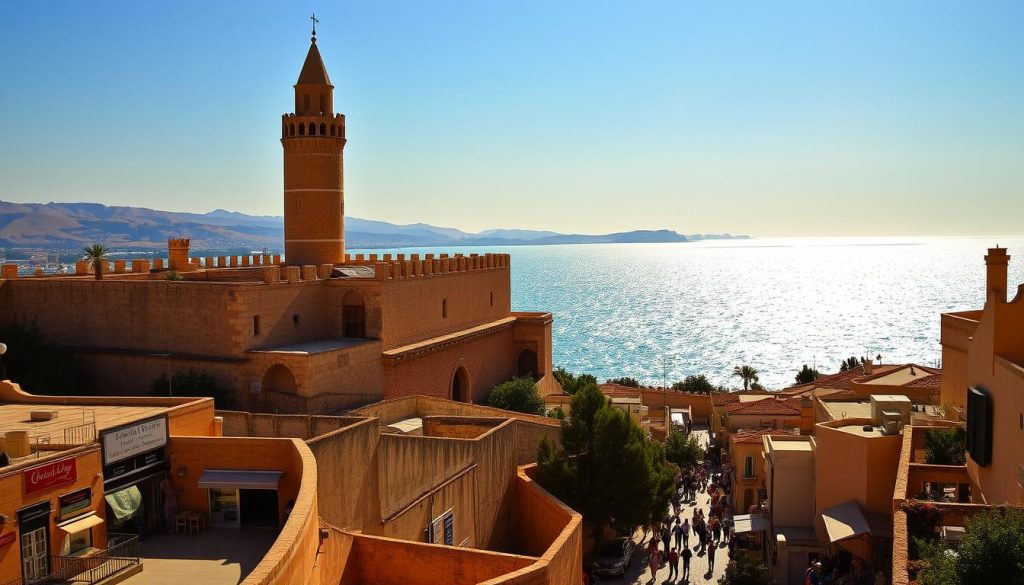
When planning your trip to Tunisia, don’t miss the Ribat of Monastir. This ancient fortress offers stunning views of the Mediterranean Sea and Monastir. It’s an experience you won’t forget.
The Ribat of Monastir is more than just a historical site. It showcases Tunisia’s rich cultural heritage. Its architecture and views give a unique look into the country’s Islamic history and defensive past.
Visiting the Ribat of Monastir takes you back in time. You’ll see the grandeur of this ancient fortress. The views from its walls and watchtowers are breathtaking, showing off Monastir’s beauty.
Be sure to add the Ribat of Monastir to your travel plans. Discover its charm and history for yourself.