Explore Grand Turk Historical Museums & Heritage
Have you ever wondered how a small island in the Caribbean could hold the key to centuries of rich cultural history? Grand Turk, the capital of the Turks and Caicos Islands, is a treasure trove of stories. Its historical museums reveal the essence of Grand Turk culture and history.
The Turks and Caicos National Museum, opened in 1991 in the Guinep Lodge, has an impressive collection. It spans from pre-Columbian times to the modern age. Exploring these museums, you’ll see they’re more than just places to visit. They are gateways to understanding the islands’ profound narratives and vibrant heritage.
The Rich Cultural Heritage of Grand Turk
Grand Turk is a vibrant mix of Grand Turk culture and history. It has indigenous roots and colonial influences. The islands’ history shows the life of the Lucayan Indians, the first people here for centuries.
Spain and Britain left their mark, bringing architectural styles and languages. These are still seen in local culture today. Festivals bring this history to life, showing the mix of cultures every day.
The arts and crafts of the locals show their love for tradition. The islands’ colors—red, white, and turquoise—tell a story of history and modern Caribbean identity.
Exploring the arts, music, and traditions helps understand the culture’s growth. Visiting museums and cultural sites shows more than artifacts. It reveals the spirit of Grand Turk’s people.
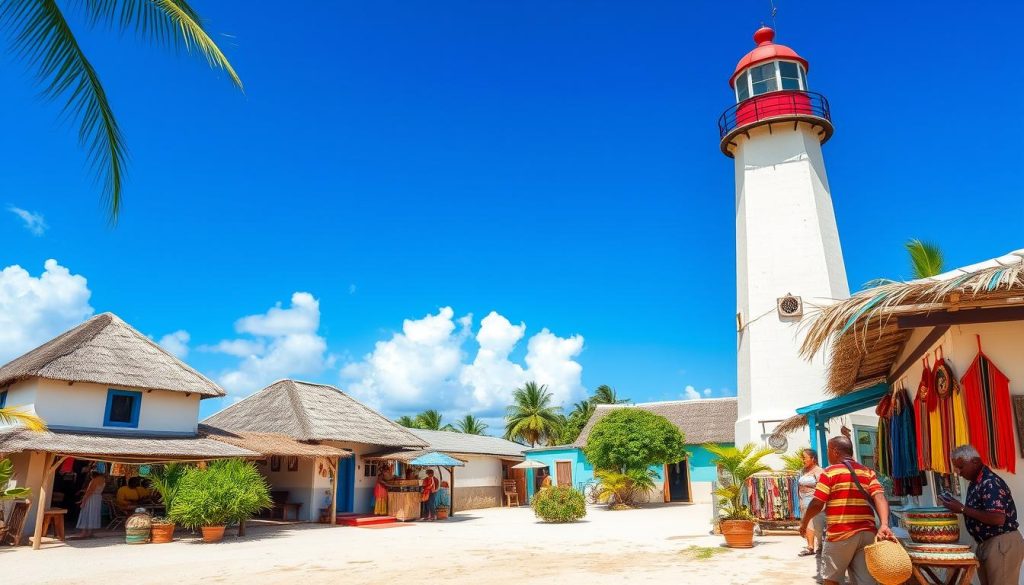
Grand Turk Historical Museums
Grand Turk is home to many historical sites that showcase the rich heritage of the Turks and Caicos Islands. The Turks and Caicos National Museum is a key spot for history and culture. It features exhibits on the islands’ history, including the Molasses Reef wreck, which offers insights into the Caribbean’s maritime past.
Turks and Caicos National Museum: A Gateway to History
The Turks and Caicos National Museum is located in the Guinep House in Cockburn Town. It’s a top historical museum in the Caribbean. Since 1991, it has been showing the islands’ cultural heritage through many artifacts. Visitors can see exhibits on the Taino peoples and colonial times, showing the islands’ history over the years.
Explore the Molasses Reef Wreck Exhibit
The Molasses Reef wreck exhibit is a highlight at the museum. It’s about the oldest known European shipwreck in the Western Hemisphere, from the early 1500s. The exhibit shows the maritime trading history of the area. Items found from the ship, like utensils and weapons, give a peek into life on the ship and its sinking.
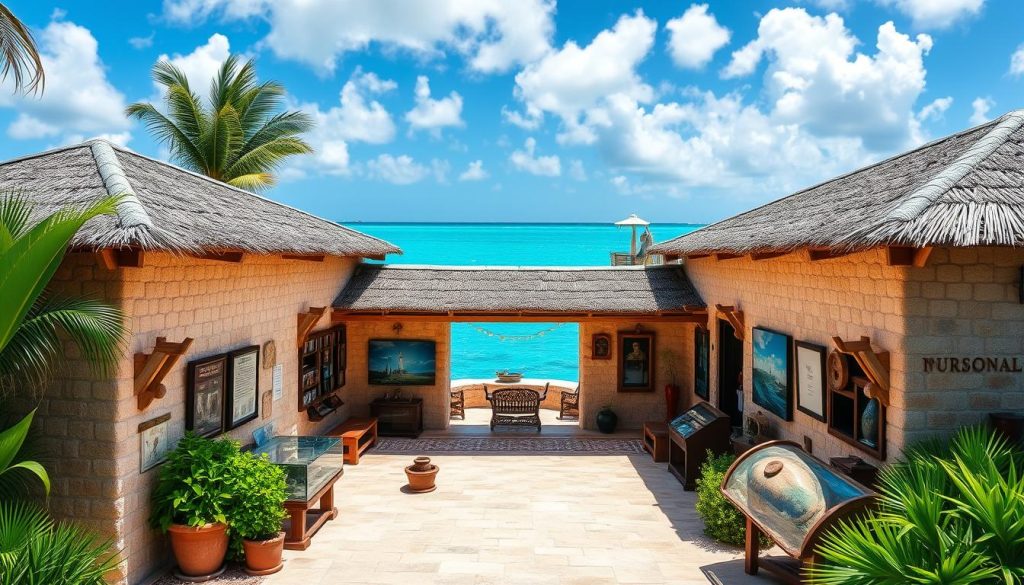
The History of the Salt Trade in the Turks and Caicos
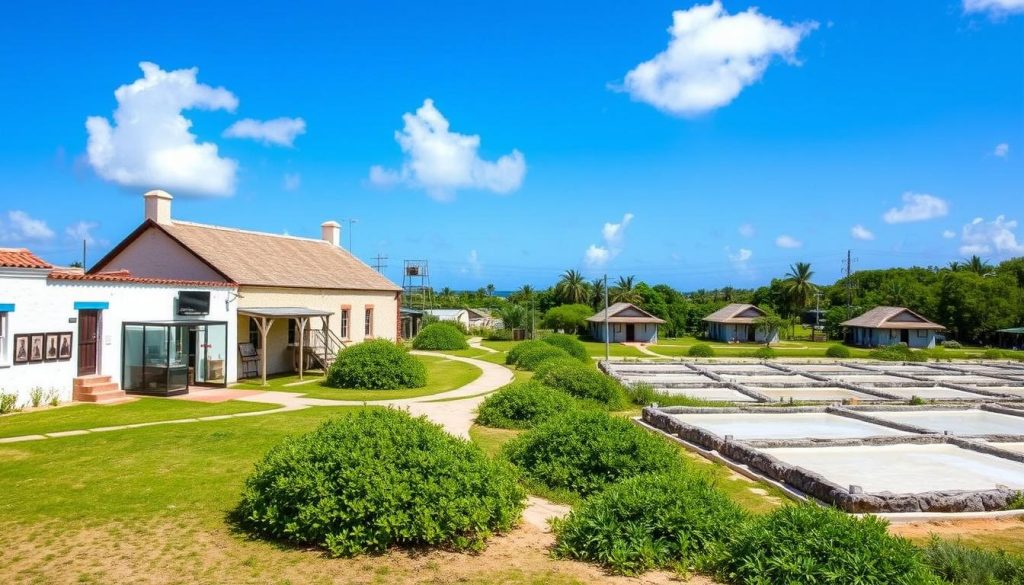
The salt industry in the Turks and Caicos Islands started in the 1660s. Bermudians began using the natural resources for their benefit. Over nearly 300 years, Grand Turk and Salt Cay became key players in the region.
This history greatly influenced the Caribbean. Salt production became a major economic activity. It drew settlers and workers from all over.
Producing salt was a hard, detailed process. Seawater was collected and left to evaporate in drying pans. This process turned the water into salt crystals.
In the early 1900s, women were crucial in bagging the salt. They played a big role in the industry. The British Emancipation of slaves in 1833 changed the workforce in this sector.
The demand for salt grew during the American War of Independence. The Turks Islands became a key supplier of salt to British North America. At its peak, they produced 67,000 tons a year from 1888 to 1907.
Grand Turk produced about one-sixth of this total. In 1897, they hit a record, producing 173 million pounds of salt.
The salt industry was important in international trade. But, it faced challenges. The lack of deepwater harbors and modern facilities made it hard to keep up by the 1960s.
As competitors grew and expanded, Grand Turk’s production declined. This reflected the changing economic times.
Discovering the Taino Heritage and Artifacts
The Taino people greatly influenced the Caribbean, including the Turks and Caicos Islands. Their history and traditions are celebrated through Lucayan artifacts in Grand Turk museums. Exploring these treasures helps us appreciate Taino heritage and its lasting effects on the islands.
Significance of the Lucayan Duho
The Lucayan Duho is a ceremonial seat made by the Taino. It shows their artistic talent and social structure. At the Turks and Caicos National Museum, it’s displayed to connect visitors with Taino culture. It offers a glimpse into their complex social systems before European arrival.
Insights into Taino Life and Crafts
In Grand Turk museums, you’ll see Taino artifacts that show their daily lives and traditions. You’ll see pottery, tools, and ceremonial objects. These items highlight their farming, craftsmanship, and worldview.
The wide range of artifacts lets you see the Taino’s sophisticated society and how they adapted to their environment. You’ll also learn about the impact of colonization and disease on their numbers. This journey into Taino heritage deepens our understanding of Caribbean history and the lasting influence of indigenous cultures.
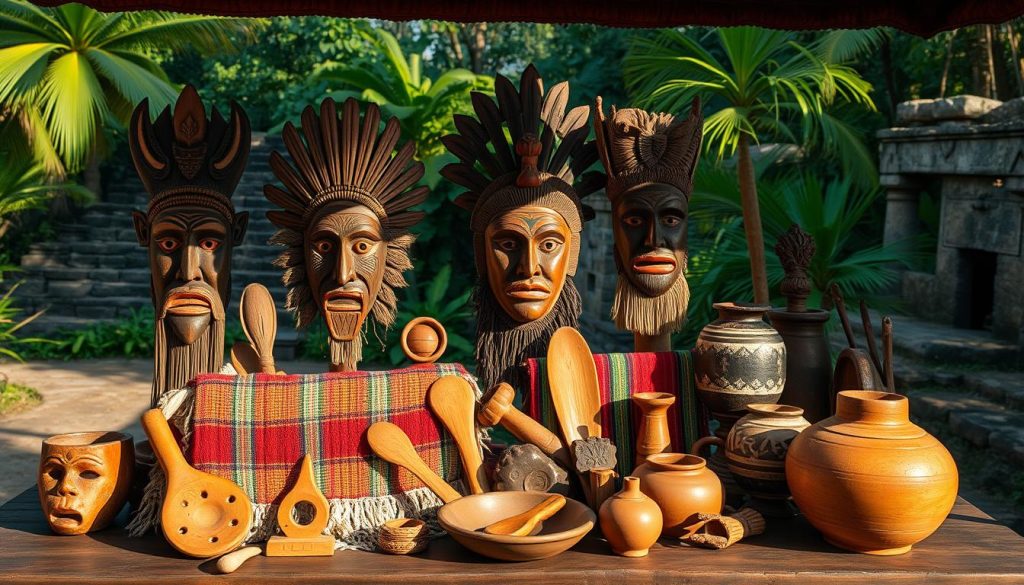
Notable Exhibits at the Turks and Caicos National Museum
The Turks and Caicos National Museum gives a deep look into the islands’ history. It shows how European settlers’ impact changed the local culture and society. You can see old maps, trade goods, and tools used by settlers in Grand Turk.
These items show how life in the Caribbean changed over time. They connect today’s culture to its roots.
The Impact of European Settlers
This exhibit has many artifacts that show the big changes from European contact. You can see how early settlers changed the lives of the native people through historical items in Grand Turk. These items help us understand the history of the islands.
They show how different cultures mixed, creating the rich heritage we see today. This makes Grand Turk museum tours very special for everyone.
Historical Items from the Space Age
The museum also has amazing historical items from the space age. A big part is about John Glenn’s Friendship 7 splashdown in 1962. This shows Grand Turk’s big role in world history.
This part of the museum shows the islands’ importance in big world events. It’s a unique part of the museum that makes it stand out.
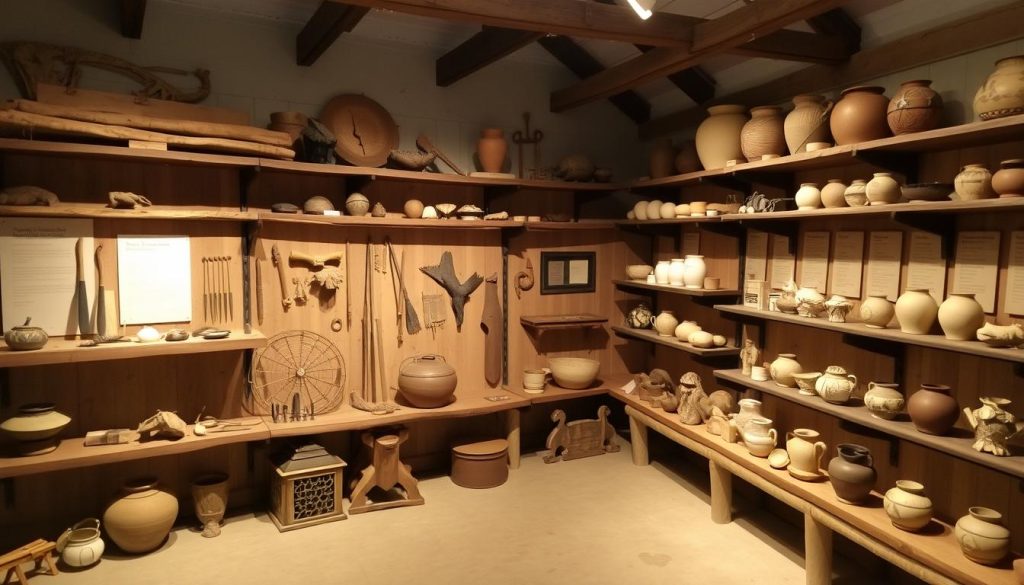
Visiting the National Museum: What to Expect
When you visit the Turks and Caicos National Museum, you dive into the Caribbean’s rich history. Adults pay $5, and kids under 12 get in free. It’s a great, affordable outing for families.
The museum staff are passionate about sharing their knowledge. They’re always ready to explain the importance of the exhibits and artifacts. Visitors usually spend 30 minutes to over an hour exploring the collections.
Be sure to see the Lucayan Duho, a ceremonial seat from the Bahamian natives. Also, check out the postcards showing Grand Turk’s history and salt industry.
The gift shop is a must-visit. It offers local crafts and historic memorabilia. You can take a piece of Grand Turk home with you. This shop adds to your experience, showcasing the islands’ culture.

| Feature | Details |
|---|---|
| Entry Fee | $5 for adults, free for children under 12 |
| Average Visit Duration | 30 minutes to over an hour |
| Notable Artifacts | Lucayan Duho, Early Postcards |
| Gift Shop | Local crafts and historic memorabilia |
| Community Involvement | Events and activities for local schools |
Your visit to the Turks and Caicos National Museum will deepen your understanding of the islands’ past. Enjoy the beautiful surroundings. Don’t miss the chance to engage with local culture through educational tours Grand Turk offers.
Supporting Grand Turk’s Cultural Institutions
Getting involved in Grand Turk’s culture is rewarding. It’s even more so when you help out with initiatives. Supporting places like the Turks and Caicos National Museum helps keep the islands’ history alive. Your efforts help teach future generations about this rich heritage.
How to Become a Museum Supporter
By joining museum supporter groups, you make a big difference. Your donations or help at fundraising events are key. The Friends of the Turks and Caicos National Museum even offer tax-free ways to give back.
Volunteer Opportunities Available
Volunteering at the museum is a great way to learn and help. You can set up exhibits or teach at local schools. It’s a chance to connect with the islands’ history and support the museum’s work.
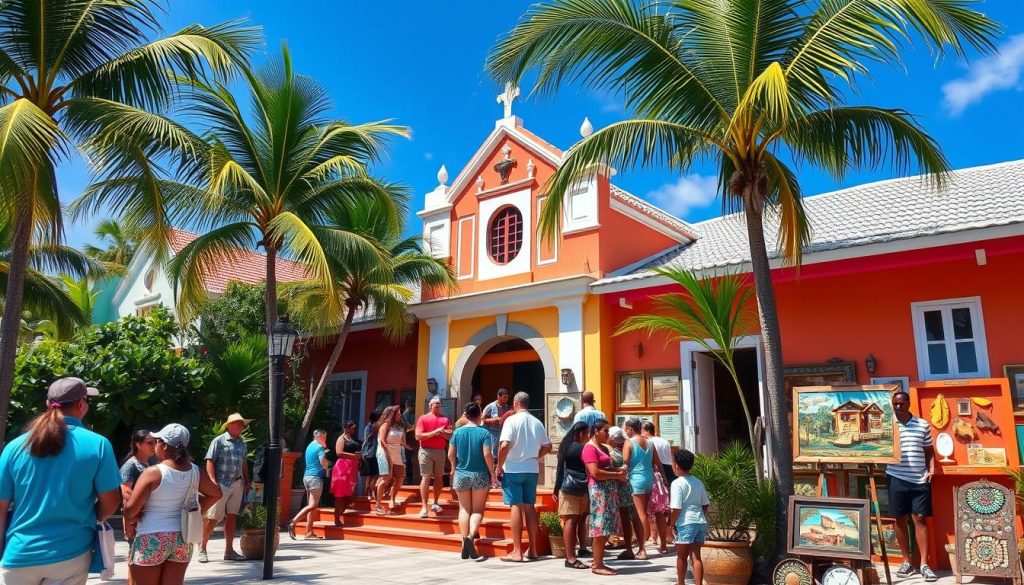
Historic Sites in Cockburn Town
Cockburn Town, the capital of the Turks and Caicos Islands, is full of history. You can explore many historic sites here. These sites show the islands’ colonial past and their unique growth.
The Turks and Caicos National Museum is a key attraction. It’s in the Guinep House, over 200 years old. The museum has many artifacts, like Spanish coins and flags, that tell the islands’ story.
The Grand Turk Lighthouse is another important site. It’s the only lighthouse in the country. It guides ships for generations, showing the island’s maritime history.
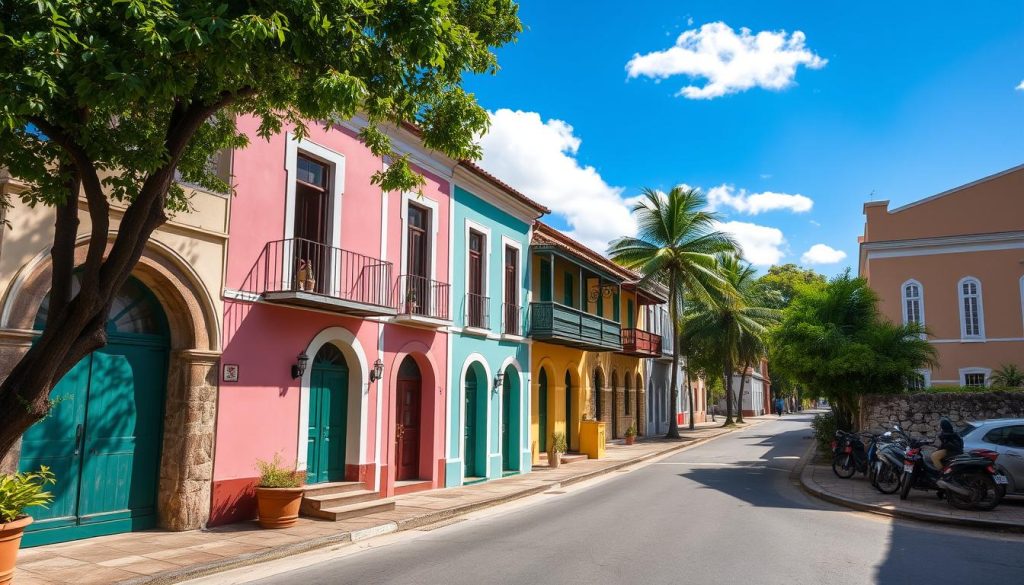
Walking through Cockburn Town, you’ll see more historic sites. There’s the H.M. Prison, the Victoria Library, and St. Mary’s Church. These buildings show the British and Bermudian influences on the local culture.
The salt industry’s past is also visible. You can see old salt ponds and windmills. They tell stories of hard work and resilience.
Don’t forget to talk to local guides. They make the history come alive. They share stories of survival, sea adventures, and daily life long ago. Cockburn Town is full of stories waiting to be found.
| Historic Site | Description | Significance |
|---|---|---|
| Turks and Caicos National Museum | Home to various artifacts and exhibits | Showcases the islands’ history and culture |
| Grand Turk Lighthouse | Historic maritime landmark | Only lighthouse in the Turks and Caicos |
| H.M. Prison | Colonial-era prison with intriguing architecture | Reflects British colonial influence |
| Victoria Library | Historic library with a charming exterior | Cultural hub and educational resource |
| St. Mary’s Church | Beautifully crafted church | Represents the religious heritage of the islands |
| Salt Industry Remnants | Old salt ponds and windmills | Historical significance in the local economy |
Planning Your Visit: Practical Information
Planning well is key to enjoying your Grand Turk trip. Try to plan your visit around cruise ship times or go on weekdays. This way, you’ll get more personal attention at museums and historic spots. Always check the opening hours of these places before you go. They might change due to cruise arrivals.
Joining guided walks and special events at museums can really help you understand the island’s culture. Keep an eye out for upcoming events to dive deeper into the local history and heritage.
Here’s a table with important info for your visit:
| Aspect | Details |
|---|---|
| Location | Grand Turk Island, Turks and Caicos |
| Best Time to Visit | November to April (pleasant warmth, minimal rainfall) |
| Hurricane Season | June to November (volatility in weather) |
| Lighthouse Admission | $3 per person (can apply to shop purchases) |
| Transportation | Flights, taxis, rental cars, bicycles |
| Average Temperature | 75°F to 85°F |
| Safety Tips | Wear comfortable shoes, pack water, hat, sunscreen |
Conclusion
Visiting the historical museums of Grand Turk lets you dive deep into the island’s rich past. You see how local cultures and European influences mixed. Each display tells a special story, like the Lucayan Duho and the Molasses Reef wreck.
The colors used in the exhibits, like red for Grand Turk and turquoise for Providenciales, show the area’s diverse stories. These stories weave together to form the region’s cultural fabric.
Going to Grand Turk’s museums not only broadens your knowledge but also helps protect its heritage. By exploring these museums, you help keep the islands’ history alive. The stories behind each artifact remind us of the Caribbean’s strength and change over time.
With low entrance fees and many attractions, visiting Grand Turk is both easy and fulfilling. You can dive into the islands’ cultural richness, where every display and story is part of the Turks and Caicos’ amazing journey. From the sun’s warm light to the blue waters, Grand Turk is a must-see for anyone wanting to experience its unique heritage.