Your Guide to Djerba’s Jewish Heritage: Synagogues & Tours
Have you ever wondered about Djerba’s Jewish community? This small island in Tunisia has a rich Jewish heritage. Its history spans centuries.
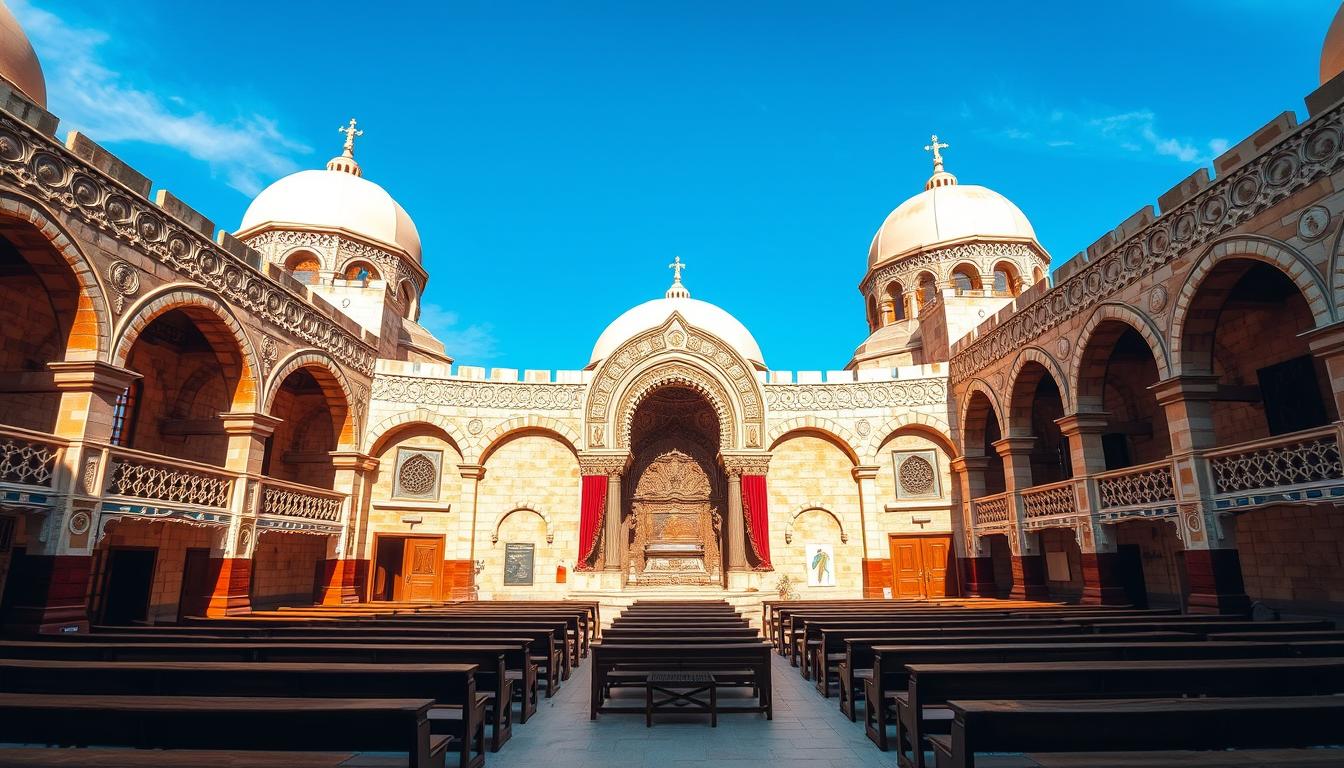
Explore the historic synagogues and experience the vibrant culture. You can visit the famous El Ghriba Synagogue. It’s one of the oldest and most revered synagogues in the world.
As you embark on a journey through Djerba’s Jewish heritage tours, you’ll learn about the island’s synagogues. You’ll also discover the cultural practices that have been preserved over time.
The Rich Jewish Legacy of Djerba Island
Exploring Djerba Island reveals a deep Jewish heritage. This heritage has been kept alive for centuries. The island’s cultural mix is shaped by its Jewish community, living alongside others for generations.
Historical Significance of Jews in Djerba
The Jewish community in Djerba has a long and complex history. It has kept its traditions and customs alive. This makes it an exemplary Jewish community to learn about. You can see this history up close on a Jewish history tour of the island.
The Unique Coexistence of Cultures
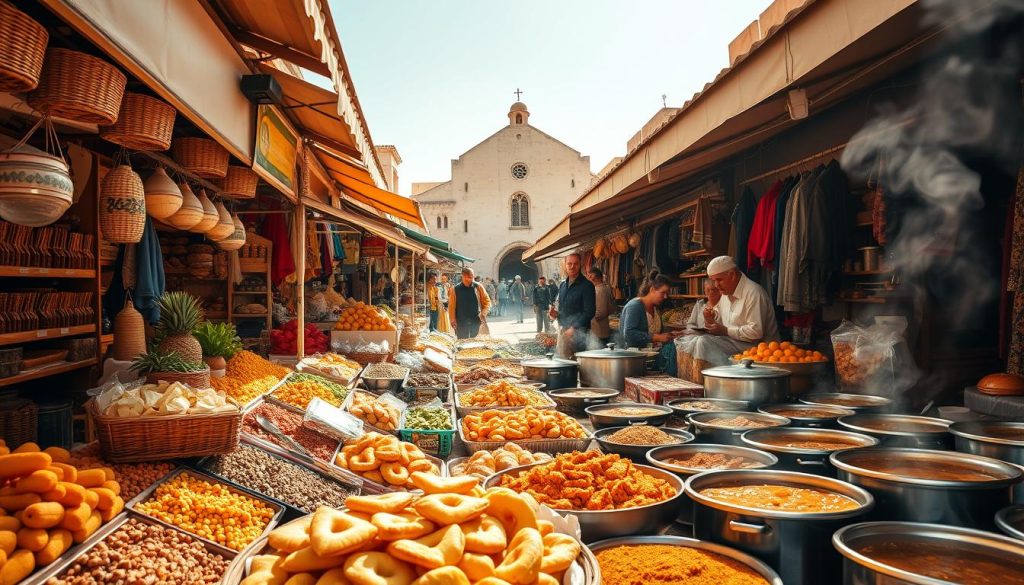
Djerba Island is a place where cultures live together in peace. Jewish, Muslim, and Christian communities have coexisted here for centuries. This unique mix is shaped by the island’s history and geography. 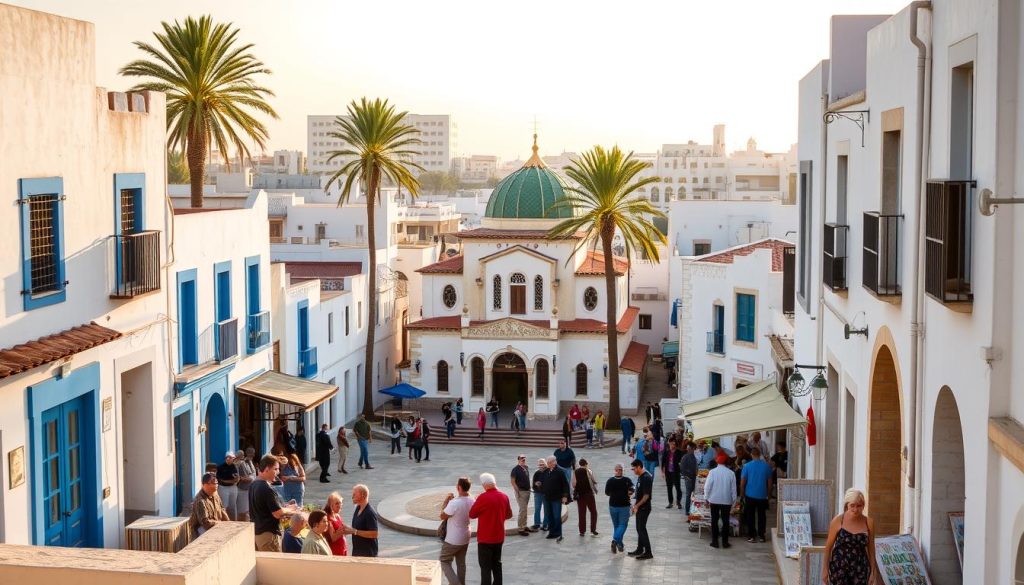 You can visit vibrant markets, historic synagogues, and try local food. All of these show the island’s rich cultural heritage.
Historical Background: Jews in Tunisia
The history of Jews in Tunisia is filled with migration, cultural blending, and strength. This story is closely linked to North Africa and the Mediterranean’s history.
Ancient Jewish Settlement in North Africa
Jews have lived in North Africa since ancient times. They were there as early as the 2nd century BCE. The Roman Empire and Arab conquests greatly influenced Tunisia’s Jewish community.
The Kohanim Migration Legend
The Kohanim migration legend is key to Djerba’s Jewish heritage. It says the Kohanim, or priestly class, came to Djerba after the Second Temple in Jerusalem was destroyed. This story highlights Djerba’s deep connection to the Holy Land.
Djerba’s Jewish Community Through the Centuries
Djerba’s Jewish community has grown for centuries, keeping its traditions alive. Despite hard times, including persecution and migration, they’ve kept their identity. The Synagogue of El Ghriba shows the community’s strength and faith.
El Ghriba Synagogue: The Crown Jewel
The El Ghriba Synagogue is a key spot for history and culture lovers. It’s not just a place of worship but also a historical gem. People from all over come to see it.
Architecture and Sacred Design
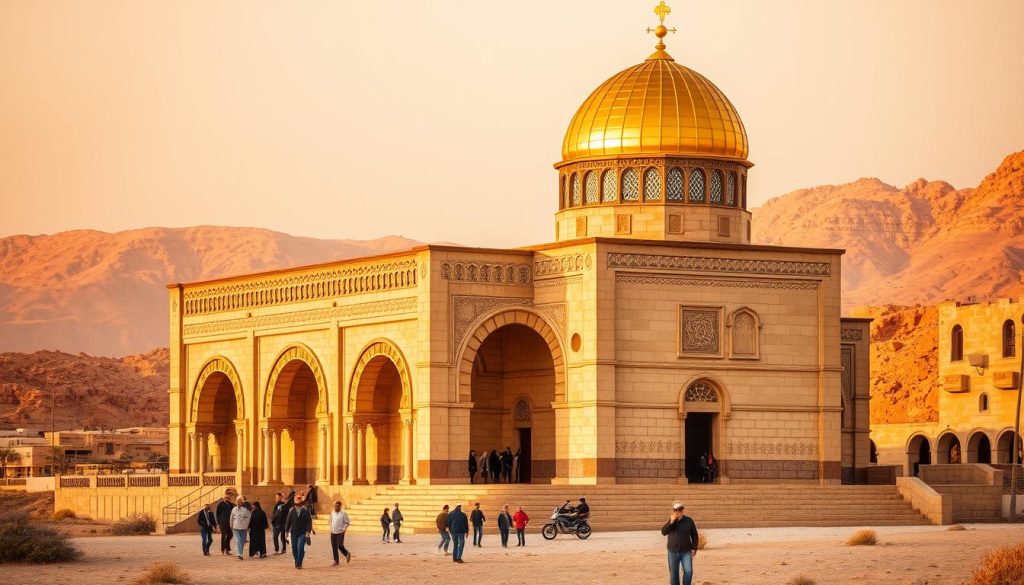
The synagogue’s design is unique. It shows a mix of Jewish and Tunisian styles. Inside, you’ll find detailed decorations and historical treasures.
Religious Significance and Artifacts
The synagogue holds important religious items, like ancient Torah scrolls. These items tell the story of Judaism in Djerba. The synagogue is more than a religious site; it’s a symbol of Djerba’s rich culture.
“The El Ghriba Synagogue is a testament to the enduring presence of the Jewish community in Djerba.”
The Annual Lag BaOmer Pilgrimage
The Lag BaOmer pilgrimage is a big deal here. It draws thousands of visitors from all over. The event is a celebration of faith and community.
Exploring Djerba’s synagogue history, the El Ghriba Synagogue is a standout. It offers a peek into the island’s Jewish heritage and its role in Jewish culture.
Other Notable Synagogues in Djerba
Djerba is not just famous for the El Ghriba Synagogue. It has many other important synagogues. These are found in the historic areas of Hara Seghira and Hara Kebira. They show the island’s rich Jewish heritage.
The Hara Seghira Synagogues
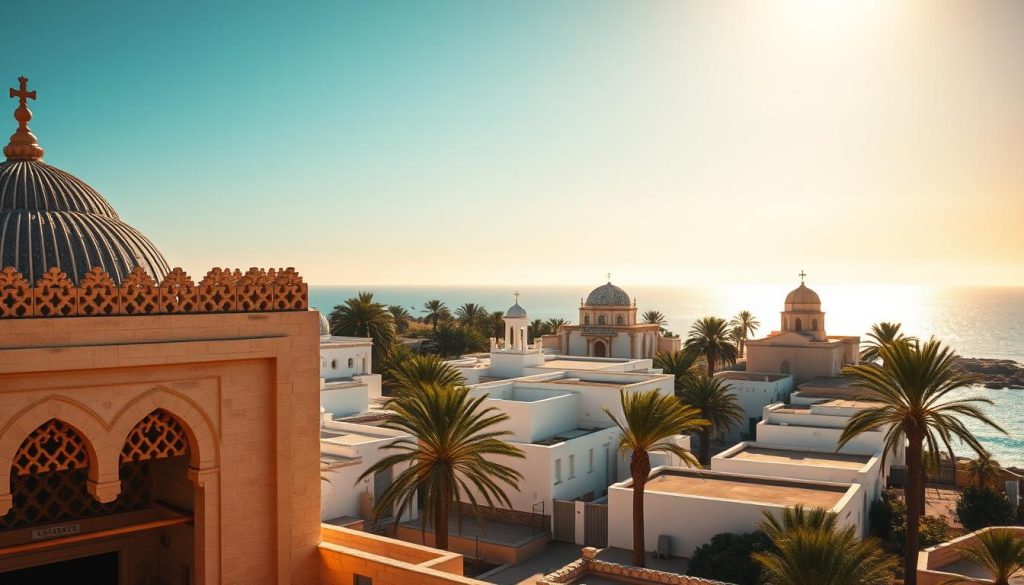
Hara Seghira, or the “Small Quarter,” has several synagogues to see. One is known for its stunning architecture and history. Visitors can learn about the Jewish community’s life and traditions here.
Hara Kebira’s Religious Buildings
Hara Kebira, or the “Large Quarter,” has many religious buildings, including synagogues. These buildings are centuries old. They show the Jewish community’s long history in Djerba.
| Synagogue | Location | Notable Features |
|---|---|---|
| Synagogue in Hara Seghira | Hara Seghira Quarter | Beautiful Architecture, Historical Significance |
| Synagogue in Hara Kebira | Hara Kebira Quarter | Centuries-old, Unique Architectural Style |
Visiting these synagogues lets you see Djerba’s Jewish heritage. It also helps preserve these historical sites. It’s a meaningful experience that shows the community’s strength and faith.
Djerba Jewish Heritage Tours and Synagogues: What to Expect
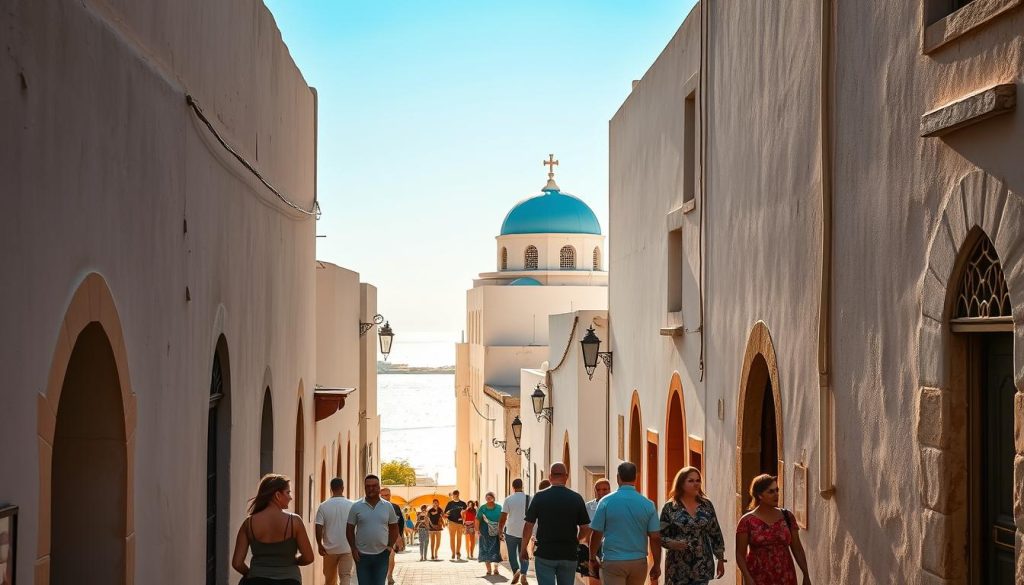
Guided tours in Djerba let you dive into the island’s rich Jewish history and culture. You’ll see important synagogues, historical spots, and learn about the local Jewish community’s traditions.
Recommended Tour Operators
Choosing a good tour operator in Djerba is key. Look for ones that specialize in Jewish heritage. They offer deep insights into the history, architecture, and culture of the places you’ll see. You’ll visit the El Ghriba Synagogue and other key sites.
- Experienced guides who provide in-depth information about Jewish heritage sites
- Customized tours to suit your interests and schedule
- Opportunities to engage with the local Jewish community
Cultural Immersion Experiences
Djerba’s Jewish heritage tours offer a chance to really get to know the culture. You might attend a Shabbat service, learn to make traditional Jewish-Tunisian dishes, or join community events.
These experiences help you understand Jewish traditions better. They also let you connect with the local community, making your visit more meaningful.
Photography and Etiquette
Respect is important when visiting synagogues and heritage sites. Check if you can take photos first. Remember, some areas are off-limits during worship or private events.
Always dress modestly and follow your guide’s instructions for a respectful visit.
Jewish Museums and Artifacts
The Jewish heritage of Djerba is kept alive in its museums. These places hold many historical artifacts and documents. Exploring these museums helps you understand Djerba’s unique culture.
The El Ghriba Museum Collection
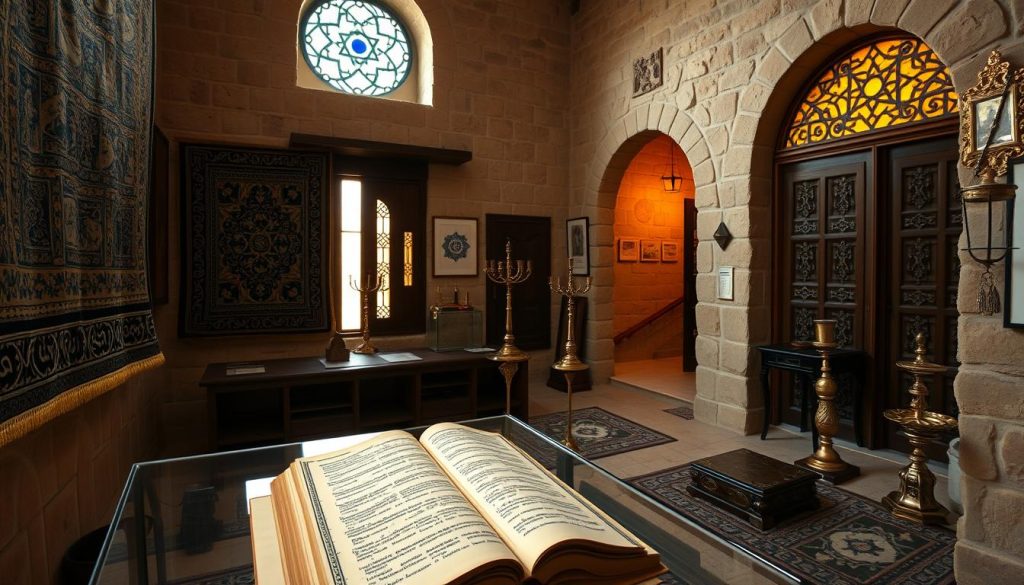
The El Ghriba Museum is a key spot for learning about Jewish history and culture. It has a wide range of artifacts that show Djerba’s Jewish community. You’ll see historical documents, ritual objects, and ceremonial artifacts that show the community’s traditions.
Visitors can see the exhibits to learn about these artifacts. They help us understand the community’s daily life.
Historical Documents and Judaica
The El Ghriba Museum also has a huge collection of historical documents and Judaica. This includes ancient Torah scrolls, prayer books, and other sacred texts. These items give a glimpse into Djerba’s Jewish community’s history and practices.
Some of the highlights include:
- Rare historical documents from the 19th century
- Intricately designed Torah crowns and pointers
- Ceremonial objects used in Jewish rituals and celebrations
By looking at these artifacts, visitors can learn more about the Jewish community’s history and culture.
The Living Jewish Community Today
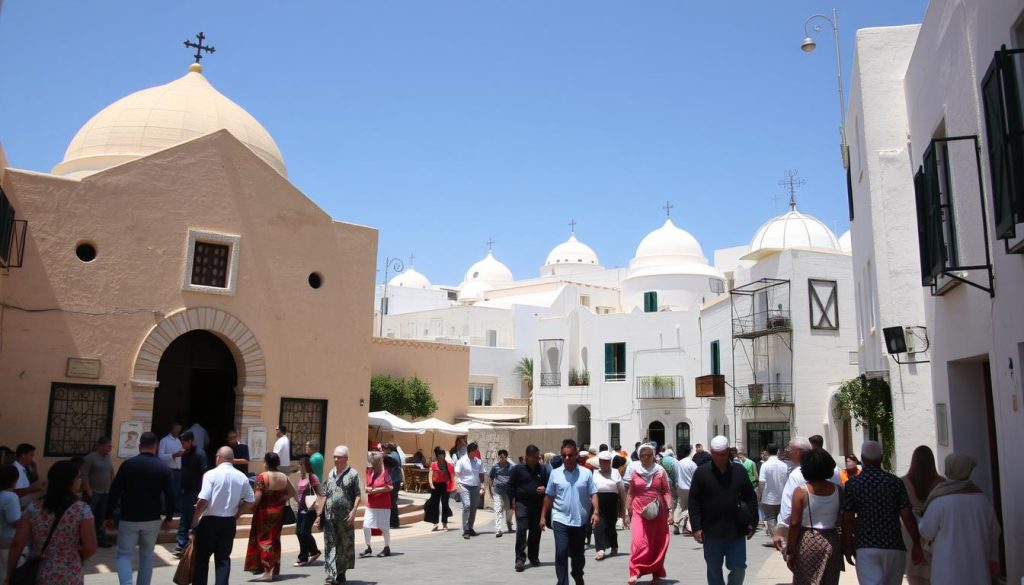
Exploring Djerba, you’ll find a Jewish community that’s alive and kicking. The island’s Jewish heritage is more than just history. It’s a vibrant community that keeps its traditions alive.
Current Demographics and Traditions
The Jewish community in Djerba is strong, with many families calling the island home. They mix old customs with new ways, keeping their traditions alive. Family and faith are at the heart of their lives.
| Community Aspect | Description |
|---|---|
| Population | Approximately 1,500 Jewish residents |
| Traditions | Maintaining ancient customs and religious practices |
| Community Events | Regular synagogue services, festivals, and cultural events |
Daily Life and Religious Practices
Daily life for Djerba’s Jews centers around prayer and community. They come together for services and celebrations, strengthening their bond. Religious observance is key, with many attending daily prayers and Shabbat.
Challenges and Preservation Efforts
The community faces challenges like changing demographics and preserving heritage. They’re working to document history, restore synagogues, and hold cultural events. Keeping their legacy alive is crucial.
By joining in with the community, you can learn more about their traditions. They’re open to sharing their rich heritage with visitors.
Jewish Culinary Traditions in Djerba
Exploring Djerba’s Jewish heritage means trying the island’s unique Jewish dishes. The food here is a mix of flavors, showing the community’s history and cultural exchanges.
Traditional Dishes and Kosher Food
Djerba’s Jewish food follows kosher rules but also uses local Tunisian tastes. You’ll find couscous, grilled fish, and stews made kosher. The “Merguez”, a spicy lamb sausage, is a must-try. The community’s food also shines during Jewish festivals and holidays.
Where to Sample Authentic Jewish-Tunisian Cuisine
In Djerba, you can try real Jewish-Tunisian food in local spots. Hara Seghira and Hara Kebira have kosher restaurants with traditional dishes. On Djerba Jewish heritage tours and synagogues visits, don’t miss these culinary gems. Tasting these dishes connects you to the community’s traditions.
Planning Your Visit: Practical Information
To explore Djerba’s rich Jewish heritage, planning is key. Whether you want to see the top synagogues or take guided tours, being ready will make your trip better.
Best Time to Visit
The best times to visit Djerba are spring (March to May) and autumn (September to November). The weather is nice and not too hot. Try to avoid summer if you don’t like the heat.
Transportation Options
Djerba is easy to get to by air, with flights to Djerba-Zarzis International Airport. You can take a taxi or rent a car to get around. For a local feel, use public transport or shuttle services from your hotel.
Accommodation Near Jewish Sites
Stay in Hara Seghira or Hara Kebira to be near the synagogues. Hotels and guesthouses there offer cozy stays. They might also help with tours of Jewish sites.
Tips for Jewish Travelers
Djerba is special for Jewish travelers. Join a guided tour to learn about the sites. Be respectful of local customs, including when visiting synagogues or religious events.
Plan well and respect the local culture for a rich experience in Djerba.
Conclusion: Preserving Djerba’s Jewish Heritage
Exploring Djerba’s Jewish heritage lets you see the island’s history and help preserve it. The Synagogue of El Ghriba is a key site that shows the community’s strong spirit.
Visiting these sites and learning about local traditions helps you appreciate Djerba’s cultural diversity. By respecting and learning from this heritage, you help ensure it lasts for future generations.
Djerba’s Jewish legacy is a treasure that goes beyond borders. It invites travelers to connect with its history, culture, and people. When you visit, you join a story that links the past, present, and future of Djerba’s Jewish community.