

Preserving Ocean City: Coastal Conservation Efforts
Have you ever wondered what lies beneath the surface of Ocean City’s breathtaking beaches? Coastal conservation is key to keeping our coastal and marine ecosystems healthy. With more tourists and environmental issues, we all must help protect this beautiful place. Let’s see how Ocean City is working to keep its future bright, promote caring for the environment, and keep its stunning beauty for everyone to enjoy.
The Importance of Coastal Conservation
Coastal ecosystems are full of diverse species and habitats that love rich environments. They play a big role in keeping nature in balance. Saving these areas is key for both the variety of life and the people living nearby. Learning why we need to protect coasts shows how they help marine life and give us important services like protecting against floods and cleaning water.
Understanding Coastal Ecosystems
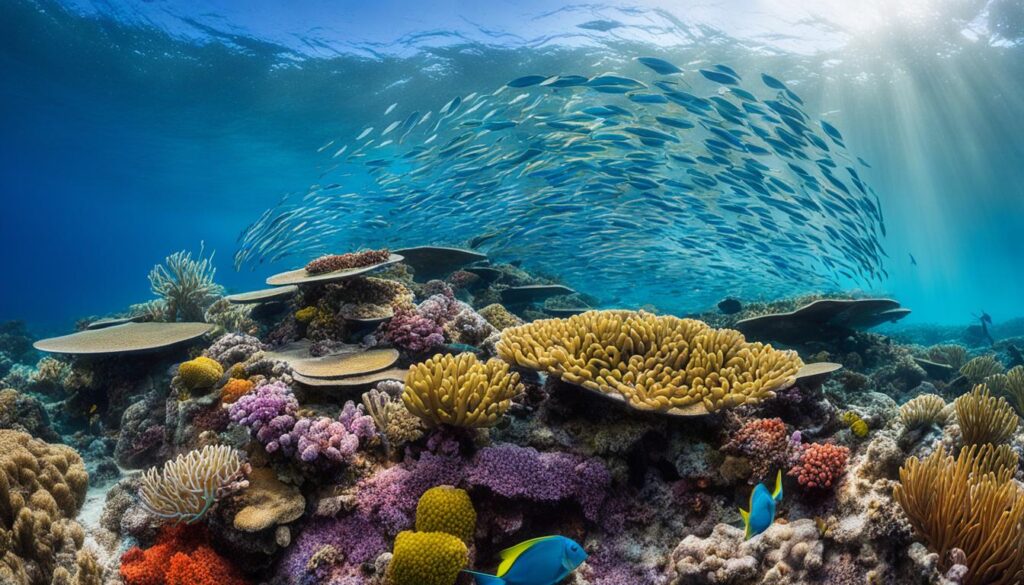
Coastal ecosystems are lively places with beaches, estuaries, and wetlands. They are home to many animals, like fish, birds, and tiny creatures. These places help keep the water clean and are important for many species to live and breed. But, tourism can harm these areas by causing pollution and damaging habitats.
The Impact of Tourism on Coastal Areas
Tourism can bring in money but also risks harming coastal ecosystems. Things like boating, jet skiing, and beach parties can pollute and disturb habitats. Too many visitors can cause erosion and harm many species. It’s important to understand how to protect coasts to balance tourism with nature. Using tourism in a way that’s good for the environment can lessen the harm to these vital places.
Ocean City Coastal Conservation Initiatives
In Ocean City, many efforts aim to protect the coast. These efforts rely on the community and government support. By working together, the city hopes to improve its coastal conservation.
Community Involvement in Conservation Efforts
Local people are key to Ocean City’s conservation. They join clean-up events and help keep beaches clean. Awareness campaigns teach everyone why it’s important to protect the coast.
Educational workshops share tips on living sustainably. This encourages people to make eco-friendly choices.
Government Policies Supporting Conservation
Government actions in Ocean City help a lot with conservation. Laws against litter keep the beaches clean. This supports the environment.
Incentives for green businesses push for sustainable growth. Conservation funding supports research and projects. This keeps Ocean City leading in coastal protection.
Sustainable Practices to Protect Ocean City
It’s crucial to use sustainable practices to protect Ocean City’s coast. Everyone, from consumers to local businesses, can help by reducing waste and improving eco-friendly infrastructure. Together, we can make a big difference for the local ecosystem.
Reducing Plastic Use on the Beach
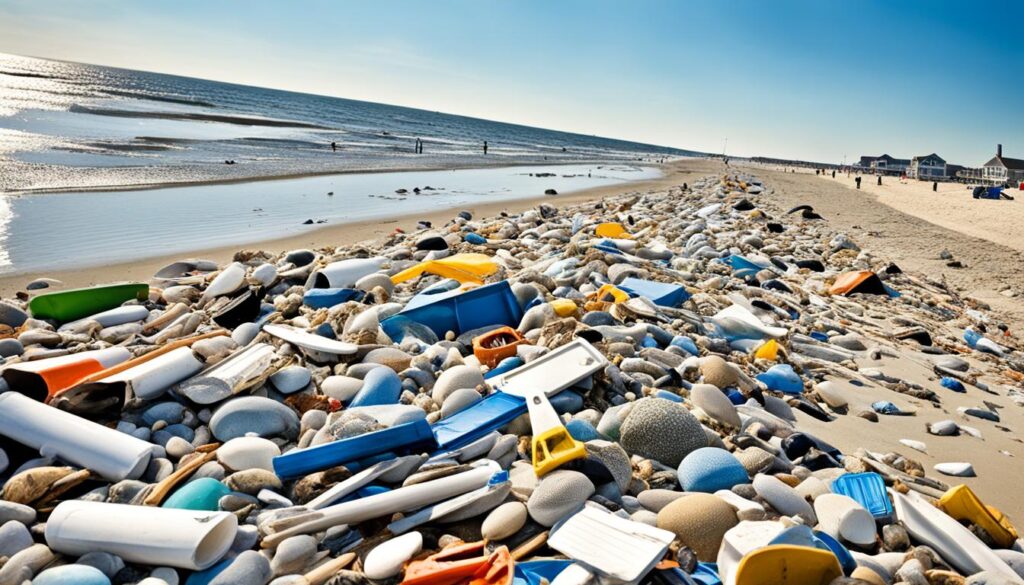
Using less plastic is a key way to keep Ocean City beautiful. You can help by:
- Promoting the use of reusable containers for food and drinks.
- Organizing anti-litter campaigns to spread the word about ocean conservation.
- Providing recycling bins to make proper waste disposal easy.
These steps keep our environment clean and support sustainability.
Implementing Eco-friendly Infrastructure
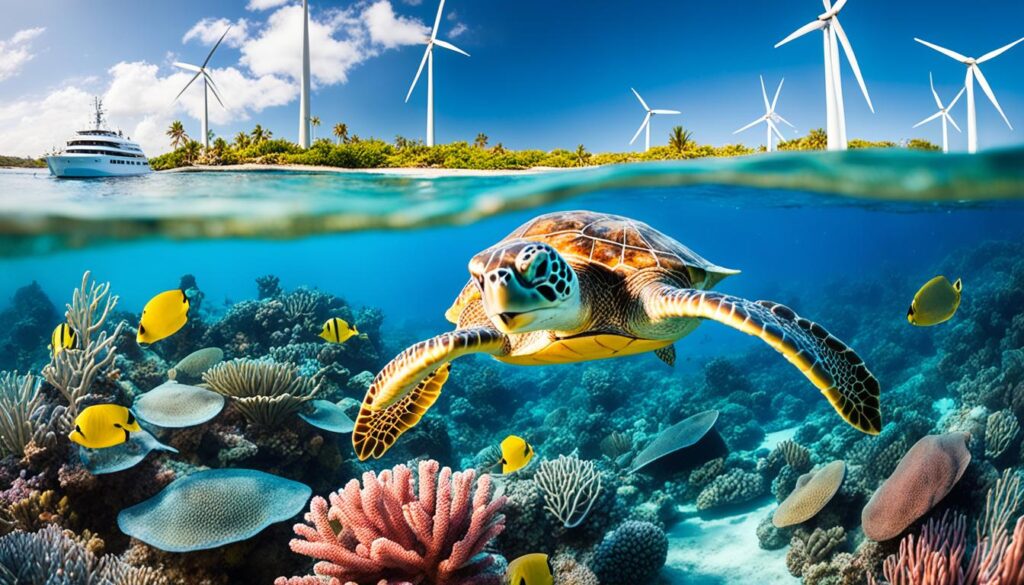
Switching to eco-friendly infrastructure is vital for Ocean City’s future. Some ways to do this include:
- Installing solar-powered lights to cut down on energy use.
- Using biodegradable materials for events to reduce harm to the environment.
- Creating green spaces that help local wildlife and biodiversity.
These actions make Ocean City look better and help protect the ocean. By focusing on sustainability, we can keep the coastline healthy for our kids and grandkids.
| Practice | Benefits |
|---|---|
| Reducing Plastic Use | Less litter, cleaner beaches, improved wildlife health |
| Eco-friendly Infrastructure | Lower energy use, reduced waste, enhanced public spaces |
Marine Ecosystem Protection Strategies
Protecting marine ecosystems needs focused plans that fix damaged habitats and save endangered species. These strategies show why keeping our oceans healthy is crucial. They also highlight the importance of the diverse life in our oceans.
Restoration of Habitats
Habitat restoration is key to protecting marine ecosystems. Fixing damaged ecosystems boosts biodiversity and makes our oceans stronger. Important projects focus on:
- Reef rehabilitation, where we plant coral and build artificial reefs to help reefs recover.
- Wetland restoration, which creates important areas that clean pollutants and are homes for many marine species.
- Mangrove planting, which helps protect coasts and gives homes to many sea creatures.
Protection of Endangered Species
Protecting endangered species is a big part of marine conservation. We use different programs to help these species and keep them safe. These methods include:
- Legal rules that make safe areas in the ocean, stopping harmful actions in key places.
- Breeding programs to increase the number of endangered species, ensuring they can keep living.
- Public awareness campaigns that teach people why we need to protect these species, gaining community support for conservation.
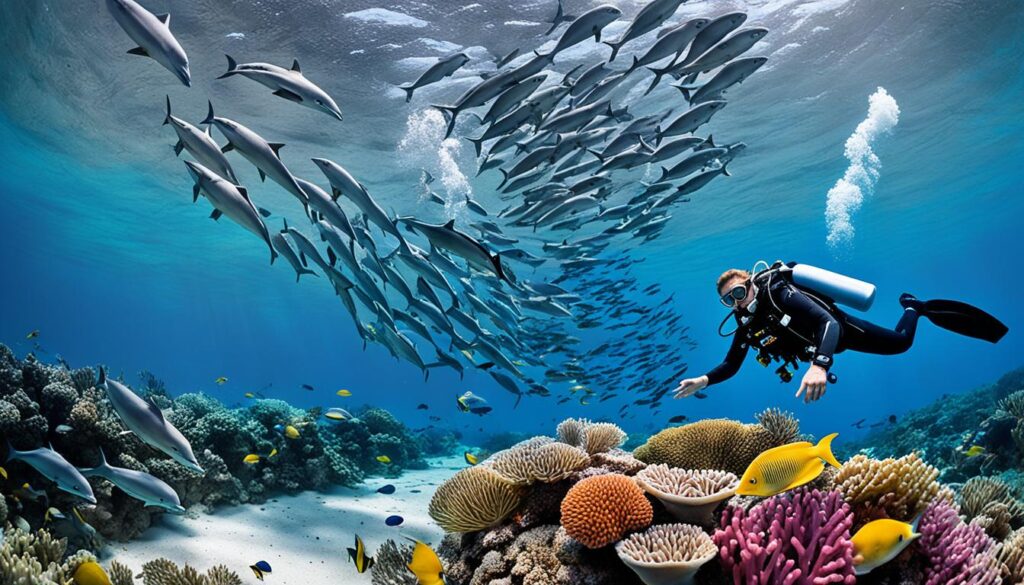
By working on both fixing habitats and saving endangered species, you help protect our marine ecosystems. Your actions can greatly help keep our oceans healthy for the future.
Beach Preservation Efforts in Ocean City
In Ocean City, keeping the beaches beautiful and sustainable is key. Local and visitor efforts are crucial for this. Clean-up campaigns and beach nourishment projects are vital to protect these areas.
Regular Clean-Up Campaigns
The community is big on clean-up events to tackle litter and debris. These events raise awareness and get everyone involved. They offer a chance for people to work together to keep the beach clean.
- Community groups lead these efforts, giving out the tools needed.
- During these events, people learn about pollution’s effects.
- Using social media helps spread the word and gather more volunteers.
Beach Nourishment Projects
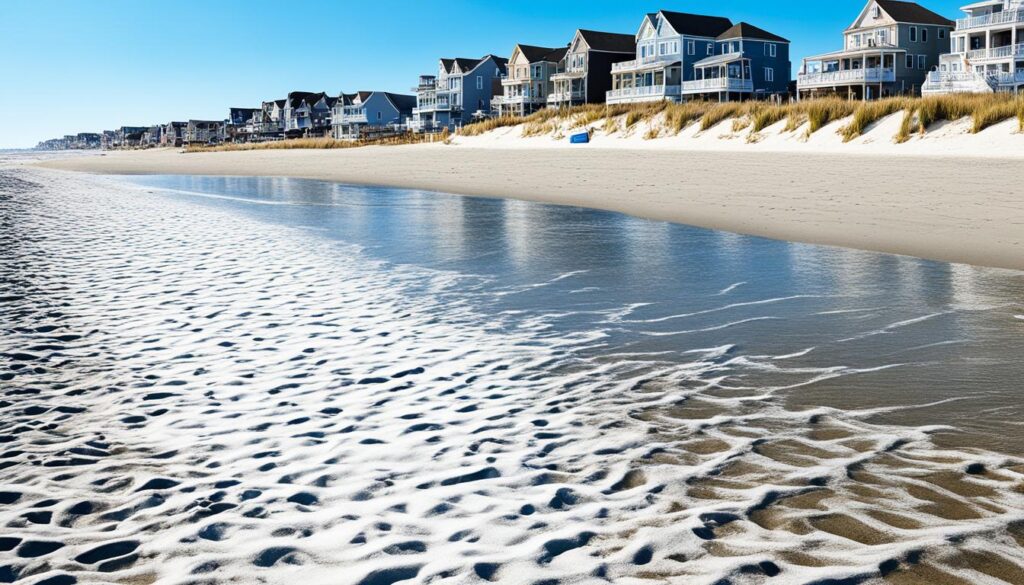
Beach nourishment fights erosion and helps the environment. It adds sand to the beach to make it look great again and protect homes. This approach helps deal with sea level rise and bad weather.
| Beach Nourishment Project | Year Initiated | Length of Beach Restored (miles) | Estimated Cost ($) |
|---|---|---|---|
| Annual Nourishment Program | 2010 | 3.5 | $5 million |
| Emergency Restoration Project | 2018 | 2.0 | $3 million |
| 2019 Comprehensive Sand Replenishment | 2019 | 4.0 | $6 million |
Environmental Stewardship in Local Communities
Environmental stewardship is key in local communities. It helps people work together for a greener future. By taking responsibility, we can make big changes that help the environment and our neighbors.
When people join in, they learn more about their local nature. Events like clean-ups, planting trees, and workshops teach us to care. These actions build a sense of responsibility.
- Being part of local decisions lets people speak up for nature.
- Choosing eco-friendly local shops sets a good example for others.
- Working together means we hear different ideas and do better work.
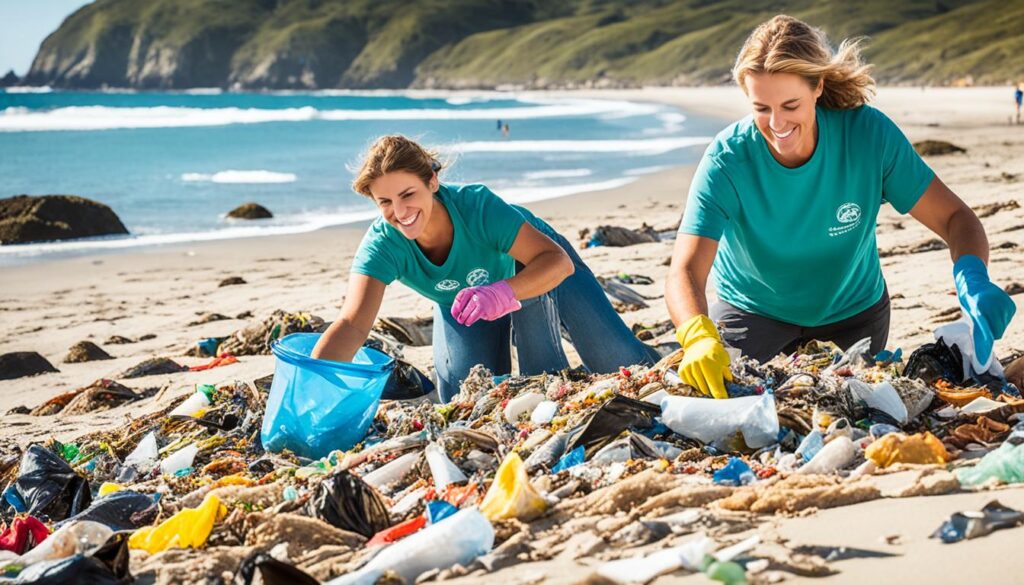
Getting involved with our communities makes us closer and more united. It teaches us to work together to protect our coasts. This way, we keep our places beautiful for the future.
| Stewardship Initiative | Description | Benefits |
|---|---|---|
| Clean-Up Campaigns | Organized efforts to remove litter from beaches and parks. | Improves local aesthetics and enhances wildlife habitats. |
| Educational Workshops | Sessions focused on teaching conservation techniques and environmental awareness. | Empowers individuals with knowledge to make informed choices. |
| Advocacy for Policies | Encouraging participation in local government meetings to influence conservation policy. | Creates a framework for long-term sustainability initiatives. |
By understanding and taking part in community responsibility, you can be a key player in protecting our coasts. Together, we can build a sustainable and lively coastal community.
Oceanfront Conservation Initiatives
Oceanfront conservation is key to keeping coastal ecosystems healthy. Working with environmental groups helps a lot. These groups focus on protecting marine life and getting communities involved.
Partnerships with Environmental Organizations
Teaming up with trusted environmental groups boosts conservation work. Local and national groups add resources and research. Here are some examples:
- The Nature Conservancy: Works on protecting and fixing habitats.
- Oceana: Gets people involved in ocean and marine animal protection.
- Surfrider Foundation: Works to keep coasts safe and fights against plastic pollution.
These groups help everyone work together to protect the ocean. They make sure communities can help watch over and protect marine life.
Monitoring Programs for Coastal Wildlife
Watching over coastal wildlife helps us see how marine life and their homes are doing. It needs regular data and analysis. Here are some main programs:
| Program | Description | Impact |
|---|---|---|
| Coastal Bird Surveys | Regular checks on local bird populations. | Helps track changes in species numbers for better conservation plans. |
| Marine Mammal Observation | Studies on whales and dolphins in the wild. | Helps understand their movements and health. |
| Habitat Health Assessments | Looks at how healthy marine ecosystems are. | Helps plan fixes for damaged areas. |
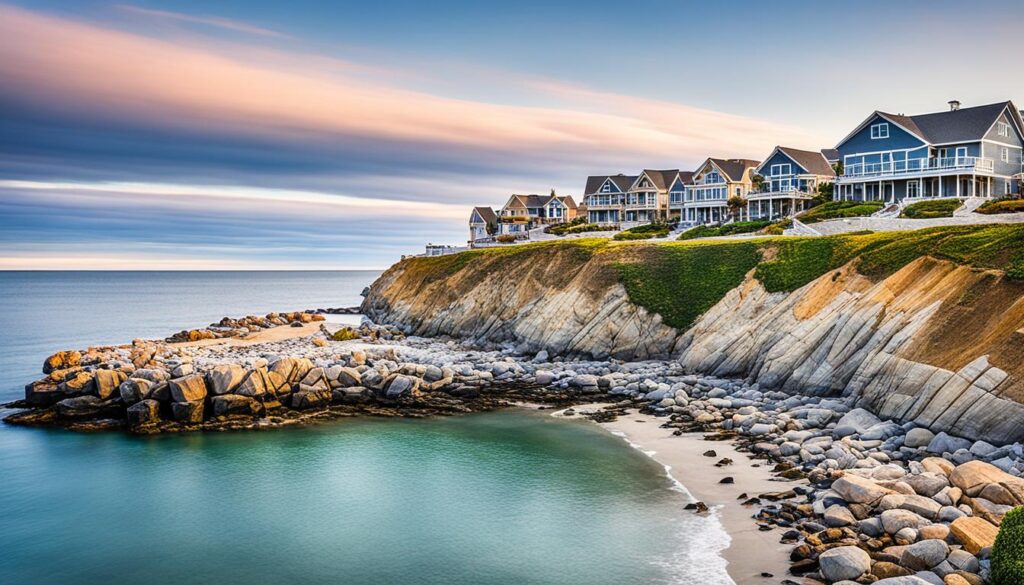
Thanks to these efforts and partnerships, oceanfront conservation is doing well. It keeps the ocean around Ocean City healthy and full of life. Watching over coastal wildlife is a key part of this work.
Coastal Community Sustainability Practices
Coastal community sustainability is about more than just one thing. It’s about education and sustainable tourism. By teaching people, we can protect our coasts. Sustainable tourism makes sure our actions don’t harm the environment.
Education and Awareness Programs
Education is key to caring for our environment. Programs teach locals and visitors about their coast. They cover topics like:
- The importance of keeping marine habitats safe
- How litter and pollution hurt the coast
- Ways to lower our carbon footprint
These efforts get people working together for a sustainable coast. When locals learn and act, they spread the word. This helps protect their home.
Promoting Sustainable Tourism
Tourism is big for the local economy, but it must be done right. Sustainable tourism is good for everyone. It means:
- Supporting businesses that care for the environment
- Getting visitors involved in conservation
- Following rules to protect nature
This way, tourism helps the coast and the economy. Visitors leave with a positive view of conservation. They become champions for the coast on their next visit.

| Education Program | Purpose | Target Audience |
|---|---|---|
| Coastal Clean-Up Workshops | Teach waste management and pollution effects | Residents, students, tourists |
| Marine Life Awareness Events | Highlight the importance of biodiversity | Families, local schools, visitors |
| Sustainable Tourism Guidelines | Encourage eco-friendly travel habits | Tourists, travel agencies |
The Role of Ocean Conservation Awareness
Understanding the importance of ocean conservation awareness is key to a better relationship between communities and their coasts. Through workshops and events, we can educate people about the oceans’ challenges. These efforts boost awareness and push for community involvement to spark change.
Community Workshops and Events
Communities can dive into various workshops and events to boost ocean conservation awareness. These activities include:
- Beach clean-up programs
- Educational seminars on marine ecology
- Hands-on workshops for sustainable living
- Family-friendly events highlighting ocean biodiversity
These events offer chances for people to learn about the ocean’s health and their role in it. By joining, community members get to know how they can make a difference.
Getting Involved: How You Can Help
Getting involved in ocean conservation is fulfilling. Here are ways to help:
- Join local groups focused on ocean health.
- Volunteer for beach clean-ups or coastal tree plantings.
- Go to workshops and events to learn more and meet others.
- Push for sustainable living and pollution prevention in your area.
By doing these things, you help build a community that cares for our oceans. Every small action adds up to big change.
| Action | Description | Impact on Ocean Conservation |
|---|---|---|
| Volunteer | Engage in local conservation projects. | Reduces waste and helps restore habitats. |
| Education | Attend workshops to learn and share knowledge. | Increases awareness and encourages advocacy. |
| Advocacy | Promote sustainable practices in daily life. | Helps protect marine ecosystems from further harm. |
Conclusion
Ocean City’s coastal conservation is a shared responsibility for both locals and visitors. We’ve talked about many ways to help, like community actions and government support. Each person has a key role in keeping this area beautiful and full of life.
Your actions really matter in these conservation efforts. By choosing sustainable ways, supporting local groups, and joining community projects, you help a lot. The aim is to protect Ocean City’s coasts now and for the future.
It’s crucial to feel connected to our coastal areas. By understanding the need for Ocean City’s conservation and taking action, you support a green future. Your efforts can change things, keeping Ocean City’s beauty alive for many years.





