Explore the Captivating Chenini Mountain Village
Ever wondered what it’s like to step into a world where time stands still? In southern Tunisia, Chenini village offers a glimpse into a rich cultural heritage. It’s a place where ancient Berber traditions come alive.
Walking through Chenini’s narrow streets and alleys, you’ll see stunning views all around. The village’s historic architecture and vibrant culture make it a place you won’t forget.
In Chenini, you’ll find the essence of a bygone era. Here, heritage and history meet the natural beauty of Tunisia.
The Ancient Allure of Chenini: A Village Frozen in Time
Chenini mountain village is a gem in southern Tunisia’s Dahar mountains. It offers a mix of stunning natural beauty and deep history. As you explore, you’ll find a unique charm that stands the test of time.
Geographic Location in Southern Tunisia
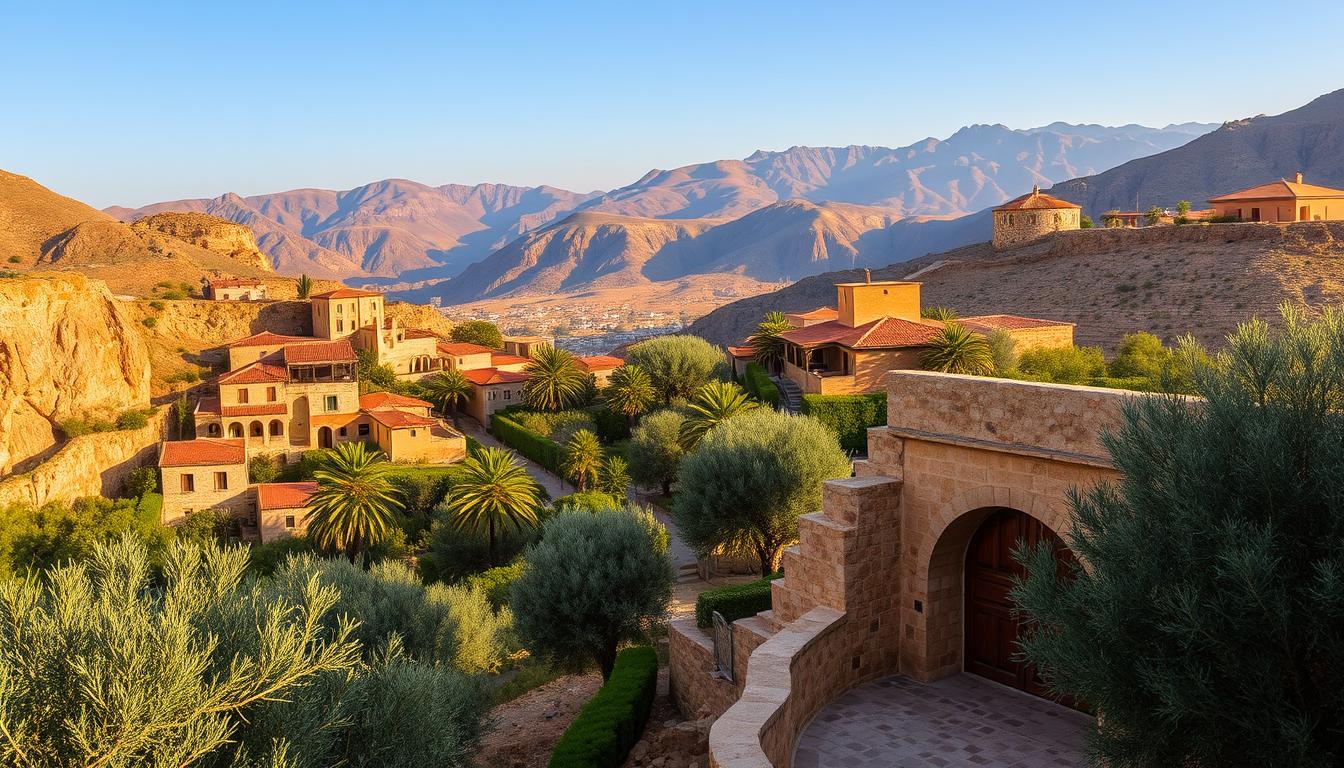
Chenini sits in southern Tunisia’s dramatic mountains and valleys. It’s strategically located on a mountain peak. This spot gives you amazing views and has shaped the village’s history and buildings.
First Impressions of the Mountain Settlement
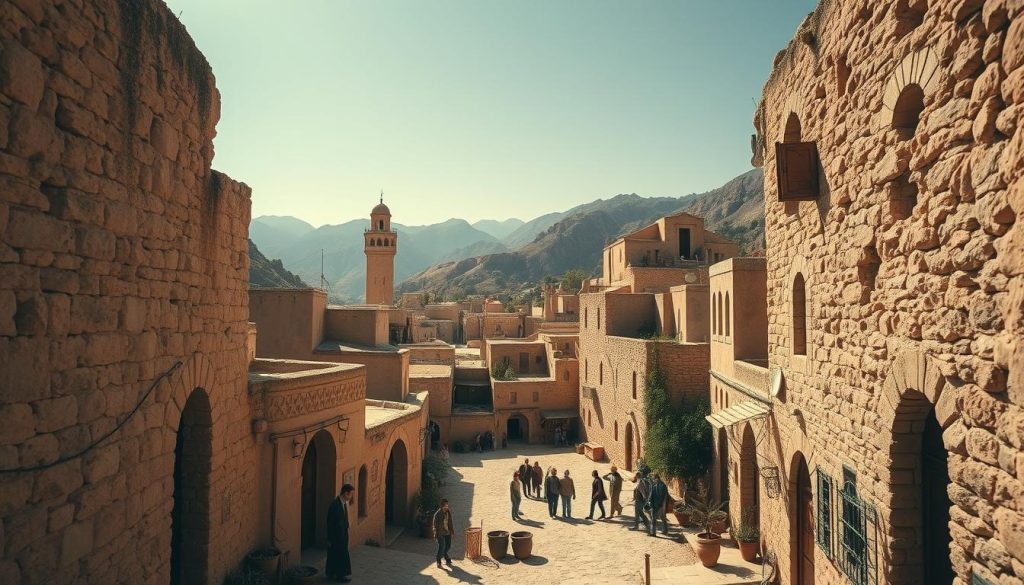
When you arrive in Chenini, its timeless beauty hits you right away. The ancient homes and cave dwellings fit perfectly into the mountains. Walking through the narrow paths, you’ll feel the rich culture of Chenini.
Discover the Traditional Chenini Mountain Village Architecture
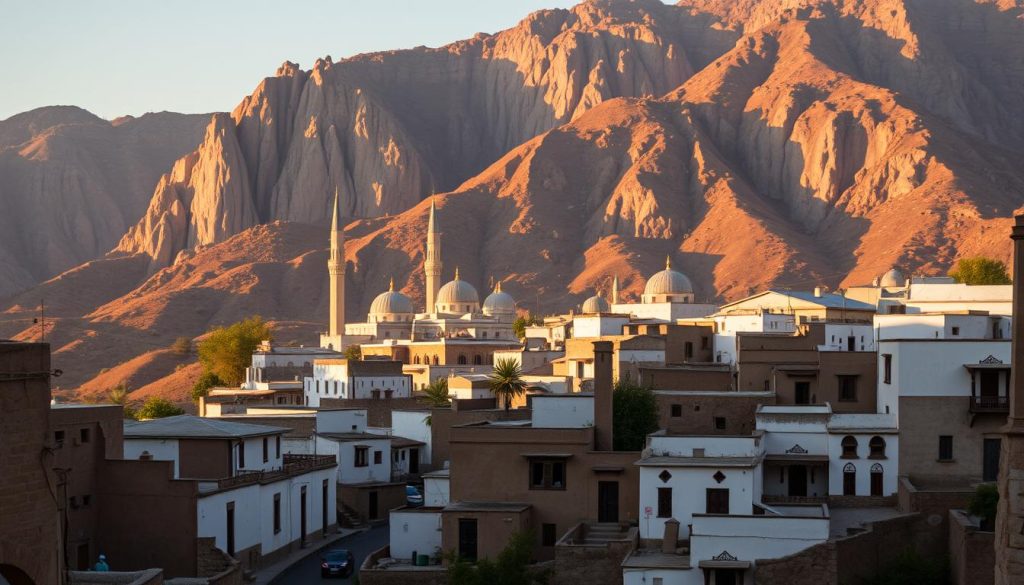
The traditional architecture of Chenini village shows the cleverness of its Berber people. As you explore the village, you see troglodyte dwellings and cave homes carved into the mountains.
Troglodyte Dwellings and Cave Homes
Chenini’s troglodyte dwellings are amazing examples of ancient engineering. These cave homes, partly hidden in the hillside, keep out the desert’s harsh weather. The villagers have used the landscape to make homes that are strong and cozy.
- Natural insulation against extreme temperatures
- Durable construction that withstands the test of time
- Unique blend of natural and man-made structures
The Unique Building Techniques of Berber Construction
The Berber people have special building techniques that have been passed down for generations. They use local materials like stone and earth to make structures that fit right into the landscape.
Some key features of Berber construction include:
- Use of local, sustainable materials
- Adaptation to the mountainous terrain
- Simple, functional design that prioritizes practicality
The Rich Historical Tapestry of Chenini
Exploring Chenini reveals a history that spans centuries. Its location in Southern Tunisia made it key for many cultures.
Origins and Early Settlement
The Berber people first settled in Chenini. They chose it for its natural defenses and resources. Archaeology shows the area was inhabited long ago.
The early homes were troglodyte dwellings. These were later built into more complex structures.
Chenini Through the Centuries
Chenini has been shaped by many cultures, like the Romans and Arabs. Each left its own mark, enriching the village’s heritage.
| Period | Significant Events |
|---|---|
| Ancient Times | Berber settlement, Roman influence |
| Middle Ages | Arab conquest, Islamic influence |
| Modern Era | Preservation efforts, tourism development |
Modern Preservation Efforts
Now, efforts focus on keeping Chenini’s history alive. Conservation projects aim to protect its architecture and culture for the future.
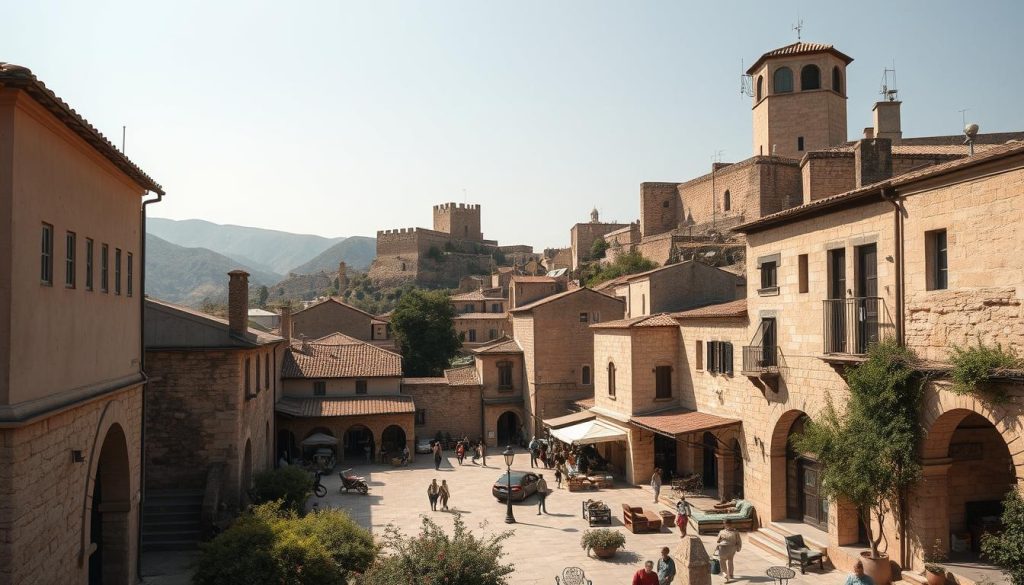
By helping preserve Chenini, you’re helping protect a unique piece of history.
Cultural Heritage and Berber Traditions
Exploring Chenini village reveals a rich cultural heritage rooted in Berber traditions. The village’s unique identity comes from its history, geography, and the people’s resilience.
Local Customs and Social Structure
Chenini’s customs blend traditional Berber practices with Islamic influences. The village’s social structure is based on family and tribal ties. Respect for elders and tradition is a big part of daily life.
The Berber culture in Chenini values oral traditions. Stories and legends are passed down through generations. This heritage is seen in the village’s traditional clothing and jewelry, worn on special occasions.
Festivals and Celebrations in Chenini
Chenini’s festivals and celebrations bring the village to life. The annual harvest festival is a highlight. It features music, dance, and feasting to celebrate the season’s harvest.
“The harvest festival in Chenini is a time of great joy and celebration, bringing together the community in a shared expression of gratitude and solidarity.”
The village also celebrates Islamic holidays with special prayers and gatherings. These events are key to Chenini’s cultural calendar, strengthening spiritual and social bonds.
Visiting Chenini during a festival or celebration is a unique experience. It lets you see the village’s vibrant cultural heritage up close. You’ll learn more about Berber traditions and customs that make this village special.
The Iconic Landmarks of Chenini
Exploring Chenini mountain village reveals landmarks that have withstood time. These sites are not just beautiful but also carry deep historical and cultural value. The village boasts several iconic landmarks, such as the ancient mosque and the Seven Sleepers Cemetery. Each landmark shares a unique part of Chenini’s history.
The Ancient Mosque and Its Significance
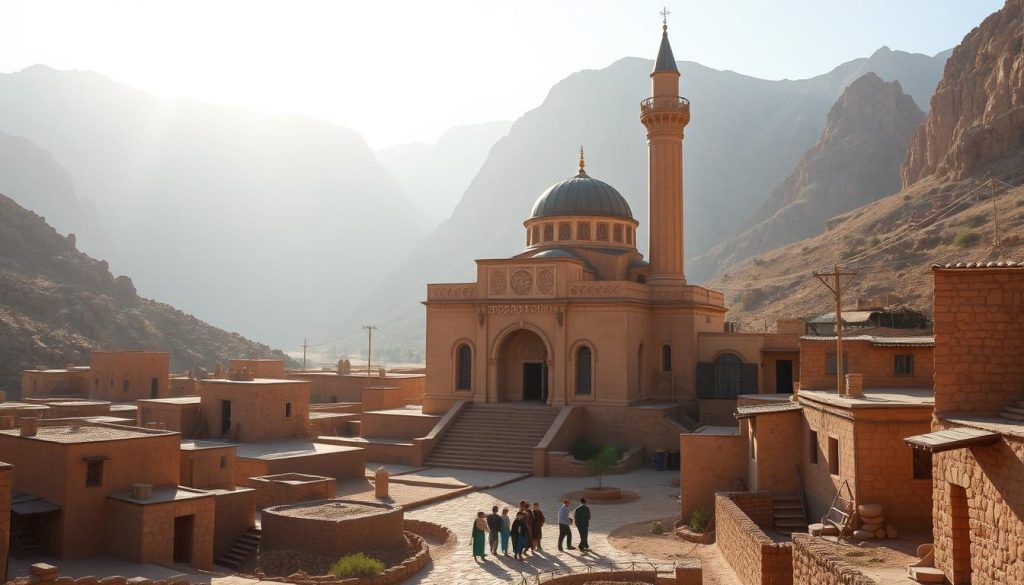
The ancient mosque in Chenini showcases the village’s rich spiritual heritage. This historic mosque has been a vital part of the community for centuries. It serves as a place of worship and a gathering spot. Its design combines traditional Berber styles with Islamic influences, reflecting Chenini’s cultural diversity.
The mosque is known for its:
- Unique blend of Berber and Islamic architectural styles
- Historical significance as a center of worship and community gathering
- Enduring presence in the village landscape
The Seven Sleepers Cemetery and Local Legends
The Seven Sleepers Cemetery is a major attraction in Chenini. It is said to be the resting place of the Seven Sleepers, a group from an ancient story. This story has roots in early Christian and Islamic traditions.
Local legends make the Seven Sleepers Cemetery even more intriguing. The cemetery’s historical and cultural importance is clear. It offers a glimpse into the beliefs and traditions of the Chenini community.
Key aspects of the Seven Sleepers Cemetery include:
- The legend of the Seven Sleepers and its historical context
- The cemetery’s role in local traditions and folklore
- Its attraction as a cultural and historical site for visitors
Daily Life in Chenini: Past and Present
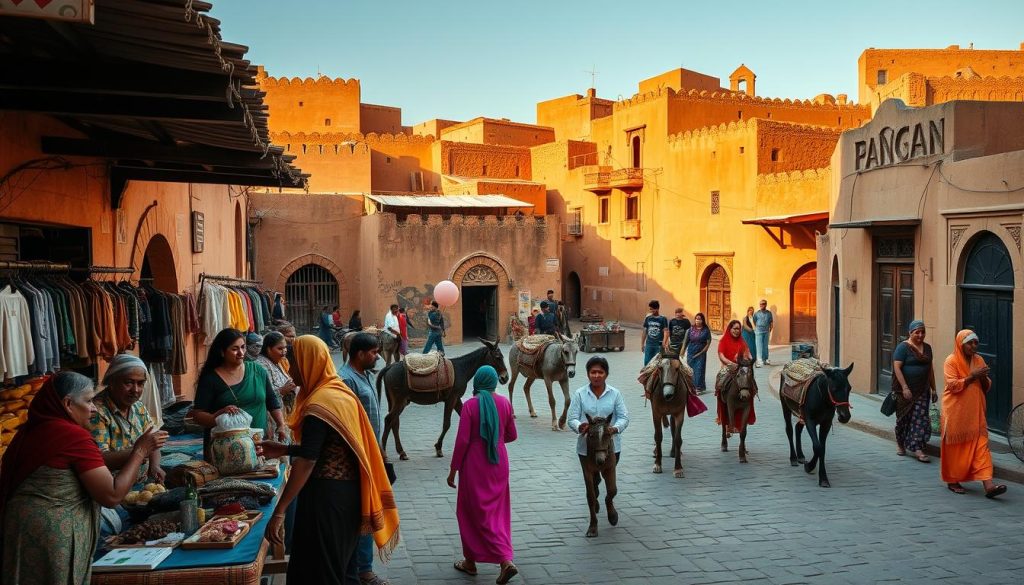
Stepping into Chenini village, you enter a world where old traditions meet new ways. The lives of Chenini’s people show a mix of ancient customs and modern touches.
Traditional Livelihoods and Subsistence
The people of Chenini have always depended on farming and making things by hand. The village’s location is perfect for growing crops like olives and figs. Local artisans are skilled in making baskets and pottery, items used by the community and sold to visitors.
How Modern Influences Have Changed Village Life
Modern changes have come to Chenini, changing daily life a lot. New farming methods have increased crop yields. Education has opened up new possibilities for the young.
But these changes also bring challenges. There’s a risk of losing cultural heritage and adapting to new economic ways.
The balance between old and new in Chenini is a challenge. Yet, the residents handle it with strength and flexibility. As a visitor, you can see how this ancient Berber village is changing.
Culinary Experiences in Chenini
Exploring Chenini village is like embarking on a culinary journey. It shows the rich Berber heritage. The food here is a mix of local culture and history, offering a unique taste experience.
Traditional Berber Dishes to Try
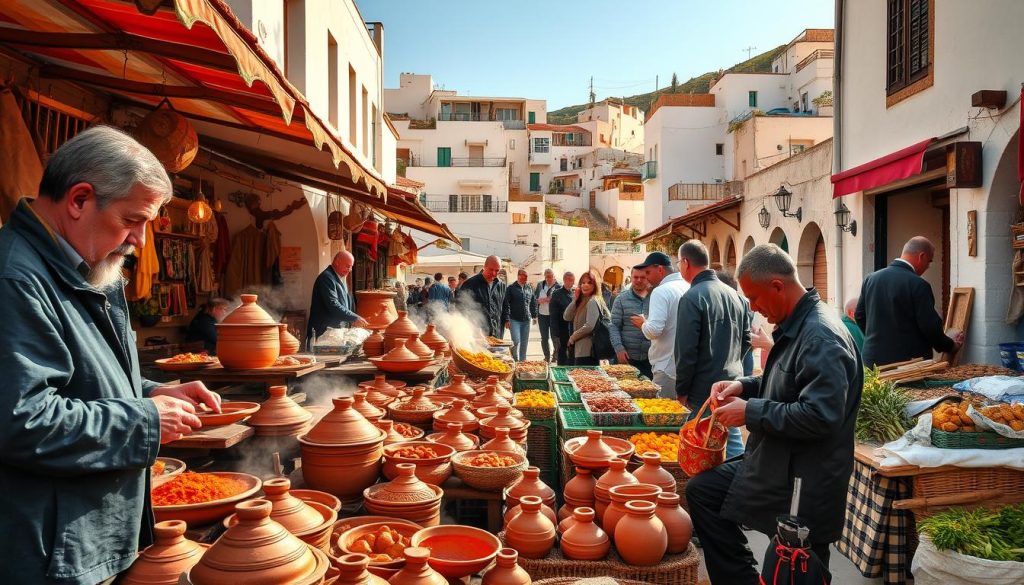
Chenini’s food scene is filled with traditional Berber dishes. You must try couscous with vegetables and meat. It’s a favorite, often served on special days. Also, don’t miss harissa, a spicy chili paste that adds flavor to many dishes.
Make sure to taste makroud, a date-filled pastry. And try mlawi, a Tunisian pancake. These dishes are a must-try.
Where to Taste Authentic Local Cuisine
To taste Chenini’s true flavors, visit local homes and traditional restaurants. Many families welcome visitors with home-cooked meals. These meals show the heart of Berber cuisine.
Local eateries in the village also serve traditional dishes. They use fresh, local ingredients. This makes for a delicious dining experience.
For a deeper culinary experience, join a cooking class. You’ll learn to make traditional Berber dishes. It’s a great way to connect with the local culture and learn new cooking skills.
Photography Opportunities in Chenini
Exploring Chenini mountain village reveals a treasure trove of photography spots. Its natural beauty and rich cultural heritage make it perfect for capturing stunning images.
Best Vantage Points for Landscape Photography
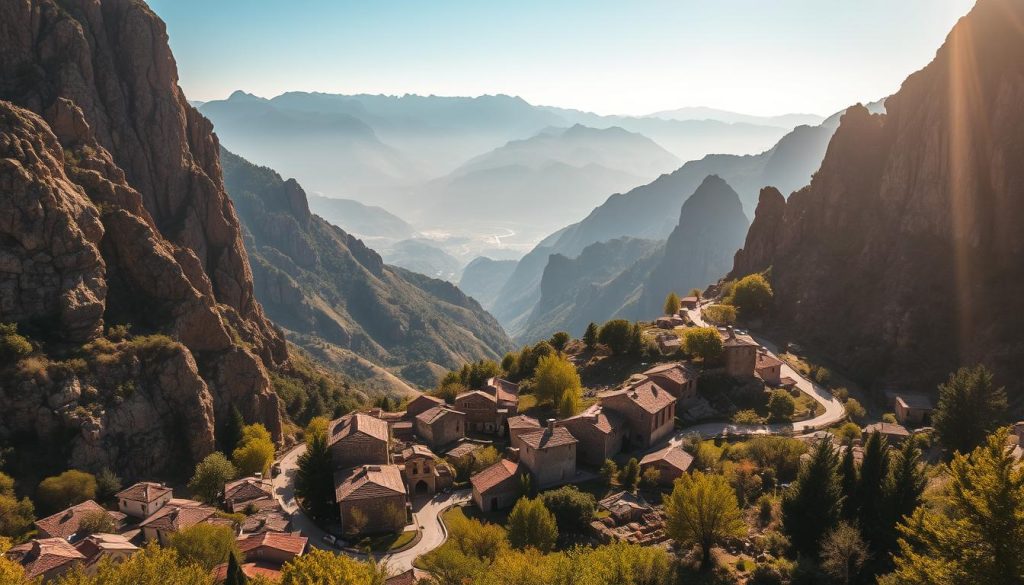
For amazing landscape shots, visit the hilltops around Chenini. Here, you can take in panoramic views of the village and the desert. The golden hour, just before sunset, is the best time for photos with warm light.
Capturing Cultural Moments and Architectural Details
Chenini is full of cultural attractions and architectural wonders. To capture these, look for traditional Berber homes, ancient mosques, and local festivals. Always be respectful and ask permission before taking photos of people.
| Photography Tip | Best Practice |
|---|---|
| Landscape Photography | Golden hour for soft light |
| Cultural Moments | Ask permission before snapping locals |
| Architectural Details | Focus on textures and patterns |
Practical Travel Guide to Visiting Chenini
Planning your trip to Chenini? Knowing the best times to visit and how to get there is key. Think about the weather and what amenities are available to make your trip great.
Best Time to Visit and Weather Considerations
Spring (March to May) and autumn (September to November) are the best times to see Chenini. The weather is nice and not too hot or cold. Remember to pack layers for the cooler mornings and evenings, even in warmer months.
Transportation Options from Major Tunisian Cities
Chenini is easy to reach by car or taxi from cities like Tunis and Sfax. Rent a car in Tunis or other big cities. Then, drive to Tataouine and take a taxi or louage to Chenini. Public transport is available but might be less frequent, making tours or private transfers better for many.
| City | Distance to Chenini | Travel Time by Car |
|---|---|---|
| Tunis | 540 km | 6 hours |
| Sfax | 340 km | 4 hours |
| Tataouine | 20 km | 30 minutes |
Accommodation Choices and Guided Tours
There are guesthouses and hotels near Chenini, from simple to more luxurious. Book early, as places fill up fast, more so during busy times. Guided tours can really add to your visit, showing you the area’s history, culture, and secrets. Many tours include transport, stay, and guided walks.
When you’re in Chenini, always be respectful of local ways and traditions. This way, you and the locals will both have a good time.
Exploring Beyond Chenini: The Tunisian Berber Trail
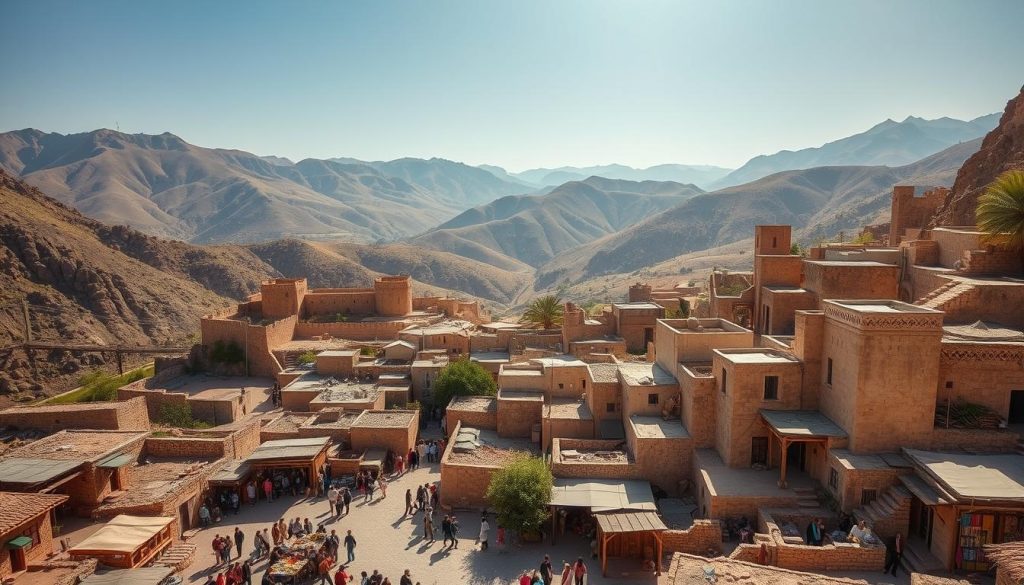
When you go beyond Chenini, you’ll find a world of cultural richness and stunning views. The Tataouine region is full of history, culture, and natural beauty. It’s a place where you can explore and discover new things.
Other Berber Villages Worth Visiting
The Tataouine region has many Berber villages to see. Guermessa is famous for its ancient buildings and beautiful mountains. Douiret is known for its rich history and unique culture. By visiting these villages, you can learn more about Berber culture and experience the locals’ warm welcome.
Natural Wonders in the Tataouine Region
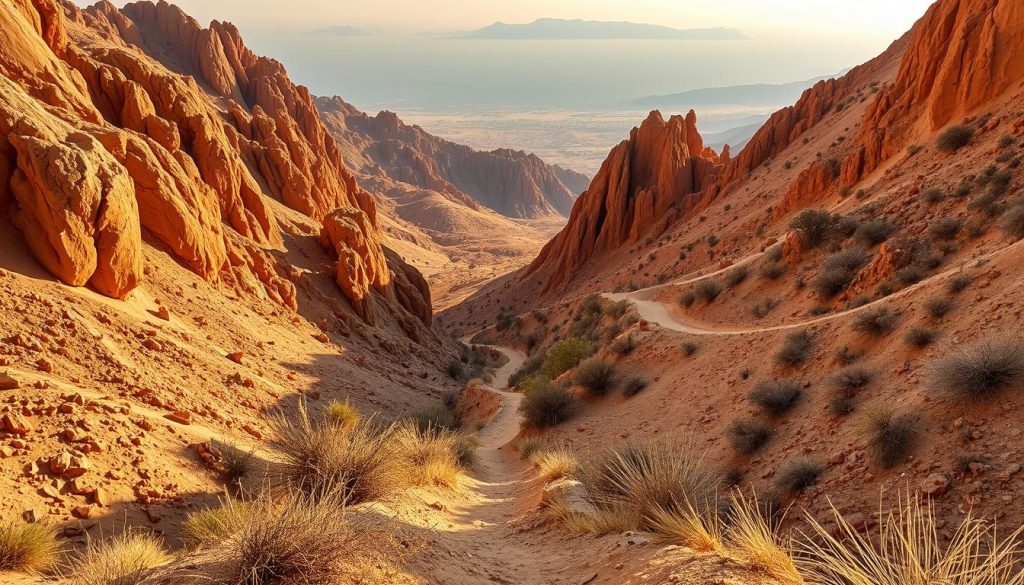
The Tataouine region is also home to amazing natural wonders. The Youth Ksour mountains offer incredible views and hiking trails. The Matmata area is known for its cave homes, showing how Berbers lived traditionally. These sights make the Tataouine region a must-see for anyone wanting to explore more than Chenini.
Conclusion: The Timeless Appeal of Chenini Village
Exploring Chenini mountain village reveals a mix of history, culture, and beauty. Its traditional architecture, rich history, and cultural heritage are truly captivating. This makes it a timeless destination.
Visiting Chenini village lets you see the authentic Berber traditions. Whether you’re into tourism or just want to dive into local culture, there’s something for everyone. It’s a place that offers a unique experience.
The village’s stunning landscapes, ancient landmarks, and friendly people make it a must-see in southern Tunisia. When planning your trip, don’t forget to explore the area around Chenini. You’ll find more hidden gems and fully experience the charm of Chenini mountain village.