Explore the Iconic Sights of Fes el-Bali, Morocco’s Captivating Old Medina
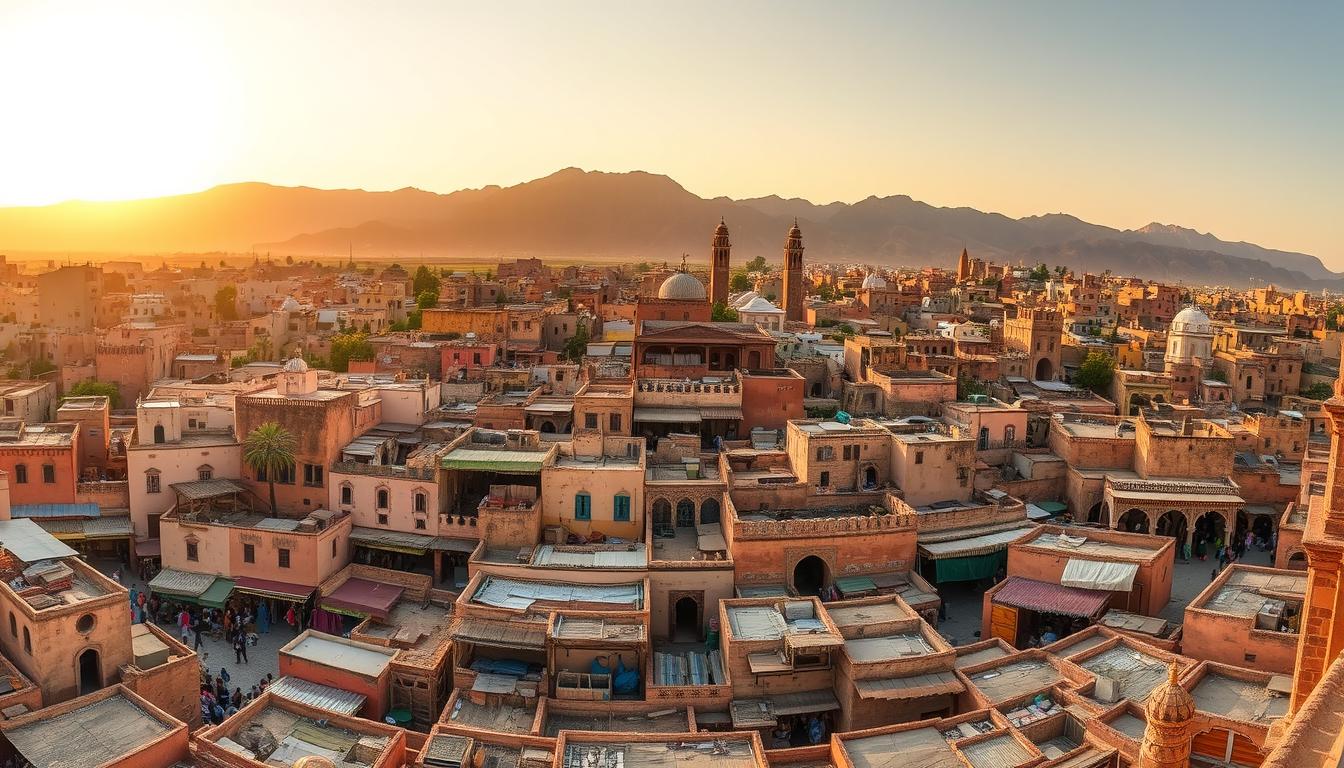
When you enter Fes el-Bali, you’re surrounded by ancient streets, busy markets, and historic sites. This place is a UNESCO World Heritage site. It’s filled with cultural treasures waiting to be found.
What secrets hide in its lively streets? Walking through Fes el-Bali, you’ll see a mix of old traditions and history. It’s a journey you won’t forget. With its rich cultural significance and historic landmarks, Fes el-Bali will amaze you.
The Ancient Heart of Morocco: Discovering Fes el-Bali
When you enter Fes el-Bali, you’re not just walking into a historic medina. You’re stepping back in time. This ancient city was founded by the Idrisid dynasty. It has been a center of culture and learning for centuries.
Historical Significance and Foundation
Fes el-Bali is one of the world’s largest car-free areas. It has some of the most preserved medieval architecture. Its founding set the stage for it to become a key cultural center.
Scholars and artisans from all over the Islamic world came here. The city’s history is tied to its role as a major trading center. It also played a big part in the region’s intellectual and cultural scene.
UNESCO World Heritage Status and Preservation
Fes el-Bali was named a UNESCO World Heritage site for its cultural and historical value. This recognition has helped protect the medina. Efforts have been made to keep its unique character and architecture intact.
Conservation work includes restoring old buildings and improving infrastructure. It also promotes sustainable tourism. These steps help ensure the site remains valuable for generations to come.
What Are the Must-See Sights in Fes el-Bali (Old Medina)?
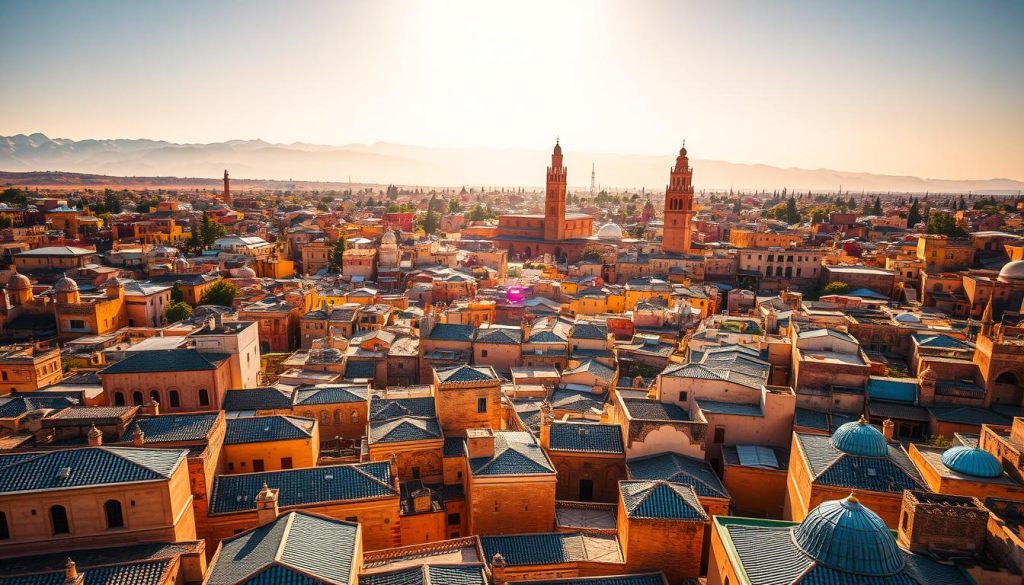
Fes el-Bali, Morocco’s old medina, is full of history and culture. Walking through its ancient walls, you’ll find a maze of stories. Every corner and market stall shares tales of Morocco’s past and present.
Overview of the Medina’s Layout and Districts
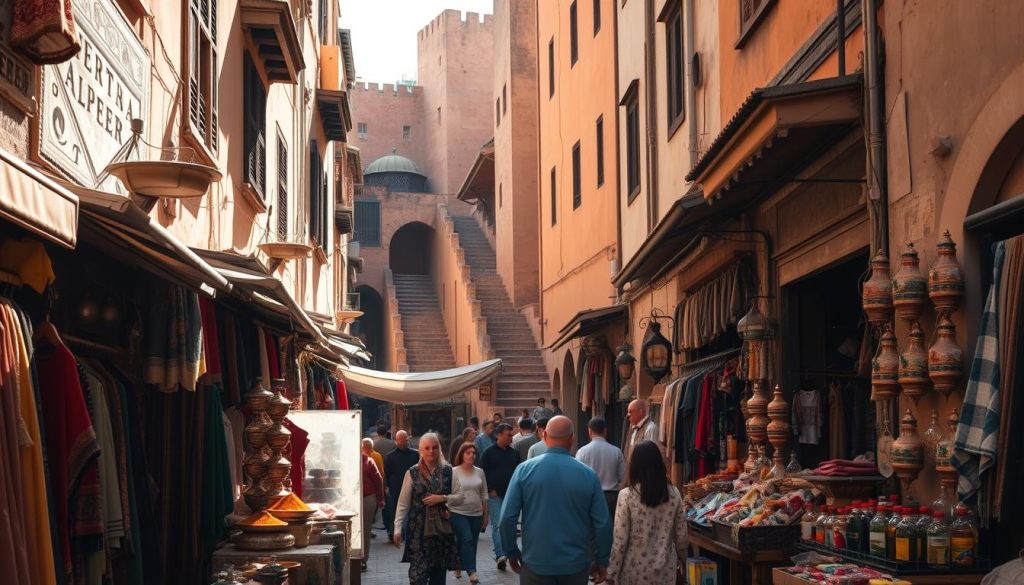
The medina of Fes el-Bali has many districts, each with its own charm. Its narrow streets and alleys can be confusing. But this complexity makes the medina special, offering a rich experience.
| District | Main Attractions | Notable Features |
|---|---|---|
| Kairouyine | Al-Qarawiyyin Mosque and University | Historic significance, architectural beauty |
| Saffron | Souk al-Attarine (Spice and Perfume Market) | Vibrant colors, aromatic scents |
| Nejjarine | Nejjarine Museum of Wooden Arts and Crafts | Traditional woodworking, restored fondouk |
Navigating the Labyrinthine Streets and Alleys
Exploring Fes el-Bali takes patience and adventure. Its winding streets and alleys can be tricky. But with a map and a sense of adventure, you’ll find hidden treasures and unforgettable moments.
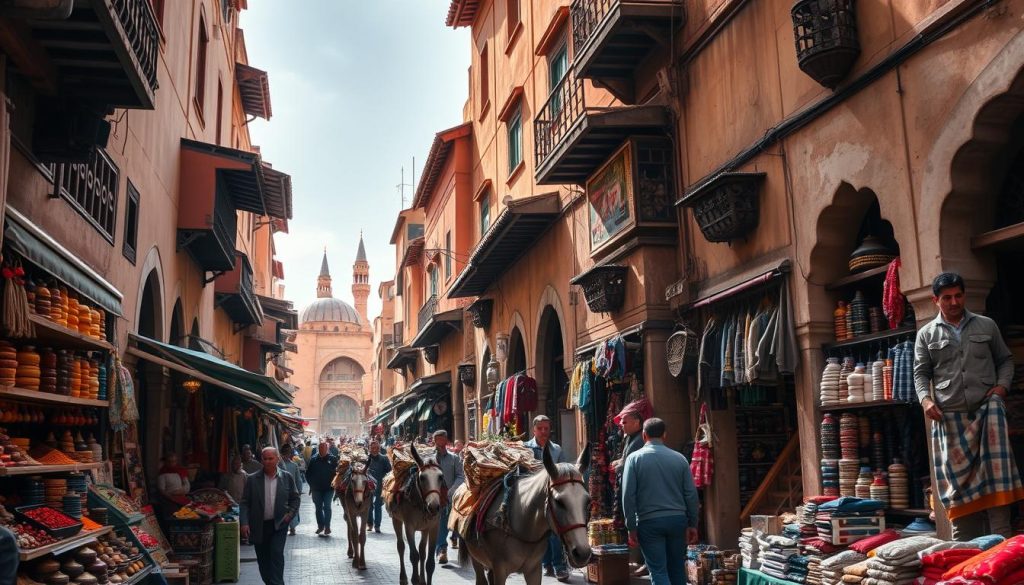
As you wander, enjoy the detailed architecture, lively souks, and historic sites. Fes el-Bali is a place like no other.
The Magnificent Al-Qarawiyyin Mosque and University
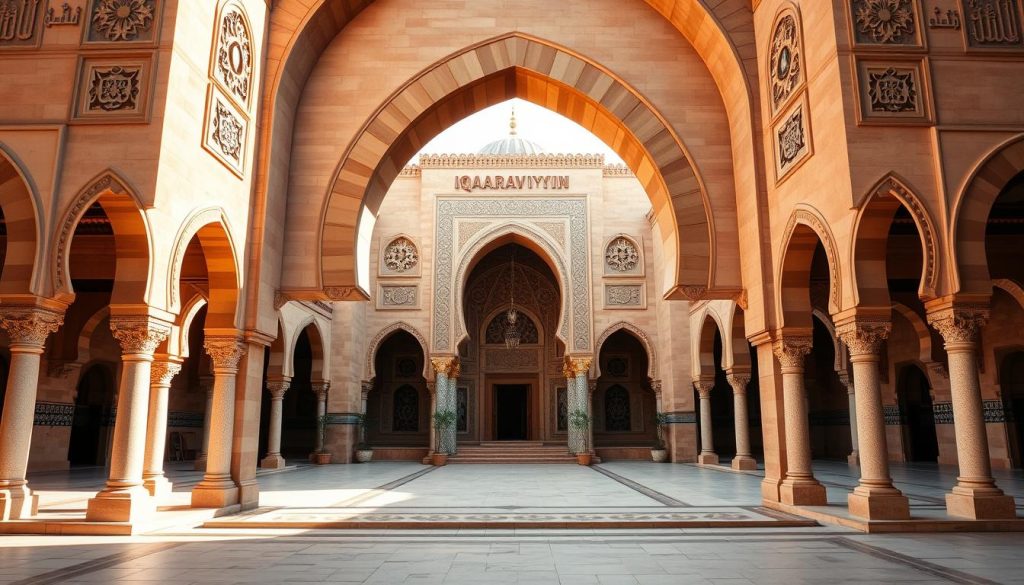
In the heart of Fes el-Bali, the Al-Qarawiyyin Mosque and University stands out. It’s a key Fes el-Bali point of interest. People from all over come to see its rich history and learning.
World’s Oldest University: Historical Context
Founded in 859 AD, Al-Qarawiyyin University is the oldest university still open today. It’s a top place for studying religion and other subjects. It has helped shape the Islamic world’s knowledge and culture.
“The Al-Qarawiyyin University is a testament to the rich cultural and educational heritage of the Islamic world.”
Architectural Features and Islamic Design Elements
The Al-Qarawiyyin Mosque and University is famous for its beautiful design. Its mosque shows off Islamic art with stunning tile work and calligraphy. These details make the place both beautiful and important for Islamic studies.
Visitor Information and Cultural Etiquette
Visiting the Al-Qarawiyyin Mosque and University means following certain rules. You should wear modest clothes and take off your shoes inside. Even though non-Muslims can’t go into the mosque, the area around it is worth seeing. Knowing these rules will help you enjoy your visit and understand the site’s deep history and faith.
Bou Inania Madrasa: A Masterpiece of Islamic Architecture
As you explore Fes el-Bali’s ancient streets, you’ll find Bou Inania Madrasa. This historic site, from the 14th century, is a rare sight for non-Muslims. It shows Morocco’s deep cultural and religious roots.
Historical Significance and Founding
Bou Inania Madrasa was created during the Marinid dynasty’s golden age. Sultan Abu Inan Faris built it in 1350-1355. It was meant to be a hub of learning, showing Islam’s value on education. It’s named after its founder, Sultan Abu Inan Faris.
Stunning Zellij Tilework and Calligraphy
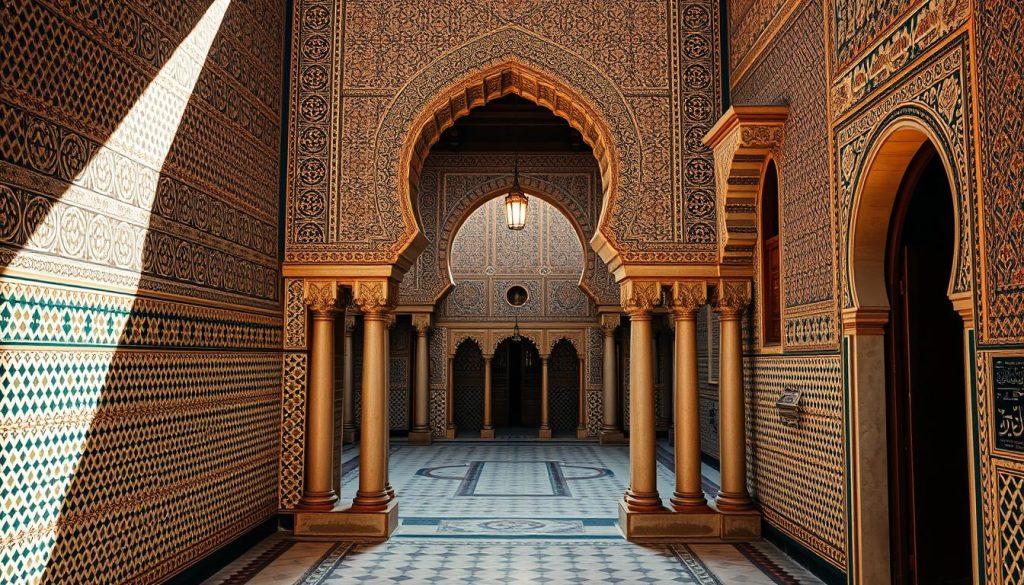
The madrasa is famous for its Zellij tilework, carved wood ceilings, and arches. The tilework’s bright colors and patterns are typical of Islamic art. They create a stunning sight. The calligraphy on the walls adds more beauty, with Quran verses written in elegant script.
The Unique Water Clock and Minaret
Bou Inania Madrasa has a water clock for timekeeping. Its minaret, with detailed stone carvings and tilework, stands out. It contrasts beautifully with the surrounding buildings.
| Feature | Description |
|---|---|
| Zellij Tilework | Intricate, colorful tilework characteristic of Islamic art |
| Carved Wood Ceilings | Beautifully crafted wooden ceilings with intricate designs |
| Water Clock | A complex timekeeping mechanism using water |
| Minaret | A striking architectural feature with intricate stone carvings |
Chouara Tannery: Witnessing Traditional Leather Production
Chouara Tannery is a key part of Fes el-Bali’s rich history. It shows the ancient art of making leather. This tannery is famous worldwide for its traditional methods.
The Ancient Tanning Process and Natural Dyes
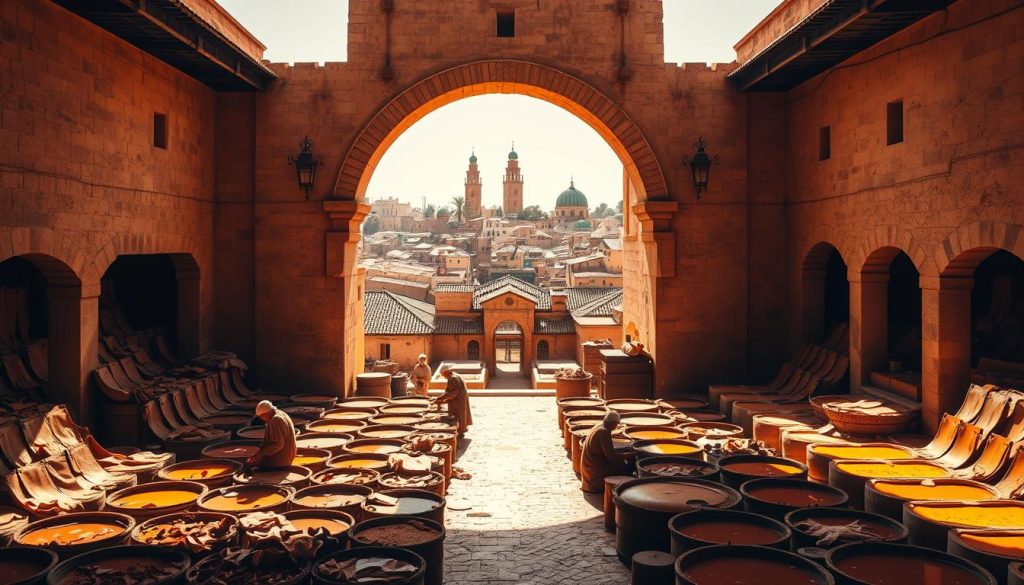
The tanning process at Chouara Tannery uses natural dyes from plants and materials. It’s hard work that’s been passed down for generations. Natural ingredients like pomegranate, saffron, and poppy make different colors, from soft pinks to deep browns.
The tanning starts with preparing hides. Then, they’re treated with natural ingredients for color and texture. Using natural dyes makes the leather high quality and unique.
Best Viewpoints and Photography Tips
Visitors can see the tanning from high platforms. Visit in the morning or late afternoon for the best light. Bring your camera and batteries to capture the vibrant colors and details.
- Use a polarizing filter to reduce glare and enhance colors
- Experiment with different angles to capture the complexity of the tanning process
- Take close-up shots of the natural dyes and leather goods
Shopping for Authentic Leather Goods
After seeing the tanning, you can buy leather goods at nearby souks. Look for high-quality items like handbags, belts, and wallets. These make great souvenirs. Haggle, as it’s local custom, and ask about the materials and process.
Some tips for shopping:
- Inspect the quality of the leather and stitching
- Compare prices at different souks to find the best deals
- Don’t be afraid to negotiate prices
Nejjarine Museum of Wooden Arts and Crafts
As you explore Fes el-Bali’s ancient streets, you’ll find the Nejjarine Museum. It’s a gem filled with Moroccan craftsmanship. This museum is a key spot in Fes el-Bali, showing the city’s deep cultural roots.
The Restored Fondouk el-Nejjarine Building
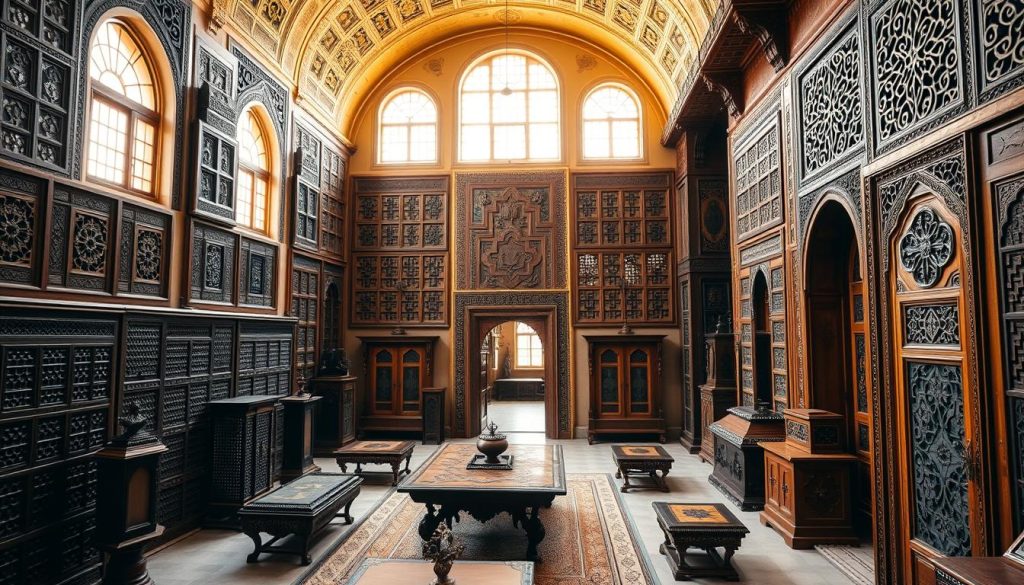
The museum is in a beautifully restored fondouk, Fondouk el-Nejjarine. This historic building shines with its restored beauty. It’s a stunning setting for the museum’s treasures. The design is a true reflection of Moroccan tradition.
Exhibits and Traditional Moroccan Woodworking
Inside, you’ll see amazing exhibits on Moroccan woodworking. There are beautifully carved doors, ceilings, and more. These pieces show the talent of Moroccan craftsmen. They give a glimpse into Morocco’s woodworking history.
The Rooftop Café and Panoramic Views
The museum’s rooftop café is a must-see. It offers breathtaking views of Fes el-Bali. From here, you can see the city’s old buildings and feel the Medina’s energy. It’s a great place to unwind and think about your time in this historic place.
| Exhibit | Description |
|---|---|
| Intricately Carved Doors | Showcasing traditional Moroccan woodworking techniques |
| Wooden Ceilings | Examples of ornate craftsmanship found in Moroccan architecture |
| Traditional Tools | Displays of the tools used by Moroccan artisans |
Exploring the Vibrant Souks of Fes el-Bali
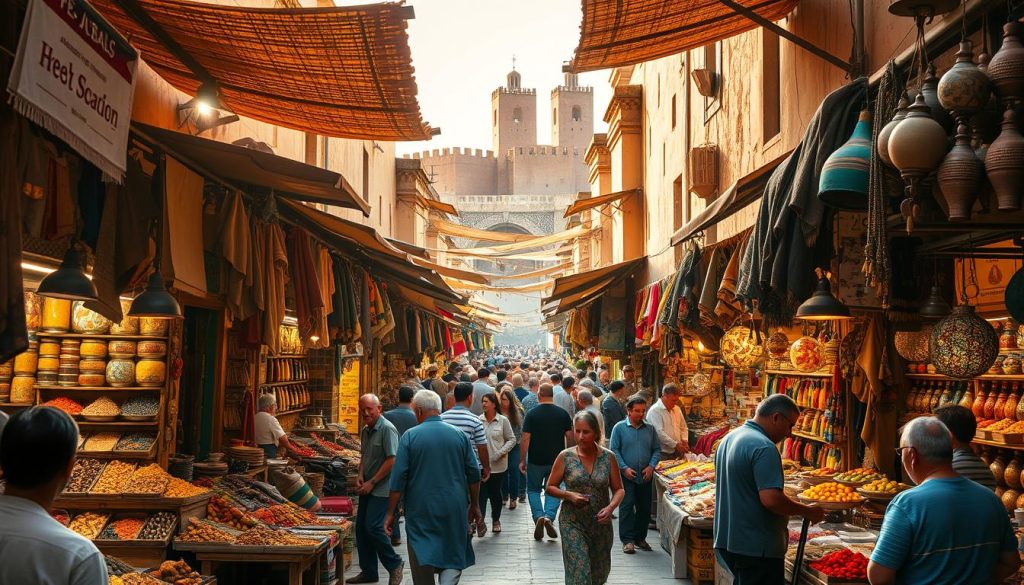
Fes el-Bali’s souks are a shopper’s dream, filled with spices and metalwork. Walking through the streets, you’ll see colors, smells, and hear merchants calling out deals. It’s a world full of life and excitement.
Souk al-Attarine: The Spice and Perfume Market
Souk al-Attarine is a feast for your senses. You’ll see spices, herbs, and perfumes that smell amazing. It’s a place where you can learn about perfume-making that’s been passed down for generations.
Henna Souk and Traditional Crafts
The Henna Souk is a place to see henna art up close. You can find henna designs and traditional crafts made by local artists. It’s a great place to see the talent of Fes el-Bali’s artisans.
Seffarine Square: The Metalworkers’ District
Seffarine Square is where metalworkers show off their skills. You can see door knockers and lanterns made with great care. It’s a place to see the beauty of metalwork.
Shopping Tips and Bargaining Etiquette
Shopping in the souks means knowing how to bargain. First, find out what things cost. Then, be ready to talk price. Being friendly and respectful can help you get a good deal.
| Souk | Specialty | Tips |
|---|---|---|
| Souk al-Attarine | Spices and Perfumes | Be prepared for strong aromas and crowded stalls. |
| Henna Souk | Henna and Traditional Crafts | Look for intricate designs and high-quality henna products. |
| Seffarine Square | Metalwork | Inspect the craftsmanship carefully, as quality can vary. |
Cultural Experiences in Fes el-Bali
Dive into the lively culture of Fes el-Bali. You can try traditional hammams, taste local food, and watch cultural shows. The old medina mixes old traditions with new experiences, making your visit unforgettable.
Traditional Hammams and Moroccan Spa Rituals
Relax in a traditional hammam, a key part of Moroccan culture. These steam baths are calming, followed by a gentle scrub and massage. Hammams in Fes el-Bali for tourists give a peek into local wellness.
Culinary Delights and Food Tours
Try Moroccan food on a guided tour. You’ll visit souks, taste local treats, and learn about traditional dishes. From tasty tagines to sweet pastries, your food adventure in Fes el-Bali will be a trip highlight.
Moroccan Music and Cultural Performances
Discover Morocco’s rich culture through its music and shows. You can see Gnawa music, Andalusian classical, and whirling dervishes in Fes el-Bali. These events show the spiritual and artistic side of the region.
| Cultural Experience | Description | Location |
|---|---|---|
| Traditional Hammam | Relaxing steam bath followed by scrub and massage | Various hammams in Fes el-Bali |
| Food Tours | Guided culinary journey through souks and local eateries | Souks of Fes el-Bali |
| Cultural Performances | Traditional music and dance performances | Various venues in Fes el-Bali |
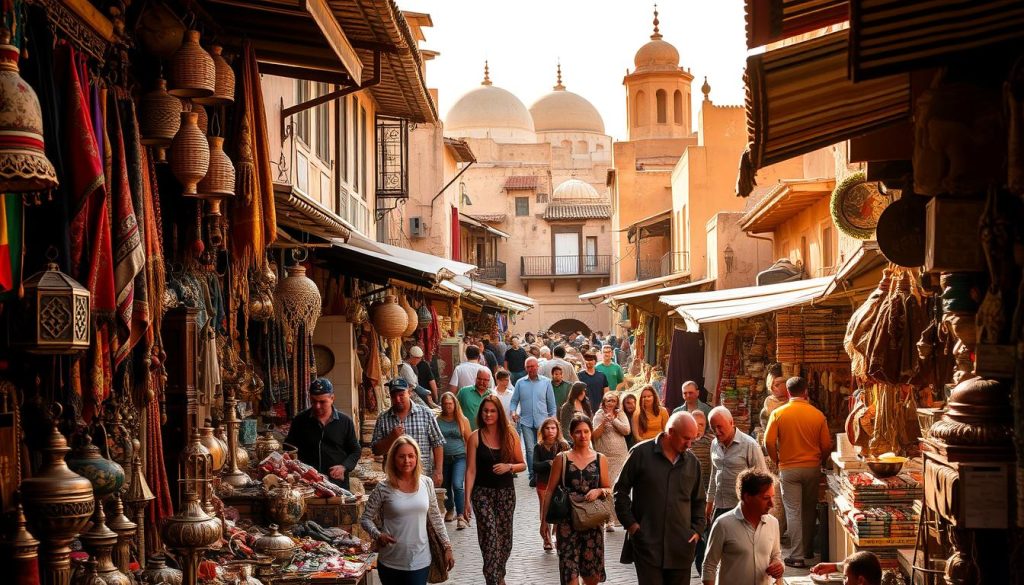
By taking part in these cultural activities, you’ll understand and appreciate Fes el-Bali’s rich heritage more. Whether you’re in a hammam, trying local food, or watching a show, your visit will be memorable and enriching.
Practical Information for Visiting Fes el-Bali
Planning your trip to Fes el-Bali, Morocco’s ancient Old Medina, is exciting. It’s key to know the best times to visit and how to enjoy your trip. Fes el-Bali is filled with historical landmarks and cultural attractions, making it a top spot for travelers in Morocco.
Best Times to Visit and Weather Considerations
The spring (March to May) and autumn (September to November) are the best times to visit Fes el-Bali. The weather is mild and pleasant during these seasons. Summer can be very hot, and winters are cool, with cooler mornings and evenings.
It’s wise to avoid summer if you don’t like the heat.
Guided Tours vs. Independent Exploration
You can explore Fes el-Bali with guided tours or on your own. Guided tours give you deep insights into the history and culture of landmarks. On the other hand, exploring by yourself lets you make your own schedule.
Accommodation Options Within and Near the Medina
Fes el-Bali has many places to stay, from traditional riads to modern hotels. Staying in the Medina gives you a real feel of the place. But, you might find the corridors and stairs narrow.
Hotels outside the Medina offer easier access and more amenities.
Cultural Etiquette and Safety Tips
When in Fes el-Bali, dress modestly and remove your shoes in mosques or riads. Be careful in crowded places and watch your belongings. Haggling is common in markets, so be ready to negotiate with a smile.
Conclusion: The Timeless Appeal of Fes el-Bali
Walking through Fes el-Bali’s ancient streets, you step into a world filled with history, culture, and stunning architecture. Places like the Al-Qarawiyyin Mosque and University, Bou Inania Madrasa, and Chouara Tannery show Morocco’s rich past.
Fes el-Bali’s charm is in its ability to take you back in time. Here, you’ll find traditional crafts, delicious food, and friendly people. Exploring its narrow alleys and bustling markets, you’ll discover the heart of this enchanting city.
Fes el-Bali’s mix of history, culture, and beauty draws visitors from everywhere. It’s a place that will amaze anyone, whether you love history, culture, or just exploring new places. Fes el-Bali is truly unforgettable.