Arequipa Altitude Adjustment: What Travelers Need to Know
Planning a trip to Arequipa? You might wonder how to adjust to the altitude. Arequipa sits at 2,300 meters, and it’s important to acclimate to avoid altitude sickness. This sickness happens when oxygen levels drop by 5-6 percent at high altitudes.
Understanding the risks and taking preventive steps is key. This ensures a safe and enjoyable trip. Knowing how to adjust to the altitude is crucial.
To avoid altitude sickness, learning about prevention is vital. Symptoms usually last 24-48 hours after arriving at high altitude. By taking the right precautions, you can enjoy your trip.
In this article, we’ll cover the importance of adjusting to altitude. We’ll also share tips for a safe and enjoyable visit to Arequipa.
Understanding Arequipa’s Elevation: A Quick Overview
Arequipa is in southern Peru and sits at about 7,660 feet (2,335 meters) above sea level. Travelers need to adjust to this high altitude, as it can cause various symptoms. Compared to other places in Peru, like Cusco and Lake Titicaca, Arequipa’s elevation is a bit lower.
It’s important to know the risks of high altitude in Arequipa. Altitude sickness usually happens at elevations over 8,000 feet (2,500 meters). Arequipa’s height is good for acclimatizing before going to higher places. Here are some elevation comparisons:
- Cusco: 11,155 feet (3,400 meters)
- Lake Titicaca: 12,500 feet (3,810 meters)
- Machu Picchu: 7,970 feet (2,430 meters)
By following Arequipa elevation tips and taking precautions, travelers can have a safe and fun visit. Knowing about Arequipa’s elevation and its effects on the body is key for a comfortable trip.
How Do I Acclimate to the Altitude in Arequipa?
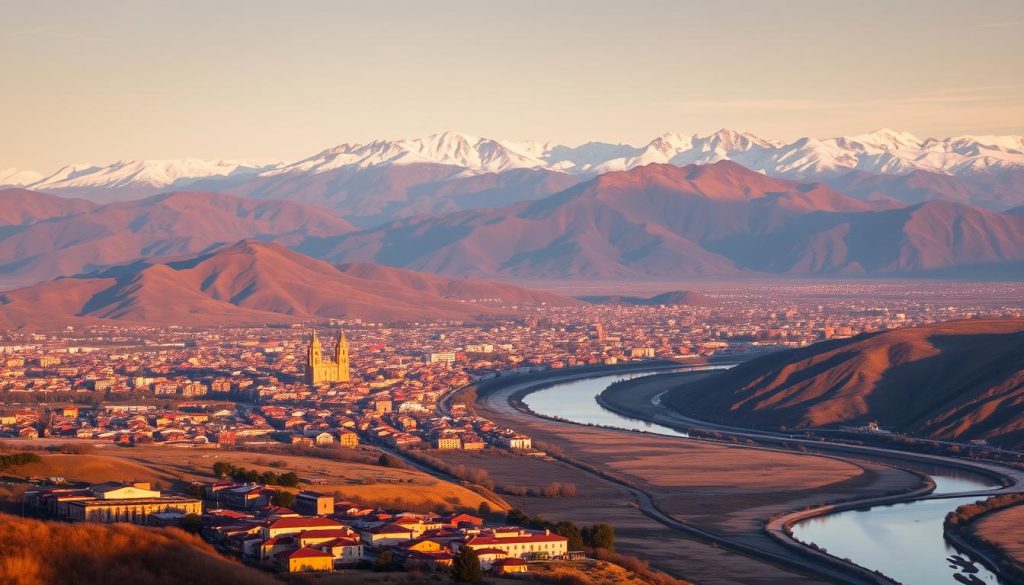
When planning your trip to Arequipa, knowing how to adjust to the high altitude is key. The city sits at 7,600 feet (2,315 meters) above sea level. This can lead to altitude sickness, but you can reduce the risk with the right steps.
To adjust, climb up slowly. This lets your body get used to the higher elevation. Drinking lots of water is also important. Dehydration can make altitude sickness worse.
Knowing what to do for altitude sickness is crucial. Drinking water, avoiding hard work, and taking Diamox if a doctor says so can help. Listen to your body and rest when you need to. This way, you can enjoy Arequipa without health issues.
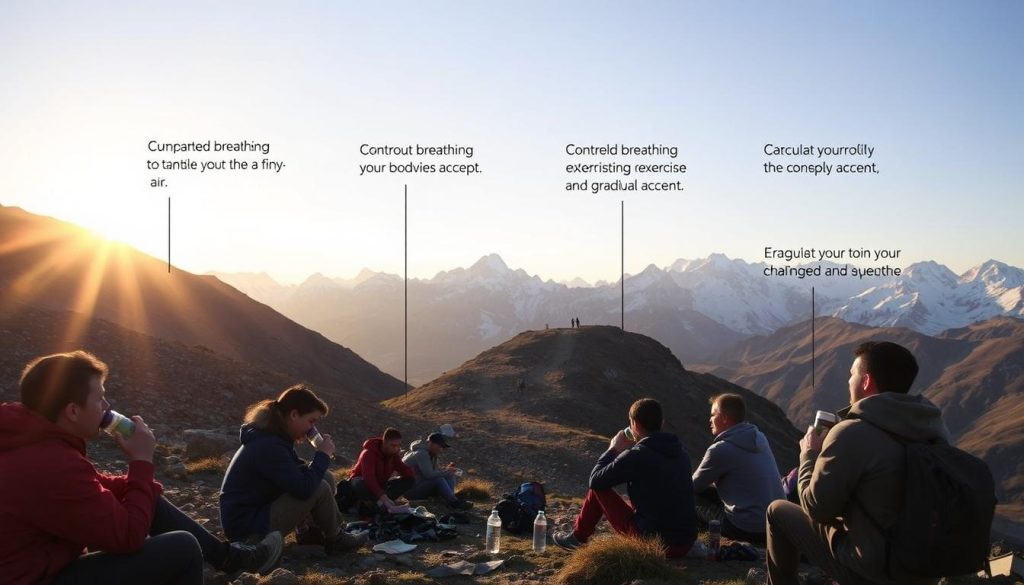
Remember to eat small, easy-to-digest meals and avoid fizzy and caffeinated drinks. Get enough sleep too. Talking to a doctor before going to high places is smart, even more so if you have health issues. With these steps, your trip to Arequipa can be safe and fun.
Essential Pre-Trip Preparations for High Altitude
Before you head to places like Arequipa, it’s important to prepare. Altitude sickness prevention is a must. Start by talking to a doctor, if you have health issues. They can suggest medicines and supplements to help with altitude sickness.
To get used to high altitudes, learn about the risks and take steps to stay safe. Tips for altitude adjustment include going up slowly, drinking lots of water, and not doing too much. It’s also good to rest for 2-3 days before trekking.
- Avoiding alcohol and caffeine, which can make symptoms worse
- Eating small meals often to aid digestion
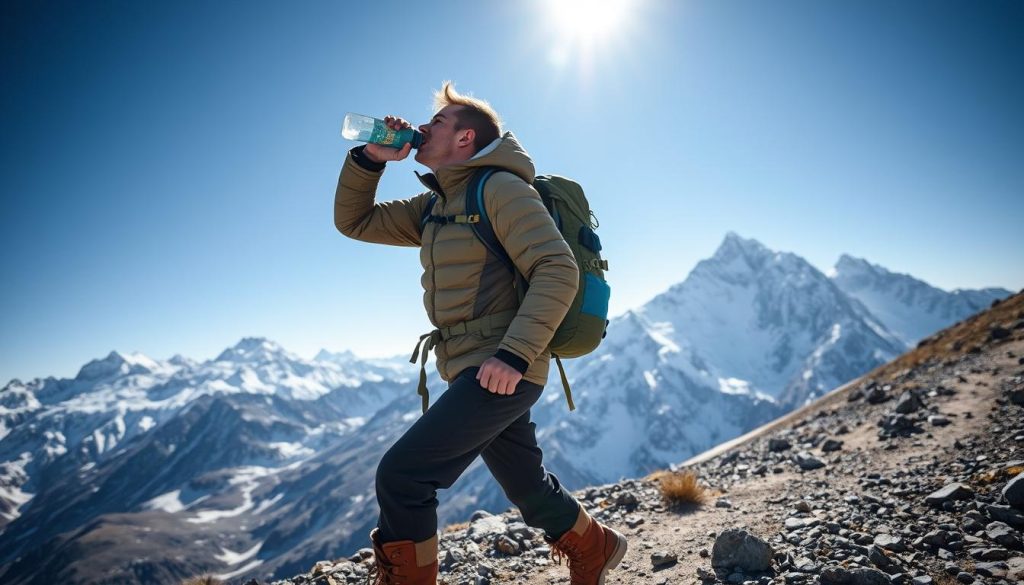
- Drinking plenty of water to stay hydrated
- Not pushing yourself too hard and resting often
By following these tips for altitude adjustment and being careful, you can lower the risk of altitude sickness. This way, your trip to places like Arequipa will be safe and fun.
Your First Days in Arequipa: Best Practices
When you arrive in Arequipa, it’s key to adjust smoothly to the high altitude. Coping with high altitude in Arequipa means planning and listening to your body. Drink lots of water and avoid hard work, at least for the first days.
Eating right is also vital for staying healthy at high altitude. Choose nutritious meals and skip heavy foods. Rest well, as tiredness can make altitude sickness worse. Take breaks to rest and recharge.
Here are some tips to adjust to Arequipa’s high altitude:
- Take it easy and avoid excessive physical activity
- Stay hydrated by drinking plenty of water
- Avoid heavy meals and opt for nutritious, easy-to-digest foods
- Get enough rest and take breaks during the day
By following these tips, you can adjust to Arequipa’s high altitude safely. Listen to your body and go at your own pace. With care, you’ll have a great and safe visit to this beautiful city.
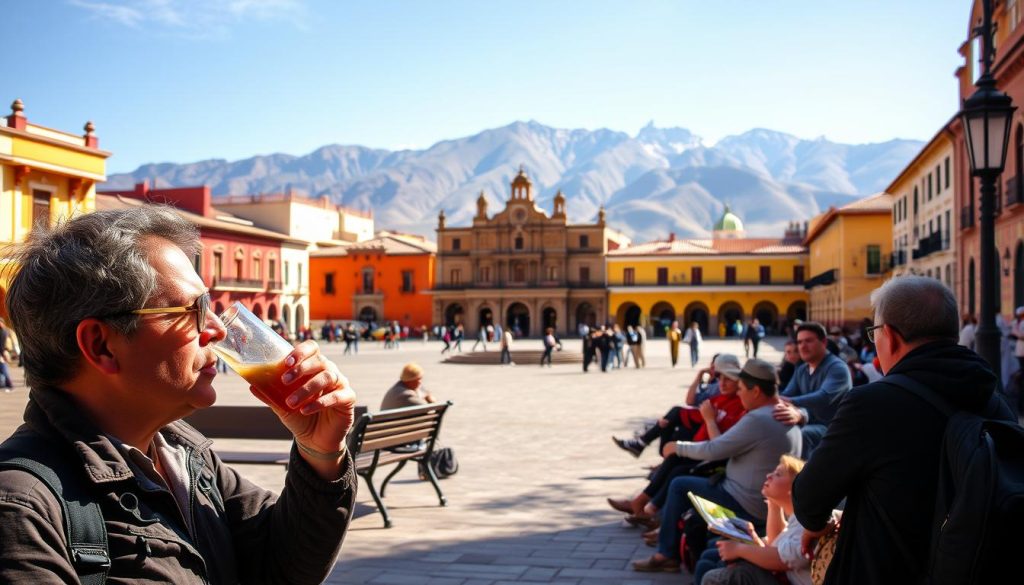
Recognizing Altitude Sickness Symptoms
When you go up to higher places, knowing the signs of altitude sickness is key. You might feel headaches, tiredness, and nausea. These can be helped with altitude sickness remedies and breathing techniques for high altitude. But, it’s important to know the difference between mild and serious symptoms for your safety.
Severe symptoms include confusion, trouble breathing, and chest pain. If you see these, get medical help right away. Learning breathing techniques for high altitude can lower your risk of getting sick. Deep breathing can boost oxygen in your blood, helping prevent altitude sickness.

- Mild symptoms:
- Headaches
- Fatigue
- Nausea
- Severe symptoms:
- Confusion
- Difficulty breathing
- Chest pain
Always be careful with altitude sickness. If you feel any symptoms, get medical help. Knowing the signs and taking steps to prevent them can make your trip to high places safe and fun.
Natural Remedies for Altitude Adjustment
When you go up to higher places, your body might need some extra help to adjust. Luckily, there are many natural ways to help your body get used to the altitude. One of the best ways is to drink coca tea. It’s been used by people in the Andes for a long time to help with altitude sickness.
It’s very important to drink lots of water to help your body adjust to the higher elevation. Taking vitamins like C and iron can also help boost your immune system. This can lower the chance of getting altitude sickness. Also, try to avoid doing too much and get plenty of rest to let your body adjust.
Other natural ways to help with altitude adjustment include:
- Deep breathing exercises to increase oxygen levels
- Eating foods rich in antioxidants to fight inflammation
- Getting lots of sleep to help your body recover from the stress of high altitude
By using these natural remedies, you can lower your risk of altitude sickness. This makes your trip more comfortable and enjoyable. 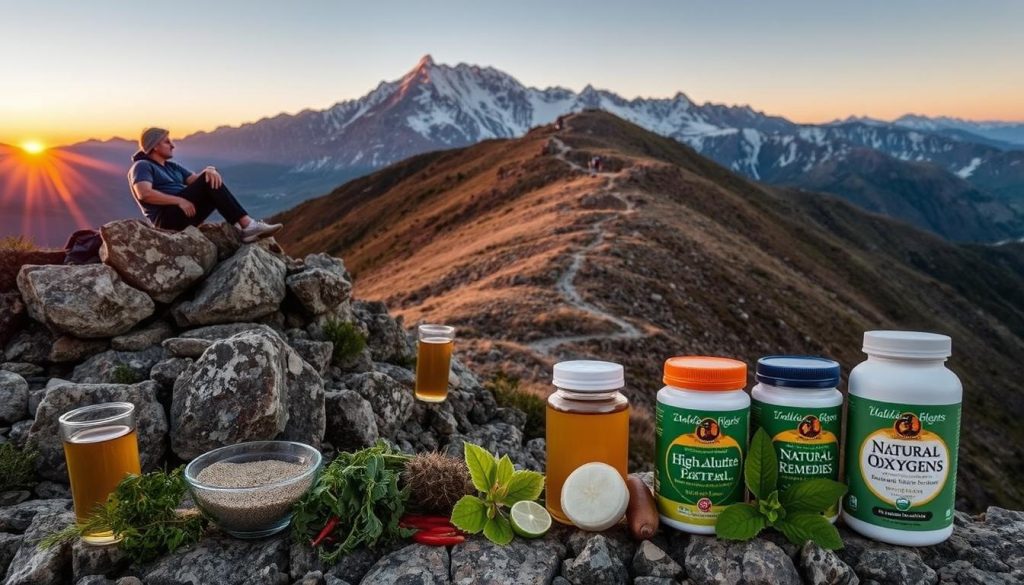
Dietary Recommendations for High Altitude
Traveling to high-altitude places means you need to watch what you eat. The right foods help your body adjust to the elevation. This can lower the chance of getting altitude sickness. Include foods like bread, pasta, and fruits in your meals.
A balanced diet gives your body the energy it needs at high altitudes. To adjust to the altitude, drink lots of water and eat light meals. Choose soups, rice, and potatoes over heavy foods. Fatty foods are hard to digest at high elevations.
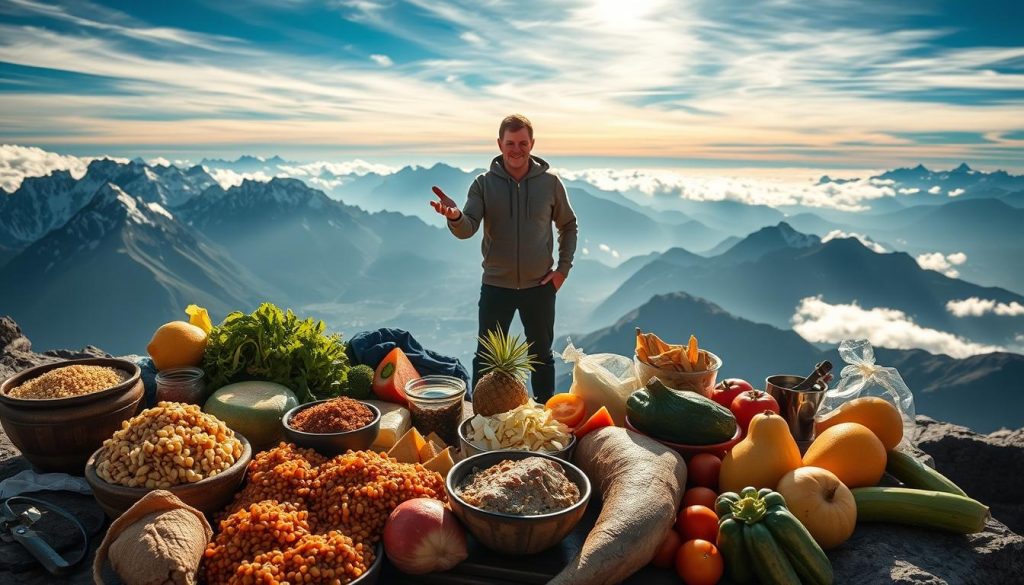
- Eat smaller, more frequent meals to ease digestion
- Choose foods high in protein, like lean meats and fish, to aid in acclimatization
- Avoid caffeinated drinks and alcohol to prevent dehydration
By following these tips, you can lower your risk of altitude sickness. This makes your trip to high-altitude places more enjoyable. And it helps you stay healthy at high altitudes.
Physical Activities: What’s Safe and What’s Not
When coping with high altitude in Arequipa, knowing what physical activities are safe is key. Avoiding hard activities, like hiking, for the first few days is best. This helps prevent altitude sickness and lets your body get used to the thinner air.
Some activities, like hiking, can be okay if you’re careful. Drinking lots of water and not pushing too hard is important. Learning altitude acclimatization strategies helps make sure your activities are safe and fun. For instance, doing light exercises at lower altitudes before your trip helps your body adjust.
Here are some tips to keep in mind:
- Rest well in the first days at high altitudes to let your body adjust.
- Drink lots of water and limit caffeine and alcohol to stay hydrated.
- Don’t do too much, like hiking, in the first days to avoid altitude sickness.
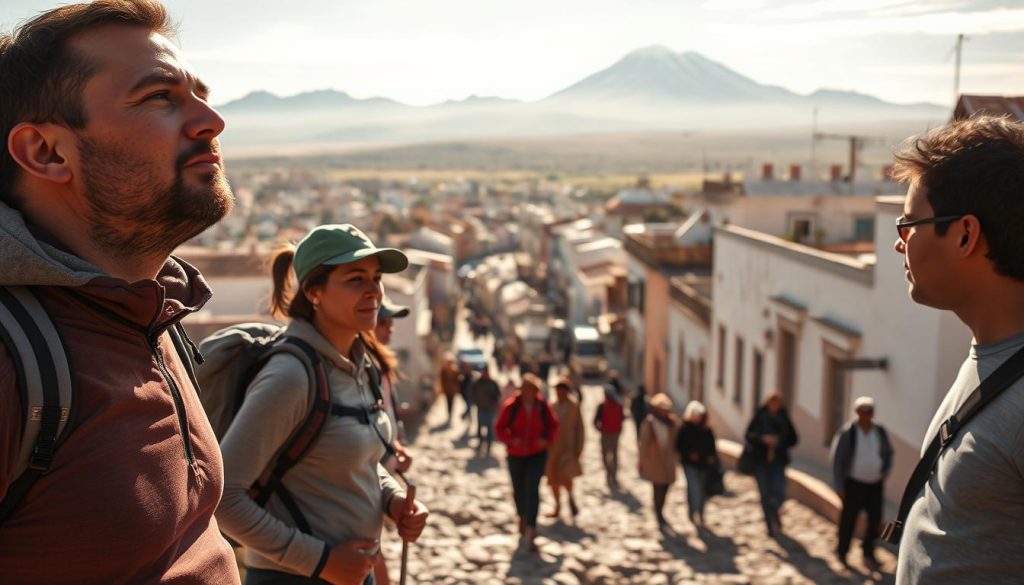
By following these tips and learning altitude acclimatization strategies, you can have fun while coping with high altitude in Arequipa. Enjoy your trip to the fullest.
Conclusion: Making Your Arequipa Visit Comfortable and Safe
Your trip to Arequipa can be both safe and fun if you’re careful. By following the advice in this article, you can lower your risk of altitude sickness. Stay well-hydrated, avoid hard work, and rest enough.
Also, knowing how to adjust to high altitudes and taking steps to prevent sickness can make your trip better. With the right planning, you’ll enjoy Arequipa’s beauty and culture fully.