Tips to Prevent Altitude Sickness in Cusco
Planning a trip to Cusco? You might wonder how to avoid altitude sickness. Cusco sits at 11,152 feet above sea level. This can cause altitude sickness in some travelers. It’s important to know how to prevent it for a safe and fun trip.
By taking the right steps and following travel tips, you can lower your risk of altitude sickness. This way, you can enjoy your time in Cusco to the fullest.
Altitude sickness is a big worry for travelers, but it can be prevented. You can prevent it by gradually getting used to the altitude, staying hydrated, and avoiding too much activity. Learning about prevention and travel tips will help you have a great trip to Cusco.
Understanding Altitude Sickness in Cusco
Before you visit Cusco, it’s key to know about altitude sickness, or “soroche.” This city sits at 3,400 meters above sea level. It’s one of the highest cities people live in. The air pressure is lower, and there’s less oxygen, leading to symptoms.
When heading to Cusco, think about Cusco altitude sickness remedies and acclimatization strategies. These help make your trip safe and fun. To stay healthy, plan carefully. This includes gradual getting used to the altitude, drinking lots of water, and resting well.
Common signs of altitude sickness are:
- Headache
- Nausea
- Extreme fatigue
- Difficulty sleeping
- Loss of appetite
- Dizziness
- Light-headedness
- Difficulty breathing
Knowing these symptoms helps you prevent altitude sickness.
Understanding altitude sickness lets you stay healthy in Cusco. Drink lots of water, eat light, and avoid hard activities early on. This way, you can fully enjoy your time there.
When to Start Preparing for High Altitude
When planning your trip to Cusco, think about altitude sickness. Start getting ready a day or two before you arrive. This helps your body adjust to the high elevation and lowers the risk of sickness.
Drinking lots of water is key to adapting to high altitudes. Try to drink 3 to 4 liters a day. Also, rest well and avoid hard activities. If you feel sick, like headaches or nausea, use altitude sickness medicine to feel better.
Know the risks of altitude sickness, even more if you have health issues. People with heart or lung problems should be extra careful. By being cautious and informed, you can avoid sickness and have a great time in Cusco.

Watch how your body reacts to the high altitude. If you have severe symptoms, get medical help. With the right steps, you can have a safe and fun trip to Cusco.
Essential Pre-Trip Medical Considerations
Before you head to Cusco, think about your health. It’s important to prevent altitude sickness in Peru. Talk to your doctor about your health and any conditions you have. They can help you stay safe.
Share your medical history with your doctor. They can suggest health checks and give advice on avoiding altitude sickness. This way, you can have a safe and fun trip to Cusco.
When getting ready for high altitude, consider your health, any conditions you have, and how active you are. Knowing these things helps you avoid altitude sickness. Always follow health advice for Cusco and take steps to prevent altitude sickness. This will make your trip memorable and safe.
How Do I Avoid Altitude Sickness in Cusco?
To avoid altitude sickness in Cusco, it’s key to know the causes and symptoms. Prevention involves preparation, awareness, and caution. Cusco, at 3,400 meters, requires careful steps to prevent altitude sickness.
Gradual acclimatization is a top way to prevent altitude sickness. Start by spending a few days at lower altitudes, like the Sacred Valley at 2,900 meters. Stay hydrated with 2 to 3 liters of water daily and avoid hard activities.
There are products like Sorojchi Pills and Oxishot, an oxygen supplement, to help with symptoms. By taking these steps and knowing the symptoms, you can lower your risk. This way, you can enjoy your trip to Cusco without altitude sickness.
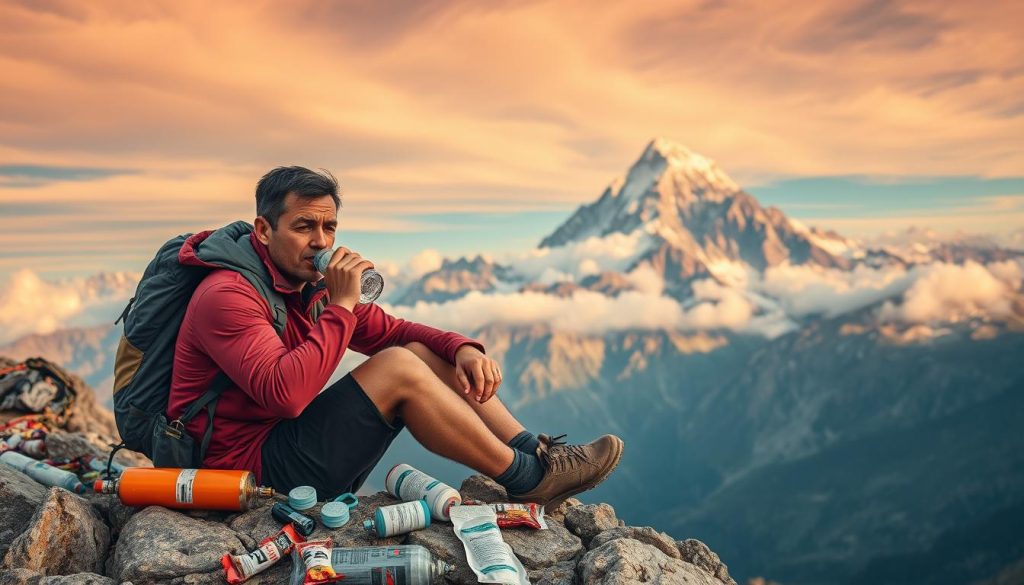
- Walking high, but sleeping low, to allow your body to acclimatize to the higher elevation
- Avoiding alcohol and caffeine, which can exacerbate dehydration
- Eating a balanced diet, rich in complex carbohydrates, protein, and healthy fats
Follow these tips and precautions to lower your risk of altitude sickness in Cusco. This will help you have a safe and fun trip.
Natural Remedies and Local Solutions
Traveling to high-altitude places requires careful planning to avoid altitude sickness. Using natural remedies and local solutions is a great way to prevent it. For example, coca tea has been used for centuries to help with altitude sickness symptoms.
Other natural remedies can also help with tips for high altitude travel. Techniques like deep breathing exercises can boost oxygen levels in your body. This can lower the risk of getting altitude sickness.
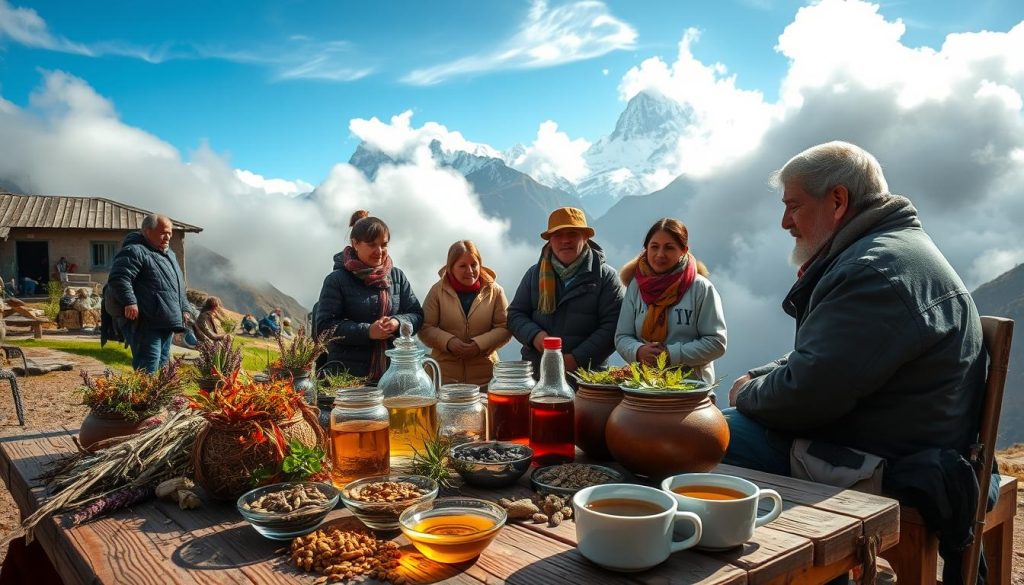
Local herbs and supplements, like those in the Andean region, are also effective. They help increase oxygen levels in your body. By adding these natural remedies and local solutions to your travel plans, you can enjoy your high-altitude trips safely.
Some popular natural remedies for altitude sickness include:
- Coca tea
- Breathing techniques
- Local herbs and supplements
These remedies work well with other altitude sickness prevention methods. This includes gradual ascent and staying hydrated. By being proactive with tips for high altitude travel, you can have a safe and fun trip.
Acclimatization Strategies for Your First Days
Traveling to high altitudes requires careful planning to avoid altitude sickness. Cusco, at 3,399 meters, is a great example of this. It’s important to gradually adjust to the lower oxygen levels to stay healthy.
Ascending slowly is key to acclimatization. The UIAA suggests not going up more than 500 meters a day after 3,000 meters. Also, take a day off every 3 to 4 days to rest and adapt.
Here are some tips for staying healthy at high altitudes:
- Drink at least 4 to 5 liters of water daily to prevent dehydration
- Avoid strenuous activities during the first few days
- Eat a diet rich in carbohydrates, fruits, and vegetables
By following these strategies and precautions, you can reduce the risk of altitude sickness. Listen to your body and take it slow, mainly in the first few days.
Physical Activities to Avoid and Embrace
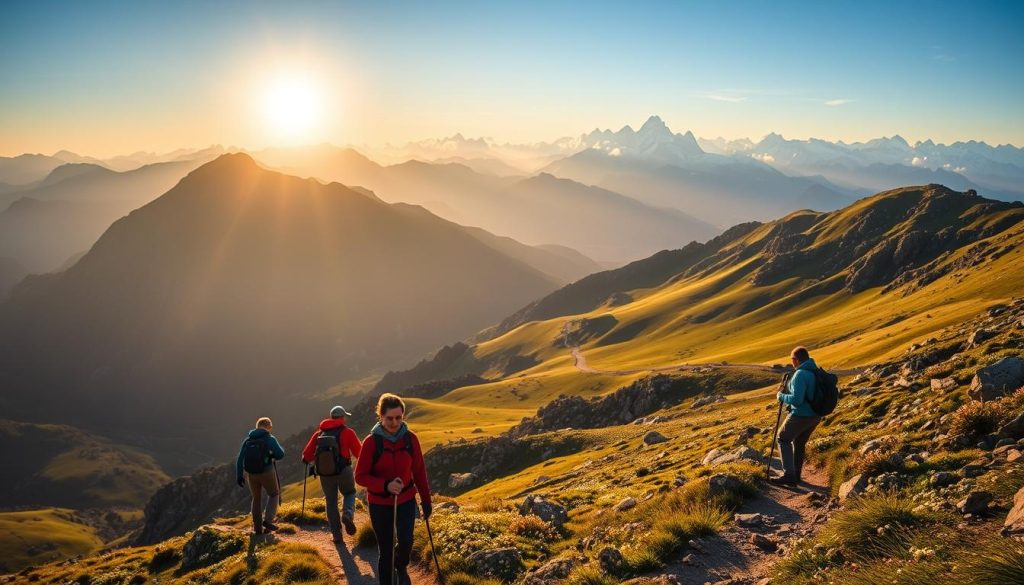
Traveling to high-altitude places like Cusco requires careful planning. You need to know which physical activities to avoid and which to do during acclimatization. As you go up in elevation, your body might feel altitude sickness symptoms like headaches, nausea, and tiredness. It’s important to avoid hard activities in the first days to lessen these symptoms.
Walking and yoga are good exercises to help with altitude sickness symptoms. They help your body adjust to the high altitude. But, it’s key to listen to your body and not do too much. If altitude sickness symptoms get bad, see a doctor and think about taking altitude sickness medication like acetazolamide.
- Light walking tours
- Yoga and stretching exercises
- Mild hiking with gradual inclines
Always drink lots of water and don’t overdo it. This will help you have a great time in Cusco.
Diet and Hydration Tips for High Altitude
Traveling to Cusco means you need to follow Cusco travel health advice to avoid altitude sickness. Drinking lots of water is key. Try to drink 2-3 liters a day. Check your urine color; it should be light to show you’re drinking enough.
Eating right is also important. A diet with complex carbs, protein, and healthy fats helps. Preventing altitude sickness in Peru means eating foods that help your body adjust. Foods like bananas, avocados, spinach, and lentils are good for oxygen and minerals.
Here are some more tips:
- Limit or avoid alcohol and caffeine during the first days of acclimatization
- Consume lean proteins like chicken, fish, or legumes in moderation
- Avoid heavy, greasy foods that can cause discomfort

By following these tips, you can lower your risk of altitude sickness. Enjoy your time in Cusco while keeping your health in mind. Always take care of yourself when traveling to high places.
Emergency Response: When to Seek Medical Help
It’s key to know the signs of altitude sickness symptoms to get help fast. Severe headaches, nausea, or feeling very tired mean you need to see a doctor right away. At high places, the body can’t adjust quickly, which can be dangerous.
Knowing where to go for medical help in Cusco is important. The city has many hospitals and clinics ready to treat altitude sickness medication and other high-altitude illnesses. Some top places include the Cusco Hospital and the Clinica San Jose.
Here are some warning signs and symptoms that need immediate medical attention:
- Severe headaches or migraines
- Nausea or vomiting
- Fatigue or weakness
- Shortness of breath or difficulty breathing
- Chest pain or tightness
Altitude sickness symptoms can get worse if not treated. If you have these symptoms, go down to a lower place and get medical help fast. Doctors might give you altitude sickness medication to help and prevent more problems.

When traveling to high places, it’s best to be careful. If you’re not sure about your symptoms or what to do, get medical help. With the right treatment and care, you can have a great time in Cusco and avoid altitude sickness symptoms.
Medication Options and Considerations
Medication can help with Cusco altitude sickness. But, always talk to a doctor before taking any. Also, strategies like gradual ascent and rest days can help.
Prescription drugs like acetazolamide can ease symptoms. Make sure to take the right dose and talk to a doctor first. Over-the-counter drugs, like pain relievers and anti-nausea, can also help manage symptoms.
Remember, medication is not a replacement for acclimatization. Using both can help prevent and treat altitude sickness. Drinking plenty of water and avoiding hard activities also helps.
When to start taking medication is key. Start 24 hours before going to high altitude. This can help prevent symptoms and make your trip to Cusco safe and fun.
Some important things to consider about medication include:
- Always talk to a healthcare provider before taking any medication
- Follow the recommended dosage and instructions
- Use medication with acclimatization strategies, like gradual ascent and rest days
- Stay hydrated and avoid hard activities
Understanding medication options for Cusco altitude sickness can make your trip safe and enjoyable. Always prioritize acclimatization strategies and talk to a healthcare provider before taking any medication.
Conclusion: Enjoying Cusco While Staying Healthy
When you visit Cusco, a city high up at 11,155 feet, your health is key. Knowing how to avoid altitude sickness lets you enjoy the city’s culture, history, and beauty. It’s all about being smart and prepared.
Pay attention to how your body feels at high altitudes. Take it easy at first and let your body adjust. Drink plenty of water and listen to what your body tells you. With the right steps, you can explore Cusco safely and make unforgettable memories.