Top 10 Must-See Peru Destinations for Travelers
Have you ever wondered about Peru’s travel spots that are breathtaking and full of culture?
Start a journey through Peru’s diverse beauty. See Machu Picchu, found by Hiram Bingham in 1911, that draws 1.5 million people every year. Visit Lima, a top food spot. Peru has ancient ruins, top-notch food, and stunning nature to explore.
Experience Lake Titicaca’s high wonders, Colca Canyon’s depth, and the vast Nazca Lines. Peru’s Amazon is home to rare wildlife, like pink dolphins and jaguars.
Visit Cusco, 3,300 meters high, essential for those going to Inca sites. See the Sacred Valley’s crafts and workshops.
Get ready to dive into Peru’s best places and find what makes each special.
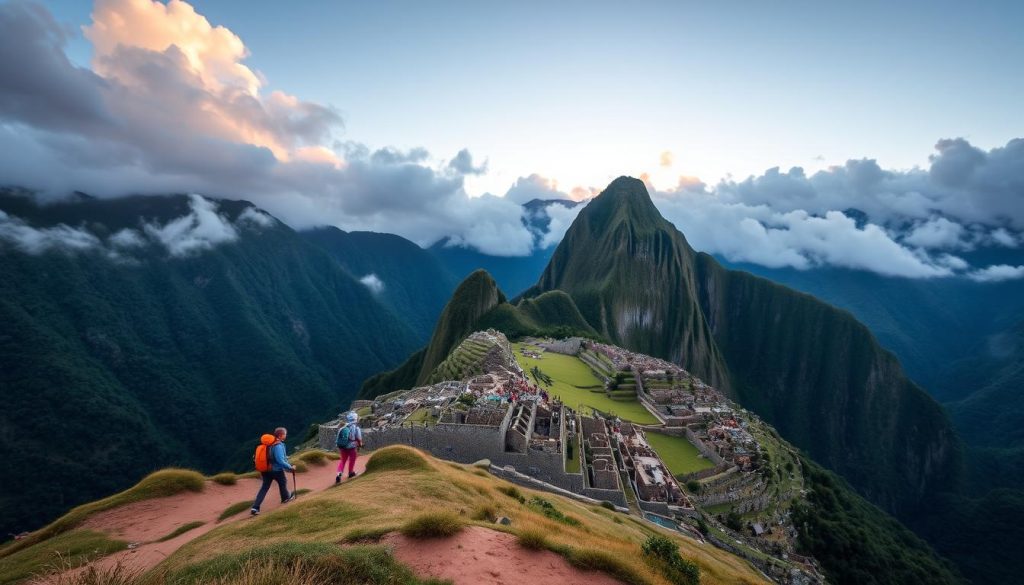
Discover Machu Picchu: The Iconic Inca Citadel
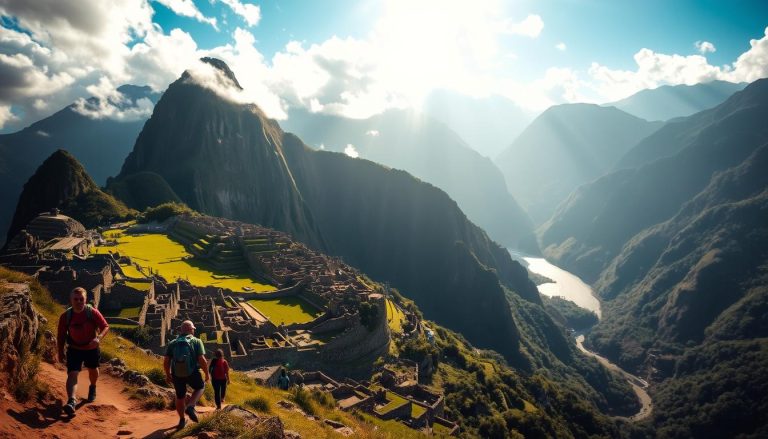
Machu Picchu has been a UNESCO World Heritage Site since 1983. It’s also one of the New Seven Wonders of the World. The Incan civilization created this amazing site, nestled in the Andes Mountains. We’ll look into its history, the best trekking times, and how to get there.
Historical Significance of Machu Picchu
It was built between 1450 and 1550, at the peak of the Inca Empire. American explorer Hiram Bingham discovered it in 1911. The site has two main parts: the agricultural area with terraced fields and the urban zone with temples and homes. The incredible stonework, like in the Temple of the Sun, shows the Inca’s skill in astronomy and architecture.
Best Time to Visit Machu Picchu
The dry season, from May to October, is the best time for trekking Machu Picchu. This period offers less rain, clear skies, and stunning views. If visiting, book early, especially for the Inca Trail. It has a limit of 500 hikers a day during busy times.
How to Get to Machu Picchu
You can get to Machu Picchu in a few ways. A popular option is to take a scenic train from Cusco or Ollantaytambo to Aguas Calientes. This is the starting point for Machu Picchu. A short bus trip will then take you to the site. For those who love adventure, hiking the Inca Trail is an amazing challenge. It’s an unforgettable journey with beautiful views and ancient paths.
Explore the Ancient City of Caral
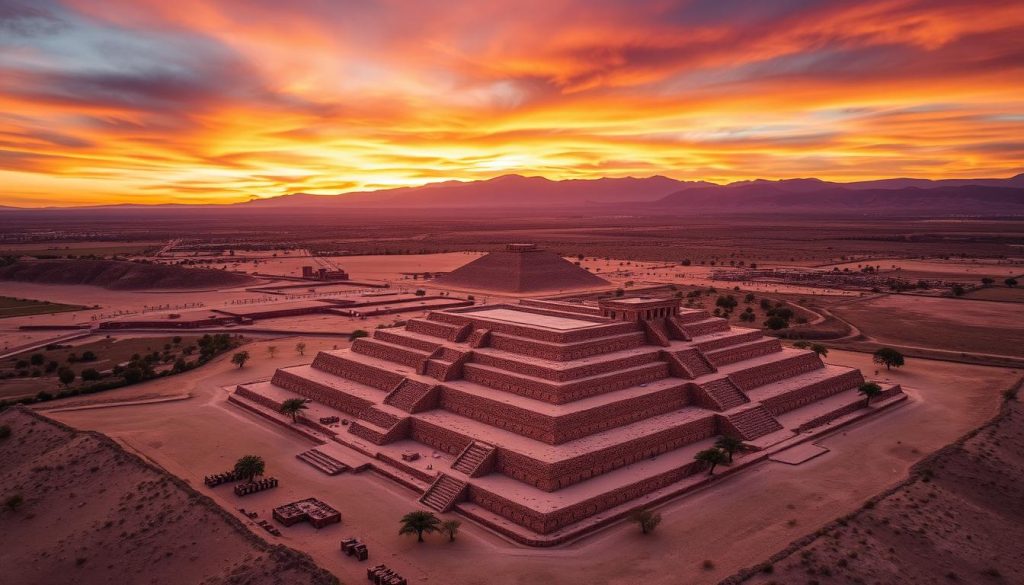
Located about 200 km north of Lima, Caral is a marvel of ancient intelligence. Recognized as the oldest city in the Americas, it shows us how a society thrived 5,000 years ago. As a UNESCO World Heritage Site, Caral mirrors the sophisticated city design and farming used by the Norte Chico civilization.
History and Importance
Seen as a key archaeological find, Caral has a rich history dating from the 30th to the 18th century B.C. It came about 1,000 years after Sumer, making it nearly 2,000 years older than the Olmecs. Caral was a major urban hub, with its layout divided into a central and peripheral zone across 66 hectares.
In the central zone, there are 32 public buildings and homes, showing advanced city planning. The top part, Caral Alto, houses seven large buildings, two ceremonial plazas, and homes for important people. The lower part, Caral Bajo, includes smaller sites like the Amphitheater and the Circular Altar.
- Seven monumental buildings in Caral Alto
- Two sunken circular plazas
- Architectural complex of the Amphitheater
- Circular Altar
Below is a comparison of ancient sites in Peru:
| Site | Location | Period | Population/Visitors |
|---|---|---|---|
| Caral | Supe Valley | 30th to 18th century B.C. | 833,650 visitors (Jan 2003 – Jun 2021) |
| Chan Chan | Trujillo | 850 AD | 50,000 (peak population) |
| Machu Picchu | Urubamba Valley | 15th century | NA |
The oldest city in the Americas draws those intrigued by how cities evolved. Caral flourished for 500 to 1,000 years without using weapons or waging wars. This peaceful period ended around 1800 B.C., likely because of earthquakes and El Niño.
Visiting Caral is like travelling back to the beginnings of civilization in the Western Hemisphere. It’s a deep dive into ancient life.
Kuélap: The Fortress in the Clouds
The Kuélap fortress is a massive stone marvel built by the Chachapoyas culture, known as the Cloud Warriors. It is high in northern Peru’s mountains, standing at 3,040 meters. This fortress gives us beautiful views and a peek into the past. It was built before the Incas, showing a sophisticated society lived here around the sixth century.
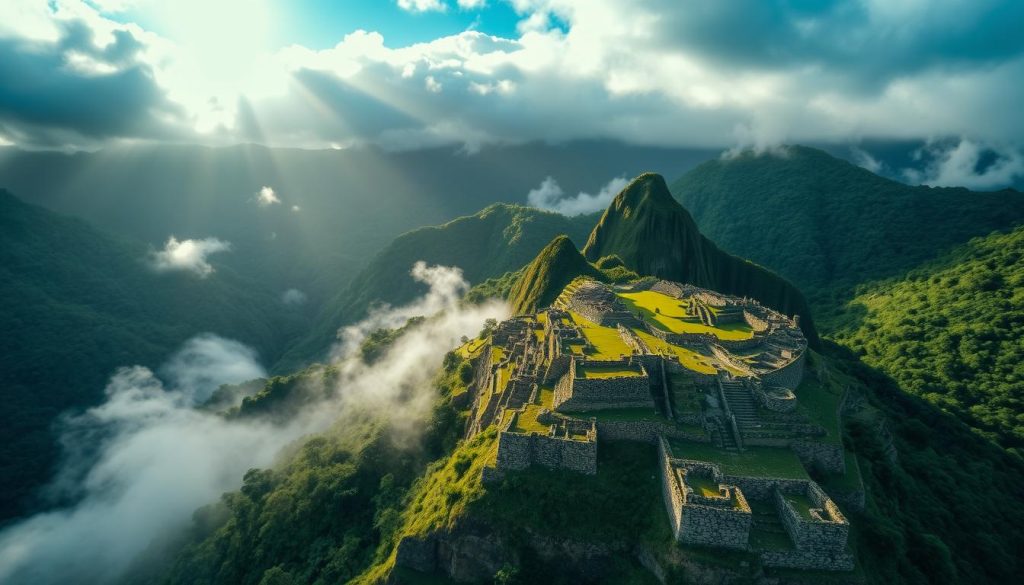
The outer walls of Kuélap are up to 19 meters high. They enclose a large area that was home to over 5,000 people. Inside the walls, there are round buildings and over 2,500 stone objects. These were likely used by the Chachapoyas to make it rain. Construction mostly happened between 900 and 1100 CE, a testament to their engineering skill.
Now, there’s a cable car to get to Kuélap. It takes 20 minutes, making the trip much easier than the old 90-minute to four-hour travel by minibus or on foot. Here’s how you can visit:
| Travel Method | Duration | Details |
|---|---|---|
| Cable Car | 20 minutes | Spans 4,400 meters, 20 minutes each way |
| Minibus/Hiking | 90 minutes to 4 hours | Depends on your fitness and the path you take |
In the busy months of June and July, up to 1,800 people a day visit Kuélap. To avoid crowds, it’s better to go at other times of the year. This makes your visit quieter and protects the site.
The best time for a visit is from May to September when it’s dry. However, from October to April, it rains a lot, making the trip harder. So, planning your visit well is key to enjoying this amazing place. You’ll get to see the history of the Cloud Warriors and the Chachapoyas culture up close.
Experience the Sacred Valley
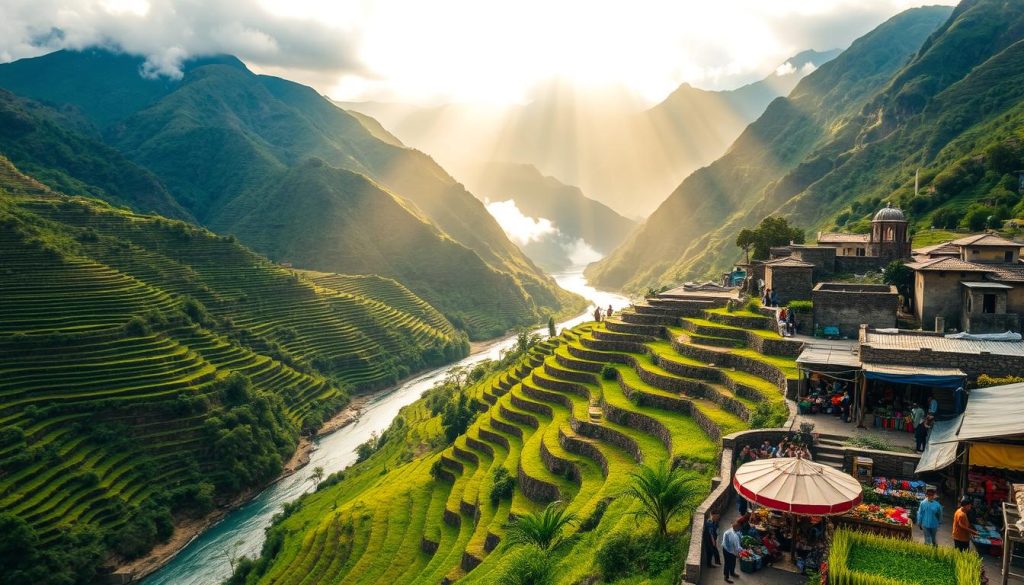
The Sacred Valley of Peru is a place full of history and beauty. It was at the heart of the Inca Empire. Today, it’s known for its rich cultural traditions and amazing landscapes. The area stretches between Pisac and Ollantaytambo, offering a wide range of activities for everyone.
Main Attractions in the Sacred Valley
When you go on Sacred Valley tours, you’ll find lots of important archaeological sites. A highlight is the Ollantaytambo fortress, famous for its huge stone terraces. Pisac is another must-see site, sitting 3,500 meters above sea level. You can see these places with a boleto turistico del Cusco. Prices for the ticket range from S/70 ($18 USD) to S/130 ($34 USD).
Local Handicrafts and Markets
The Sacred Valley’s markets are filled with Andean culture and crafts. The Pisac market, open on Sundays and Thursdays, offers textiles, pottery, and unique items. It’s a lively spot for those interested in local culture. Chinchero’s Sunday market is also great for artisan goods and handwoven textiles.
Outdoor Activities in the Sacred Valley
Adventure lovers will find their paradise in the Sacred Valley. You can tackle Class 3 and 4 rapids on the Urubamba River or enjoy a quiet hike from Chinchero to Urquillos. Horseback rides and kayak trips on Lago Piuray are other great outdoor activities. They offer a different way to see this beautiful area.
- The Sacred Valley receives over 1 million tourists annually
- Occupies an elevation range from 6,730 ft (2,050 m) to 9,800 ft (3,000 m)
- Dry season spans from April to October
- Population of approximately 65,000
The Sacred Valley is perfect for exploring ancient sites, shopping for unique items, or having outdoor adventures. Plan your trip during June to August for the best weather and cultural experiences.
Huaraz: The Mountaineering Capital
Huaraz, Peru, sits high at 3,052 meters. It’s called the mountaineering capital. It’s perfect for those who love climbing high mountains and exploring beautiful landscapes in the Cordillera Blanca. This place is known for its stunning views and tough hikes. It’s a paradise for trekking fans.
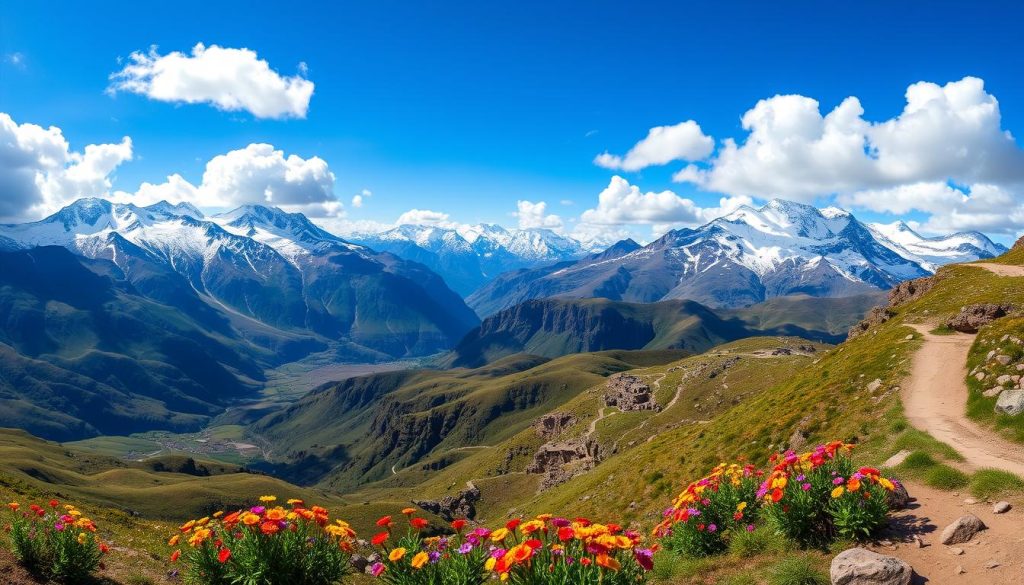
The Cordillera Blanca is home to over 700 glaciers. It also has 27 mountains that are taller than 6,000 meters. The standout is Huascarán, which rises to 6,768 meters. Huascarán is in the Huascarán National Park. This park is huge, covering 340,000 hectares. It has many different plants and animals.
If you prefer shorter hikes, try Laguna 69. It starts at 4,500 meters and ends at 4,600 meters. It takes about three hours to reach a beautiful lake. Laguna Churup is another great choice. It’s 4,450 meters high. The views at the top are incredible, but it’s a tough climb.
Huaraz isn’t just about mountains. There’s plenty of culture too. Near Huaraz is Chavín de Huantar. It’s at 3,100 meters. The site tells stories from the past. A visit to the Ancash Archaeological Museum is also a must. It’s cheap, costing only 5 soles. You’ll learn a lot about Peru’s history.
If you love long hikes, try the Santa Cruz Trek. It lasts four days and three nights. Or enjoy Querococha Lagoon. It’s 3,980 meters high. Huaraz is about 400 km north of Lima. It’s easy to get there, with a bus ride of 8-9 hours. It’s an amazing place for an adventure.
The weather is perfect for hiking from April to September. Daytime temperatures are mild, between 21 to 24ºC. At night, it cools down to 7 to 10ºC. Remember to acclimate to the high altitude. Then, you can fully enjoy the fantastic views and trails in Huascarán National Park and the surrounding area.
10 Best Places to Visit in Peru
Peru is a country full of wonders. It offers a mix of vibrant cities and peaceful natural scenes. Each place has something special, making sure every visitor finds their favorite spot. These are the top places you shouldn’t miss in Peru.
Cusco: The Historic Heart of Peru
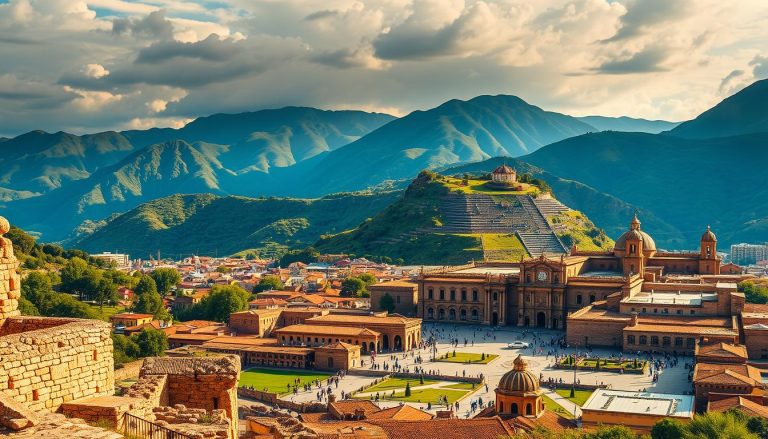
Cusco is where you’ll feel the ancient Inca vibes meet modern life. Sitting high in the Andes, it was once the heart of the Inca Empire. Now, it’s filled with old Inca relics and Spanish colonial buildings.
- Historic Center: A UNESCO World Heritage site, it’s a mix of ancient streets, colonial architecture, and ruins.
- Sacsayhuamán: An imposing fortress with amazing views and rich history.
- San Pedro Market: A lively spot to dive into local culture and try new foods and crafts.
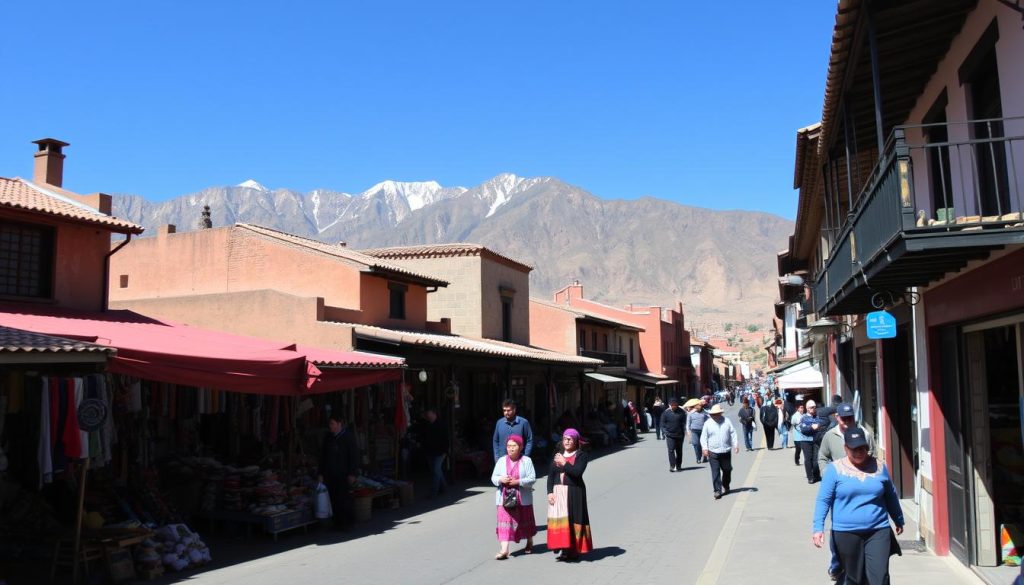
Stay in Cusco for 2-3 days to get used to the altitude and explore its wonders. It’s also a starting point to see more amazing sites in Peru.
Lake Titicaca: The Sacred Lake
Lake Titicaca is magical. It’s the highest lake that boats can travel on, sitting way up in the mountains. Covering a vast area, it’s not just about size—it’s filled with culture and history.
- Floating Reed Islands: The Uros people live on islands made of reeds. They’re constantly updated, showing their creativity.
- Taquile Island: This island is famous for stunning textiles and welcoming tourism that supports the local community.
- Sillustani Chullpas: Ancient towers that were used as tombs, dating back 600 years BC, offering a peek into the past.
Lake Titicaca is more than its beauty. It’s a place where you can learn about traditional lives and relax in nature. Visiting here promises memories you’ll treasure.
| Destination | Highlights | Recommended Duration |
|---|---|---|
| Cusco | Historic Center, Sacsayhuamán, San Pedro Market | 2-3 Days |
| Lake Titicaca | Floating Reed Islands, Taquile Island, Sillustani Chullpas | 2-3 Days |
Arequipa: The White City
Arequipa is famous for its stunning Arequipa colonial architecture. It shines in the sun, thanks to the white volcanic stone used for building. It’s Peru’s second-biggest city, home to about 1 million people. The city sits 2,350 meters above sea level, surrounded by the Andes. Its historical center is a treasure trove of colonial churches.
The Cathedral of Arequipa is a key highlight. It has 70 beautiful white stone columns. The cathedral has survived fires and earthquakes since the 19th century. One of its towers was rebuilt four times, the last time after a quake in 2001.
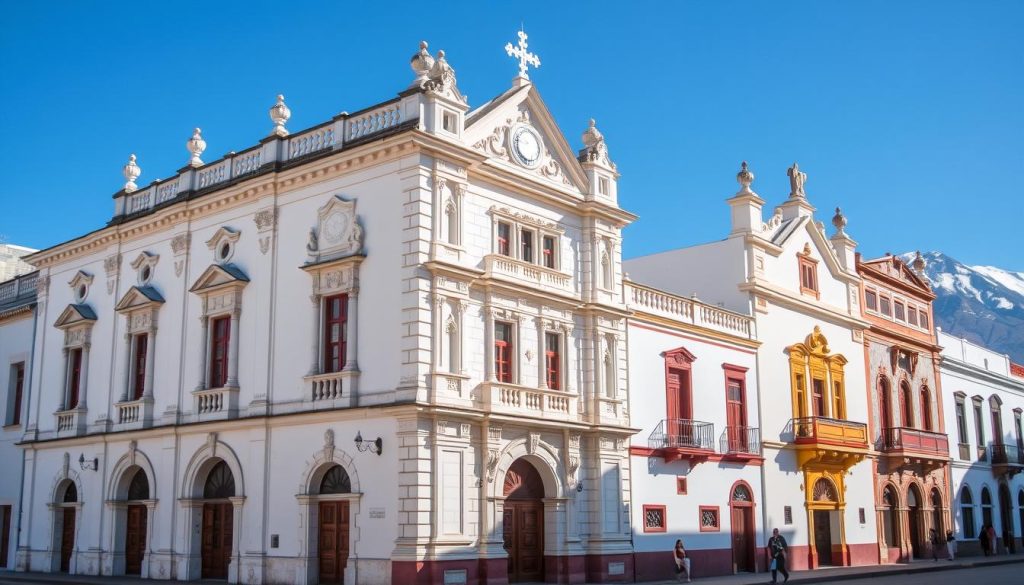
The Santa Catalina Monastery is a must-see spot. Covering 20,000 square meters, it’s a symbol of the city’s spiritual history. Tickets cost s/40, and you can pay extra for a guided tour.
For history buffs, the Museo Santuarios Andinos is perfect. Tickets are 25 soles, or 13 for students. Plan to spend 1.5 to 2 hours exploring its exhibits.
The San Camilo market offers a slice of local life. It’s an 8-minute walk from the Plaza de Armas. Spend around 2 hours here tasting the local cuisine. You’ll find affordable lunch options from local vendors.
Exploring the Colca Canyon is an adventure not to be missed. It’s a natural marvel with stunning views. You can also visit El Misti, an active volcano. Daily trips add excitement to your visit.
“The elevation of Arequipa at 2,350 meters above sea level, coupled with its stunning colonial architecture, makes it an unparalleled destination for history enthusiasts and adventure seekers alike.”
Here’s a quick guide to Arequipa’s top sites:
| Attraction | Entry Fee | Suggested Time | Highlights |
|---|---|---|---|
| Catedral de Arequipa | Free entry | 1-2 hours | 70 white stone columns, historic significance |
| Santa Catalina Monastery | s/40 | 2-3 hours | 20,000 square meters, guided tours available |
| Museo Santuarios Andinos | 25 soles (13 soles for students) | 90 min – 2 hours | Exhibits on Andean history |
| San Camilo Market | Variable | 2 hours | Local cuisine and crafts |
| El Misti Volcano | Varies by tour | Full day | Active volcano hikes |
Lake Titicaca: High-Altitude Wonders
Lake Titicaca stands at 12,507 feet high, making it the highest lake you can sail on. This huge lake amazes visitors with stunning views and a deep cultural history. The area is rich with indigenous traditions that have lasted for ages.
Floating Reed Islands
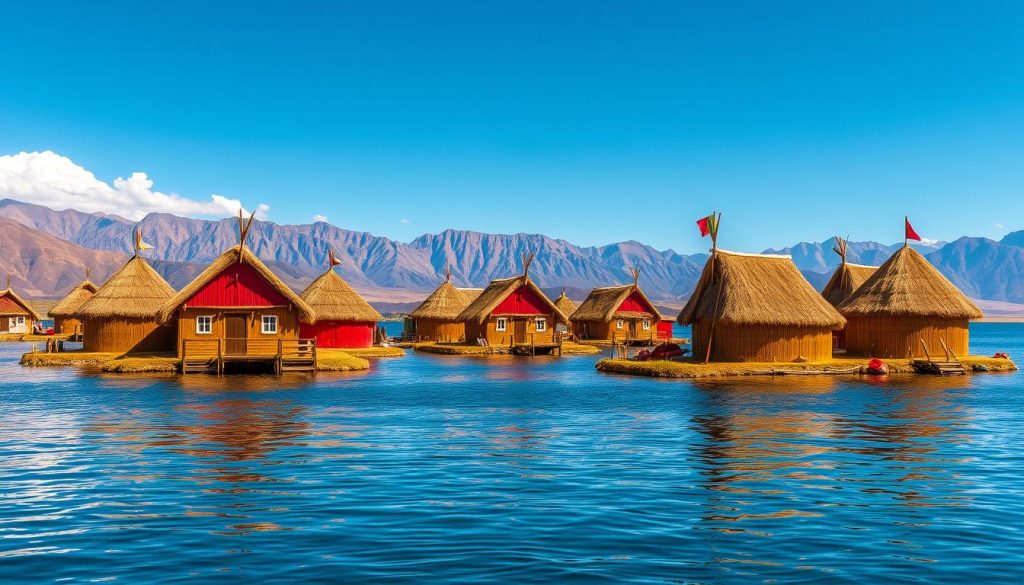
The Uros islands show off human creativity. Made from totora reeds, these islands float on the lake. The Uros people live here just like their ancestors did a thousand years ago. Visiting these islands lets you see how they use reeds for everything.
Walking on these reed islands is unforgettable. It’s a chance to see how the Uros people live closely with nature. These visits during Peru cultural tours teach about living sustainably and respecting the environment.
Indigenous Communities
But Lake Titicaca isn’t just pretty views; it’s a window into indigenous life. Places like Taquile and Amantani islands give unique cultural insights. For example, Taquile Island’s textiles are so special they’re recognized by UNESCO.
In Amantani, locals stick to farming the old-fashioned way. They grow potatoes, quinoa, beans, and peas. These islands offer a real look into Andean culture. They’re highlights on many tours in Peru.
Choquequirao: The Hidden Gem
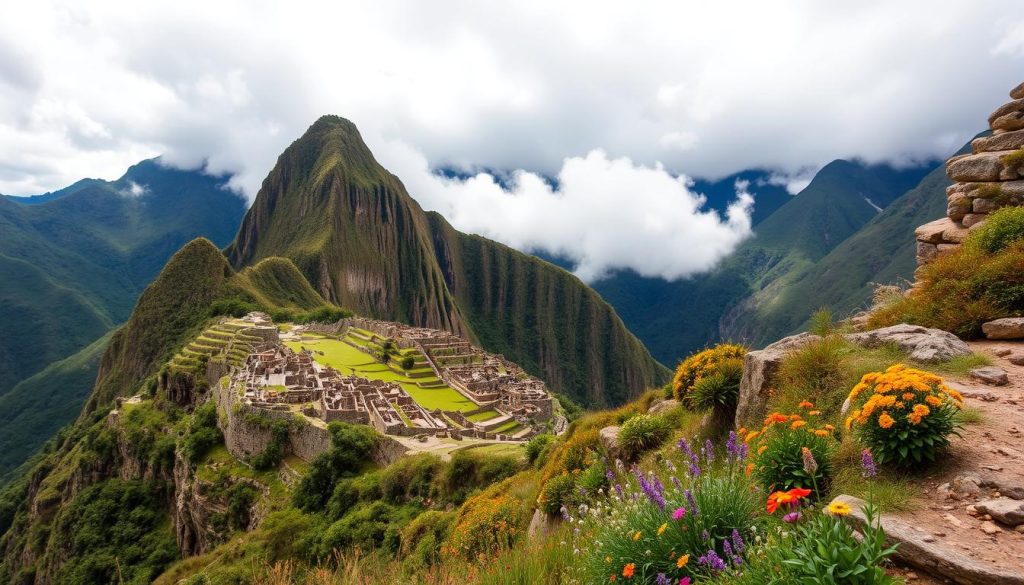
The Choquequirao trek takes you on an adventure to one of Peru’s hidden Inca ruins. Compared to the popular Machu Picchu, it is less known. This makes it a special find for hikers.
Challenges of Reaching Choquequirao
The Choquequirao trek is breathtaking yet physically demanding. It goes through a variety of ecosystems and stunning views. Hikers need to be fit for the steep climbs and descents.
Even though the trek is tough, guides, porters, and cooks offer their support. They help make the journey less daunting. This allows trekkers to enjoy their adventure to Choquequirao more.
Comparison with Machu Picchu
Choquequirao is much quieter than Machu Picchu. Millions visit Machu Picchu each year. But Choquequirao lets you experience ancient civilizations without the crowds.
A cable car to Choquequirao may soon be a reality. Until then, it’s a tough but rewarding journey. This keeps Choquequirao as a hidden gem among Peru’s treks. It’s a unique experience for those up for the challenge.
Oxapampa: Unexpected Jungle Town
Oxapampa, Peru, is an extraordinary jungle town with a captivating history. It began as one of the German colonies in Peru. Founded in 1891, it grew from Pozuzo, showcasing a mix of European traditions and local culture.
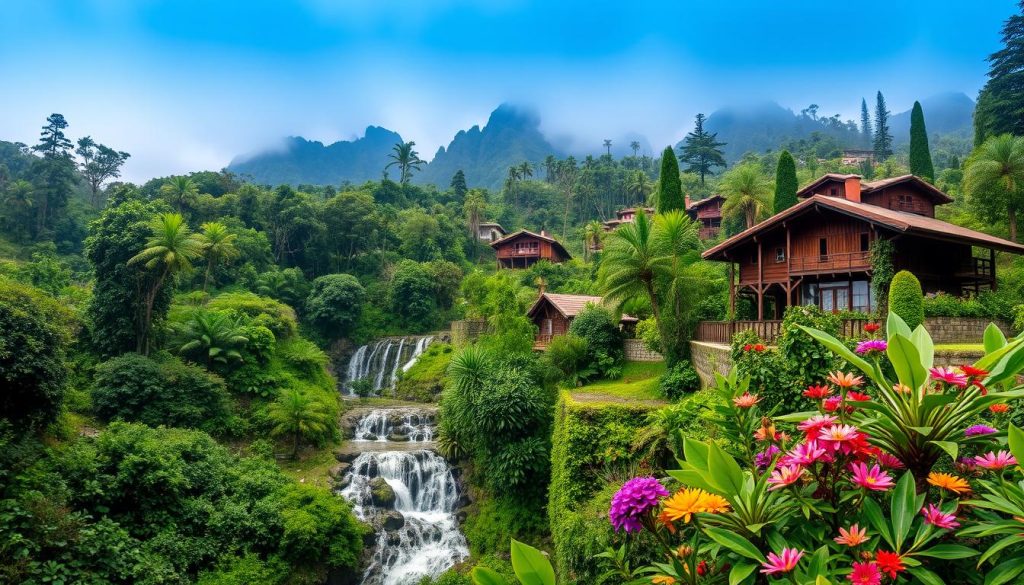
In 1853, European settlers first arrived in Peru. By 1859, about 170 of them established the colony of Pozuzo. After being isolated for over 120 years, a road built in 1970 linked these communities to the world. Oxapampa emerged, blending the town’s diverse ethnic and cultural heritage.
The town is famous for its Tyrolean architecture, surprising amid the Peruvian jungle’s lush greenery. In Oxapampa, visitors find a blend of European-inspired buildings and the rich, biodiverse landscapes of Peru. This region opens doors to adventures like national parks and jungle treks in Peru’s vast tropical rainforest.
Oxapampa hosts the annual Founder’s Day Celebration on July 25th. This five-day festival features traditional costumes and events like the ribbon tournaments. It’s a time when the town proudly displays its heritage, mixing Germanic traditions with local Peruvian customs.
Oxapampa, Peru, is surrounded by breathtaking landscapes, appealing to adventurers and culture enthusiasts. The unique Tyrolean architecture and the mix of European and Peruvian cultures make Oxapampa a must-visit. It promises unforgettable experiences in the Amazon Basin’s heart.
Puerto Maldonado: Gateway to the Amazon
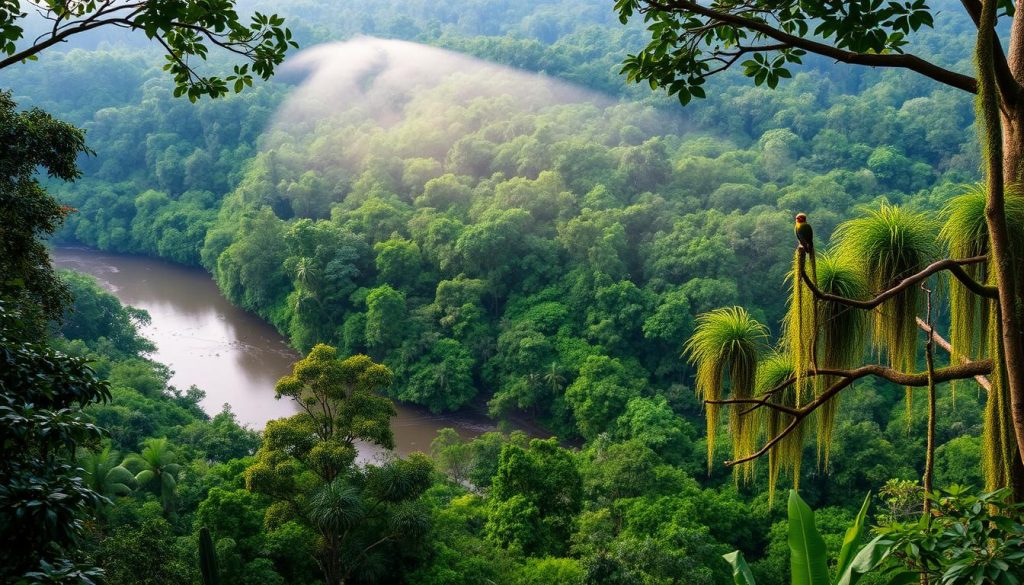
Puerto Maldonado is the best starting point for your Amazon rainforest journey in Peru. It gives easy access to the untouched Tambopata National Reserve. This lively town, home to about 85,000 people, is your gateway to adventure and biodiversity. You can get there by bus from Cusco in 8 to 10 hours. Thanks to the Interoceanic Highway, getting there is smooth.
Wildlife and Biodiversity
The Tambopata National Reserve is full of life, with almost 40,000 types of plants and 2.5 million types of insects. The Amazon Rainforest is crucial, making 20% of the world’s oxygen and housing 20% of all river water on earth. From Puerto Maldonado, you might see giant river otters, scarlet macaws, or even a jaguar. Staying at recommended lodges increases your chance to see these amazing animals.
| Animal | Posada Amazonas | Refugio Amazonas | Tambopata Research Center |
|---|---|---|---|
| Blue & Gold Macaw | 13% | 36% | 78% |
| Scarlet Macaw | 36% | 68% | 79% |
| Red & Green Macaw | 63% | 54% | 77% |
| Jaguar | 4% | 4% | 23% |
| Giant River Otter | 34% | 3% | 4% |
Adventure Activities
Puerto Maldonado is full of eco-adventure options. You can cruise through the jungle, hike in the dense forests, or see black caimans at Sandoval Lake. Maybe visit Monkey Island or the stunning Macaw Clay Lick. Amazon tours usually last from 3 to 5 days. A 3-day tour strikes a good balance between excitement and rest. Whether you choose a day tour for about $221 or a 4-day trip for $250, including stay and meals, adventure awaits.
Ica: Adventure in the Desert
Visiting Peru? Don’t miss the Huacachina oasis in Ica. It’s a desert paradise with desert adventures you’ll never forget. It’s about four hours from Lima by car. Here, you can go sandboarding Peru.
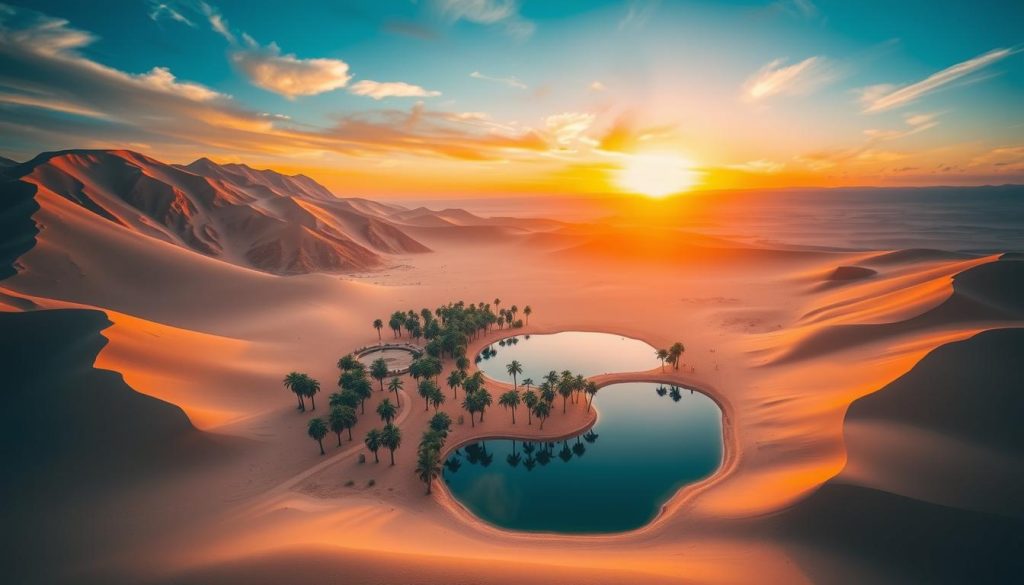
As soon as you arrive, huge sand dunes welcome you. They’re great for dune buggy rides and sandboarding Peru. A typical tour lasts two hours and costs $19-$25. New to sandboarding? Get ready for five awesome rides.
Huacachina is more than just thrills. You can rent a pedal boat for 20 soles. It’s calm and relaxing on the lake. Need more space? A bigger boat fits five to six people, costing 30 soles.
Extend your trip with a visit to Paracas National Reserve, just 3.5 hours from Lima. Take a boat tour to Islas Ballestas for $19. You’ll see lots of wildlife there.
| Activity | Approx. Cost | Duration |
|---|---|---|
| Dune Buggy and Sandboarding Tour | $19-$25 per person | 2 hours |
| Pedal Boat Rental (2 people) | 20 soles | Flexible |
| Small Boat with Oars (5-6 people) | 30 soles | Flexible |
Consider the Tacama vineyard, the oldest in South America. Enjoy winery tours and tastings for only 10 soles. On weekends, they have free Peruvian Paso horse shows.
The weather in Ica adds to its charm. Summer days reach 32°C (89°F), while winter nights can fall to -2°C (28°F). With little rain and beautiful sunsets at 18:00, Ica provides a unique experience.
Looking for excitement or peace? Ica’s desert adventures have it all. It’s an unforgettable spot in your Peru visit.
Trujillo: A Coastal Gem
Trujillo, a vibrant city on Peru’s northern coast, is known for its rich culture and stunning buildings. Here, you find a mix of old worlds that make Trujillo a top place to see. The mix of ancient and Spanish styles tells the city’s unique story.
Archaeological Sites
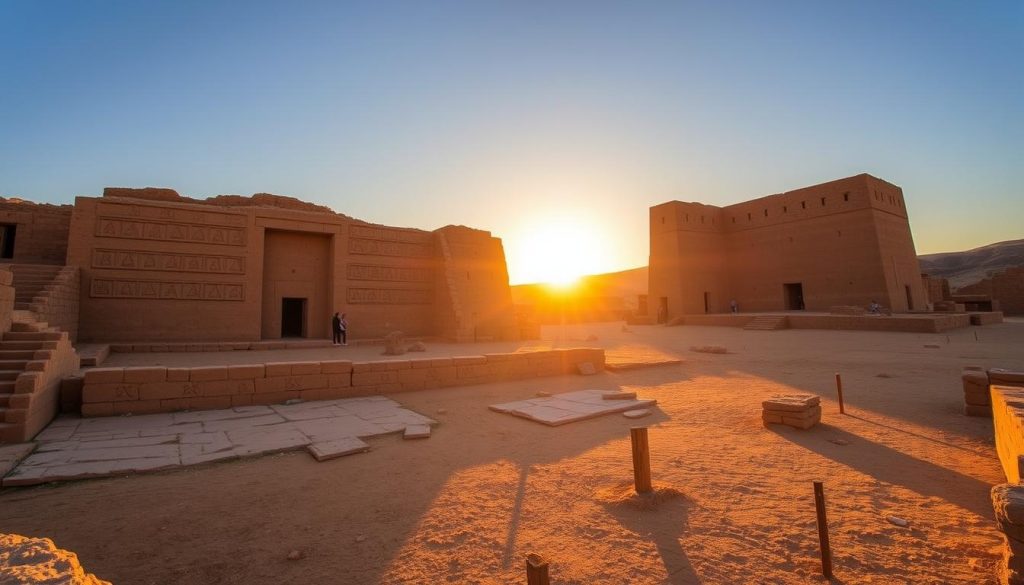
Chan Chan is a standout site in Trujillo. It’s the biggest ancient mud city around and a UNESCO site. The Chimú people built it around 1300 AD, covering 20 square kilometers.
Trujillo also has other key historical sites like the Huaca del Sol and Huaca de la Luna pyramids. These ruins give a deep look into Peru’s distant past. They help make a trip to North Peru a journey through history.
Colonial Architecture
Trujillo’s colonial buildings are just as impressive. Its historic churches and buildings show Spain’s strong past influence. The Casa de la Emancipacion is where Peru’s freedom from Spain was declared on December 29, 1820. Touring these places offers a peek into Trujillo’s rich past.
Walking through Trujillo, you’ll see how old ruins and colonial beauty tell the city’s story. Its cultural and historical appeal has grown, with tourist numbers up 15% in 2023. This makes Trujillo a must-visit on any North Peru itinerary.
Lima: A Cultural and Culinary Hub
Food lovers will adore Lima, a city famous for its delicious food scene. It’s Peru’s capital, blending old and new tastes perfectly. The city boasts over 1,000 restaurants, famous for Peruvian dishes. “Nikkei” cuisine is a highlight. It mixes Peruvian and Japanese tastes, starting in the late 19th century.
The Larco Museum is the heart of Lima’s culture. It showcases over 45,000 pre-Columbian artifacts. Spend 3-4 hours there to fully enjoy its artifacts and peaceful gardens. The Huaca Pucllana gives a look into ancient civilizations during its 2-hour guided tours.
Lima’s cultural scene shines in other areas too. The Magic Water Circuit dazzles with 13 interactive fountains and light shows. The Barranco District is all about art, with over 70 galleries showcasing various styles.
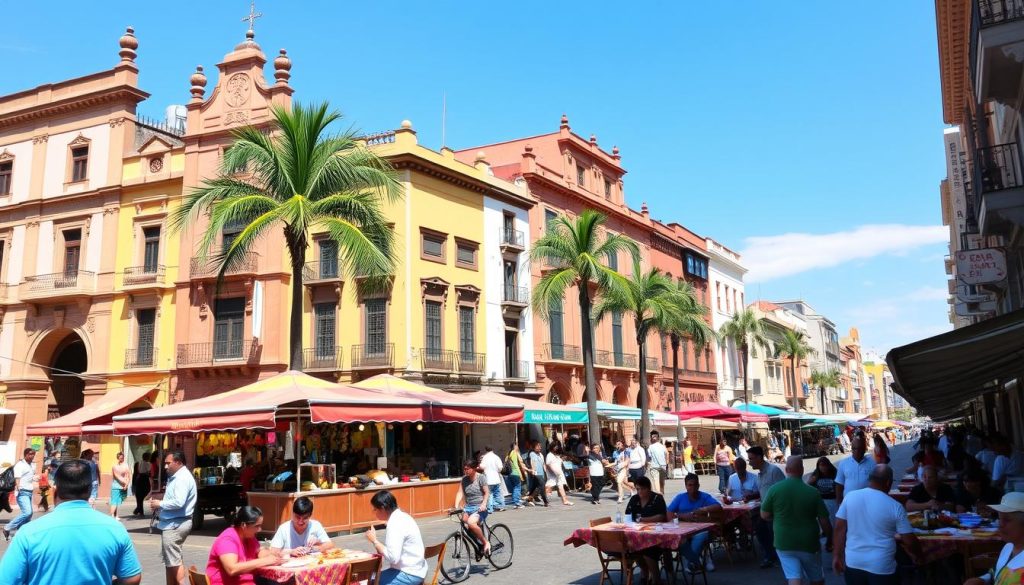
The Mercado Indios is perfect for shopping enthusiasts. It has 200 stalls filled with Peruvian goods. You’ll see the creativity of local artisans. Supporting them helps half of Lima’s people who work in informal jobs.
Lima is a mix of culture and food that makes it a must-visit. With its blend of traditional charm and modern flair, Lima invites you to explore. You’ll love the unique tastes of its food, making your visit memorable.
Conclusion
When you plan your trip to Peru, think about its unmatched beauty, ancient mysteries, and rich culture. Peru has famous spots like Machu Picchu, and less known places worth seeing, like Choquequirao. Picture yourself walking the Inca Trail for four days, a journey trekkers never forget, or seeing the Andes’ historic peaks.
Peru’s varied landscapes mean there’s plenty to explore, beyond the famous locations. The incredible Kuélap fortress, easier to reach now with cable cars since 2017, shows ancient cultures in stunning scenery. You shouldn’t skip the vast Colca Canyon, or the tranquil Lake Titicaca, the highest navigable lake. Or, for something different, see the Huacachina oasis, encircled by South America’s biggest sand dunes.
The lively cities and food in Peru are highlights too. Lima’s Historic Center, a UNESCO site since 1988, mixes old architecture and top cuisine. Dive into local markets to try amazing dishes, as Peru is a leading food destination in South America. Enjoy the wildlife at Paracas National Reserve and the colorful views at Rainbow Mountain.
Peru invites you to explore ancient ruins, beautiful nature, or vibrant city life. This guide points you to what you must see in Peru, leading to an incredible trip. Now is the time to discover the wonders of this charming country.