Top 10 Best Places to Visit in Colombia
Did you know Colombia is a top spot for lovers of nature, culture, and adventure? The busy streets of Bogotá and the calm beaches of Providencia show the country’s variety. In this guide, we’ll uncover the 10 Best Places to Visit in Colombia. They will make you want to start packing and book your flight right away.
Colombia is the world’s second-most biodiverse country, offering a wealth of experiences. Imagine exploring a vast Amazon jungle that spans a third of Colombia. Or tasting fresh coffee in the Zona Cafetera’s heart. This article will guide you through Colombia’s best spots, each more intriguing than the last.
Maybe you’re drawn to the historic charm of Cartagena or eager for wildlife adventures in the Amazon. Our guide to Colombia will help plan your unforgettable trip. So, let’s get to the 10 Best Places to Visit in Colombia. Find out what sets each place apart.
Introduction to Colombia’s Diverse Travel Destinations
Colombia is South America’s top beach spot, says the World Travel Awards 2022. It’s known for its cultural and geographical mix, attracting travelers worldwide. You can enjoy coral beaches or Amazon jungles here. The country’s easy-to-navigate transportation helps you see its many sights.
Overview of Colombia’s Biodiversity
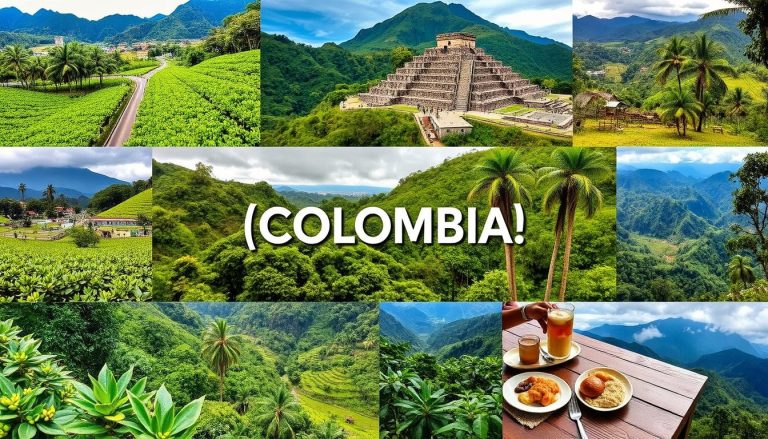
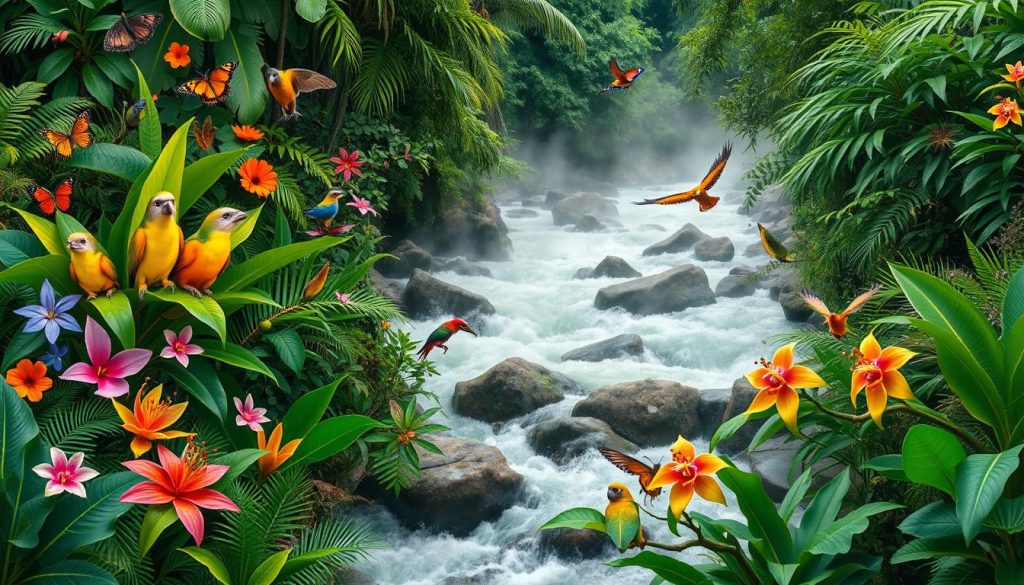
Colombia is the world’s second-most biodiverse place, home to over 3,740 butterfly species. Tayrona National Park shows off this rich nature, with ecosystems from lagoons to rainforests. The Coffee Triangle, a UNESCO site, is famous for its coffee farms and tall wax palms.
Connectivity and Accessibility
Moving around Colombia is easy thanks to its good transport system. You can take domestic flights or buses to see the country’s main spots. Places like Cartagena’s old buildings or Medellín’s Metrocable eco-parks are within reach. If you’re into adventure, try the Colombian Amazon or Cocuy’s hiking paths.
Cartagena: Best for Architecture and Atmosphere
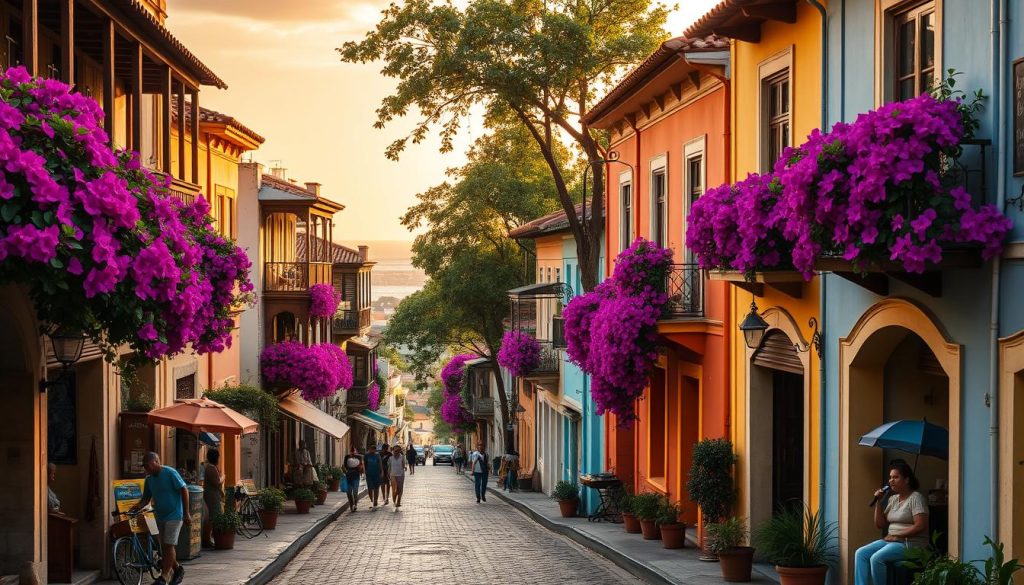
Cartagena, one of South America’s oldest cities, is a top destination in Colombia. Walking through Cartagena feels like a journey back to the 16th century. Its streets and colonial buildings have stories to tell.
The city is known for its historic walled area. This feature invites travelers to discover its rich history. Visitors usually spend about two days exploring all that Cartagena has to offer.
For beach lovers, Playa de Bocagrande offers a place to relax, though swimming might not be safe due to currents. For a peaceful day trip, the Rosario Islands are perfect. It’s about a 45-minute boat ride away. This trip usually includes port fees and snorkeling, plus costs for food and drinks.
In Cartagena, the blend of old and new architecture is stunning. Hotel Boutique Las Carretas is famous for its great location. For food, Celele is the place to go. It’s known for its Caribbean Colombian dishes. Be sure to book ahead.
Cartagena is not just about history. San Alberto Cafe shows the rich coffee culture with its demonstrations. Yet, visitors should be careful of pickpocketing and theft. Despite traffic, using motorcycles can make getting around simpler.
Thinking about a trip to Cartagena? It offers a mix of experiences, from classic architecture to vibrant nightlife. Cartagena is a journey through time and culture, promising an experience you won’t forget.
The Amazon Jungle: Best for Wildlife Encounters
Dive into the Amazon Jungle tours in Colombia, a hotspot of biodiversity. This part introduces Leticia, your entrance to unforgettable wildlife sights. Here, you encounter the beauty and power of the Amazon’s ecosystem.
Exploring Leticia
Leticia in Colombia is an amazing starting point for Amazon adventures. It lets you explore vast rainforests and meet diverse plants and animals. The Colombian Amazon covers 476,000 km² and hosts over a million people, offering both adventure and accessibility.
In Leticia, dive into local culture and visit places like Monkey Island. There, meet different monkey species, like capuchins and howlers. This town gives you wildlife experiences and a peek into the lives of Indigenous people.
Wildlife Tours and Boat Trips
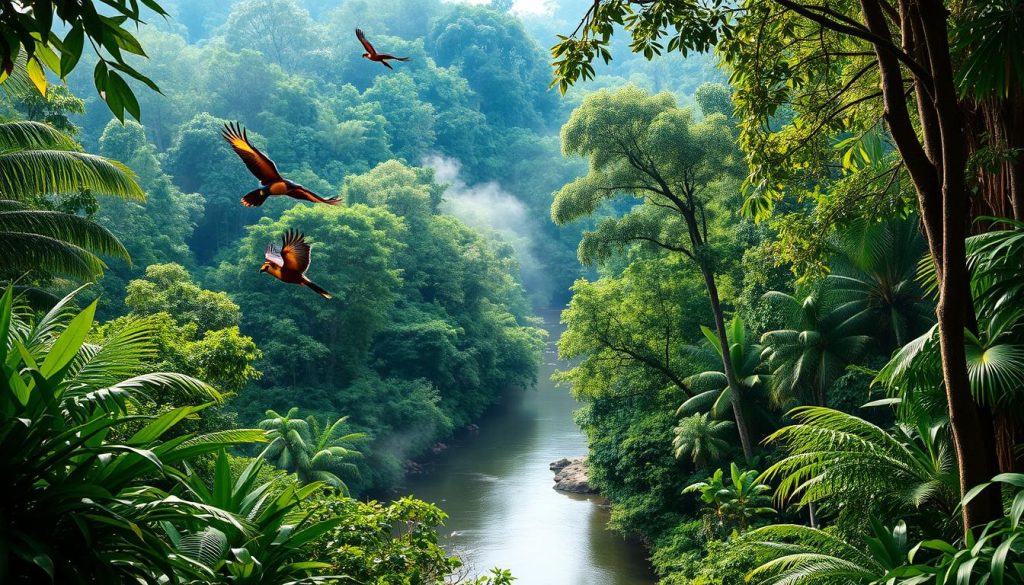
Colombia wildlife tours showcase the Amazon’s incredible life. On treks or boat rides, see animals like pink river dolphins and jaguars. Bird lovers can spot rare kinds, including the harpy eagle.
Riverboat trips on the Amazon let you see the giant Pirarucu fish. These fish can be 3 meters long and weigh over 200 kg. During the high-water season, from November to May, the forest brims with life.
To fully enjoy the Amazon, mix riverbank tours with deep forest explorations. You might see sloths in the Ceiba trees. For a deep dive into its wonders, staying at least 5 days is recommended.
Zona Cafetera: Best for Coffee Lovers
Explore the heart of Colombia’s coffee region. Known as the Coffee Triangle, it’s a vibrant area for coffee lovers. It includes Caldas, Risaralda, and Quindío, each offering unique coffee experiences.
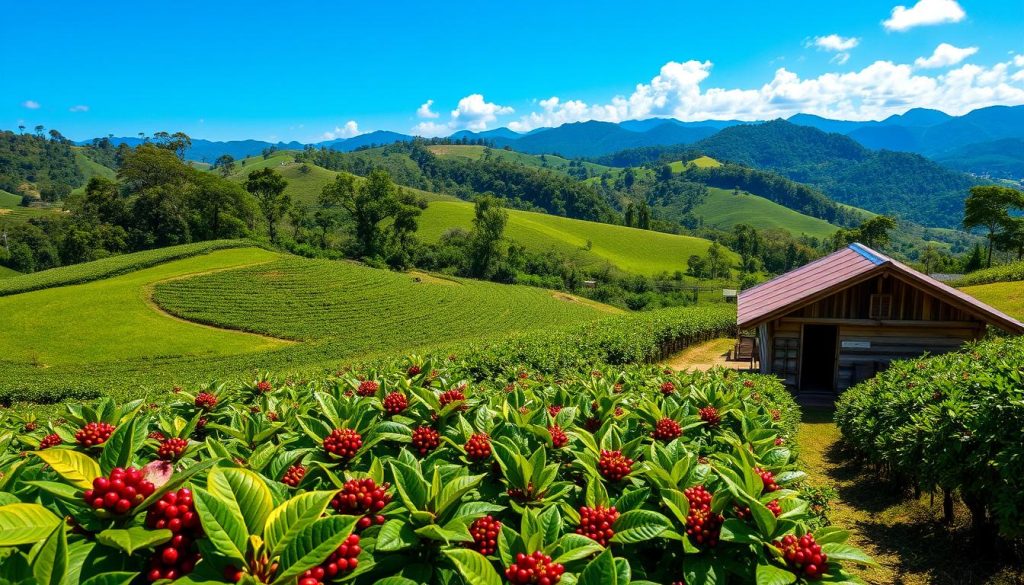
Traveling to Zona Cafetera? Don’t miss out on coffee tours. These tours take you through coffee cultivation and production. You’ll learn everything from picking coffee cherries to roasting beans.
In Quindío’s capital, Armenia, you’ll find a bustling hub for travelers. The nearby town of Salento is loved by backpackers for its colonial charm and stunning views.
Pereira blends an urban vibe with rich coffee culture. The region also boasts the Valle de Cocora with the world’s tallest wax palms. And the Otún Quimbaya area offers 500 hectares of protected nature.
Salento is conveniently just an hour’s bus ride from Armenia and Pereira. It’s perfect for enjoying hikes and horseback riding in Valle de Cocora.
- Caldas: Fertile volcanic soil perfect for coffee.
- Risaralda: Urban amenities in Pereira, a major city in the coffee region.
- Quindío: Cultural sites like the Jardín Botánico del Quindío and its palms.
Trips in the Coffee Region can last from five to eleven days. They mix adventure with culture to suit all tastes. You can stay in luxury haciendas, boutique hotels, or affordable hostels.
| City/Town | Key Attractions | Travel Time from Armenia/Pereira |
|---|---|---|
| Armenia | Tourist infrastructure, central hub | – |
| Salento | Colonial town, Valle de Cocora | 1 hour |
| Pereira | Urban amenities, coffee culture | – |
| Filandia | Local handicrafts, vibrant streets | 30-45 minutes |
By joining Coffee tours Colombia, you’ll dive into the local coffee culture. The region is famous for its festivals and rich paisa heritage. It’s not just for coffee lovers. It offers a wide range of experiences.
Parque Nacional Natural Tayrona: Best for Combining Nature and Beaches
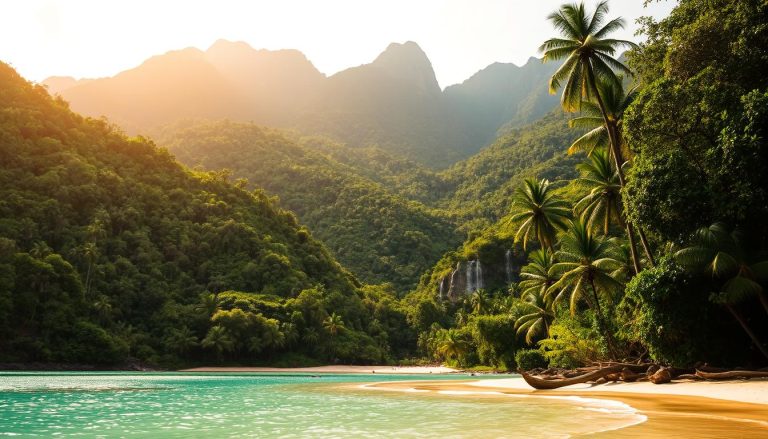
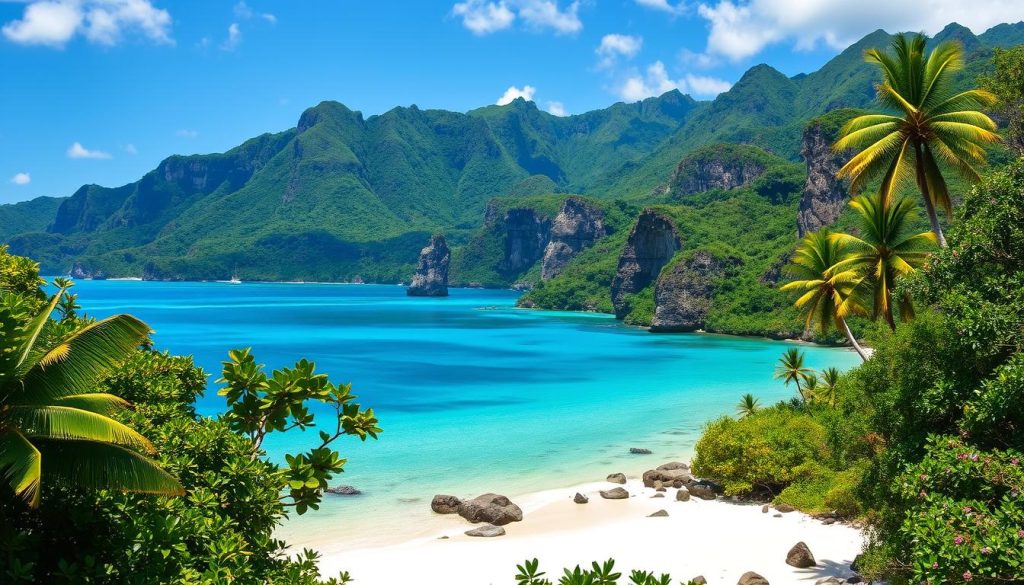
Parque Nacional Natural Tayrona is a gem in Colombia, with beautiful beaches and lush jungles. It’s east of Santa Marta and stretches around 35 km along the Caribbean coast. Founded in 1969, it’s a paradise for nature lovers. Here, you can admire stunning beaches and explore diverse ecosystems. It’s ideal for jungle hikes too.
Beaches and Cove
The coastline of the park has beautiful coves and beaches. Each offers a unique experience. Although swimming can be risky due to strong currents, the scenery is breathtaking. Cabo San Juan de Guia has clear waters and is truly picturesque. It’s perfect for those wanting to unwind on Colombia’s gorgeous beaches. Getting there is easy, with a bus from Santa Marta costing about COP $7,000 (USD $3). The trip takes 30 minutes to an hour, traffic depending.
Jungle Trails
For those who love adventure, Tayrona National Park has many jungle trails. They lead through dense rainforest and rugged terrain. There are well-marked paths for exploring the park’s animal and plant life, home to over 300 bird and 100 mammal species. A popular trail leads to Pueblito, a small indigenous village. It’s easier to reach than La Ciudad Perdida. These trails showcase the park’s remarkable plant and aquatic life, with around 770 plant species recorded.
If beautiful beaches or jungle adventures draw you, Tayrona offers both. Visit from December to February to enjoy dry season weather. It makes your experience even better.
- Visitors (2018): ~400,000
- Size: 30 km² of Caribbean Sea, 150 km² of land
- Bird Species: 300+
- Plant Species: 770+
- Cost of Bus: COP $7,000 (~USD $3)
- Cost of Taxi: COP $80,000
- Santa Marta to Tayrona National Park Distance: ~34 km
Medellín: Best for Street Art
Medellín sits at Colombia’s heart, buzzing with art and a cultural rebirth. This change shows clearly in its lively street art.
Comuna 13 and Urban Regeneration Projects
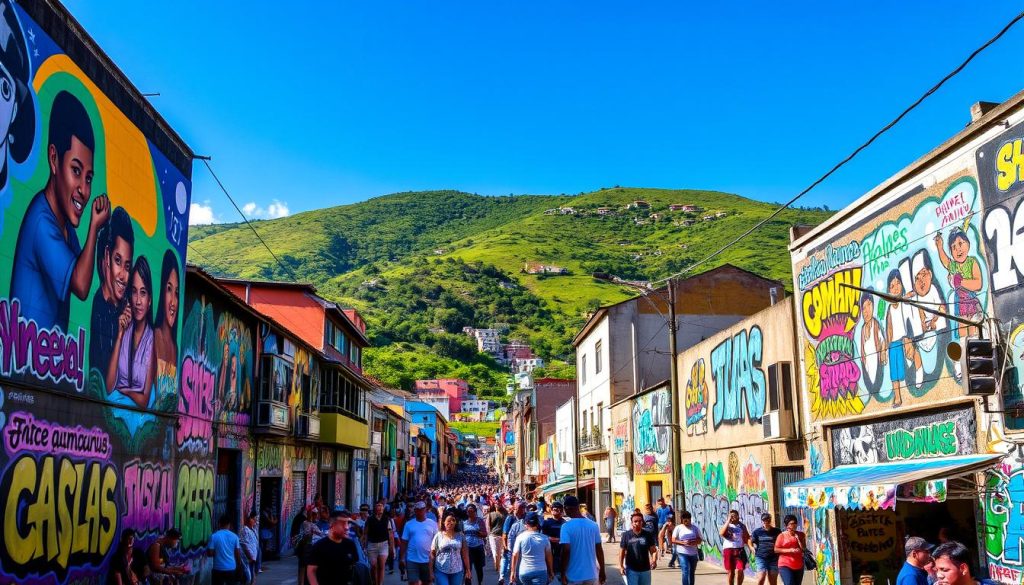
Comuna 13, once Medellín’s most feared district, is now a symbol of hope and strength. Visitors often tour this area to see its cultural comeback. The area’s outdoor escalators let people easily reach mural-covered spots.
In Comuna 13, you’ll see art that tells of local life and politics. Themes of endurance and peace stand out. Local artists performing in the streets make the Medellín travel experience even richer.
Fernando Botero Sculptures
You shouldn’t miss the Botero sculptures in Medellín. In Plaza Botero, large bronze works by Colombian artist Fernando Botero wait. His art is known for its bold volumes and shapes.
These sculptures mean more than just art. They show Medellín’s dedication to public art and revival. Walking among them, you enter a space where old meets new, telling stories of change.
Sierra Nevada de Santa Marta: Best for Archaeological Adventures
The Sierra Nevada de Santa Marta is the world’s highest coastal mountain range. It’s perfect for those who love archaeological adventures. Covering about 500,000 hectares, it reaches up to 5,775 meters at its highest points, Colon and Bolivar.
The Lost City trek is a major attraction here. It’s believed to be 650 years older than Machu Picchu. The Ciudad Perdida gives a fascinating look into Colombia’s past. Built around 650 AD, it was home to 1,500 to 2,000 Tayrona Indians for 500 years.
The journey to see this wonder usually takes four to six days. You’ll hike for eight to ten hours each day. Along the way, you’ll go through areas 900 to 1,200 meters above sea level, seeing the untouched beauty of the Sierra Nevada de Santa Marta.
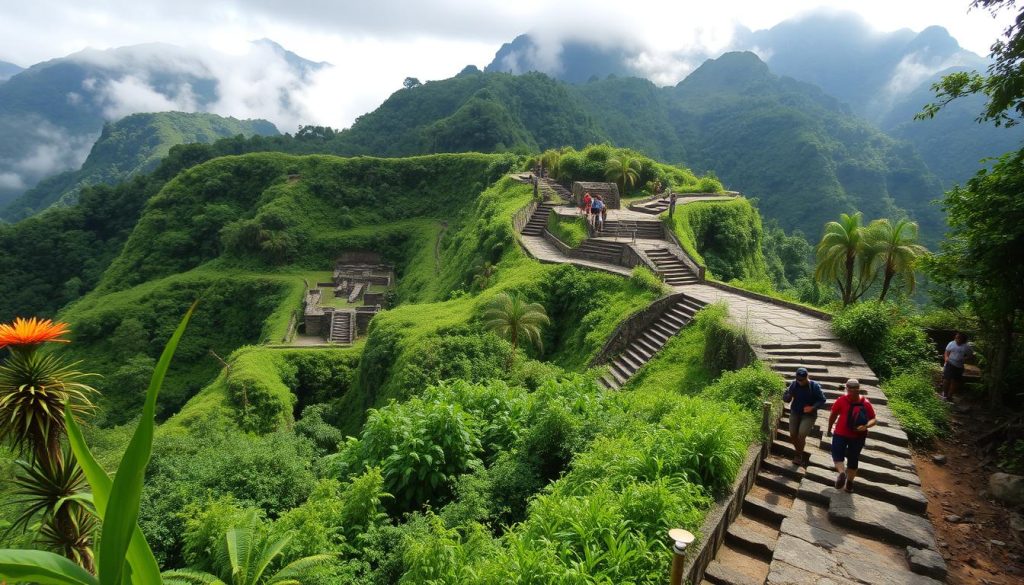
The area also features the Bunkuany Tayrona site, which is over 1,000 years old. With its rich history and numerous indigenous communities, it earned the UNESCO World Heritage site and Biosphere Reserve status in 1979. This place has the largest number of indigenous people in Colombia, with 30,000 individuals. It’s a biodiversity hotspot, with 35% of Colombia’s bird species.
Visitors can meet the Wiwa Indigenous families at Refugio Gotsezhy, which houses about 50 families. Each visit lets you learn more about the local culture and Colombia’s archaeology. Truly, the Sierra Nevada de Santa Marta showcases Colombia’s ancient history and natural beauty.
La Guajira Peninsula: Best for Learning about Indigenous Culture
La Guajira Peninsula is stunning. It mixes amazing landscapes with deep traditions of the Wayuu culture. Here, you find a place where deserts and seas meet. This creates a memorable journey.
Wayuu Indigenous Culture
The heart of La Guajira’s culture is the Wayuu people. They are the largest indigenous group in Colombia, with about 400,000 members. Their culture is strong, surviving Spanish efforts to change it. They are known for their colorful woven bags and crafts. These items show how they live and what they value.
Each year, the Wayuu capital, Uribia, hosts a big cultural festival. This event is a great way to learn about Wayuu heritage. Sometimes, Wayuu kids make roadblocks for water or snacks from travelers. This might be tough for visitors, but it supports the Wayuu.

Remote Beaches and Desert Landscapes
In La Guajira, you’ll find remote beaches and deserts. Cabo de la Vela is 160 kilometers from Riohacha. It’s famous for beautiful beaches and impressive rock formations. Punta Gallinas has the tallest dune, Taroa. From there, you see desert and sea mixed in beauty.
The Flamingos Sanctuary covers 7,682 hectares and houses 185 bird species. About 80% of these birds come from other places. Macuira National Nature Park offers a green oasis in the desert. Its mountains reach up to 865 meters.
It’s best to spend 2 nights and 3 days in La Guajira to see everything. Tours cost between $150 and $300. They usually cover transport and basic needs. Remember, traveling here needs good planning. There’s not much around, so bring enough water and food, especially to remote spots like Macuira or Punta Gallinas.
Cali: Best for Party People
Cali is known as the salsa capital. It’s full of life and perfect for people who love to party. When you visit, make sure to experience the exciting nightlife for an unforgettable time.

Want to try salsa dancing? There are over 200 schools for all budgets. Salsa is at the heart of Cali’s nightlife, with clubs mostly playing salsa music all night. Check out La Topa Tolondra, especially on Mondays for a chill atmosphere.
Club entry usually costs about $12 and might include an open bar. This lets you enjoy the night without worrying about spending too much. However, some places might ask you to bring a date, and they may not let solo travelers in, especially tourists. It’s also good to know that in Cali, people don’t mix as freely as in other Colombian cities, and not everyone speaks English well.
If you’re looking for a place to stay, Hotel Dann Cali offers rooms under $100. It’s in the middle of Cali’s nightlife area. Don’t miss Menga, a popular spot for both locals and tourists.
Wondering about nightlife in other Colombian cities? Check out this info:
| City | Key Nightlife Feature | Special Notes |
|---|---|---|
| Cali | Salsa Dancing | Over 200 salsa schools |
| Medellin | Trendy Nightlife | Best hostels in South America |
| Cartagena | Upscale Parties | Swanky rooftop bars |
Cali stands out with its unique mix of culture and vibrant nightlife. It’s a top pick for those eager to dance salsa and dive into the lively Cali nightlife.
Bogotá: Best for Museums and Culture
Bogotá, the capital of Colombia, is great for those who love museums and culture. It is known for its cultural attractions. Bogotá’s museums show the area’s vibrant history and artistic legacy.
Museo de Oro
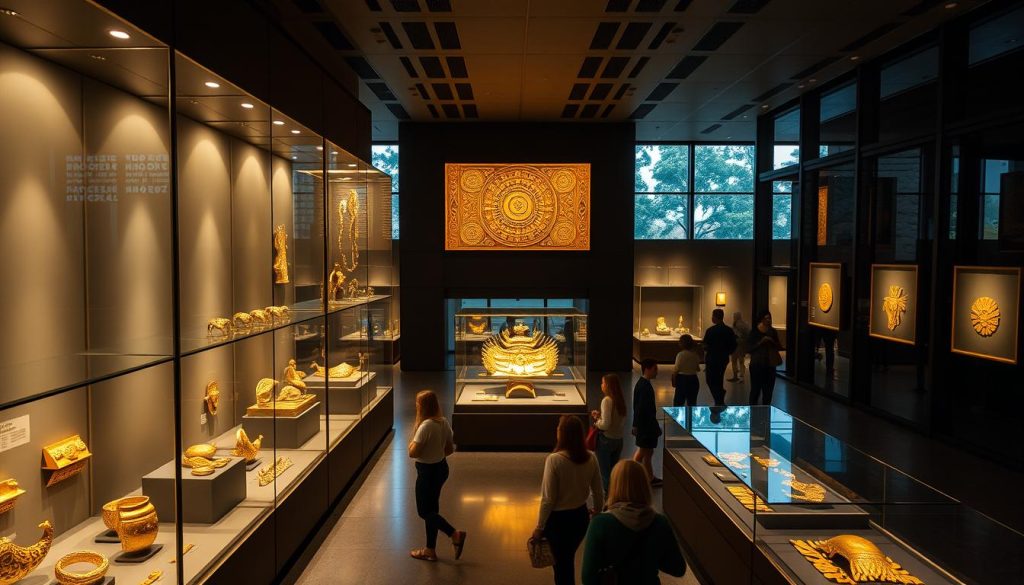
The Museo de Oro (Gold Museum) is a big deal in Bogotá. It has over 34,000 gold pieces from before Columbus’s time. This museum tells the story of Colombia’s first people. People often stay for two hours to see everything. They learn about the skill and history of these works. You should really get a guided tour to learn more.
Museo Botero
The Museo Botero is another top spot in Bogotá. It’s named for Fernando Botero, a famous Colombian artist. You’ll find over 100 of Botero’s works here. Plus, art by big names like Pablo Picasso, Claude Monet, and Salvador Dalí. It’s in the historic La Candelaria area. The Museo Botero highlights Botero’s unique style. It also has a big collection of Colombian and world art. It’s a must-see for art lovers.
| Destination | Key Highlights | Recommended Duration |
|---|---|---|
| Museo de Oro | 34,000+ gold artifacts, guided tours available | 2-3 hours |
| Museo Botero | Botero’s artwork and pieces by Picasso, Monet, Dalí | 1-2 hours |
If ancient gold or modern art draws you, Bogotá has it all. Its cultural spots offer diverse and deep experiences. They’ll make you really appreciate Colombia’s art and history.
Providencia: Best for an Island Escape
Discover Providencia Island for a top-notch escape. It blends natural beauty with vibrant marine life. Though closer to Nicaragua and Panama, this gem offers both adventure and relaxation.
Diving Spots and Marine Life
Providencia is a dream spot for divers, home to the world’s third-largest barrier reef. The marine life here draws divers and snorkelers worldwide. Both expert scuba divers and first-time snorkelers will love the clear waters, full of colorful corals and various marine creatures.

Getting to Providencia from Medellin takes a 2-hour flight to San Andres, then a quick connecting flight. Even though small planes mean luggage is limited to 10kg, passengers often bring up to 20kg. Being a protected marine reserve, Providencia stays unspoiled for all to enjoy.
Secluded Beaches
If you want secluded beaches, Providencia is perfect. Each beach is unique, offering peace and beauty for an unmatched beach experience. Favorites include Bahía Suroeste for its views and horseback races, Bahía Aguadulce for a swim, and Bahía Manzanillo for a quiet, pretty setting.
Biking or carting around Providencia gives stunning views all along the 19-mile path. It’s a great way to see the island’s beauty up close.
| Aspect | Details |
|---|---|
| Accessibility | 20-minute flight from San Andrés |
| Peak Elevation | 1,148 feet (350 meters) |
| Key Activities | Snorkeling, diving, beach exploration, horseback races |
| Notable Beaches | Bahía Suroeste, Bahía Aguadulce, Bahía Manzanillo |
| Dining | Local seafood, particularly lobster |
| Historical Sites | Fort Warwick |
| Local Culture | Casa Museo Isleña, Raizal heritage exploration |
Providencia Island is the perfect spot for an island getaway in Colombia. Whether you’re exploring underwater wonders or relaxing on quiet beaches, it offers a unique and memorable escape.
Parque Nacional Natural Serranía de La Macarena: Best for Natural Spectacles
Parque Nacional Natural Serranía de La Macarena is known for its stunning landscapes and rich biodiversity. This park houses Caño Cristales, also called the “liquid rainbow.” From July to October, the river transforms into a burst of color. It’s because of Macarenia clavigera, an aquatic plant. This plant turns the river red, yellow, green, and blue.
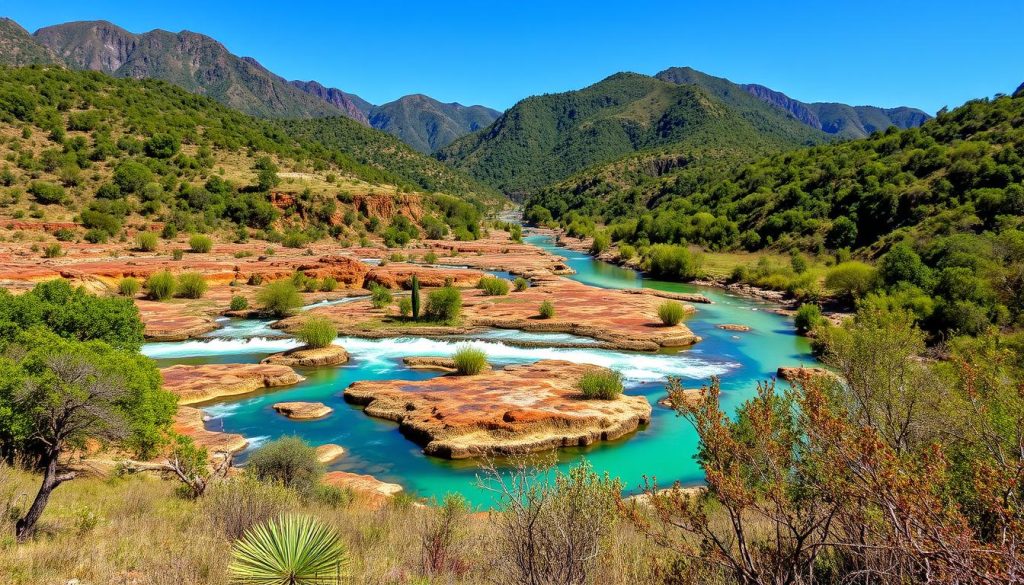
The region around Serranía de La Macarena is great for adventure. You can start with a 25-minute walk to a viewpoint. It gives you a great view of the river’s vibrant colors. Visitors can swim in natural pools or enjoy the area’s plants and animals by the Río Guayabero.
| Park | Entrance Fee (COP) | Popular Activities |
|---|---|---|
| Macuira National Park | No entrance fee | Sandboarding, Camping |
| Tayrona National Park | 64,500 | Snorkeling, Beach Visits |
| Ama Bayacu National Park | 57,500 | Jungle Excursions |
| Utría Nacional Park | 63,500 | Whale Watching |
| Sierra Nevada de Santa Marta | 1,750,000 (four-day trip) | Lost City Tour |
Getting to Serranía de La Macarena from Bogotá is easy. A flight takes just 1.5 hours. Exploring Caño Cristales takes most of the day. This includes a journey from your lodge to the park. First, you’ll drive for 40 minutes. Then, you’ll hike for 30 minutes. Whether it’s the rivers or the hikes, Serranía de La Macarena offers an amazing experience. It’s a true gem among Colombia’s natural wonders.
10 Best Places to Visit in Colombia
Colombia is known for its diverse and vibrant destinations. It has historical sites, amazing natural landscapes, and cultural festivities. Here are 10 top places you should see:
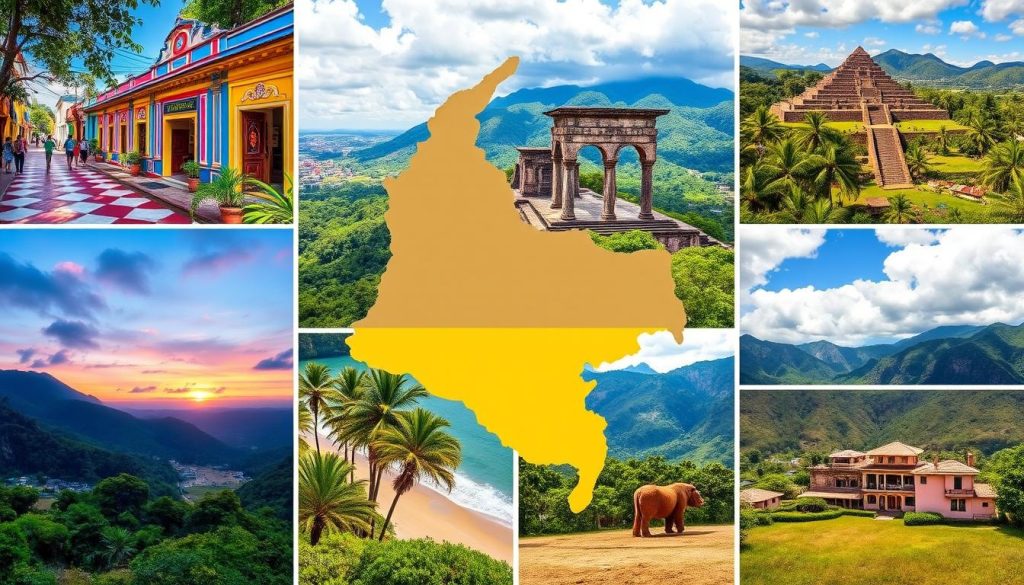
Cartagena: The Old Town of Cartagena is famous for its colonial architecture. You’ll also enjoy the lively streets and San Felipe Castle, a UNESCO World Heritage Site.
Tayrona National Park: This park is by the Caribbean Sea. It has beaches, swamps, and forests. Don’t miss the La Piscina lagoon, safe for swimming.
Zona Cafetera: Colombia is a top coffee producer. Visit Caldas, Risaralda, and Quindio in the Coffee Cultural Landscape, a UNESCO site.
Medellín: Known for its transformation, Medellín has 23 Fernando Botero works. Check out Comuna 13 for street art and history.
Bogotá: The capital has the Museo de Oro and Museo Botero. Monserrate church offers stunning city views.
Ciudad Perdida: An ancient site dating back to the eighth century. It’s great for history lovers.
Caño Cristales: Known as the Liquid Rainbow. It’s famous for its colorful river.
Salento and Cocora Valley: In the Coffee Cultural Landscape. Visit Cocora Valley for tall wax palms and outdoor activities.
Serranía de Chiribiquete National Natural Park: This huge park is rich in wildlife. It’s a UNESCO Cultural and Natural Heritage site with ancient art.
Villa de Leyva: Famous for Plaza Mayor, one of the largest squares. It’s full of colonial charm.
Remember these Colombia travel tips:
- Visit popular sites during off-peak times to skip the crowds.
- Use local guides for a better experience.
- Drink plenty of water and protect against the sun, especially at Tayrona National Park and Caño Cristales.
Following these tips will help you explore Colombia’s diversity. You will have a memorable trip.
Planning Your Trip to Colombia
Going to Colombia takes careful planning for an unforgettable time. Knowing when to go, following safety rules, and having the right travel insurance will make your journey smooth and fun.
Best Time to Visit
Planning your trip to Colombia means thinking about the weather. The country’s dry season happens from December to March and July to August. This time is considered the best to explore its beauty.
The dry months let you enjoy everything from Bogotá’s energy to Tayrona National Park’s calm beaches. The wet season is from April to May and October to November. Choosing the dry season can help you stay clear of rain.

Safety Tips
To travel safely in Colombia, follow a few important steps. Keep up with local safety advice and avoid less safe, remote places. Always have a copy of your important papers and be careful not to show off your valuables.
Use trusted transport like official taxis or ride-hailing apps for safe travel. Let your stay place know your plans too. This keeps you safe as you explore.
Travel Insurance
Don’t forget to get travel insurance for your Colombia trip. It protects you from emergencies, cancellations, and lost items. Make sure it covers your planned activities, like hiking or snorkeling. With the right insurance, you can fully enjoy Colombia’s rich culture and stunning views.
To plan well for your Colombian adventure, consider these key points:
| Key Elements | Data Points |
|---|---|
| Entry Duration | Up to 90 days |
| Average Altitude of Bogotá | 8,600 feet |
| Recommended Stay in Regions | 2-3 days |
| Explorable Areas in 7 Days | 2-3 cities |
| Explorable Areas in 10-14 Days | 3-4 locations |
Conclusion
As you think back on your trip to Colombia, you’re reminded of the rich experiences it offers. The busy streets of Bogotá are home to nearly 12 million people. Then, there’s the peaceful and biodiverse Tayrona National Park, showing Colombia’s natural beauty.
Maybe you loved the old Spanish buildings in Cartagena, a city protected by UNESCO. Or, you enjoyed Medellín’s lively culture and street art. This city is also called the “City of Eternal Spring” for its nice weather. Each place shows a different side of Colombia.
The natural wonders in Colombia are truly special. The giant wax palms in the Corcora Valley are the tallest palm trees in the world. They symbolize the nation. The amazing Caño Cristales River, called the “River of Five Colors,” is a sight to see from July to November each year. But, you need a local guide and a special permit to visit, which makes it even more special.
La Guajira Peninsula shows off rugged beauty that’s different from the green Coffee Triangle. Here, towns like Salento share the heart of Colombia’s coffee culture. This contrasts with the desert-like area, shaped by the Wayuu indigenous people’s traditions.
Thinking about your time in Colombia, you see it’s a blend of history, culture, and nature. Climbing Piedra del Peñol in Guatapé gives amazing views. Exploring San Agustín Archaeological Park lets you see ancient statues. Colombia is full of places to discover and enjoy.
Reflecting on Colombia, remember the bright colors, friendly people, and stunning landscapes. These make it a top place to visit. This guide hopes to make your trip as colorful and diverse as Colombia itself. It aims for each moment to be unforgettable.