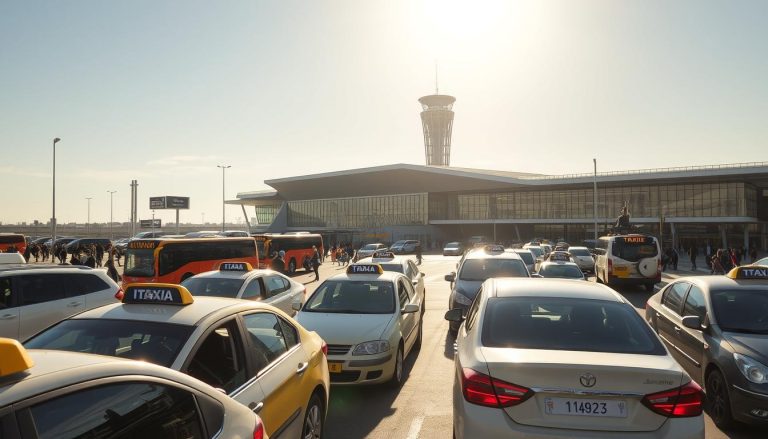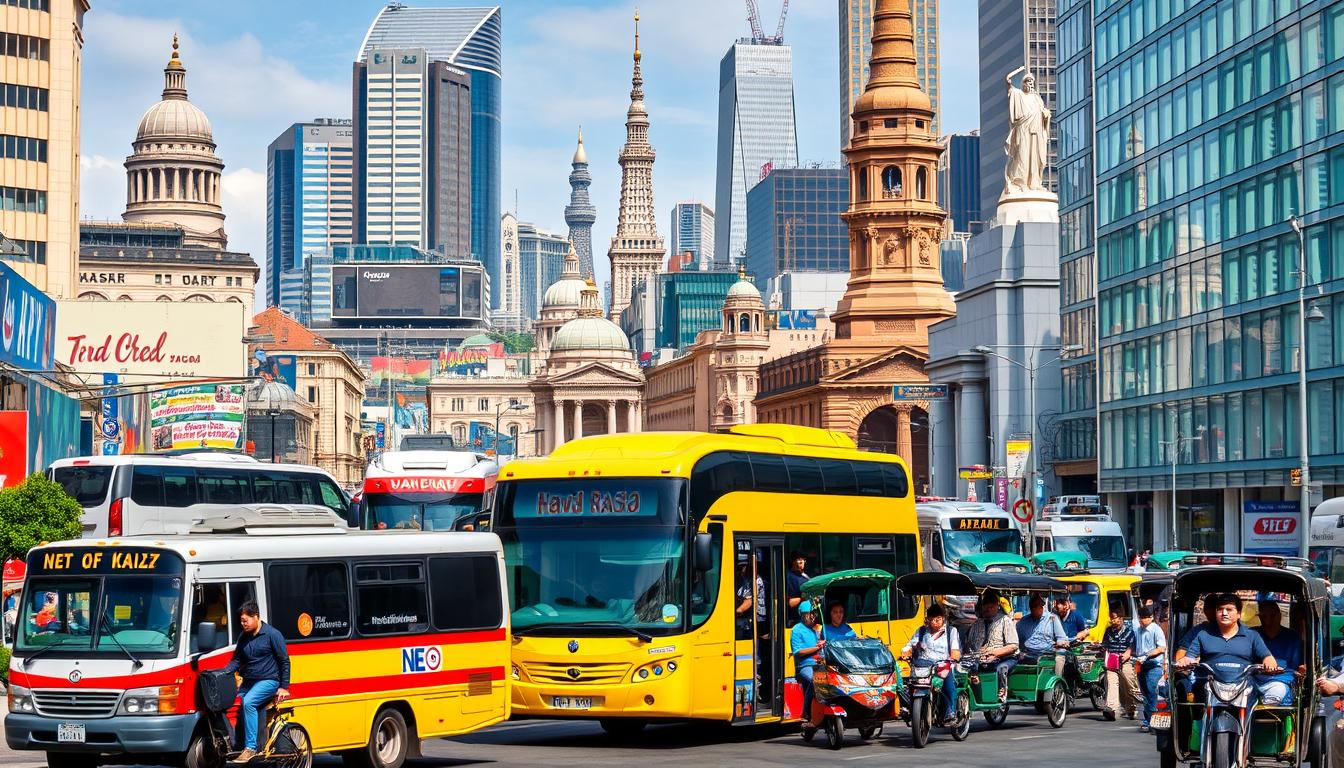
Public Transport vs Taxis for Overseas Travel?
Are you a seasoned traveler or planning your first trip abroad? If so, you might wonder: Which is better for overseas travel – public transport or taxis? This choice can really affect your budget, how easy your trip is, and your overall experience. Whether you’re exploring Tokyo’s busy streets or the scenic routes of Buenos Aires, knowing the best way to get around is crucial for a great trip.
Did you know choosing public transport can save travelers up to 95% compared to taxis and private vans? But many tourists still go for taxis without thinking about how public transport could be cheaper. While places like Lima, Vancouver, and Europe have lots of public transport, not everywhere does. For example, Ushuaia Airport in Argentina doesn’t have much public transport.
But it’s not just about saving money. How easy it is to use these services matters too. For instance, in Japan, a bus from Narita Airport to Tokyo Station only costs $9. Choosing wisely can make your trip both affordable and fun. We’ll show you how these choices affect your travels and why planning ahead is important.
By the end of this article, you’ll learn handy tips for getting around abroad. You’ll know how to choose the best transport for your next exciting adventure.
Introduction to Overseas Transportation Choices
Learning how to get around in a new country can seem hard. Knowing your transportation options is key for a good trip. Choosing between public transport and cabs depends on cost, ease, and your travel needs. Understanding these choices can greatly improve your journey.
Understanding Your Options
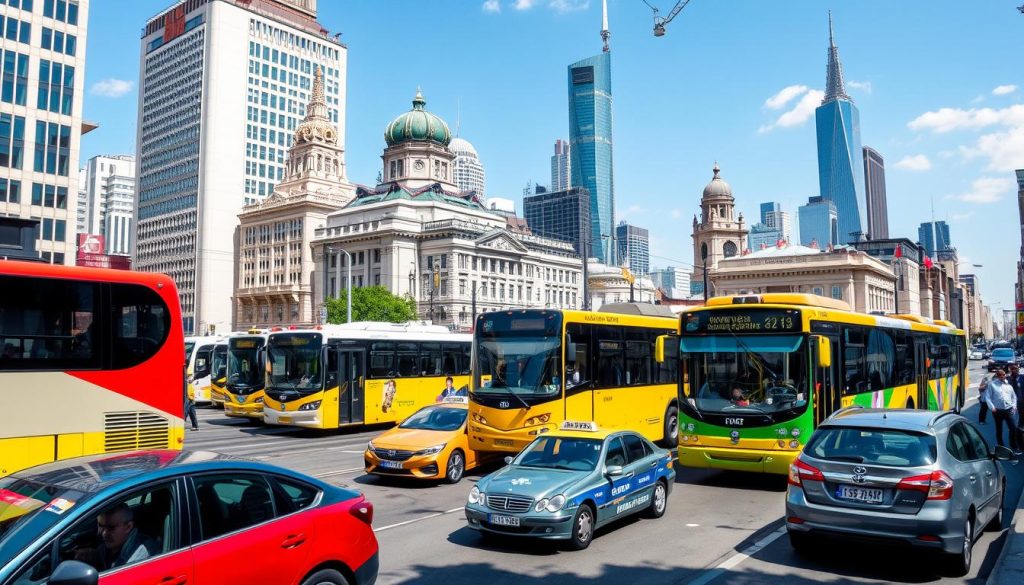
Identifying your transportation choices is a key planning step. From buses and trains to taxis and ride-sharing apps, each option has its pros and cons. Let’s look at some main transportation choices:
- Public Transport: Big cities like Tokyo, Paris, and London have great public transport like subways and buses. These systems reach most areas.
- Taxis and Ride-Sharing: Uber and Lyft are common in many cities. They offer easy rides but can cost more.
- Domestic Air Travel: In places like the USA, flying is a quick way to travel between cities.
- Local Unique Transport: You can find special rides like tuk-tuks in Thailand and rickshaws in India.
Importance of Transportation Planning
Good planning helps you pick the best and cheapest way to travel. It can lower stress, cut costs, and make your trip better. When comparing public transport vs cab, think about these things:
- Cost: Public transport usually costs less. In Tokyo, a subway ride is about $1.80, but cabs start at $7.00 for the first 1.25 miles.
- Convenience: Cabs can take you right to your door. This is handy when public transport doesn’t go where you need or it’s late.
- Safety: Safety is crucial for both options. It’s important to know the local rules, especially abroad.
Creating a solid transportation plan is key for a great trip. It helps you use your time and money well while exploring new places.
Cost-Effective Transportation Abroad
If you’re watching your wallet, picking how you get around is key. When comparing methods like cost-effective transportation abroad, choosing between taxis or public transit can hugely impact your travel costs.
Public Transportation Cost Analysis
In many places, public transit is cheaper than in the U.S. For example, bus fares in Ireland range from €1.00 to €4.00. The ‘Dart’ service for longer trips averages €20. Travel passes like the Student Leap Card give unlimited access to local transport at a fixed cost.
In Greece, you buy bus tickets at stations. You must validate them when you get on, keeping trips organized and wallet-friendly.
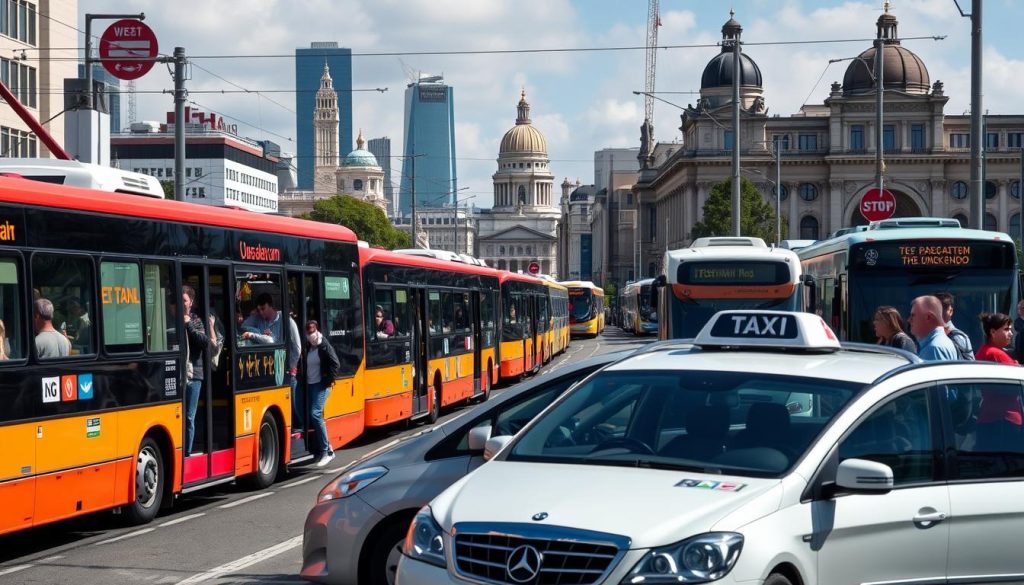
Taking public transport can save you $10-30 daily over taxis. Renting bikes or joining walking tours are even cheaper. These options save up to 60% and 50% respectively in cities good for biking.
Taxi Costs and Budgeting Tips
Taxis provide direct routes but cost more. In Greece, apps like “Beat” offer reliable taxi services and prevent overcharging. Ireland’s “Free Now” app simplifies taxi use, allowing payment through Apple and Google Pay.
To cut taxi costs, consider sharing rides or being vigilant during fare calculation to avoid being overcharged. You can negotiate fares locally to save up to 30%. Choosing travel during off-peak times can lower your trip costs by 20%. Joining loyalty programs can also help save money by earning miles and points.
Here’s a look at the costs side by side:
| Transportation Mode | Average Cost | Potential Savings Tips |
|---|---|---|
| Public Transport | $10-30 per day | Travel passes, bike rentals, walking tours |
| Taxi Services | Variable, often higher | Ride-sharing, app-based services like “Beat” |
Choosing public transit over taxis can greatly cut your travel expenses. Planning ahead and using travel apps, buying passes, and exploring alternative ways to move around can make your trip abroad more affordable.
Convenience and Availability
Looking into public transport versus taxis, we see differences in availability and access across areas. This can change a lot between busy cities and quiet rural places. Let’s talk about what makes it easy or hard to use public transport and taxis abroad.
Accessibility of Public Transport
In countries like Japan, Germany, and the UK, people have many public transport choices. Cities such as New York, Tokyo, and Berlin have big, trusty networks. For example, Stockholm’s system works all night, saving money compared to late taxi rides.
In some places, like Sydney, finding your way on buses is tough without maps. But in Melbourne, bus drivers help by announcing stops. How easy it is to use these systems, such as Chicago’s L train, can vary, especially for those with disabilities.
Public transport is not only cheaper but also better for the planet. Buses are a great example, being less costly than rideshare options like Uber.
Availability of Taxis in Foreign Destinations
In many cities, taxis are a key transport option, especially where buses and trains are less common. Taxis can be more flexible and easy to find, anytime. Uber even became more popular than traditional taxis in NYC by 2017, showing changing preferences.
For short trips in the city costing under $35, taxis can be less expensive than Uber, which raises prices when it’s busy. Yet, Uber and Lyft may offer deals through credit card discounts, making them appealing financially.
Surge pricing, which changes almost every minute, matches prices with demand during busy times and late nights. Choosing the right transport means looking at how often it runs, if it fits your schedule, and if it’s reliable. For instance, outside busy times, public transport might not run often, with late-night services rare, while taxis are always around, making travel plans flexible.
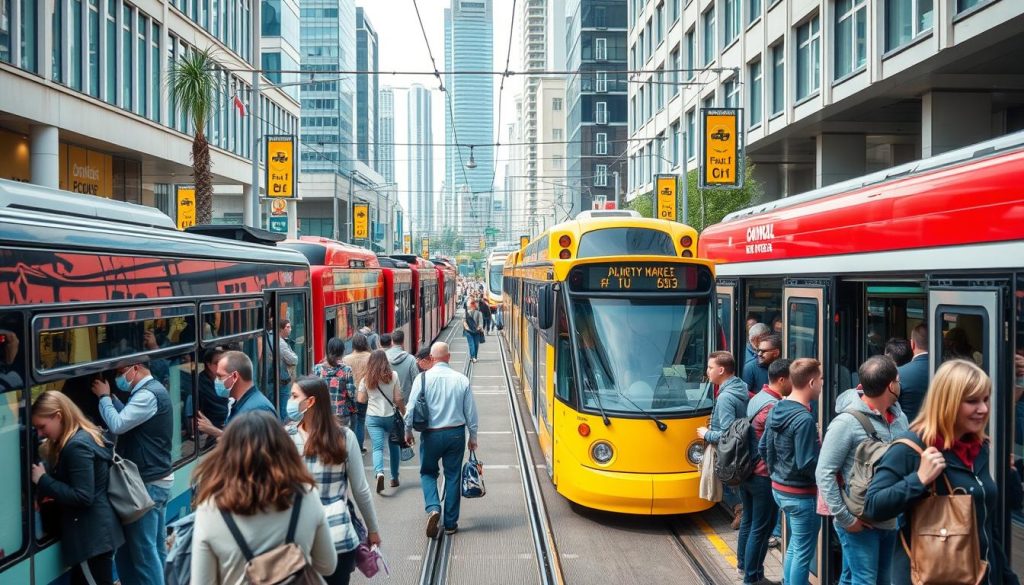
| Aspect | Public Transport | Taxis |
|---|---|---|
| Availability | Varies by city; extensive in major urban centers | Consistently available regardless of location |
| Cost | Generally cheaper; varies by location and passes | Generally more expensive; cheaper for short urban rides |
| Accessibility | Varies; generally good but dependent on local infrastructure | High flexibility and accessibility |
| Environmental Impact | Lower (eco-friendly options available) | Higher (fuel consumption) |
| Convenience | Dependent on schedules and local infrastructure | High convenience, especially in off-peak hours |
The Pros and Cons of Public Transportation
Choosing public transport when abroad has both good and bad sides. Knowing the pros and cons helps you decide what’s best for your trip.
Advantages of Public Transport
Public transport is known for being cheaper. In most places, it’s less costly than taxis or renting a car. It also cuts down on pollution and eases traffic jams.
Riding local buses or trains is a great way to see a place’s real culture. For example, you could take the metro in Paris or a bullet train in Japan. In cities, options like subways are easy to use, making your travel smoother.
Disadvantages to Consider
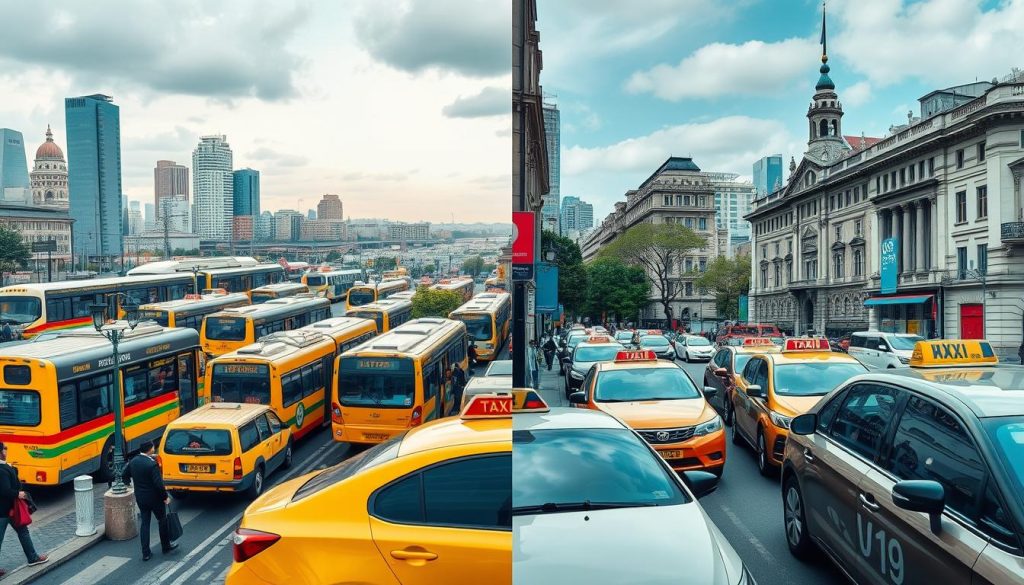
But public transport isn’t perfect. The systems can be hard to figure out. This is especially true if you don’t speak the local language.
In rural areas, options may be limited or not available. Public transport can also be crowded and less comfortable than a taxi or your own car.
- Environmental benefits: Public transport reduces your carbon footprint.
- Cultural experiences: Traveling this way lets you see the local way of life.
- Cost savings: It’s cheaper than using taxis or renting a car.
| Comparison Factor | Public Transportation | Other Modes |
|---|---|---|
| Cost | More affordable | Expensive (Taxis/Rentals) |
| Environmental Impact | Low | High |
| Cultural Immersion | High | Variable |
| Convenience | Depends on area | Consistently high |
The Pros and Cons of Taking Taxis
People often compare taxis and public transport when traveling. Public transit has many benefits, but taxis come with their own sets of pros and cons.
Pros of Choosing Taxis
Taxis stand out for being convenient and time efficient. They are ideal in big cities or when you’re not familiar with the area. If you’re in a hurry or carrying a lot of bags, a taxi can take you straight to where you’re going. You won’t have to figure out complicated transit systems.
- Comfort: Taxis offer a private space away from crowds, making your journey more comfortable.
- Direct Routes: Taxis don’t follow set routes or schedules like public transport, allowing them to take you directly to your destination.
- Time Savings: Taxis free you from the constraints of public transit timetables. This is a big advantage in cities where public transport doesn’t run often.
In places like New York City, taxi services and ride-sharing apps provide many choices. Since 2017, more people use Uber than traditional taxis in New York City. For some trips, using Uber, Lyft, or a taxi can be more convenient and sometimes cheaper.
Cons of Taxi Usage
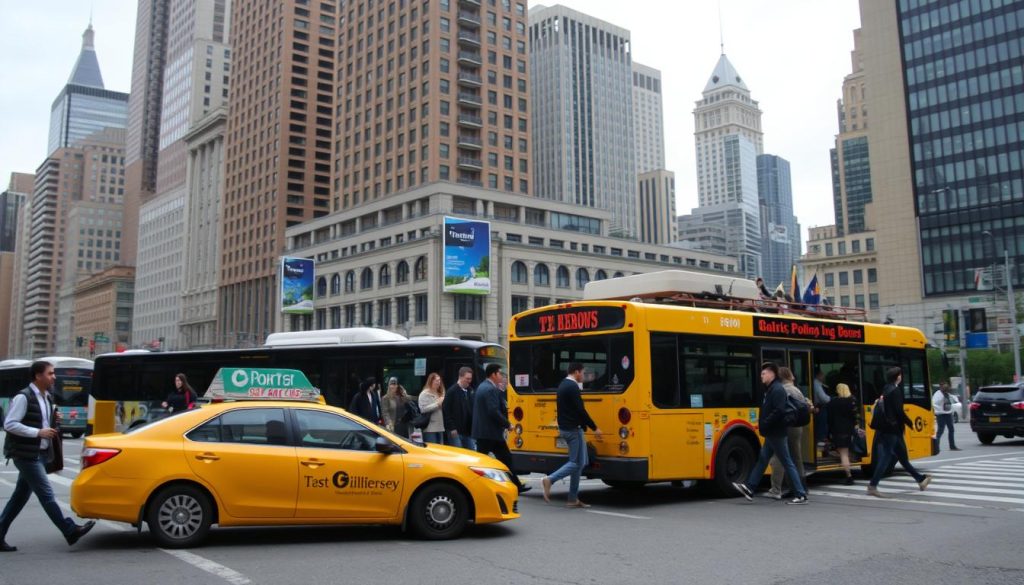
There are downsides to taxi use, though. Mainly, taxis cost more than public transit. Prices can be much higher, especially when demand goes up, making fares skyrocket.
- Higher Costs: Most taxi rides in big cities cost less than $35. But during busy times, apps like Uber might charge more, turning a $30 ride into $45 or more.
- Safety Concerns: In certain places, taxi services might not be safe if they aren’t well-regulated.
- Fare Variability: Taxi fares can vary a lot, from affordable to pricey, especially with surge pricing from ride-sharing apps.
Even though specials, like Chase Sapphire Reserve or J.P. Morgan Reserve’s Lyft Pink deal, can cut costs, taxis generally remain more expensive. This makes it important to compare taxis to public transit. And consider all transport pros and cons based on your budget and travel needs.
| Factor | Taxi | Public Transit |
|---|---|---|
| Cost | Higher, variable | Lower, fixed |
| Convenience | High | Moderate to low |
| Time Efficiency | High | Varies |
| Comfort | High | Varies |
| Safety Concerns | Moderate | Varies |
Is public transportation better than taxis when traveling abroad?
Thinking about if public transit or taxis are better abroad involves a few important points. One big factor is how much money you save with public transport. Studies show that public transit can be up to 60% cheaper than taxis for long city trips. For example, in London, getting a monthly Oyster card is about 50% cheaper than buying single tickets, saving a lot of money.
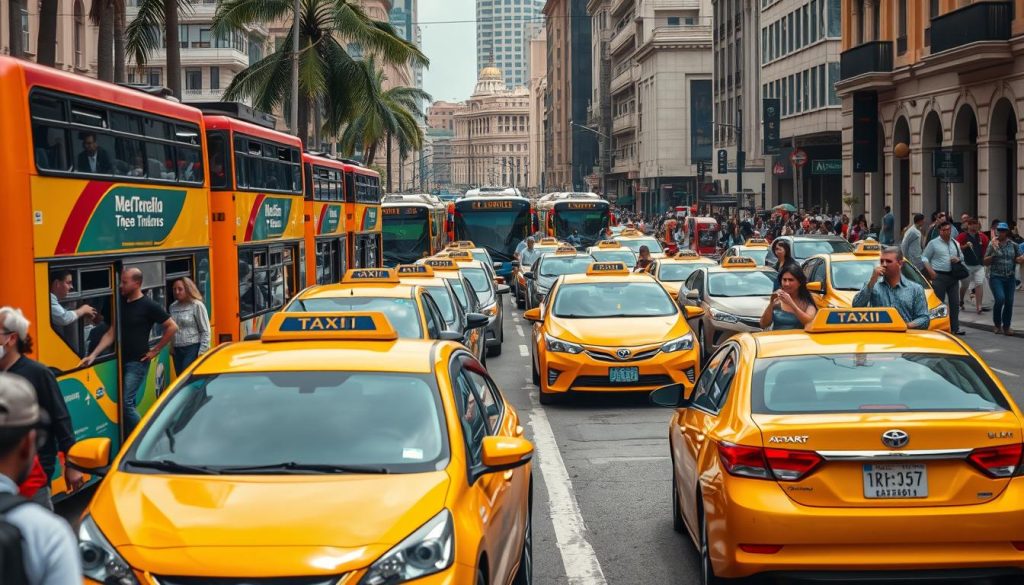
Then, consider how easy it is to find and use each transport type. Cities like Tokyo and New York have huge metro systems with over 200 stops, much more than taxis offer. Plus, apps for buses and trains give real-time updates, making them super handy in new cities.
Choosing public transport is also better for the planet. Trains, buses, and trams emit less carbon per person than cars and taxis do. By taking public transit, you’re traveling in a way that’s more eco-friendly.
Public means of travel also lets you see more of the local culture. When you ride buses, metros, or trams, you meet locals and see their daily life up close. This kind of local interaction is rare in taxis, which mostly keep you separate from the local vibe.
| Factor | Public Transportation | Taxis |
|---|---|---|
| Cost | Up to 60% cheaper | Expensive, particularly for longer distances |
| Availability | Extensive in most major cities | Limited by number of cabs and routes |
| Environmental Impact | Lower carbon emissions | Higher carbon emissions per passenger |
| Cultural Experience | Higher, more local interaction | Limited to the driver |
But, public transport isn’t perfect. Often, it’s crowded, especially at busy times, and the operating hours can vary. Sometimes, there are fines if you don’t follow the rules, which happens to about 5% of riders. It’s key to know and stick to the local transport rules.
In the end, choosing public transit or a taxi abroad depends on what you like and your trip plans. Think about the cost, how easy it is to use, its effect on the planet, and if you want to meet locals. Then, you’ll know which is best for you.
Public Transportation Benefits
Choosing public transport means more than just getting around. It’s a big win for the environment. By carrying lots of people at once, public transport cuts down the cars on our roads and the pollution they cause. This effort lowers the nation’s carbon footprint by 63 million metric tons every year.
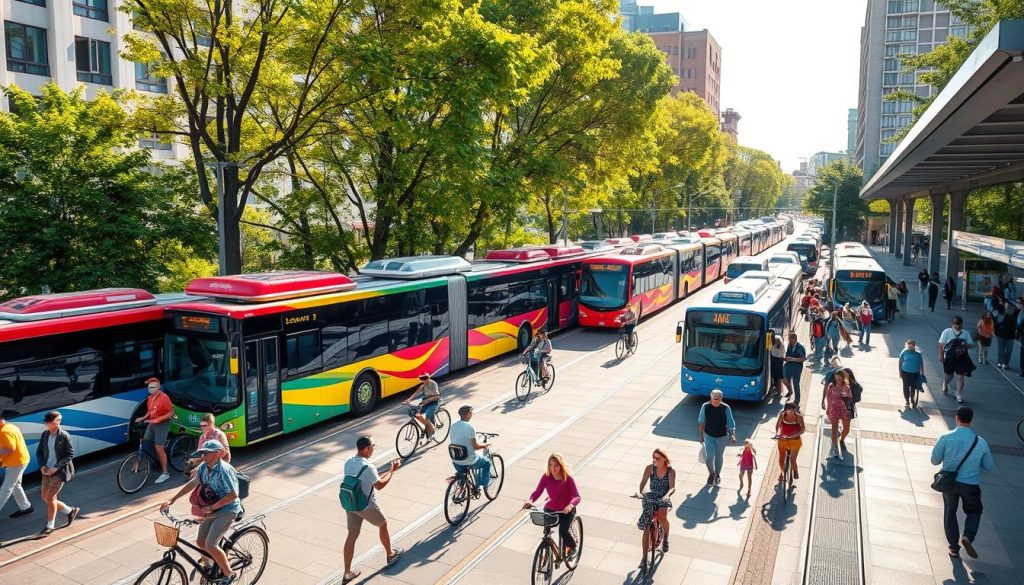
The money angle is just as impressive. For every dollar put into public transit, the community gets back $5. That’s because public transportation helps create jobs—about 50,000 jobs for every billion dollars spent. Plus, the $39 billion spent on these systems boosts businesses across the country.
Homes and hotels near public transit also see big financial gains. Homes can be worth up to 24% more. Hotels with easy train access to airports make 11% more per room than those without. This shows that public transit is not only good for our planet and pockets but great for business too.
Safety is another big plus. It’s ten times safer to travel by public transport than by car. This means a lot fewer accidents and healthier communities. By choosing public transit, you’re over 90% less likely to be in a crash.
Public transit also means big savings for families. Most spend 16% of their budget on cars, including buying and upkeeping them. But by using public transport and having one less car, a family can keep over $13,000 more in their pocket every year. On top of that, the U.S. saves 6 billion gallons of gas annually with public transit.
| Benefit | Value |
|---|---|
| Economic Return | $5 generated for every $1 invested |
| Job Creation | 50,000 jobs per $1 billion investment |
| Increased Real Estate Value | Up to 24% higher home values |
| Hotel Revenue | 11% more revenue per room with rail access |
| Safety Improvement | 10 times safer than traveling by car |
| Household Savings | More than $13,000 annually |
| Gasoline Savings | 6 billion gallons annually |
Challenges of Using Public Transport in Foreign Countries
Using public transport in other countries can be hard. Language issues and complex schedules make it challenging. To have a smooth journey, it’s crucial to prepare well. This helps you know how to move around in another country.
Language Barriers
The language barrier is a big challenge. If you don’t know the local language, asking for directions or reading signs is hard. But, there are ways to deal with this:
- Use apps like Google Translate to help you communicate.
- Learn some key phrases in the local language.
- Keep a pocket dictionary or phrasebook handy.
Complexity and Scheduling
Public transit systems and their schedules can be complicated. Cities often have many buses, trains, and subways. This can confuse first-timers.
To handle this, you should:
- Look into the transit system before leaving. This helps you know the routes and times.
- Use apps like Citymapper or Moovit for live info and planning.
- Remember services might be less on Sundays and holidays. Checking this can prevent problems.
This is a side-by-side look at the problems and ways to solve them with international public transport:
| Challenge | Description | Solution |
|---|---|---|
| Language Barriers | It’s hard to understand local languages for directions and signs. | Use translation apps, learn important phrases, have a dictionary. |
| Complex Routes | There are many bus, train, and subway networks to figure out. | Research and use navigation apps before your trip. |
| Scheduling Issues | There can be different services on weekends and holidays. | Check schedules and other ways to go beforehand. |
By taking these actions, you can better understand how to get around in another country. This makes choosing how to travel there easier, and less stressful.
Comfort and Safety Considerations
Choosing between public transport and cabs means looking closely at comfort and safety. How reliable the transport is and the rules of the country matter a lot. These things shape your choice.
Safety of Public Transit vs. Taxis
Safety is key for travelers. A study from Alarms.org in October 2019 shows that 45% of women prefer cabs with female drivers, highlighting safety worries even in taxis. Uber has said over 99.9% of its rides from 2019-2020 happened without any safety issues. But there were still 3,824 cases of sexual assault reported during that time.
Taxis can be safer because their trips are monitored and easy to track. But safety varies a lot with public transport. In places with good oversight, public transport is usually safe. Yet, there’s a higher chance of theft in packed buses or trains.

In some spots, like Almaty, Kazakhstan, off-the-books taxis might be risky, especially for those traveling alone. Meanwhile, some cities have set fares for cabs to make them safer. The U.S. suggests using licensed cabs through the Smart Traveler Enrollment Program (STEP) to avoid danger from unlicensed cabs.
Comfort Level for Different Travelers
Comfort matters a lot when picking taxis or public transport. Taxis usually offer a cozy space where you can relax or work. Egypt’s Pink Cab and Dubai’s Ladies and Families Taxi focus on making traveling comfy and safe for women.
Public transport doesn’t always match the comfort of a taxi, mainly when it’s busy. Yet, it can vary by city. Places like New York or Tokyo have public systems that provide comfy, clean, and punctual services. This might appeal to different kinds of travelers.
The choice between public transport and a cab weighs many factors. It’s about what you find comfortable and how you view your safety.
Conclusion
Choosing between public transport and taxis when you’re abroad depends on what you like, your travel needs, and where you’re going. Public transport is cheaper, which is great for international students and people living temporarily in another country. With discounts and big networks like Greyhound, Megabus, and Amtrak, it’s easier to travel on a budget.
Public transportation has its upsides like being everywhere, low cost, and good for the planet. But, it can be tricky with language issues and figuring out schedules. On the other hand, taxis and services like Uber and Lyft offer direct rides and are simple to use. Yet, they can be more expensive and prices change a lot.
Think about what’s safe, comfortable, and fits your budget when picking how to get around. Good public transit systems are user-friendly and lots of people use them, especially if they’re used to it from before. Moving to a new place is a chance to try new ways of getting around, usually picking cheaper public options over expensive private ones. Mixing both public transport and taxis, depending on what you need at the time, is the best way to travel well abroad.