International Travel: Public Restroom Guide
Have you ever urgently needed a restroom in another country, but felt lost? The strange signs and different customs can be confusing. Learning about restroom customs worldwide can make your travels easier.
Are you traveling across Europe’s roads, exploring Asia’s vibrant cultures, or seeing the Middle East’s historic sites? This guide has everything you need to know about using restrooms abroad. You’ll learn about various flushing systems and when to tip. This way, you’ll be prepared, wherever you go.
Did you know many public bathrooms in Europe charge a fee? This is especially common at rest stops and train stations. And in Asia, squat toilets are still the norm, which might surprise first-time travelers. This guide covers these details and more. This way, you won’t be surprised by restroom customs overseas.
Finding Public Restrooms in Foreign Countries
Traveling internationally is an exciting journey. But, finding a public restroom can be tricky. Here’s how to easily find restrooms in different places:
Restaurants and Cafes
Looking for a restroom? Try restaurants and cafes. Places like Starbucks and McDonald’s usually have them for customers. These spots are great in cities abroad. Plus, workers there may have more overseas bathroom tips for you.
Public Buildings
Restrooms are common in places like museums and libraries. They might charge a small fee, but they’re clean. In countries like Sweden and Germany, this fee keeps the bathrooms in good shape.
Street Toilets
Street toilets are found in many city areas. Japan is known for its advanced and clean street bathrooms. In Australia, tourists find these facilities clean and handy. Always have some coins with you. In Europe, these small fees help keep the toilets maintained.
Modern Solutions: Apps and Maps
Nowadays, tech helps us find restrooms easily. The SitOrSquat app shows over 100,000 public restrooms in the US. It uses your location to find bathrooms close to you. This app, together with Google Maps, lets users rate restrooms. This makes the app more accurate and helpful.
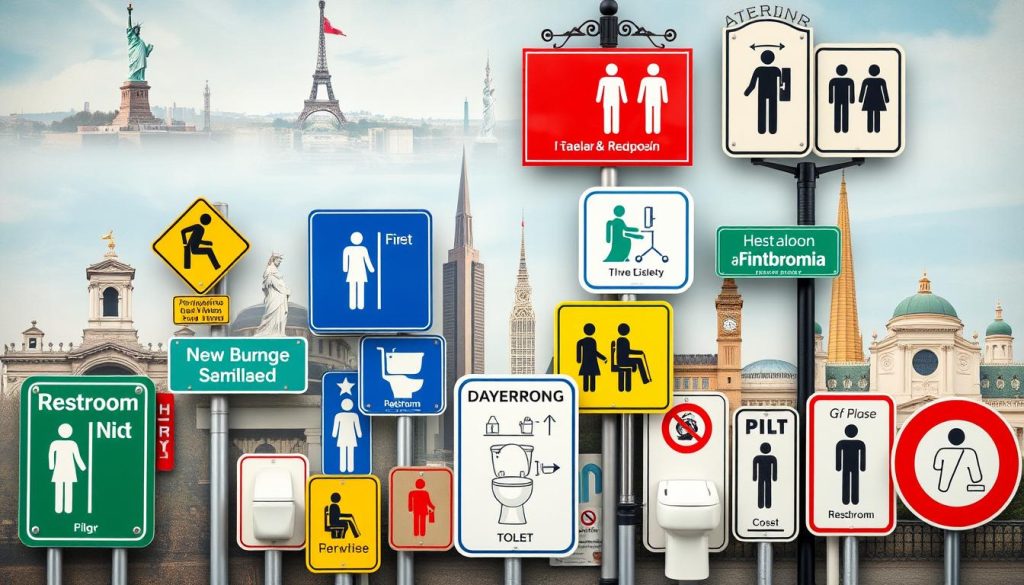
| Country | Restroom Quality | Maintenance Fee |
|---|---|---|
| Japan | High-tech, clean | Free or nominal |
| Germany | Well-kept | €0.5 – €1 |
| Sweden | Modern amenities | Sometimes |
| Singapore | Strictly maintained | Free |
| South Korea | High-tech | Free or nominal |
Understanding Different Flushing Mechanisms
When you travel around the world, you’ll see many ways to flush toilets. This shows the unique toilet practices in different countries. Knowing how these work helps avoid confusion. Different flushing methods show how countries design their plumbing and save water.
Pull Strings and Handles
In Europe, many toilets have pull strings or handles. These are mostly found in old buildings. Pull the string above the toilet to flush. Handles are on the side or top of the tank and need a firm push. This might be new to you if you’re used to modern toilets. But it’s a common part of toilet practices in different countries.
Button Systems
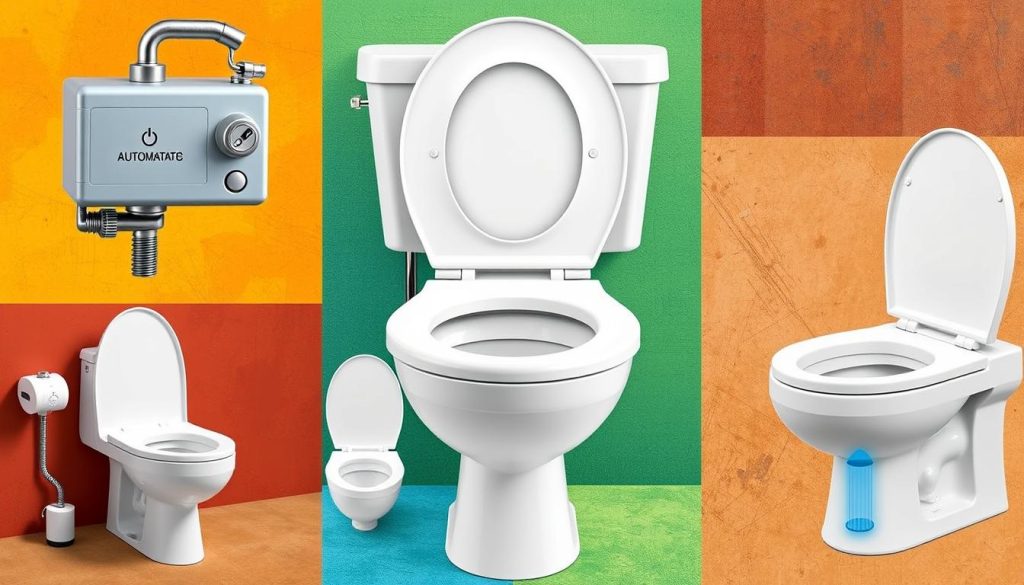
Button systems are good for saving water. They’re used in Australia and Japan. These toilets have two buttons: one for a light flush and another for a heavy flush. This saves water by using the right amount for each flush. If you visit a country that cares about saving water, you’ll likely see this system. It’s good to know how these buttons work. This helps you get used to global toilet mechanisms.
Pump Toilets
In the UK and some European areas, pump toilets are common. These are often in older or rural places. You pump a handle to flush. It might seem hard at first, but it’s easy once you learn it. Learning how to use these toilets is important when you’re in these places. It lets you handle these unique toilet practices in different countries better.
Toilet Paper Practices Around the World
When you travel, knowing local toilet paper habits is key. It makes trips smoother. This guide talks about toilet paper disposal abroad and using bidets.

Using Waste Bins
In countries like Greece and Turkey, don’t flush toilet paper. Their pipes get clogged. Always use nearby waste bins for your used toilet paper.
This keeps the bathrooms working well and blockage-free.
BYO Toilet Paper in Certain Regions
In places like China, don’t expect toilet paper in public restrooms. Always bring your own. Remember to carry soap and hand sanitizer too.
Better safe than sorry, these items keep you clean.
Bidets and Water Cleaning Systems
Bidets are popular in Europe and Asia. Countries like Japan, Italy, and France have them. In Southeast Asia, you’ll find “bum guns.”
Using them respects local customs. It’s also cleaner and greener than toilet paper.
Learn and adapt to these toilet habits for a good travel experience. Pack essential toiletries. Understand local toilet paper disposal abroad and bidet usage.
| Country | Toilet Paper Disposal | Bidet Usage |
|---|---|---|
| Greece | Dispose in waste bins | Not common |
| Japan | Flushable | High-tech bidets prevalent |
| China | Carry your own toilet paper | Not common; water cleaning in rural areas |
| Turkey | Dispose in waste bins | Common |
| France | Flushable | Common |
Pay Toilets and Tipping Custom
When you travel across Europe, you’ll find different restroom rules. This includes pay toilets and how much you should tip at public restrooms. It’s different from the mostly free bathrooms in the United States. Let’s look into pay toilets and tipping tips.
European Pay-to-Pee Systems
In cities like Amsterdam, Europe has many pay toilets. You might need to pay an attendant or use an automatic system. France has self-cleaning sanisettes that cost money to use. These are clean but sometimes they might not work, so it’s good to have a backup plan.
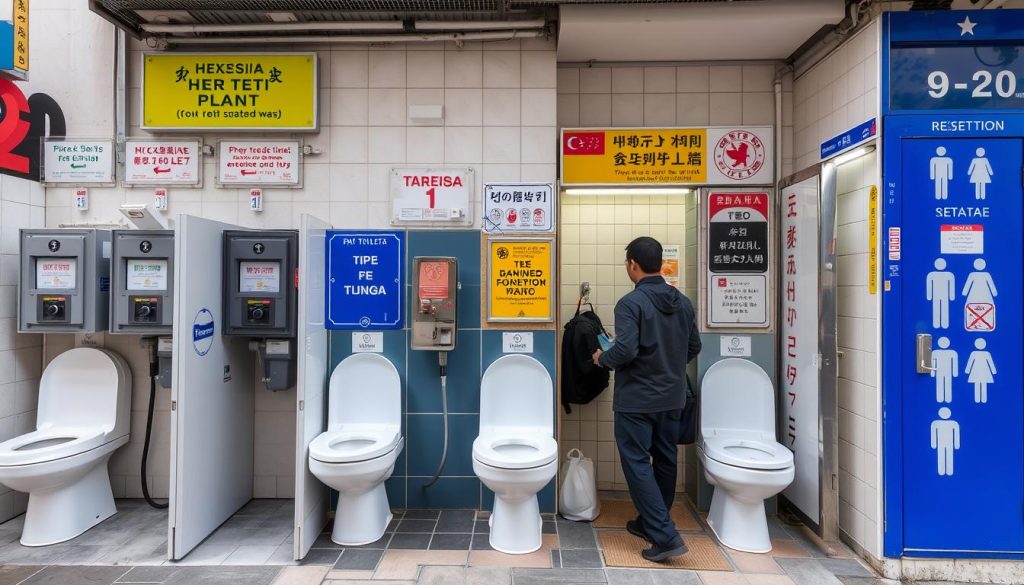
Some places in Europe require codes from fast food receipts for bathroom access. This shows how restroom etiquette has evolved there.
When and How Much to Tip
Tipping for bathroom attendants varies by place. In the US, tips are usually 20-25%. However, in Europe, it’s common to tip restroom attendants between $0.50 and $1. This is less than in the US, where tips are important for workers’ incomes.
In Denmark, tipping at public toilets is rare because service charges are often included in bills. But, in places like North Africa, the Middle East, and South Asia, small tips or “baksheesh” are usual for services including restroom attendants.
| Region | Pay Toilets | Tipping Custom |
|---|---|---|
| United States | Rare | 20-25% |
| France | Common in public areas | $0.50 – $1 |
| Denmark | Included in restaurant bills | Not expected |
| Egypt | Variable | $1-2 (or E£30-40) |
| Japan | Rare | Not expected |
| China | Becoming more common | Varies |
| Middle East & South Asia | Variable | Baksheesh Expected |
Knowing about different bathroom rules and tipping customs makes traveling better. It helps you handle new situations with ease.
Handling Gender-Neutral Bathrooms and Gender Roles
Using gender-neutral bathrooms is new for some, combining different traditions and new rules. It’s important to know how to act in these bathrooms to show respect and make everyone feel comfortable.

Shared Hand-Washing Facilities
More and more, restrooms have shared areas for washing hands. It’s important to keep clean and think of others in these shared spaces. Make sure to wash your hands well and quickly. Try not to chat too much to keep the area open for all.
Mixed-Gender Spaces
Restrooms for all genders are made to welcome everyone. Using them means we must respect each other’s privacy. Always knock on stall doors and respect space. Understanding and using these restrooms correctly can help change old views and make them feel safer for everyone.
Attendants of the Opposite Gender
Sometimes, you might see restroom attendants who are not the same gender as you, especially in other countries. Treat these situations with kindness and follow the rules of restrooms around the world. The goal is to keep restrooms clean and safe for all, no matter their gender.
| Country | Policy |
|---|---|
| Australia | Recognition of “they/them” pronouns in official guides. |
| Maine, U.S. | Transgender rights to use gender-affirming bathrooms in schools. |
| Washington, D.C. | Mandates gender-neutral signage on single-occupancy restrooms. |
As ideas about gender change, so do the rules for using bathrooms. Knowing about gender-neutral bathroom rules and global restroom customs is key to making these spaces welcoming and respectful for everyone.
Squat Toilets: Tips for Using Them
When you travel far, you learn lots of new things. One of them is how to use a squat toilet. It’s a big part of international restroom etiquette. Here’s how to make the experience easier for you.
How to Squat Properly
Getting the squat right is key to a good experience. Start with your feet apart, as wide as your shoulders. Then, squat down. Keep your heels down and knees bent. If it feels weird, try it at home first. It helps with balance and comfort.
Using Pedals and Water Buckets
In some places, you’ll flush squat toilets with a pedal or use a bucket. You might get a bucket or a dipper for cleaning up. Remember, use your left hand for washing. This follows the local squat toilet etiquette. Learn what’s there so you can stay clean and respect the customs.
Countries Where Squat Toilets Are Common
Know where you’ll find squat toilets to prepare yourself. They’re common in the Middle East, South Asia, East Asia, and Southeast Asia. Countries like China, India, Pakistan, Sri Lanka, and Indonesia have lots. Even in Japan, you’ll see them, especially if you’re saving money.
| Region | Common Cleaning Method | Percentage of Available Handwashing Facilities | Availability in Public Venues |
|---|---|---|---|
| Middle East | Water cleaning with a bucket | Less than 30% | 50%-75% |
| South Asia | Hand-washing with water | Less than 30% | 50%-75% |
| East Asia | Mixed, both water and toilet paper | 30%-50% | 50%-75% |
| Southeast Asia | Water cleaning with a bucket or “bum gun” | Less than 30% | 50%-75% |
Using these tips will make squat toilet usage easier. It shows you respect international restroom etiquette. And, it will make your trip smoother and fun.
What should I know about using public restrooms when traveling internationally?
Traveling around the world, you’ll see different public restroom standards. Knowing how to use them can make your trip better and cleaner.
In some places, like Greece and Turkey, you won’t always find toilet paper in restrooms due to plumbing issues. It’s smart to have your own tissues. Sometimes, you might even have to pay to use restrooms.
Keeping your hands clean is very important. Not washing hands well can lead to diseases like E. coli and Hepatitis A. When soap and water aren’t available, use hand sanitizer or antiseptic wipes.
Understanding how to pay or tip is important too. In Europe, many restrooms charge a fee, often about 50 cents. If there’s a tip dish, leaving 25-50 cents is a kind gesture.
Squat toilets are common in places like Asia and Africa. They might seem scary, but learning how to use them beforehand helps.
Gender norms in restrooms can be different too. You might see female attendants in men’s restrooms or mixed-gender washing areas, especially in Europe.
You’re more likely to find clean restrooms in nice hotels and American fast-food restaurants. Luxury hotel lobbies usually have good, clean facilities you can rely on.
Always wash your hands with soap and warm water for 20 seconds after using the restroom. This can help you avoid traveler’s diarrhea and other health issues.
Knowing about public restroom use when traveling can really improve your experience. Being ready for anything from how to clean your hands to squat toilets and payments makes any trip smoother.
Health Risks From Public Bathrooms Abroad
When you travel outside your country, public restrooms can pose health risks. It’s important to understand these risks and take steps to prevent sickness. This keeps your travel experience worry-free.
Common Illnesses
Places like public restrooms can spread germs that cause diseases. These include traveler’s diarrhea, norovirus, and hepatitis A, especially in places lacking clean facilities. With up to 40% of travelers getting stomach issues, good hygiene is key.
Preventive Measures
To avoid getting sick, carry a kit with hand sanitizer, wipes, water, and soap. Try not to touch surfaces, and wash your hands well. These steps lower the risk of catching something from a restroom.
Also, there are apps that show over 280,000 toilet locations. They can help you find cleaner options.
Vaccinations and Immunity
Before traveling, talk to your doctor about needed shots. Vaccines like hepatitis A, typhoid, and cholera are often suggested. They boost your immunity, helping prevent sickness from public restrooms. Being prepared helps keep your travels smooth.
To sum it up, being well-informed and ready can lower health risks from using public restrooms abroad. These measures help keep you healthy and ensure a fun trip.
Cultural Bathroom Norms You Should Know
When you travel outside your country, knowing cultural bathroom norms is key. This stops any accidental disrespect. Every country has its own bathroom rules for travelers to follow. This makes your journey smoother and keeps you respectful.
Restroom Etiquette
In places like London, Paris, and Amsterdam, you often pay to use toilets. You might need coins for about 60% of the restrooms in France, Germany, and the Netherlands. Meanwhile, Japan offers free public restrooms. You can find them in train stations, convenience stores, and parks. Japan’s restrooms are clean and easy to access.
In Turkey, Mexico, Egypt, Ukraine, and Greece, throw toilet paper in trash bins, not the toilet. Their plumbing can’t handle it. But don’t forget to flush in Singapore! If you don’t, you might get fined. This shows respecting local rules is crucial.
Local Customs and Practices
Bidets are common in much of Europe. For example, 70% of French public restrooms have bidets. Italy, Japan, and parts of the Middle East also use them a lot. This fits with their focus on water for personal hygiene. But in North America, including the U.S. and Canada, you’ll mostly find just toilet paper.
Restroom styles vary across Asia. Countries like India, Thailand, and China still use squat toilets. Japan prefers Western-style toilets but keeps traditional ones too. In the Middle East, 90% of bathrooms have a handheld bidet, the Islamic shattaf.
| Country/Region | Common Practices |
|---|---|
| Europe (London, Paris, Amsterdam) | Pay-to-use toilets |
| Turkey, Mexico, Egypt, Ukraine, Greece | Dispose toilet paper in bins |
| Singapore | Mandatory flushing |
| Japan | Free and clean restrooms with high accessibility |
| North America (U.S. and Canada) | Toilet paper only, no bidets |
| Middle East | Use of handheld bidets (shattaf) |
| Asia (India, Thailand, China) | Squat toilets |
| France | Approximately 70% of restrooms equipped with bidets |
Getting to know these cultural bathroom norms and restroom customs abroad helps a lot. You can use public restrooms confidently. You’ll show respect for local ways and have a better trip.
Destinations With the Cleanest Public Restrooms
When you’re traveling abroad, finding clean public restrooms matters a lot. Luckily, some places are famous for keeping their public restrooms super clean. Japan, Germany, and Singapore stand out for their exceptional restroom facilities.
Japan
Japan is famous for having some of the cleanest public restrooms around. You’ll find high-tech features like bidets, heated seats, and even self-cleaning options in these restrooms. This technology keeps the restrooms clean and fresh. Plus, Japanese culture really values cleanliness, which shows in how well they keep their public toilets.
Germany
Germany is also known for its clean and well-kept public restrooms. In many German cities, public toilets are not just clean; they’re modern too. They often charge a small fee for use. This money helps keep the restrooms in top shape. Thanks to this, Germany is a favorite for travelers looking for clean places to go when they need to.
Singapore
Singapore is another place with super high standards for restroom cleanliness. The authorities here make sure public toilets are always neat and tidy. This care shows Singapore’s commitment to public health and keeping the city clean. It’s why Singapore ranks high among top sanitary destinations.
Destinations With Poor Public Restroom Hygiene
Traveling around the world, you’ll see that public restrooms are not all the same. Some places struggle with keeping their restrooms clean. This affects how much travelers enjoy their trips. Here, we’ll talk about three countries where this is a big issue.
India
India is full of beautiful sights and rich culture. But, the public restrooms might not be what you’re used to. You’ll find squat toilets often, and bringing your own toilet paper is a must. Sometimes, there’s no flush, just a bucket of water you need to use.
In India, staying clean means being ready and careful. In the countryside, restrooms are very basic. Having hand sanitizer and wipes with you is very important.
Egypt
Egypt is known for its ancient wonders. Yet, its public restrooms can be quite lacking. They often miss soap, toilet paper, or a working flush. Like in India, it’s best to have your own hygiene supplies.
Restrooms at busy spots like the Pyramids can be dirty and full. Even if nicer places have clean bathrooms, public ones are mostly not great. Always have some coins ready, as you might need to pay to use them.
Morocco
Morocco offers amazing marketplaces and historical sites. However, its public restrooms often fall short on cleanliness. They might not have enough soap or toilet paper. Sometimes, they have squat toilets or are just not cleaned well.
Carrying things like toilet paper, sanitizer, and wipes is smart when in Morocco. Be ready for different levels of cleanliness, especially off the beaten path. Dealing with these issues will help you stay clean on your trip.
Knowing about these sanitation problems can help you plan better for your trip. If you bring your own supplies and know what to expect, you can tackle these challenges better. This way, you can enjoy your time in these countries more.
Essential Items to Carry for Public Restroom Use Internationally
Traveling abroad means facing different restroom conditions. Carry a compact travel restroom kit for hygiene and comfort. This kit should have essential hygiene products for travel for any situation.
Hand Sanitizer and Disinfectant Wipes
Hand sanitizer and disinfectant wipes are must-haves. Often, public restrooms lack soap or working sinks. Keeping hands clean is key to staying healthy. Make sure your kit has hand sanitizer with at least 60% alcohol and some disinfectant wipes.
Travel-Size Toilet Paper and Seat Covers
Not all public restrooms offer toilet paper. That’s why travel-size toilet paper is vital in your kit. Also, disposable seat covers add protection against germs on toilet seats. They keep you clean and comfy.
Personal Soap and Water
Bring a small bar of personal soap or liquid soap just in case. If there’s no soap, you’ll be ready. Carrying a portable water bottle is also smart where running water is scarce. These items are key for a well-stocked travel restroom kit.
Conclusion
Wrapping up our guide, it’s clear that knowing about global restroom habits boosts your travel joy. Getting to know different facilities, like Japan’s fancy toilets, seatless ones in Southern Italy and Athens, or China’s squat toilets, preps you well. This summary shows how being informed makes your travels better.
Journeying through restroom hygiene worldwide shows us something important. Japan leads with top designs and cleanliness in public toilets. But, in places like China, you might want to bring your own stuff because of squat toilets and sometimes no toilet paper. Our guide aims to prep you for these situations, making your travels smoother.
Don’t forget to pack essentials like hand sanitizers, mini toilet paper, and disinfectant wipes. Knowing local restroom rules and traditions keeps you comfy and shows respect for their ways. This guide gathers all you need to know for easier restroom use abroad. We hope it makes your adventures more fun and less of a hassle.