Your Guide to the Must-Visit Cali Eco-Parks
When thinking about visiting California’s natural wonders, you might ask: what’s special about Cali eco-parks? With 280 state parks and 10 national parks, California has a lot to offer. You can see towering trees in Redwood National Park or unique rock formations in Joshua Tree National Park. These parks promote sustainable tourism and environmental conservation.
California’s national parks, like Yosemite and Sequoia, draw millions of visitors each year. They show the state’s dedication to protecting the environment and promoting sustainable tourism. Visiting Cali eco-parks is a great way to enjoy the outdoors while supporting these important efforts.
Understanding the Rise of Cali Eco-Parks
Exploring eco-friendly destinations, you might ask what makes Cali eco-parks special. The growth of green tourism in California has led to more eco-parks. These parks offer unique experiences and help protect nature.
Visiting eco-parks, you’ll find many activities and features. They show the beauty of nature. Some key things include:
- Guided tours and educational programs
- Wildlife conservation and rehabilitation centers
- Sustainable practices and eco-friendly facilities
The California green tourism movement aims to protect natural resources. By visiting eco-parks, you help conserve California’s ecosystems. When you plan your trip, choose sustainable options and respect the environment. This way, you’ll have a positive impact on these green tourism efforts.
Northern California’s Premier Eco-Destinations
Northern California is a paradise for outdoor lovers. It offers a variety of outdoor adventures in its beautiful landscapes. From the towering redwood forests to the scenic coastal trails, it’s full of biodiversity hotspots to explore.
The Redwood National and State Parks are highlights, with many plant and animal species. The area also has gardens and nurseries like the Occidental Arts & Ecology Center. It focuses on ecological and social justice training.
There are many ways to see the region’s beauty. The Humboldt Botanical Gardens have tall rhododendrons. The Luther Burbank Experimental Farm shows the area’s horticultural history. Northern California is perfect for those who love outdoor adventures and biodiversity hotspots.

Whether you love nature, seek adventure, or want to get away from city life, Northern California has it all. Start planning your eco-friendly trip and explore its top eco-destinations.
Exploring Central California’s Sustainable Preserves
When you explore Central California, you’ll find many sustainable preserves. These places show the area’s focus on teaching about the environment and tourism. The Jack and Laura Dangermond Preserve is a great example, covering 24,364 acres.
This preserve has different landscapes like chaparral, grassland, and oak woodlands. It’s home to many animals, including badgers, bobcats, mule deer, and mountain lions.
The preserve is special because it sits between two big ecological areas. It’s perfect for learning about the environment and doing research. The work done here, like planting over 150 acres of oak woodland, shows its dedication to the environment. By helping out, you support this amazing place and help tourism be more sustainable.
Some important things about the Jack and Laura Dangermond Preserve include:
- 328 acres of wetlands, including seeps, springs, and perennial marshes
- A variety of ecosystems, including chaparral, grassland, oak woodlands, and coastal scrub
- A diverse array of wildlife, including badgers, bobcats, mule deer, and mountain lions
- Restoration efforts, including a large-scale project to re-plant over 150 acres of oak woodland

Visiting Central California’s sustainable preserves lets you see unique ecosystems. It also helps with education and conservation. Always follow the rules, stay on trails, and don’t litter. Your actions help protect these amazing places for the future.
Southern California’s Top Eco-Parks and Nature Centers
Exploring Southern California, you’ll find many eco-parks and nature centers. Eco-tourism lets you enjoy nature while helping conservation. The Upper Newport Bay Nature Preserve is a key spot, covering about 1,000 acres.
This preserve is a haven for many plants and animals, including six rare birds. It has bike, hiking, and equestrian trails for outdoor lovers. The Muth Interpretive Center also offers educational exhibits and info on the preserve’s ecosystem.
The Bolsa Chica Ecological Reserve is another must-see, spanning about 1,300 acres. It has different habitats like open water and coastal dunes, hosting over 200 bird species. Its trails give visitors breathtaking views of the area.
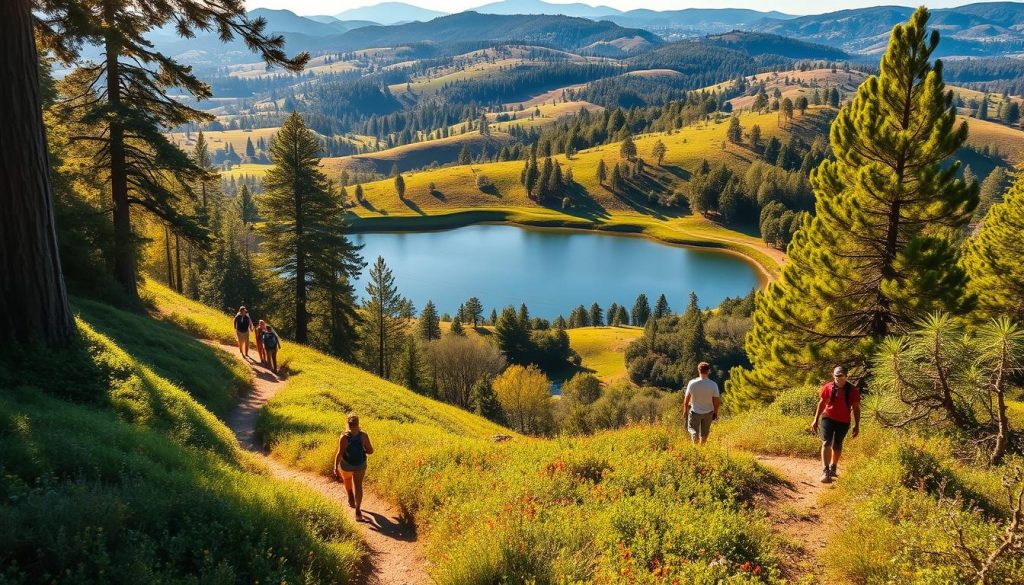
These parks and centers are perfect for outdoor fun and support nature preserves. By visiting, you help keep Southern California’s beauty alive and support eco-tourism.
Best Practices for Sustainable Tourism in California Parks
When you visit California’s eco-parks, think about how your actions affect the environment. Sustainable tourism is key to keeping the state’s beauty intact. Simple actions can help reduce your impact and protect these parks for the future.
Supporting local conservation is a great way to promote sustainable tourism. Joining volunteer programs like the Annual Yosemite Facelift® or the Oakhurst Facelift® helps clean trails and protect habitats. You can also donate to the Park Patron Program, which helps improve local parks without costing businesses.
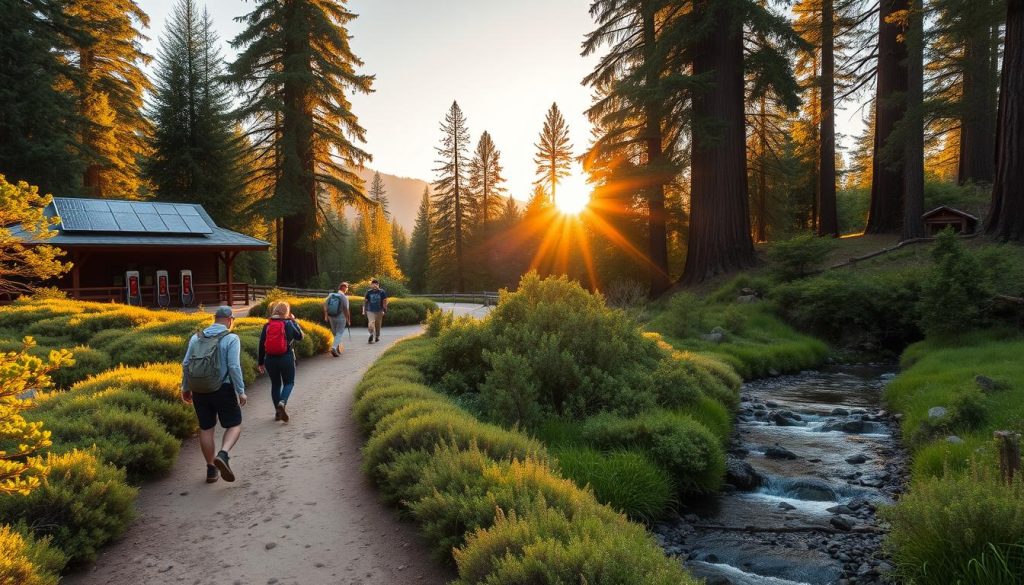
- Respect local wildlife and their homes
- Reduce waste and recycle when you can
- Use public transport or carpool to cut down on emissions
- Support local businesses and conservation projects
By following these tips and practicing environmental conservation, you help keep California’s beauty alive. You’ll also make sure your visit is enjoyable for you and others who come after you.
Seasonal Guide to Visiting Cali Eco-Parks
Planning your outdoor adventures in California’s eco-friendly spots? Knowing the best time to visit is key. The state’s varied landscapes and climates offer many experiences all year. Spring brings mild temperatures along the central Pacific Coast, perfect for scenic coastal trails and wildflower viewing.
Summer months see Yosemite and Joshua Tree fill up with visitors. To dodge the crowds, visit during the shoulder season. This time offers pleasant weather and fewer tourists. For example, Redwood National Park needs advance planning for spots like Fern Canyon. A free online parking permit is required for Fern Canyon from May to September.
Here are some seasonal highlights and requirements for Cali eco-parks:
- Yosemite National Park: day-use reservations are required from mid-May to late September
- Redwood National Park: free online parking permit needed for Fern Canyon from May to September
- Lassen Volcanic National Park: roads typically open around June 1 due to winter snow cover
- Joshua Tree National Park: peak season is from June to September, with over 3 million visitors in 2021
Before your trip, check the park’s website for trail closures, parking permits, and other needs. Being prepared and flexible will enhance your outdoor adventures in California’s beautiful eco-friendly spots.
Educational Programs and Guided Experiences
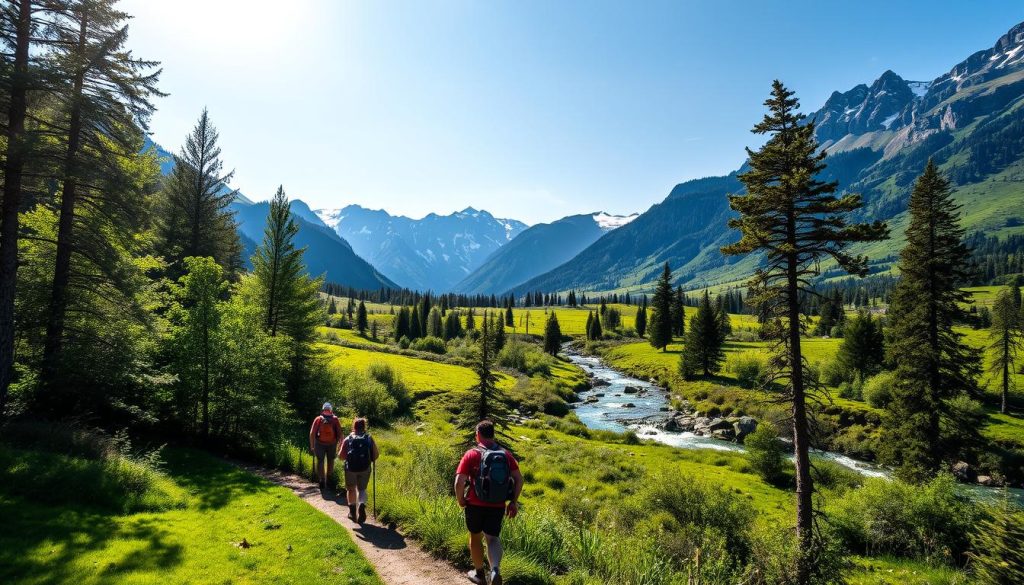
Exploring Cali eco-parks reveals a variety of educational programs and guided tours. These focus on environmental education and sustainable tourism. They aim to engage people of all ages, from kids to adults, in learning about nature.
California State Parks offers many programs. These include Natural History Field Trips, Cultural Heritage Field Trips, and Environmental Studies Programs. They offer hands-on learning, letting people see how humans and nature interact. Some key programs are:
- Junior Ranger Program: focuses on stewardship of park resources and links local issues to global concerns
- Litter-Getter Programs: engages children in trash collection activities, emphasizing environmental responsibility in parks
- PORTS (Parks Online Resources for Teachers and Students): provides live, interactive video-conference presentations for K-12 teachers and students
These programs not only teach about environmental education but also support sustainable tourism. They encourage visitors to care for and protect nature. By joining these programs, you’ll learn more about why conservation and sustainability are crucial in Cali eco-parks.
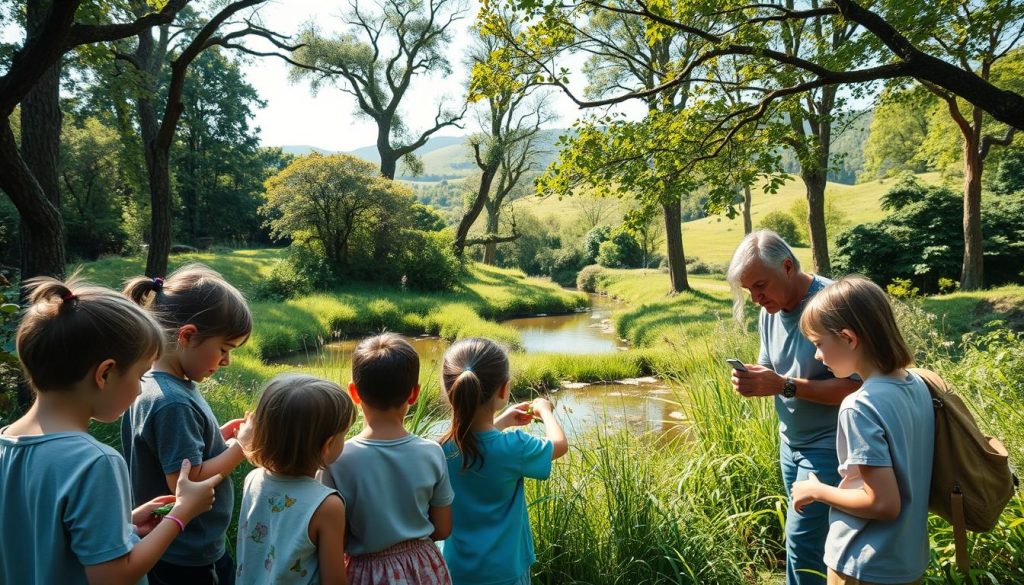
Whether you’re a student, teacher, or just love nature, Cali eco-parks are a great place to learn. By taking part in these educational programs and tours, you help understand the natural world better. You also help keep Cali eco-parks beautiful for the future.
Wildlife and Biodiversity Highlights
Exploring Cali eco-parks reveals a wide range of wildlife and biodiversity. These nature preserves are full of different plants and animals. The Cali Botanical Garden’s ecological restoration project aims to grow native plants and protect tropical dry forests.
The Garden works with Universidad Autonoma de Occidente on research. They focus on biodiversity and how it affects local communities. This shows how vital it is to save biodiversity hotspots and nature preserves.
Some key features of Cali eco-parks include:
- Promotion of environmental education and sustainable tourism
- Conservation of endangered species through breeding and release programs
- Responsible waste management and sustainable practices
- Outdoor activities such as hiking, biking, and bird watching
Visiting these eco-parks lets you see nature’s beauty and help conservation. The fees you pay help protect nature preserves and biodiversity hotspots. Your visit is a great way to support the environment.
Planning Your Eco-Park Visit: Essential Tips
Getting ready for your outdoor adventures in California’s eco-parks is key. It ensures a smooth and fun trip. Eco-tourism is on the rise, with people wanting to explore nature in a green way. Here are some tips to help you plan.
Being ready for eco-tourism is crucial. Bring reusable water bottles, snacks, and comfy hiking shoes. Use public transit or bike to cut down on pollution. Eco-parks offer places to stay like camping or eco-lodges, making your trip better.
What to Pack
- Reusable water bottle
- Snacks and energy bars
- Comfortable hiking shoes
- Sunscreen and insect repellent
Transportation Options
Think about using public transit, biking, or carpooling to lower your carbon footprint. Eco-parks often have shuttle services or bike rentals too.
Accommodation Choices
California’s eco-parks offer various places to stay, from camping to eco-lodges. Make sure to research and book early to get a spot.
By following these tips, you’re set for a great outdoor adventure in California’s eco-parks. Always choose sustainable options and respect nature. This way, you’ll help eco-tourism grow in the state.
Conservation Success Stories and Future Initiatives
Exploring Cali eco-parks helps with environmental conservation. Many parks have brought back habitats and saved endangered species. For instance, Yosemite National Park’s Ackerson Meadow project plans to plant over 425,000 native plants and 700 pounds of seeds by 2025.
These projects support sustainable tourism by keeping natural areas safe for the future. The Merced River Restoration project is another example. It aims to protect the river while still allowing people to enjoy it.
Success stories include bringing Pacific fishers back to Olympic National Park and fixing wetlands in Yosemite Valley. These stories show how environmental conservation and sustainable tourism help keep California beautiful.
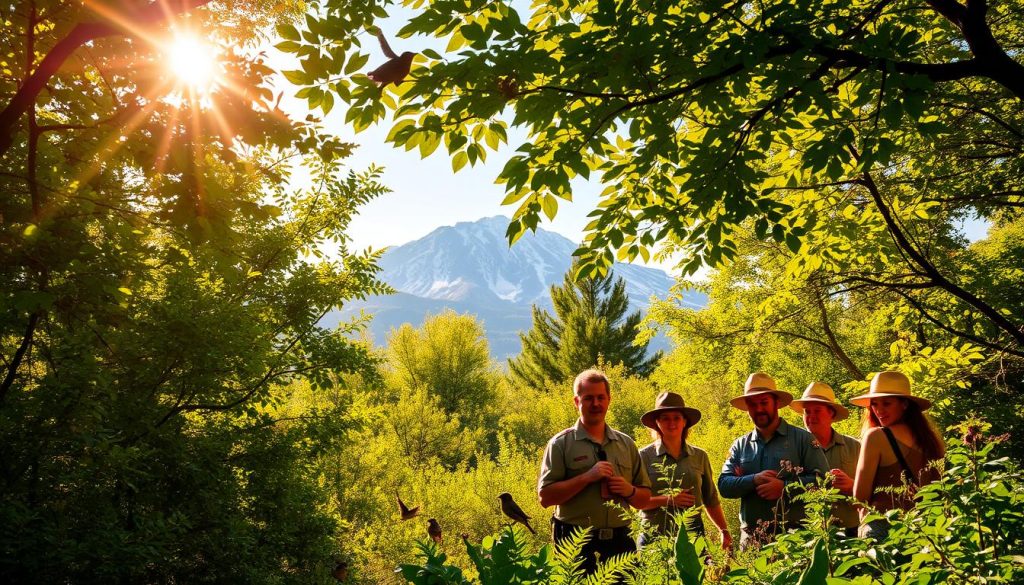
Supporting these efforts helps protect California’s nature and supports sustainable tourism. The state wants to save 30% of its natural lands by 2030. When you visit Cali eco-parks, remember the role of environmental conservation and sustainable tourism in saving these special places.
Conclusion: Embracing California’s Green Future Through Eco-Tourism
Exploring California’s eco-parks and sustainable preserves shows the state’s leadership in eco-tourism and conservation. Places like Greater Palm Springs use renewable energy. The Sand to Snow and Santa Rosa and San Jacinto Mountains national monuments have vast protected areas.
California’s agriculture and culinary scenes are also green. For example, the Tommy Bahama Miramonte Resort & Spa and JW Marriott Desert Springs Resort & Spa focus on sustainability. Since 1965, over 7,580 parks have been created or improved in California.
With over 1,000 parks funded by the Land and Water Conservation Fund, the state aims to boost park access. This is for the benefit of its 40 million residents. Planning your next eco-tourism trip in California? Embrace the state’s green efforts and values.
Support local conservation, practice responsible photography, and leave no trace. You’ll help preserve California’s natural beauty for future generations. Together, we can make sure California remains sustainable and diverse.