

Navigating Cultural Sensitivities to Prevent Conflict
As our society becomes increasingly diverse, it’s crucial to acknowledge and understand cultural sensitivities to avoid potential conflicts. Developing cultural awareness and competency can help you navigate these sensitivities effectively, promote mutual understanding, and prevent misunderstandings.
With this guide, you’ll learn strategies to recognize cultural differences, communicate respectfully across cultures, and build bridges of understanding. You’ll also gain insights into addressing conflicts through a cultural lens, nurturing inclusive environments, and strengthening cultural sensitivity in organizations.
The next sections provide a comprehensive overview of how to approach cultural sensitivity, avoid potential conflicts, and create a more harmonious environment.
Understanding Cultural Sensitivities
Effective communication and successful relationships rely heavily on a deep understanding of cultural sensitivities. Cross-cultural communication skills are essential to navigate these sensitivities and avoid misunderstandings. Furthermore, diversity training provides essential tools for developing sensitivity to cultural nuances.
A lack of cultural understanding can be detrimental to business relationships, causing confusion and missed opportunities. To avoid this, invest in cultural competency training to gain a deeper appreciation and knowledge of different cultures, customs, and traditions.
Remember, cultural sensitivity is a two-way street. While it is important to understand the cultural differences that exist, it is also crucial to communicate your own cultural beliefs and practices with clarity and respect.
Recognizing Cultural Differences
Cultural differences can be wide-ranging and complex, spanning languages, traditions, beliefs, and social norms. Recognizing and respecting these differences is crucial to developing constructive relationships across cultures and avoiding conflicts.
This is where cultural awareness and intercultural competence come into play. Cultural awareness involves a deep understanding of the customs, values, and behaviors of different societies. Intercultural competence refers to the ability to effectively communicate and interact with individuals from different cultural backgrounds.
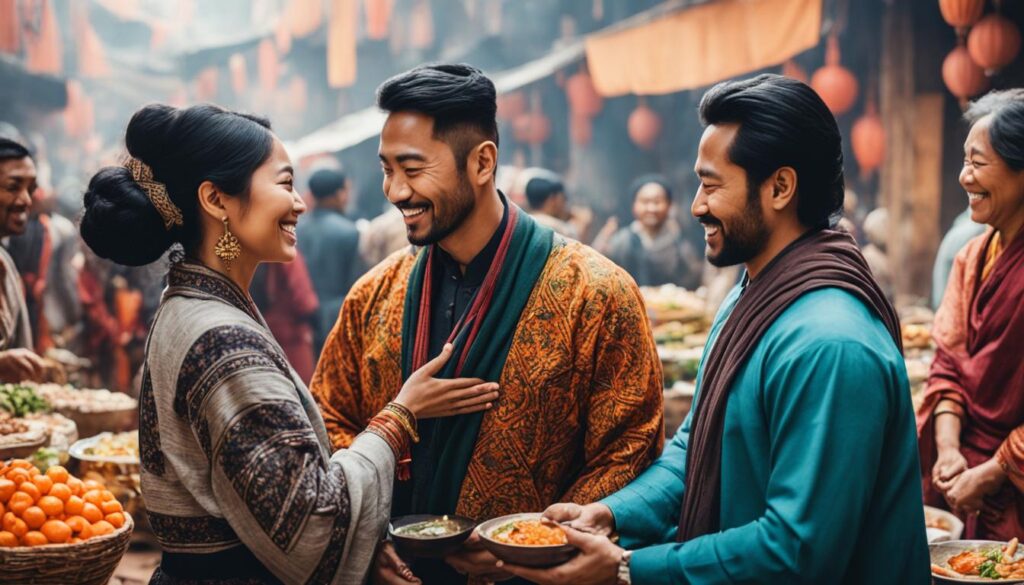
Developing cultural awareness and intercultural competence requires a commitment to learning and embracing diversity. It involves actively seeking out opportunities to interact with individuals from different cultures and striving to understand their perspectives. This may involve participating in intercultural events, learning a new language, or taking part in diversity training programs.
Through a commitment to cultural awareness and intercultural competence, you can recognize and appreciate the unique differences between cultures, and build bridges of understanding that can promote greater cooperation and harmony in our increasingly globalized world.
Communicating Respectfully Across Cultures
When interacting with individuals from different cultures, effective communication is key. Cross-cultural communication involves understanding and respecting the differences that exist between different cultures, including communication styles, norms, and values. By doing so, you can foster a harmonious and productive relationship while avoiding unnecessary conflicts.
One of the most important aspects of cross-cultural communication is cultural respect. This involves recognizing and respecting the customs and traditions of individuals from different cultures, including their beliefs, values, and practices. When you approach cross-cultural interactions with an open mind and genuine interest in learning about other cultures, you can build trust and create a strong foundation for effective communication.
“Cultural respect is critical to building effective relationships and avoiding conflicts when interacting with individuals from different cultures.”
To communicate respectfully across cultures, consider the following strategies:
| Strategy | Description |
|---|---|
| Listen actively | When communicating with individuals from a different culture, pay attention to the tone and meaning behind their words. Ask clarifying questions to ensure that you understand their perspective. |
| Avoid assumptions | Don’t assume that individuals from different cultures think or behave the same way you do. Be open to learning about new perspectives and ways of doing things. |
| Be patient | Effective cross-cultural communication takes time and effort. Be patient and don’t get discouraged if there are misunderstandings at first. |
| Use nonverbal communication | Be aware of nonverbal communication cues, such as facial expressions and body language, which can differ between cultures. Use these cues to better understand the other person’s context and perspective. |
| Learn about their culture | Take the time to learn about the customs, traditions, and values of the other person’s culture. This can help you avoid misunderstandings and show your respect for their culture. |
| Be flexible | Be willing to adapt your communication style to better align with the other person’s preferences and cultural norms. This can help build trust and a more productive relationship. |
By following these strategies, you can promote effective and respectful cross-cultural communication and build stronger relationships with individuals from different cultures.
Developing Cultural Competency
As our world becomes increasingly diverse, it is essential to develop cultural competency to navigate cultural sensitivities and avoid misunderstandings that could lead to conflicts. Cultural competency refers to the ability to interact effectively with people from different cultures and backgrounds. To enhance cultural competency, it is vital to focus on two core elements – cross-cultural communication and diversity training.
Effective cross-cultural communication involves understanding different communication styles, interpretative frameworks, and the impact of cultural differences on communication. By mastering cross-cultural communication, you can communicate more effectively and respectfully with people from different cultures and backgrounds.
Diversity training is also critical to developing cultural competency since it provides an opportunity to learn about different cultures, backgrounds, and ways of life. Through diversity training programs, individuals get to explore cultural differences, recognize biases and stereotypes, and enhance their intercultural competence.
Why Developing Cultural Competency Matters
Developing cultural competency is essential in preventing conflicts and fostering positive relationships among individuals and communities. Cultural competency helps to bridge cultures and provide a meaningful way of understanding and respecting different perspectives. It also enables you to work collaboratively with people from diverse backgrounds, solving problems together and creating innovative solutions.
The Impact of Cultural Competency in the Workplace
Employers who cultivate a culture that values diversity and promotes intercultural competence have a competitive advantage. They can attract and retain a diverse group of employees and customers and create an environment that promotes innovation and creativity. In contrast, a lack of cultural competency in the workplace can lead to misunderstandings, conflicts, and discrimination.
Addressing Conflicts Through Cultural Lens
In today’s diverse workplaces, cultural differences can sometimes lead to conflicts. Addressing these conflicts can be challenging, but developing cultural understanding can help resolve them more effectively. When resolving conflicts through a cultural lens, it is essential to acknowledge and respect the different values and beliefs of the parties involved. This approach can foster a better understanding of the underlying cultural factors and help find common ground for resolving the conflict.
For instance, consider a conflict between two colleagues from different cultural backgrounds. One colleague might value direct communication, while the other might value indirect communication styles. A misunderstanding might arise when one colleague takes a direct approach, and the other perceives it as rude or impolite. Through cultural understanding, both colleagues can recognize and respect each other’s communication style, leading to better communication and reducing the potential for conflict.
Another important aspect of addressing conflicts through a cultural lens is to avoid making assumptions based on stereotypes or biases. It’s crucial to approach conflicts with curiosity, empathy, and an open mind to learn about the other party’s perspective and cultural values. This approach can help overcome misunderstandings and reduce tensions.
Case Study: Addressing Conflicts Through Cultural Lens
| Conflict | Resolution Approach | Impact |
|---|---|---|
| A conflict between two team members from different cultural backgrounds due to differences in communication style. | Reframing the conflict through a cultural lens and acknowledging and respecting each other’s communication style. Both team members attended diversity training and cross-cultural communication sessions to enhance cultural understanding and agree on common communication practices. | The conflict was resolved, and both team members developed better working relationships. Increased communication opened up more areas of cooperation, leading to improved work results in the team. |
Overall, addressing conflicts through a cultural lens can be effective in preventing and resolving conflicts in the workplace. Developing cultural understanding and avoiding stereotypes or biases can foster better communication, respect, and harmony in diverse work environments.
Building Bridges of Understanding
Cross-cultural communication, cultural awareness, and intercultural competence are essential skills for building bridges of understanding across cultures. To bridge cultural gaps effectively, you must understand that people from different cultures have unique values, beliefs, and communication styles.
To foster harmony and prevent conflicts, it’s essential to communicate respectfully and build strong relationships. You can start by acknowledging and respecting cultural differences, showing a genuine interest in learning about other cultures, and avoiding assumptions or stereotypes.
Cultural awareness is the first step towards intercultural competence. By developing an understanding of cultural norms and customs, you can avoid misunderstandings and ensure your communication is appropriate and effective.
Intercultural competence goes beyond knowledge and understanding of culture. It’s the ability to communicate effectively across cultures, adapt to new environments, and navigate cultural differences confidently. This skill is crucial in diverse workplaces where individuals from different cultures interact daily.
By embracing cross-cultural communication, cultural awareness, and intercultural competence, you can build bridges of understanding across cultures that promote respect, harmony, and mutual appreciation.
| Effective Strategies for Building Bridges of Understanding |
|---|
| 1. Embrace diversity and inclusivity by celebrating different cultural holidays, festivals, and traditions. |
| 2. Review your communication style and learn how it might differ across cultures. Adapt your communication approach accordingly. |
| 3. Be an active listener. Pay attention to non-verbal cues and subtle cultural differences that might impact communication. |
| 4. Be open-minded and avoid assumptions or stereotypes. If you’re unsure about something, ask for clarification or more information. |
| 5. Participate in cross-cultural training and education that emphasizes diversity, equity, and inclusion. |
Building bridges of understanding is an ongoing process that requires a commitment to cultural awareness, cross-cultural communication, and intercultural competence. By embracing these skills, you can strengthen relationships, reduce conflicts, and create a more harmonious and respectful world.

Overcoming Stereotypes and Biases
Stereotypes and biases can hinder intercultural understanding, leading to conflicts and disruptions at work. To overcome these barriers, you need to develop increased cultural awareness, intercultural competence, and participate in ongoing diversity training.
Some techniques to overcome such roadblocks include:
- Become more aware of your own biases: Recognizing your own preconceptions and assumptions helps you become more open to other cultures.
- Disrupt cultural stereotypes: Strive to look beyond the preconceptions and biases commonly associated with specific cultures.
- Be willing to learn: Embrace other cultures and explore different ways of doing things.
Effective cultural competence programs require addressing these critical areas:
| Cultural Awareness | Intercultural Competence | Diversity Training |
|---|---|---|
| Improve your, and your employes’, awareness of cultural differences to prevent cultural bias and stereotypes | Develop the skills required to understand and work with individuals from different cultures or backgrounds | Understand the importance of diversity and equality in the workplace, and learn strategies for managing conflicts that arise. |
Overcoming stereotypes and biases requires a strong commitment to cultural awareness, intercultural competence, and a continuous learning process that will help you navigate cross-cultural relationships more effectively.
Nurturing Inclusive Environments
To foster a positive and inclusive work environment, it is crucial to promote cultural respect. This can be achieved through diversity training that encourages employees to embrace differences and learn about new cultures.
By providing training programs and resources, employees can develop a deeper understanding of cultural values and norms, leading to better collaboration and communication. A respectful workplace ensures that everyone feels valued and appreciated, ultimately creating a positive work environment.
“Diversity is about all of us, and about us having to figure out how to walk through this world together.”
-Jacqueline Woodson
Strengthening Cultural Sensitivity in Organizations
Cultural sensitivity is critical in creating a harmonious work environment. Organizations must make cultural awareness, cultural competency, and diversity training an integral part of their work culture to strengthen cultural sensitivity.
Cultural awareness entails recognizing and valuing the diversity that exists within your organization. This relates to an understanding and appreciation of unique values, beliefs, customs, and traditions. Your organization can create and promote cultural awareness through diversity training programs.
Cultural competency is the ability to interact effectively and appropriately with individuals from different cultures. Your organization should encourage the development of cultural competency skills among your employees. An intercultural approach to communication will create a respectful and inclusive culture for everyone.
Diversity training is crucial in developing both cultural awareness and cultural competence among employees. It helps your employees understand the impact of cultural differences on interactions, communication, and work relationships. Provide regular diversity training workshops to enhance your team’s understanding of how to work collaboratively with people from different cultures.
“Diversity is not about how we differ. Diversity is about embracing one another’s uniqueness.” – Ola Joseph
Conclusion
In today’s globalized world, cultural sensitivity is more important than ever. Failure to understand and respect cultural differences can lead to conflicts and misunderstandings, both personally and professionally. By developing cultural understanding and competency, you can prevent conflicts and build more effective relationships across cultures. Remember to communicate respectfully, address conflicts through a cultural lens, and nurture inclusive environments that promote cultural respect. With ongoing diversity training and a commitment to cultural awareness, you can strengthen your organization’s cultural sensitivity and build a more harmonious workplace. Always prioritize conflict resolution and cultural understanding, and you’ll be well on your way to navigating cultural sensitivities successfully.


