

Navigating Language Barriers for Safety Concerns
When traveling to a new location, understanding the language and communicating effectively is essential for maintaining personal safety. Language barriers can create communication difficulties that can put you at risk, but there are strategies and solutions to overcome these obstacles. In this section, we will explore how to overcome language barriers and ensure your safety while traveling. We will discuss the challenges of language barriers, offer tips on improving your language skills, and provide solutions for preparing for travel and navigating unfamiliar environments.
Language barriers can lead to misunderstandings and ineffective communication, making it difficult to ask for help or understand safety precautions. This can result in personal safety risks and even emergency situations. However, with a few simple tactics, you can overcome language barriers and communicate effectively, ensuring your safety is not compromised
The Importance of Effective Communication for Personal Safety
In unfamiliar environments, personal safety is a top priority, and effective communication is essential to ensure it. By understanding the importance of communicating effectively, you can navigate potentially dangerous situations and take necessary safety precautions.
Being aware of cultural differences is key in maintaining clear and effective communication. Misunderstandings and cultural differences can lead to confusion and put you in harm’s way. Therefore, it is important to take cultural differences into consideration and conduct yourself in a respectful and sensitive manner.
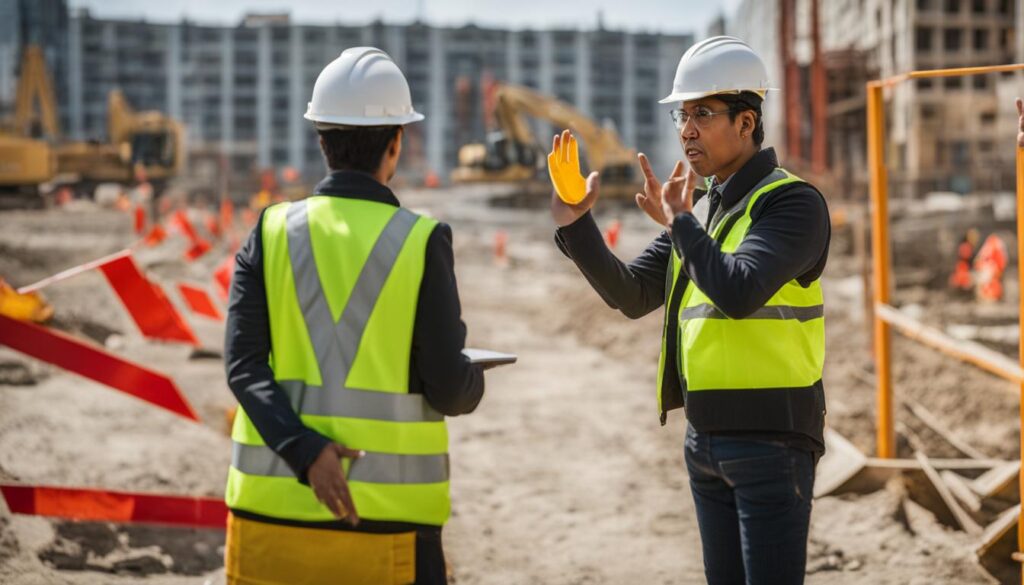
Non-verbal communication can also be a valuable tool in overcoming language barriers and ensuring personal safety. Utilizing body language, gestures, and other techniques can be an effective way of communicating when words are not enough.
To further enhance your language skills for personal safety, consider seeking language interpretation services or utilizing technology such as translation apps to aid in communication.
“Effective communication is 20% what you know and 80% how you feel about what you know.” – Jim Rohn
Recognizing and Addressing Language Barriers
Communication difficulties can arise when traveling to foreign countries where the local language is different from your own. Understanding the factors that contribute to these barriers is key to overcoming them and ensuring your personal safety.
Language interpretation services are instrumental in facilitating communication by providing a bridge to exchange information between parties that would otherwise struggle to communicate. These services offer in-person or remote interpretation services compatible with a variety of languages. They also ensure clear communication in high-pressure situations.
Remember: In situations where safety is a concern, language barriers can be a real threat to personal safety. It is crucial to recognize these difficulties and utilize language interpretation services to guarantee effective communication even under stressful circumstances.

Table: Common Factors That Contribute to Language Barriers and Communication Difficulties
| Factor | Description |
|---|---|
| Cultural Differences | Different cultural context, communication style and nonverbal cues. |
| Language Proficiency | Insufficient language skills on the part of both parties causing communication breakdown |
| Vocabulary Gap | Not knowing certain terms or expressions in a particular field or area, leading to misunderstandings and confusion. |
| Technical Language | Jargon or esoteric terms in industry-specific fields that may be unfamiliar to one party. |
As the table above illustrates, language barriers can take on many forms and vary in complexity. Identifying these factors will enable you to address them more effectively. By seeking language interpretation services and other language-related solutions, you can effectively navigate these barriers and avoid potential communication misunderstandings.
Building Language Skills for Personal Safety
When it comes to personal safety, having strong language skills can be a valuable asset. Overcoming communication difficulties is key to staying safe in unfamiliar environments, and developing your language proficiency can help you navigate these challenges more effectively. In this section, we’ll provide you with practical tips and techniques for building your language skills to enhance your personal safety.
1. Learn Basic Phrases
One of the most effective ways to overcome language barriers is to learn basic phrases in the language of the country you’re traveling to. This can help you communicate your needs and get the information you require, increasing your safety. Practice simple phrases such as “hello,” “goodbye,” “please,” “thank you,” and “help.” Dedicate time to learning essential words relating to safety such as “emergency,” “hospital,” “police,” and “danger.” You can find apps, podcasts, or online resources that provide interactive language learning exercises to help you practice and improve your language skills.
2. Utilize Language Learning Apps
There are numerous language learning apps available to help you improve your language skills. These apps offer interactive language lessons, tests, and quizzes that can help you learn at your own pace. Apps such as Duolingo, Babbel, and Rosetta Stone offer language instructions in multiple languages, allowing you to customize your learning experience. You can also use translation apps such as Google Translate, iTranslate, or TripLingo to translate words or phrases quickly.
3. Take a Language Course
If you’re planning to travel to a foreign country, consider taking a language course before you leave. You can enroll in a language school or sign up for an online course that suits your schedule. Attending language courses can help you improve your language skills in a more structured environment and teach you essential words and phrases necessary for your travel. Language courses can also provide you with an opportunity to connect with other language learners and build relationships that can enhance your experience.
4. Practice with Native Speakers
Practicing your language skills with native speakers can be invaluable for improving your language proficiency. If you have friends from the target language community, arrange to spend time with them and practice your language skills. You can also join groups or events that offer language exchange opportunities or find an online language exchange partner. Interacting with native speakers will help you learn colloquial phrases, gain confidence, and develop your conversational skills.
By building your language skills, you can overcome language barriers and enhance your ability to communicate effectively in unfamiliar environments. This, in turn, will help you maintain your personal safety while traveling. Remember, practice makes perfect – so keep practicing and improving your language skills to ensure your safety.
Preparing for Travel: Language Barrier Solutions
Before embarking on your journey, it’s essential to be prepared for potential language barriers. Communication difficulties can be a significant obstacle to personal safety in unfamiliar environments. Fortunately, there are various solutions that you can implement to overcome these communication barriers and enhance your safety.
Learning Basic Phrases
One way to prepare for potential language barriers is to learn basic phrases in the local language of your destination. This can include greetings, directions, and emergency phrases.
By learning these phrases, you can communicate important information effectively, and locals are more likely to respond positively and provide assistance.
Using Translation Apps
Another solution is to use translation apps on your smartphone. These apps enable you to translate words, phrases, and even entire sentences in real-time. They are convenient and easy to use, making them a great option for quick translations and everyday communication.
Some popular translation apps include Google Translate, iTranslate, and Microsoft Translator.
Seeking Assistance from Locals
You can also seek assistance from locals when facing language barriers. Locals can provide valuable insight into the culture and language of the destination, making them a valuable resource for overcoming communication difficulties.
You can approach locals in various settings, such as hotels, restaurants, and public places. It’s essential to be respectful and courteous when seeking assistance, as this can help build positive relationships and lead to more effective communication.

Culturally Sensitivity and Personal Safety
When traveling abroad, it is essential to be aware of the cultural differences that may impact your safety. By understanding and respecting local customs and norms, you can avoid misunderstandings and potential dangers. Here are some safety precautions to consider:
Research Local Customs and Etiquette
Before you embark on your trip, take some time to research the local customs and etiquette. This will help you understand what is considered polite and respectful behavior in that particular culture. For example, in some countries, it is considered impolite to show the soles of your feet or shoes, so it’s best to avoid crossing your legs or pointing your feet at someone.
Be Respectful and Courteous
Being respectful and courteous can go a long way in preventing misunderstandings and keeping you safe. Make an effort to learn basic phrases such as “hello”, “please”, and “thank you”, and use them when interacting with locals.
“Cultural sensitivity is not about being politically correct. It’s about respecting other cultures and their ways of life.” – Rachel Stark, Cultural Awareness Trainer
Avoid Controversial Topics
When engaging in conversations with locals, it’s best to avoid controversial topics such as politics and religion, which may lead to misunderstandings or even hostility. Instead, focus on learning about their culture and customs, and asking respectful questions.
Be Mindful of Body Language
Body language can differ greatly between cultures, and certain gestures that may be innocuous in one culture may be offensive in another. For example, the “OK” hand gesture is considered an insult in some South American and Middle Eastern countries. Be mindful of your body language, and if you’re unsure about a particular gesture or action, err on the side of caution.

Communicating Non-Verbally for Safety
Language barriers can be frustrating and stressful, especially when it comes to ensuring your personal safety. Fortunately, non-verbal communication can be a powerful tool in overcoming communication difficulties. By utilizing different non-verbal cues, gestures, and body language techniques, you can bridge communication gaps and stay safe in unfamiliar environments.
Here are some non-verbal communication techniques you can use for personal safety:
- Universal gestures: There are certain gestures that are universally recognized, such as nodding your head for yes and shaking it for no. Utilizing these gestures can help you convey your message even without speaking the local language.
- Pointing and showing: Pointing at something or showing an object can help you communicate what you need or want, even if you don’t know the appropriate words.
- Facial expressions: Your facial expressions can be a powerful tool in non-verbal communication. Smiling to show friendliness or frowning to express displeasure can help convey your message.
- Body language: Your body language can communicate a lot about your intentions and emotions. Maintaining eye contact, standing tall and confident, and keeping a relaxed but alert posture can help you come across as trustworthy and confident.
You can also observe others’ non-verbal communication to better understand their intentions and emotions. Paying attention to body language and tone of voice can help you navigate potentially challenging situations.
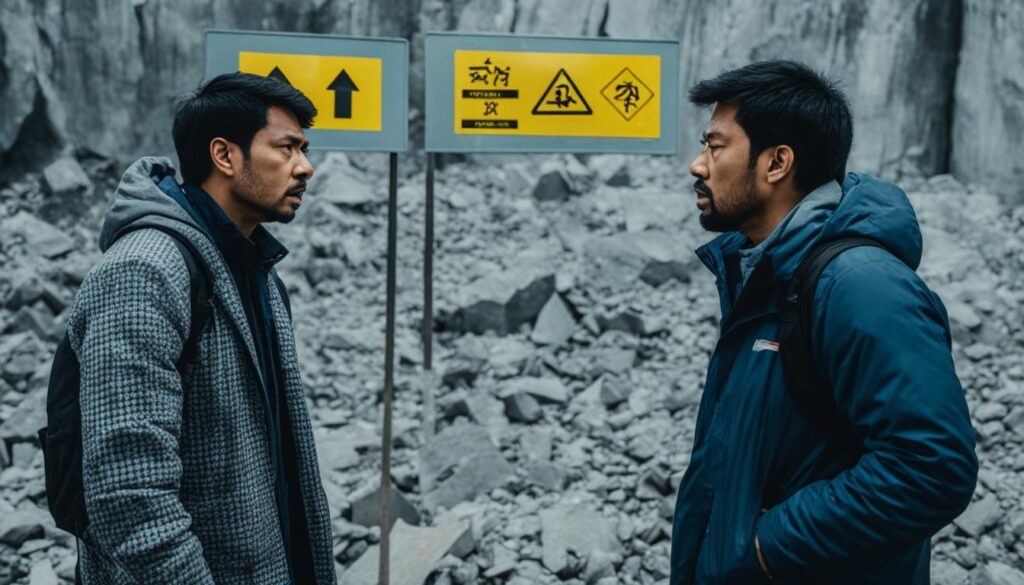
By incorporating non-verbal communication into your communication toolkit, you can enhance your language skills for personal safety. Practice these techniques before your trip, and remember to stay calm and confident when faced with language barriers.
Utilizing Technology for Language Assistance
When traveling to a foreign country, language barriers can present significant challenges. Fortunately, technology offers valuable solutions to overcome these barriers and enhance your personal safety. By utilizing translation apps, language interpretation services, and other technological advancements, effective communication is just a few clicks away.
Translation Apps: With translation apps readily available on your smartphone, language barriers are no longer a barrier to effective communication. These apps allow you to translate spoken or written language in real-time, making it easier to understand and respond to those speaking an unfamiliar language. Some popular translation apps include Google Translate, iTranslate, and Translate Now.
Language Interpretation Services: Professional interpretation services can provide on-demand access to an interpreter in real-time, enabling effective communication and overcoming language barriers. These services can be accessed via phone or video call, making them a convenient and reliable solution when traveling. Some popular language interpretation services include LanguageLine, VerbalizeIt, and Interpreters Unlimited.
Other Technological Solutions: Other technological advancements can also help overcome language barriers and enhance personal safety. Language learning apps like Duolingo and Babbel can help you build your language skills in advance of travel, while personal translation devices like Travis the Translator provide on-demand translation for seamless communication.
By taking advantage of these technological solutions, you can overcome language barriers and ensure effective communication, ultimately enhancing your personal safety while traveling.
Conclusion
When traveling to unfamiliar environments, overcoming language barriers is crucial for personal safety. Communication difficulties can lead to misunderstandings and potentially dangerous situations. By implementing the strategies and solutions discussed in this article, you can navigate language barriers with confidence and ensure effective communication.
Recognizing and addressing language barriers is the first step towards overcoming them. Understanding the factors that contribute to communication difficulties and seeking language interpretation services can help bridge communication gaps. Building language skills is also a practical way to enhance personal safety.
Preparing for potential language barriers before embarking on your journey is essential. Learning basic phrases, using translation apps, and seeking assistance from locals are all effective language barrier solutions. Additionally, being culturally sensitive can help avoid misunderstandings and disrespectful behavior.
When faced with language barriers, non-verbal communication can be a powerful tool. Understanding different non-verbal cues, gestures, and body language techniques can help bridge communication gaps and ensure your safety. Utilizing technology, such as translation apps and language interpretation services, can also aid effective communication and enhance personal safety.
In conclusion, by taking steps to overcome language barriers, you can navigate unfamiliar environments with confidence and ensure effective communication, ultimately enhancing your overall personal safety.


