

Essential U.S. Border Crossing Requirements Guide
Welcome to our comprehensive guide on border crossing requirements for international travelers entering the United States. Whether you are a first-time visitor or a frequent traveler, it is essential to understand the passport requirements, visa regulations, customs and immigration processes, and entry rules to ensure a smooth and stress-free experience. By following the guidelines and procedures outlined in this guide, you can avoid unnecessary delays, complications, and even denial of entry. Let’s explore the essential border crossing requirements together.
Understanding Passport Requirements
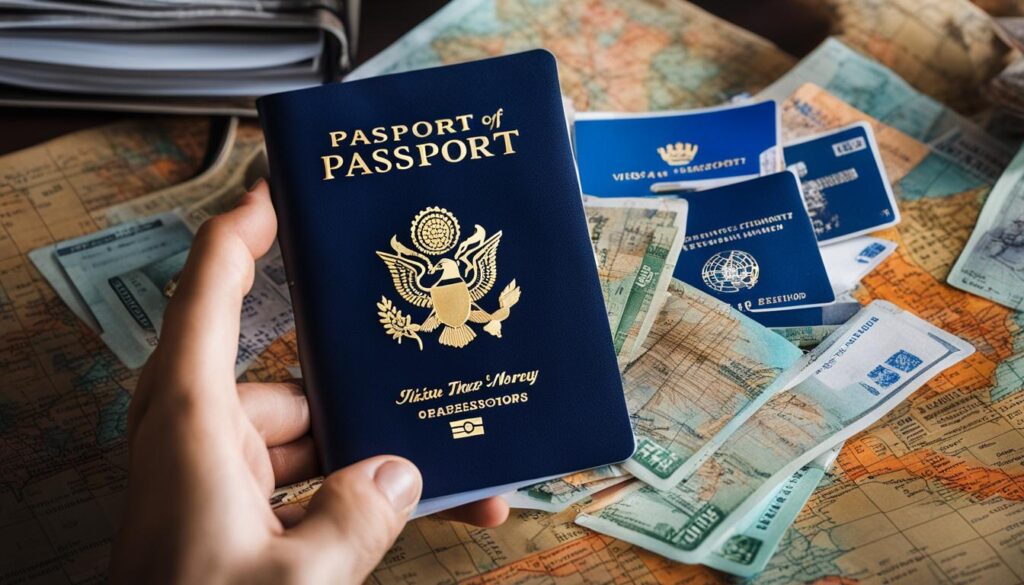
One of the most important documents every traveler should have when crossing the United States’ border is a valid passport. Your passport serves as your primary identification and travel document, allowing you to enter the country legally.
When it comes to passport requirements for entering the United States, there are a few things you need to be aware of. First, make sure your passport is valid and has at least six months of validity left before its expiration date. If your passport is set to expire soon, you’ll need to renew it before your travel date.
It’s also crucial to ensure that your passport is machine-readable. The machine-readable area of the passport includes the two lines of text (letters, numbers, and chevrons) at the bottom of the photo page. This technology is used by U.S. Customs and Border Patrol to expedite the processing of travelers at airports and other ports of entry.
Another essential requirement is that your passport must be free from damage. It shouldn’t have any missing pages, tears, or water damage. A damaged passport may be denied entry into the United States, and you might have to obtain a new one before traveling.

Passport Validity Period and Expiration Rules
In addition to keeping your passport free from damage, you should also be mindful of its expiration date. Your passport’s validity period is the time period that your passport is considered valid for travel. For U.S. citizens traveling internationally, this period is ten years for adults and five years for children under the age of 16.
It’s important to note that some countries have specific passport validity requirements, and they may not allow entry to travelers with a passport that will expire within six months. Therefore, it’s always best to check the entry requirements of the country you’re visiting before your departure date.
If your passport expires while you’re abroad, you need to renew it before returning to the United States. Renewing a passport while overseas might take a longer time and could lead to delays, so it’s recommended to check the expiration date of your passport and renew it before your travel dates.
Other Passport-Related Requirements
Besides the passport validity period and expiration rules, there are other passport requirements that you should be aware of when crossing the border into the United States. One important requirement is that your name in the passport should match your other travel documents, including your airline ticket, ESTA, or visa application. If your name is different, you may experience troubles with immigration officers.
You’ll also need to make sure that you have a valid visa if needed for travel to the United States. For example, travelers from Visa Waiver Program countries should apply for the ESTA (Electronic System for Travel Authorization) before arriving in the United States. The ESTA is not a visa, but it determines whether an individual is eligible to travel to the United States under the Visa Waiver Program.
Pro Tip: Make sure you check with your airline about passport and visa requirements before your travel date, as some airlines may have additional requirements.
By understanding the essential passport requirements for entering the United States, you can avoid unnecessary hiccups in your travel. Be sure to check your passport’s expiration date, keep it free from damage, and ensure that your name in the passport matches other travel documents. This way, you can have a smooth and stress-free border crossing experience.
Navigating Visa Requirements
When traveling to the United States, it is essential to understand the visa requirements for your specific situation. Visa requirements vary depending on the traveler’s country of citizenship, the purpose of the visit, and the length of stay.
If you are traveling from a visa waiver country, you may be eligible to enter the U.S. for up to 90 days under the Visa Waiver Program. However, if you are not eligible for the program, you must apply for a visa.
| Visa Type | Description |
|---|---|
| B-1 Visa | For temporary business visits |
| B-2 Visa | For tourism, medical treatment, and visits with friends and relatives |
| F-1 Visa | For academic studies at an approved school or language training program |
| J-1 Visa | For exchange programs, including work and study programs |
| H-1B Visa | For temporary workers in specialized occupations |
The process of obtaining a visa can be complex and time-consuming, so it is essential to apply well in advance of your intended travel dates. To apply for a visa, you will need to complete an application, pay the application fee, and attend an interview at a U.S. embassy or consulate.
“Remember that visa requirements for the U.S. can change without warning, so it is crucial to stay up-to-date on any updates or changes to the regulations.”
If you are unsure about your visa requirements or need further assistance with the application process, it is recommended to contact a professional travel advisor or inquire with the U.S. Department of State for more information.
Meeting Entry Requirements
Before crossing the U.S. border, you must meet specific entry requirements to gain lawful entry into the country. Failure to comply with the entry rules can lead to issues or even denial of entry. Here’s what you need to know:
Eligibility
As a foreign national, you must meet eligibility requirements to enter the United States. The U.S. government determines the eligibility criteria based on several factors, including your purpose of visit, duration of stay, country of residence, and criminal history. Ensure that you meet the eligibility requirements before planning your trip.
Travel Purpose Verification
The U.S. border officials may ask you to verify your travel purpose when you arrive at the border. You must have a valid reason for entering the United States, such as business, tourism, or study. Make sure you carry proper documentation to support your travel purpose, such as a letter from your employer or an admission letter from a U.S. university.
Declared Goods
If you are carrying goods when crossing the border, you must declare them to the U.S. border officials. Failure to declare goods can result in fines or confiscation. On the other hand, if you declare goods, you may have to pay import duties or taxes. Ensure that you know the entry requirements for the goods you are carrying to avoid issues or delays.
Complying with the designated entry rules is crucial for smooth border crossing into the United States. Before you pack your bags, ensure that you have met all the requirements.
Understanding Customs and Immigration Processes
When crossing a border into the United States, it’s important to understand the customs and immigration procedures that you may encounter. Customs officers are responsible for enforcing laws and regulations related to importing goods into the country, while immigration officers are responsible for verifying travel documents and determining the admissibility of individuals into the United States.
Upon arrival, you may be asked to complete a Customs Declaration form, which includes information about the goods and items you are bringing into the country. This information is used to determine whether you are subject to any import restrictions or duties. You may also be subject to inspection of your baggage and belongings by customs officers.
Immigration officers will verify your travel documents, including your passport, visa, or other entry documentation. They may also ask you questions about the purpose of your trip, your intended length of stay, and your ties to your home country. It’s important to provide truthful and accurate answers to any questions asked by immigration officers.
It’s essential to have all your travel documents in order, such as your passport and any necessary visas. Failure to comply with customs and immigration processes can result in significant delays, fines, or even denial of entry into the United States.

It’s also important to declare any items that you are bringing into the country, including purchases made abroad or gifts received from others. Failure to declare goods can result in penalties or seizure of the items and may impact your eligibility for future travel to the United States.
Tips for a Smooth Customs and Immigration Experience
- Make sure your travel documents, such as your passport and visas, are up-to-date and valid.
- Be truthful and accurate in your responses to questions asked by customs and immigration officers.
- Declare all items and goods that you are bringing into the country.
- Be patient and courteous with officers, even in instances where the process may take longer than expected.
“Having all your travel documents in order and being truthful and accurate with customs and immigration officers can go a long way in ensuring a smooth and hassle-free crossing experience.”
Ensuring Compliance with Entry Regulations
When crossing the U.S. border, it is critical to follow all entry rules to avoid any potential issues or denial of entry. The United States Customs and Border Protection (CBP) agency enforces strict regulations to protect the safety and well-being of citizens and visitors, so it’s important to understand and comply with these rules.
Prohibited Items
One essential entry rule is to abstain from bringing prohibited items to the United States. These include illicit drugs, firearms, explosives, and certain food and agricultural products, among others. If you have any doubts about whether or not an item is allowed, consult with the CBP or leave it at home to avoid any trouble.

Immigration Violations
Committing immigration violations can result in serious consequences, including detention, deportation, and even a ban on future entry. These violations may include overstaying a visa, working without proper authorization, or entering the country under false pretenses. To avoid these issues, make sure to comply with all immigration laws and regulations.
Consequences for Non-Compliance
Non-compliance with entry rules can result in significant consequences, such as denial of entry, criminal charges, or fines. CBP officers have the authority to search individuals and their belongings, so it’s essential to be truthful and forthcoming while answering questions and providing documentation. By respecting the CBP’s authority and following the established rules, you can ensure hassle-free entry into the United States.
Updates on Border Crossing Regulations
Border crossing regulations may change frequently, so it is essential to stay informed about any updates to avoid potential issues or delays. You can follow the official government website for the latest information and changes. The Customs and Border Protection Agency (CBP) also provides useful resources on its website, including travel tips and updated regulations.
It is essential to note that different countries may have different regulations regarding entry and exit requirements. Be sure to check the regulations for the country you are traveling from and the U.S. before crossing the border.

Additionally, travel restrictions and regulations have been imposed in light of the COVID-19 pandemic. Make sure to stay up-to-date on any travel restrictions and procedures by checking the official government websites regularly.
Frequently Asked Questions about Border Crossing Requirements
Are you planning to visit the United States and wondering about the border crossing requirements? Here are some frequently asked questions to help you understand the process better:
What travel documents are required to enter the United States?
To enter the United States, you will need a valid passport, a visa (depending on your country of origin), and any other necessary travel documents, such as a Form I-94 Arrival/Departure Record.
What are the entry requirements for foreign nationals?
Foreign nationals must meet certain entry requirements, such as having a valid passport, a visa when required, and proof of the purpose of their visit. They must also be able to demonstrate that they have sufficient funds to support their stay and that they have no intention of staying in the US beyond their authorized period.
What are the prohibited items when entering the US?
The US government prohibits certain items from entering into the country, such as firearms, explosives, illegal drugs, and fruits and vegetables that are not approved by the Department of Agriculture. Any attempt to bring restricted items into the country may result in significant fines or even imprisonment.
What are some reasons for being denied entry at the US border?
There are several reasons why someone may be denied entry at the US border, such as being inadmissible due to criminal history or security reasons, having an invalid visa or passport, or not being able to demonstrate the purpose of their visit. It is crucial to follow all entry requirements to avoid being denied entry.
Do I need to go through customs and immigration when crossing the US border?
Yes, all travelers crossing the US border are required to go through customs and immigration. They may be subject to inspection, questioning, and a review of their travel documents before being allowed to enter the country.
What are some tips for smooth border crossing?
Some helpful tips for a smooth border crossing experience include arriving early, being prepared with all necessary travel documents, being polite and respectful to customs and immigration officers, and declaring all goods that you are bringing into the country.
Where can I get more information about US border crossing requirements?
For more information about US border crossing requirements, visit the US Customs and Border Protection website, or contact your country’s embassy in the United States.
Tips for Smooth Border Crossing
Are you getting ready to cross the border into the United States? Here are some tips to help you have a smooth experience:
- Prepare in advance: make sure you have all necessary travel documents, including your passport and visa (if required). Double-check their expiration dates and validity periods, and renew them if necessary.
- Know your rights: familiarize yourself with your rights and obligations as a traveler, including the right to remain silent and contact your embassy or consulate if needed.
- Be aware of potential challenges: be prepared for potential challenges such as long wait times, inspections, or questioning by border officials. Stay calm, follow instructions, and answer questions honestly.
Remember, crossing borders can be an intimidating experience, but with proper preparation and knowledge, you can have a smooth and hassle-free journey.
Conclusion
In conclusion, crossing the U.S. border can be a smooth and stress-free experience if you understand and comply with the essential border crossing requirements. By reviewing your travel documents in advance, knowing the entry regulations, and complying with customs and immigration processes, you can ensure a hassle-free journey. Remember to stay informed of any updates to the border crossing regulations and seek clarification on any questions or concerns you may have.
With these tips and insights, you can confidently navigate the U.S. border crossing and focus on enjoying your travels. Safe travels!


