Cultural Heritage Sites in Hunza Valley: What to See
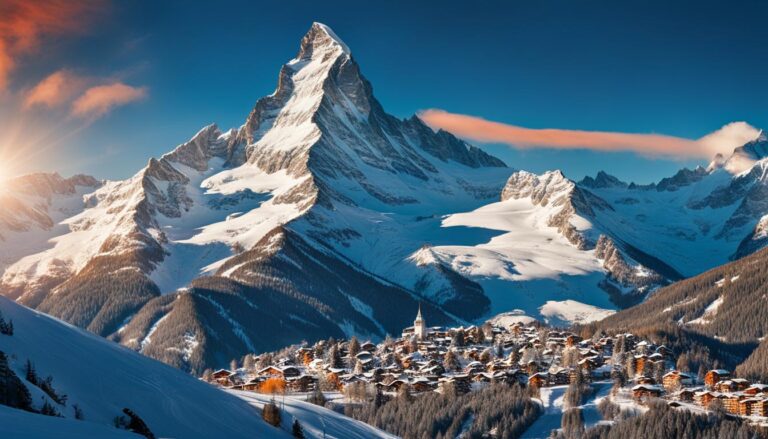
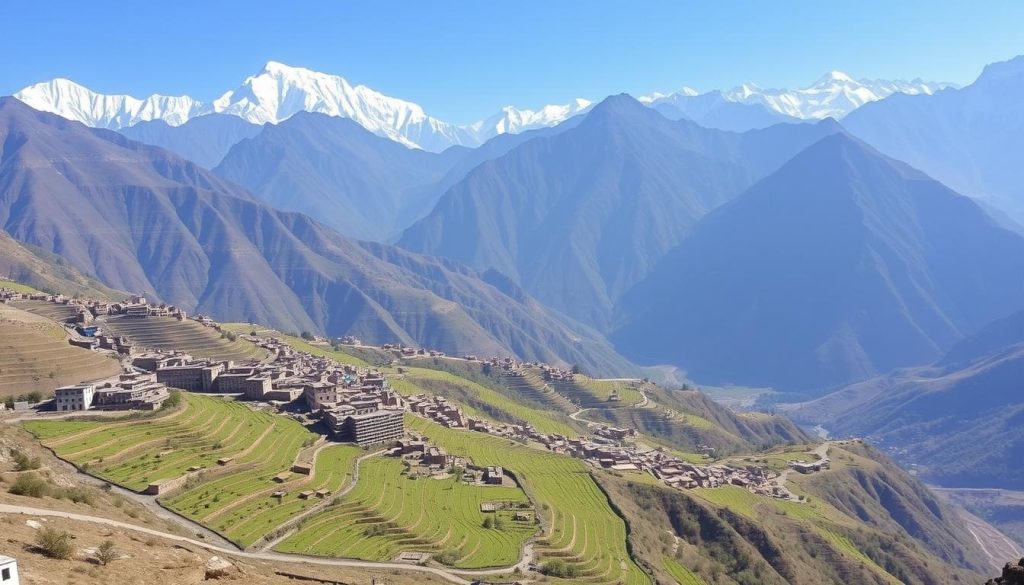
The Hunza Valley sits in Pakistan’s Karakoram mountain range. It’s known for its glaciers, orchards, and lakes. The valley also has a rich cultural heritage worth exploring.
Hunza’s location on the Silk Road made it a cultural melting pot. Influences from Central Asia, the Middle East, and India are visible here.
The valley offers architectural wonders and historical landmarks. These sites showcase the region’s fascinating past and vibrant traditions.
Introduction to Hunza Valley’s Rich Cultural Heritage
The Hunza Valley sits in the Karakoram mountain range. It blends natural beauty with a rich cultural tapestry. This region has been a vital hub along the ancient Silk Road for centuries.
The Lure of the Ancient Silk Route
The Hunza Valley lets visitors explore the Silk Road’s legacy. This trade route network connected East and West. It shaped the region’s cultural identity through the exchange of goods and ideas.
The area’s location made it a hub for caravans and merchants. These travelers left a lasting impact on local communities.
Combining Natural Beauty and Historical Significance
Hunza Valley boasts breathtaking landscapes and rich cultural heritage. Visitors can see towering mountains, glaciers, and turquoise lakes. They can also explore ancient fortresses and enjoy traditional festivals.
The warm local communities welcome travelers to engage with their culture. All this happens while surrounded by stunning natural beauty.
| Key Fact | Value |
|---|---|
| Area of the Hunza Valley | 7,900 square kilometers |
| Highest Peak in the Region | Rakaposhi |
| Formation of Attabad Lake | 2010 due to a massive landslide |
| Literacy Rate in Hunza Valley | Over 95% |
A Hunza Valley tour offers a unique blend of nature and history. Travelers can enjoy natural wonders and historical sites side by side. This creates an unforgettable experience celebrating the region’s rich cultural heritage.
Baltit Fort: A Towering Fortress with a Legendary Past
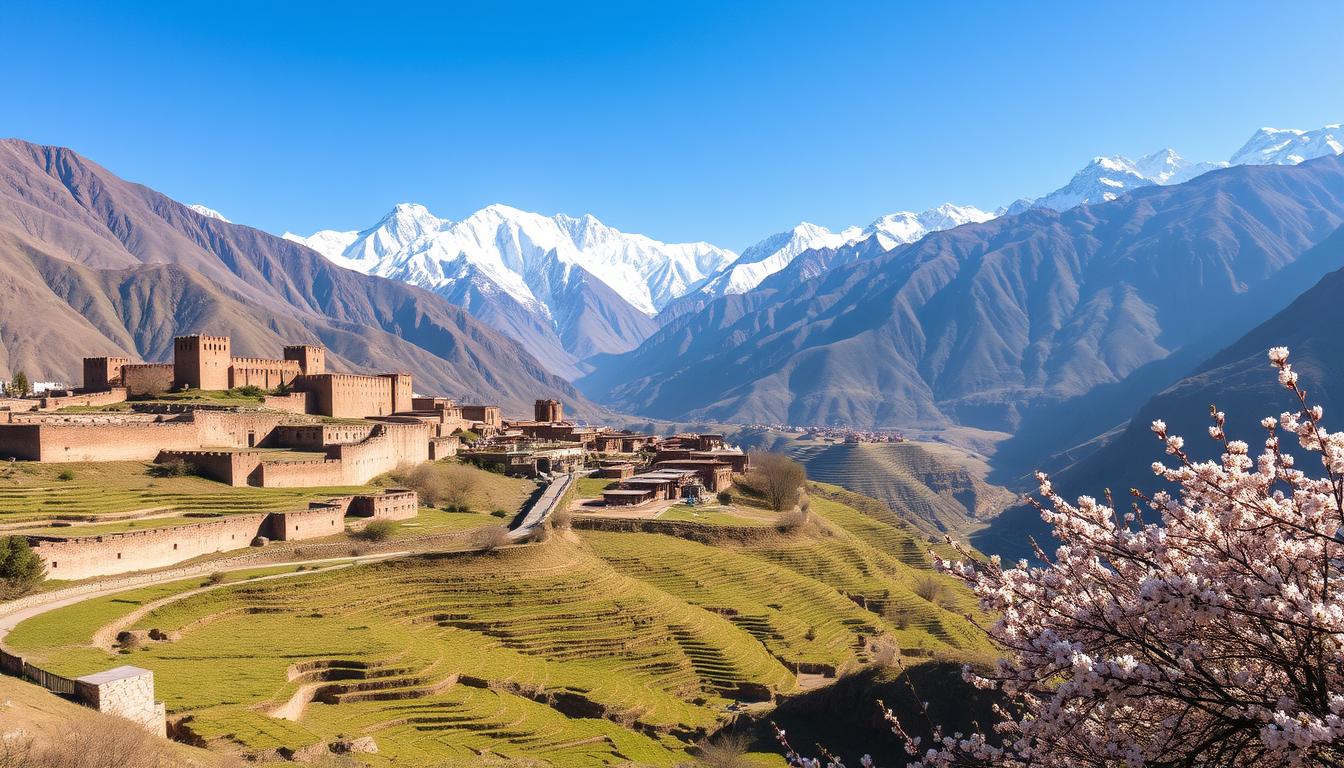
The Baltit Fort stands tall in the stunning Hunza Valley. This 600-year-old fortress has witnessed the valley’s rich history. It played a key role along the Silk Road and hosted visits from Prince Agha Khan.
Perched atop a hill, the fort offers breathtaking views of the valley. It has been rebuilt and modified over centuries. The fort showcases the region’s skilled craftsmen and their architectural expertise.
The Baltit Fort now serves as a living museum. It offers visitors a peek into Hunza Valley’s cultural tapestry. The well-preserved structures and restored interiors tell stories from the Silk Road era to today.
“The Baltit Fort is a true gem of the Hunza Valley, a tangible link to the region’s vibrant history and the resilience of its people.”
History buffs and architecture lovers will enjoy exploring the Baltit Fort. It’s a must-visit for anyone curious about Hunza Valley’s culture. The fortress stands as a symbol of the region’s enduring spirit.
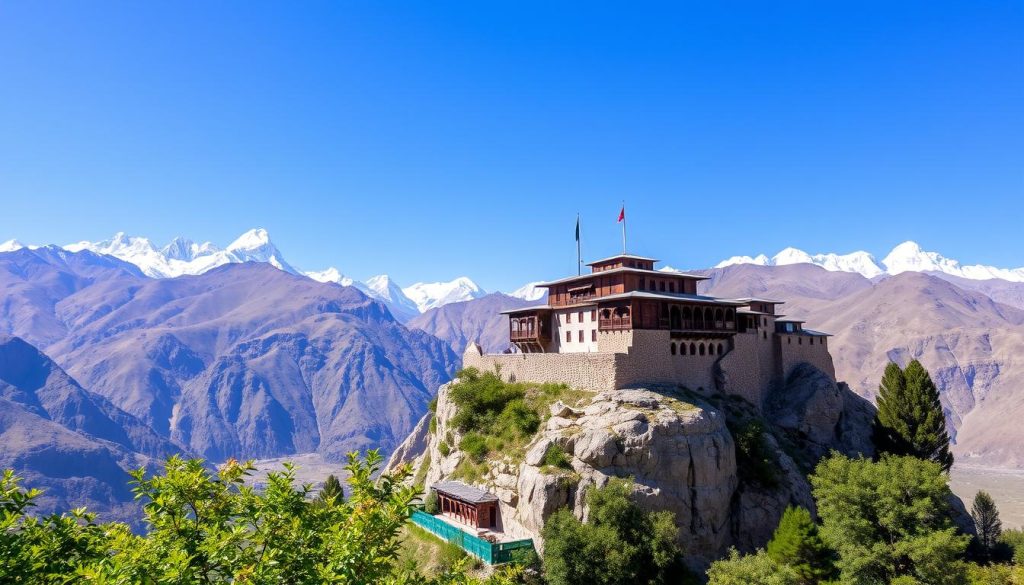
Altit Fort: A Living Museum Preserving Hunza’s Royal Legacy
Altit Fort sits atop Karimabad village, showcasing Hunza Valley’s royal heritage. This ancient fortress, maintained by the Aga Khan Cultural Trust, offers a peek into Hunza’s rulers’ lives. Visitors can explore the traditions of the Mirs, Hunza’s hereditary leaders.
Exploring the Royal Gardens and Surrounding Communities
The fort’s well-preserved royal gardens display vibrant flora once enjoyed by the Mirs. These landscaped areas offer a glimpse into past royal life.
Beyond the fort, nearby communities reveal daily life in Hunza. Visitors can immerse themselves in the valley’s enduring cultural legacy.
A Glimpse into the Lives of Hunza’s Hereditary Rulers
Altit Fort’s architecture and artifacts showcase the lives of Hunza’s former rulers. Grand reception halls and private quarters reveal the Mirs’ opulent lifestyle.
Every corner of the fort tells a story of tradition and power. Exploring the fort deepens one’s appreciation for Hunza’s rich history.
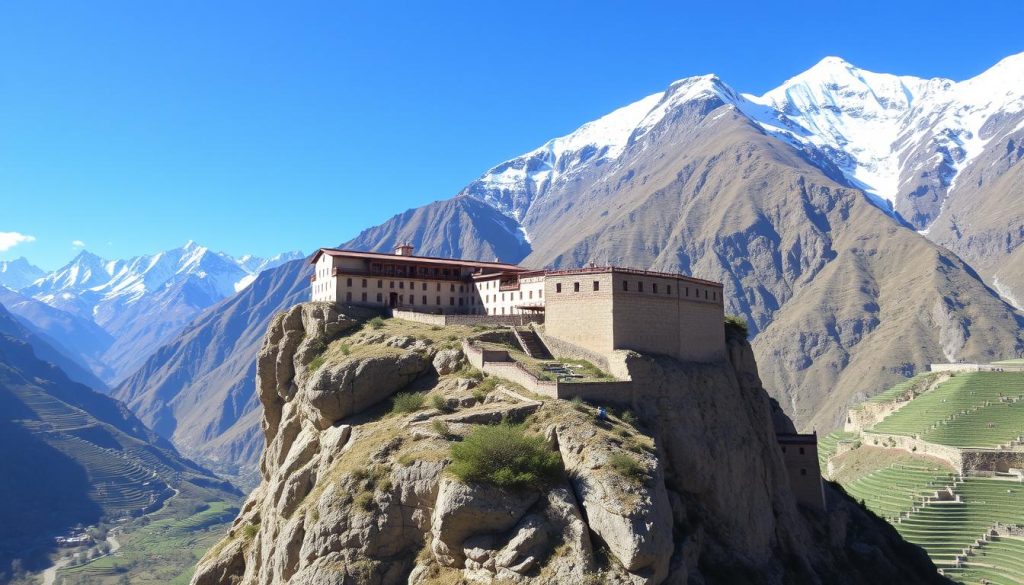
“The Altit Fort is a true testament to the cultural heritage of the Hunza Valley, preserving the legacy of its royal past for generations to come.”
Eagle’s Nest: Witness Breathtaking Sunrises and Sunsets
The Eagle’s Nest in Duiker village offers a mesmerizing experience in the Hunza Valley. At 2,800 meters above sea level, it provides a 360-degree view of the Karakoram Range. Visitors can see majestic peaks like Rakaposhi (7,788 meters) and Ladyfinger Peak.
This spot is perfect for watching stunning sunrises and sunsets over the Hunza Valley. The sky transforms from deep indigo to fiery orange and crimson. It casts a warm glow over the rugged Karakoram peaks.
The Eagle’s Nest’s tranquil atmosphere and clear views make it a must-visit destination. It’s ideal for those who want to enjoy the Hunza Valley’s natural beauty. The dramatic interplay of light and shadow is truly awe-inspiring.
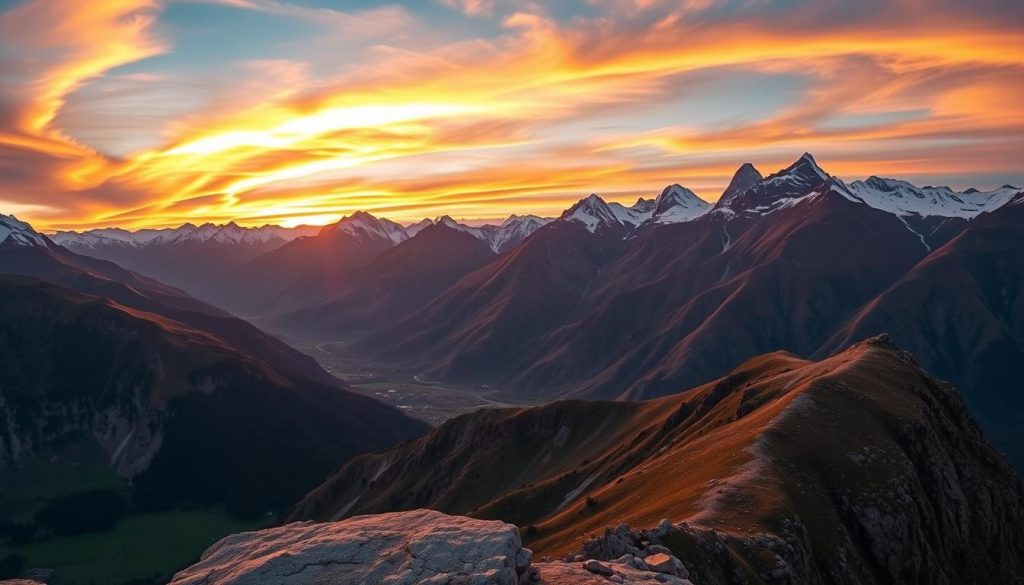
From the Eagle’s Nest, you’re surrounded by majestic Karakoram peaks. Their snow-capped summits glimmer in the changing light. The sense of scale and grandeur leaves a lasting impression on all visitors.
“The Eagle’s Nest is a transformative experience, where the beauty of the Hunza Valley unfolds before your eyes in a symphony of light and shadow.”
Nature lovers, photographers, and peace-seekers will find the Eagle’s Nest captivating. It’s a top spot in the Hunza Valley for witnessing nature’s beauty. Come and immerse yourself in the awe-inspiring views of this remarkable viewpoint.
Attabad Lake: A Turquoise Wonder Born from Disaster
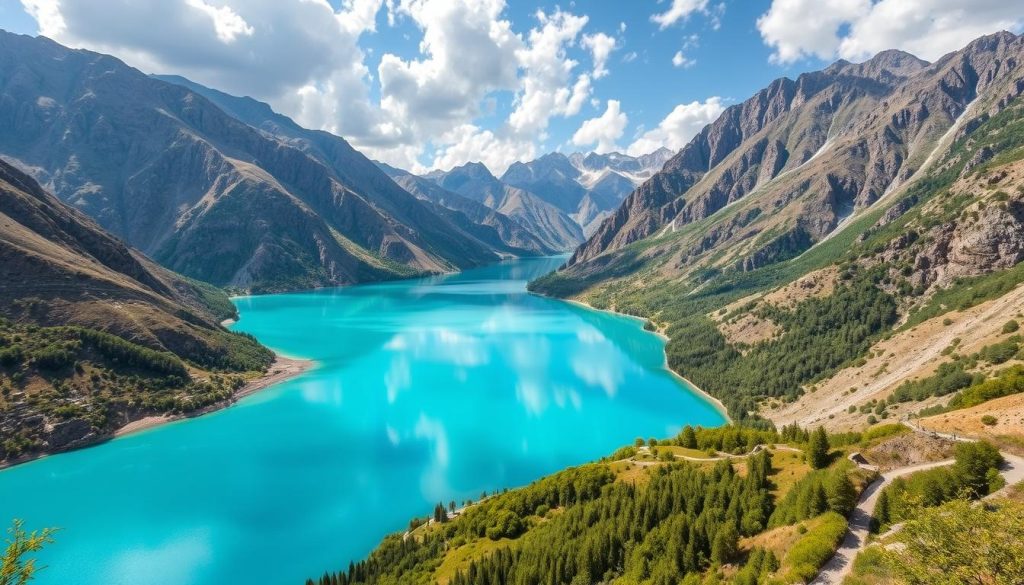
Attabad Lake is a natural wonder in the Hunza Valley. It formed after a devastating landslide in 2010. This disaster-born lake has become a captivating tourist attraction.
Visitors marvel at its crystal-clear waters and stunning mountain backdrop. The lake’s turquoise hue draws people from around the world.
Boating and Admiring the Crystal-Clear Waters
Boating on Attabad Lake offers a serene experience. Visitors can take in the breathtaking scenery surrounding them. The lake’s vibrant color comes from suspended particles and minerals.
Guided boat tours and self-exploration options are available. These allow you to immerse yourself in the lake’s tranquility. The natural wonder provides a truly captivating experience.
| Fact | Value |
|---|---|
| Formation of Attabad Lake | Created in January 2010 following a massive landslide in the Hunza Valley |
| Size of Attabad Lake | Stretches approximately 21 kilometers in length and reaches depths of over 100 meters |
| Age of Attabad Lake | Approximately 13 years old, originating from the landslide incident in early 2010 |
| Best Time to Visit | Spring and summer months (April to September) |
| Boating and Kayaking | Boating is a popular activity, with visitors able to rent boats or take guided tours. Kayaking is also an option for adventure seekers. |
Attabad Lake has transformed into a true natural wonder. It captivates visitors with its clear waters and mountain backdrop. This turquoise gem is a must-see destination in the Hunza Valley.
Gulmit Village: Immerse Yourself in Gojali Culture
Gulmit, a captivating village in Upper Hunza Valley, showcases rich Gojali culture. The iconic Gulmit-Shishkat bridge leads to stunning views of the Passu Cathedral. Hilly roads, cultural landmarks, and breathtaking scenery create an immersive experience.
Gulmit offers a deep dive into Hunza Valley’s cultural heritage. Visitors can explore historic architecture, vibrant festivals, and local handicrafts. The village provides a genuine glimpse into Gojali traditions.
The Iconic Gulmit-Shishkat Bridge and Passu Cathedral
The Gulmit-Shishkat bridge stands as a gateway to the village. Its unique design showcases the ingenuity of Gojali craftsmanship. The bridge offers stunning views of the surrounding landscape.
Nearby, the Passu Cathedral towers as a natural wonder. These majestic peaks soar over 6,000 meters high. Their beauty shines at sunrise, sunset, or under moonlight.
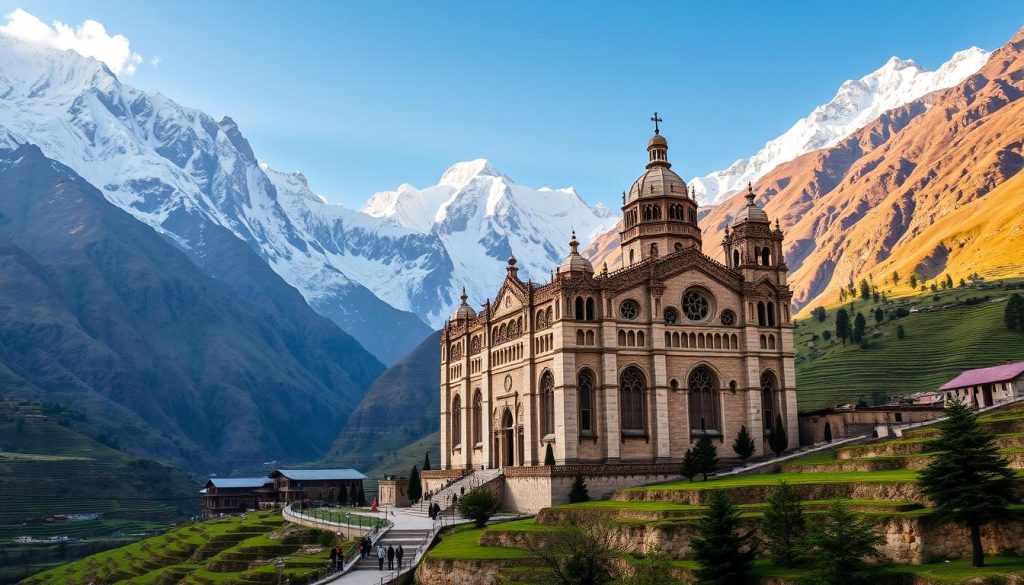
“Gulmit is a tapestry of hilly roads, cultural landmarks, and breathtaking natural scenery that combine to create a truly captivating experience.”
Gulmit immerses visitors in vibrant Gojali culture. You can watch traditional dances and taste local cuisine. The warm community welcomes engagement with open arms.
Gulmit Village offers both cultural adventures and relaxation. It’s a must-visit destination for anyone exploring the Hunza Valley. The village promises unforgettable experiences and lasting memories.
Passu Cones: Majestic Peaks Along the Karakoram Highway
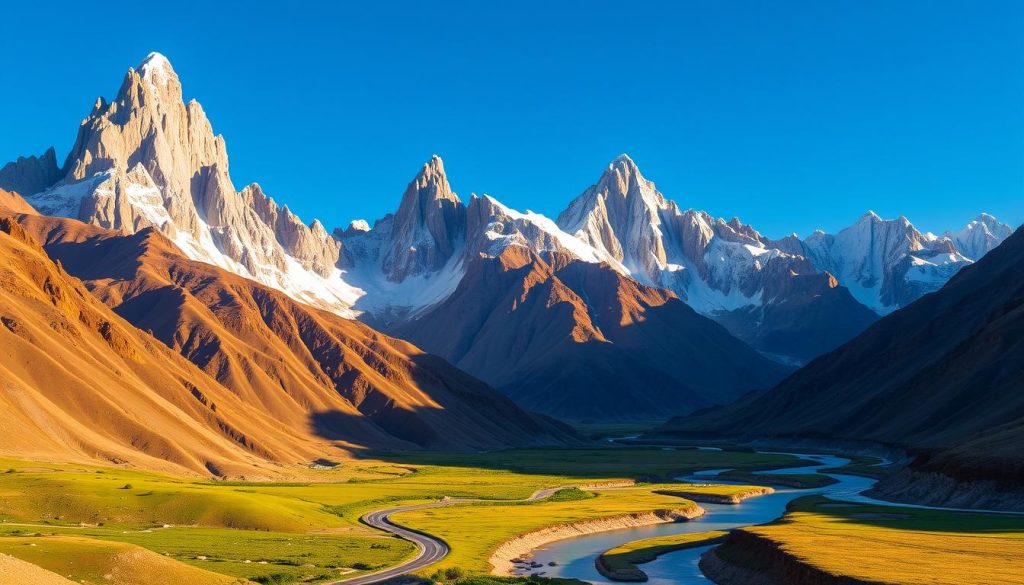
The Passu Cones are a stunning sight in the Hunza Valley. These towering peaks, part of the Karakoram Range, soar over 6,000 meters high. They create a dramatic backdrop along the scenic Karakoram Highway.
These cone-shaped mountains formed over 50 million years ago. They’re made of sedimentary and metamorphic rocks, shaped by erosion over time. Their striking silhouette and vibrant colors make them an iconic symbol of Hunza Valley.
Few have successfully climbed the Passu Cones due to their technical difficulty. However, they’re a popular spot for nature lovers and photographers. Visitors come to admire their grandeur along one of the world’s most scenic drives.
The Hunza Valley’s growing tourism has affected the Passu Cones region. It’s brought economic benefits to local communities through new businesses. This has helped preserve and promote the unique culture of Hunza Valley.
However, increased visitors have led to environmental challenges. These include litter, pollution, and overuse of natural resources. Climate change also threatens the area, causing glaciers to retreat and form dangerous lakes.
The Passu Cones showcase the Hunza Valley’s geological wonders. As more people visit, we must balance tourism with preservation. This will ensure future generations can enjoy this natural treasure.
Are there any cultural heritage sites in Hunza Valley?
The Hunza Valley in Pakistan’s Gilgit-Baltistan region boasts captivating cultural heritage sites. Visitors can explore the valley’s rich history beyond the famous Baltit and Altit Forts.
Passu Glacier and Hussaini Suspension Bridge
The Passu Glacier is a stunning natural wonder in Hunza. It offers thrilling adventure activities and breathtaking views of the Passu Cones.
The Hussaini Suspension Bridge is an iconic landmark over the Hunza River. It showcases the ingenuity and resilience of the local people.
These sites highlight the valley’s natural beauty and rich history. They offer a glimpse into the region’s unique cultural tapestry.
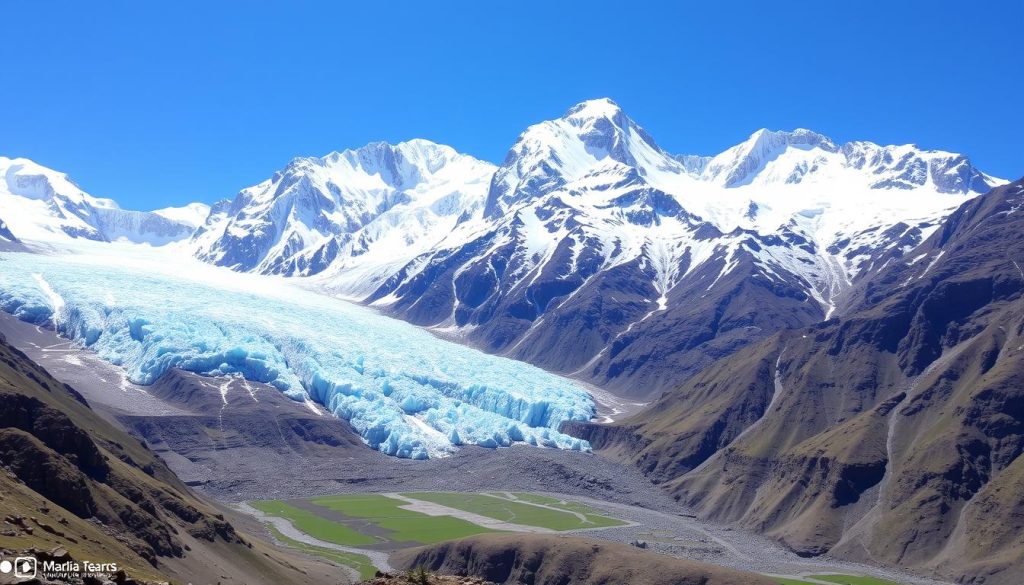
“The Hunza Valley is a treasure trove of captivating cultural heritage sites, inviting visitors to uncover the region’s rich history and traditions.”
The Hunza Valley offers adventure, cultural exploration, and breathtaking scenery. From the Passu Glacier to the Hussaini Bridge, this region is unforgettable.
It’s a must-visit destination for those drawn to cultural heritage and outdoor adventure. The Hunza Valley promises a truly remarkable experience.
Khunjerab Pass: The Gateway to Adventure and Cross-Border Trade
The Khunjerab Pass is a remarkable high-altitude crossing at the eastern edge of Hunza Valley. At 4,693 meters, it connects Pakistan and China. This vital link fosters educational and economic exchange between the two countries.
Yak Riding and Breathtaking Border Views
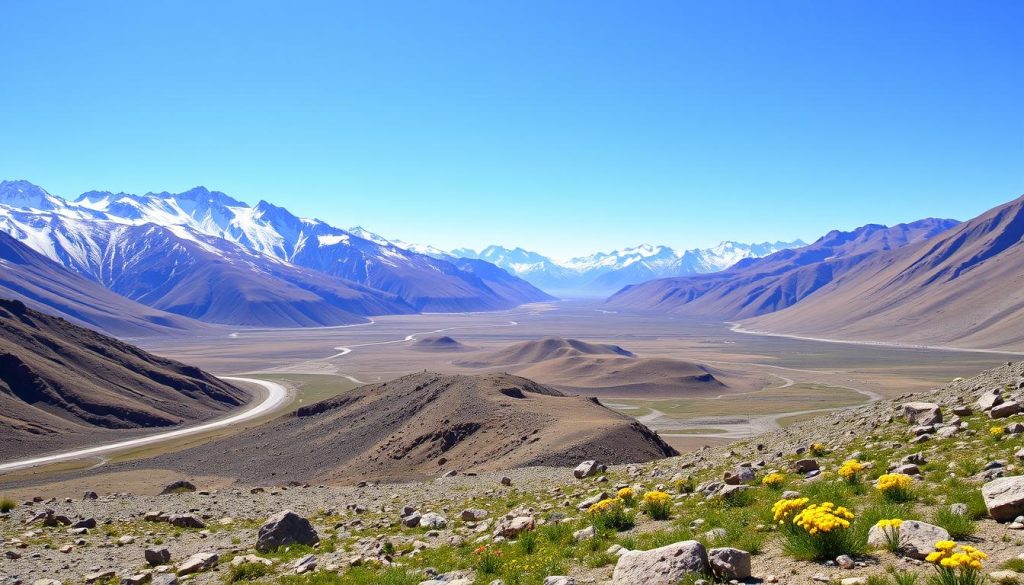
Visitors can enjoy thrilling yak rides at Khunjerab Pass. This adventure offers stunning views of the Karakoram Range. Snow-capped peaks and glaciers stretch as far as the eye can see.
The best time to visit is from May to October. During these months, alpine meadows bloom and the weather is milder. Summer temperatures range from 10 to 20 degrees Celsius.
Khunjerab Pass is also a gateway to the historic Silk Road. It offers a glimpse into the region’s rich cultural heritage. Visitors can experience local Wakhi culture and traditional dance performances.
The pass offers unforgettable experiences for adventurous travelers. From breathtaking views to outdoor thrills, it has something for everyone. It’s a perfect destination for those seeking natural beauty and cultural significance.
Conclusion
The Hunza Valley in Gilgit-Baltistan, Pakistan, is a cultural heritage gem. It offers visitors a unique experience with its towering forts and natural wonders. The valley showcases the region’s rich history and enduring traditions.
Exploring these sites allows travelers to appreciate the Hunza Valley’s legacy. It remains a hub of trade, adventure, and cultural exchange. The valley’s connection to the ancient Silk Road adds to its allure.
The valley’s natural beauty and historical significance draw many visitors. A journey through Hunza promises to be unforgettable and enriching. Preserving the region’s cultural heritage is vital for future generations.
Sustainable tourism initiatives are taking root in the Hunza Valley. This ensures that its blend of natural and man-made wonders will continue to captivate. Visitors from around the world can experience the essence of this remarkable destination.
The Hunza Valley’s cultural tapestry includes vibrant festivals and traditions. The Jashn-e-Baharan Spring Festival and Shandoor Polo Festival are prime examples. These events offer travelers a chance to immerse themselves in local culture.
A visit to the Hunza Valley is a transformative journey. It allows visitors to explore one of Pakistan’s most captivating regions. The valley’s cultural significance makes it a must-see destination for travelers.