Best Time to Visit Hunza Valley: Your Ultimate Guide
Hunza Valley, Pakistan’s “original Shangri-La,” offers stunning peaks, glaciers, and warm locals. It boasts the world’s most beautiful road. Planning your visit is key for an unforgettable experience.
This guide explores ideal seasons and weather conditions for your Hunza adventure. We’ll also share travel tips to make your trip memorable.
Hunza Valley sits 2,400 meters (7,874 feet) above sea level. Its diverse climate creates distinct seasons. Summer, from May to September, is ideal for exploring.
The weather is warm and inviting during these months. Winter, from November to February, may appeal to snow lovers. However, those who dislike cold should avoid this time.
What is Hunza Valley?
A Magical Destination Called Shangri-La
Hunza Valley is a natural wonder in Pakistan’s Gilgit Baltistan region. This magical place offers record-breaking peaks, breathtaking roads, and accessible glaciers. Visitors can enjoy stunning landscapes and rich cultural experiences in this adventure paradise.
The valley sits at 2,500 meters along the Hunza River in the Karakarom mountains. It has a temperate climate with warm summers and chilly winters. Rainfall is highest in summer, while snowfall peaks in autumn and spring.
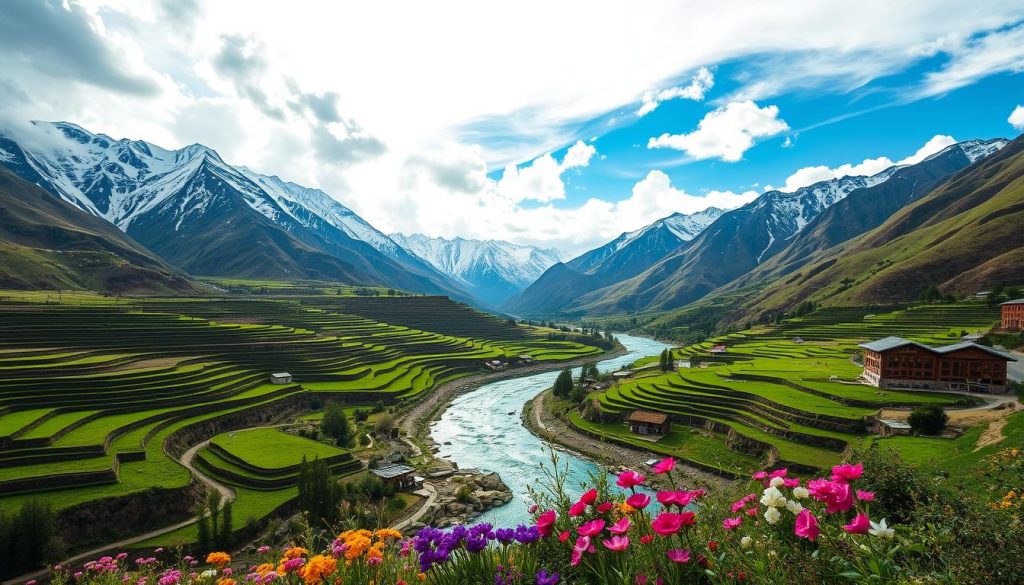
Ancient forts, serene lakes, and vibrant communities captivate Hunza Valley visitors. The Altit and Baltit Forts showcase the region’s rich history. Attabad Lake and the Hussaini Suspension Bridge offer unforgettable experiences.
Hunza Valley’s location near the Karakoram Highway makes it a popular stop. Travelers exploring the Ancient Silk Route often visit this enchanting area. The valley’s natural beauty and warm hospitality create a true Shangri-La experience.
Why Visit Hunza Valley?
Hunza Valley is a gem that offers an unforgettable experience. Its breathtaking landscapes include peaks soaring 6,000 to 7,000 meters high. The valley boasts warm local culture, unique cuisines, and languages.
Hunza stands out as a safe, liberal, and highly educated region in Pakistan. It’s perfect for those hesitant about visiting the country. The valley features stunning natural wonders like Attabad Lake and the Passu Cones.
Hunza offers rich opportunities for cultural immersion. Visitors can explore the ancient Altit Fort and Baltit Fort. The vibrant villages of Aliabad and Gulmit are must-see attractions.
For thrill-seekers, crossing the Hussaini Bridge is an exciting adventure. Hunza Valley deserves at least a week in any Pakistan trip. Its adventure travel options and cultural heritage will captivate you.
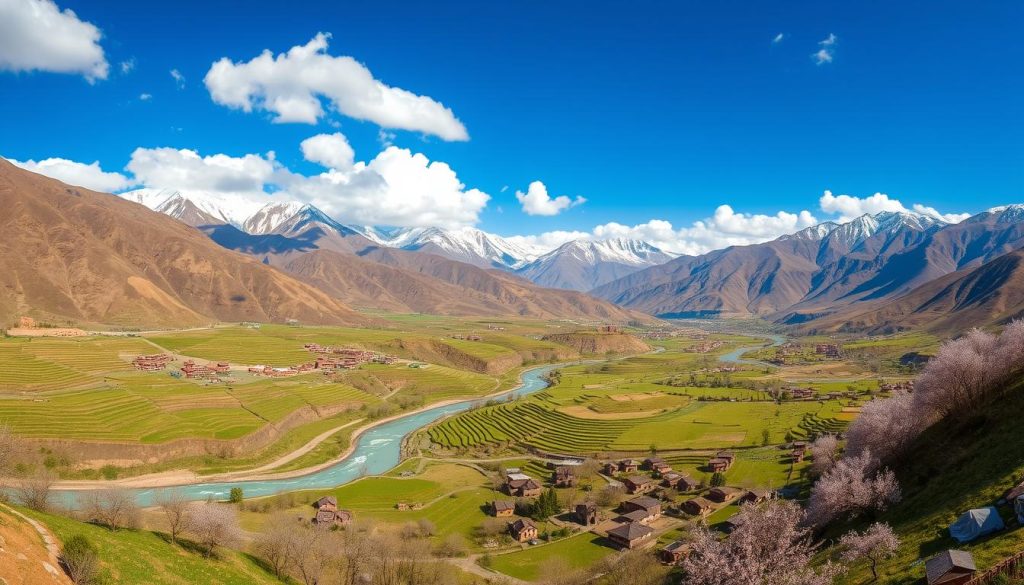
“Hunza is a true gem that offers a unique and unforgettable experience for travelers.”
Where is Hunza Valley Located?
A Remote Gem Bordering China
Hunza Valley sits in northeastern Gilgit-Baltistan, Pakistan. It’s just a 4-hour drive from central Hunza to China’s border at Khunjerab Pass. This makes Hunza a truly remote wonder.
The valley spans a large, varied area. Central Hunza and Gojal (Upper Hunza) house the main attractions. Chapursan Valley, a side valley, borders the Wakhan Corridor.
Shimshal Valley, Hunza’s highest settlement, sits over 10,000 feet up. It borders China and is reached by the world’s most dangerous road.
| Region | Dominant Languages |
|---|---|
| Upper Hunza (Gojal) | 65% Wakhi, 34% Burushaski, 1% Domki |
| Central Hunza | 97% Burushaski, 3% Domki |
| Lower Hunza | Shina |
Hunza Valley is famous for its unique festivals like Novroz, Ginani, and Salgirahs. It’s also known for its varied agriculture. The valley grows tasty fruits and crops like mulberries, apricots, maize, and peas.
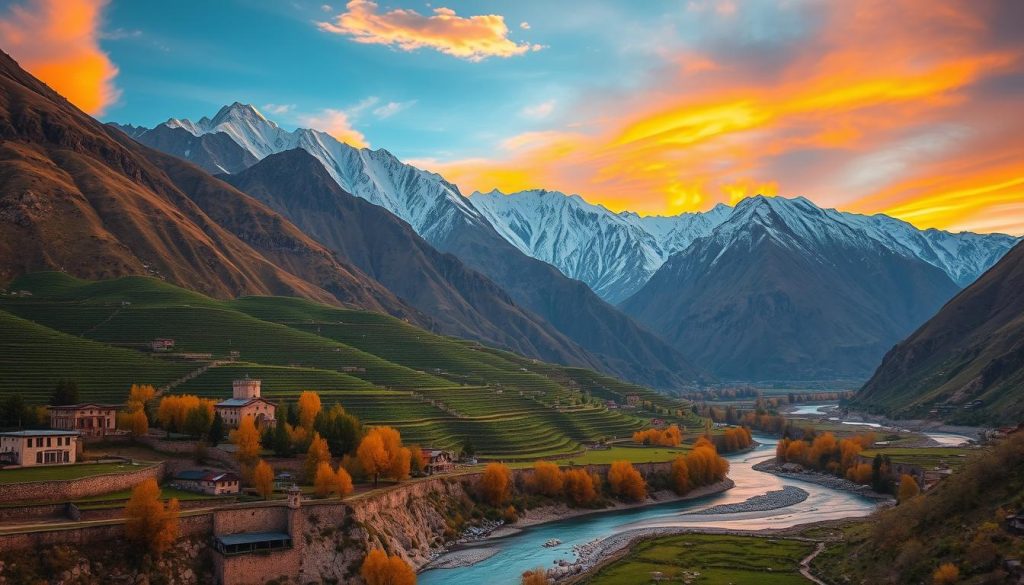
Hunza Valley sits 2,438 meters high, offering stunning views. Major towns include Karimabad, Aliabad, and Gulmit. Ismaili Muslims make up most of the population.
To reach Hunza, take the Karakoram Highway (KKH). Gilgit Airport offers 45-minute flights to Islamabad, weather permitting.
Is Hunza Valley Safe?
Hunza Valley, in northern Pakistan, is one of the country’s safest destinations. Its liberal attitudes and peaceful culture make it secure for all travelers. Even solo female visitors can explore with confidence in this remote, picturesque valley.
Crime is rare in Hunza Valley. The main concerns are challenging road conditions and summer glacial lake floods. Local experts can help visitors navigate these natural hazards safely.
Hunza Valley remains a secure oasis, even during unrest elsewhere in Pakistan. For Americans, it’s safer than many parts of the United States. The valley’s welcoming spirit allows worry-free exploration.
| Metric | Hunza Valley | United States |
|---|---|---|
| Violent Crime Rate | Extremely Low | High |
| Traffic Accidents | Moderate (due to road conditions) | High |
| Terrorism/Insurgency | Extremely Low | Moderate |
| Attitude Towards Solo Female Travelers | Extremely Welcoming | Varies |
Hunza Valley’s exceptional safety makes it a top choice in Pakistan. It’s perfect for solo female travelers and those seeking a carefree adventure.
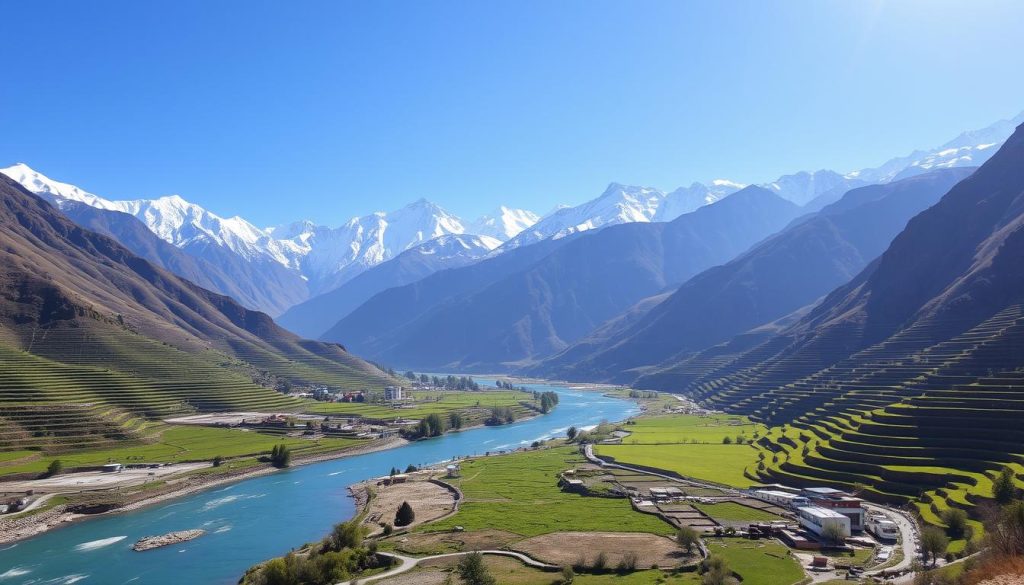
What is the best time to visit Hunza Valley?
Hunza Valley sits in the Karakoram mountain range. It’s a gem that attracts visitors all year round. The best time to visit depends on what you want to experience.
Ideal Seasons and Months
Hunza Valley has four seasons, each with its own charm. The summer months from May to September are most popular. Warm days and cool nights make it perfect for trekking and outdoor fun.
July and August are ideal for swimming in crystal-clear alpine lakes. Spring (mid-March to mid-April) and fall (mid-October to mid-November) are also great times to visit.
Spring brings cherry, apple, and apricot blossoms. Fall paints the landscape with crimson leaves. Winters in Hunza turn the valley into a serene wonderland.
Sub-zero temperatures may not appeal to all. But those seeking peace will find winter delightful.
| Season | Months | Highlights |
|---|---|---|
| Spring | Mid-March to Mid-April | Vibrant blossoms, mild temperatures, fewer crowds |
| Summer | May to September | Warm days, cool nights, peak trekking season, alpine lake swimming |
| Autumn | Mid-October to Mid-November | Stunning fall foliage, fewer tourists, quieter atmosphere |
| Winter | December to February | Serene winter landscapes, snow-covered peaks, fewer visitors |
Hunza Valley offers amazing experiences year-round. You can celebrate local festivals or enjoy outdoor activities like trekking and paragliding. The breathtaking scenery and warm hospitality will leave a lasting impression.
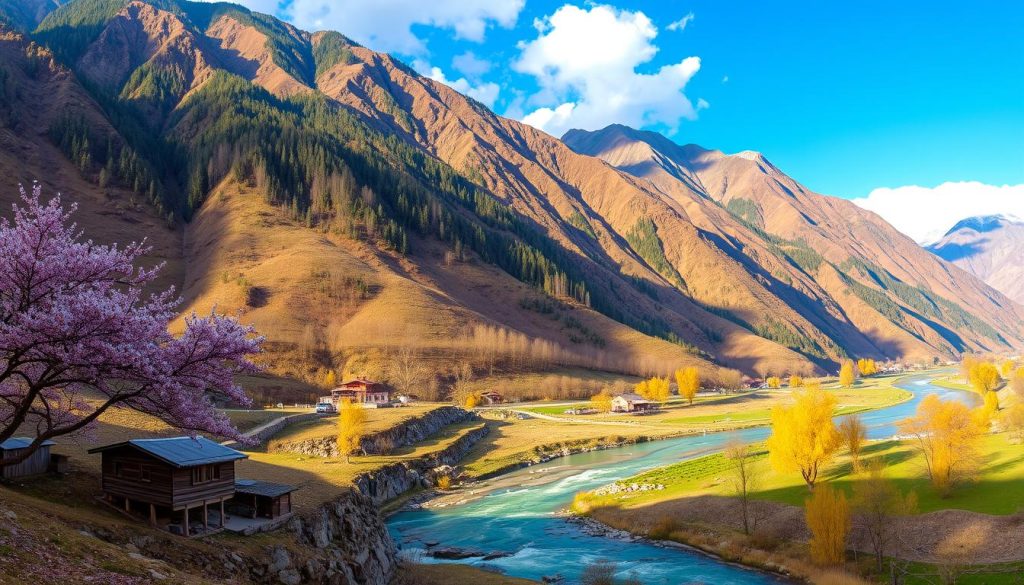
How Long to Spend in Hunza Valley?
Hunza Valley captivates visitors with its stunning beauty and rich culture. A week-long stay is ideal for exploring this remarkable region. This timeframe allows you to enjoy the diverse landscapes and activities without feeling rushed.
The valley boasts numerous side valleys, each offering unique experiences. Many travelers extend their stay, enchanted by Hunza’s endless charms. A well-planned week covers the top attractions and activities.
A longer stay lets you appreciate Hunza’s depth and breadth. You can balance must-see sights with spontaneous exploration. This approach allows for true immersion in the local culture.
| Recommended Duration | Highlights |
|---|---|
| 1 week |
|
A week-long stay allows for a well-rounded Hunza Valley experience. You’ll have time to explore natural wonders and cultural riches. This investment ensures a fulfilling journey through one of Pakistan’s most captivating destinations.
Top Attractions and Activities
Unmissable Hunza Highlights
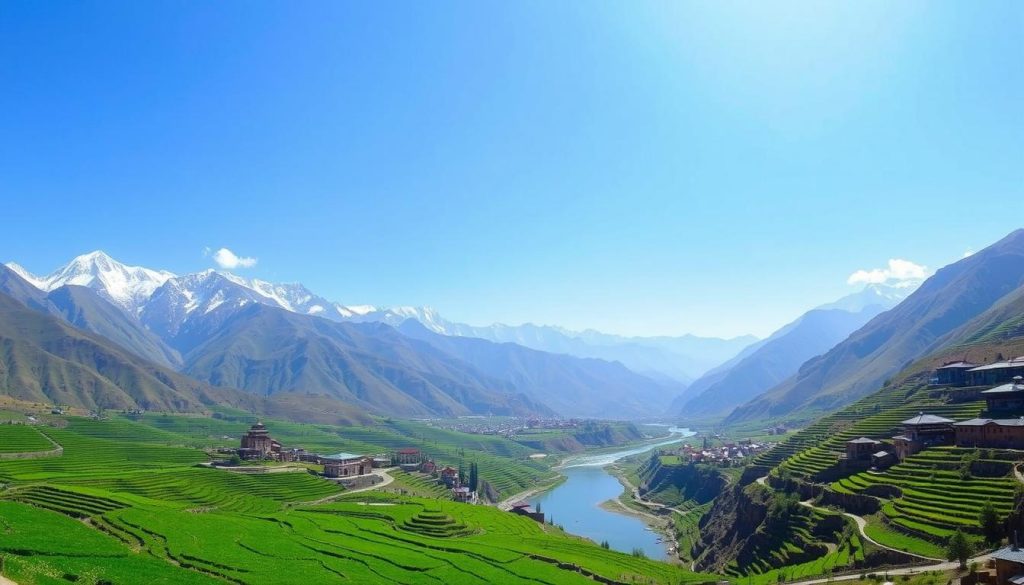
The Hunza Valley, nestled in the Karakoram Mountains, offers amazing natural wonders and cultural treasures. From Baltit Fort to Attabad Lake, this region has must-see sights for all travelers. Thrilling activities await in this captivating destination.
Begin your journey at the majestic Baltit Fort, an 8th-century masterpiece overlooking Karimabad. Explore Altit Fort, another architectural gem showcasing the valley’s rich history. Visit stunning Attabad Lake for a serene boat ride or winter ice hockey.
Brave the Hussaini suspension bridge for a unique view of the landscape. It’s a thrilling engineering feat connecting villages. Wander through Gulmit village, admiring traditional mud-brick houses and local culture.
Marvel at the Passu Cones, majestic peaks that seem to touch the sky. Explore ancient Avgarch Village for a glimpse into the valley’s past. Nature lovers will enjoy Borith Lake and Rush Lake’s serene beauty.
For adventure seekers, hike to Ultar Base Camp for breathtaking views of surrounding peaks. Visit Khunjerab National Park, home to the world’s highest paved border crossing at 4,733 meters.
Hunza Valley blends history, nature, and culture for an unforgettable adventure. You’ll be captivated and eager to explore more of this magical place.
Where to Stay in Hunza Valley
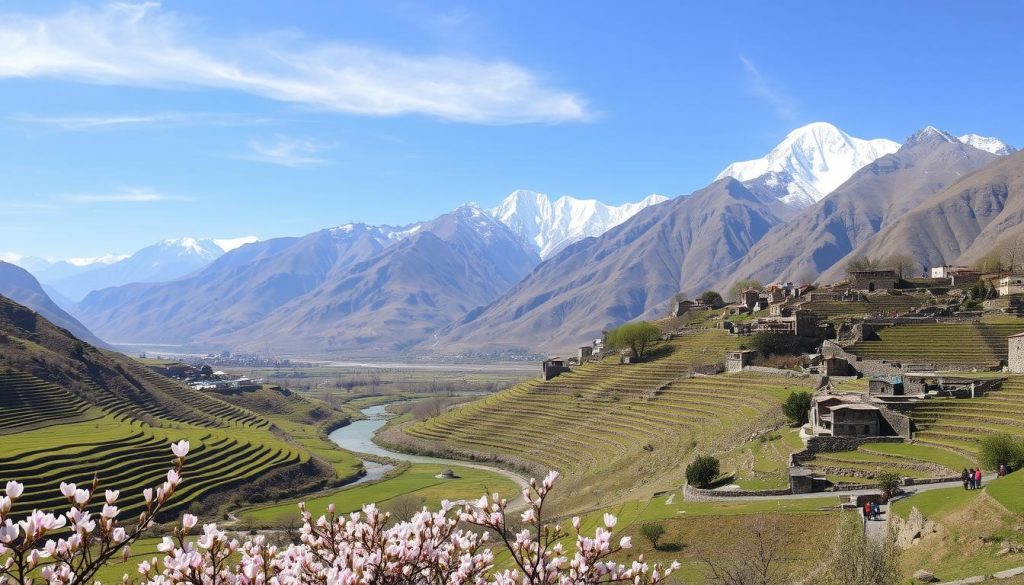
Hunza Valley offers diverse accommodations in the Karakoram mountains. From luxurious hotels to cozy homestays, each option provides stunning views. You’ll find something for every traveler’s needs and budget.
Luxus Hunza Attabad Lake Resort, Offto Resort Hunza, and Famree Resort Hunza are top-rated properties. These resorts offer modern amenities and impeccable service. They boast unparalleled views of Attabad Lake and Ultar Sar mountain.
History buffs can stay at the Serena Altit Fort Residence. This unique option is within the ancient Altit Fort, a UNESCO World Heritage Site.
Budget travelers can explore the Old Hunza Inn and Hunza Lodge. These places provide comfortable rooms at affordable rates.
Locals say a house without a view is like one without a roof. Hunza Valley hotels, Hunza Valley resorts, and Hunza Valley homestays showcase breathtaking scenery. You’ll find options for every preference and budget.
“The view from my room was simply mesmerizing. I woke up each morning to the sight of snow-capped peaks and the glistening Attabad Lake. It was a dream come true.”

Local Cuisine and Dining
Hunza Valley offers a unique blend of local cuisine and stunning views. Small eateries serve traditional dishes like Chapshuro, Buroshapik, and Buttering Doudo. Popular spots include Hidden Paradise Hunza, Osho Maraka, and Cafe Culture Hunza.
Traditional Hunza food is typically spice-free, highlighting natural flavors. Upscale restaurants in Karimabad serve Chapshuros for about 1000 PKR. Gyaling/Gral is often dipped in apricot oil or butter.
Buttering Doudo, a traditional soup, is enjoyed during winter. Harissa, a lentil and meat dish, is prepared for special occasions. Molida, a wheat-based snack, is popular in Central Hunza and Gojal.
Yak meat is a staple in Hunza’s food culture. It’s similar to beef but has a stronger flavor. Pitti, wheat bread baked in a bukhari, is common in Hunza households.
Hunza’s diet is free from added sugar, fat, and preservatives. The valley is known for its organic fruits and vegetables. Apricots reach their peak in July, making it a great time to visit.