Eco-tourism in Cox’s Bazar: A Sustainable Escape
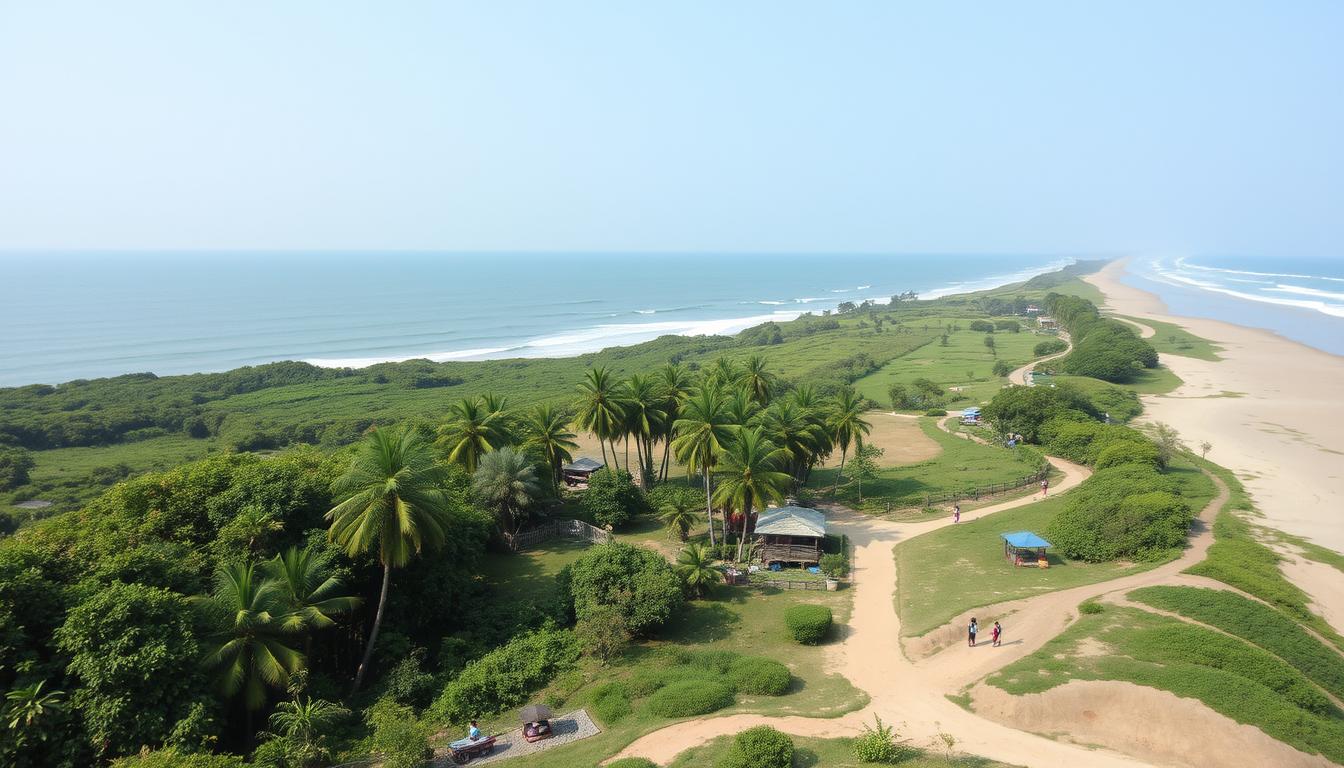
Have you thought about how your travels affect the planet? Eco-tourism in Cox’s Bazar offers a way to enjoy adventures while caring for nature. It’s located on the world’s longest natural sea beach, inviting you to explore and support green travel.
This place lets you dive into Bangladesh’s beauty while honoring local traditions and nature. You can visit Himchari National Park or relax at DERA Resort & Spa. Eco-tourism here means many chances to travel with a clear conscience.
Introduction to Eco-Tourism
Eco-tourism is for those who want to travel with a purpose. It teaches us to travel responsibly, making choices that protect the environment. As we face climate change and pollution, eco-tourism becomes key in modern travel.
It makes our trips better and connects us more with nature. Eco-tourism has grown, with more people choosing sustainable travel. This way, we can explore new places and help them stay beautiful.
It also lets us learn about local cultures. This way, we can connect with communities in a real way.
In Cox’s Bazar, eco-tourism is crucial for preserving its stunning beauty. The area boasts the world’s longest beach, attracting millions each year. The opening of a railway to Dhaka in 2023 aims to boost eco-friendly travel.
The “National Tourism Policy” of 2010 and the Cox’s Bazar Development Authority (CoxDA) in 2016 show a commitment to sustainability. These efforts aim to protect the environment and support local communities.
Choosing eco-tourism for your next trip can help the planet. It also makes your journey more rewarding. By being more aware of the environment, we can help protect nature and support local people.
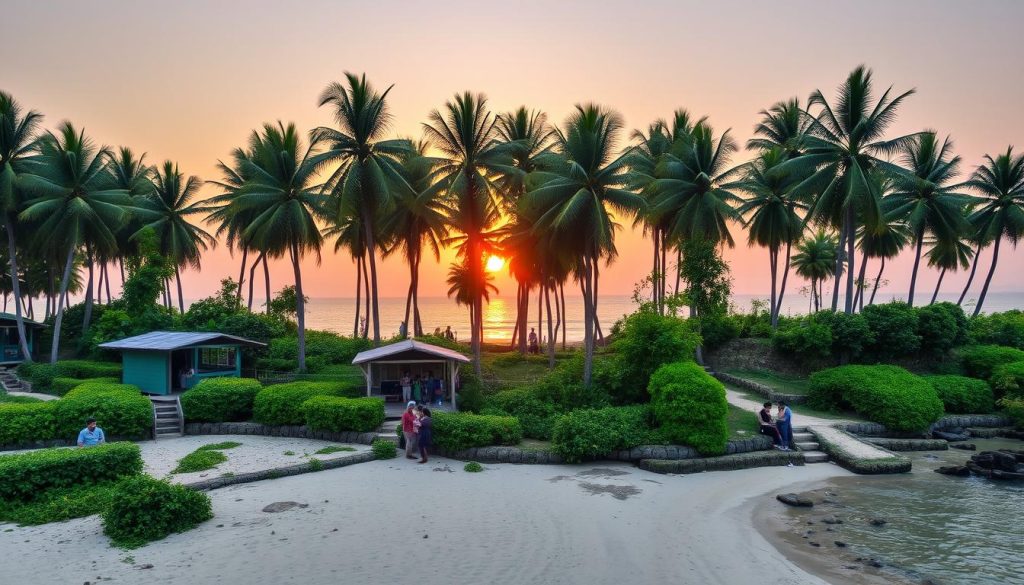
The Importance of Sustainable Travel
Sustainable travel is key in our connected world. When planning your next trip, think about how your actions affect the planet and local people. Eco-friendly travel aims to lessen harm and bring more good to the places you visit.
Cox’s Bazar, with its stunning beaches, shows how tourism can help protect nature and boost local economies. With millions of visitors each year, tourism is a big deal here. Choosing sustainable options helps local businesses and supports environmental efforts.
As a traveler, you have a big role to play. Every choice you make, from staying in green hotels to joining local events, makes a difference. It helps keep destinations beautiful and vibrant.
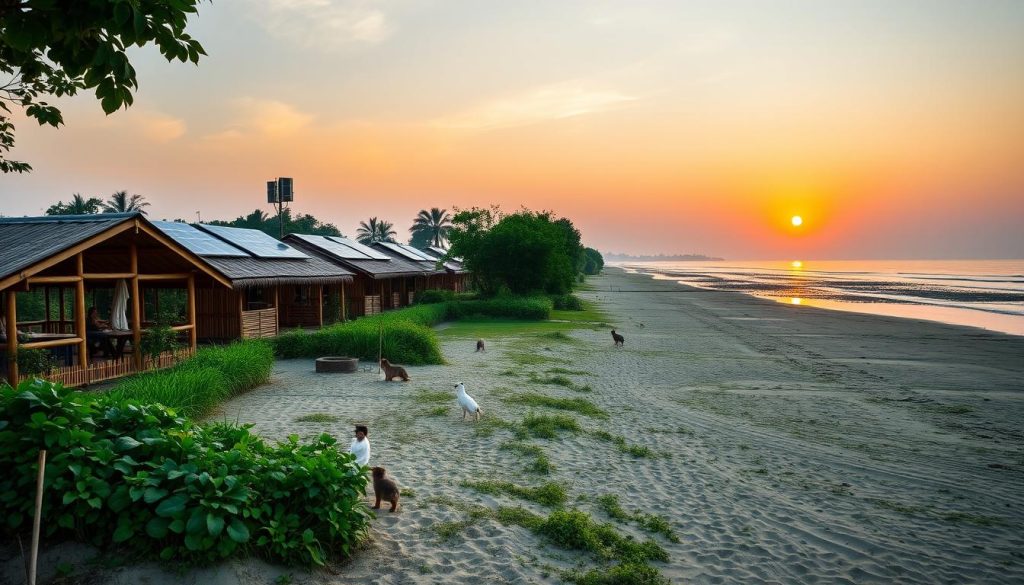
Embracing sustainable travel helps make tourism better for the planet and people. For instance, Cox’s Bazar is working hard to manage waste and protect marine life. These efforts show how we can tackle the problems caused by too many tourists.
| Aspect | Impact of Sustainable Travel |
|---|---|
| Environmental Preservation | Reduces negative impacts on ecosystems and wildlife. |
| Local Economic Growth | Enhances the economic stability of communities reliant on tourism. |
| Community Well-being | Promotes social equity through initiatives benefiting local residents. |
| Cultural Preservation | Encourages the protection of local traditions and heritage. |
| Awareness and Education | Increases understanding of environmental issues among travelers. |
By choosing sustainable travel, we protect our planet and ensure places like Cox’s Bazar can flourish for years to come. Your decisions today can help balance tourism growth with environmental care. This shows how important sustainable travel is for responsible tourism.
What is Eco-tourism in Cox’s Bazar
Eco-tourism in Cox’s Bazar is a mix of travel and caring for the environment. It aims to lessen the harm tourism can cause. It also promotes learning, saving nature, and growing in a way that’s good for everyone.
Knowing what eco-tourism is helps both visitors and those running eco-tourism projects. It works to balance tourism with protecting the area’s beautiful landscapes and ecosystems.
Definition and Principles
The idea of eco-tourism is about traveling in a way that doesn’t hurt nature. It helps keep the environment safe and improves life for local people. The main ideas are:
- Conservation: It’s all about keeping wildlife and their homes safe.
- Education: Visitors learn about the local environment and how to be green.
- Community Engagement: It’s important to support local people by creating jobs and running businesses that are good for the planet.
Eco-tourism in Cox’s Bazar follows these rules. It helps protect the environment and shows off the area’s stunning natural beauty.
Benefits of Eco-tourism for the Environment
Eco-tourism is key to protecting Cox’s Bazar’s environment. It promotes green practices, leading to many good things:
- Habitat Preservation: It helps keep sensitive areas safe, so they stay as they are.
- Wildlife Protection: It makes sure animals are looked after by teaching people about their importance.
- Community-Driven Sustainability: Local businesses use methods that are better for the planet, making tourism less harmful.
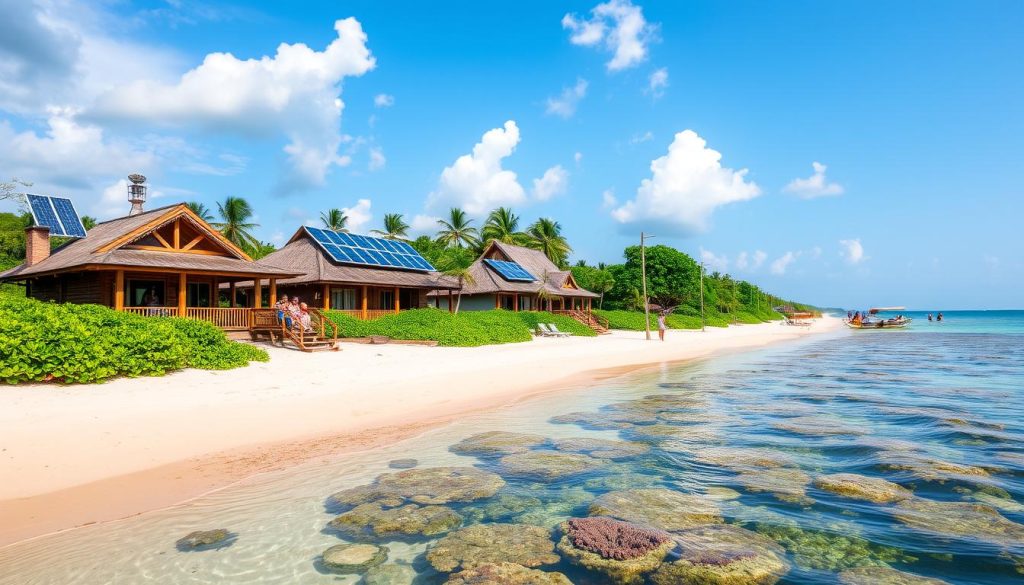
Top Eco-Friendly Attractions in Cox’s Bazar
Cox’s Bazar is a treasure trove of eco-friendly attractions. It beautifully combines nature with cultural experiences. You can enjoy beaches, local markets, and more. Here are some must-see spots.
Natural Wonders to Explore
The natural beauty of Cox’s Bazar is unmatched. Here are some top attractions:
- Inani Beach: This 18-kilometer beach is 25 kilometers from the city. It has clean waters perfect for swimming and relaxing.
- Marine Drive: The world’s longest marine drive stretches 80 kilometers. It offers stunning views and peaceful drives.
- Dulahazira Safari Park: With 4000 animals and 165 species, this park covers 9 square kilometers. It supports wildlife conservation.
- Sonadia Island: Known as an ‘Ecologically Critical Area’, it’s a haven for rare birds and endangered sea turtles.
- Chunuti Wildlife Sanctuary: This sanctuary is rich in biodiversity. It hosts endangered species and showcases the region’s natural heritage.
Cultural Activities That Promote Responsible Tourism
Connecting with the local community makes your trip better. Here are some cultural activities to try:
- Burmese Market: This market offers local crafts, foods, and souvenirs. It supports local artisans and promotes cultural tourism.
- Ramu Temple: This temple is home to a 13-foot bronze Buddha statue. It’s a significant spiritual site and invites visitors to learn about its history.
- Kana Raja Cave: Near Laboni beach, this site is culturally significant. It allows visitors to explore local myths and legends.
- Himchari Mountain: Hiking here offers spectacular views and a seasonal waterfall. It enriches your appreciation of the area’s beauty.
- Mangroves for the Future Program: This program focuses on sustainable tourism and conservation. It involves community-led initiatives in coastal areas.

Best Eco-Friendly Accommodations in Cox’s Bazar
Choosing the right place to stay in Cox’s Bazar can make your eco-tourism trip better. Eco-friendly accommodations support sustainable tourism and help protect the environment. DERA Resort & Spa and Mermaid Eco Resort are great examples of eco-conscious hospitality.
Overview of Eco-Resorts
Eco-resorts aim to leave a small ecological footprint while offering comfort and luxury. They use renewable resources, cut down on waste, and celebrate local culture. Staying in these places lets you enjoy nature while helping the ecosystem.
Highlighting DERA Resort & Spa
DERA Resort is near Inani Beach and offers a luxurious stay with a green twist. It’s known for its top-notch amenities that are good for the planet. Guests can enjoy stunning sea views and learn about local conservation efforts.
Mermaid Eco Resort as a Family Destination
Mermaid Eco Resort is perfect for families. It’s 12.1 miles from Cox’s Bazar’s center and has cozy cottages in a green setting. Families can enjoy free Wi-Fi and try different foods in a peaceful atmosphere.
The resort’s prices change a lot, with October being the cheapest. January is the most expensive. Guests usually stay for one night. This makes it great for short trips. Check-in is after 1:00 PM, and check-out before 11:00 AM. This helps families plan their trips better.
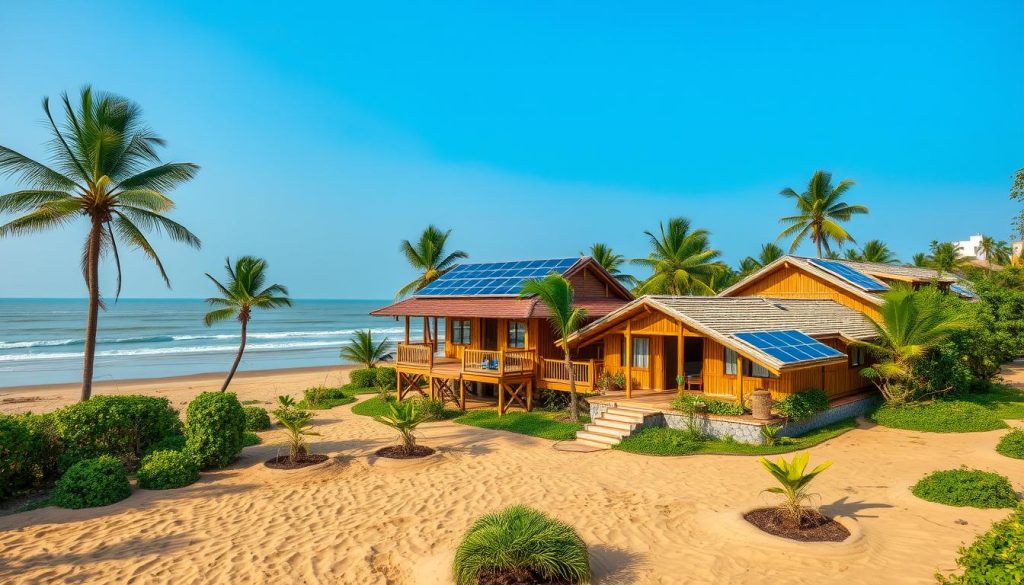
Community Engagement through Eco-Tourism
Eco-tourism connects locals to tourism, boosting community involvement. It supports local economies and cultural exchange. This helps in promoting sustainable practices.
Visitors to Cox’s Bazar can make a positive impact. By supporting local traditions and crafts, they help the economy and preserve culture. This interaction enriches both visitors and locals, offering unique insights.
To see how community involvement benefits, look at this table:
| Activity | Benefit to the Community | Benefit to Tourists |
|---|---|---|
| Local guide services | Income for local families | Authentic local experiences |
| Cultural workshops (crafts, cooking) | Preservation of local traditions | Skill development and unique souvenirs |
| Farm to table dining | Support for local agriculture | Fresh, authentic cuisine |
| Community-led cleanliness drives | Improved local environment | More enjoyable tourist experience |
Eco-tourism in Cox’s Bazar is more than just a way to make money. It’s a way to care for the environment and the community. Tourists help create a sustainable future for Cox’s Bazar.
Environmental Conservation Efforts
Cox’s Bazar is known for its stunning natural beauty and diverse wildlife. As more tourists visit, local people are working hard to protect this special place. They are launching projects and spreading the word about the importance of preserving nature.
Local Initiatives for Nature Preservation
The people of Cox’s Bazar have started many projects to fight environmental damage. They are working to cut down pollution from ship-breaking in Chittagong and managing waste better. These efforts are crucial because pollution harms the area’s wildlife.
Now, more people are learning about living in a way that’s good for the planet. This includes teaching about the environment and how to protect it.
Impact on Biodiversity in Cox’s Bazar
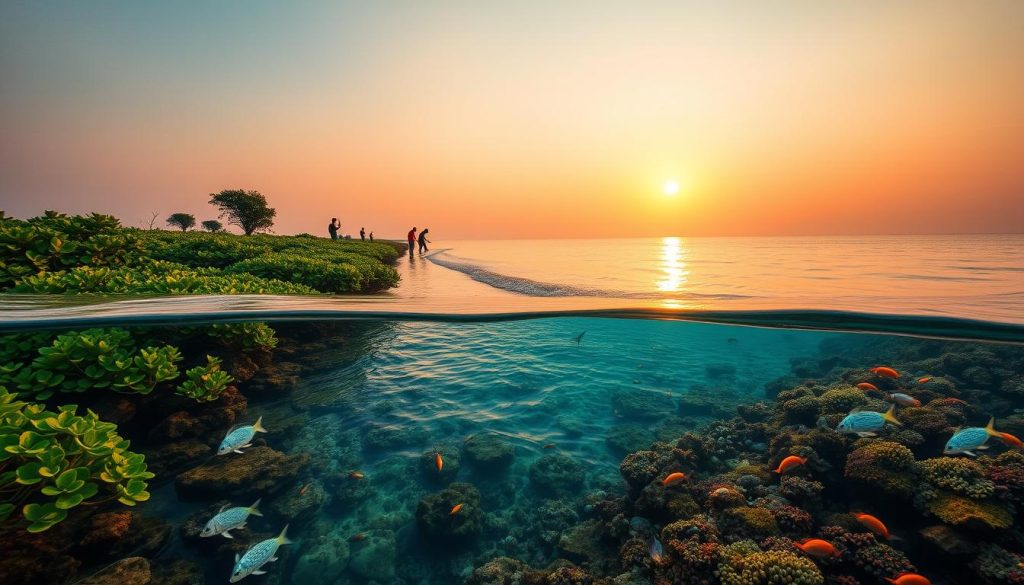
Protecting Cox’s Bazar’s wildlife is key to keeping its ecosystem healthy. Studies show that conservation areas are helping the local wildlife thrive. For example, protected beaches have more ghost crab burrows than unprotected ones.
Even though the red ghost crab is not considered endangered, changes in the environment mean we need to keep watching. It’s important to find ways to stop the harm caused by tourism, like building marine drives and using jetties for ships.
How to Plan a Responsible Trip
Planning a trip to Cox’s Bazar means taking steps that are good for the planet. Start by looking for eco-friendly places to stay. These places focus on saving the environment, making your trip better.
When you eat and shop, think about the local economy. Supporting local businesses helps the community. You get to enjoy real local food and crafts, showing off the area’s culture.
Join in on conservation efforts while you’re there. You can help clean the beach or work on nature projects. These activities protect the area’s beauty and make your trip more meaningful.
Using eco-tourism tips can make your trip even better. Here are some important tips:
- Use reusable water bottles and bags to cut down on plastic.
- Be careful with what you eat and buy to reduce waste.
- Keep a safe distance from animals and don’t feed them.
- Travel during off-peak times to avoid crowds and help the environment.
- Learn about local customs to interact respectfully.
- Buy from vendors who care about the planet.
By planning your trip this way, you’ll have a great time and help Cox’s Bazar stay beautiful.
Challenges Facing Eco-Tourism in Cox’s Bazar
Eco-tourism in Cox’s Bazar faces many challenges. The arrival of Rohingya refugees has hurt local tourism and harmed the environment. More people mean more pressure on nature, making it hard to develop sustainably.
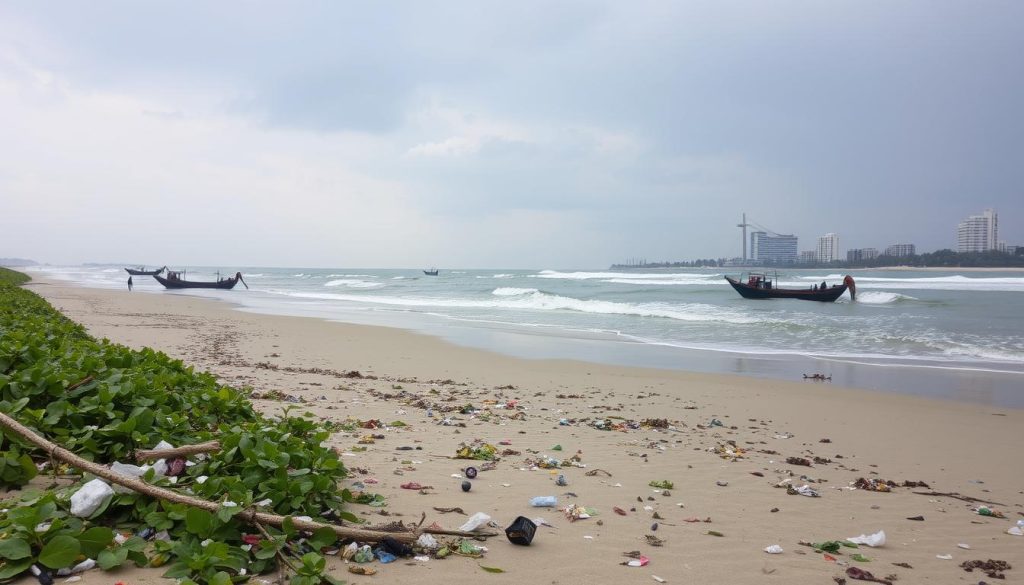
Overtourism is a big problem. Too many visitors damage nature and stress local communities. This can harm the very thing eco-tourism tries to protect.
Uncontrolled tourism growth often leads to bad jobs, mainly low-paying ones. This raises concerns about worker rights.
Environmental issues are also a big challenge. For example, seawater is getting into the land because of bad water management. This harms the area. We need to focus on real eco-tourism to fix these problems.
Getting local people involved in tourism can help. It makes sure tourism grows in a way that protects the environment and helps the economy.
The COVID-19 pandemic has also hit tourism hard. It’s made us think about how to recover in a way that’s good for the planet. We must tackle these issues to make eco-tourism in Cox’s Bazar work again.
The Future of Eco-tourism in Cox’s Bazar
Cox’s Bazar is a great chance for eco-tourism to grow. It has a big local crowd and could attract more visitors from abroad. Even without top-notch tourist spots, it has a lot of potential for green tourism.
The Bangladeshi government is helping by offering incentives for new projects. This push is for fancy resorts and green lodges to draw in tourists who spend a lot. The warm weather means people can enjoy activities all year round.
Adventure fans will find new things to do like water sports and diving. These activities are fun and help protect the environment. To make visiting easier, better roads and airports are needed.
Putting money into these areas can really pay off. With more tourists coming and not many places to go, businesses can make a lot. Plans that focus on making money can help everyone involved.
Green tourism is good for the planet, people, and the economy. A recent study showed people want to help the environment but need better ways to do it. The government must step in to fix this and make eco-tourism better in Cox’s Bazar.
Conclusion
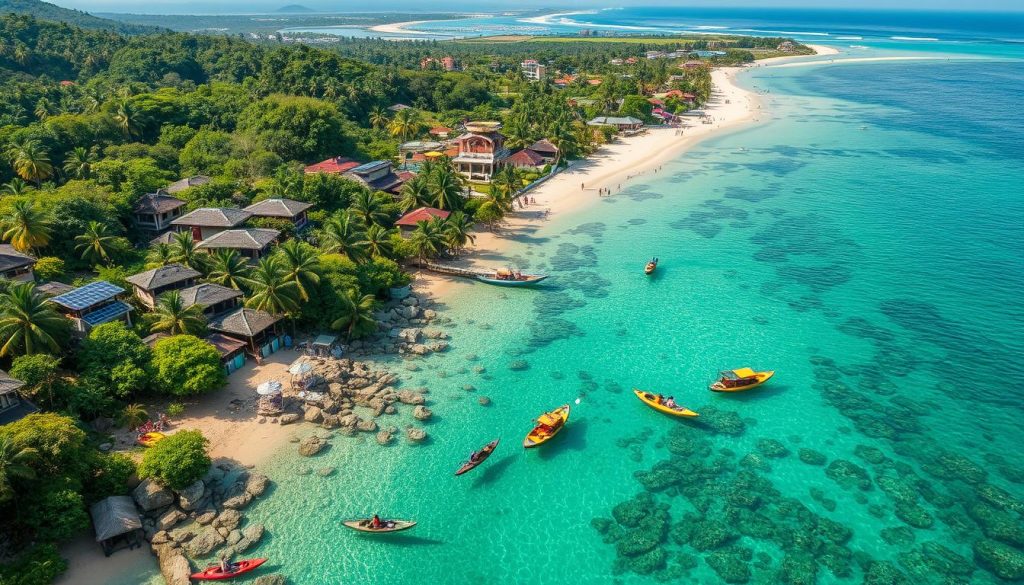
Eco-tourism is key for sustainable travel in Cox’s Bazar. It makes your trip better and helps the local area and people. By staying in eco-friendly places and joining local projects, you help protect this amazing place.
Cox’s Bazar is known for its beautiful beaches and wildlife. It’s a big part of Bangladesh’s tourism. To keep it growing, we need to focus on being green and planning carefully. Your choice to travel responsibly helps the local people and keeps the area beautiful.
When you plan your next trip, think about how it affects the place you visit. Going on an eco-tour in Cox’s Bazar is not just fun. It also helps keep the area healthy for the future. By picking green options, you help nature and communities thrive together.