Your Guide to the Altitude in Bogotá, Colombia
Planning a trip to Bogotá? You might wonder about the altitude. Bogotá sits at 8,660 feet above sea level. This is much higher than many cities. The high altitude can lead to altitude sickness, a condition where the body struggles to adapt.
Knowing Bogotá’s altitude is key for a safe and fun trip. Bogotá’s altitude is 8,660 feet, higher than Denver by over 3,300 feet. As you get ready, think about how the altitude might affect you. It’s important to know the risks and how to stay safe.
How High is the Altitude in Bogotá?
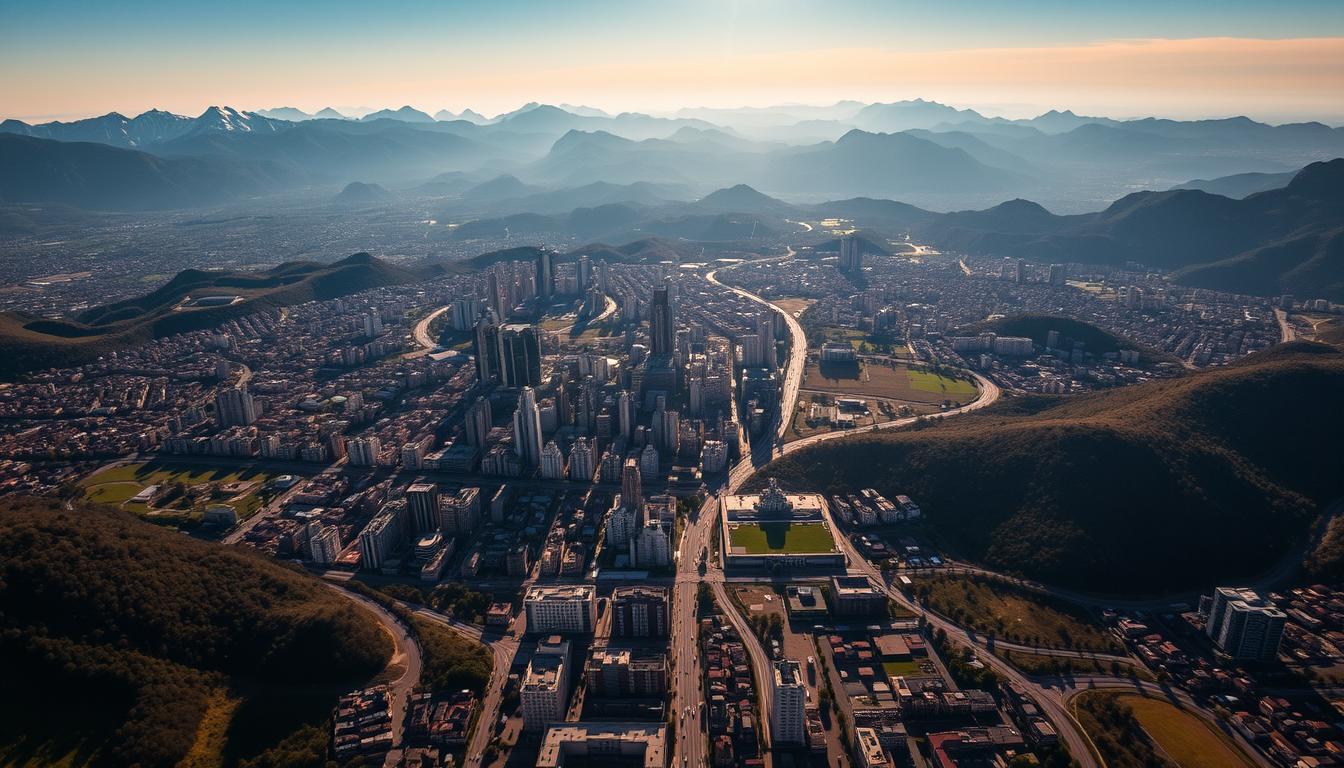
Bogotá, Colombia’s capital, sits high at an average altitude of 2,640 meters (8,660 feet) above sea level. This makes it one of the highest major cities globally. It’s a fascinating and unique place for travelers to explore.
The high altitude in Bogotá affects the local environment and daily life. The thinner air can cause fatigue and shortness of breath in some visitors. Yet, the city’s elevation also brings a mild climate. Temperatures range from 12°C to 18°C (54°F to 64°F) all year.
Some key facts about Bogotá’s elevation include:
- Bogotá is one of the highest capital cities in South America.
- The city’s elevation is higher than many major cities in the world, including Mexico City and Quito.
- The high elevation of Bogotá can cause altitude sickness in some individuals, specially those not used to high elevations.
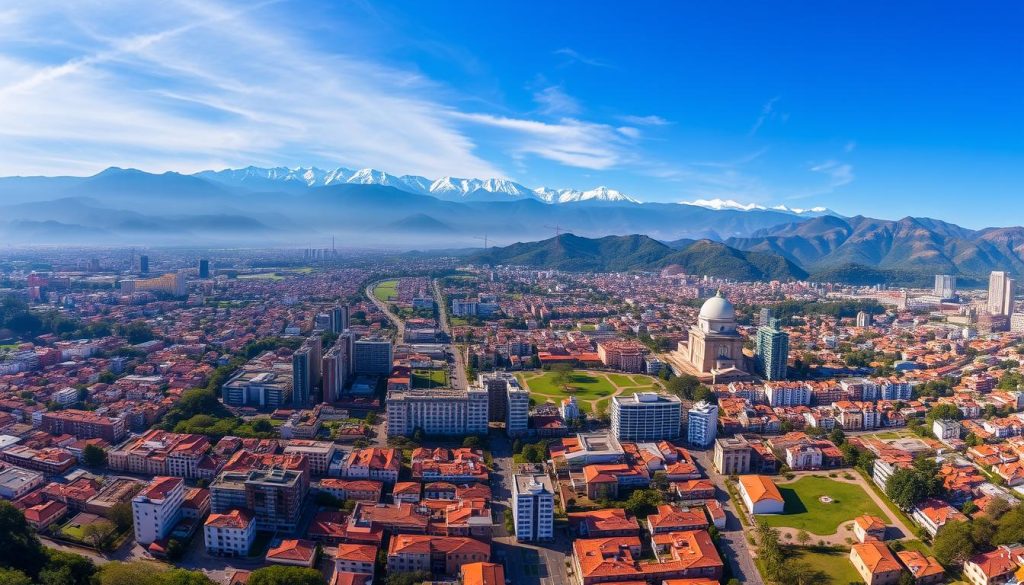
Knowing Bogotá’s elevation is important for both travelers and residents. It affects daily life and activities. By understanding the city’s high elevation and taking precautions, visitors can fully enjoy Bogotá’s culture and natural beauty.
Understanding Bogotá’s High-Altitude Environment
When you plan to visit Bogotá, knowing about its high altitude is key. The city sits at about 2,640 meters (8,661 feet) above sea level. This can lead to altitude sickness, or acute mountain sickness (AMS).
The air at high altitudes has less oxygen, which causes AMS. Symptoms include headaches, feeling tired, nausea, and shortness of breath. You might also feel dizzy and have trouble sleeping.
To avoid altitude sickness, acclimatizing is important. Spend a night or two at a lower place before going to Bogotá. Drinking lots of water helps stay hydrated. On your first day, avoid hard activities and eat light meals.
It takes about four days for your body to get used to high altitudes. Symptoms can get worse if you do too much.
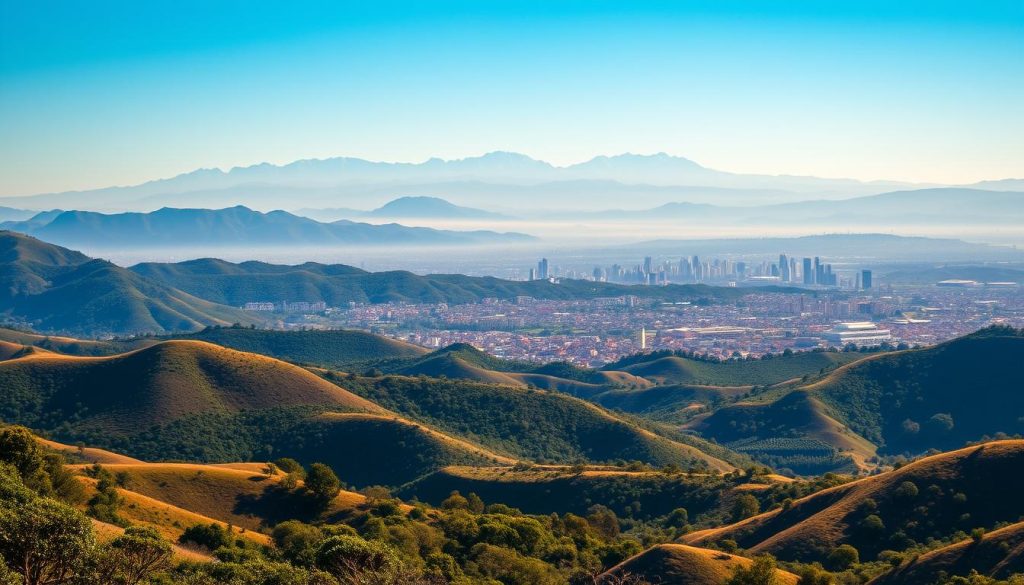
Living at Bogotá’s altitude can make your heart healthier and lower the risk of obesity by 40%. The city’s high elevation boosts your metabolism and vitamin D production from more UV rays. But, it’s important to know the risks and take steps to prevent or manage altitude sickness.
By understanding Bogotá’s high-altitude environment and acclimatizing, you can have a great time in this lively city.
The Effects of Elevation on Weather and Climate
Planning a trip to Bogotá? Knowing about elevation’s impact on weather and climate is key. Bogotá sits at about 2,640 meters (8,661 feet) above sea level. This high altitude greatly affects the local weather.
The city’s high elevation means a steady temperature all year. Temperatures range from 14°C to 20°C (57°F to 68°F). Bogotá also has wet and dry seasons. The rainy season is from April to November, and the dry season is from December to March.
Temperature Variations at High Altitude
Temperature changes at high altitudes are notable in Bogotá. The city’s elevation lowers air pressure, leading to cooler temperatures. The Humboldt Current, coming from Antarctica, also cools the air over Bogotá.
Rainfall Patterns in Bogotá
Rainfall in Bogotá is fairly even throughout the year. The rainy season lasts about 8 months. If you prefer drier weather, visit from December to March.

Best Times to Visit Based on Weather
The best weather for visiting Bogotá is from December to March. This period offers drier and sunnier conditions, perfect for outdoor activities. Knowing about Bogotá’s altitude helps plan your trip and enjoy the city fully.
Remember, Bogotá’s altitude can impact your health. It’s crucial to take precautions to stay safe. Understanding elevation’s effects on weather and climate prepares you for a great trip to Bogotá.
Health Considerations at Bogotá’s Elevation
Traveling to Bogotá means dealing with its high altitude. Bogotá sits at about 8,660 feet (2,640 meters) above sea level. This can lead to altitude sickness in some people. Knowing the risks and taking steps to prevent them can help you have a healthy trip.
Altitude sickness happens at elevations over 6,000 feet (1,828 meters). Bogotá’s height is well above that. Symptoms include nausea, shortness of breath, headaches, and tiredness. These usually start within 6 to 24 hours after arriving. To avoid altitude sickness, drink lots of water and get enough sleep to help your body adjust.
Some important facts about health effects of high altitude include:
- Glutathione levels can be reduced by up to 45% at high altitudes
- Recommended water intake: at least half your body weight in ounces
- Recommended sleep duration for acclimatization: 7-9 hours per night

Knowing about the health risks at Bogotá’s elevation helps ensure a safe trip. Bogotá’s altitude of 8,660 feet requires awareness of potential risks. This way, you can enjoy the city’s beauty and culture without health issues.
Altitude Sickness Prevention and Management
Traveling to Bogotá means dealing with an altitude of about 2,640 meters above sea level. This high altitude can lead to altitude sickness. To avoid or manage it, drink lots of water, rest, and don’t overexert yourself.
Common signs of altitude sickness include headaches, feeling very tired, and nausea. If you notice these symptoms, get medical help right away. Doctors might suggest going down to a lower place, taking medicine, or getting oxygen.
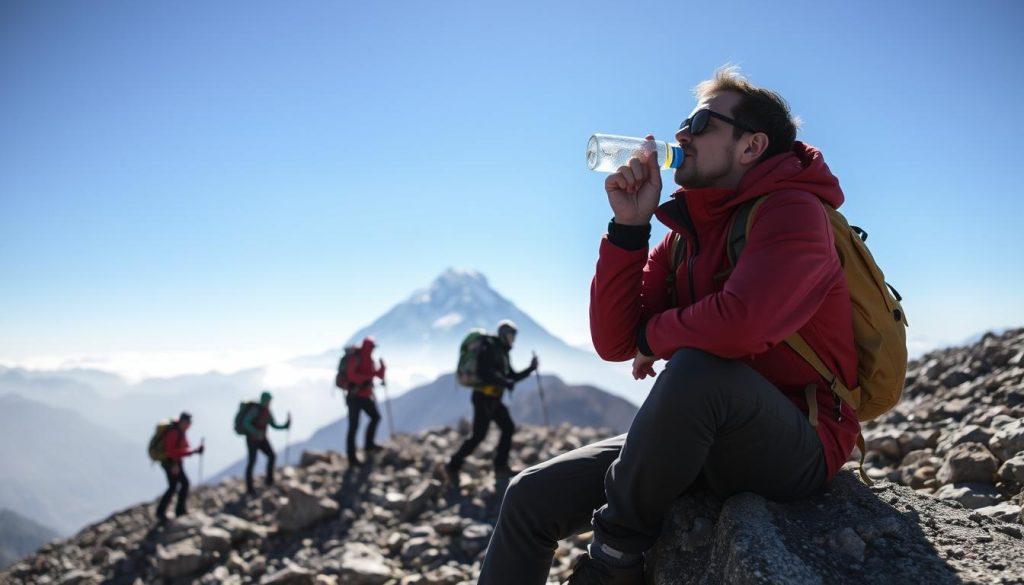
Bogotá has many emergency services like hospitals and clinics. It’s smart to look up these places before you go. This way, you’ll know where to go if you need help. With the right precautions, you can have a great time in Bogotá without worrying about altitude sickness.
Here are some ways to prevent altitude sickness:
- Avoid big meals and alcohol
- Don’t do too much activity right after getting to high places
- Drink lots of water
- Make sure to get enough rest
By following these tips and keeping an eye on Bogotá’s altitude, you can lower your risk of altitude sickness. This way, you can enjoy your trip safely and without worry.
Adapting to High-Altitude Living in Bogotá
Traveling to Bogotá means dealing with its high altitude. The city sits at about 8,661 feet above sea level. It’s important to let your body adjust to this high place.
Experts say it takes three days for your body to get used to high altitudes. People coming from sea level might feel altitude sickness. This can make you feel tired, have headaches, and feel sick to your stomach.
To avoid altitude sickness, spend a few days at lower altitudes before going higher. In Bogotá, you can explore nearby towns or valleys. Also, drink lots of water, don’t overexert yourself, and rest well.
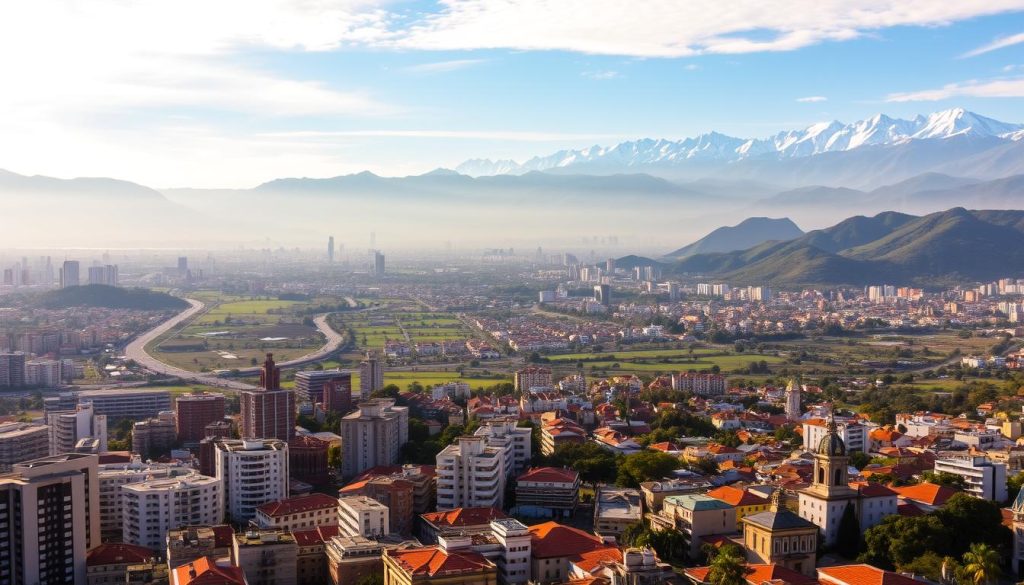
By following these tips, you can enjoy Bogotá’s culture and sights. The city has a rich history, a lively vibe, and beautiful nature. You can see the historic center, visit the Botero Museum, or try the local food. Bogotá will surely make a memorable trip for you.
Impact of Elevation on Physical Activities
Understanding Bogotá’s altitude is key to knowing how it affects physical activities. Bogotá sits at 2600 m above sea level. This high elevation changes how your body performs physical tasks.
As you get used to the higher elevation, your body will adapt to the lower oxygen levels. This adaptation is crucial for your safety and enjoyment in the city.
The high elevation in Bogotá can cause altitude sickness. Symptoms include headaches, fatigue, and nausea. To avoid these, drink plenty of water and get enough sleep.
When exercising at high elevations, you need to be careful. The altitude can reduce your endurance and stamina. It’s important to pace yourself and take breaks.
Here are some tips for exercising at high elevations:
- Start with low-intensity activities and gradually increase the intensity
- Avoid strenuous activities for the first few days after arrival
- Stay hydrated and fuel your body with nutrient-rich foods
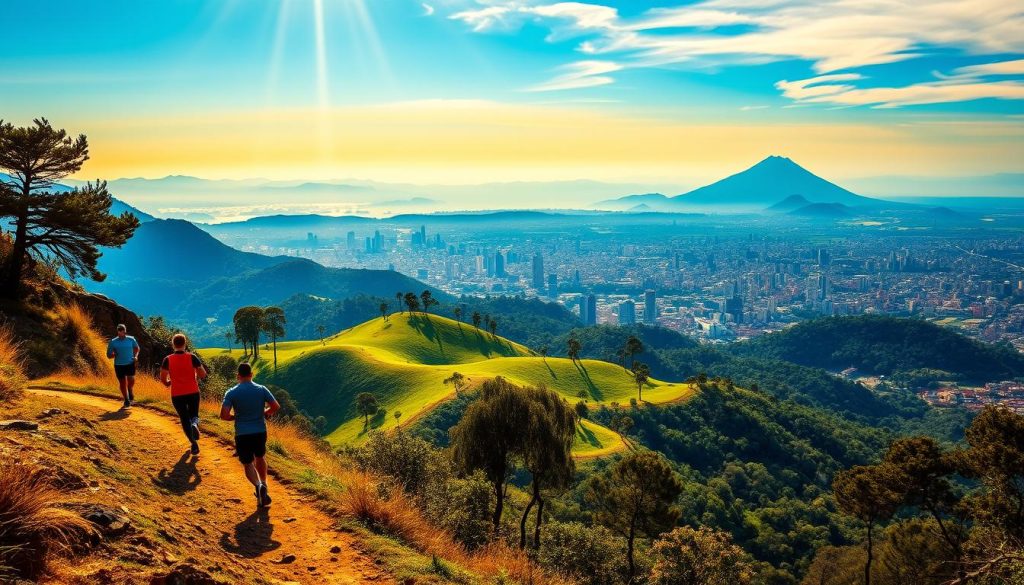
To have a safe and healthy experience in Bogotá, understand the impact of elevation. Plan your activities based on your physical abilities and the city’s altitude.
What to Pack for Bogotá’s Altitude
Traveling to Bogotá means you need to think about the high altitude. Bogotá sits at 2,640 meters (8,660 feet) above sea level. Knowing this helps you pack right for a comfortable trip.
For comfort, bring warm clothes like a jacket, gloves, and a hat. The temperature can drop a lot at night. Also, drink lots of water to stay hydrated.
Essential Items for Comfort
- Warm clothing, including a jacket, gloves, and a hat
- Comfortable shoes for walking
- Sunscreen and sunglasses for protection against the sun
- Power adapter for charging electronic devices
- Medications for altitude sickness, if necessary
Researching the effects of high altitude is smart. Knowing Bogotá’s altitude helps you prepare for altitude sickness. With the right items and knowledge, your trip to Bogotá will be great.

Recommended Medications
Don’t forget about medications for altitude sickness. If you’re sensitive to altitude, talk to your doctor. They can give you meds for headaches and fatigue. With the right precautions, you’ll have a wonderful time in Bogotá.
Tips for Your First Days in Bogotá
When you arrive in Bogotá, take it easy. Your body needs time to get used to the high altitude of Bogotá, which is 8,660 feet (2,640 meters) above sea level. This helps prevent health problems from the high elevation. Drink at least half your body weight in ounces of water to stay hydrated.
To adjust to the Bogotá altitude in meters, sleep for 6 to 8 hours straight. This helps your body adapt and lowers the chance of altitude sickness. Short walks around the city are okay, but avoid hard activities for the first 1 to 2 days.
Here are some more tips for your first days in Bogotá:
- Take breaks and rest when needed
- Avoid heavy meals and opt for light, nutritious food
- Stay hydrated by drinking plenty of water and electrolyte-rich beverages
- Avoid alcohol and caffeine, which can exacerbate dehydration
By following these tips, you’ll have a comfortable and fun stay in Bogotá, even with the high altitude of Bogotá. Always listen to your body and take steps to adjust to the high-altitude environment.
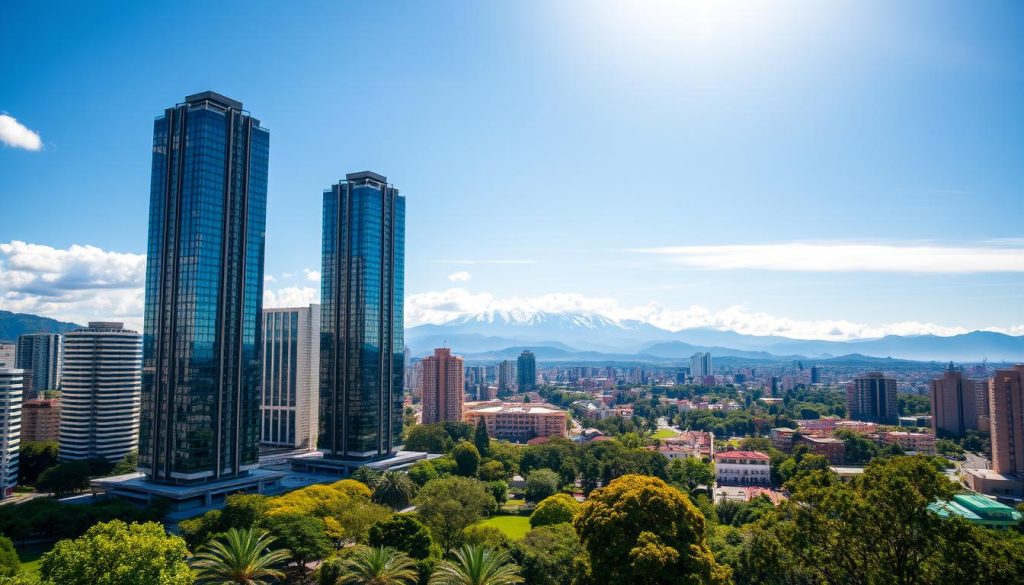
Local Insights About Living at Height
Adapting to Bogotá’s high altitude is key. The city sits at 2,600 meters, presenting unique challenges. Knowing native ways and cultural tips is crucial.
Locals drink lots of water and rest when new to avoid exhaustion. Acclimatization is vital for enjoying Bogotá. They share great advice on adjusting to the thin air.
Native Adaptations
Locals adjust their routines to avoid getting too tired. They also take breaks to rest. The city’s climate, with its mild temperatures and moderate humidity, is another factor to consider.
Cultural Considerations
The local food is designed to give energy and warmth. It helps fight the high elevation’s effects. By embracing these cultural and native tips, you can better handle Bogotá’s elevation. And enjoy your time in this lively city.
Conclusion: Embracing Bogotá’s Elevated Experience
The high altitude of Bogotá, Colombia, brings both challenges and opportunities. At 2,640 meters (8,660 feet) above sea level, the city offers a unique experience. Understanding the altitude of Bogotá and its effects helps you enjoy this vibrant place.
Adjusting to cooler temperatures and lower oxygen levels is key. Being aware of altitude sickness symptoms is also important. With the right mindset and flexibility, you can dive into Bogotá’s culture, history, and nature. Whether hiking, visiting landmarks, or trying local food, Bogotá’s elevated experience will stay with you.