
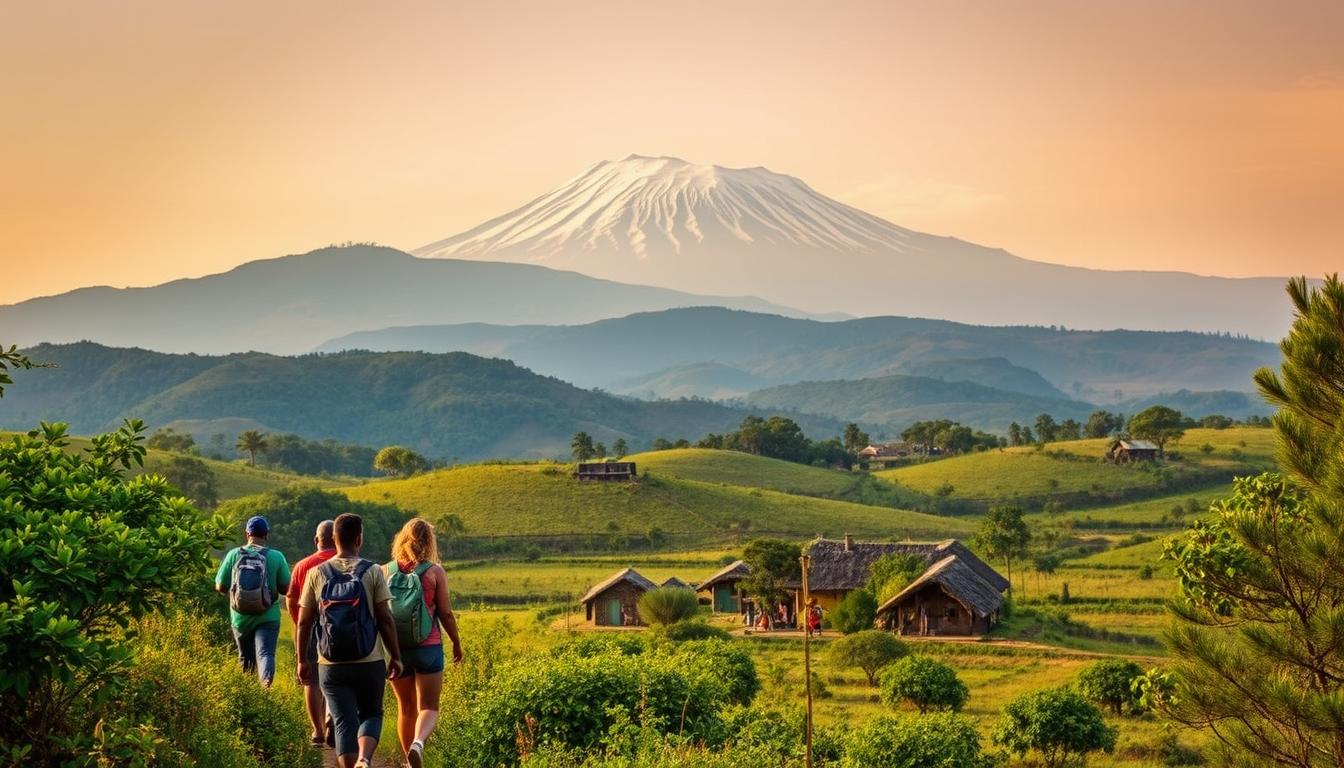
Your Guide to Responsible Travel in Nakuru
Are you ready to explore one of Africa’s most breathtaking destinations? Nakuru, a gem in Kenya’s tourism industry, offers stunning landscapes and cultural richness.
When planning your trip, think about how your travels will impact this beautiful place. Sustainable travel practices are key to preserving Nakuru’s beauty for the future.
By choosing wisely, you can support the local economy and protect the environment. This guide will help you make a positive impact while enjoying Nakuru’s wonders.
The Essence of Responsible Tourism in Nakuru
Responsible tourism in Nakuru means finding a balance between protecting nature and enjoying visits. This balance is key in Kenya’s tourism, with Lake Nakuru National Park being a top spot. It attracts visitors worldwide, but it’s important to make sure tourism helps the local environment and people.
Nakuru’s Unique Ecological Significance
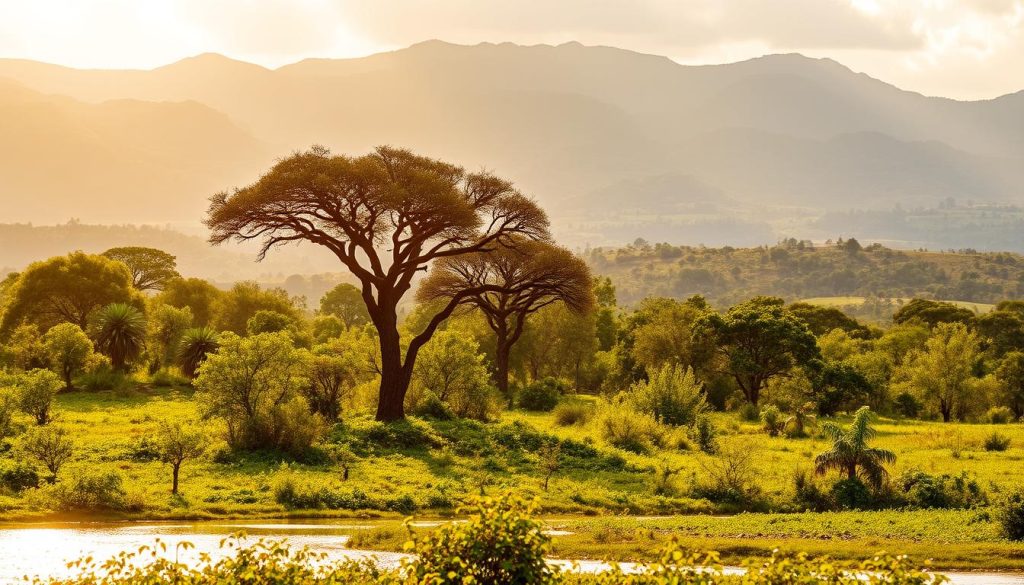
Nakuru is famous for its diverse wildlife, like the flamingos that flock to Lake Nakuru every year. The lake and its park are home to many animals, including rare Rothschild’s giraffes and black rhinos. Eco-friendly vacations in Nakuru are essential to keep this biodiversity alive. The area’s special features make it a crucial place for saving nature.
Balancing Tourism and Conservation
It’s a challenge to meet tourism needs while protecting nature. As a visitor, you have a big part to play in this. By choosing ethical tourism Nakuru options, you help keep Nakuru beautiful. This means respecting animals’ homes, supporting local conservation, and picking eco-friendly tour operators.
Conservationists say, “Responsible tourism is not just about watching wildlife. It’s about making sure they’re here for our kids and grandkids.”
By thinking carefully about your travel, you can help keep Nakuru’s balance between tourism and nature.
Lake Nakuru National Park: A Responsible Visitor’s Approach
Planning your visit to Lake Nakuru National Park? It’s key to know about responsible tourism. This way, you’ll enjoy your trip more and help protect the park’s special ecosystem.
Ethical Wildlife Viewing Practices
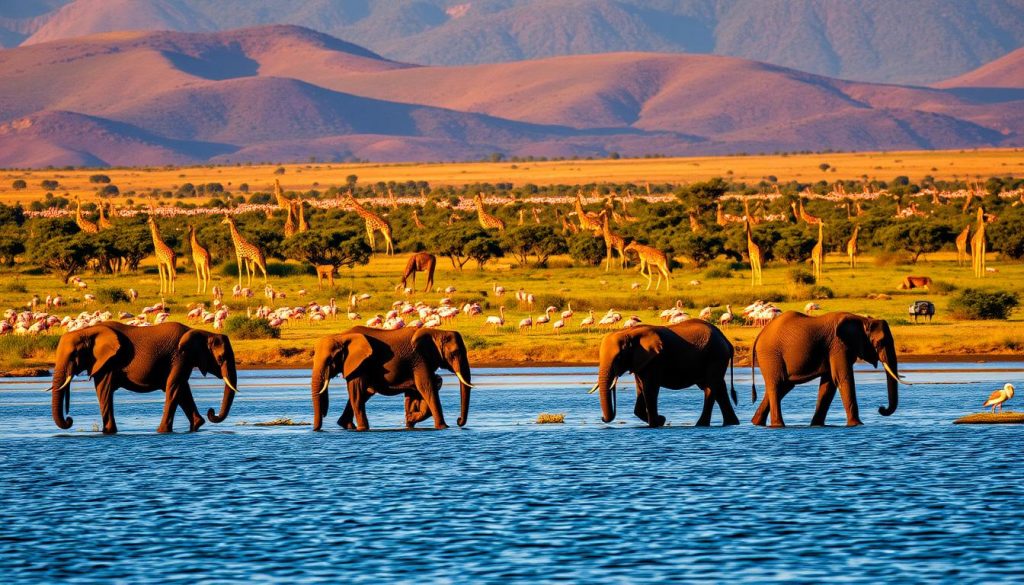
When watching wildlife, keep a safe distance. This keeps you safe and doesn’t stress the animals. Keep your vehicle windows closed and avoid feeding the wildlife, as it can mess with their natural ways.
The Flamingo Phenomenon: Viewing Without Disturbing
Lake Nakuru is known for its flamingo migrations. To keep this special sight, visitors must not disturb the birds. Keep a safe distance and refrain from making loud noises, which can scare the flamingos away. This helps keep their home and behavior natural.
Supporting Conservation Through Park Fees
Your visit to Lake Nakuru National Park helps conservation. The park fees go towards protecting the park’s habitat and wildlife, including the endangered black and white rhinos. By paying these fees, you help keep the park safe.
Getting involved in community-based tourism Nakuru makes your trip better and helps local communities. This way of traveling makes sure everyone benefits, supporting conservation travel Nakuru efforts.
Beyond the Lake: Exploring Nakuru’s Other Natural Treasures
There’s more to see in Nakuru than just Lake Nakuru. The area is filled with natural wonders and historical sites. When you visit, make sure to care for the environment and respect the local culture.
Menengai Crater: Sustainable Hiking Guidelines
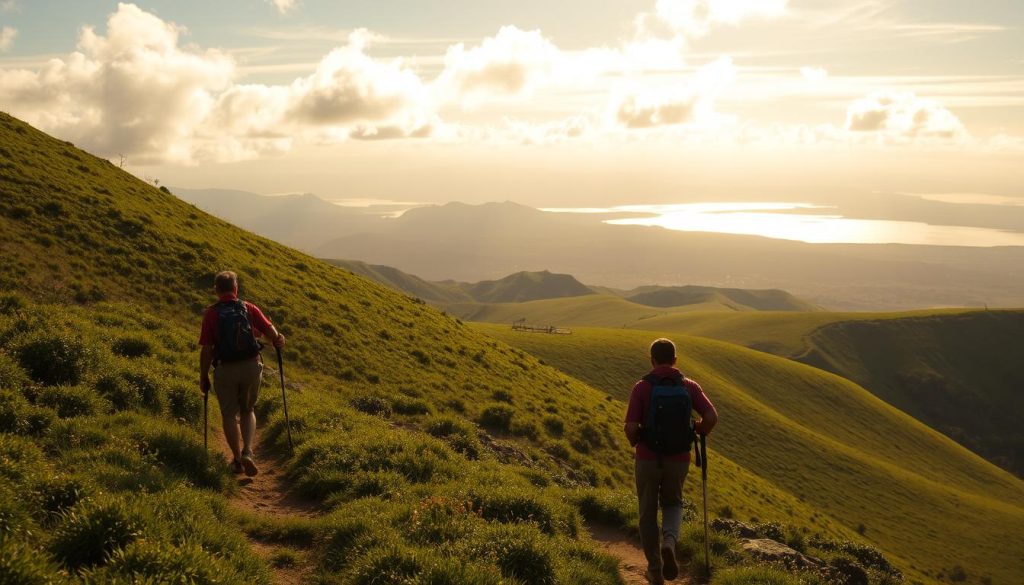
Menengai Crater is a dormant volcano with stunning views and great hiking trails. To hike responsibly, stick to the paths, don’t throw trash, and stay away from closed areas. This keeps the nature around you safe and makes your trip enjoyable.
Hyrax Hill and Other Archaeological Sites
Hyrax Hill is a key archaeological site that shows the area’s rich history. When you’re there, be careful not to damage anything. Don’t touch the artifacts or remove them. Always follow the advice of local guides or signs to protect these important historical sites for the future.
| Site | Significance | Visitor Guidelines |
|---|---|---|
| Menengai Crater | Dormant volcano with panoramic views | Stay on trails, avoid littering |
| Hyrax Hill | Archaeological site with historical artifacts | Respect artifacts, follow guide instructions |
Cultural Respect: Engaging Meaningfully with Local Communities
Your trip to Nakuru can be more rewarding if you respect the local culture. As you explore, you’ll meet diverse communities with rich traditions. Showing respect can make your trip better and help the local economy.
Understanding Nakuru’s Cultural Diversity
Nakuru is home to many ethnic groups, each with their own customs. To truly connect, it’s key to understand and respect these differences. The locals are known for their warm welcome. With an open mind, you can learn a lot about their lives.
Practicing mindful tourism Nakuru means being aware of cultural details. It’s about adapting your actions to fit in.
Appropriate Behavior and Photography Ethics
Being mindful of your actions is vital when meeting locals. This includes respecting privacy, like when taking photos. Always get permission before snapping someone’s picture. Be ready for them to say no.
Also, know the local dress codes and how to interact physically. This way, you support responsible tourism Nakuru. It helps build a good relationship between visitors and locals.
| Cultural Practice | Description | Visitor Etiquette |
|---|---|---|
| Greeting Locals | A handshake or a bow is a common greeting. | Follow the local custom to show respect. |
| Dress Code | Modest clothing is preferred, in rural areas. | Dress conservatively to avoid offending locals. |
| Photography | Ask permission before photographing people or their property. | Respect people’s privacy and be prepared for a decline. |
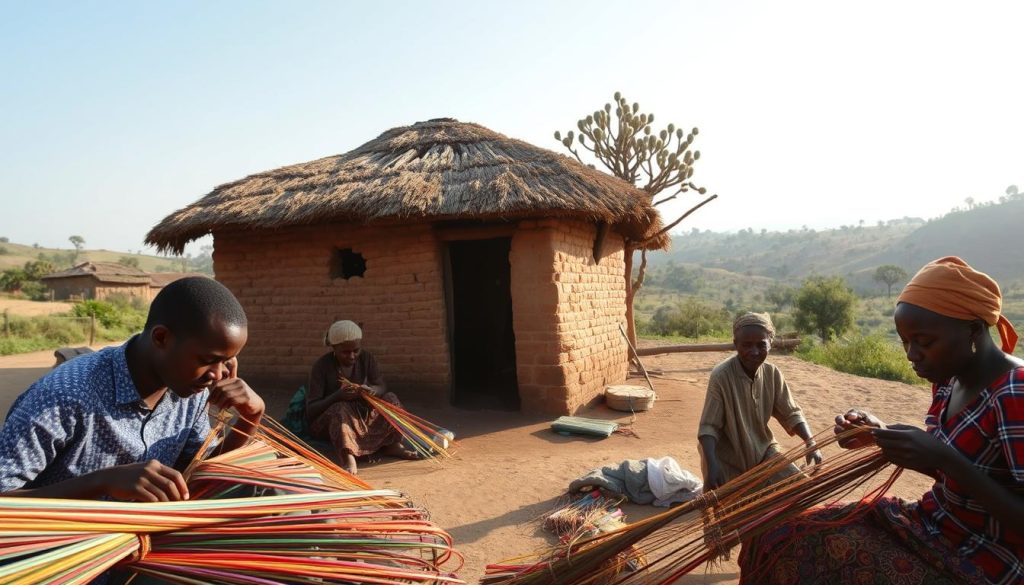
Economic Impact: How Your Travel Dollars Can Benefit Locals
When you visit Nakuru, your money can really help the local economy. By choosing wisely, you can make sure your trip helps the community.
One great way to support locals is by visiting local artisans and markets. Nakuru has many skilled craftsmen and women. They make beautiful items that show off the area’s culture. Buying their work helps them live better. Look for places that sell local crafts like woodcarvings, textiles, and jewelry.
Supporting Local Artisans and Markets
Here are some tips to help you shop wisely at local markets:
- Be respectful and polite when talking to vendors.
- Take time to learn about the crafts and the stories behind them.
- Negotiate prices fairly, but remember the value of the crafts.
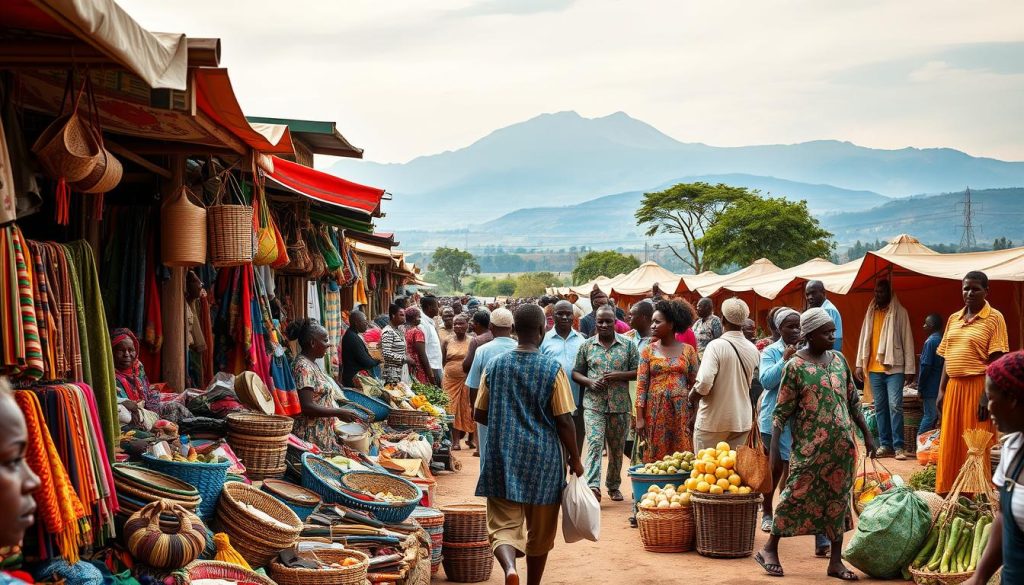
Fair Compensation and Avoiding Exploitation
It’s important to make sure your money goes to fair prices and doesn’t hurt anyone. Watch out for very low prices that might mean workers are not paid enough. Choose places and artisans who are open about their prices and how they treat workers. This way, you support ethical tourism Nakuru and help the local economy be fairer.
By thinking about how your money affects the local economy, you can have a great and responsible travel experience in Nakuru. Your choices can really help the local community. This makes tourism better for everyone.
Eco-Friendly Accommodation Choices in Nakuru
In Nakuru, you can find eco-friendly places to stay. These include sustainable hotels, eco-lodges, and community-based homestays. Each option offers a unique way to travel responsibly and enjoy your stay.
Sustainable Hotels and Eco-Lodges
Sustainable hotels and eco-lodges in Nakuru aim to reduce their environmental impact. They provide luxurious stays while using green practices. These include solar power, rainwater harvesting, and waste reduction.
What to Look for in Green Certifications
When choosing a place to stay, look for green certifications. These show that the hotel follows environmental standards. Some important certifications are:
- EarthCheck
- Green Globe
- Eco-Hotel certification
Top Sustainable Properties in Nakuru
Here are some top sustainable places to stay in Nakuru:
- Sarova Lion Hill Game Lodge: It’s known for its conservation efforts and community support.
- Lake Nakuru Sopa Lodge: It uses sustainable practices and offers luxury.
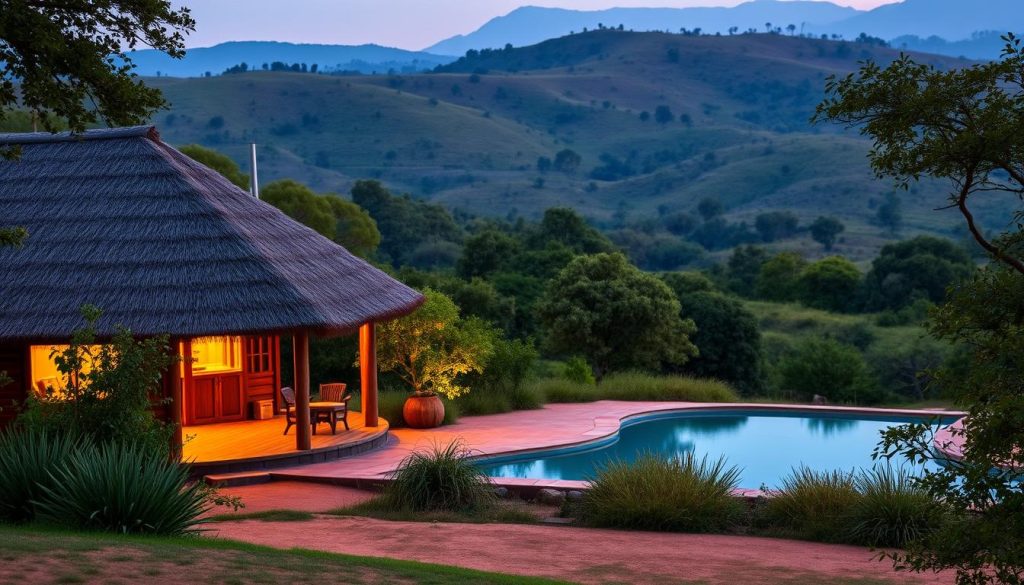
Community-Based Homestays and Their Benefits
Community-based homestays let you dive into local culture and support community growth. By staying with families, you learn about traditional life and help the local economy.
Staying in a homestay has many benefits:
- Real cultural experiences
- Support for local families and communities
- Chances to learn local crafts and traditions
Responsible Tourism Nakuru: Wildlife Viewing Best Practices
To keep Nakuru’s beauty safe, it’s key to follow wildlife viewing best practices. Your actions can greatly help protect the area’s wildlife.
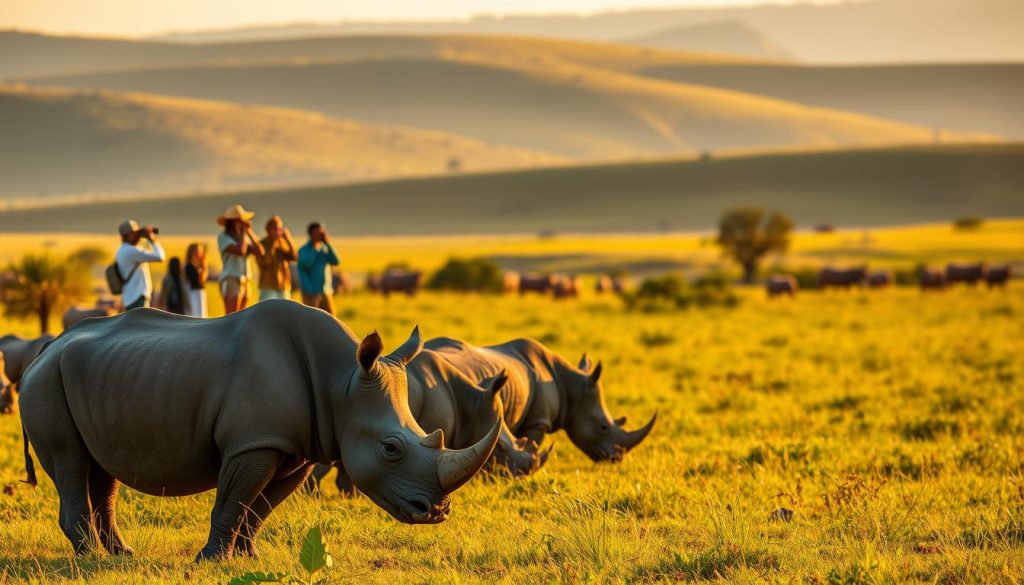
Safari Ethics: Respecting Animal Behavior
On a Nakuru safari, it’s important to stay far from animals. This keeps you safe and respects their natural ways. Keep quiet and don’t move suddenly to not scare them. Guides offer great insights, making your trip better and helping conservation.
Bird Watching with Conservation in Mind
Nakuru is famous for its birds, like flamingos. When bird watching, be quiet and slow to not scare them. Binoculars let you see more without disturbing their home. Supporting local guides who know the birds helps conservation too.
| Best Practice | Benefit |
|---|---|
| Maintain a safe distance from wildlife | Respects animals’ natural behavior and ensures visitor safety |
| Keep noise levels down | Prevents startling wildlife and promotes a calm environment |
| Support local guides | Enhances the viewing experience and contributes to conservation efforts |
By following these best practices, you help with conservation travel Nakuru and environmentally conscious trips Nakuru. Your actions protect Nakuru’s beauty for the future.
Sustainable Transportation Options
Visiting Nakuru means choosing responsible tourism Nakuru by using green transport. How you move around affects the environment. Choosing eco-friendly travel helps lessen your impact.
Low-Impact Travel Within Nakuru
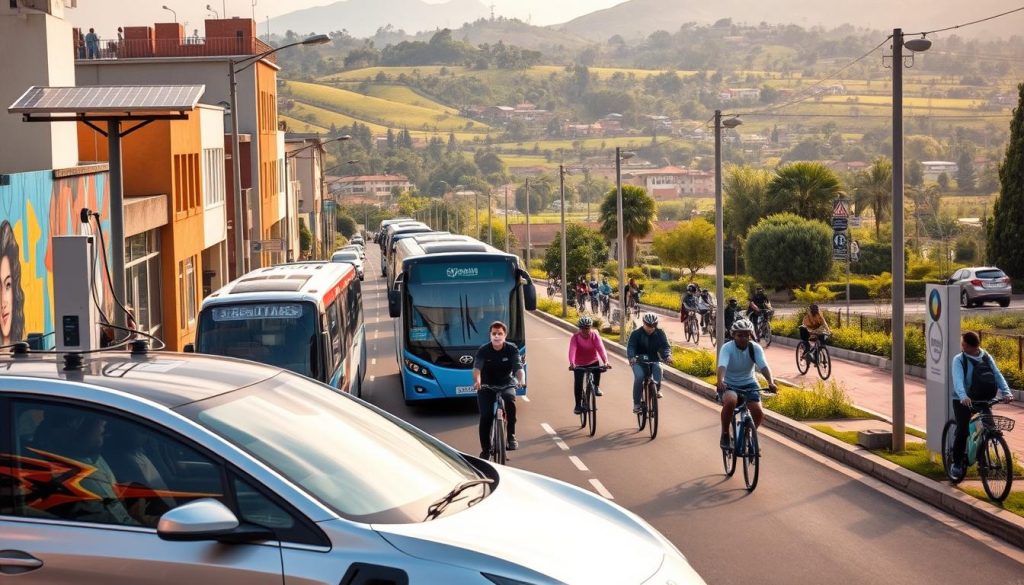
Choosing low-impact travel is key to reducing harm to the environment. Nakuru has many options like walking and cycling tours. These not only cut down on carbon emissions but also let you see nature up close.
Many places offer shuttle services or carpooling. This makes your trip even greener by lowering carbon emissions.
Carbon Offset Programs for Your Journey
For longer trips or flights, think about carbon offset programs. These programs figure out your travel’s carbon footprint. Then, they fund projects that cut down greenhouse gases, balancing out your emissions.
By backing renewable energy or tree planting, you offset your travel’s carbon. This supports mindful tourism Nakuru and helps the planet.
Reducing Your Environmental Footprint as a Visitor
When planning your trip to Nakuru, think about how you can lessen your impact. Visitors can make a big difference by following a few easy steps.
Plastic-Free Travel Strategies
To travel without plastic in Nakuru, bring your own water bottle and shopping bag. Choose products with little packaging. Also, stay in eco-friendly accommodations that use less plastic.
Water and Energy Conservation Tips
It’s important to save water and energy. Reuse towels and turn off lights and taps when not needed. Pick places to stay that are green.
| Action | Impact |
|---|---|
| Using reusable bags | Reduces plastic waste |
| Conserving water | Preserves local water resources |
| Turning off lights | Reduces energy consumption |
By taking these steps, you help with sustainable travel in Nakuru. This keeps the area beautiful for others to enjoy. Your choices really help protect Nakuru’s natural wonders.
Community-Based Tourism Initiatives Worth Supporting
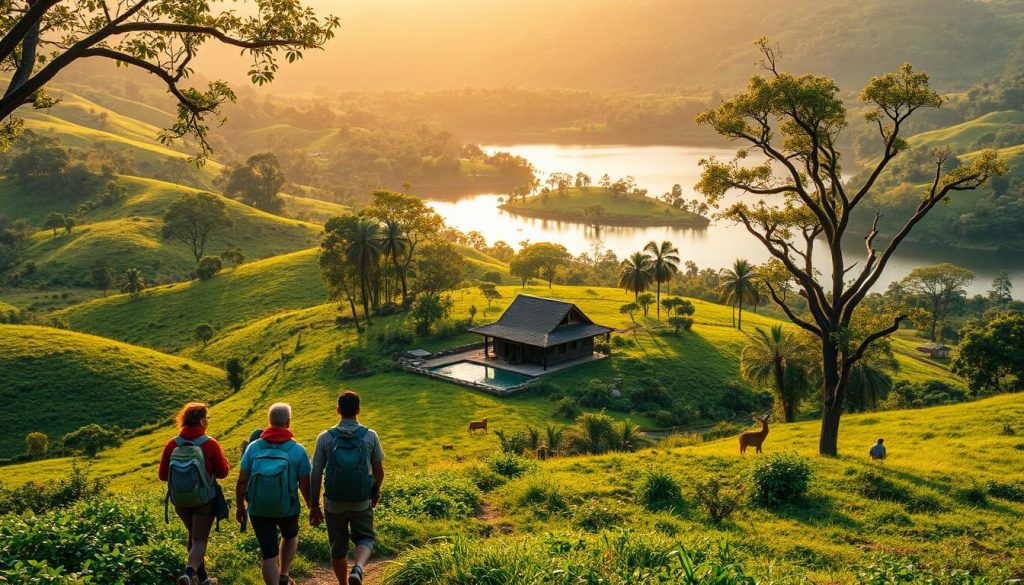
Your visit to Nakuru can make a big difference if you support community-based tourism. These programs help local communities and give you a real travel experience.
Local Projects Making a Difference
Nakuru has many local projects that are making a big difference. For example, community-led conservation efforts protect the area’s wildlife. You can help by joining activities like tree planting or wildlife monitoring. Here’s a look at some of these projects:
| Project | Description | Impact |
|---|---|---|
| Tree Planting | Reforestation efforts to combat deforestation | Restoration of habitats for local wildlife |
| Wildlife Monitoring | Citizen science projects to track wildlife populations | Informing conservation strategies |
Ethical Volunteering Opportunities
When volunteering, choose opportunities that are ethical and sustainable. Look for programs that are clear about their goals and results. Community-based tourism initiatives often have volunteering chances that help local communities. This can include teaching local kids or helping with community projects.
Seasonal Considerations for Mindful Travelers
Mindful travelers understand that the success of their trip to Nakuru depends on knowing the local seasons. Planning your environmentally conscious trip to this beautiful region is key. It’s important to think about how seasons impact wildlife, weather, and your travel experience.
Optimal Visiting Times for Wildlife and Weather
The best time to see wildlife in Nakuru is during the dry season, from June to October. Animals gather around the lake during this time. The weather is mild, perfect for safari adventures.
If you love birdwatching, the wet season from November to May is best. It brings many migratory birds to the area.
Planning Around Environmental Sensitivities
Nakuru’s ecosystem is sensitive to visitors, more so during certain times. For example, the flamingo breeding season needs careful planning. This helps avoid disturbing these amazing creatures.
By knowing and respecting these environmental sensitivities, you support mindful tourism in Nakuru.
Being mindful of seasonal considerations and planning well makes your trip to Nakuru more enjoyable and responsible.
Conclusion: Your Role in Preserving Nakuru’s Natural Heritage
As you finish your visit to Nakuru, you have a big role in saving its natural beauty. By following responsible tourism Nakuru ways, you help keep Nakuru’s special places safe for the future.
You’ve learned how important ethical tourism Nakuru is. It’s about caring for wildlife, their homes, and helping local people. Your smart choices help keep Nakuru’s nature and culture safe for everyone.
Being a responsible traveler means you make a big difference. By picking green hotels, buying from local artists, and respecting local ways, you help keep Nakuru beautiful. Your actions encourage others to do the same, making a bigger impact.
By choosing ethical tourism Nakuru, you join a group that cares about this amazing place. Together, we can make a better future for Nakuru’s nature and people.





