
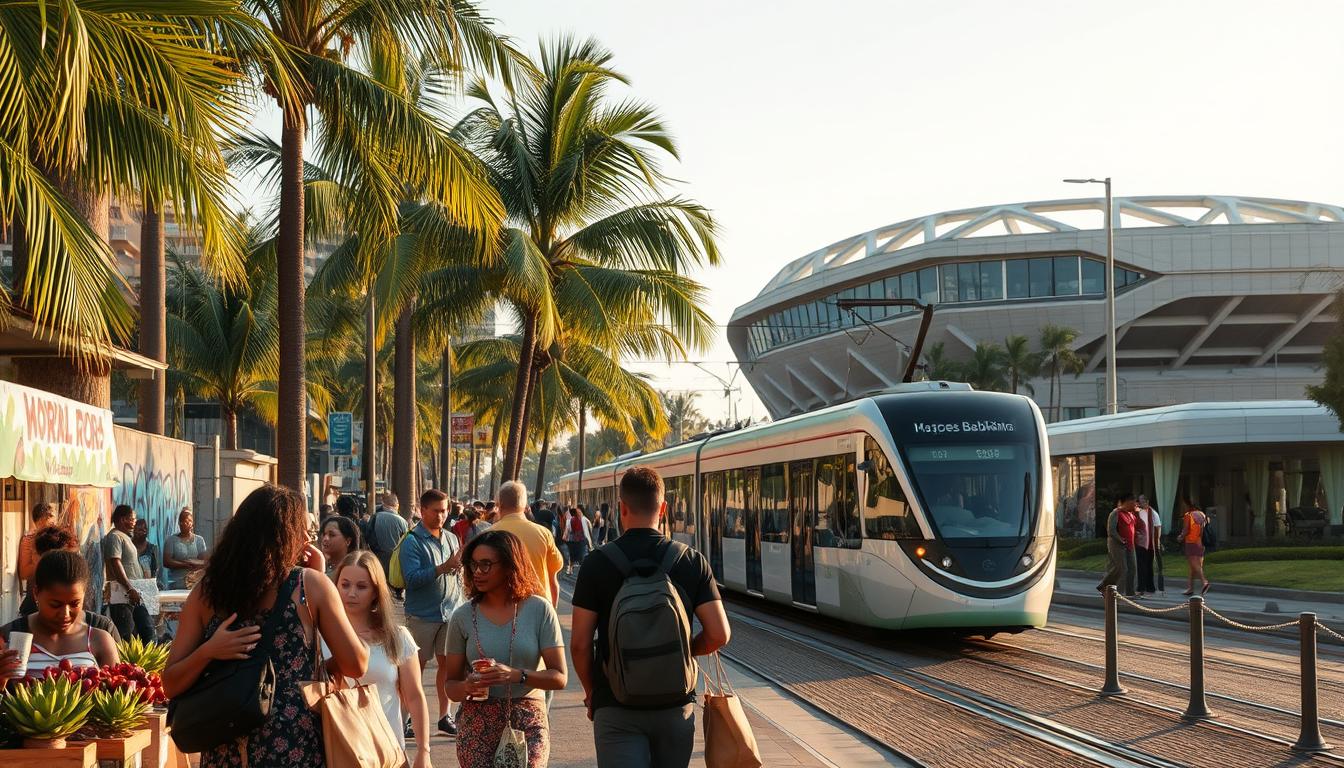
Your Guide to Responsible Travel in Durban
Are you ready to explore Durban’s vibrant city? It’s full of rich culture and diverse attractions. You can also make a positive impact on the environment and local communities.
Durban is perfect for those who love sustainable tourism. When planning your trip, you might wonder how to help the places you visit. By staying in eco-friendly places, respecting local customs, and supporting community projects, you can help preserve Durban’s culture and environment.
As you see Durban’s beauty, you’ll learn about the value of responsible travel. It makes your trip even better. In this guide, we’ll give you useful tips and insights on how to travel responsibly in Durban.
Understanding Responsible Tourism in Durban
Responsible tourism is growing in Durban. It’s about balancing tourism with protecting the environment. As a traveler, you can help make a difference.
What Makes Tourism “Responsible”
Responsible tourism means caring for the environment and respecting cultures. Eco-friendly travel practices help reduce your impact in Durban.
Environmental Sustainability
Durban’s beauty is a big draw. To keep it that way, environmentally conscious travel is key. This includes less waste, saving water, and protecting wildlife.
Social and Cultural Respect
It’s important to understand and respect local cultures. Connect with local communities and support ethical tourism initiatives that help them.
Durban’s Unique Tourism Challenges
Durban has special challenges, like climate change affecting its coast. Knowing these issues helps you make better choices.
Climate Change Impacts on Coastal Areas
Sea levels are rising, and storms are getting stronger. Being aware helps you choose wisely.
Balancing Development and Conservation
The city needs to grow while protecting the environment. Support businesses that are green.
The Impact of Your Travel Choices
Your choices matter in Durban. Pick eco-friendly accommodations and join ethical tourism initiatives. You’ll help the city stay sustainable.
| Aspect | Impact | Action |
|---|---|---|
| Environmental Sustainability | Reduces carbon footprint | Use public transport or walk |
| Social and Cultural Respect | Supports local communities | Engage with local cultures |
| Economic Impact | Boosts local economy | Support local businesses |
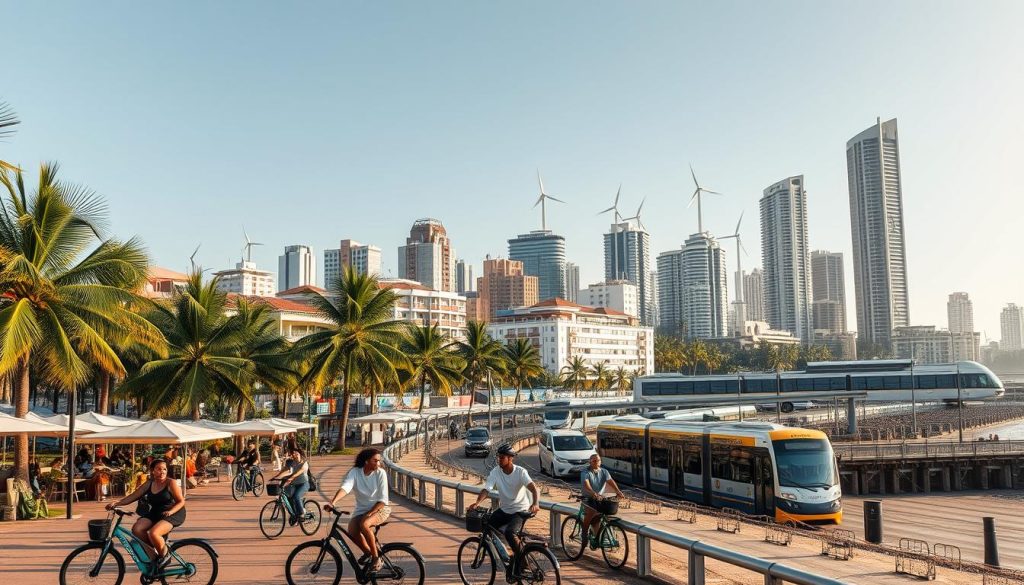
Responsible Tourism Initiatives in Durban
Responsible tourism is growing in Durban with many projects. The city has a variety of programs to support sustainable tourism.
Government-Led Sustainability Programs
The Durban government is working hard to make tourism more sustainable. They have launched two main programs.
Durban Climate Change Strategy
This strategy aims to cut down the city’s carbon footprint. It promotes using green technologies and practices. This way, Durban hopes to lessen the environmental harm caused by tourism.
Green Corridor Project
The Green Corridor Project is about creating green spaces across the city. It aims to boost biodiversity and give homes to local wildlife.
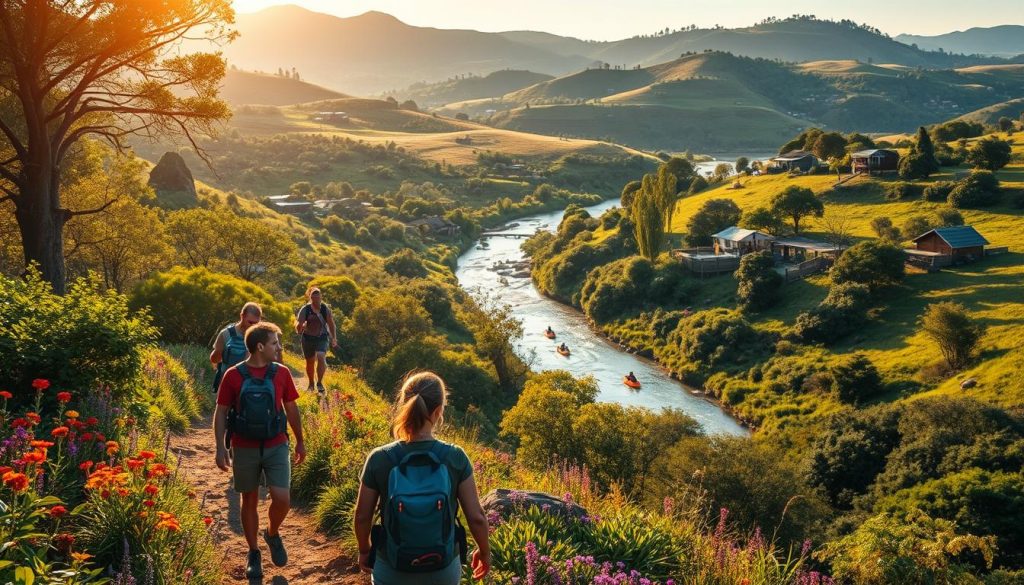
Private Sector Innovations
The private sector is also important in promoting responsible tourism in Durban. They have come up with new ideas.
Hotel Sustainability Certifications
Many hotels in Durban are now using sustainable practices. They get certifications for their efforts. These certifications help hotels use less energy, waste, and water.
Tour Operator Best Practices
Tour operators are also making changes. They are reducing waste, respecting local cultures, and supporting local communities.
Community-Based Tourism Projects
Community-based tourism projects help local communities and provide jobs. Here are a few examples.
Township Tours That Give Back
Township tours give visitors a chance to see local culture while helping the economy. These tours support community projects and help people understand different cultures.
Local Craft Initiatives
Local craft initiatives help local artisans and keep traditional crafts alive. By buying local crafts, tourists help the economy and preserve cultural heritage.
Durban is truly committed to responsible tourism. By supporting these efforts, visitors can help make tourism better for everyone.
Planning Your Eco-Friendly Trip to Durban
Durban is a beautiful place for those who want to travel green. You can make your trip better for the planet and help the local economy. There are many ways to do this.
Best Times to Visit for Minimal Environmental Impact
The dry season in Durban is from May to September. This time is best because it’s less wet. It’s also warmer, making outdoor fun more enjoyable.
Sustainable Transportation Options
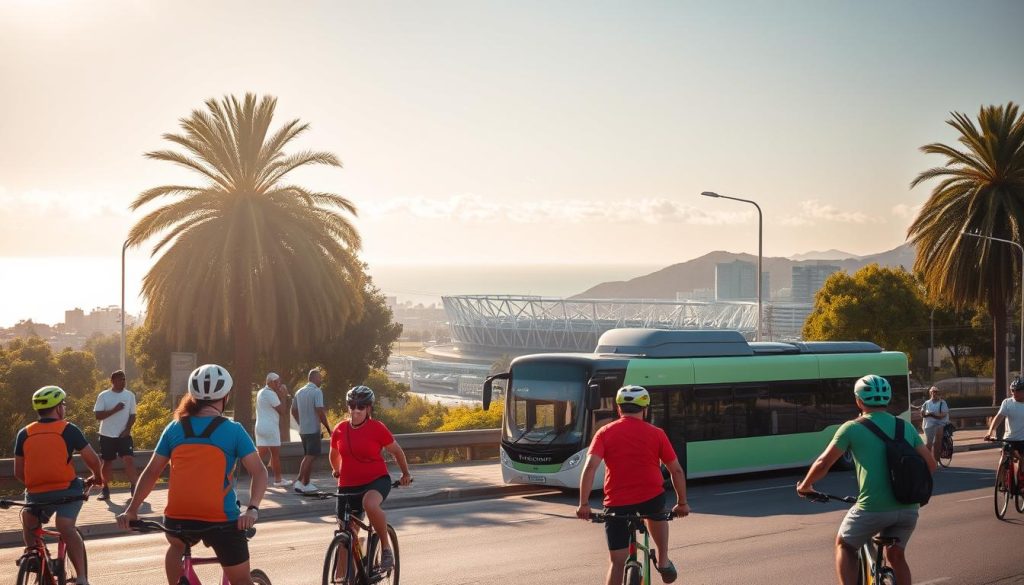
There are many green ways to get around Durban. You can use public transport, rent bikes, or go on walking tours. These options are good for the planet and let you see the city up close.
Public Transit Systems
Durban’s public transport is cheap and works well. Buses and the commuter rail are great for getting around. They’re good for the environment and let you see how locals live.
Bicycle Rentals and Walking Tours
Renting a bike or going on a walking tour is fun. You get to see Durban’s beauty and help the environment at the same time.
Packing Tips for Responsible Travelers
What you bring can affect the planet. Bring reusable items and eco-friendly products to cut down on waste.
Reusable Items to Bring
Bring reusable water bottles, bags, and coffee cups. These small steps can make a big difference in reducing waste.
Eco-Friendly Products for Your Trip
Choose green toiletries, sunscreen, and bug spray. Look for items with little packaging or made sustainably.
By planning smart and making a few changes, you can enjoy Durban while helping the environment. This supports sustainable tourism.
Eco-Friendly Accommodations in Durban
As a responsible traveler, you can enjoy Durban’s hospitality while supporting eco-friendly accommodations. Durban has a wide range of options. You can choose from luxurious green-certified hotels to community-owned homestays. This way, your stay is both comfortable and sustainable.

Green-Certified Hotels and Lodges
Green-certified hotels and lodges in Durban are at the forefront of sustainable tourism. They have implemented various practices to reduce their environmental footprint.
Water and Energy Conservation Practices
Many green-certified hotels have adopted water-saving measures. They use low-flow showerheads and toilets. They also have energy-efficient lighting and HVAC systems.
For example, some hotels use LED lighting and solar panels to cut down on energy consumption.
Waste Management Programs
Effective waste management is a key feature of green-certified hotels. They implement recycling programs, composting, and reduce single-use plastics. As one hotel manager noted, “Reducing waste is not just good for the environment; it’s also good for business.“
Community-Owned Homestays
Community-owned homestays offer a unique way to experience Durban’s culture. They support local economies.
Benefits to Local Economy
Staying in community-owned homestays directly contributes to the local economy. According to a recent study, community-based tourism initiatives have increased local income by up to 20%.
Cultural Exchange Opportunities
Homestays provide a platform for cultural exchange. As a guest, you can participate in local traditions and learn about the community’s way of life. As one homestay owner put it, “
Cultural exchange is a two-way street; we learn from our guests, and they learn from us.
“
Eco-Lodges and Sustainable Resorts
Eco-lodges and sustainable resorts in Durban are designed to minimize environmental impact. They maximize guest comfort.
Top Sustainable Accommodation Options
Some top-rated eco-lodges and sustainable resorts have implemented innovative sustainable practices. They use locally sourced materials and minimize water waste.
Questions to Ask Before Booking
Before booking your eco-friendly accommodation, consider asking questions. Ask about sustainability practices or how they support the local community. This ensures your choice aligns with your values as a responsible traveler.
Responsible Dining and Food Experiences
Responsible dining in Durban is more than just eating well. It’s about helping the planet and supporting local farmers. Durban’s food scene has many choices for those who care about the environment.
Farm-to-Table Restaurants in Durban
Durban has many farm-to-table restaurants. They use local ingredients to cut down on food transport’s carbon impact. These places serve fresh food and help local farmers.
Local Sustainable Eateries
Some restaurants in Durban are very eco-friendly. They use less energy and waste less food.
Seasonal Eating Options
Choosing seasonal food is a smart choice. Restaurants that do this offer menus that are always fresh and in tune with the local growing season.
Supporting Local Food Producers
Helping local farmers is key to responsible dining. Eating at places that buy from local farmers helps the local economy.
Farmers Markets and Food Tours
Going to farmers’ markets and food tours is a great way to taste Durban’s real flavors. You also support local farmers.
Traditional Zulu Cuisine Experiences
Trying traditional Zulu food is a treat. It’s also a way to help local communities. Many places offer authentic Zulu dishes made with local ingredients.
Reducing Food Waste While Traveling
Reducing food waste is important. Travelers can help by thinking about how much they eat.
Portion Control and Leftovers
Choosing smaller portions and using leftovers helps a lot. Many restaurants now offer to pack leftovers for you.
Avoiding Single-Use Plastics
Not using single-use plastics is crucial. Pick places that use eco-friendly packaging and say no to plastics.
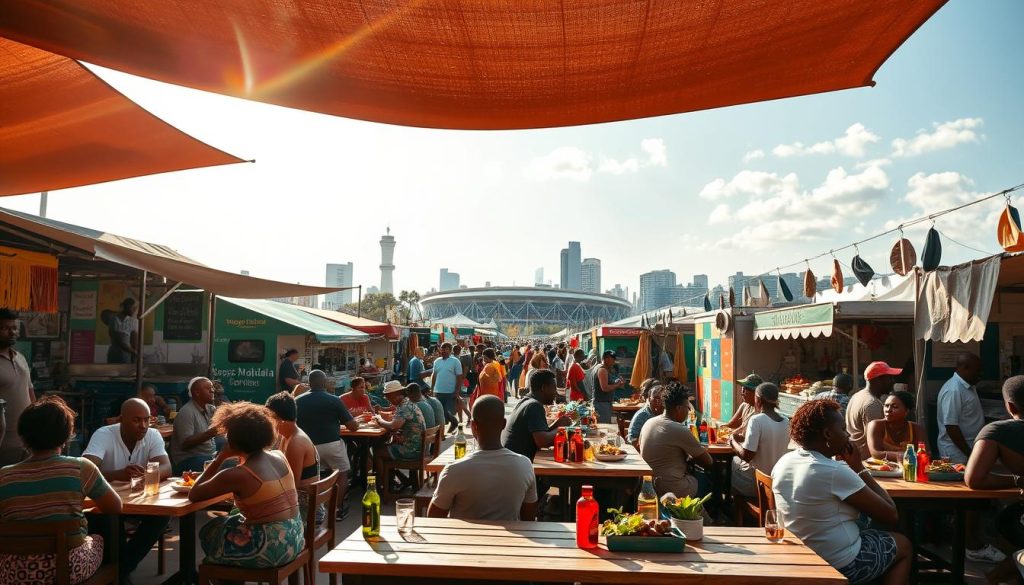
By choosing wisely where and how you eat, you can enjoy Durban’s food scene. You’ll also support sustainable practices and local communities.
Ethical Wildlife and Nature Experiences
Exploring Durban reveals many ways to connect with nature responsibly. The area’s diverse ecosystems offer great chances for responsible wildlife viewing and tours focused on conservation.
Responsible Wildlife Viewing Opportunities
Durban offers wildlife experiences that care about animal welfare and conservation. You can join:
- Ethical Safaris Near Durban: Go on guided safaris to see animals in their natural homes.
- Marine Conservation Tours: Learn about marine life on tours that help protect Durban’s oceans.

Conservation-Focused Nature Tours
Nature tours in Durban teach about conservation. They show why it’s key to protect local wildlife.
- Protecting Durban’s Biodiversity: Tours that help save native species and their habitats.
- Educational Eco-Tours: Guided tours that teach about the local ecosystem and why it matters.
Avoiding Harmful Animal Attractions
It’s important to avoid places that harm animals. Look out for:
- Red Flags to Watch For: Signs of animal mistreatment, like bad living conditions or forced shows.
- Alternatives to Exploitative Experiences: Pick places that care about animal welfare, like sanctuaries and rehab centers.
Choosing ethical wildlife experiences in Durban helps protect the area’s beauty. It also supports responsible tourism.
Cultural Tourism That Benefits Local Communities
Durban offers a unique blend of cultural tourism opportunities that directly benefit local communities. As you explore the city, you can engage in various authentic cultural experiences. These experiences not only enrich your travel but also contribute to the well-being of the local population.
Authentic Cultural Experiences
Durban is home to a rich cultural heritage. You can experience the local way of life through various opportunities. Participate in respectful township tours that provide insight into the daily lives of residents and support community development projects.
Respectful Township Tours
These tours promote cross-cultural understanding and support local communities financially. By visiting townships, you can learn about the history, traditions, and challenges faced by the residents.
Cultural Centers and Museums
Durban’s cultural centers and museums showcase the city’s diverse heritage. Visiting these institutions enriches your understanding of the local culture and supports their preservation efforts.
Supporting Indigenous Artisans
Supporting indigenous artisans is a great way to contribute to the local economy. You can find unique, handmade crafts and artwork that reflect the rich cultural traditions of Durban.
Fair Trade Shopping Opportunities
Look for fair trade shopping opportunities where you can purchase authentic local products. This ensures that your money directly benefits the artisans and their communities.
Traditional Craft Workshops
Participating in traditional craft workshops allows you to learn about local techniques and support artisans. It’s a great way to engage with the local culture and take home a meaningful souvenir.
Respectful Cultural Exchange
Engaging in respectful cultural exchange is crucial when interacting with local communities. This includes being mindful of photography ethics and making an effort to learn basic Zulu phrases.
Photography Ethics
When taking photos, always ask for permission and be respectful of people’s privacy. This helps to foster a positive and respectful interaction between you and the local community.
Learning Basic Zulu Phrases
Learning a few basic Zulu phrases can go a long way in showing respect for the local culture. Simple greetings like “Sawubona” (hello) and “Ngiyabonga” (thank you) can enhance your interactions.
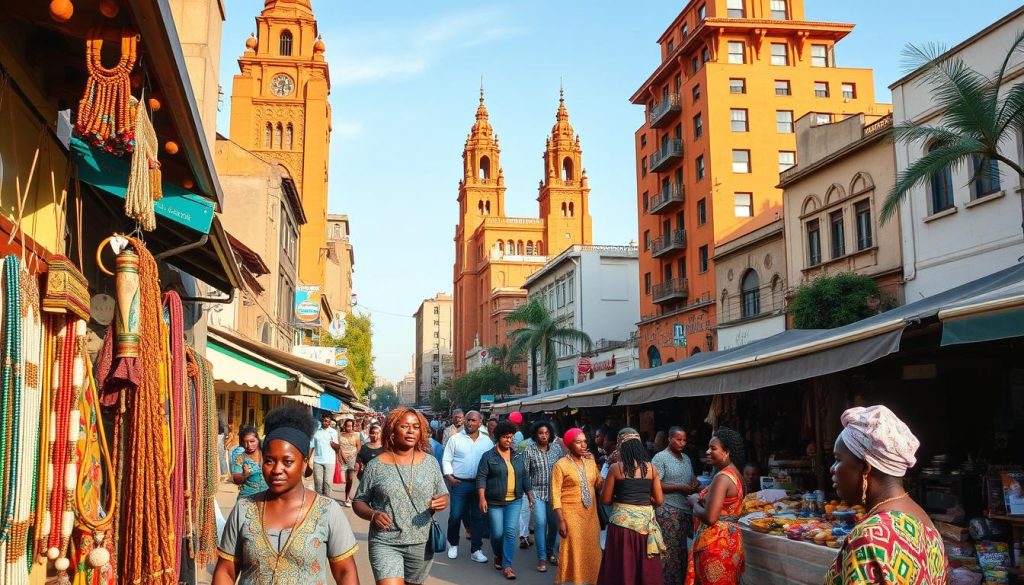
By engaging in these cultural tourism activities, you not only enrich your travel experience but also contribute to the well-being of Durban’s local communities.
Volunteering and Giving Back in Durban
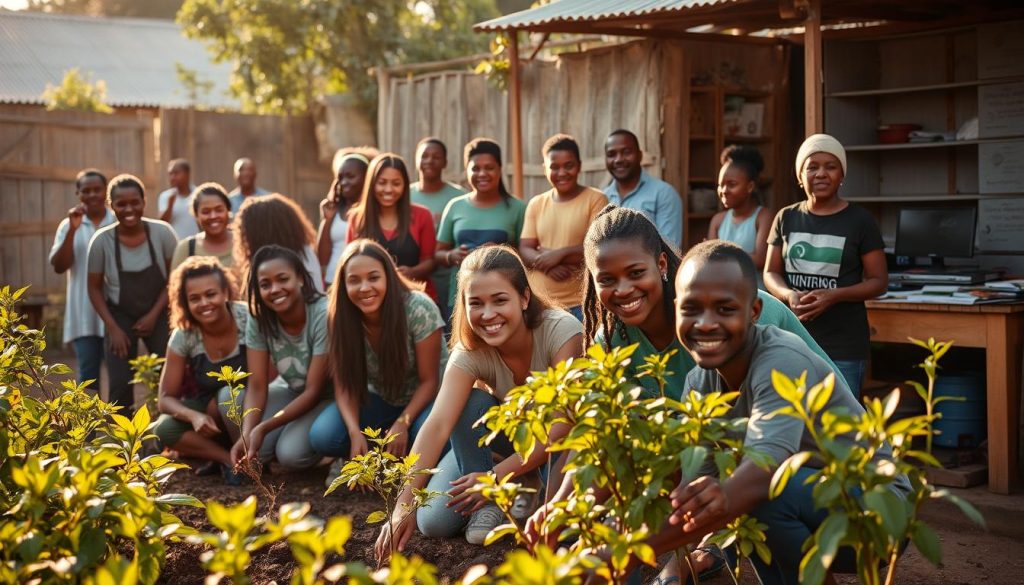
Durban offers many chances for travelers to help out. You can volunteer and give back in meaningful ways. This can really help local communities.
Ethical Volunteering Opportunities
Durban has projects where you can use your time and skills. Look into short-term impact projects or skills-based volunteering opportunities.
Short-Term Impact Projects
These projects tackle urgent community needs. This includes work on the environment or teaching.
Skills-Based Volunteering
If you have a special skill, like medical knowledge or teaching, you can help a lot. Volunteer where your skills are needed most.
Supporting Local Charities
Donating to local charities is also a great way to give back. Look for organizations that help children or protect the environment.
Reputable Organizations in Durban
Choose charities with clear goals and financial transparency.
Donation Best Practices
Make sure your donation is used well. Understand the charity’s goals and how they impact the community.
Avoiding “Voluntourism” Pitfalls
Be careful of programs that might take advantage of local communities. Ask questions and think about the lasting impact of your work.
Reducing Your Environmental Footprint During Your Stay
It’s easy to reduce your environmental footprint in Durban. Simple actions can make a big difference. By being a responsible traveler, you help keep Durban beautiful.
Water Conservation Practices
Durban’s water supply is under strain due to its growing population and climate change. Saving water is key.
Durban’s Water Challenges
The city’s water supply is under pressure. This makes saving water even more important.
Simple Water-Saving Tips
Save water by taking shorter showers. Also, report any leaks to your accommodation provider.
Waste Reduction Strategies
Reducing waste is crucial for a smaller environmental footprint.
Recycling in Durban
Many places in Durban have recycling programs. Help by separating your waste.
Plastic-Free Travel Tips
Carry a reusable water bottle and shopping bag. This reduces plastic use.
Carbon Offset Programs for Travelers
Offsetting your carbon emissions can lessen your travel’s impact.
Local Carbon Offset Initiatives
Support local projects that cut carbon emissions. Projects like reforestation are great.
Calculating Your Trip’s Carbon Footprint
Use online tools to find out your trip’s carbon footprint. Then, invest in offsetting projects.
| Action | Impact | Tips |
|---|---|---|
| Water Conservation | Reduces strain on local water resources | Take shorter showers |
| Waste Reduction | Decreases landfill waste and pollution | Use reusable bags and bottles |
| Carbon Offset | Compensates for travel emissions | Support local reforestation |
Conclusion: Becoming a Responsible Traveler in Durban
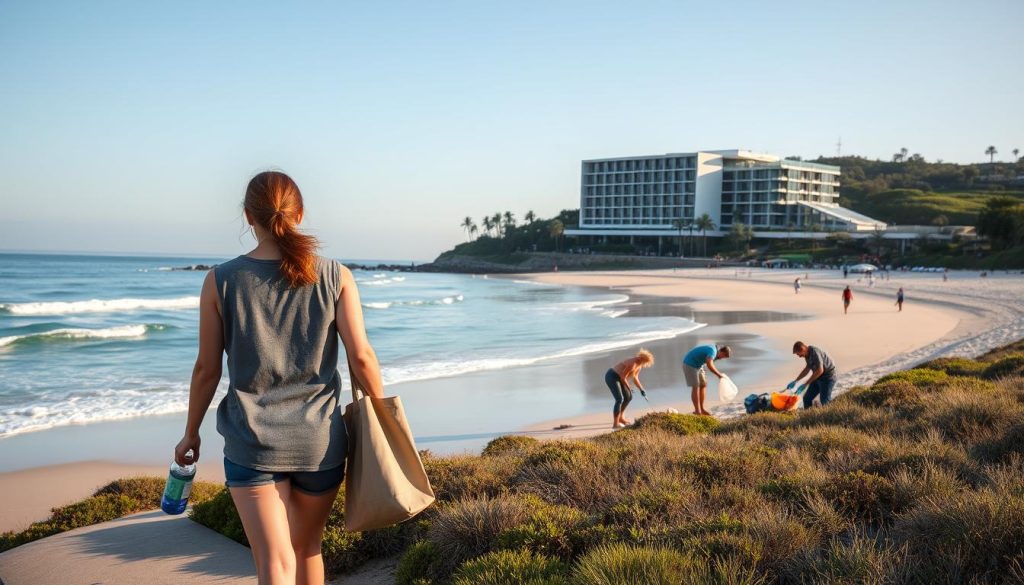
Planning your trip to Durban? You can make a positive difference in this vibrant city. By choosing to travel responsibly, you help protect Durban’s culture and nature.
Decide on eco-friendly places to stay and how to get around. Support local people and conservation projects too. Every choice you make counts. When in Durban, respect local ways, lessen your environmental impact, and connect with the community.
Traveling responsibly improves your trip and helps Durban stay a great place for future visitors. Think about the lasting good you can do in this amazing city as you finish planning your trip.





