When to See Cassowaries Near Cairns: Your Guide
Are you ready to see one of Australia’s most fascinating birds in the wild? Can you spot a cassowary near Cairns, and if so, when is the best time to do so? The World Heritage Wet Tropics Rainforests, from Cooktown to Paluma, are their home.
Cassowaries are a symbol of this area. Knowing their habits is key to seeing them. Knowing when and where to look is key to witnessing these incredible creatures up close.
When planning your Cairns trip, knowing about cassowaries’ habitat and behaviors is important. This guide will help you find the best times and places to see them in the wild.
Understanding the Magnificent Cassowary
Exploring the Wet Tropics Rainforests near Cairns is a must. Knowing about the cassowary is key for a great wildlife adventure. These birds are Australia’s largest and heaviest, belonging to the ratite family. Spotting one is a trip highlight.
What Makes Cassowaries Unique
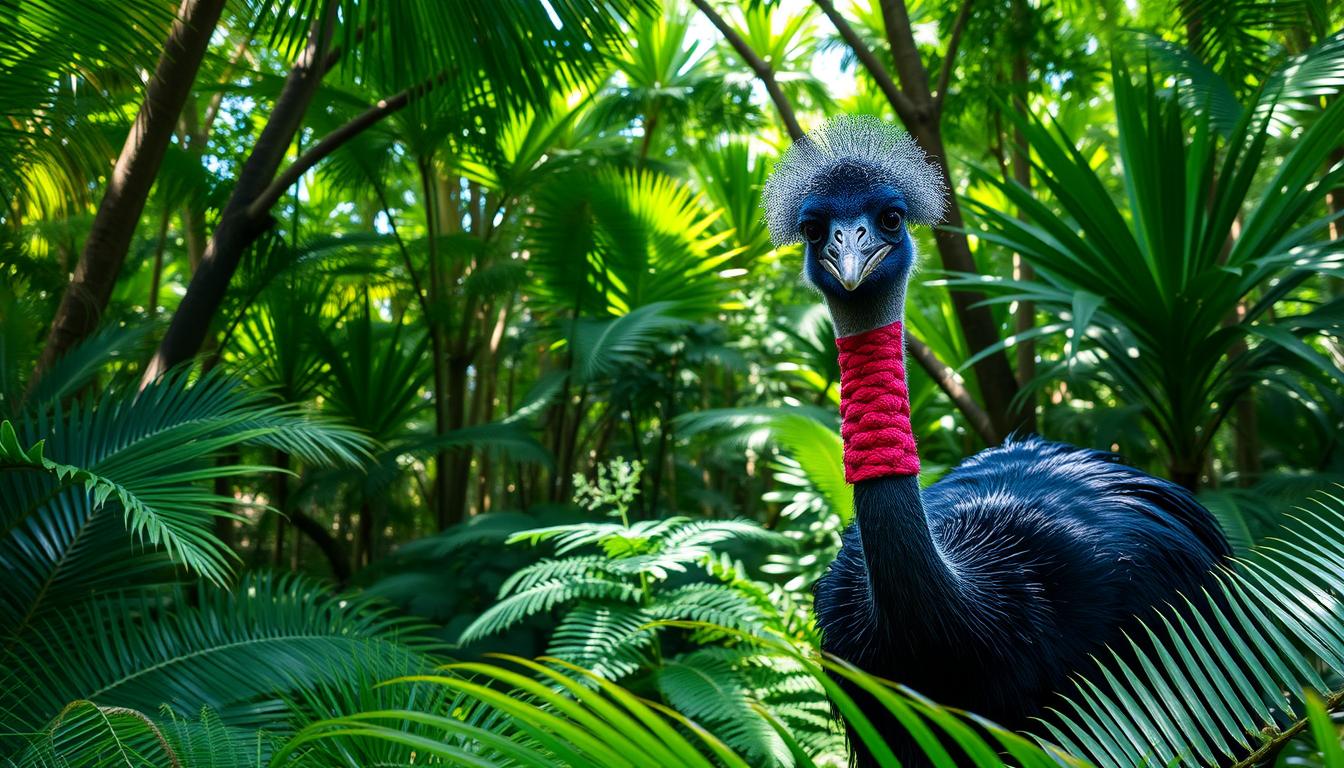
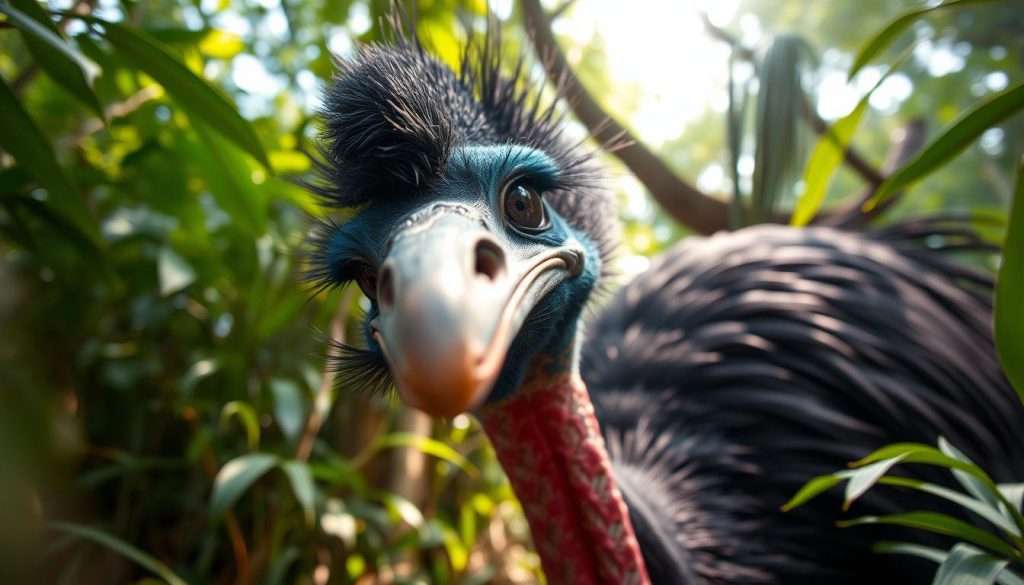
Cassowaries stand out with their casque, or crest, on their heads. It’s believed to help with communication and mating. They also have vibrant blue necks and bright red wattles. Here are some unique features:
- Large size: Cassowaries can grow up to 2 meters tall.
- Flightless: They use their powerful legs for defense and mobility.
- Diet: They eat fruits, leaves, and small animals.
The Southern Cassowary Species of Far North Queensland
The Southern Cassowary is found in Far North Queensland, in the Wet Tropics Rainforests. This species is known for its robust build and vibrant color. To see a cassowary, knowing the best times is important. The best times are early morning or late afternoon when they’re most active.
Best Time to See Cassowaries Near Cairns
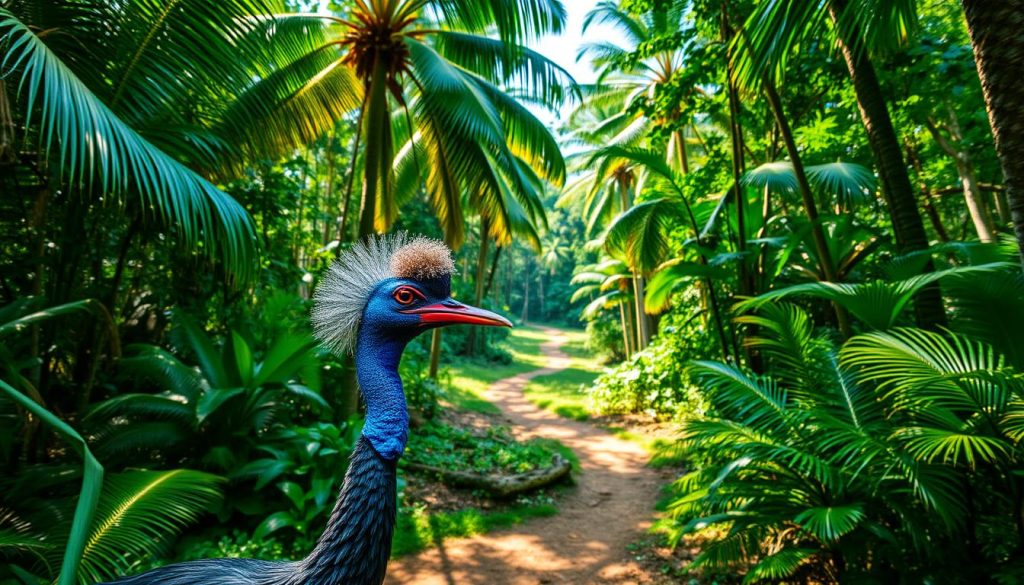
To see cassowaries near Cairns, knowing when they are active is key. The area’s weather and landscape affect their activity times.
Seasonal Patterns of Cassowary Activity
Cassowaries change their activity with the seasons. In the wet season, from November to April, they roam more. This is because the rainforests are full of fruit, their main food.
During the dry season, from May to October, they gather near water. This makes these spots great for spotting them.
Daily Timing for Optimal Sightings
The time of day also matters for spotting cassowaries. Early morning and late afternoon are best. They are most active then, looking for food or moving around.
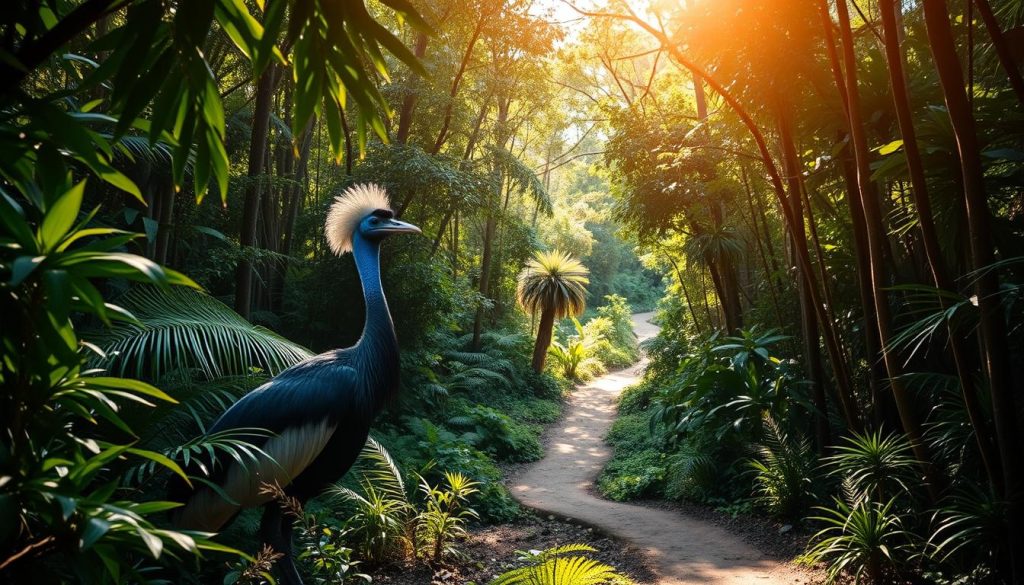
Staying away from the hottest part of the day helps. Cassowaries rest when it’s too hot. Knowing this can help plan your wildlife trips better.
Seasonal Variations in Cassowary Behavior
Seasonal changes deeply affect cassowary behavior and where they move. Knowing these changes is key for the best times to see them.
Wet Season Cassowary Habits (November-April)
In the wet season, cassowaries change how they find food and water. The rainforest gets thicker, making them harder to see. Yet, this time offers special chances to watch them as they explore open spaces for food.
Key behaviors during the wet season include:
- Increased movement in search of food
- More frequent visits to coastal areas and wetlands
- Altered breeding behaviors
Dry Season Cassowary Movements (May-October)
In the dry season, cassowaries gather near water, making them easier to spot. The dry weather also makes their movements more predictable.
| Season | Cassowary Behavior | Viewing Opportunities |
|---|---|---|
| Wet Season | Altered foraging, increased movement | Challenging due to dense foliage |
| Dry Season | Congregation around water sources | Easier due to predictable patterns |
Top Locations for Cassowary Spotting Around Cairns
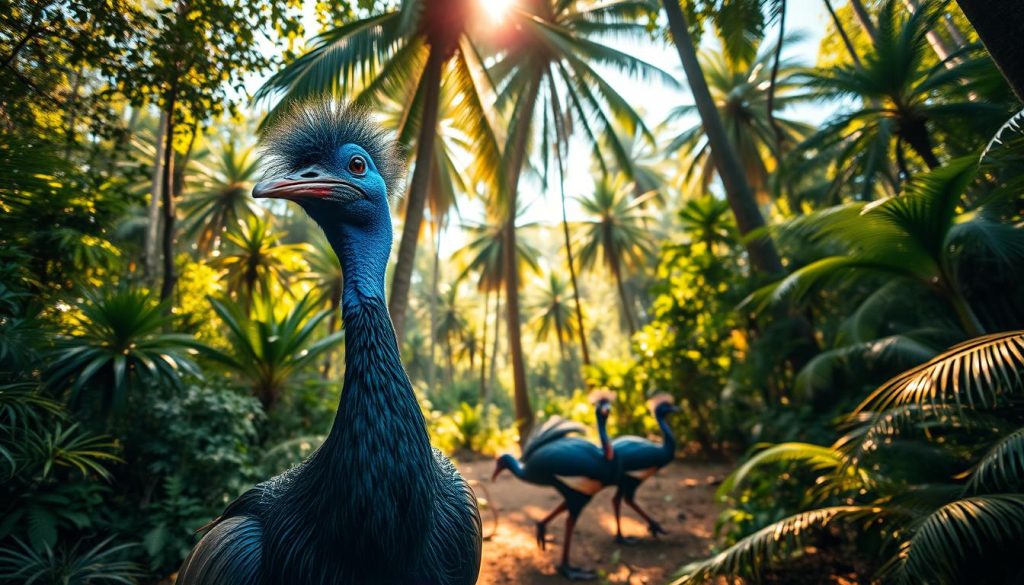
If you want to see cassowaries near Cairns, there are great spots to try. The area has different habitats that cassowaries love.
Daintree Rainforest Viewing Areas
The Daintree Rainforest is the oldest rainforest on land. It’s a top spot for cassowary sightings. Early morning and late afternoon are the best times to see them. There are trails and viewing spots to watch for these birds.
The rainforest’s thick trees and fruit trees are perfect for cassowaries.
Mission Beach Cassowary Territory
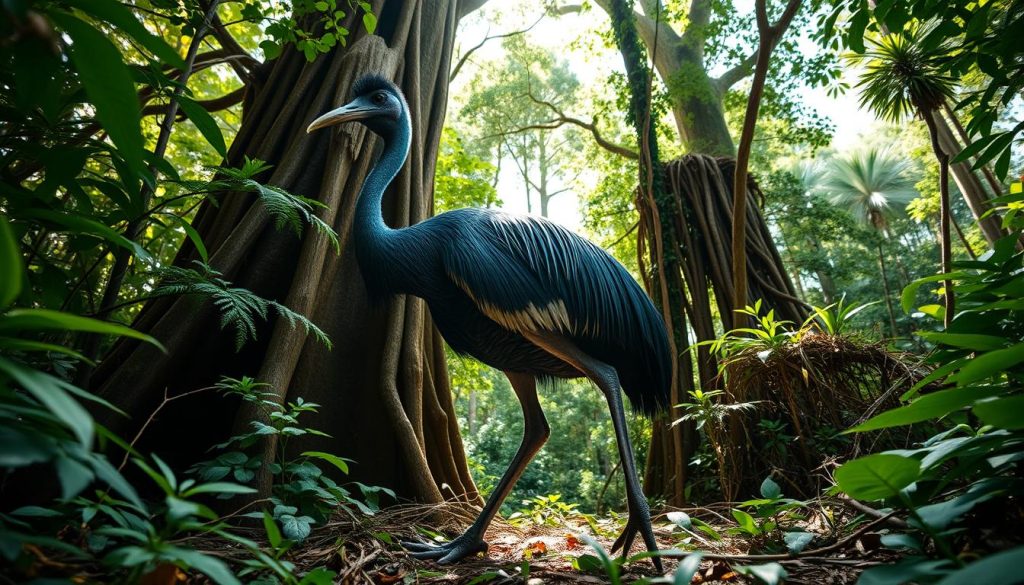
Mission Beach is another great place to see cassowaries. The area’s greenery and coastal views are beautiful. You can drive on Tamarind Drive or walk on the beach at dawn or dusk.
Etty Bay: A Prime Cassowary Habitat
Etty Bay is a favorite spot for cassowaries. Its beach and rainforest are stunning. The conservation area is perfect for watching them eat. Keep a safe distance because cassowaries protect their territory.
Kuranda and Barron Falls Region
The Kuranda and Barron Falls area is also good for cassowary sightings. The rainforests and waterfalls support many animals, including cassowaries. You can take a train ride or drive to see the beauty.
Visiting these places can help you see cassowaries in their natural habitats around Cairns. Always respect their space and watch from a safe distance.
Cassowary Behavior: What to Look For
To see cassowaries, you need to know their natural behavior. By learning their habits, you can better spot them in their home. This makes your wildlife experience even better.
Feeding Patterns and Preferences
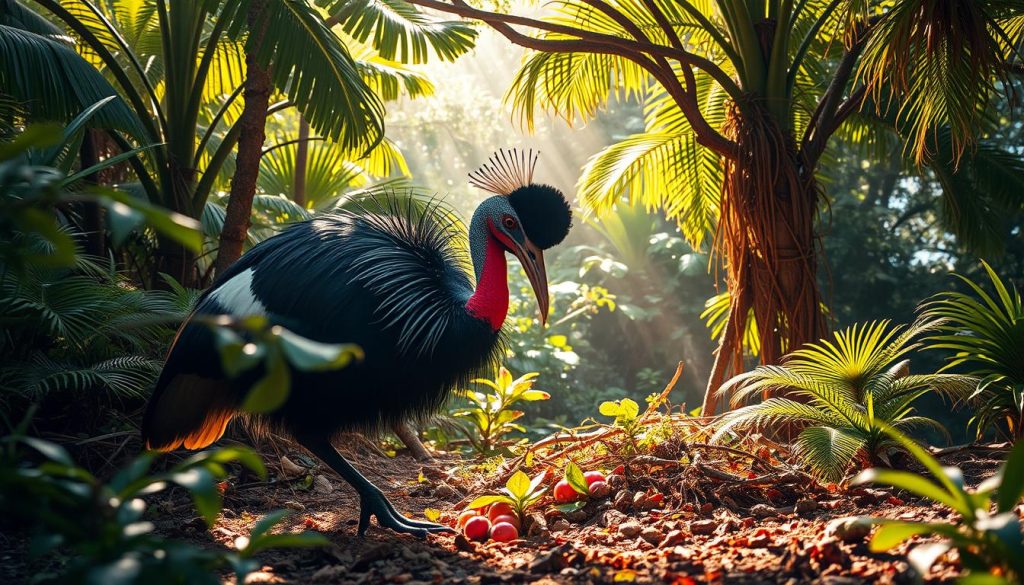
Cassowaries mainly eat fruits, berries, and seeds. They also have leaves, fungi, and small animals in their diet. Knowing when and where they eat can help you find them. Early morning and late afternoon are the best times to see them foraging.
Movement and Territory Habits
Cassowaries are territorial and defend their areas. They mark their territory with their droppings. Watching their movement can help you spot them. Knowing their territory habits helps predict where they’ll be.
Understanding cassowary behavior helps you plan the best time to see them. This makes your wildlife experience even more rewarding during the prime cassowary spotting season.
Weather Conditions That Affect Cassowary Sightings
To spot cassowaries, knowing the weather is key. Weather affects how active cassowaries are.
Rainfall and Cassowary Activity
Rain changes cassowary behavior. When it rains a lot, they move around more. They look for food in the wet.
In places like the Daintree Rainforest, rain means more food. This is because of all the fruit and plants.
Temperature Considerations for Viewing
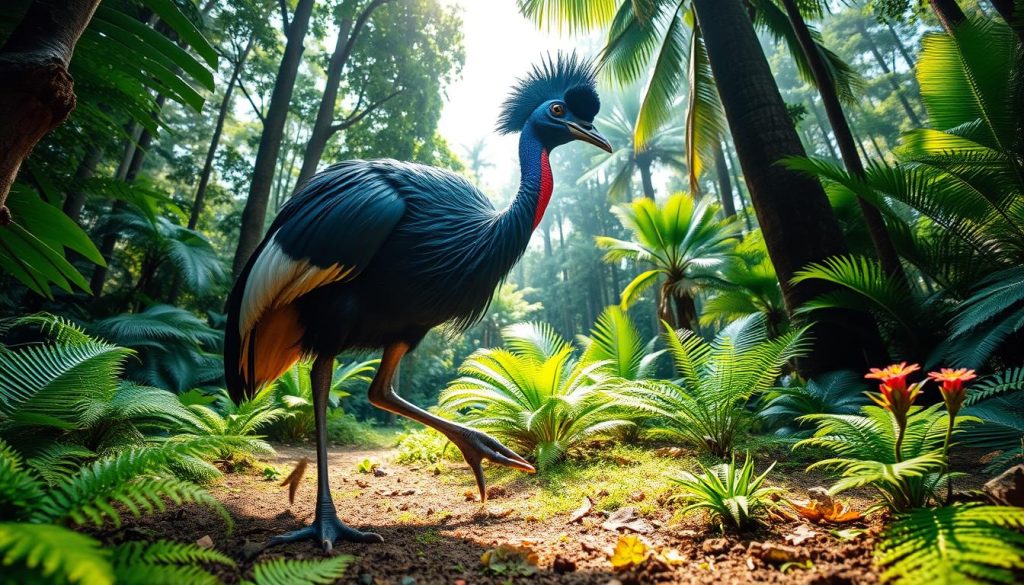
Temperature also matters for seeing cassowaries. They are more active when it’s cooler. This is in the early morning and late afternoon.
Try not to watch them when it’s very hot. They usually rest then.
| Weather Condition | Cassowary Activity |
|---|---|
| High Rainfall | Increased foraging activity |
| Cooler Temperatures | More active, specially in mornings and afternoons |
Guided Tours vs. Independent Cassowary Spotting
There are two main ways to see cassowaries near Cairns: guided tours or exploring on your own. Each method has its own benefits, depending on what you prefer and your experience level.
Benefits of Expert-Led Cassowary Tours
Guided tours can make spotting cassowaries more exciting. Guides know a lot about where and when to find these birds. They also know the best places to go, which you might not find on your own.
Guides share interesting facts about cassowaries. They talk about their eating habits, how they breed, and why they need protection. This knowledge makes your visit more meaningful.
Self-Guided Options for Wildlife Enthusiasts
If you like to explore by yourself, there are great places near Cairns to see cassowaries. The Daintree Rainforest and Etty Bay are good spots. Just remember to watch the birds from a distance and respect their home.
Choosing a guided tour or going on your own, knowing the best times and places to see cassowaries in Cairns will make your wildlife adventure better.
Safety Guidelines When Encountering Cassowaries
To enjoy your cassowary viewing near Cairns, learn the safety rules. Cassowaries are wild and need respect and caution.
Maintaining Proper Distance
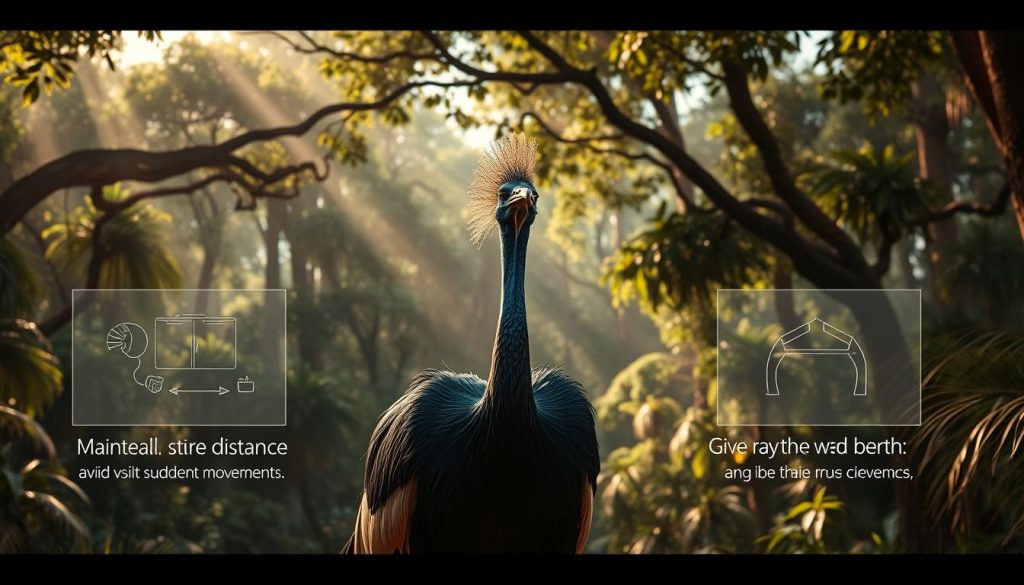
It’s important to keep a safe distance from cassowaries. Maintain at least 10 meters (33 feet) of distance from them. This helps prevent them from feeling threatened or territorial, which can lead to aggression.
What to Do If a Cassowary Approaches
If a cassowary comes near, stay calm and firm. Avoid running, as it might make the cassowary chase you. Instead, stand tall, look big, and slowly back away while keeping eye contact.
Vehicle Safety in Cassowary Habitats
Be careful when driving through cassowary areas. Reduce your speed in places where cassowaries are known to be. If you see a cassowary on the road, stop safely and wait for it to leave.
| Safety Tip | Description |
|---|---|
| Maintain Distance | Keep at least 10 meters away from cassowaries. |
| Responding to Approach | Stay calm, avoid running, and back away slowly. |
| Vehicle Safety | Reduce speed and stop if you encounter a cassowary on the road. |
Photography Tips for Cassowary Encounters
Photographing cassowaries in their natural habitat is exciting. It requires technical skills and a love for these unique birds. To get great shots, know the best times to see them and be ready with the right gear and knowledge.
Camera Settings for Rainforest Wildlife
When taking photos of cassowaries, use settings that work well in the rainforest. A fast shutter speed is key to capture their movement. Choose a wide aperture for a shallow depth of field, making the bird stand out against the background.
Use a telephoto lens (at least 200mm) to stay safe and not scare the birds. This helps you get close without disturbing them.
Ethical Photography Practices
It’s important to practice ethical photography when shooting cassowaries. Keep a safe distance to not stress them out. Never bait or feed them to get a photo.
Be patient and wait for the perfect shot. Respect their space and natural behavior. This way, you ensure their well-being and get more genuine photos during the best spotting season.
Conservation Efforts and How Visitors Can Help
Visitors can help protect cassowaries and their homes. Conservation efforts are key to saving these birds and their habitats. Your visit can make a difference.
Current Conservation Programs
Many programs are working to save cassowaries. These include:
- Habitat restoration projects to preserve and expand cassowary habitats.
- Research initiatives to better understand cassowary behavior and population dynamics.
- Community engagement programs to educate locals and visitors about cassowary conservation.
These programs are essential for cassowaries’ survival. Supporting conservation efforts helps protect the birds and their homes.
Supporting Cassowary Protection as a Tourist
As a tourist, you can help cassowary conservation. Here are some ways to contribute:
- Participate in guided tours that support conservation efforts.
- Visit conservation centers and learn about cassowary protection initiatives.
- Support local businesses that adhere to environmentally friendly practices.
By choosing wisely, you can help cassowaries thrive. Your support matters, and every action helps.
Planning Your Trip from the United States
Visitors from the United States can make the most of their cassowary spotting trip by picking the right time to visit Cairns. Knowing the best time to see cassowaries and where to stay near their habitats can greatly improve your wildlife adventure.
Best Time of Year for American Visitors
The best time for American visitors to see cassowaries in Cairns is from November to April. This is the wet season, and cassowaries are more active. The rainforest is also lush, making it perfect for spotting these magnificent birds.
Optimal cassowary viewing opportunities are in the early morning and late afternoon. This is when the birds are most active.
Accommodation Options Near Cassowary Habitats
There are many accommodation options near cassowary habitats. You can choose from eco-lodges, wildlife resorts, or hotels. These places offer easy access to areas where you can spot cassowaries.
For example, staying in Mission Beach or Daintree Rainforest areas is great. It gives you 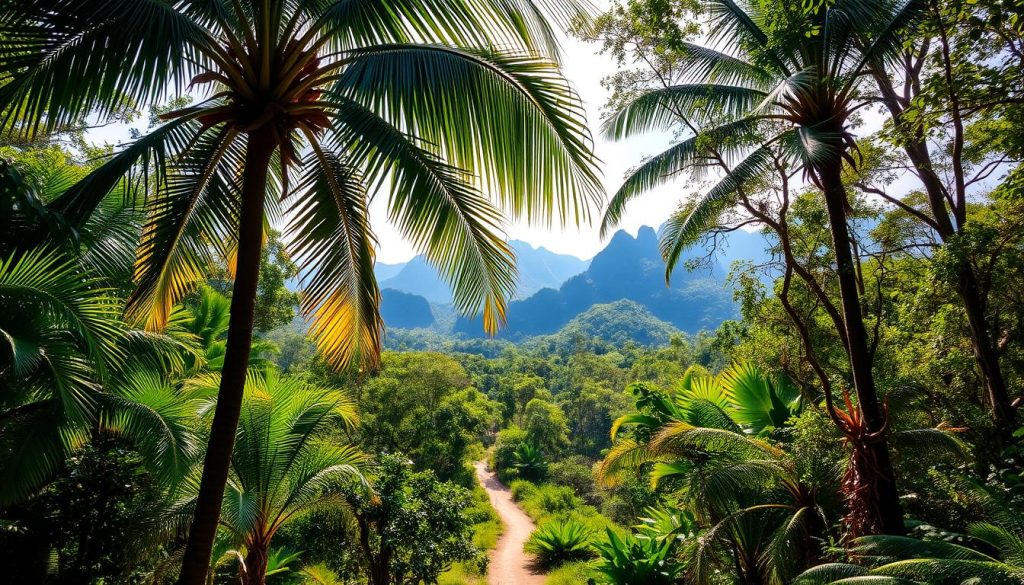
By choosing the right place to stay and visiting at the best time, you can have a memorable cassowary spotting experience in Cairns.
Conclusion: Making the Most of Your Cassowary Experience
Understanding the best times and places to see cassowaries in Cairns can make your trip better. Knowing when and where to look for them is key. This knowledge helps you enjoy your wildlife adventure more.
Going during the prime spotting season and knowing how cassowaries act at different times can help. The early morning and late afternoon are the best times to see them near Cairns. This is when they are most active.
With this information, you can plan your trip to see them at their best. Whether you join a guided tour or go on your own, knowing about cassowaries will make your encounter special. It will be a memorable and enriching experience.