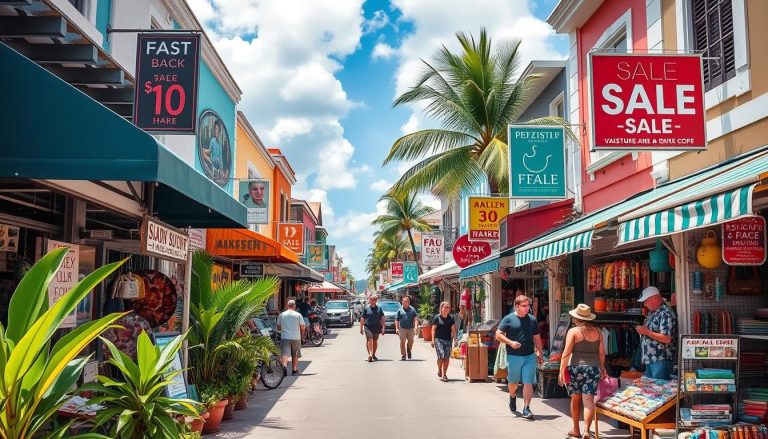
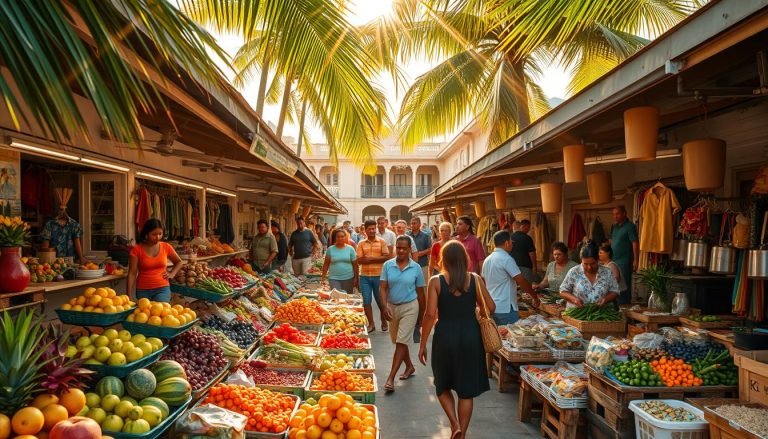
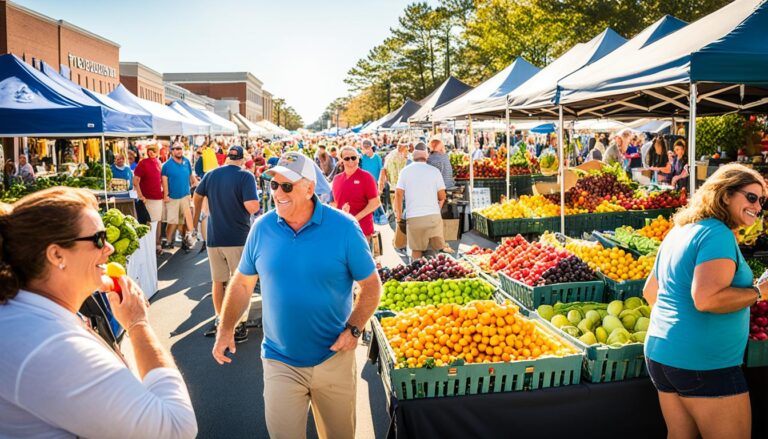
Save Big at Local Markets for Your Groceries
Are you shocked by your rising grocery bill each month? The average family in the U.S. spends over $600 monthly on food. Have you thought about shopping at local markets to save money and get fresh food?
Local markets are cheaper than big grocery stores. They help you cut costs and support the community. For example, a market in downtown Fresno sells fresh produce for about $0.50 per pound. So, you could buy a week’s worth of veggies and fruits for roughly $10.
Shopping locally also means you’re helping the planet and local farmers. You might need to try a few markets to find your favorite. Yet, the quality and variety of food, like organic herbs and juicy stone fruits, are often better than what’s at grocery stores.
Local markets have lots of perks, from saving money to getting quality produce. Are you ready to explore them and enjoy fresh, tasty food?
Benefits of Shopping at Local Markets
Shopping at local markets benefits the community and our planet. By buying from local farmers and businesses, you help build a healthier community. At the same time, you support sustainable shopping.
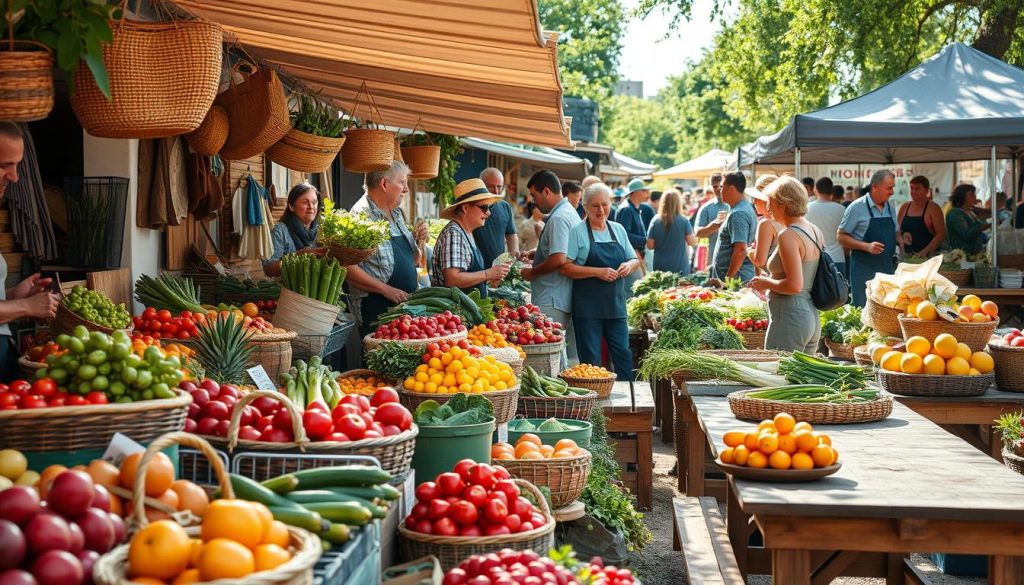
Support Local Farmers and Businesses
Shopping locally helps local farmers and small businesses. Money spent here stays in the community. This supports our local economy.
It keeps local farms alive and small businesses growing. Local shopping lets you know how your food was grown. You can ask about farming practices easily.
Access to Fresh and Seasonal Produce
Local markets have fresh and seasonal food. This food is often sold within 24 hours of being picked. This means the food you eat is ripe, tasty, and full of nutrients.
Local foods are fresher and safer, with less chance of being contaminated. They have more vitamins because they ripen naturally.
Reduce Carbon Footprint
Shopping locally reduces your carbon footprint. The food doesn’t travel far, so it cuts down on carbon emissions. This supports a sustainable food system.
Farmers markets are becoming more popular. They are good for our health, the economy, and the planet. They offer a better way to shop, making our families and communities healthier.
Finding the Best Local Markets Near You
Finding the best local markets takes some effort but rewards you greatly. You can use community resources, bulletin boards, and online tools to find local markets. For example, the Dallas Farmers Market has been around since 1941. It covers a huge area of 26,000 square feet. It offers fresh goods from farms in Texas or within 400 miles of Dallas.

The Market Building at the Dallas Farmers Market opens every day. It’s full of special foods and main restaurants. This gives you access to fresh produce. The Shed, another part of this market, is open on weekends. It has an outdoor pavilion for buying locally grown, seasonal fruits and veggies.
Let’s look at some facts to show the variety and reach of local markets in North Texas:
| Market | Operational Days | Products Offered |
|---|---|---|
| Dallas Farmers Market | Daily (Market Building), Weekends (The Shed) | Fresh vegetables, meats, cheese, eggs, honey |
| Coppell Farmers Market | Saturdays | Locally grown fruits and vegetables |
| McKinney Farmers Market | Saturdays (April – November) | Fresh produce and products, artisanal goods |
| Frisco Rotary Farmers Market | Saturdays (April – October) | Fresh products, entertainment |
| Fairview Farms Marketplace | Tuesday – Sunday | Seasonal produce, artisanal goods |
Getting fresh produce is very beneficial for those who focus on health. Local markets in North Texas focus on fresh, nutrient-rich goods. This is vital for a healthy diet. Places like Coppell Farmers Market make sure sellers are within 150 miles. This ensures the fruits and vegetables are grown locally.
Places like McKinney Farmers Market at Chestnut Square are known for sustainable, healthy choices. They operate from April to November. These markets have farm-fresh meats and eggs. These are key for a healthy lifestyle.
In Central Texas, the Sustainable Food Center (SFC) runs two farmers’ markets. They are SFC Downtown and SFC at Sunset Valley. Open every Saturday, these places promote local and sustainable food. They also help more families access fresh fruits and vegetables. They do this by doubling SNAP and WIC benefits.
Shopping at your local market gives you access to fresh goods. It also supports local farms and businesses. This helps build a stronger, healthier community.
Using Local Markets for Affordable Food Options
Shopping at local markets can save you money. Compared to big grocery stores, they often have lower prices, especially for fruits and veggies that are in season.
Comparing Prices with Traditional Grocery Stores
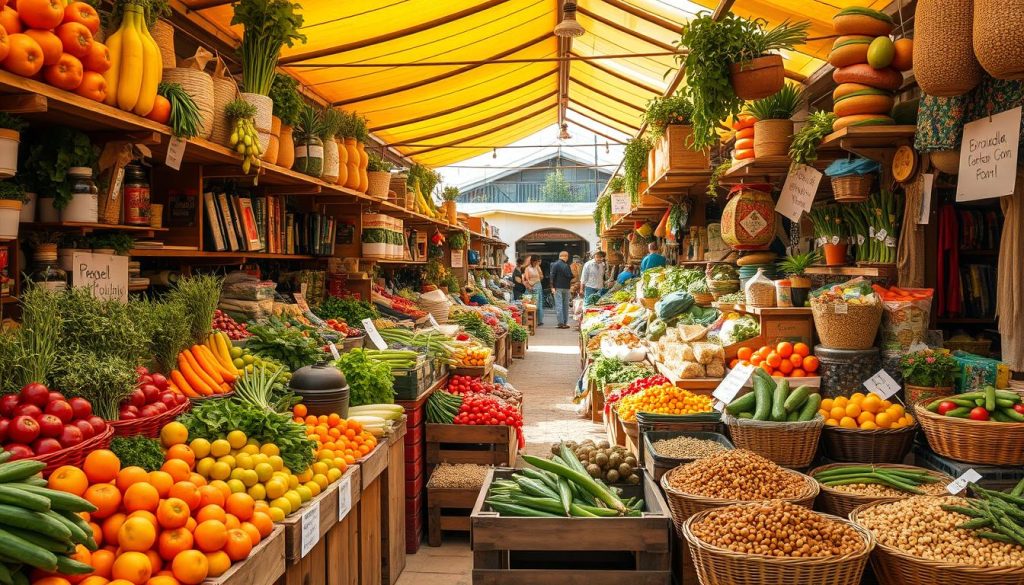
When you compare prices, local markets are usually cheaper. They cut costs by reducing transportation and skipping the middlemen. Unlike big stores with high running costs, local markets can keep their prices down. People making between $8,000 and $30,000 a year find the best deals here, so it’s perfect for those sticking to a budget.
Seasonal Deals and Discounts
Local markets are great for finding deals on seasonal food. They offer promotions on fresh produce that’s in season, saving you money. This encourages eating healthier and supports programs that help low-income families buy fresh fruits and veggies.
By choosing local markets, you’re not just saving money. You’re also getting access to fresh, seasonal food while supporting the local economy. So, whether you’re in a big city or a small town, check out your local markets for the best deals.
Tips for Shopping Smart at Local Markets
Shopping at local markets can save you money and feel rewarding. Use the right tips to stretch your grocery budget. You’ll enjoy fresh, seasonal produce this way. Here’s how to save the most.
Make a Shopping List
Create a market shopping list before visiting your local market. It keeps you organized and cuts unnecessary spending. Your grocery expenses should be about 10% to 15% of your monthly income. A detailed list helps stay within this range. Remember to include vegetables, protein, grains, dairy, snacks, and other items. This ensures you get what you need and track spending better.
Meal Planning Around Market Finds
Meal planning is key for smart shopping. Base your meals on market finds, particularly seasonal items, to cut grocery bills by up to 50%. Spend 30% of your budget on vegetables, 20% on protein, and 15% on grains and dairy. This balances your diet. Plus, cooking these finds at home can save half what you’d spend on takeout, making meals both healthy and affordable.
How to Avoid Impulse Buys
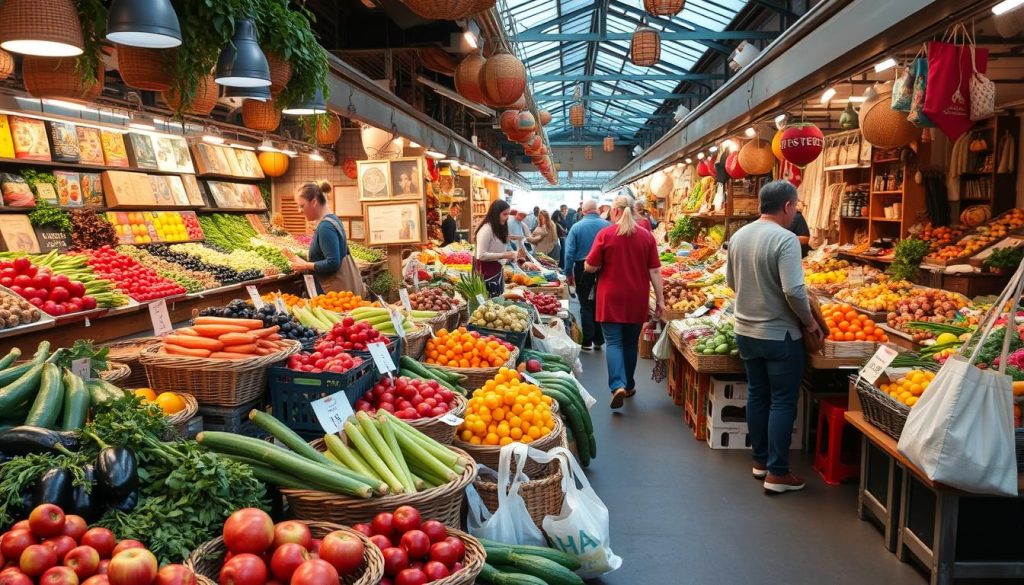
Impulse buys can hike up your grocery bill. Avoid them by sticking to your list and not buying extra items. Comparing prices can save a family up to 18% yearly on groceries. Shopping during off-peak hours also means cheaper perishables, with 30-75% discounts. Stay mindful and disciplined to control spending and enjoy local market shopping.
| Shopping Tip | Estimated Savings |
|---|---|
| Creating a Market Shopping List | 10% to 15% of monthly income |
| Meal Planning Around Market Finds | 50% savings compared to takeout meals |
| Avoiding Impulse Buys | 18% annual savings on weekly purchases |
| Shopping During Off-Peak Hours | 30-75% discount on perishables |
Use these shopping tips to save more and make smart choices at your local market.
Maximizing Savings with Community Supported Agriculture (CSA)
Community Supported Agriculture (CSA) is a great way to save on fresh, organic food. It lets you connect directly with local farmers. With over 6,000 farms in the U.S., CSA’s popularity has grown since the 1980s. This increase is due to more people wanting local, sustainable foods.
Benefits of CSA Programs
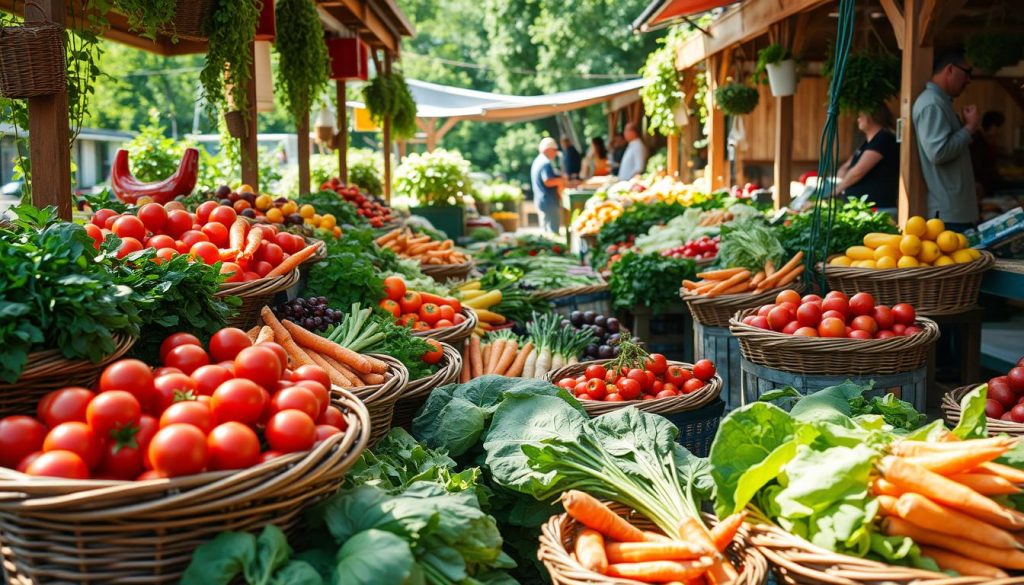
- CSAs often offer high-quality produce at lower prices than grocery stores. This helps families save on their food budgets.
- About 94% of CSAs use organic farming, giving you produce without harmful chemicals.
- Being part of a CSA can make you feel more connected to your community and where your food comes from.
- Joining a CSA supports local economies and promotes sustainable farming. It also helps reduce the environmental impact.
How to Join a CSA Near You
To save with CSA, find local programs online or at farm websites. Joining is easy but differs by location and farm. Efforts to make CSAs more inclusive are increasing, with options for lower fees and food assistance benefits.
Look into multi-farm CSAs for more product variety. Despite the rise of farmers’ markets, a study shows market availability deters some from joining CSAs. Improving access could attract more people.
| Statistic | Data |
|---|---|
| Number of CSAs in the US | 6,000+ |
| Percentage of Organic CSAs | 94% |
| CSAs generating sales (2015) | 7,398 farms | $226 million |
| Increase in DTC farm sales (1992-2012) | 70% |
Shopping in Season: What to Buy and When
Knowing what fruits and veggies to buy can save you money and make meals taste better. Matching your shopping list to the seasons means fresher, cheaper groceries. Our seasonal buying guide shows you what to buy for great flavor without spending too much.
Spring Produce
Spring brings fresh, tasty veggies to replace winter’s limited choices. Look for greens like spinach and kale, and early veggies like asparagus. Buying these in season means better taste and ripeness.
Summer Produce
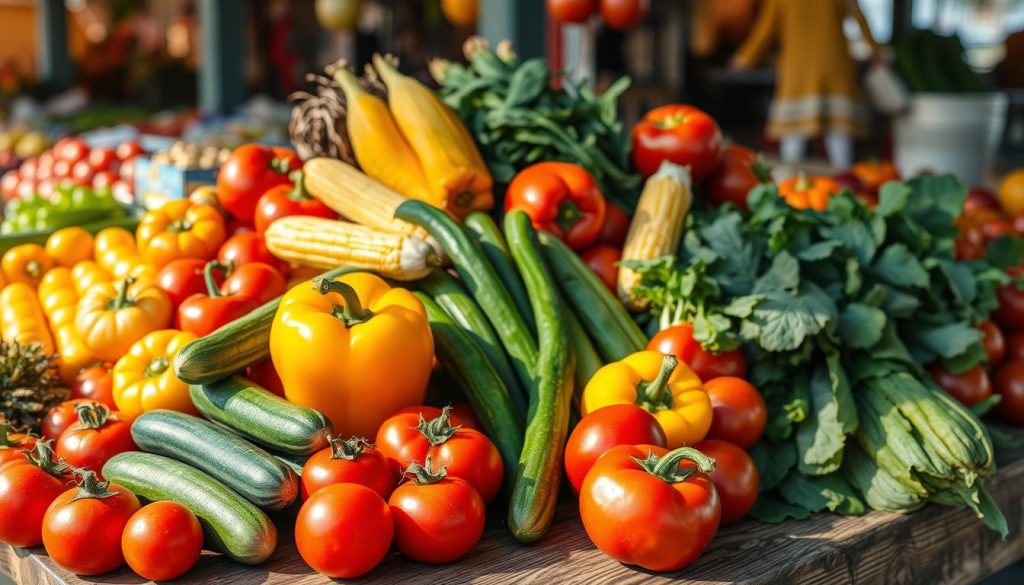
The summer market is full of colors and tastes thanks to berries, tomatoes, and stone fruits. You’ll also find plenty of corn, cucumbers, and zucchini. Shopping in season then ensures the best flavor and value.
Fall Produce
Fall offers hearty veggies like pumpkins and carrots, perfect for warm dishes. Apples and pears are also great for desserts. A seasonal buying guide helps pick the freshest, tastiest options.
Winter Produce
In winter, look for greens and citrus fruits for a health boost. Root vegetables are good for filling meals. Knowing what’s in season makes winter shopping easier.
Shopping in season enhances your meals and saves money. With a seasonal buying guide, you get the best deals all year.
Utilizing Farmers Markets for Fresh and Budget-Friendly Groceries
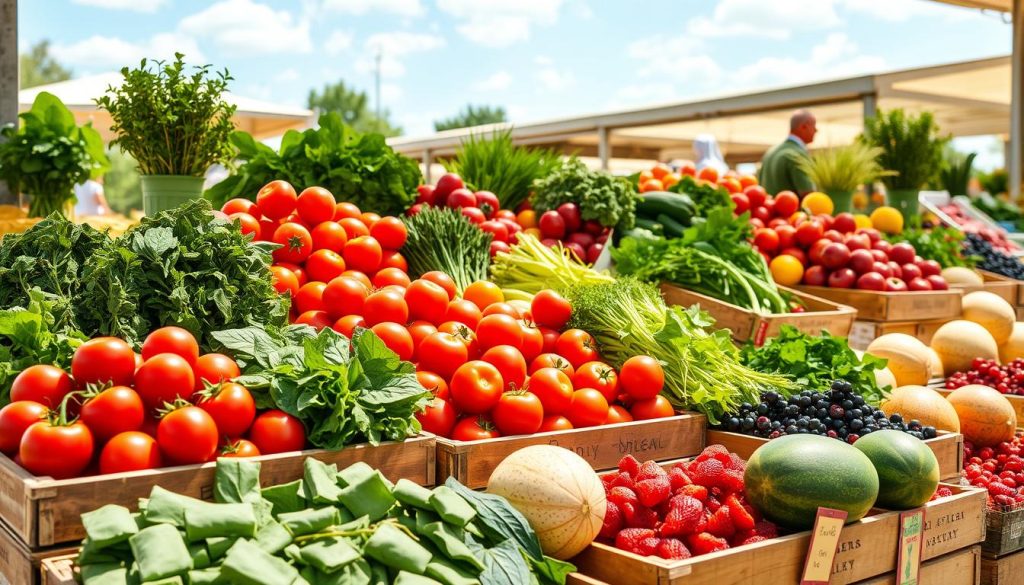
Farmers markets are key for shoppers wanting fresh, quality groceries without spending too much. Most people (95%) agree that these markets are affordable. This challenges the idea that farmers markets are pricey. Also, the freshness of the produce is a major plus for about 93.5% of shoppers.
Finding Farmers Markets in Your Area
It’s easy to find farmers markets near you. Just look online or use community resources. These markets feature local vendors who sell fresh, quality groceries. More than half of the shoppers (51%) trust these products more than supermarket food.
Also, 80% of people like to support local farms. This helps the economy of their community.
Building Relationships with Vendors
Talking to vendors can make shopping better. A huge 91% of shoppers find these sellers friendly. By knowing these vendors, you get tips on the best produce.
You might also get special deals and early access to new products. Around 90% see supporting small businesses as very important.
Farmers markets are perfect for getting fresh groceries on a budget. They also make you feel good about helping your community.
Local Market Alternatives: Discount Stores and Supermarkets
Local markets are great but don’t forget about discount stores and Asian markets. They offer budget-friendly grocery options. You can find unique items and save a lot at these places.
Exploring Discount Grocery Stores
Stores like Aldi and Lidl sell groceries for less. They have lesser-known brands that are as good as famous ones. Buying in bulk items like pasta and canned goods can lower your bill.
Zero waste shops also help save money. Some items may cost more, but others are cheaper. Buying directly from farms, like getting eggs by the tray, saves more money.
Benefits of Asian and International Markets
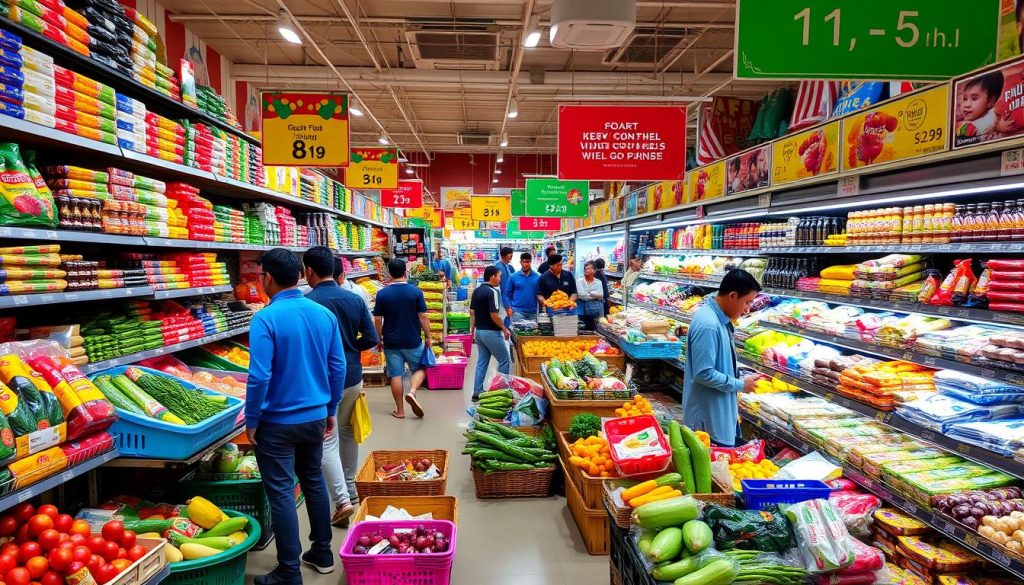
Asian markets such as H Mart and 99 Ranch Market have affordable fresh foods. They also sell things like rice and unique products not found in regular stores.
Ethnic supermarkets offer large packs and use local sources to cut costs. Corner shops might be a bit more expensive but are good for quick needs. They can also help you avoid buying things you don’t need.
| Store Type | Main Benefit |
|---|---|
| Discount Stores | Lower prices on various items |
| Asian Markets | Affordable fresh produce and unique products |
| Farm Gates | Economical bulk purchases |
How Technology Can Help You Save
Technology has changed how we buy groceries today. It makes shopping faster and helps us spend less. By using different online tools, we can make our grocery shopping smoother.
Using Coupon Apps
Coupon apps like RetailMeNot and Honey make saving easy. They let you find and use coupons on what you’re buying. These apps tell you about deals, let you compare prices, and connect to your loyalty cards for more savings.

Online Marketplaces
With sites like Amazon Fresh and Walmart Grocery, shopping is a breeze. You can find deals online that are better than in stores. They also have tools that keep a digital list for you. This means you’re less likely to buy extra stuff or forget anything.
Conclusion
Shopping at local markets helps save money and supports nearby vendors and farmers. You find fresh, in-season produce that’s top quality. This way, you also cut down on your carbon emissions.
Making a shopping list, planning your meals, and getting to know the sellers are smart moves. These actions make shopping sustainable. Over 1.7 million families with low incomes get help from TANF each year. So, affordable shopping that makes healthy food more available is key.
Choosing local markets helps fight the problem of food deserts. Over 23.5 million Americans live in poor areas that are far from big grocery stores. Knowing the benefits of local markets helps lower your food costs, aids local businesses, and leads to a sustainable food system for everyone.