What is the Medina of Tunis? Your Essential Guide
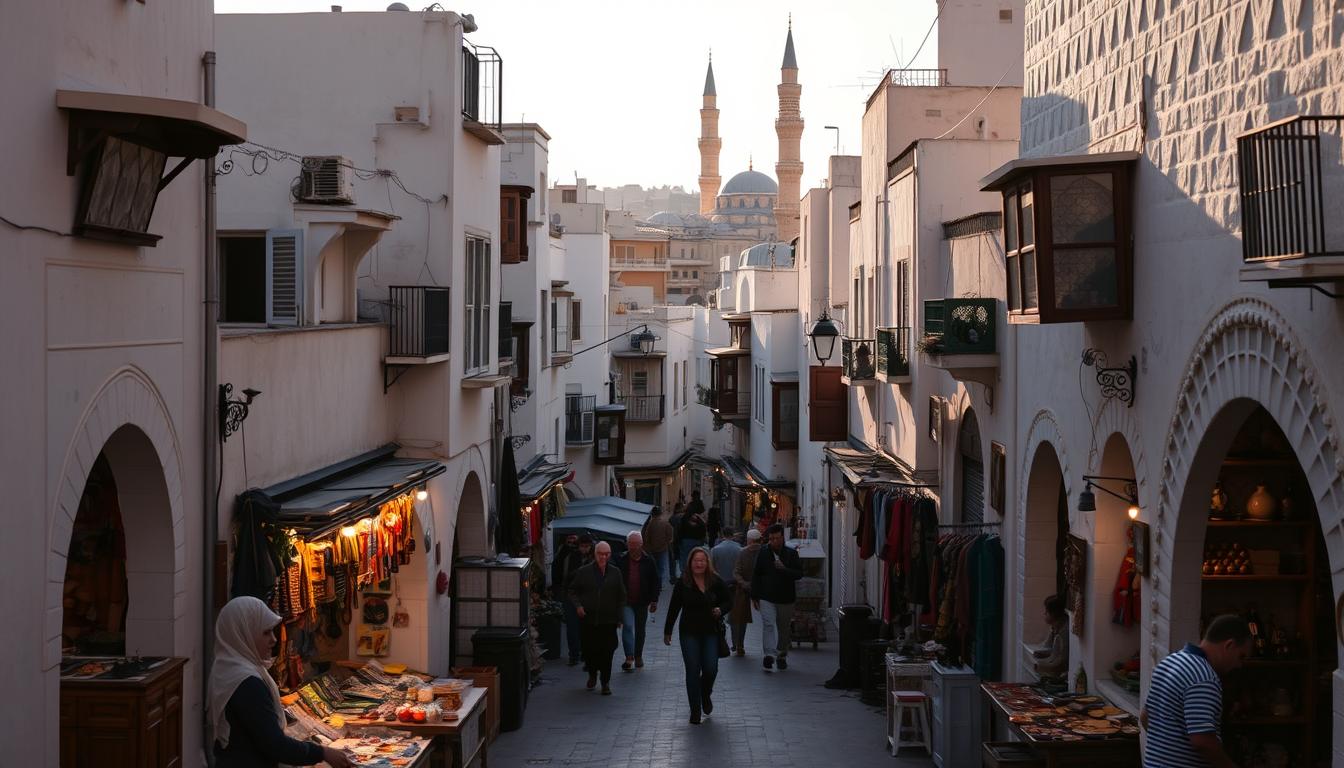
Ever wondered what secrets the Tunis old town holds? The Medina of Tunis, a UNESCO World Heritage site, is full of history, culture, and architecture. It’s waiting for you to explore.
The Medina of Tunis is one of the best-preserved Arab-Muslim medinas globally. Its narrow streets, historic buildings, and lively markets show its rich heritage. This guide will help you understand its importance and why it’s a top spot to visit.
Ready to explore the Medina of Tunis? Let’s uncover its hidden treasures and learn about its fascinating history.
The Ancient Heart of Tunisia’s Capital
When you enter the Medina of Tunis, you step into the heart of Tunisia’s history. The Medina’s narrow streets and old buildings are alive today. They show the city’s deep history and cultural richness.
A UNESCO World Heritage Treasure
The Medina of Tunis was named a UNESCO World Heritage site in 1979. This honor highlights its cultural and historical value. The Medina’s design keeps it cool in summer and warm in winter.
Its buildings mix cultures from many eras, showing Tunisia’s diverse history.
The Cultural Significance of Medinas in North Africa
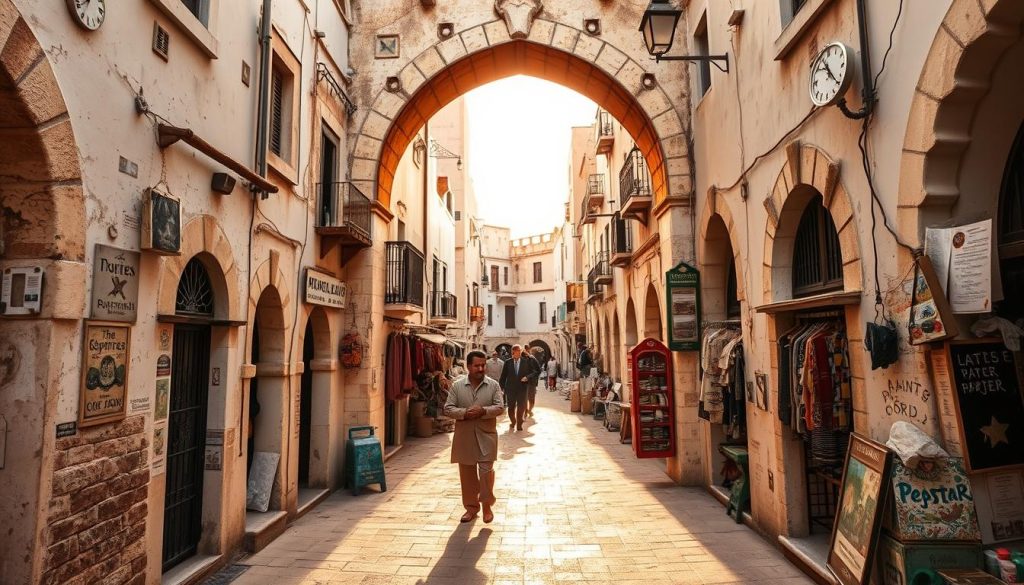
Medinas in North Africa, like the Medina of Tunis, are more than old places. They are lively cultural centers. The Medina of Tunis has been key in the region’s religious, social, and economic life.
It is home to many mosques, madrasas, and other religious sites. These places are vital to the community’s spiritual life.
| Cultural Aspect | Significance | Example in Medina of Tunis |
|---|---|---|
| Religious Life | Central to community’s spiritual practices | Great Mosque of Ez-Zitouna |
| Architectural Heritage | Reflects historical and cultural influences | Traditional Tunisian Houses and Palaces |
| Economic Activity | Historic centers of trade and commerce | Souk El Attarine (Perfume Market) |
What is the Medina of Tunis? Understanding Its Historical Significance
The Medina of Tunis was founded in the 7th century. Over time, it has been shaped by many ruling powers. Walking through the Medina is like exploring Tunisia’s history.
Origins and Foundation in the 7th Century
In 698 AD, the Umayyad Caliphate started the Medina of Tunis. It was picked for its sea access and strong defenses. Early buildings set the stage for the city’s growth.

Evolution Through Different Dynasties
The Medina of Tunis has changed a lot over the years. Each dynasty added its own touch to its architecture, culture, and importance.
The Aghlabid Period
The Aghlabid dynasty (800-909 AD) saw big changes in the Medina. Mosques and palaces were built, making it a key cultural and religious spot.
Ottoman Influence and Development
Under the Ottomans (1574-1881), the Medina grew a lot. New buildings and roads were added. The Ottomans also helped the city’s economy grow.
French Colonial Impact
The French (1881-1956) brought modern changes. They planned the city differently and built new things. But, they also faced challenges in keeping the Medina’s old charm.
The Medina of Tunis is a living piece of history. It shows the impact of many rulers. Exploring it is like stepping into a museum that still fascinates people today.
Architectural Marvels of the Medina
The Medina of Tunis is filled with architectural wonders. It shows a mix of old and new, blending history and culture. As you wander, you’ll see many buildings that tell the city’s story.
The Great Mosque of Ez-Zitouna
The Great Mosque of Ez-Zitouna is a key spot in the Medina. It’s a prime example of Islamic architecture. Built in the 8th century, it’s a heart of Tunis’s faith and culture.
Its design is impressive, with a big courtyard and arcades. A tall minaret stands out, making it a landmark.
Traditional Tunisian Houses and Palaces
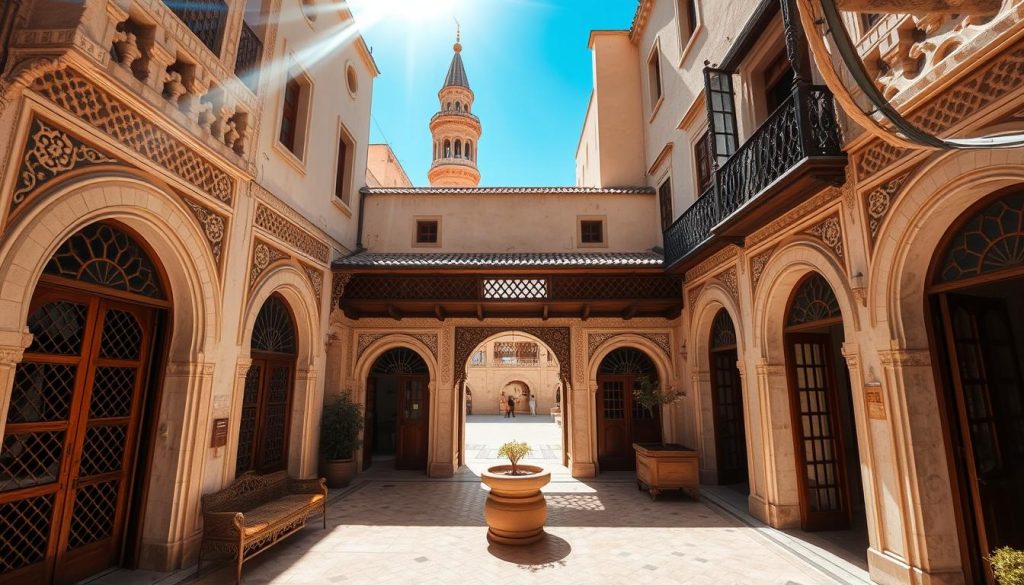
Traditional houses and palaces are also highlights. They show off intricate stone carvings and ornate tile work. Their courtyards are beautifully designed.
Dar Hussein Palace
Dar Hussein Palace, or the Reception Palace, is a gem. Built in the 18th century, it mixes Islamic and Mediterranean styles. Its rooms and courtyards are decorated with care.
Dar Ben Abdallah Museum
The Dar Ben Abdallah Museum is another must-see. This 18th-century palace turned museum showcases the Medina’s culture and history. It’s filled with artifacts and exhibits.
The Distinctive Features of Medina Architecture
The Medina’s architecture stands out. It uses local materials like stone and tile. Islamic design elements are also key. The narrow streets and packed buildings add to its charm.
| Architectural Feature | Description |
|---|---|
| Islamic Design Elements | Incorporating arches, domes, and minarets into building design |
| Local Materials | Using stone, tile, and other locally sourced materials |
| Courtyards | Central courtyards providing a peaceful oasis within buildings |
Navigating the Labyrinthine Streets
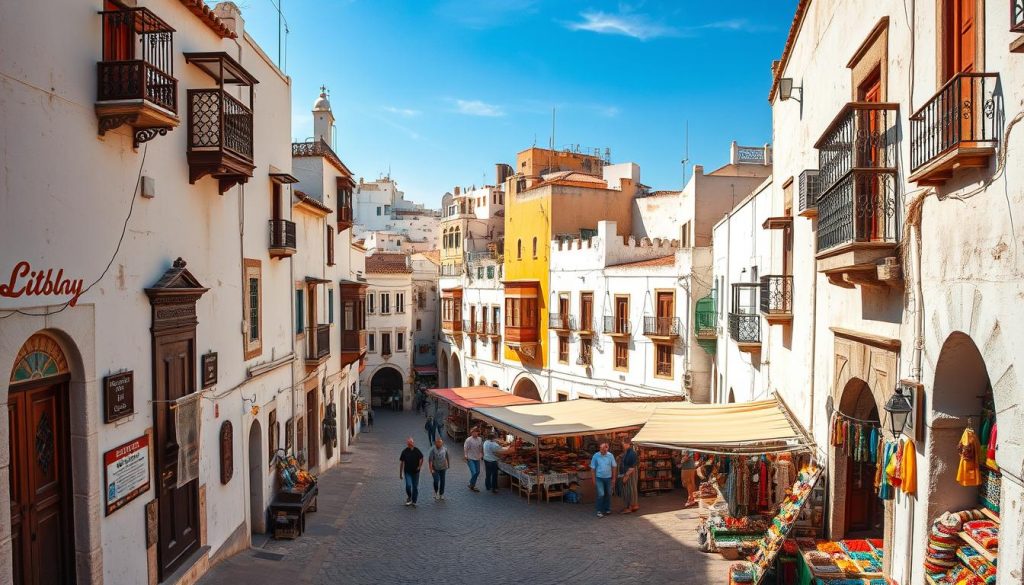
The Medina of Tunis is a maze of ancient streets and hidden treasures. As you explore its narrow alleys, knowing the layout and major entry points can enhance your journey.
Understanding the Layout of the Medina
The Medina of Tunis is known for its narrow, winding streets and closely packed houses. Its layout is typical of medieval Islamic cities, with the Great Mosque of Ez-Zitouna at its center.
Major Gates and Entry Points
The Medina has several historical gates that serve as main entry points. Knowing these gates can help you navigate the area more effectively.
Bab el Bhar (Sea Gate)
Bab el Bhar, or the Sea Gate, is a key entry point of the Medina. It has been important since its construction and is now a lively area with shops and cafes.
Other Historical Gates
Other than Bab el Bhar, there are gates like Bab Menara and Bab Souika. Each has its own history and adds to the Medina’s rich heritage.
| Gate Name | Significance | Nearby Attractions |
|---|---|---|
| Bab el Bhar | Main entry point, historical significance | Shops, cafes, Great Mosque of Ez-Zitouna |
| Bab Menara | Historical gate, architectural beauty | Local markets, traditional houses |
| Bab Souika | Cultural significance, access to souks | Souk El Attarine, Souk El Berka |
Must-Visit Attractions in the Medina of Tunis
The Medina of Tunis is a treasure trove of culture and history. It’s a top spot for anyone visiting Tunisia. As you wander through, you’ll find a mix of experiences that highlight the city’s rich past, vibrant culture, and traditions.
Religious Sites and Mosques
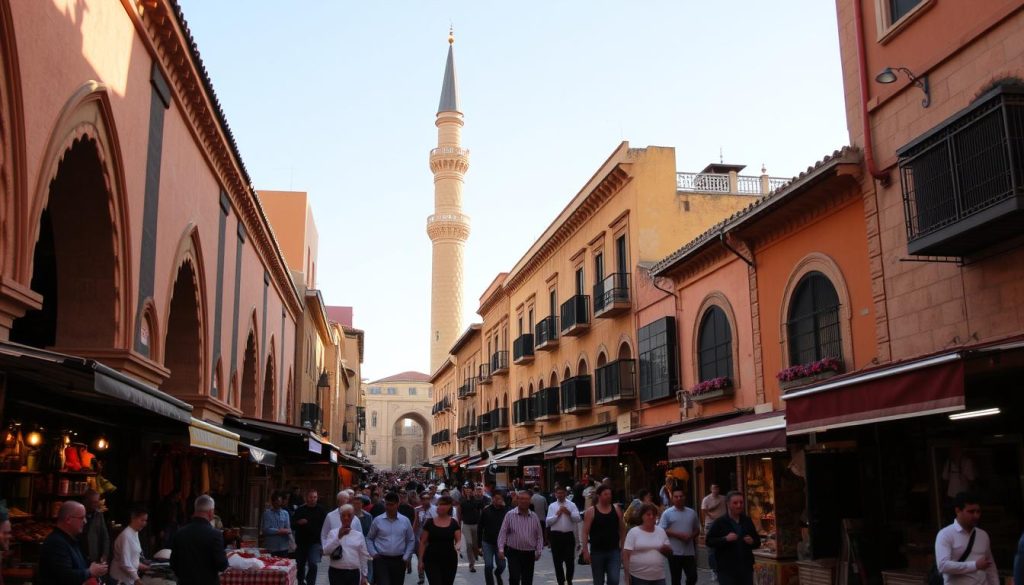
The Medina boasts many religious sites, like the Great Mosque of Ez-Zitouna. It’s a key Islamic center in Tunisia. Visitors can marvel at its stunning architecture and learn about its history.
- The Great Mosque of Ez-Zitouna: A historic mosque from the 8th century.
- Other significant mosques and religious sites that show the Medina’s spiritual side.
Historical Monuments and Museums
The Medina is filled with historical sites and museums. They give a peek into Tunisia’s past. From ancient ruins to preserved palaces, these spots tell the city’s story.
Key historical monuments include:
- The Dar Ben Abdallah Museum, showcasing traditional Tunisian architecture.
- Historic palaces and monuments that highlight the Medina’s cultural importance.
Traditional Hammams and Bathhouses
Visiting the Medina isn’t complete without trying its traditional hammams. These bathhouses give a taste of local culture and offer a calm break from the busy streets.
Popular hammams include:
- Hammam El Ennakah: A historic bathhouse for traditional bathing.
- Other local hammams for traditional Tunisian spa treatments.
Hidden Gems Off the Tourist Path
There are many hidden treasures in the Medina beyond the famous spots. Exploring its winding streets can lead to surprises.
“The Medina of Tunis is a place where the past and present blend seamlessly, offering visitors a unique and enriching experience.”
Some hidden gems include:
- Local artisan workshops where traditional crafts are kept alive.
- Quaint cafes and eateries serving authentic Tunisian food.
The Vibrant Souks: Shopping in the Medina
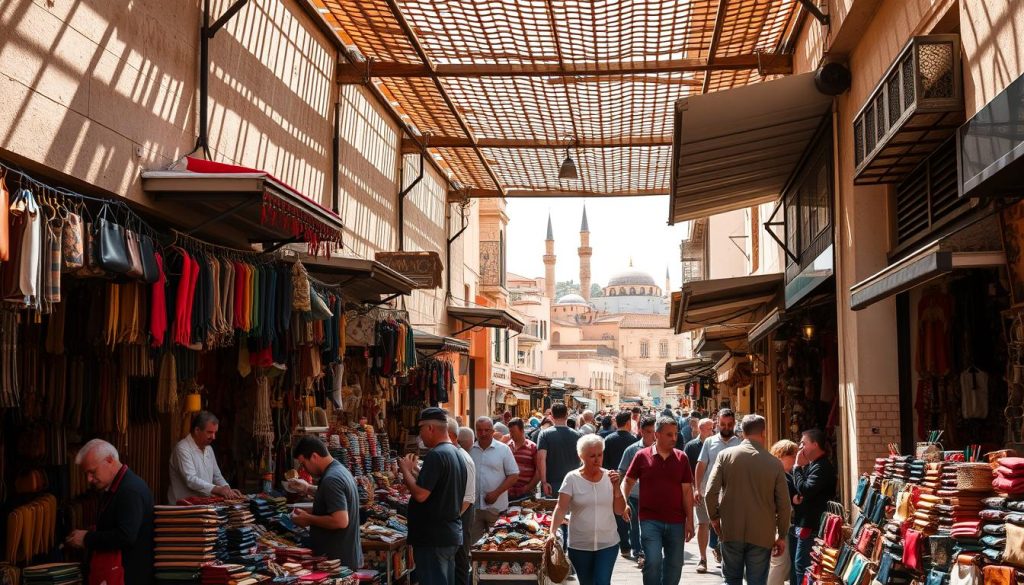
The Medina’s souks are full of treasures like perfumes, gold, and textiles. As you walk through the narrow streets, you’ll see vibrant colors and smell enticing aromas. You’ll also hear the sounds of lively haggling.
Souk El Attarine: The Perfume Market
Souk El Attarine is a treat for your senses. You’ll find fragrances made from local ingredients like rose and jasmine. The perfumers create unique scents that are truly Tunisian.
Souk El Berka: The Gold Market
Souk El Berka is famous for its gold and silver jewelry. This market has been around for centuries, offering beautiful pieces. Whether you’re looking for a souvenir or a gift, you’ll find something special here.
Souk El Leffa: Textiles and Carpets
In Souk El Leffa, you’ll find a wide range of textiles and carpets. The market showcases Tunisian textile artistry. Be ready to haggle, as it’s part of the fun.
Haggling Tips and Etiquette
Haggling is an art in the Medina’s souks. Research prices first and don’t be afraid to walk away if the deal isn’t good. A smile and friendly demeanor can help you get a better bargain.
Common Phrases in Tunisian Arabic
Learning basic Tunisian Arabic phrases can improve your shopping experience. Use “Shukraan” (thank you) and “Afwan” (you’re welcome) to show respect.
Price Expectations
Prices in the souks vary based on the item and its quality. For example, a handmade carpet might cost between $50 to $200. Jewelry prices can range from $10 to $50. Always be ready to negotiate.
Culinary Delights: Eating in the Medina
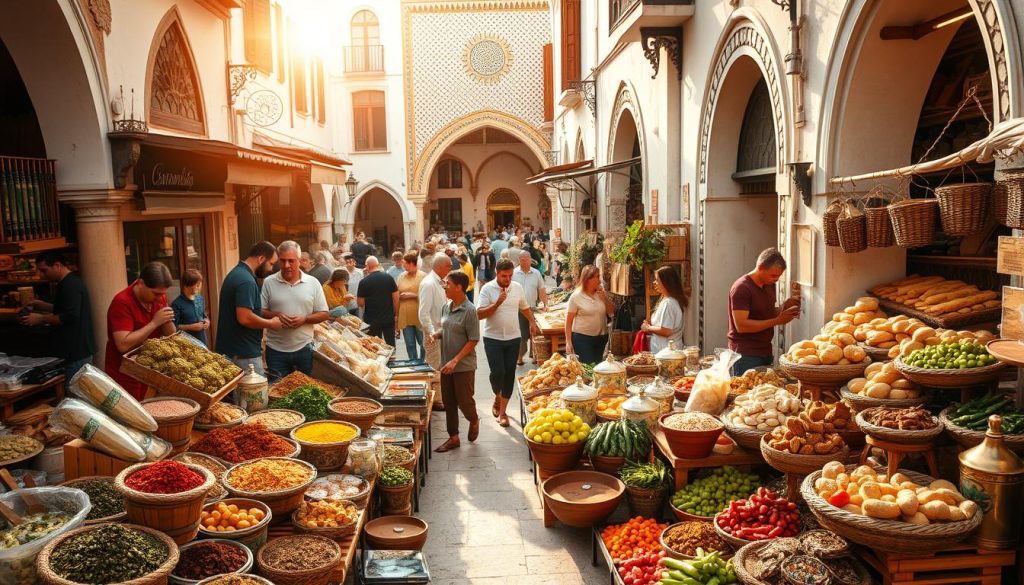
As you explore the Medina of Tunis, you’ll be greeted by the enticing smells of local food. This area is a food lover’s paradise, offering a wide variety of traditional Tunisian dishes. These dishes showcase the country’s rich cultural heritage.
Traditional Tunisian Dishes to Try
Tunisian food combines Mediterranean flavors, with couscous and tajines being favorites. Make sure to try these local specialties during your visit.
Couscous and Tajines
Couscous, made from semolina flour, is often served with vegetables, meat, and sauce. Tajines, cooked in clay pots, are flavorful stews that are both hearty and delicious. Be sure to try these dishes at local eateries.
Sweets and Pastries
Tunisian sweets, such as baklava and makroud, are famous for their sweetness and intricate preparation. You can find these treats at local bakeries and cafes.
Best Cafés and Restaurants
The Medina is filled with cafes and restaurants, each offering a unique dining experience. Try a traditional Tunisian breakfast at a local café or dine at a restaurant that specializes in local cuisine. Look for eateries that are popular with locals.
Street Food Safety Tips
Street food is tempting, but food safety is key. Choose vendors that are busy and have a high turnover of food to minimize the risk of foodborne illness. Always opt for cooked foods and avoid raw or undercooked items.
Practical Information for Visitors
Before you visit the Medina of Tunis, here are some tips to make your trip better. This place is full of history and culture, ready for you to explore.
Best Times to Visit
The best times to visit are spring (March to May) and autumn (September to November). The weather is nice then. Try to avoid summer, as it can be very hot.
Safety Tips and Cultural Etiquette
Be careful of local customs in the Medina. Dress modestly, and watch your belongings in crowded spots. Always ask before taking someone’s picture.
Accommodation Options In and Around the Medina
The Medina has many places to stay, from old riads to new hotels. Staying here is immersive, but it can be noisy. If you prefer peace, consider staying outside the Medina.
Getting Around
The Medina’s streets are tricky to navigate. Wear comfy shoes and be ready to get lost. A local guide can help you find the best spots.
Guided Tours and Photography Tips
Guided tours offer great insights into the Medina’s history and culture. When taking photos, respect locals and avoid flash in dark places. The golden hour is perfect for photos.
The Medina Today: Balancing Tradition and Tourism
The Medina of Tunis is at a crossroads. It tries to keep its historical charm while welcoming more tourists. As a UNESCO World Heritage Site, it must protect its rich culture and meet visitor needs.
Conservation Efforts and Challenges
Efforts are being made to save the Medina’s buildings and history. The Tunisian government and international groups are working together. They aim to fix old buildings, improve the area, and support eco-friendly tourism.
But, the Medina has big challenges. It struggles with too many tourists, local resource issues, and finding a balance between old and new.
Local Life in a Tourist Hotspot
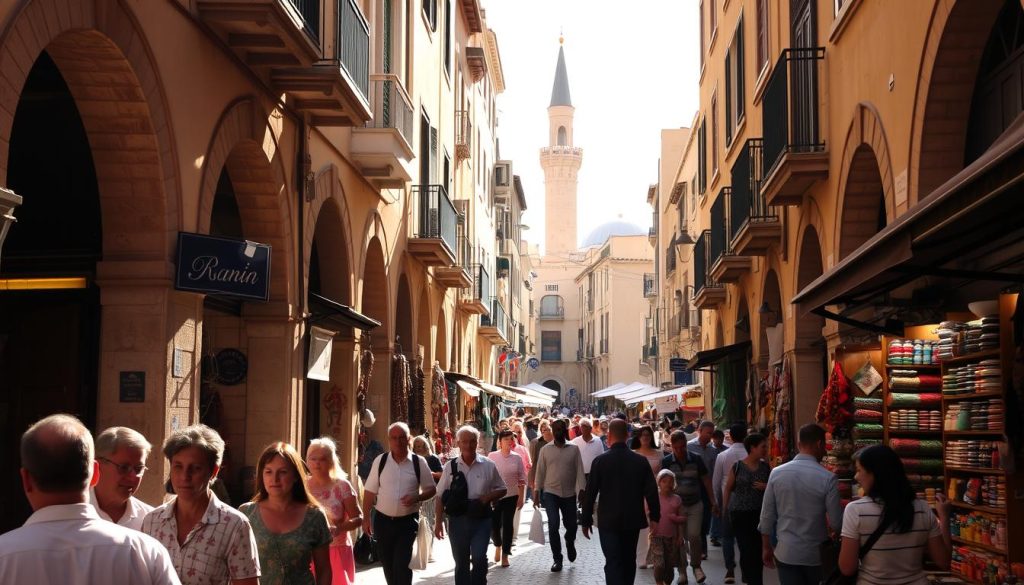
Walking through the Medina’s narrow streets, you see old and new life together. People still live, work, and pray here, keeping their traditions alive.
Artisans and Traditional Crafts
Artisans in the Medina are experts in crafts like textiles, pottery, and metalwork. They are key to keeping the Medina’s culture alive.
Modern Challenges and Adaptations
But, artisans face new problems. They compete with cheap, mass-made goods and must adapt to new tastes. Many are mixing old skills with new designs to keep their crafts alive.
Conclusion: The Timeless Charm of Tunis’ Medina
The Medina of Tunis is a place full of history and charm. When you visit Tunis old town, you step into a world where old traditions meet modern life.
The Medina’s buildings tell stories of the past. You can see the Great Mosque of Ez-Zitouna and traditional houses and palaces. The souks are alive with scents, gold, and colors, making shopping an unforgettable experience.
Exploring the Medina helps you understand its cultural value. It shows us why we must protect this ancient gem.