What are the scams to avoid in Turkey? Discover Now!
Planning a trip to Turkey? Before you embark on your adventure, it’s important to be aware of the common scams and travel traps that can ruin your experience and cost you money. By staying vigilant and informed, you can avoid falling prey to these schemes and enjoy the wonders that Turkey has to offer.
Scams targeting tourists can be found all over the world, and Turkey is no exception. In this section, we will delve into the scams to avoid in Turkey, including common scams, travel scams, and tourist traps. By understanding these scams, you can take the necessary precautions to protect yourself and ensure a safe and enjoyable trip.
From Istanbul to the beaches of Antalya, scams can be found throughout the country. The most common scams involve money exchange, transportation, accommodation, and shopping. By arming yourself with knowledge and practicing common sense, you can avoid falling victim to these scams.
So, what are the scams to avoid in Turkey? Keep reading to find out!
Istanbul Scams: How to Stay Alert
If you’re planning to visit Istanbul, it’s important to be aware of scams targeting tourists in Turkey. Although these scams can occur anywhere, they are more common in areas frequented by tourists.
One of the most common scams in Istanbul is the “carpet scam,” in which a friendly local invites you to a carpet shop, where you’re pressured into buying a very expensive Turkish carpet. They may also offer to ship the carpet to your home country and promise a refund if you’re not satisfied with the purchase. However, once you’re back home, you may find that the carpet is not of the same quality as promised, and the refund never happens.
Another common scam is the “fake goods scam,” where vendors sell counterfeit goods such as designer clothing, watches, perfumes, and electronics. These products are often of poor quality, and you may end up paying more than you would for the genuine article. It’s best to avoid buying from street vendors and instead visit reputable stores.
Keep an eye out for the “currency exchange scam,” which involves exchanging your money with an unauthorized currency exchange office that offers high exchange rates. They may also use sleight of hand techniques to give you less money than you’re owed. Always exchange your money at authorized currency exchange offices and count your money carefully before you leave.
Be cautious when accepting drinks from strangers as they may contain drugs or other substances. Once you’re under their influence, they can easily steal from you or pressure you into giving them money.
Finally, be wary of taxi drivers who refuse to use the meter and instead offer a flat rate, which is often much higher than what you would pay with the meter. Always insist on using the meter, and if the driver refuses, find another taxi.
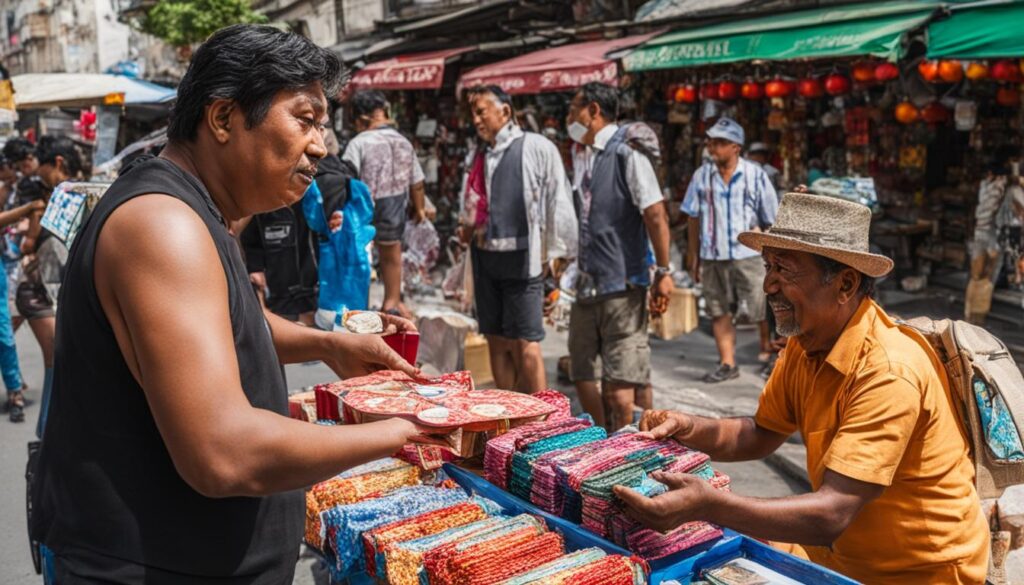
Remember, if an offer seems too good to be true, it probably is. Stay alert and use common sense to avoid falling victim to scams while enjoying all that Istanbul has to offer.
Tourist Traps in Turkey: What to Watch Out For
While Turkey offers a wealth of breathtaking sights and cultural activities, it’s important to be aware of tourist traps that can put a damper on your experience. As a savvy traveler, you’ll want to be on the lookout for popular scams that target tourists, such as:
- Unofficial tour guides who may charge excessive fees for inferior service
- Street vendors promoting “authentic” Turkish souvenirs that are actually cheap imitations
- Restaurants offering inflated prices or subpar food quality to unsuspecting diners

How to Avoid Tourist Traps
Fortunately, with a little bit of research and preparation, you can still have a safe and enjoyable time in Turkey. Here are some tips to help you avoid falling prey to tourist traps:
- Research your accommodations and activities ahead of time, and read reviews from other travelers to get an idea of what to expect.
- Be wary of deals that seem too good to be true, such as discounted tours or cheap souvenirs.
- Pay attention to prices and always negotiate before making a purchase.
- Stick to reputable establishments, such as restaurants and shops that are recommended by your hotel or tour operator.
- Don’t be afraid to say no and walk away if something doesn’t feel right. Trust your instincts and avoid any situation that seems sketchy or unsafe.
By staying alert and following these simple guidelines, you can avoid the most common tourist traps in Turkey and have a memorable trip filled with authentic experiences.
Money Exchange Scams: Protecting Your Finances
When traveling to Turkey, it’s important to be mindful of common scams, particularly those involving currency exchange. As a tourist, you may be targeted by scammers looking to take advantage of your unfamiliarity with the local currency.
One of the most common money exchange scams is the use of counterfeit currency. Scammers will often try to pass off fake money as real, hoping that you won’t notice until it’s too late.
To protect yourself, be sure to exchange money at reputable exchange offices or banks. Avoid exchanging currency on the street or with individuals offering “black market” rates. Before exchanging money, check the current exchange rates to ensure you’re getting a fair deal.
Another common scam is the use of unfair exchange rates. Some exchange offices will offer a lower exchange rate than the current market rate, resulting in you losing money in the exchange.
To avoid this, be sure to research exchange rates before arriving in Turkey. Additionally, compare rates at multiple exchange offices to ensure you’re getting the best deal. If a rate seems too good to be true, it probably is.
Lastly, be wary of scammers who may use sleight of hand to confuse you during the exchange process. These scammers may count out your money in a way that makes it difficult for you to keep track, or they may swap out bills when you’re not paying attention.
To protect yourself, count your money carefully before and after each exchange. Make sure you understand the bills you’re receiving and don’t let the exchange agent rush you through the process.
Avoiding money exchange scams is an important part of protecting your finances while traveling in Turkey. By staying vigilant and doing your research, you can ensure that you’re getting a fair deal and enjoying a stress-free trip.

Transportation Scams: Navigating Safely
When traveling in Turkey, getting around can be a challenge, especially for tourists. Scammers often prey on visitors who are unfamiliar with the local transportation system. This section will cover some of the most common transportation scams in Istanbul and offer tips to help you stay safe.
Public Transportation Scams
Be wary of individuals who offer to help you buy tickets or navigate the public transportation system. They may charge you an inflated price or pocket the money you give them without actually buying a ticket. Instead, purchase tickets from official vendors or use electronic ticketing options.
If someone approaches you claiming to be an inspector, ask to see their identification. Do not hand over your ticket or money until you are sure they are legitimate. Scammers may pose as inspectors to trick you into handing over your ticket and then demand a fine or bribe.
Taxi Scams
Taxis are a convenient way to get around Istanbul, but be careful when hailing a cab on the street. Scammers may drive unlicensed taxis or use rigged meters to overcharge you for the ride.
Before getting into a taxi, make sure the driver has a valid license and the meter is working properly. If possible, agree on a price beforehand to avoid a surprise bill at the end of the ride. Avoid taking taxis from tourist hotspots where scams are more prevalent.
Private Driver Scams
Hiring a private driver or car service can be a great way to explore Turkey, but it is important to do your research and book through a reputable company. Scammers may offer a lower price than legitimate companies, but they may not be insured or licensed.
Always ask for proof of insurance and licensing before booking a private driver or car service. Do not pay in advance unless you are booking through a trusted company with online payment options. Be wary of drivers who try to take you to shops or attractions you did not request.
Accommodation Scams: Booking with Confidence
Booking accommodations for your Turkey trip can be a daunting task, especially with the prevalence of scams targeting tourists. To ensure a smooth and secure booking experience, keep the following tips in mind:
- Do your research: Before booking any accommodation, do your research on the property and the area. Check online reviews and ratings from reputable sources, and use Google Maps to verify the location. This can help you avoid booking a property that doesn’t exist or is located in a dodgy area.
- Book directly with the property: Whenever possible, book directly with the property rather than through third-party websites. This can help you avoid hidden fees and ensure that you’re getting the best deal possible.
- Be wary of too-good-to-be-true deals: If a deal seems too good to be true, it probably is. Scammers often lure in tourists with cheap rates, only to charge hidden fees or provide subpar accommodations upon arrival.
- Use secure payment methods: When making a payment, always use a secure method such as a credit card or PayPal. Avoid wiring money or using cash, as these methods offer little to no protection in case of fraud or scams.
If you do fall victim to an accommodation scam, report the incident immediately to the local authorities and your hotel or accommodation provider. They can offer assistance and help you take the necessary steps to recover your losses.

Remember, it’s important to stay vigilant and informed when booking accommodations in Turkey. By following these tips, you can book with confidence and avoid falling prey to common accommodation scams.
Shopping Scams: Smart Consumer Tips
Shopping in Turkey can be a delightful experience, with its vibrant markets and unique offerings. However, it’s important to be aware of scams and tourist traps that can ruin your shopping experience. Here are some smart consumer tips to help you avoid scams when shopping in Turkey.
Unrealistic Discounts
One common shopping scam in Istanbul is stores offering discounts that seem too good to be true. They lure unsuspecting tourists into the store with huge signs advertising discounts of up to 90%. Once inside, they may find that the original prices were inflated and the actual discount is much smaller.
To avoid this scam, research the average prices of items before you go shopping and avoid stores that offer unrealistic discounts. Be wary of stores that only accept cash and always ask for a receipt.
Fake Goods
Another scam to watch out for is fake goods. Markets and bazaars are often filled with counterfeit items such as handbags, clothing, and jewelry. These items may look convincing, but they are of poor quality and will not last long.
To avoid buying fake goods, purchase from reputable stores and brands. Look for stores that have a genuine reputation and always check for authenticity tags and seals.
Pushy Salespeople
Some salespeople may try to pressure you into buying items you don’t want or need. They may follow you around the store, keep insisting on making a sale, or even lie about the quality of the products.
To avoid pushy salespeople, stay calm and assertive. Politely decline their offers and walk away if necessary. Remember, it’s your money and your decision.
By following these tips, you can enjoy shopping in Turkey without falling victim to common shopping scams. Always trust your instincts and be aware of your surroundings to ensure a safe and enjoyable experience.
Cultural Etiquette: Respectful Traveling
As a tourist in Turkey, it’s essential to respect and understand the local culture and customs. Being mindful of cultural etiquette not only shows respect for the locals but also can help you avoid potential scams.
It’s important to dress conservatively, especially when visiting religious sites or attending formal events. Women should cover their heads and wear long skirts or pants, while men should wear long pants and shirts with sleeves.
Additionally, it’s important to remove your shoes before entering a mosque or a private home. In Turkish culture, it is also polite to remove your shoes when entering any establishment with carpets or rugs.
When greeting Turkish people, a handshake is common, but it is also customary for men to kiss each other on both cheeks. Women may also kiss each other on the cheeks, but it is less common for them to do so with men.
Finally, bargaining is a common practice in Turkey, but it’s important to be respectful when negotiating prices. Always start with a polite greeting and avoid making lowball offers. If you’re unsure of the appropriate price, ask a local or do your research beforehand.
Respecting Turkish culture and customs can not only help prevent scams but also create a more enjoyable and immersive travel experience.
Conclusion
Now that you know about the common scams in Turkey and how to avoid them, you can confidently plan your trip. Remember to always stay alert, be cautious of offers that seem too good to be true, and trust your instincts.
Before your trip, do your research to familiarize yourself with the local culture and customs. Knowing a few key phrases in Turkish can also come in handy and show your respect for the local culture.
Protecting Your Finances
To protect your finances, avoid exchanging money on the street or in unofficial exchange offices. Instead, use authorized banks or currency exchange offices that display the current exchange rate. Be wary of anyone offering a significantly better rate.
Navigating Safely
When using public transportation, always keep an eye on your belongings and avoid leaving valuables unattended. When hiring a private driver, make sure to agree on the fare in advance and confirm the route before starting the journey.
Booking with Confidence
When booking accommodations, make sure to use reputable websites and read reviews from previous guests. Be cautious of unsolicited phone calls or emails offering an attractive deal, as it could be a scam.
Smart Consumer Tips
When shopping, always confirm the price before making a purchase and be wary of vendors who pressure you to buy something. As a general rule, it’s recommended to shop at established stores or markets with fixed prices.
Respectful Traveling
To fully immerse yourself in the local culture, it’s important to respect the customs and etiquette of the people you meet. Learning a few key phrases in Turkish and practicing basic manners can also help you connect with locals and avoid misunderstandings.
By following these tips and staying aware, you can have a safe and enjoyable trip to Turkey. Remember, if you do encounter a scam or feel uncomfortable in any situation, don’t hesitate to seek help from local authorities or your embassy.