Where Should I Stay in France? Ultimate Guide for Travelers
France offers some of Europe’s most varied accommodation, from €65/night gîtes in rural Normandy to €400/night boutique hotels in the Marais. The best places to stay in France depend on your priorities: Paris suits first-time visitors and culture-seekers, Provence offers Mediterranean calm, the French Riviera delivers coastal glamour, and the Loire Valley centers château touring. This guide covers the top regions, specific neighborhoods, and 2026 price benchmarks for each.
Best places to stay in France
France’s accommodation options divide by region more than any other factor. Paris is the most expensive and most visited, with central neighborhoods averaging €150-250/night for a standard double room. The French Riviera matches Paris prices in summer but drops 30-40% from October through April. Inland regions including Provence, the Loire Valley, and Normandy offer solid value at €70-150/night. The French Alps price by season, peaking in December-March for skiing and July-August for hiking.
Top destinations to stay in France
Paris draws more international visitors than any other French destination, with its concentration of world-class museums, historic architecture, and restaurants. For a slower pace, the French Riviera offers beach towns from Nice to Saint-Tropez along 115 miles of Mediterranean coastline. Provence, centered around Aix-en-Provence and Avignon, is known for lavender fields, hilltop villages, and Luberon wines. Other strong bases include:
- Lyon: France’s gastronomic capital and UNESCO World Heritage old town. Mid-range hotels in Vieux Lyon start around €90/night as of 2026.
- Bordeaux: Center of one of the world’s great wine regions, with a revitalized waterfront and 18th-century architecture. Hotels in the Chartrons district run €90-130/night.
- Nice: The Riviera’s largest city, with an international airport and trains to Monaco (22 min) and Cannes (40 min). Shoulder-season rates start around €100/night.
- Strasbourg: A bilingual Alsatian city on the German border, with a UNESCO-listed Grande Île and one of Europe’s most popular Christmas markets. Hotels average €95-140/night.
Best areas to stay in each city
Neighborhood choice matters in France. A well-located hotel saves transit time and keeps you within walking distance of the sites that matter most. The table below covers the top pick in each major city, with 2026 pricing.
| City | Best area to stay | Why | Avg. nightly rate (2026) |
|---|---|---|---|
| Paris | Saint-Germain-des-Prés | Central left-bank location, walking distance to the Louvre, Seine, and best cafés. | €160-250 |
| Lyon | Vieux Lyon | Historic UNESCO-listed quarter close to bouchon restaurants and the funicular to Fourvière. | €90-130 |
| Bordeaux | Chartrons | Riverside wine-merchant district with galleries, antique shops, and a Sunday market. | €90-130 |
| Nice | Le Vieux Nice | Old Town with Baroque architecture, covered markets, and easy access to the Promenade. | €110-180 |
| Strasbourg | La Petite France | Canal district with half-timbered houses, 10 minutes on foot from the cathedral. | €100-145 |
Factors to consider when choosing accommodation in France
France’s hotel market varies significantly by region, season, and neighborhood. Getting these factors right before booking makes the difference between value and overpaying.
Budget
Paris is France’s most expensive accommodation market, with central neighborhoods averaging €150-250/night for a mid-range double as of 2026. Budget travelers can find options from €90/night in outer arrondissements (11th, 12th, 20th) with metro access to the center. Provincial cities like Lyon, Bordeaux, and Strasbourg typically run €85-130/night for quality mid-range hotels. The Riviera spikes sharply in July-August, when Nice and Cannes rates can double compared to October prices.
Location
France’s TGV high-speed rail network makes city-center locations particularly valuable. Staying near a TGV station in Tours, Avignon, or Bordeaux puts you within 2-3 hours of Paris by train. In rural areas like Provence or the Dordogne, proximity to specific sites and good road access matters more than walkability. Renting a car in these regions is generally essential; parking fees are rarely an issue outside Paris and major cities.
Amenities
French hotels above 3 stars routinely offer breakfast, though it typically costs €15-25 extra per person unless explicitly included. Apartments and gîtes are often better value for stays longer than 5 nights, offering kitchen access and more space for 20-30% less per night than equivalent hotels. In Paris, parking adds €30-50/day in most garages, making car-free travel significantly cheaper.
Type of experience
Chambres d’hôtes (owner-run bed and breakfasts) are common throughout rural France and typically offer better meals and local knowledge than chain hotels. Château hotels in the Loire Valley and Dordogne let you stay in heritage properties with grounds and sometimes wine cellars, from €150-300/night. City travelers generally do better with standard hotels or serviced apartments, though rental apartments offer good value for families and group trips of a week or more.
Paris – the capital city
Paris is France’s most visited destination, anchored by the Eiffel Tower, the Louvre (the world’s most visited museum), and Notre-Dame Cathedral. The city divides into 20 arrondissements, each with a distinct character. Most first-time visitors base themselves in the central arrondissements (1st through 8th), where hotel prices are highest but major attractions are within walking distance. Mid-range hotels here average €150-250/night as of 2026; budget options start around €90-120/night in the 11th, 13th, and 18th.
| Area | Why stay here? | Avg. nightly rate (2026) |
|---|---|---|
| Saint-Germain-des-Prés | Bohemian left bank with literary cafés, boutique shopping, and 10-minute walks to the Louvre and Notre-Dame. Best balance of character and location. | €170-260 |
| Marais | Medieval streets, Pompidou Centre, and Place des Vosges. Central with strong nightlife and diverse dining scene. | €150-230 |
| Champs-Élysées (8th) | Luxury hotels near the Arc de Triomphe and high-end shopping. Best for travelers prioritizing luxury over value. | €300-600+ |
| Montmartre (18th) | Hilltop village atmosphere with Sacré-Cœur. More affordable than central arrondissements, with metro access to the center in 15 minutes. | €100-160 |
Saint-Germain-des-Prés and the Marais offer the best combination of location and atmosphere for most visitors. Families often choose Montmartre for quieter streets and lower prices, with convenient RER B access to Charles de Gaulle airport.
Provence – a charming southern region
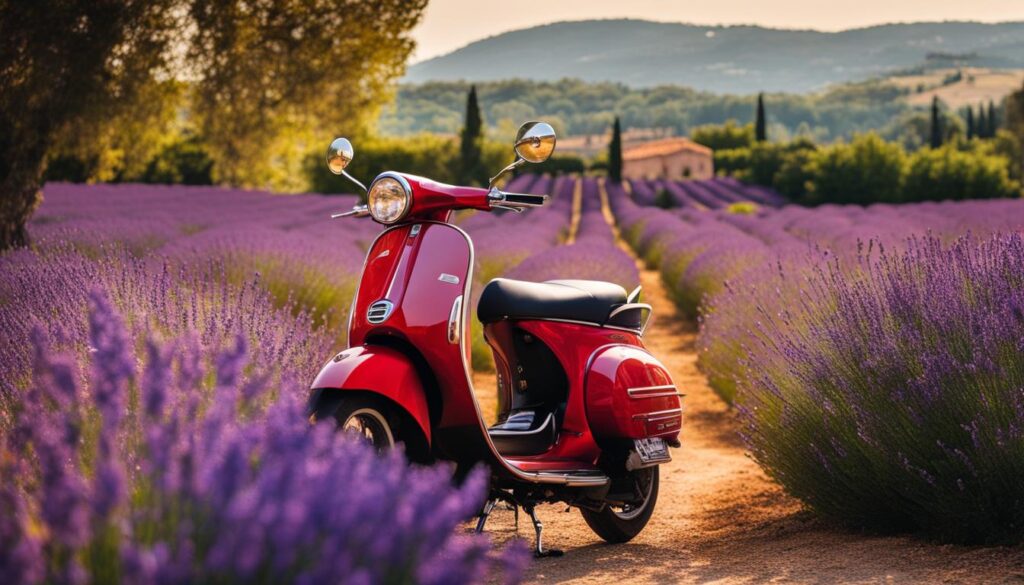
Provence occupies the southeastern corner of France, stretching from the Rhône valley to the Italian border and the Mediterranean coast. The region’s lavender fields peak from late June to mid-July, centered on the Valensole Plateau near Manosque. Hotels and gîtes average €85-160/night, with the most sought-after properties in hillside villages like Gordes booking months in advance in summer.
The best areas to stay in Provence
| Area | Description | Avg. nightly rate (2026) |
|---|---|---|
| Aix-en-Provence | University city with a tree-lined cours Mirabeau, Cézanne’s studio, and easy day trips to the Valensole lavender plateau and Gorges du Verdon. The most practical Provence base. | €100-160 |
| Avignon | Walled medieval city with the Palais des Papes and a prestigious July theater festival. Good base for Châteauneuf-du-Pape wine routes and the Luberon villages. | €90-145 |
| Saint-Rémy-de-Provence | Van Gogh painted over 150 works here during his stay at the Saint-Paul-de-Mausole asylum. Weekly Wednesday market and easy access to Les Baux-de-Provence. | €120-200 |
| Les Baux-de-Provence | Perched medieval village with views across the Alpilles and the Carrières de Lumières multimedia art show. Very limited accommodation; most visitors come as a day trip. | €160-280 |
A car is essential for exploring rural Provence. The TGV reaches Avignon from Paris in 2h40 and Aix-en-Provence in around 3 hours, making either a practical base if you plan to rent a car on arrival and tour the countryside from there.
The French Riviera – luxury and glamour
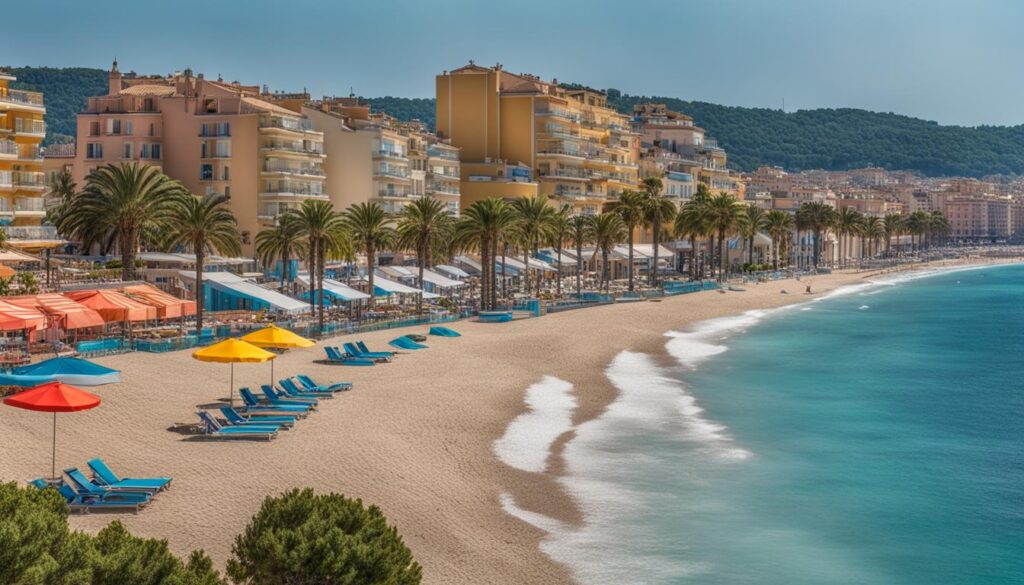
The Côte d’Azur runs roughly 115 miles from the Italian border near Menton to Toulon in the west. It is one of Europe’s most expensive coastal destinations, particularly in July and August when hotel rates can run 2-3 times the shoulder-season equivalent. Nice is the most practical base, with an international airport and trains connecting directly to Monaco (22 min), Cannes (40 min), and Marseille (2h30).
| City/town | Key features | Recommended areas to stay | Avg. rate (2026, high season) |
|---|---|---|---|
| Nice | Promenade des Anglais, Old Town (Vieux-Nice), Matisse Museum, international airport | Le Carré d’Or, Old Town, Promenade des Anglais | €130-280 |
| Cannes | International Film Festival (May), La Croisette beachfront, luxury shopping | La Croisette, Le Suquet | €180-400+ |
| Saint-Tropez | Pampelonne Beach clubs, yacht harbor, designer boutiques | Quartier de la Ponche, port area | €250-600+ |
| Monaco | Monte Carlo Casino, Formula One Grand Prix circuit, Prince’s Palace | Monte Carlo (separate principality) | €300-800+ |
Budget travelers on the Riviera do significantly better in Antibes or Juan-les-Pins, where summer hotel rates run €100-160/night compared to €180+ in central Nice. Both towns have beach access and regular train service to Nice and Cannes, making them solid lower-cost alternatives during the peak July-August season.
The Loire Valley – châteaux and vineyards
The Loire Valley stretches 280 kilometers across central France and contains over 300 châteaux, the highest concentration in Europe. UNESCO designated the entire valley a World Heritage Site in 2000. Château de Chambord, built for François I from 1519, has 420 rooms and a famous double-helix staircase attributed to Leonardo da Vinci. Hotels in the valley average €75-150/night.
Best areas to stay in the Loire Valley
| Area | Highlights | Avg. nightly rate (2026) |
|---|---|---|
| Amboise | Château d’Amboise and Clos Lucé, the last home of Leonardo da Vinci from 1516 until his death in 1519. Compact, walkable town on the Loire riverbank. | €90-140 |
| Tours | The valley’s largest city with TGV service from Paris in 55 minutes. Good restaurant concentration and a Saturday market near the Halles de Tours. | €80-130 |
| Saumur | Hilltop château and the Cadre Noir national equestrian school. Center of Saumur sparkling wine and Saumur-Champigny red wine production. | €75-120 |
| Chinon | Medieval town where Joan of Arc identified the Dauphin Charles VII in 1429. Strong local wines and a well-preserved old town along the Rue Haute-Saint-Maurice. | €70-110 |
Things to do in the Loire Valley
- Visit Château de Chambord, the largest Loire château, with 420 rooms and a double-helix staircase across a 77-square-kilometer estate.
- Take a hot air balloon over the valley at sunrise with operators including France Montgolfières, from €195-250/person.
- Explore Tours and its Gothic Cathédrale Saint-Gatien, built across four centuries from 1170 to 1547.
- Taste Chinon reds and Vouvray whites at estate cellars along the wine route between Tours and Chinon.
- Cycle the Loire à Vélo trail, a 900-kilometer signed route following the river between Cuffy and Saint-Brevin-les-Pins.
Normandy – history and natural beauty
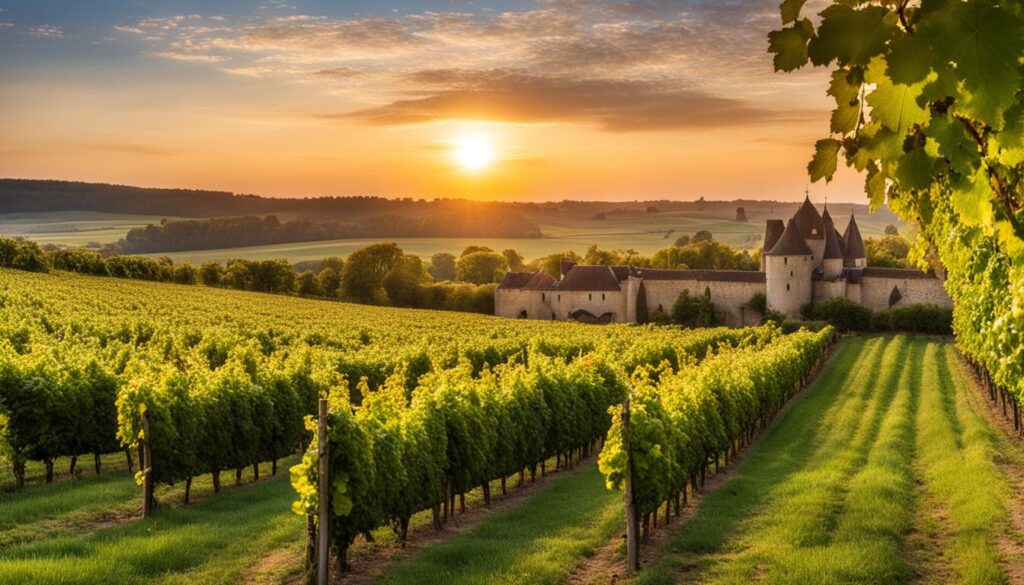
Normandy covers France’s northwest coast from the Cotentin Peninsula to the chalk cliffs above Étretat. The region is most visited for the D-Day landing beaches (Utah, Omaha, Gold, Juno, and Sword) from June 6, 1944, and the island abbey of Mont-Saint-Michel, which receives 3 million visitors annually. Hotels here average €65-110/night, making it one of France’s best-value touring regions.
| Area | Best for | Attractions | Avg. nightly rate (2026) |
|---|---|---|---|
| Bayeux | History, D-Day, couples | Bayeux Tapestry Museum (11th-century, 70 meters long), Notre-Dame Cathedral, 15-minute drive to Omaha Beach | €70-110 |
| Etretat | Nature, coastal scenery | White chalk cliffs (Falaises d’Amont and Aval), coastal walking trails, Jardins d’Etretat | €85-140 |
| Honfleur | Artists, romantics | Vieux Bassin harbor, Sainte-Catherine’s Church (15th-century all-wood construction), Eugène Boudin Museum | €90-150 |
Bayeux is the practical base for D-Day history touring: it’s 15 minutes from Omaha Beach, close to the American Cemetery at Colleville-sur-Mer, and has multiple guided tour operators running daily. Mont-Saint-Michel is 90 minutes from Bayeux by car; most visitors make it a day trip rather than staying in the causeway hotels, which charge significantly more for the island location.
The French Alps – adventure and scenic beauty
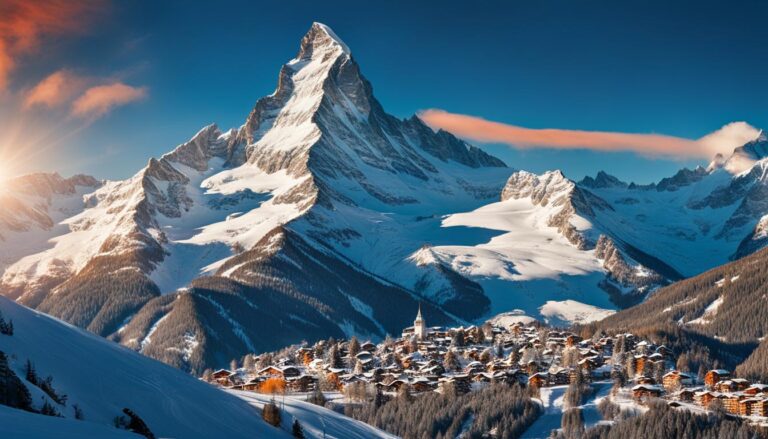
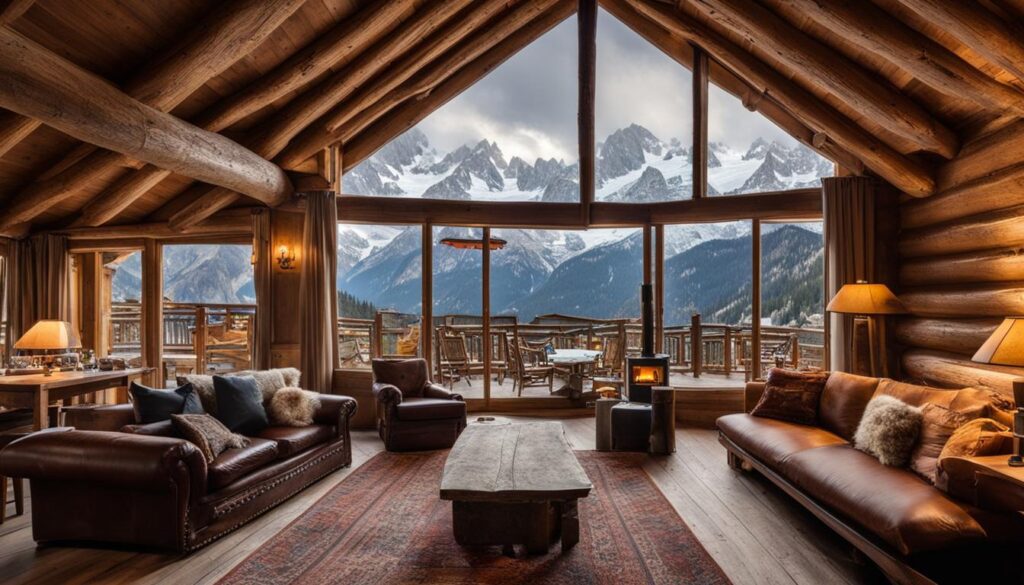
The French Alps run along the Swiss and Italian borders, covering some of Western Europe’s highest terrain. Chamonix sits at the base of Mont Blanc (4,808 meters, the highest peak in Western Europe) and is the center of the region’s mountaineering heritage. Alpine hotel prices peak in winter ski season (December-March) and summer hiking season (July-August), with significant off-season discounts in May and October.
| Area | Highlights | Avg. nightly rate (2026, peak season) |
|---|---|---|
| Chamonix | Access to Mont Blanc via the Aiguille du Midi cable car (3,842m). Headquarters of the UTMB ultramarathon and world-class skiing in the Grands Montets area. | €120-250 |
| Val d’Isère | Over 300 kilometers of ski runs in the Espace Killy area, shared with Tignes. One of France’s most prestigious ski resorts. | €150-350 |
| Les Deux Alpes | Glacier skiing available year-round on the Girose Glacier. Good range of summer hiking and winter ski options for mixed-ability groups. | €100-200 |
| Annecy | Alpine lake town with a medieval old town and Lac d’Annecy, one of Europe’s clearest lakes. A more year-round destination than ski-focused resorts. | €95-175 |
Bordeaux – wine and gastronomy
Bordeaux is the capital of France’s Gironde department and the center of one of the world’s most studied wine regions. The city’s vineyards produce over 700 million bottles per year across appellations including Médoc, Saint-Émilion, Pomerol, and Graves. The city’s 18th-century architectural ensemble was awarded UNESCO World Heritage status in 2007. Central Bordeaux hotels average €85-145/night.
Saint-Pierre
Saint-Pierre is Bordeaux’s historic core, built around the Place du Parlement and the Église Saint-Pierre. Its cobblestone streets contain a high concentration of Bordeaux’s best wine bars and restaurants. The Marché des Capucins food hall is a 10-minute walk away and opens Tuesday through Sunday from 6am.
Chartrons
Chartrons is a former wine-merchant district along the Garonne River that has evolved into Bordeaux’s creative neighborhood. Wine négociants have operated here since the 17th century, and today the area also has contemporary galleries and the Sunday Marché des Chartrons antiques market, running from 9am to 1pm. Hotels average €90-135/night.
Quinconces
Quinconces surrounds one of Europe’s largest public squares (12 acres) and contains Bordeaux’s most upscale hotels. It’s one tram stop from Gare Saint-Jean (TGV to Paris in 2h04) and central to the Miroir d’Eau reflecting pool on the waterfront. The area suits those prioritizing proximity to Bordeaux’s formal wine institutions and grand architecture.
| Area | Pros | Cons | Avg. nightly rate (2026) |
|---|---|---|---|
| Saint-Pierre | Historic center, best restaurants and wine bars, walkable to key sights | Limited parking, weekend noise | €95-145 |
| Chartrons | Riverside location, wine merchants, creative atmosphere, antiques market | 15-minute walk from Gare Saint-Jean | €90-130 |
| Quinconces | Upscale hotels, close to waterfront, tram access to train station | More expensive, fewer budget options | €120-180 |
Frequently asked questions
What is the best area to stay in Paris for first-time visitors?
Saint-Germain-des-Prés and the Marais are the best areas for first-time visitors to Paris. Both neighborhoods place you within walking distance of the Louvre, Notre-Dame Cathedral, and the Seine, with strong restaurant concentrations and good metro connections. Mid-range hotels in these areas run €150-230/night as of 2026, with slightly more affordable options in the upper Marais (3rd arrondissement).
How much does it cost to stay in France per night?
Hotel costs in France vary significantly by region. Paris mid-range hotels average €150-250/night in 2026. Provincial cities like Lyon, Bordeaux, and Strasbourg run €85-140/night. The French Riviera costs €130-300/night in summer and drops 30-40% from October to April. Normandy and the Loire Valley offer the best value, with quality mid-range hotels from €70-120/night year-round.
What is the cheapest region to stay in France?
Normandy and the Loire Valley are consistently France’s most affordable regions for accommodation. Towns like Bayeux, Chinon, and Saumur offer well-located hotels from €65-110/night year-round. The Alsace region around Strasbourg and Colmar is similarly priced, except during the December Christmas market season when rates rise 50-80% due to high demand.
Where should I stay in France for wine tourism?
Bordeaux and the Loire Valley are France’s top wine tourism bases. Bordeaux has 18 appellations within day-trip range, including Saint-Émilion (45 minutes by car), with wine-tasting bars in the Chartrons district within walking distance of most hotels. The Loire Valley’s Chinon and Saumur appellations are most accessible from Tours, which has TGV service from Paris in 55 minutes.
Is Nice or Cannes better for a first visit to the French Riviera?
Nice is the better base for most first-time Riviera visitors. It has an international airport, more hotel choices across a wider price range, and train connections to Monaco (22 min), Antibes (25 min), and Cannes (40 min). Cannes makes sense if the Film Festival or a specific luxury property is the primary reason for the visit; otherwise Nice offers more versatility at lower cost.
Do I need a car to travel around France?
A car is essential for rural regions like Provence, the Dordogne, and most of Normandy, but unnecessary for travel between major cities. France’s TGV network connects Paris to Lyon (2h), Bordeaux (2h04), Nice (5h30), and Strasbourg (1h46). A practical approach: take the TGV between cities and rent a car for 2-3 days at each base to explore the surrounding countryside.
What is the best season to visit France?
May through June and September through October are generally the best months to visit France. Spring and fall avoid peak summer crowds and hotel pricing spikes, while still offering reliable weather across most regions. Provence lavender peaks from late June to mid-July. The Alps are worth visiting in both winter (December-March for skiing) and summer (July-August for hiking), though prices peak in both seasons.