Valletta: Is It a UNESCO World Heritage Site?
Ever thought about how a city can hold centuries of history in just 55 hectares? Valletta, Malta’s capital, is a perfect example. It has an amazing 320 monuments that show its deep history and architecture. Founded in 1566 by the Knights of St John, this city is a treasure trove of heritage.
Let’s dive into the question: Is Valletta a UNESCO World Heritage Site? We’ll look at the criteria and how it gets this honor. You’ll see the layers of Valletta’s history and culture.
Introduction to Valletta
Valletta is a Valletta historical site and the capital of Malta. It was founded by the Knights of St John in 1566. This city is famous for its rich history and art.
It’s built on a peninsula and has over 320 historic monuments. These show off different architectural styles like Baroque and Neo-classical. The city’s design is inspired by the Renaissance, blending beauty with practicality.
Valletta is home to many cultural institutions. The Manoel Theatre and the National Museum of Fine Arts are just a few examples. The University of Malta, founded in 1592, shows the city’s dedication to education.
The city has a small population of about 5,784 people, as of 2011. It’s one of the smallest capitals in the world. Despite damage in World War II, Valletta has been rebuilt to keep its historical charm.
Valletta is more than just a city. It’s a living story of Malta’s history, captivating both visitors and locals.
Historical Significance of Valletta
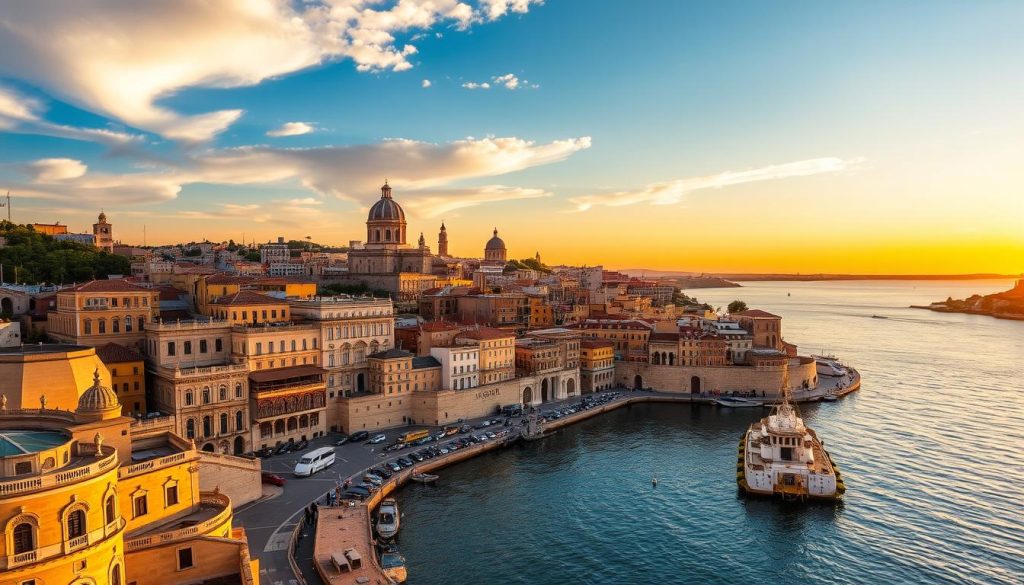
Valletta, a UNESCO World Heritage Site since 1980, showcases Malta’s rich history. It was built by the Order of St John after the 1565 Siege of Malta. This city was designed as a military stronghold, with advanced urban planning and defense.
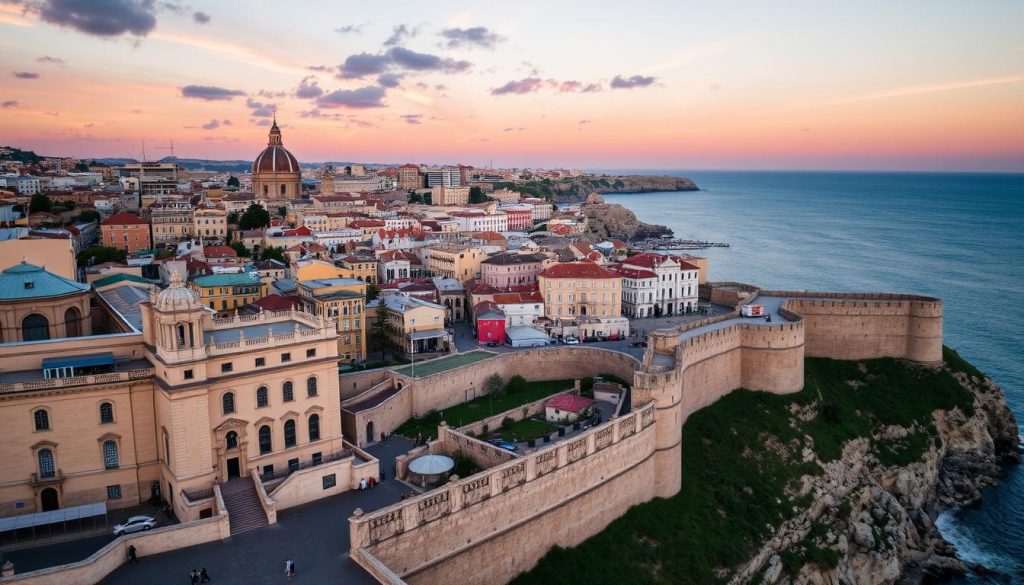
The city’s streets are filled with Baroque architecture, like St. John’s Co-Cathedral and the Grandmaster’s Palace. These buildings tell the story of the Order’s impact on European history. Valletta stands as a symbol of strength, with its fortifications and bastions overlooking the Grand Harbour.
Valletta has seen many important events over the years. It was a safe haven during World War II and has adapted to modern times. Understanding its history helps us see the efforts to preserve it and the challenges it faces.
| Key Historical Events | Significance |
|---|---|
| 1565 Siege of Malta | Led to the need for a fortified city, prompting Valletta’s establishment |
| UNESCO Inscription (1980) | Recognized Valletta’s outstanding universal value as a heritage site |
| World War II Bombardment | Highlighting the city’s strategic importance and fostering community resilience |
| Modern Developments | Proposed projects aimed at enhancing cultural experiences while raising conservation concerns |
Is Valletta a UNESCO World Heritage Site?
Valletta is a gem in Malta and a UNESCO World Heritage site. This honor shows its deep cultural and historical value. The path to this recognition was detailed, highlighting the city’s beauty and military history.
The Recognition Process
In 1980, Valletta was nominated for UNESCO World Heritage status. A team of experts worked on a management plan. They did research, held meetings, and sent reports to UNESCO.
After careful review, UNESCO added Valletta to its list. This recognized its unique value to the world.
Criteria for World Heritage Status
Valletta got its status for meeting UNESCO’s criteria. It shows Criterion (i) with its late Renaissance design and architecture. Criterion (vi) notes its ties to the Knights of St John.
Its fortified walls and many monuments also played a big role. These features make Valletta a World Heritage site.
Valletta’s Unique Cultural Landscape
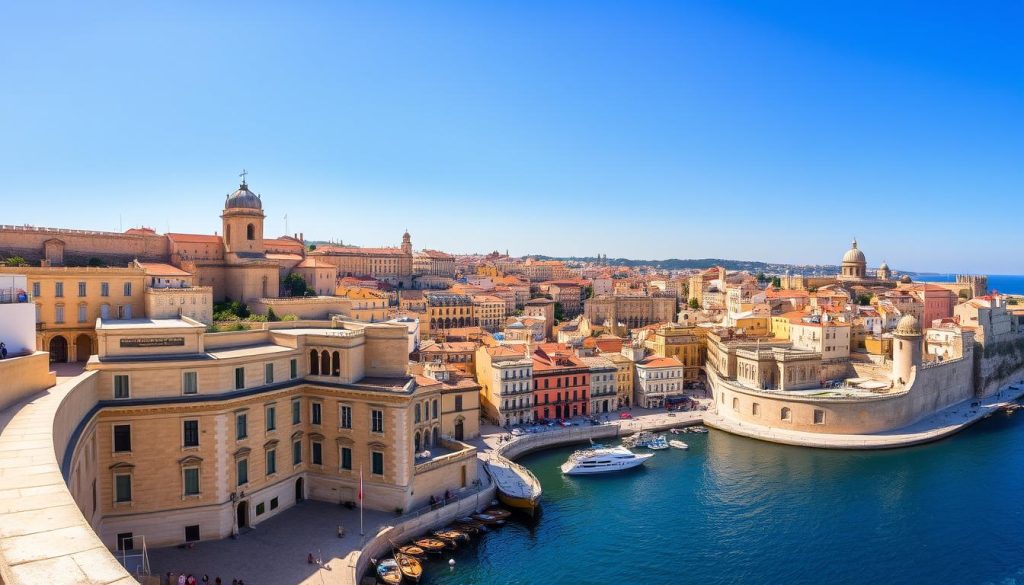
Valletta is a Valletta cultural landmark with a mix of architectural styles. It shows the city’s growth over time. With over 320 monuments, it blends Renaissance, Baroque, and Neoclassical styles. This mix, along with its unique layout, tells the story of Maltese history and culture.
Being a Valletta UNESCO site highlights its global importance. It’s crucial to keep it for future generations. Since 2011, there have been efforts to protect it. Recently, work has focused on managing height controls to keep its beauty.
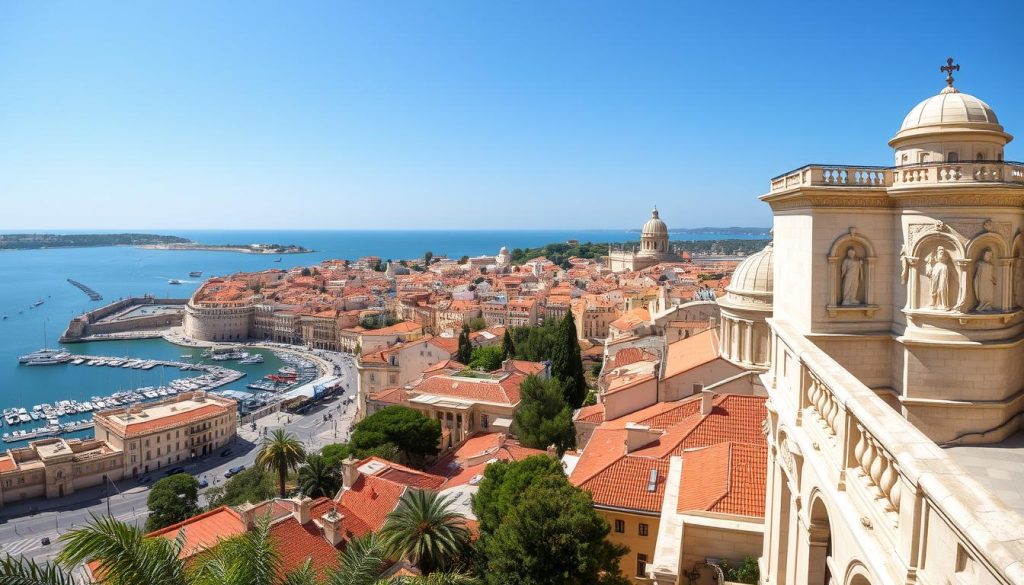
Valletta draws both historians and tourists. Places like St John’s Co-Cathedral and the Grand Master’s Palace are must-sees. They show stunning architecture and house important artworks and artifacts. These sites are key to understanding the city’s past and its current culture.
| Key Features | Description |
|---|---|
| UNESCO World Heritage Status | Valletta has been recognized for its unique cultural landscape since 1980. |
| Architectural Styles | A mixture of Renaissance, Baroque, and Neoclassical influences can be seen throughout the city. |
| Monuments | Over 320 monuments, including St John’s Co-Cathedral and the Grand Master’s Palace. |
| Conservation Efforts | Management plans have faced delays, with new updates expected by the end of 2024. |
| Key Attractions | Visitors can explore vibrant frescoes, historical artifacts, and breathtaking views. |
Valletta continues to evolve, keeping its cultural significance. It remains a top spot for those interested in Malta’s history.
Notable Monuments in Valletta
Valletta is a city filled with history. It has many monuments that show its rich culture and past. These landmarks are key parts of the Valletta historical site. You should see St. John’s Co-Cathedral and The Grandmaster’s Palace.
St. John’s Co-Cathedral
St. John’s Co-Cathedral is a beautiful example of Baroque architecture. Its inside is full of detailed chapels and amazing artwork, including Caravaggio’s pieces. This place reminds us of the Knights of St John’s power.
Visiting this cathedral lets you dive into Valletta’s art and history.
The Grandmaster’s Palace
The Grandmaster’s Palace was the Knights of St John’s home. Now, it’s the President of Malta’s office. It has old armories and big halls that are still in great shape.
Walking through this palace connects you to the Knights’ history. It’s a must-see in Valletta’s World Heritage sites.

| Monument | Significance | Architectural Style |
|---|---|---|
| St. John’s Co-Cathedral | Baroque masterpiece and a symbol of the Knights’ power | Baroque |
| The Grandmaster’s Palace | Historical residence and current Presidential office | Neoclassical |
World Heritage Listing and Valletta’s Features
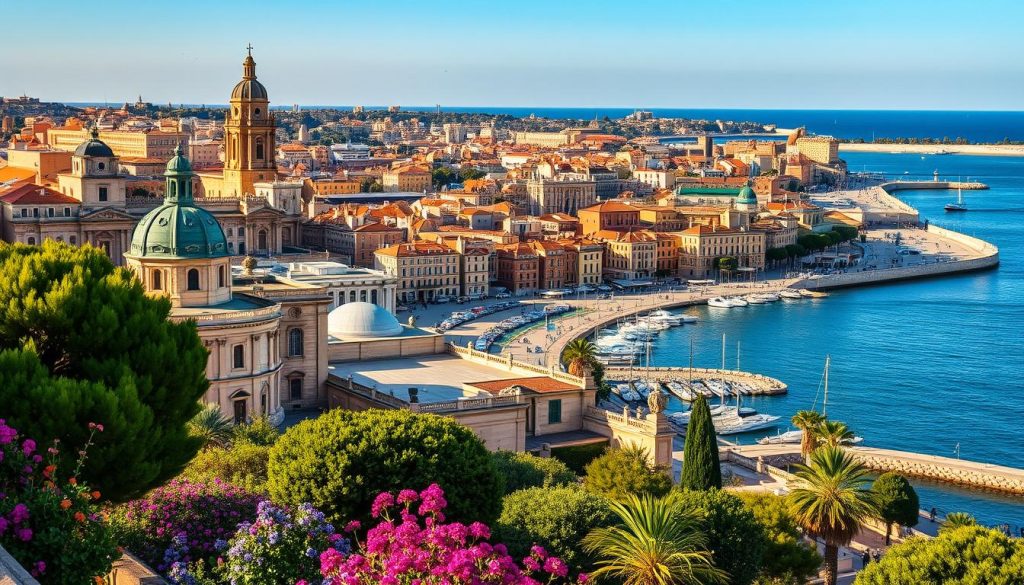
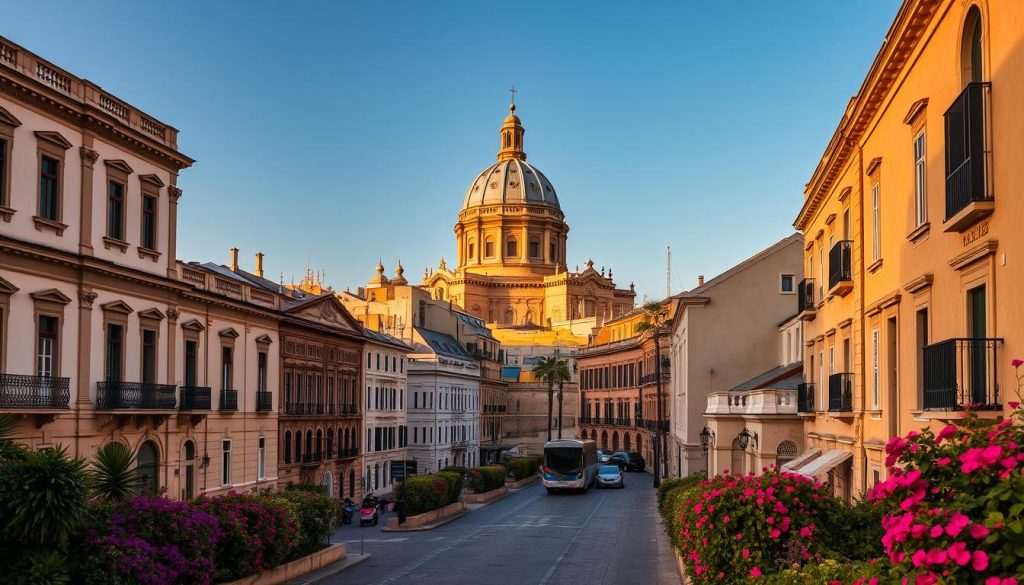
Valletta is a UNESCO World Heritage Site, known for its unique architecture and culture. It shows a mix of military and religious buildings, showing its past importance. The city’s design is clear in its baroque old town, with its beautiful streets and detailed stone work.
Valletta is famous for its amazing monuments. St John’s Co-Cathedral is a work of art and architecture. It also has Caravaggio’s “The Beheading of St John the Baptist.” The cathedral’s designs from the 16th and 17th centuries show the skill of European artists.
The city keeps its original layout and fortifications, which is key to its UNESCO status. Modern spaces like the Malta International Contemporary Art Space (MICAS) blend with history. Artists like Conrad Shawcross create pieces that make us think about time and space, adding to Valletta’s cultural richness.
Valletta is one of Malta’s three UNESCO World Heritage Sites. Its buildings tell the story of a bustling port city. They show the city’s dedication to keeping its culture alive for the future.
The Role of the Knights of St John
The Knights of St John were key in making Valletta what it is today. They arrived in Malta in 1530 and worked for nearly three centuries. They built the city to protect it from invaders.
They planned the city’s layout and built strong walls. This shows their focus on defense and their goals.
Over two centuries, they built a huge network of walls around Valletta. This system, about 25 kilometers long, includes famous spots like Fort St Elmo. It shows how military design changed over 400 years.
Many famous engineers helped design these walls. They used new ideas in building fortifications.
The Knights did more than just build walls. They also made watchtowers along the coast and inland. Today, 320 monuments in a small area show their work. Places like Auberge de Castille and Auberge de Provence are examples.
In 1980, UNESCO named Valletta a World Heritage Site. This honor shows its cultural and architectural value. It highlights the city’s role in the Mediterranean.
The Knights’ mix of military skill and cultural growth is still seen today. Valletta remains a significant part of world heritage.
| Impact of the Knights of St John | Details |
|---|---|
| Years of Occupation | 1530 – 1798 (268 years) |
| Notable Fortifications | Fort St Elmo, Fort Ricasoli, Fort St Angelo |
| Watch Towers Constructed | 31 coastal and several inland towers |
| Monuments in Valletta | 320 monuments within 0.55 sq km |
| UNESCO Recognition Year | 1980 |
Conservation Efforts in Valletta
Valletta’s rich heritage needs protection to keep its UNESCO site status. This is crucial for preserving its cultural value. The ongoing conservation efforts face many challenges, needing new solutions and commitment.
Government Initiatives
The Maltese government has set up laws to protect Valletta’s cultural treasures. The Antiquities Law of 1925 is one such law. It safeguards monuments and offers financial help for preservation.
The Environment Protection Act and the Cultural Heritage Act also support these efforts. They help regulate development within the UNESCO World Heritage site.
Preservation of Historic Buildings
Restoring historic buildings in Valletta is a big task. European Union funds help a lot with these projects. The Valetta Rehabilitation Project, started in 1987, focuses on keeping the city’s architecture intact.
Despite the efforts, the project must work with limited resources. It aims for minimal intervention. Now, it faces challenges like needing a detailed development plan and better training for conservation experts.
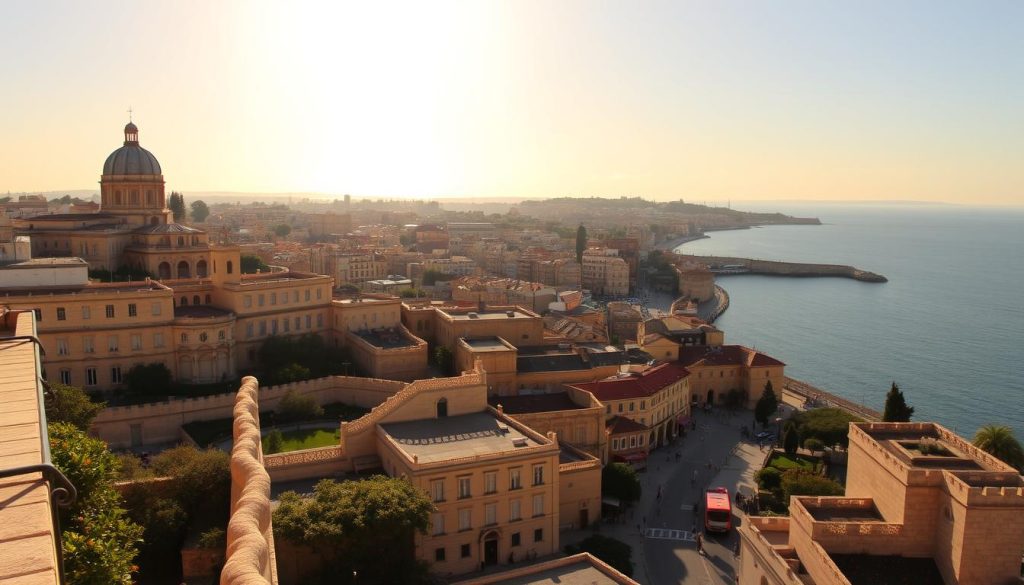
As more people visit Valletta, finding a balance is key. We must protect the city’s heritage while supporting its economy. This way, Valletta can remain a UNESCO World Heritage site for years to come.
| Year | Tourist Arrivals (%) | Real Expenditure Change (%) |
|---|---|---|
| 2019 | 100% | 0% |
| 2023 | 108.3% | -2.3% |
Visitor Experience and Access
Valletta is a top spot for tourists wanting to learn about its history and culture. It boasts over 320 monuments, earning it a UNESCO World Heritage status. Exploring these sites gives you a deep look into Malta’s rich heritage.
The city is easy to get to, with many ways to travel. A drive from the airport to Valletta takes about 25 minutes, depending on traffic. From Sliema, a water taxi ride is 15 minutes, while driving takes 25 minutes. The bus ride is around 35 minutes.
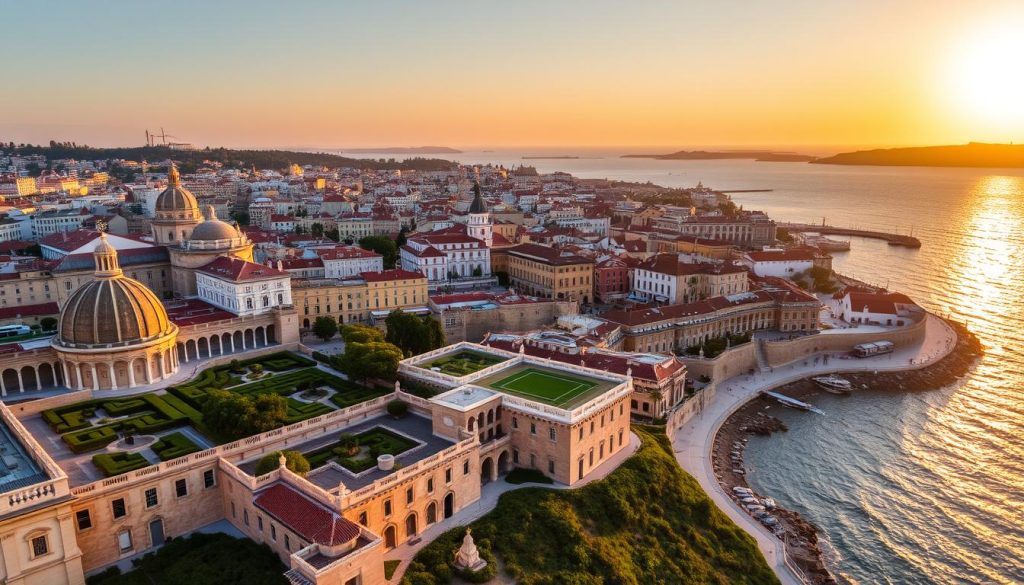
Visiting Valletta for two days is ideal. You can see its museums, restaurants, and historical sites. These places show European history and add to Valletta’s lively vibe. Walking tours let you see places like St. John’s Co-Cathedral and the Grandmaster’s Palace.
Valletta is also a key stop for Mediterranean cruises. It welcomes thousands of visitors each year. The city hosts many cultural events and festivals. Guided tours can make your visit even more meaningful.
| Travel Option | Estimated Time |
|---|---|
| Car from Airport | 25 minutes |
| Water Taxi from Sliema | 15 minutes |
| Car from Sliema | 25 minutes |
| Bus from Sliema | 35 minutes |
With your plans set, Valletta is ready to show you its history and culture.
Conclusion
Valletta is a UNESCO World Heritage Site, showing its deep cultural and historical value. Since 1980, it has been known for its amazing architecture. It mixes Baroque, Mannerist, and Neo-Classical styles, drawing in visitors.
The city’s buildings tell stories of Maltese history and its importance in the Mediterranean. Conservation efforts keep Valletta a key educational spot. It helps us understand Malta’s past.
Walking through Valletta, you’ll see history at every turn. From St. John’s Co-Cathedral to the Grand Harbour, each spot is a masterpiece. These buildings, from the 17th and 18th centuries, show the city’s grand past and the Knights of St. John’s impact.
Valletta is also growing its cultural scene. It’s working to keep its traditions alive, like the Maltese Feast and language. Your visit will make you appreciate its art and connect you to Malta’s enduring legacy.