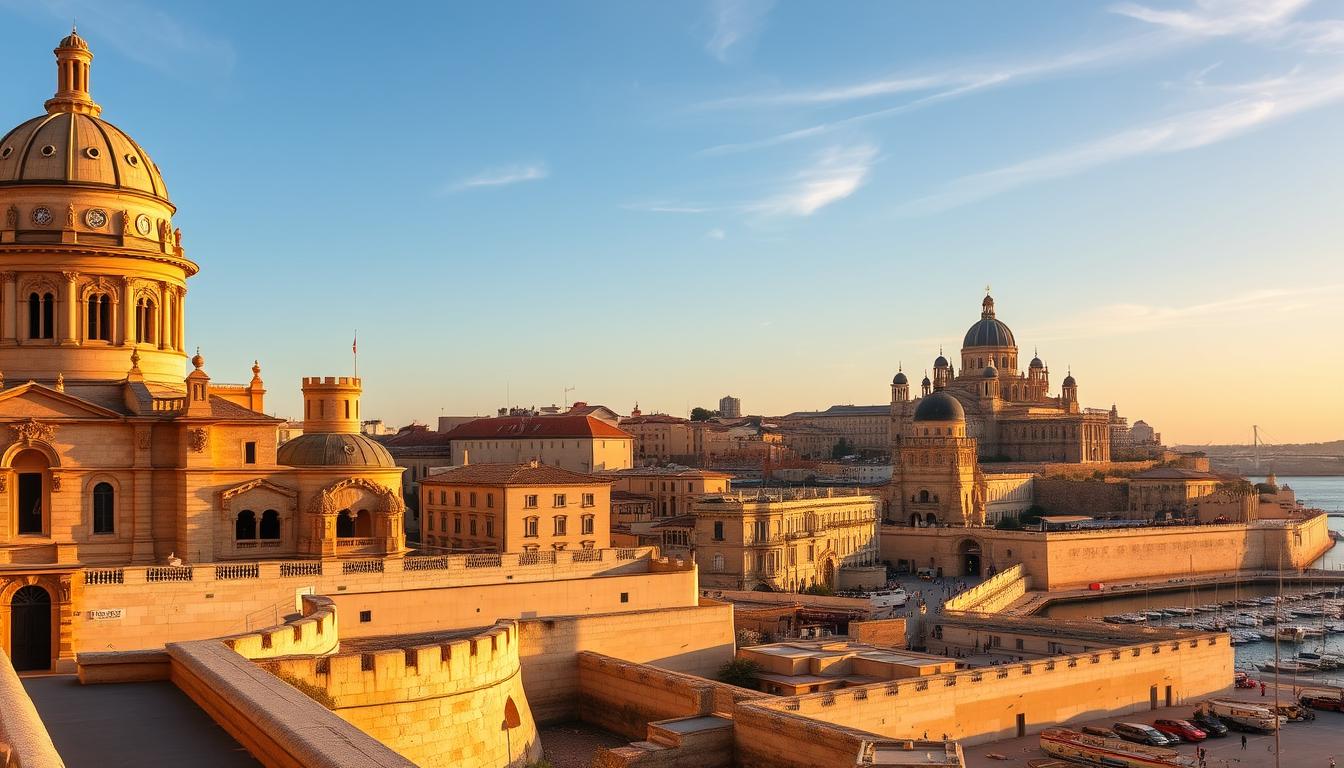
Top Must-See Historical Sites in Valletta
Ever wondered what secrets Valletta, Malta’s capital, holds? Its history goes back to 5900 BC. This UNESCO World Heritage Site is full of historical sites that tell stories of ancient times. From Malta’s first people to the Knights of St. John, each site shows Valletta’s lively past.
Walking through Valletta, you’ll see amazing architecture and history. It’s a city that shows the Roman Empire’s legacy and huge fortifications against invaders. Let’s explore the key places that show Valletta’s deep history and its impact on the Mediterranean.
Introduction to Valletta’s Rich History
Valletta, Malta’s capital, has a rich history since its founding in 1566 by Grand Master Jean Parisot de Valette. It was built after the Great Siege of 1565. The Knights of St. John fought hard to create a strong base against the Ottoman Empire.
The city grew fast, becoming a center of power, culture, and military strategy. It thrived under the Knights from 1530 to 1798.
Visiting Valletta lets you explore its history through many unique sites. Over 300 monuments are found in this small area, making it a UNESCO World Heritage Site. The streets are filled with beautiful architecture, showing off the island’s past.
Places like St. John’s Co-Cathedral and the Grand Master’s Palace make Valletta tourism popular. Visitors are amazed by the art and architecture that show Malta’s culture. Valletta was named a World Heritage Site in 1980 and was the European Capital of Culture in 2018.
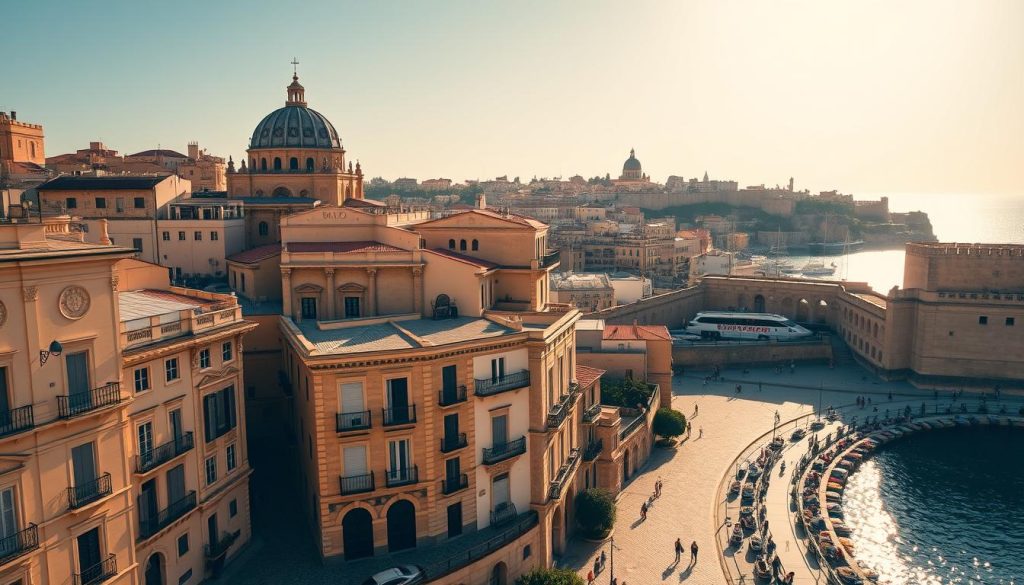
Walking through the streets, you’ll hear stories of bravery, art, and devotion. From the George Cross for World War II bravery to the Knights of Malta, Valletta is a living museum. It fascinates everyone who visits.
What historical sites are must-see in Valletta?
Valletta is a city filled with history and culture. It has many historical sites that show its rich past. You’ll see landmarks that show the unique styles and influences of the Knights of St. John.
The city’s monuments date back to the 16th century. This shows the historical significance of Valletta.
Overview of Valletta’s historical significance
The city was built from 1565 to 1571 after the Great Siege. During the Knights of St John’s rule, Valletta became a center of power and culture. It has 320 monuments in a small area, making it very historically dense.
Some notable sites include:
- Saint John’s Co-Cathedral – built from 1573 to 1578, a Baroque masterpiece.
- The Grand Master’s Palace – shows the Knights’ power, built in the 16th century.
- The National Museum of Archaeology – has artifacts from Malta’s prehistoric eras.
Why these sites are essential visits
Visiting these sites is a treat for the eyes and a deep dive into Malta’s history. Each site tells a story of Malta’s past. It shows the social, political, and religious life of the island.
By seeing these landmarks, you understand Valletta’s history and its impact on Mediterranean culture. It’s a chance to see how history shapes a city.
| Historical Site | Construction Year | Significance |
|---|---|---|
| Saint John’s Co-Cathedral | 1573-1578 | Baroque masterpiece with significant religious art |
| Grand Master’s Palace | 16th Century | Symbol of Knights’ power and governance |
| National Museum of Archaeology | 1998 (reopened) | Presents prehistoric artifacts dating back to 5200 BC |
Saint John’s Co-Cathedral
Saint John’s Co-Cathedral is a masterpiece of Baroque architecture in Valletta. It was finished in 1577. Its beautiful façade and lavish interior attract visitors worldwide.
The cathedral’s decorations tell the Knights of St. John’s story. A stunning marble floor marks the resting place of about 400 knights.
Architectural features and Baroque interior
Inside St. John’s Co-Cathedral, the high Baroque design is breathtaking. The High Altar, made in the 17th century, is a gold, silver, and bronze masterpiece. It’s covered in vivid gems.
Each chapel dedicated to a knight adds to the cathedral’s grandeur. It’s an architectural wonder that deserves to be seen.
Significant artworks by Caravaggio
The cathedral is famous for its Caravaggio artworks. The standout is “The Beheading of St. John the Baptist,” painted in 1608. It shows a powerful moment with deep emotion.
“St. Jerome Writing” also showcases Caravaggio’s talent. Each artwork in St. John’s Co-Cathedral offers a glimpse into the artist’s genius. It’s a treat for art and history lovers.
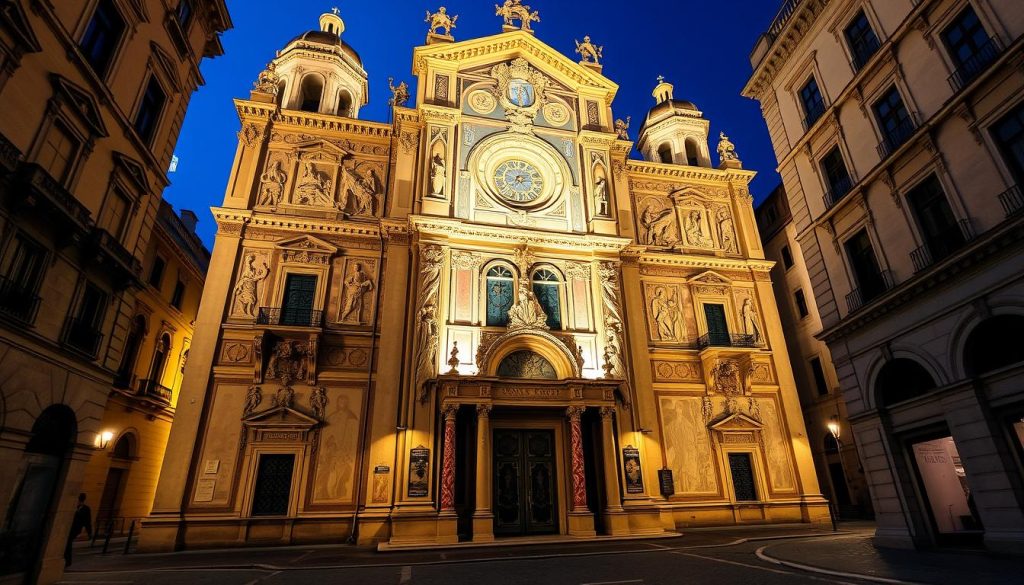
Grand Master’s Palace: A Symbol of Power
The Grand Master’s Palace is a symbol of the Knights of St. John’s power. It was built early in Valletta’s history and became the Grand Master’s home in 1574. This palace has seen many important events, making it a key part of Valletta’s history.
Its architecture shows off different styles, telling the story of Valletta’s culture and history. It’s one of the most important historical landmarks in Valletta.
History of the Grand Master’s residence
Francesco Laparelli designed the Grand Master’s Palace. It was more than a home; it was the Knights’ center of power. The palace’s grand design shows Malta’s military history and the Knights’ impact on the island.
Exploring the Palace Armoury
The Palace Armoury Valletta is at the palace’s heart. It’s one of Europe’s best collections of arms and armor. You’ll see swords, shields, and cannons, all from the Knights’ battles.
This collection gives a peek into Malta’s military history. It’s a must-see for anyone visiting. You’ll see historical artifacts in Valletta that tell stories of bravery and resilience.

| Year | Event | Description |
|---|---|---|
| 1570 | Capital Designation | Valletta named capital of Malta |
| 1574 | Palace Completion | Grand Master’s Palace established |
| 1980 | UNESCO Recognition | Valletta designated a UNESCO World Heritage site |
| 1731-32 | Manoel Theatre Built | Historic landmark in Valletta |
Visiting the Grand Master’s Palace and its Armoury gives a deep look into Malta’s history. It shows the lasting impact of the Knights of St. John.
Upper Barrakka Gardens: A Stunning Viewpoint
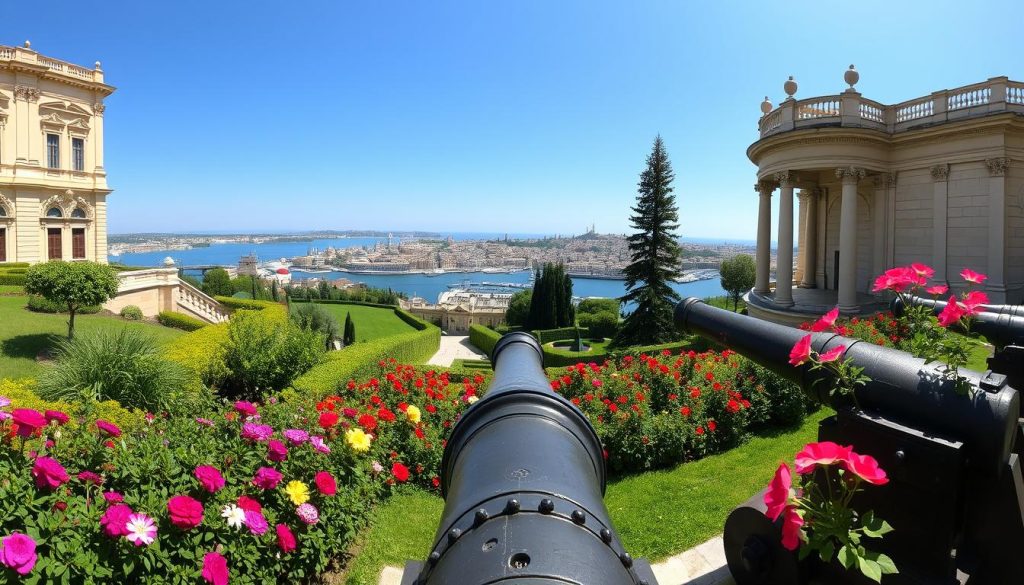
The Upper Barrakka Gardens were started in the 16th century. They sit at the top of Valletta’s city walls. These gardens offer amazing views that draw both visitors and locals.
You can see beautiful landscaping, semi-circular arches, and Mediterranean plants. These features show off Valletta’s architectural history.
Historical context and purpose of the gardens
First, the gardens were a private spot for the Knights of St. John. Now, they are a famous historical garden in Valletta. They offer a calm place to relax and see *one of the best views in the world*.
This view includes the Grand Harbour, the Three Cities, and the shipyard. It shows the beauty of combining nature and history in the Upper Barrakka Gardens.
Saluting Battery and its daily cannon salute
The Saluting Battery Valletta is next to the gardens. It hosts daily events in Valletta. At noon and 4 PM, a *cannon salute in Valletta* happens.
This salute honors Valletta’s maritime history. It also gives visitors a peek into Malta’s military past. It’s a special experience for history lovers and casual visitors alike.
| Feature | Description |
|---|---|
| Location | Highest point in Valletta, overlooking the Grand Harbour |
| Historical Background | Established in the 16th century by the Knights of St. John |
| Architecture | Semi-circular arches, Mediterranean greenery, and statues |
| Saluting Battery | Fires daily cannon salutes at noon and 4 PM |
| Accessibility | Free entrance with a lift connecting to Lower Barrakka Gardens |
National Museum of Archaeology
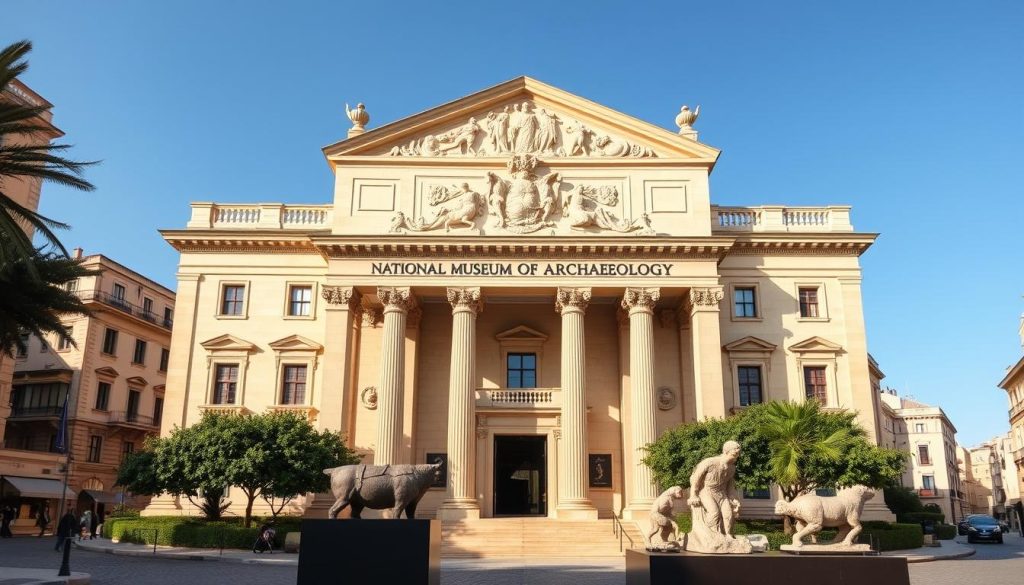
The National Museum of Archaeology Valletta showcases Malta’s rich past. It houses a vast collection of prehistoric artifacts from the Neolithic to Phoenician eras. As you wander through, you’ll dive into the archaeology history of Valletta. You’ll see how the island was key in ancient civilizations.
Artifacts from Malta’s prehistoric eras
The museum’s exhibits go back to 5,200 B.C. They give us a peek into the lives of Malta’s earliest people. You’ll see the enigmatic Sleeping Lady and ornaments from UNESCO World Heritage Sites. These pieces are crucial for understanding early Maltese cultures.
Understanding Malta’s ancient civilizations
Archaeology tours in Valletta let you delve into the cultural background of these artifacts. The Bronze Age Hall shows items from newcomers around 2400 BC. The Phoenician Hall displays beautiful pottery and jewelry. Each piece reveals the social and cultural life of ancient Malta.
Fort St. Elmo and the National War Museum
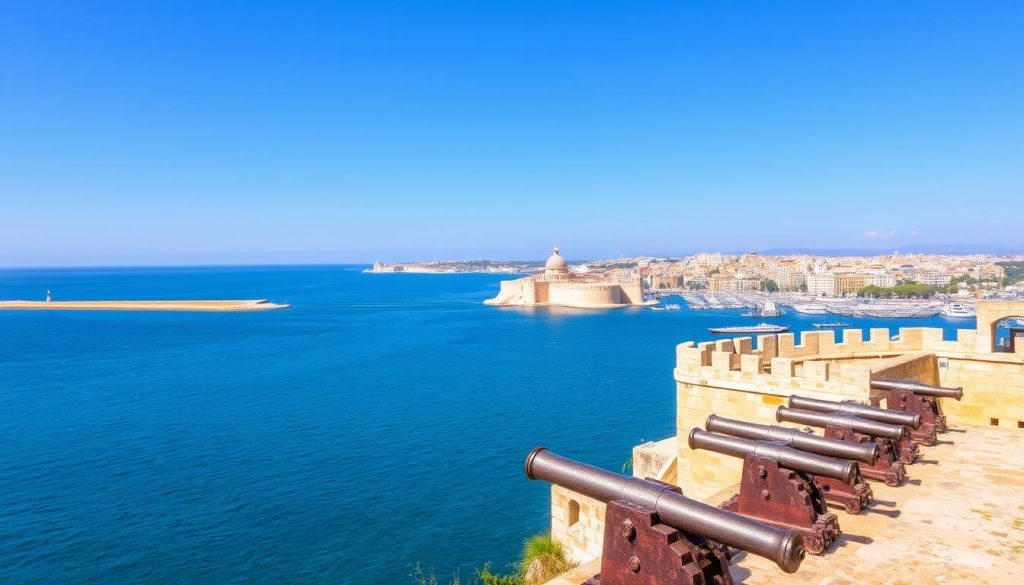
Fort St. Elmo is a symbol of Malta’s military strength and strategic importance. It was key during the Great Siege of Malta in 1565. Now, it’s home to the National War Museum Valletta. This museum explores Malta’s military history and displays many artifacts from its wars.
Historical role during the Great Siege
The Great Siege of Malta was a pivotal moment in the island’s history. Fort St. Elmo was crucial in defending against the Ottoman forces. Its location helped the Knights of St. John win the siege after months of fighting.
Important military exhibits on display
The National War Museum Valletta showcases a wide range of exhibits in Fort St. Elmo. It includes items from the Bronze Age to modern times. Highlights include a Gloster Gladiator biplane and a Willys Jeep used by famous military leaders.
These exhibits tell the story of Malta’s role in World War II. They show how Malta was an important base for the Allies. Visitors can see the courage of those who protected the island, making it a top military history museum in Malta.
The National Library of Malta
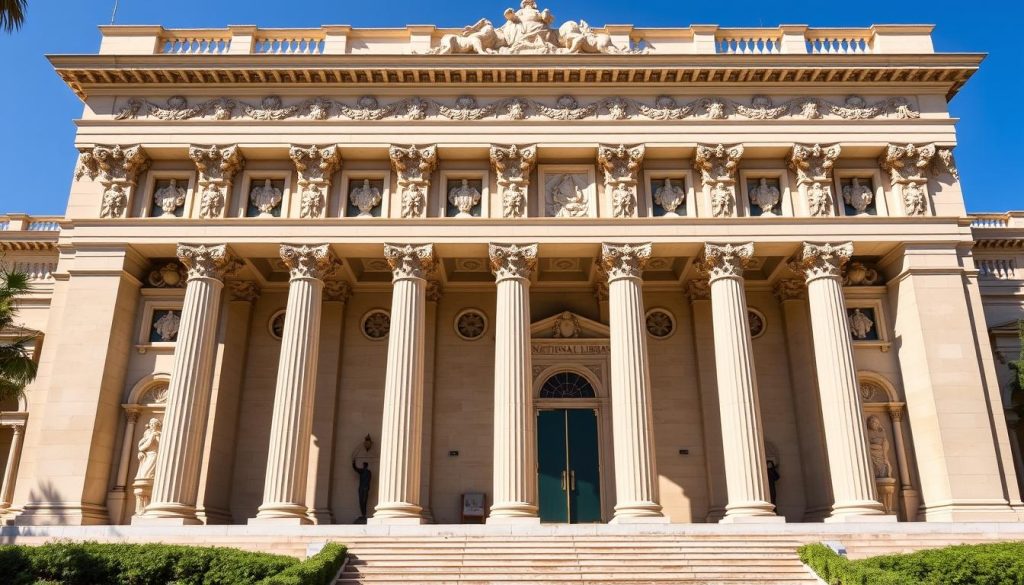
The National Library of Malta was finished in 1776. It’s a stunning example of neoclassical architecture in Valletta. Its beautiful outside and large inside make it a key place for learning and culture. Though it’s mainly for researchers, its collections offer a peek into Malta’s literary and political history.
Architectural highlights and collection overview
This building is a masterpiece of design from its time. The National Library is famous for its vast collections. These include rare manuscripts, historical documents, and important texts about Malta’s past.
The design is meant to make you think and appreciate. The books inside remind us of Malta’s rich intellectual history.
Significance of historical archives
The National Library’s archives are crucial for research in Valletta. They have many documents about Malta’s history and culture. These archives show how important libraries are for learning and research in Malta.
Casa Rocca Piccola: A Glimpse into Nobility
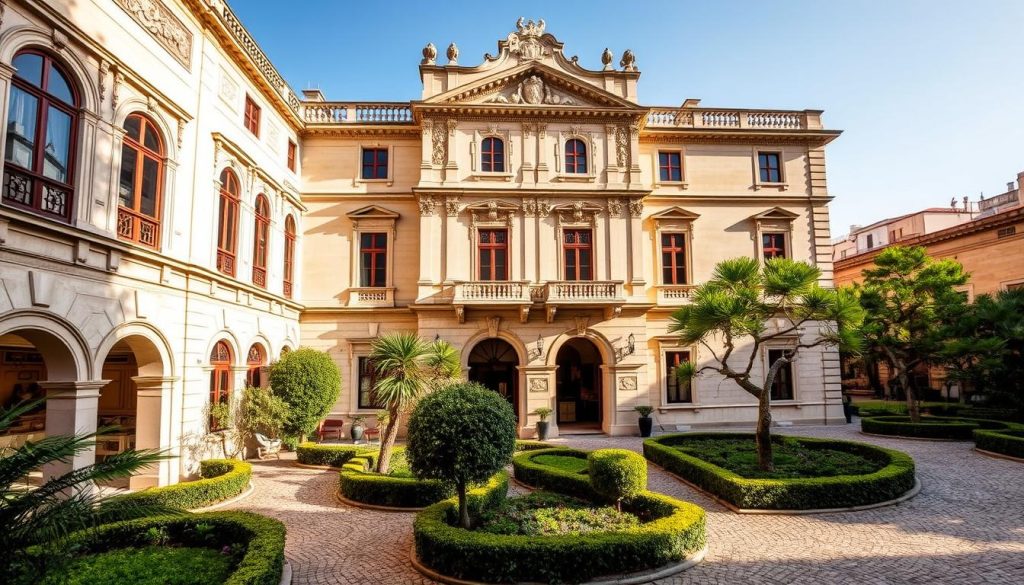
Visiting Casa Rocca Piccola gives you a peek into the lives of Malta’s nobility. This grand palazzo, built in 1580, shows off the luxury of 16th-century noble homes in Malta. As you explore, you’ll see historical items that tell the story of noble family history Malta and the de Piro family’s long stay here.
Touring the inhabited palazzo
Your tour of Casa Rocca Piccola takes about 45 minutes. It’s guided in English every hour. You can also use an audio tour app in several languages, including French, Italian, Spanish, and German. This makes it a top choice for historical tours in Malta and easy for many to enjoy. The palace is mostly wheelchair friendly, so everyone can see its history.
Historical artifacts and family legacy
On your visit, you’ll see artifacts in Casa Rocca Piccola like traditional Maltese clocks, European paintings, and old furniture. The collection highlights Casa Rocca Piccola history and offers interesting views into life under the Knights. You’ll also learn about the two bomb shelters that saved over 100 lives in World War II. Each room, from the Chinese Room to the peaceful garden, brings the de Piro family’s legacy to life, deepening your understanding of noble palaces in Valletta.
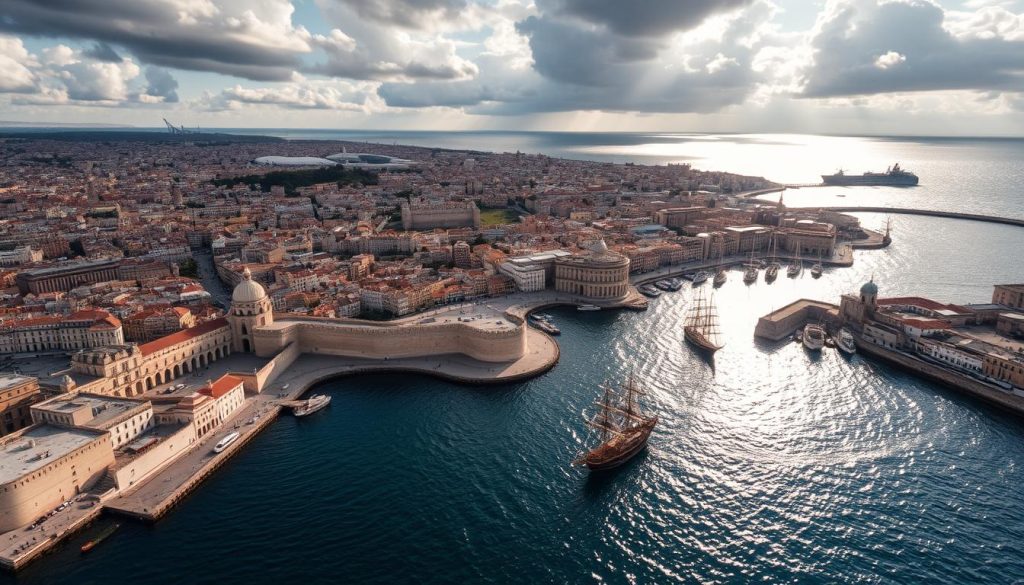
Visiting Valletta’s Grand Harbour
The Grand Harbour is key to Malta’s maritime history. It shows how important Valletta was for ships and trade. You’ll see its role in the Great Siege and World Wars. The harbour is a mix of natural beauty and history.
The significance of the harbour throughout history
Valletta’s waterfront is more than pretty views. It tells stories of Malta’s fight to survive. The harbour, now a UNESCO World Heritage site, has seen many battles and trade. Walking here, you feel the past, with echoes of sailors who sailed these waters.
Exploring the surrounding fortifications
Walking through Valletta, notice the amazing fortifications. Places like Fort Sant Angelo show Malta’s military history. Each stone has a story of battles and defense.
Exploring the waterfront, you’ll find sites like the Lascaris War Rooms and the Saluting Battery. They show how the Maltese protected their home.
Conclusion
Exploring Valletta reveals a city rich in history and culture. It’s filled with sites that show Malta’s strength and beauty. You’ll see grand buildings and museums that tell the city’s story.
St. John’s Co-Cathedral is a must-see, with its stunning Baroque design and art. The National Museum of Archaeology shares ancient tales. Each visit brings you closer to this special place.
Don’t miss the Upper Barrakka Gardens for the noon cannon salute. It’s a nod to Valletta’s military past. Try local food and enjoy live music in places like Strait Street to dive into the culture.
Relax at a cozy cafe or taste wines at Legligin. Valletta’s streets are full of stories and heritage. With your travel guide, explore and learn about this city’s history and hospitality.