Explore Valletta’s Architecture: Best Viewing Tips
Have you ever wondered how a city can pack over 300 monuments into such a small area? Valletta, Malta’s capital, is a living museum. It was founded by the Knights of Malta in 1566. The city’s baroque buildings, narrow streets, and golden limestone façades make it unique.
This guide will help you appreciate Valletta’s rich history. You’ll learn the best ways to see its architectural sights. Whether you’re new here or coming back, you’ll find something special.
Understanding Valletta’s Architectural Heritage
Valletta’s architecture shows a rich history with many cultural influences. This small city, known for its Valletta architecture, is tiny but packed with 320 monuments. As you explore, you’ll see buildings for different uses, making the city diverse and interesting.
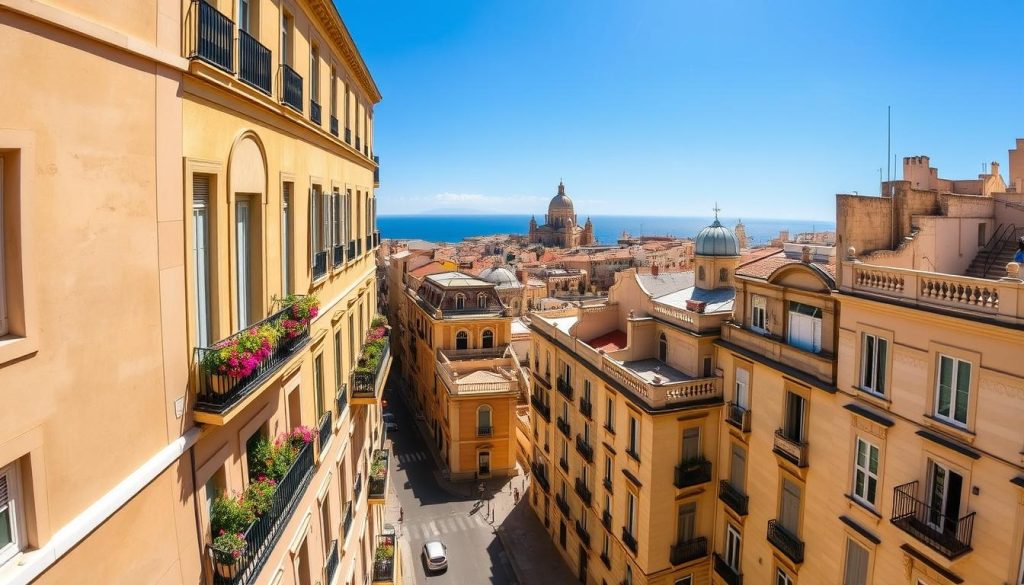
The city was founded in 1566 with a unique layout inspired by ancient ideas. Its skyline still looks like it did in the 16th century. Valletta’s walls and fortifications, including four bastions and two cavaliers, highlight its historical importance.
Valletta is famous for its many churches, one for every two hundred people. This shows the city’s deep religious roots.
Today, Valletta is protected by laws to keep its World Heritage status. These rules, made in 2002, help the city stay true to itself. Walking through Valletta, you can see how its architecture tells a story of survival and change over the centuries.
The Role of Knights of Malta in Valletta’s Design
The Knights of Malta started building Valletta in 1566. This was after they successfully defended against the Ottoman Turks. The city was designed by Francesco Laparelli, using a grid pattern.
This design made the city strong and helped with the hot Maltese summer. It was a smart move for defense and comfort.
The Knights of Malta had big dreams for Valletta. They built bastions, churches, and palaces. These show their power and vision.
These buildings are full of details that show their grandeur. They give you a special Valletta architectural experience. You can see:
- Bastions designed for defense
- Baroque churches underlining religious fervor
- Palaces showcasing the nobles’ status
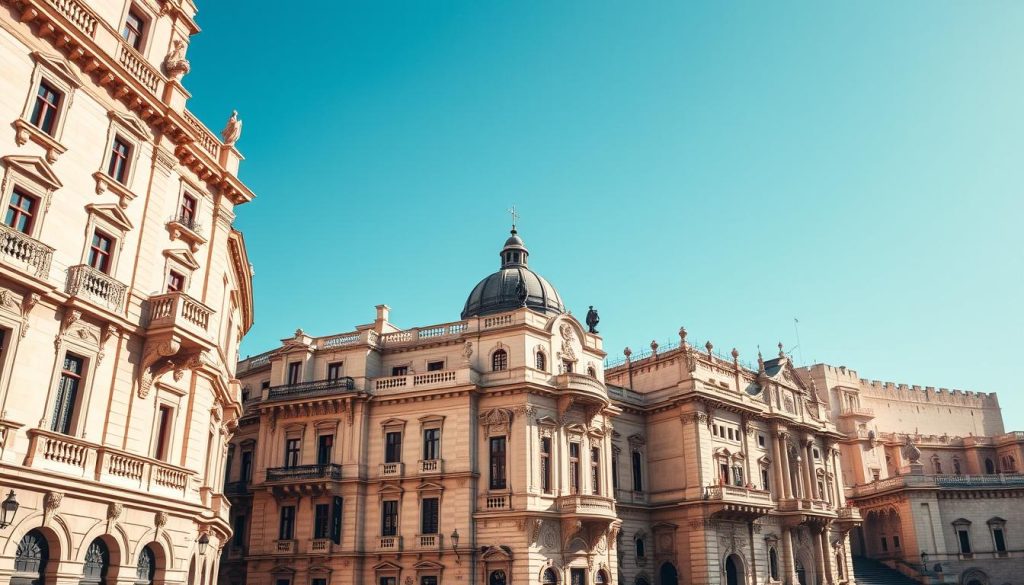
St. John’s Co-Cathedral is a top example of Baroque architecture. It’s a key Valletta historical site. Exploring it, you’ll see how the city’s design connects to its history.
| Architectural Element | Significance | Location |
|---|---|---|
| Bastions | Provide defense against invaders | Valletta coastline |
| Baroque Churches | Reflect religious architecture and artistry | Throughout Valletta |
| Palaces | Showcase the opulence of the Knights | Central Valletta |
Visiting Valletta lets you see the Knights of Malta’s lasting impact. They left a mark that makes the city vibrant and unique.
What is the best way to see Valletta’s architecture?
Exploring Valletta’s architecture is a memorable experience. You can see the city’s stunning structures in several ways. A Valletta walking tour lets you explore the city’s narrow streets and appreciate its architectural details.
Guided tours highlight significant landmarks. They offer expert insights that deepen your understanding of Valletta’s architectural marvels.
Choosing Between Walking Tours and Guided Tours
When it comes to Valletta architecture tours, you have two options. Guided tours offer a comprehensive overview led by knowledgeable guides. They share anecdotes and historical context.
These tours cover key sites like St. John’s Co-Cathedral and the Grandmaster’s Palace. They are great for those seeking in-depth information about each landmark.
A Valletta walking tour, on the other hand, lets you explore at your own pace. You can linger longer at sites that interest you. You can also discover hidden gems throughout the city.
Whichever option you choose, Valletta’s unique architectural highlights will leave you in awe.
Self-Guided Exploration: Tips and Tricks
If you prefer a more independent approach, self-guided exploration is rewarding. Here are some tips:
- Utilize maps or mobile applications to identify essential architectural sites.
- Schedule breaks at charming cafes to rest and soak in your surroundings.
- Begin your day early to avoid crowds at popular attractions.
- Seek out less-known architectural treasures to enjoy a more tranquil atmosphere.
This method allows for a tailored Valletta architectural sightseeing experience. It reveals the heart and soul of Malta’s capital at your own rhythm.
Must-See Valletta Architectural Landmarks
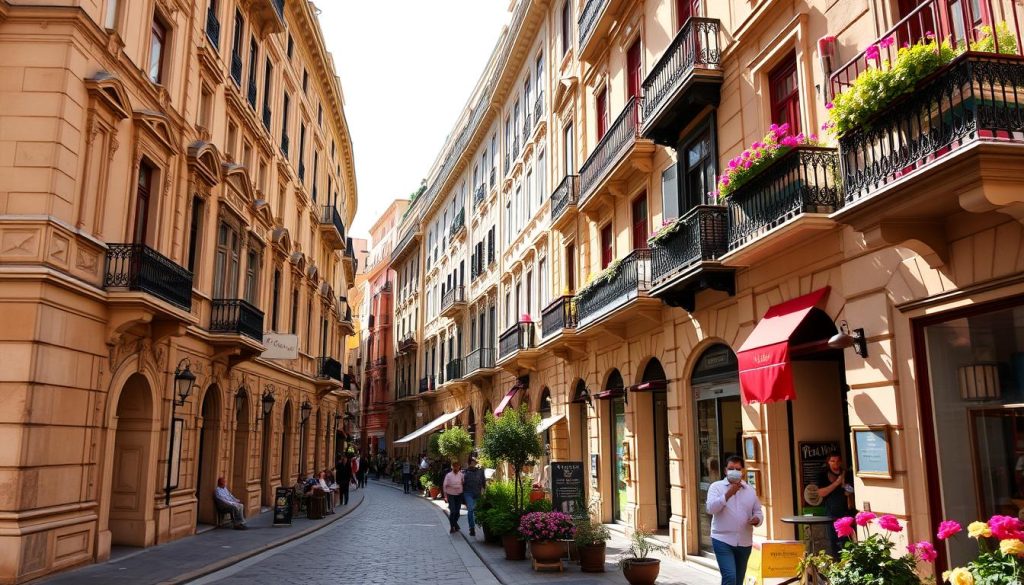
Exploring Valletta reveals many architectural landmarks that share its rich history. The city is famous for its Baroque buildings, showing its connection to the Knights of Malta. You must see St. John’s Co-Cathedral and the Grandmaster’s Palace. Each landmark offers a glimpse into Valletta’s past and its architectural beauty.
St. John’s Co-Cathedral: A Baroque Masterpiece
St. John’s Co-Cathedral is a prime example of Baroque architecture in Valletta. Finished in 1577, it boasts intricate artwork, like the Beheading of Saint John the Baptist by Caravaggio. It was first a conventual church, showing the Knights of Malta’s wealth and style. The cathedral’s interior is filled with lavish decorations and marble tombstones of the knights.
This landmark is a key religious site and a major part of Valletta’s architectural heritage.
The Grandmaster’s Palace: History and Intricacy
The Grandmaster’s Palace is a historical gem in Valletta, mixing different architectural styles. Built in the late 16th century, it was the home of the Grandmasters of the Knights of Malta. You can see its grand state rooms and the Palace Armoury, with ancient weapons and armor.
The Grandmaster’s Palace shows Valletta’s detailed history and the Knights’ impact on the city. It’s a top architectural landmark in Valletta.
Best Valletta Architecture Views
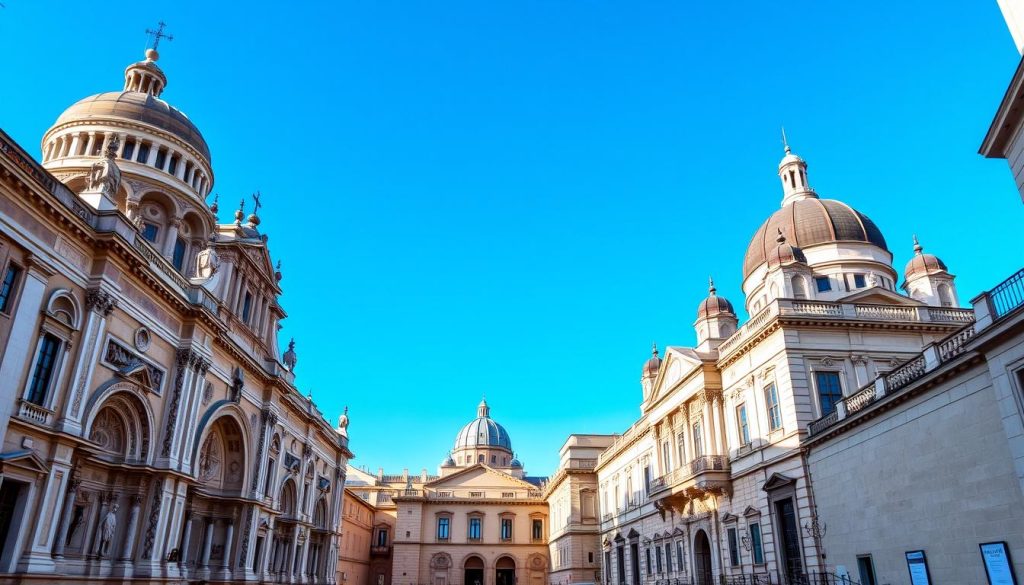
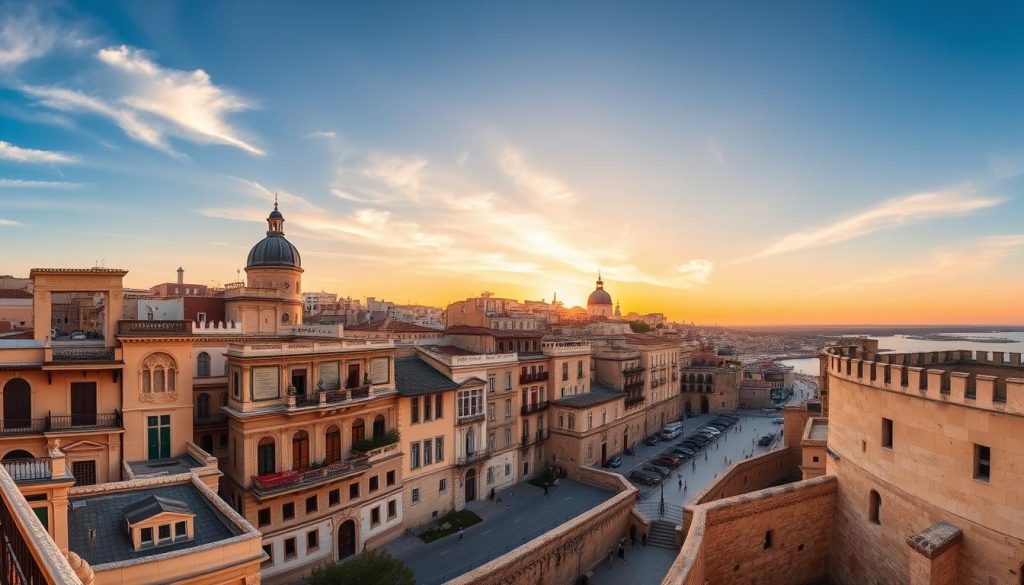
Visiting Valletta means you must see its best architecture views. It’s perfect for anyone who loves taking photos or just wants to enjoy the sights. The city has many great spots to see its beautiful buildings.
Upper Barrakka Gardens: Ideal for Sunset Photography
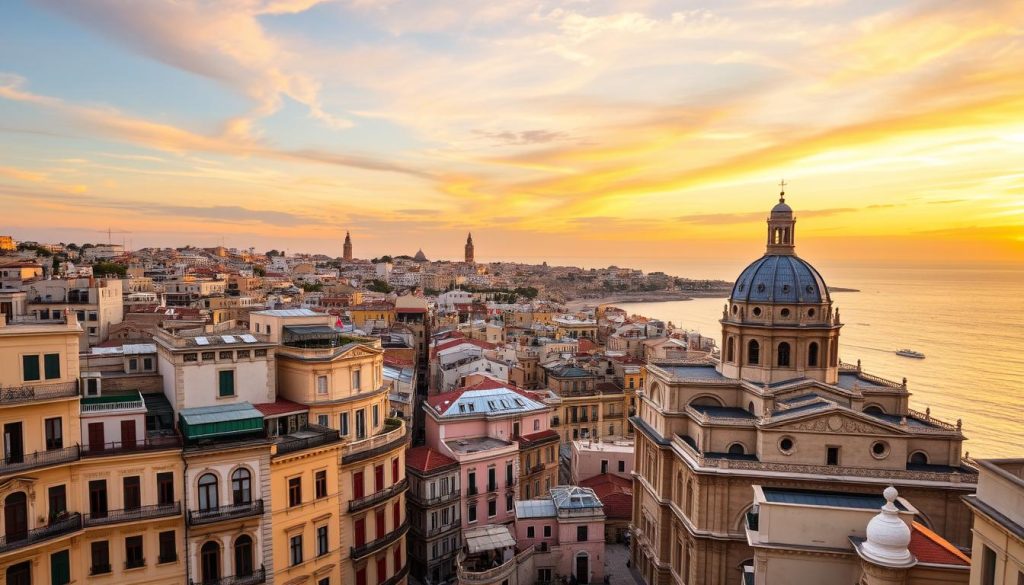
The Upper Barrakka Gardens are great for sunset photos. They offer a peaceful place to watch the sky turn colors over the Grand Harbour. The park mixes history with nature, making it a special spot for photographers.
Fort St. Elmo: Panoramic Views of the Harbour
Fort St. Elmo is a key part of Malta’s past. It gives you amazing views of the Grand and Marsamxett Harbours. You can learn about its history while enjoying the views. It’s a top place to see Valletta’s beauty.
Valletta Walking Tours: Where to Start
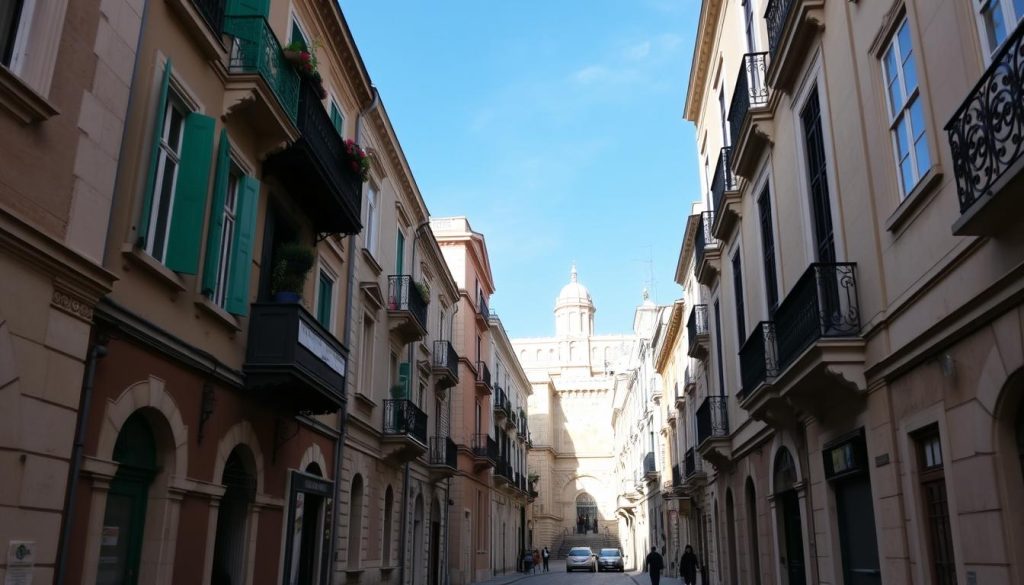
Starting your Valletta walking tour is an exciting journey through one of Europe’s most stunning cities. The City Gate and the iconic Auberge de Castille are great places to begin. They offer a perfect setting to explore Valletta’s architectural landmarks and historical stories.
Guided tours focus on key historical sights. They let you soak in the beauty and significance of the structures around you. Choosing a well-reviewed walking tour ensures a memorable experience filled with architectural insights and intriguing stories.
Comfort is important on a Valletta walking tour. The streets can be steep and uneven. So, wear suitable footwear to enhance your experience. As you walk, you’ll notice the intricate designs and craftsmanship of the buildings. They tell stories of the city’s rich history.
If you prefer a self-guided adventure, leaflet maps are available at tourist information centers. This option lets you explore at your own pace. You can still enjoy the beauty of Valletta’s architectural landmarks.
| Starting Points for Valletta Walking Tours | Features |
|---|---|
| City Gate | Central access to various sites, bustling atmosphere |
| Auberge de Castille | Historic building, picturesque views |
| St. George’s Square | Beautiful architecture, nearby attractions |
| Upper Barracca Gardens | Stunning views, perfect for a break |
Exploring Valletta’s Unique Balconies and Door Knockers
Valletta’s beauty is not just in its big buildings. It’s also in the small details like unique balconies and door knockers. These details add depth to the city’s look, showing traditions that have lasted for years. Walking through Valletta, you’ll see these special features that show off its lively culture.
The Iconic Wooden Balconies: A Cultural Symbol
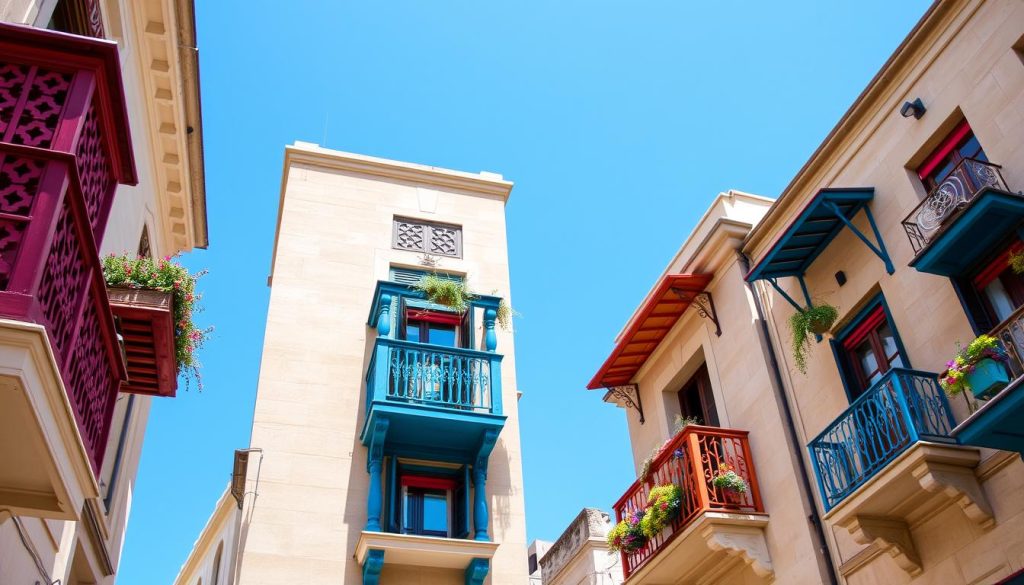
The balconies in Valletta are a cultural symbol Valletta. They show how people lived and expressed themselves. These wooden balconies, called “gallariji,” come in many styles, telling the city’s story.
On streets like Merchants Street and St. George’s Square, you’ll see many designs. Some are beautifully carved, while others are old and worn. This mix shows the city’s lively spirit.
Door Knockers: A Peek into Local Tradition
When you’re in Valletta, look for the unique door knockers on houses. These designs, often with symbols of luck and safety, give a glimpse into local customs. Like the balconies, the door knockers vary, adding to the city’s charm.
Streets like St. Ursula and Archbishop have many of these special features. They make your visit to this historic city even more meaningful.
The Influence of Various Cultures on Valletta’s Architecture
Valletta is a unique example of how different cultural influences can change architectural styles. It was built after the Great Siege of 1565. The city shows the mix of many cultures, like the Phoenicians, Romans, Arabs, Normans, and Knights of St. John.
Inside its small walls, Valletta has about 320 monuments. This makes it one of the most historic cities in the world. The city’s design shows the mix of styles, telling a unique story. You can see the impact of each era in its buildings.
Being a UNESCO heritage site, Valletta’s architecture is very important. You can explore its beauty through places like St. John’s Co-Cathedral and the Grandmaster’s Palace. This mix of influences makes Valletta beautiful and tells many stories.
Valletta’s history spans six millennia, showing its growth and change. Walking through the city, you can see how history and culture meet in its buildings. It’s a journey through time and design.
How to Capture the Best Architectural Photos in Valletta
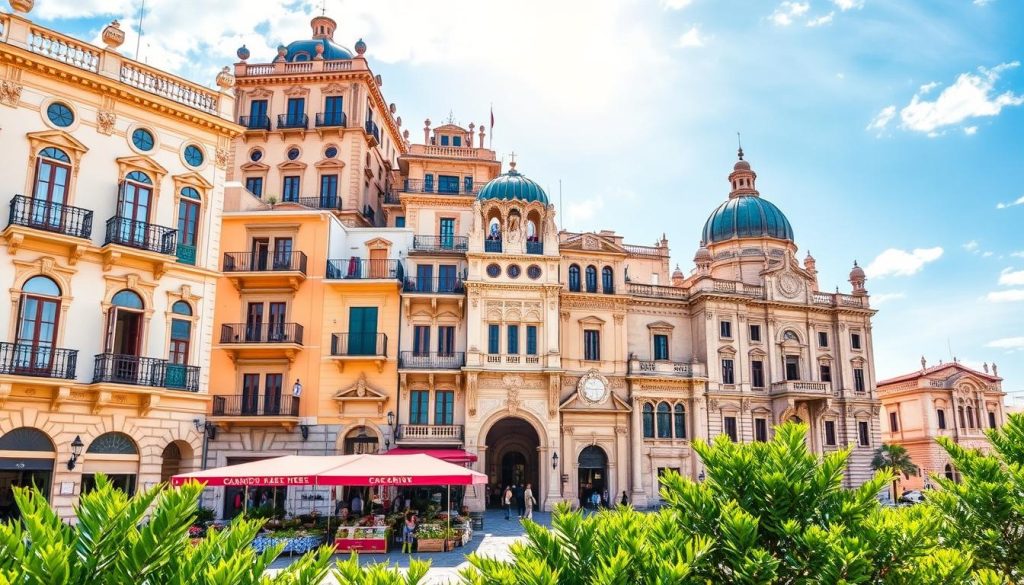
To capture Valletta’s stunning architecture, you need a plan and a keen eye. As you explore this vibrant city, look for techniques and angles that make your photos stand out. Valletta has many great spots for taking photos of its historical buildings.
Best Camera Angles and Techniques
Here are some tips for taking great photos of Valletta’s architecture:
- Shooting from a lower angle makes buildings look taller and more impressive.
- Utilizing reflections in water or glass adds beauty to your photos.
- Try different views, like framing through doorways or using plants to soften your shots.
- Go to important spots during the golden hours for the best light.
Essential Photography Tips for Beginners
Beginners can improve their photos of Valletta’s architecture with these tips:
- Use the rule of thirds to make your photos more interesting.
- Look for leading lines to guide the viewer’s eye.
- Wait for the perfect moment, whether it’s the right light or an interesting person.
- Use smartphone apps to edit your photos and make them look amazing.
Conclusion
Valletta, Malta’s capital, is a stunning mix of architectural wonders. These marvels show the rich history and culture of the area. By exploring Valletta’s architecture, you can dive deep into its beauty.
Whether you choose guided tours or go on your own, the designs will amaze you. You’ll gain deep insights into this UNESCO World Heritage site. This makes your visit even more special.
Your journey can start with famous spots like St. John’s Co-Cathedral. It’s a must-see that sets the stage for your architectural adventure. As you wander through the narrow streets, don’t forget to try the local Maltese food.
There are many cultural sites to explore, each telling a part of Valletta’s story. With a guide pointing out 11 key spots, you’ll see all that Malta’s capital has to offer.
Valletta’s charm comes from its detailed buildings and rich history. But it also offers vibrant experiences at every corner. By exploring and enjoying local flavors, you’ll leave with wonderful memories and a newfound love for its architecture.
So, get your camera ready and your walking shoes on. Start your journey through Valletta’s architecture. It’s a trip you won’t forget.