

Explore Flagstaff, Gateway to Native Reservations
Are you ready for a transformative travel experience that takes you deep into the heart of Indigenous culture? Look no further than Flagstaff, the perfect starting point for your tribal tourism adventure. Nestled in the breathtaking landscapes of Arizona, Flagstaff serves as a gateway to Native American reservations, offering you a remarkable opportunity to immerse yourself in the rich traditions and heritage of Indigenous communities.
Discover the Navajo Nation
Immerse yourself in the vibrant Navajo culture as you journey through the scenic landscapes of the Navajo Nation. This expansive reservation spans across Arizona, Utah, and New Mexico and offers a myriad of Native American experiences that showcase the rich heritage and traditions of the Navajo people.
Explore the fascinating traditions and customs of the Navajo Nation by participating in cultural immersion activities. Engage with local artisans and learn about their intricate craftsmanship in creating traditional Navajo jewelry and textiles. Experience the sacred Navajo ceremonies and rituals that have been passed down through generations, granting you a deeper understanding of Navajo spirituality and beliefs.
The Navajo culture is deeply rooted in storytelling, exemplified by the captivating narratives that are shared during guided tours and cultural events. Listen to tales of creation, heroic legends, and the history of the Navajo people, painted vividly with words that transport you to a different time and place.
“The Navajo Nation holds a profound connection to nature and the land. Through our stories, art, and ceremonies, we honor our ancestors and preserve our cultural identity.”
– Navajo Elder, Sarah Yazzie
Engaging in outdoor activities within the Navajo Nation allows you to witness the breathtaking beauty of iconic sites such as Monument Valley, Canyon de Chelly, and Antelope Canyon. These natural wonders serve as the backdrop for Navajo storytelling and provide a glimpse into the spiritual significance of these sacred lands.
Cultural Immersion Opportunities:
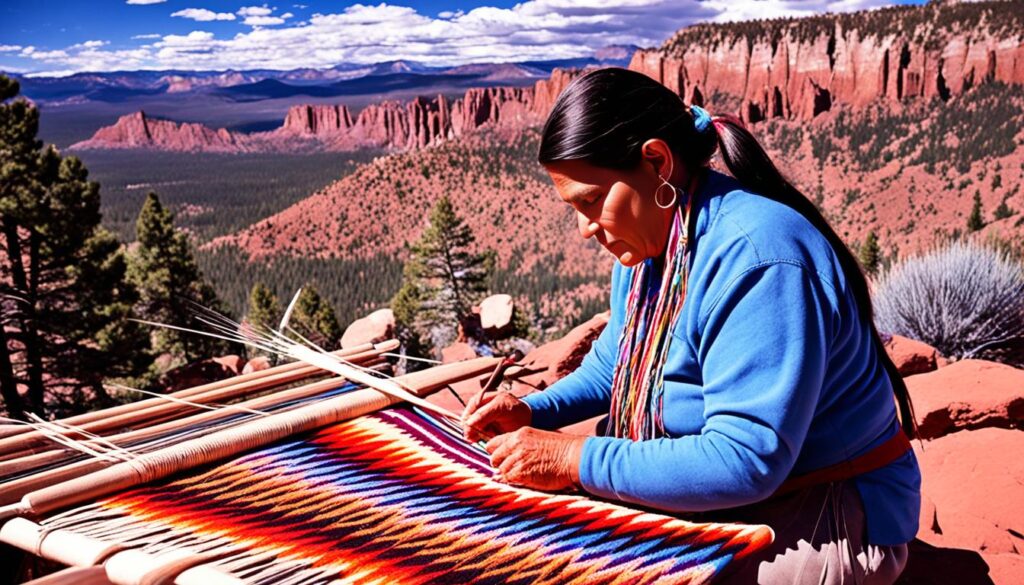
- Attend a traditional Navajo rug-weaving workshop and learn the ancient techniques handed down through generations.
- Visit the Navajo Nation Museum and explore exhibits that showcase the art, history, and culture of the Navajo people.
- Embark on a guided tour to iconic Navajo landmarks, such as Window Rock and Shiprock, while learning about their significance in Navajo folklore.
Discovering the Navajo Nation is a transformative experience that allows you to connect with the rich heritage and enduring traditions of the Navajo people. By immersing yourself in Navajo culture, you gain a deeper appreciation for the Native American experiences that shape the region.
Journey to the Hopi Reservation
Immerse yourself in the rich and vibrant indigenous culture of the Hopi Reservation. Located in northeastern Arizona, the Hopi Reservation offers a unique opportunity to experience the ancestral traditions and customs of the Hopi people. With a deep connection to their heritage, the Hopi people have preserved their indigenous culture for centuries.
On the Hopi Reservation, you can witness the unique customs and ceremonies that have been passed down through generations. From religious rituals to traditional dances, each cultural practice offers a glimpse into the Hopi way of life. The Hopi believe in maintaining harmony with the natural world and their ceremonies reflect this deep reverence for their land and environment.
One of the most fascinating aspects of the Hopi culture is their intricate art forms. The Hopi are renowned for their exquisite pottery, intricate weavings, and detailed kachina doll carvings. These art forms not only serve as a means of artistic expression but also carry deep spiritual and cultural significance. Witnessing the creation process and understanding the symbolism behind each art piece provides a profound insight into Hopi traditions.
“We are the land. To the Hopi, land is life; it is the starting point and the ending point. If you understand that, then you understand Hopi.”
As you explore the Hopi Reservation, take the time to engage with the local community members. They are eager to share their stories and traditions, welcoming visitors who approach with respect and openness. Participating in cultural immersion activities, such as traditional meals or storytelling sessions, allows for a deeper connection with the Hopi people and their way of life.
Visiting the Hopi Reservation offers a truly transformative experience. It provides a rare opportunity to witness the resilience and vibrancy of indigenous culture and gain a deeper understanding of the traditions passed down through generations. By engaging in cultural immersion, you not only contribute to the preservation of Hopi heritage but also leave with a renewed appreciation for the beauty and diversity of indigenous communities.
Exploring Hopi Arts and Crafts
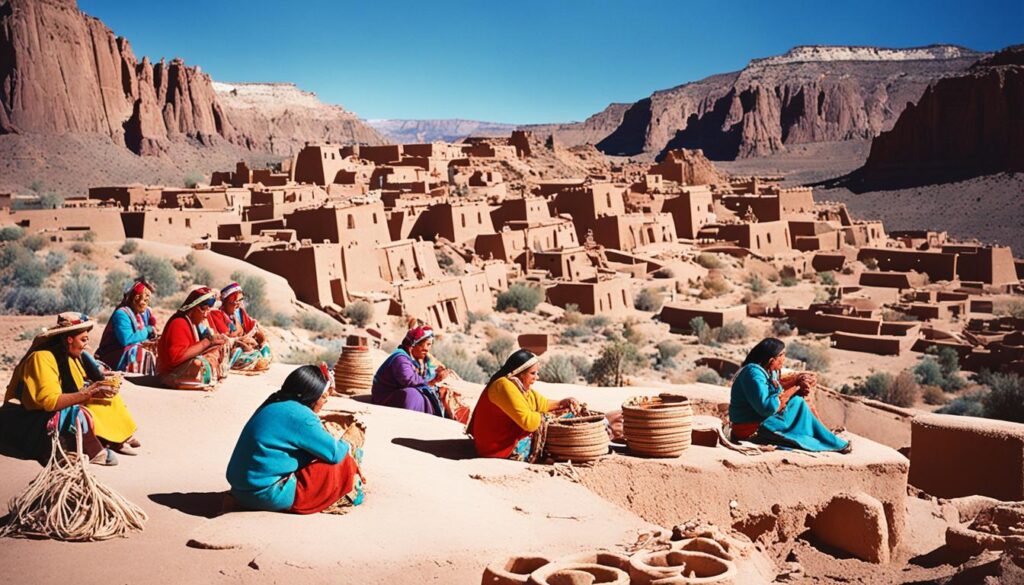
One of the highlights of a visit to the Hopi Reservation is exploring the world of Hopi arts and crafts. From intricate pottery to detailed carvings, the art forms of the Hopi people are not only visually stunning but also carry deep cultural significance.
| Art Form | Description |
|---|---|
| Pottery | The Hopi are known for their beautifully crafted pottery, adorned with intricate designs and symbols. Each piece tells a story and reflects the Hopi people’s connection to their land and spiritual beliefs. |
| Kachina Dolls | Kachina dolls are carved by Hopi artisans and represent spiritual beings from Hopi mythology. These dolls are used in ceremonial dances and hold great cultural significance. |
| Weaving | Hopi weavings are known for their intricate designs and vibrant colors. These textiles are often used in ceremonies and serve as a visual representation of the Hopi people’s connection to their ancestral traditions. |
By supporting local Hopi artists and purchasing their crafts, you contribute to the preservation of their cultural heritage and help sustain their traditional practices for future generations. Many artists welcome visitors to their workshops, providing an opportunity to witness the artistic process firsthand and engage in conversations about their craft.
Embrace Tribal Tourism
When embarking on a Native American cultural adventure, it is essential to embrace tribal tourism with an open mind and heart. By engaging with indigenous communities in a responsible and respectful manner, you can create meaningful connections and gain a deeper understanding of their unique way of life.
To fully immerse yourself in Native American experiences, cultural immersion is key. Take the time to interact with tribal members, participate in traditional ceremonies, and learn from their rich oral traditions. By doing so, you not only support the preservation of indigenous culture but also gain a profound appreciation for their customs and heritage.
Respectful Engagement
Respecting tribal sovereignty is paramount when engaging with Native American communities. Always seek permission before participating in traditional activities or events, and follow any cultural protocols or guidelines provided by tribal leaders. Remember that cultural practices and traditions are sacred, and should be treated with the utmost respect.
“Tribal tourism offers a unique opportunity to learn and experience the vibrant cultures of Native American communities. It is crucial that visitors approach these experiences with humility, empathy, and a willingness to listen and learn.” – Native American Tourism Association
By actively engaging in cultural immersion, you contribute to the preservation of indigenous culture and promote sustainable tourism practices. Your support and appreciation for Native American experiences help ensure the continuation of traditional practices and empower tribal communities.
Creating Lasting Connections
During your tribal tourism journey, you have the chance to forge lasting connections with indigenous people. Take the time to interact with tribal members, listen to their stories, and ask questions to gain a deeper understanding of their history and contemporary challenges.
By embracing tribal tourism, you become an ambassador for cultural exchange and understanding. Carry the knowledge and experiences gained from your encounters with Native American communities, and share them with others to promote awareness and appreciation for indigenous cultures.
Responsible Tips for Embracing Tribal Tourism
| Responsible Tips | Description |
|---|---|
| Research and Preparation | Learn about the history, customs, and cultural sensitivities of the tribe you plan to visit. Understand their protocols and any expectations for visitors. |
| Respect Tribal Spaces | Follow any guidelines or restrictions regarding photography, sacred sites, or areas that may be off-limits to visitors. Leave no trace and respect the environment. |
| Support Local Artists and Businesses | Purchase authentic Native American art, crafts, and products directly from tribal artists and local businesses. This supports the local economy and ensures the continuation of traditional art forms. |
| Engage in Community Events | Participate in cultural events, celebrations, and festivals organized by the tribal community. Show respect by adhering to any dress codes or etiquette guidelines. |
| Ask Permission | Prior to taking photographs or participating in traditional activities, seek permission from tribal members. Respect their wishes if they decline. |

Experience Southwestern Tribes
Flagstaff serves as a gateway to a diverse range of Southwestern tribes, providing an incredible opportunity for tribal tourism and immersion in indigenous culture. Here, you can explore additional reservations and tribal communities, each offering a unique glimpse into the rich traditions and customs of Southwestern tribes.
Navajo Nation
One of the most prominent tribes in the region is the Navajo Nation, known for its vibrant culture and stunning landscapes. Embrace the chance to visit Monument Valley, where towering buttes and mesas create a dramatic backdrop for cultural experiences. You can engage with Navajo artists, witness traditional dances, and even embark on guided tours to understand the deep-rooted connection the Navajo people have with their land and heritage.
Hopi Reservation
Another remarkable tribal community to explore near Flagstaff is the Hopi Reservation. The Hopi people have a long-standing history rich in art, spirituality, and traditions. From visiting ancient cliffside dwellings to attending sacred ceremonies, such as the Hopi Snake Dance, you’ll have the opportunity to engage in profound cultural immersion experiences. Don’t miss the chance to witness the intricate craftsmanship of Hopi artists, renowned for their pottery and intricate Kachina dolls.
Pueblo Tribes
Alongside the Navajo and Hopi, there are several Pueblo tribes in the Southwestern region. These tribes, including the Acoma, Zuni, and Taos Pueblos, offer unique insights into their respective cultures. Visit the Acoma Pueblo and marvel at the “Sky City,” a centuries-old settlement perched upon a sheer cliff face. At the Zuni Pueblo, you can explore the fascinating Zuni Olla Maidens ceremony, celebrating the harvest season and the importance of water in the community’s agricultural practices. Lastly, at Taos Pueblo, you can engage in various cultural workshops, where tribal members share their knowledge of traditional arts, such as weaving and pottery.
Apache Tribes
The Apache tribes, including the White Mountain Apache Tribe and the San Carlos Apache Tribe, contribute to the cultural tapestry of the Southwest. Immerse yourself in the medicinal traditions and spiritual practices of the White Mountain Apache Tribe, or witness the strong Apache warrior traditions at the San Carlos Apache Tribe. Experience the Apache Sunrise Dance, a rite of passage ceremony that symbolizes renewal and gratitude. Engage with tribal members to learn more about their history, language, and preservation efforts.
| Tribe | Location | Key Cultural Experiences |
|---|---|---|
| Navajo Nation | Northeast Arizona, Northwest New Mexico, Southeast Utah | Monument Valley, traditional dances, guided tours |
| Hopi Reservation | Northeast Arizona | Ancient cliffside dwellings, Hopi Snake Dance, pottery, Kachina dolls |
| Pueblo Tribes | New Mexico | Acoma Pueblo – Sky City, Zuni Pueblo – Zuni Olla Maidens ceremony, Taos Pueblo – cultural workshops |
| Apache Tribes | Arizona | White Mountain Apache Tribe – medicinal traditions, San Carlos Apache Tribe – Apache Sunrise Dance |
By engaging with the Southwestern tribes from Flagstaff, you can gain a deep appreciation for the rich heritage and living cultures of these indigenous communities.
Participate in Cultural Immersion
When visiting Native American reservations, cultural immersion is a key aspect of truly experiencing the rich Indigenous culture. There are various ways you can actively engage with the indigenous communities, allowing you to connect on a deeper level and gain a better understanding of their traditions and way of life.
Attending Traditional Ceremonies
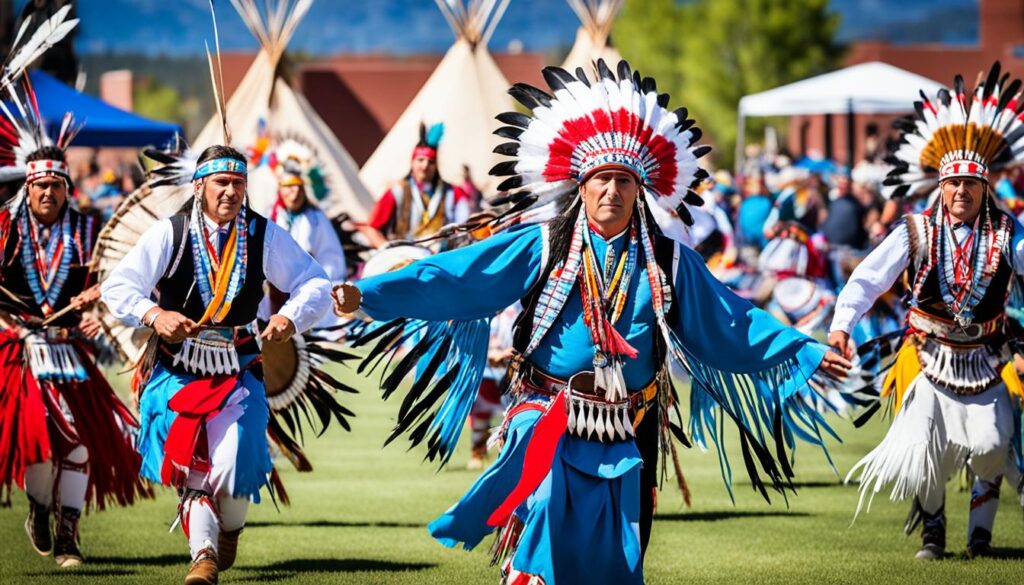
One of the most powerful ways to immerse yourself in Native American culture is by attending traditional ceremonies. These ceremonies, often rooted in ancient traditions and beliefs, offer a profound spiritual experience. From sweat lodge ceremonies to powwows, each event provides insight into the tribe’s history, spirituality, and community bonds.
Learning Traditional Arts and Crafts
Engaging in traditional arts and crafts not only supports local artisans but also allows you to learn about cultural practices and symbols. Participating in workshops or classes where you can create traditional pieces such as pottery, beadwork, or basketry can be a hands-on way to appreciate the artistic skills passed down through generations.
Engaging in Storytelling Sessions
Storytelling holds immense importance in Native American culture. Listening to tales passed down through generations provides insight into the tribe’s history, values, and worldview. Seek out opportunities to attend storytelling sessions, where elders and community members share their knowledge and wisdom through captivating narratives.
“Participating in cultural immersion activities allows you to develop a genuine appreciation for Indigenous culture and fosters deep connections with the Native American communities you visit.”
By actively participating in these cultural immersion activities, you engage in meaningful and respectful exchanges with indigenous communities. Your experiences will provide you with a newfound perspective and appreciation for the Indigenous culture that shapes the Native American reservations you are exploring.
| Benefits of Cultural Immersion | How to Participate |
|---|---|
| 1. Gain a deeper understanding of Indigenous culture. | 1. Research and identify cultural events and workshops in the region. |
| 2. Foster meaningful connections with indigenous communities. | 2. Respect cultural protocols and seek permission before participating. |
| 3. Appreciate the artistry and craftsmanship of traditional arts. | 3. Actively listen and engage during storytelling sessions. |
| 4. Develop a sense of cultural appreciation and respect. | 4. Support local artisans and businesses. |
Participating in cultural immersion goes beyond being a passive observer; it allows you to become an active participant, forging connections and leaving a positive impact on the communities you visit. By embracing the opportunity to engage with Indigenous culture, your Native American experiences will be truly transformative and unforgettable.
Respectful Engagement with Indigenous Communities
When visiting Native American reservations, it is essential to approach the experience with respect and an understanding of the significance of indigenous culture. Engaging with indigenous communities should be done in a way that honors tribal sovereignty and seeks to foster mutual understanding and appreciation.
1. Honoring Tribal Sovereignty:
Recognize that Native American reservations are sovereign territories with unique governance systems. Respect the laws, regulations, and traditions established by the tribal governments and seek permission before entering or participating in any activities or events within the reservation.
2. Understanding Cultural Protocols:
Educate yourself about the cultural protocols and customs of the specific tribe or community you are visiting. Each tribe has its own traditions, ceremonies, and practices. Familiarize yourself with appropriate behavior, attire, and etiquette to ensure that you engage in a culturally sensitive manner.
3. Seeking Permission:
Prioritize seeking permission before engaging in any traditional activities or events. Some ceremonies or practices may be sacred or closed to outsiders. It is crucial to seek guidance from tribal members or reservation authorities on what is appropriate and welcomed.
Respectful and mindful engagement with indigenous communities is key to preserving and appreciating their rich traditions.
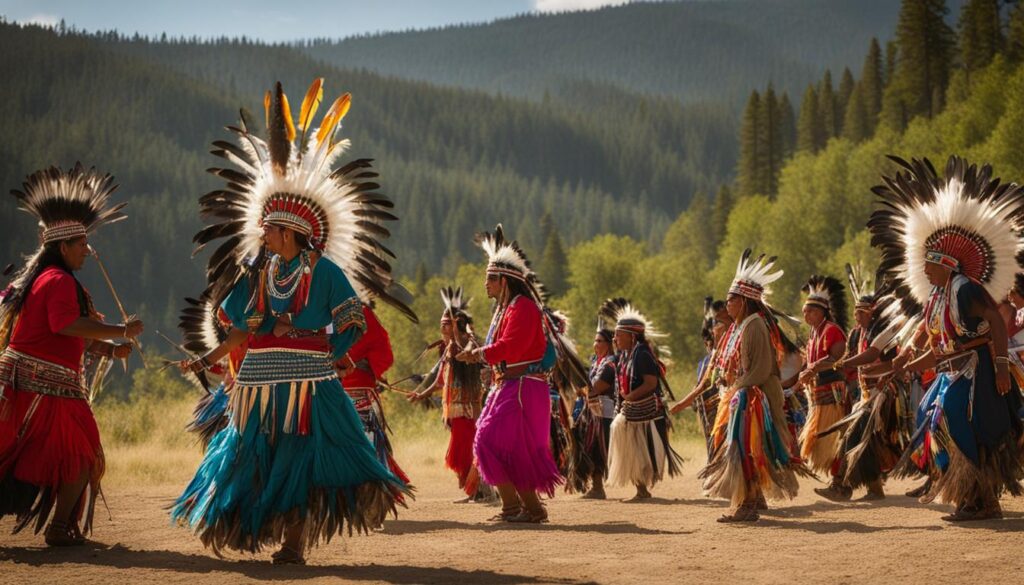
Best Practices for Engaging with Indigenous Communities:
- Listen attentively and learn from the stories, teachings, and experiences shared by tribal members.
- Refrain from taking photographs or videos unless given explicit permission, as some aspects of indigenous culture may be considered sacred or private.
- Support indigenous artisans and businesses by purchasing authentic artwork and crafts directly from local vendors.
- Avoid exploiting cultural practices for personal gain or entertainment. Cultural immersion should be approached with reverence and an open mind.
- Remember that indigenous communities are not tourist attractions but living cultures with deep-rooted histories and contemporary struggles. Show empathy and respect their lived experiences.
Quote:
“Respectful and mindful engagement with indigenous communities is key to preserving and appreciating their rich traditions.”
| Respectful Engagement with Indigenous Communities | Best Practices for Engaging with Indigenous Communities |
|---|---|
| 1. Honoring Tribal Sovereignty | Listen attentively and learn from the stories, teachings, and experiences shared by tribal members. |
| 2. Understanding Cultural Protocols | Refrain from taking photographs or videos unless given explicit permission, as some aspects of indigenous culture may be considered sacred or private. |
| 3. Seeking Permission | Support indigenous artisans and businesses by purchasing authentic artwork and crafts directly from local vendors. |
| Avoid exploiting cultural practices for personal gain or entertainment. Cultural immersion should be approached with reverence and an open mind. | |
| Remember that indigenous communities are not tourist attractions but living cultures with deep-rooted histories and contemporary struggles. Show empathy and respect their lived experiences. |
Supporting Native Artists and Businesses
When exploring Native American reservations and immersing yourself in the indigenous culture, it is important to support the local community. By purchasing authentic Native American art, crafts, and products, you not only contribute to the local economy but also help preserve and promote indigenous traditions.
There are various places where you can find these unique and culturally significant items. Here are some options:
- Native American Markets: Visit local markets and fairs where Native artists and craftsmen showcase their work. These events provide an opportunity to directly interact with the artists, learn about their inspirations, and purchase their creations.
- Tribal Art Galleries: Explore tribal art galleries that specialize in showcasing indigenous artwork. These galleries often feature a diverse range of pieces, including paintings, sculptures, jewelry, pottery, and textiles.
- Museum Gift Shops: Many Native American reservations have museums that display the history and art of the indigenous communities. These museums often have gift shops where you can find authentic and curated Native American crafts and souvenirs.
By supporting these native artists and businesses, you not only bring home a piece of indigenous culture but also contribute to the preservation and continuation of traditional practices. The revenue generated through your purchases helps sustain the livelihoods of Native American artisans and promotes the intergenerational transfer of artistic skills and knowledge.
“Purchasing authentic Native American art and crafts helps create a sustainable economy that supports our artists and preserves our cultural heritage for future generations.” – Native American artist, Michael Begay
To fully appreciate the cultural significance of the items you purchase, take the time to learn about their symbolism and the stories they represent. Each piece carries a unique narrative, connecting you more deeply to the indigenous culture.
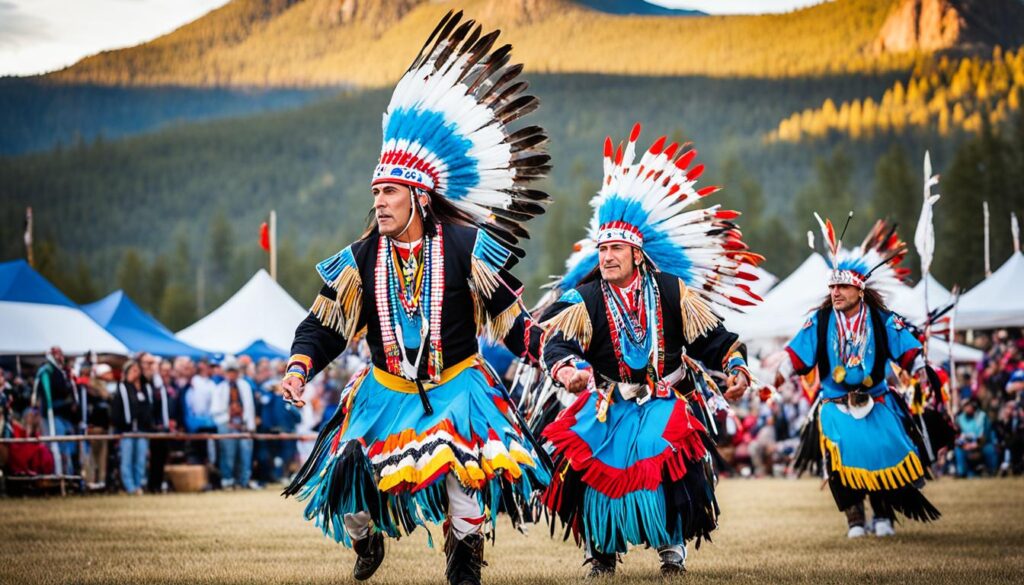
By supporting native artists and businesses, you not only enhance your own experience, but also contribute to the empowerment and cultural well-being of Native American communities. So, when you embark on your tribal tourism journey, remember to embrace the opportunity to support and appreciate the incredible artistic talent and rich cultural heritage found within these reservations.
| Benefits of Supporting Native Artists and Businesses | Ways to Support |
|---|---|
| Preserves and promotes indigenous culture | Purchase authentic Native American art and crafts |
| Strengthens the local economy | Visit local markets and fairs |
| Supports intergenerational transfer of artistic skills | Explore tribal art galleries |
Preserving Native American Heritage
Preservation of indigenous culture is of utmost importance when engaging in tribal tourism. By respecting and appreciating Native American traditions, you can contribute to the safeguarding of their heritage for future generations. Your role as a tourist extends beyond mere observation; you have the power to actively support initiatives that promote sustainable tourism practices and celebrate the rich Native American experiences.
The Significance of Indigenous Culture
Indigenous culture holds a wealth of wisdom and knowledge that has been passed down through generations. It is a testament to the resilience, creativity, and spirituality of Native American communities. By valuing and learning from their traditions, you can gain a deeper understanding of their worldview and contribute to the preservation of their way of life.
Supporting Indigenous Initiatives
When visiting Native American reservations, consider supporting local initiatives that strive to protect and promote indigenous culture. This could involve purchasing authentic Native American art and crafts directly from local artists, participating in cultural immersion programs, or donating to organizations that work towards preserving tribal traditions and empowering Native communities.
Promoting Sustainable Tourism
It is important to engage in tribal tourism in a responsible and sustainable manner. By respecting cultural protocols, seeking permission before taking part in traditional activities or events, and minimizing your environmental impact, you can contribute to the long-term preservation of Native American heritage.
Remember, tribal tourism is not just about sightseeing; it is an opportunity to appreciate and learn from the vibrant indigenous cultures that have thrived for centuries.
“The most effective way to preserve Native American heritage is by actively engaging in cultural exchange and supporting indigenous initiatives.” – NativeAmericanTravel.org
Initiatives to Support Native American Heritage Preservation
| Initiative | Description |
|---|---|
| Artisan Markets | Visit local markets to purchase authentic Native American artwork directly from Indigenous artists, ensuring fair compensation and supporting their craft. |
| Cultural Centers | Explore cultural centers and museums that highlight the history, traditions, and art forms of Native American communities. |
| Cultural Events | Attend traditional ceremonies, powwows, and other cultural events organized by Native American communities to show your appreciation and support. |
| Volunteer Programs | Participate in volunteer programs that focus on preserving indigenous culture, such as language revitalization projects or environmental conservation initiatives. |
| Education and Advocacy | Support organizations that educate the public about Native American heritage and advocate for the preservation of tribal traditions. |
By actively engaging in these initiatives, you can help preserve Native American heritage and make a positive impact on the communities you visit.
Conclusion
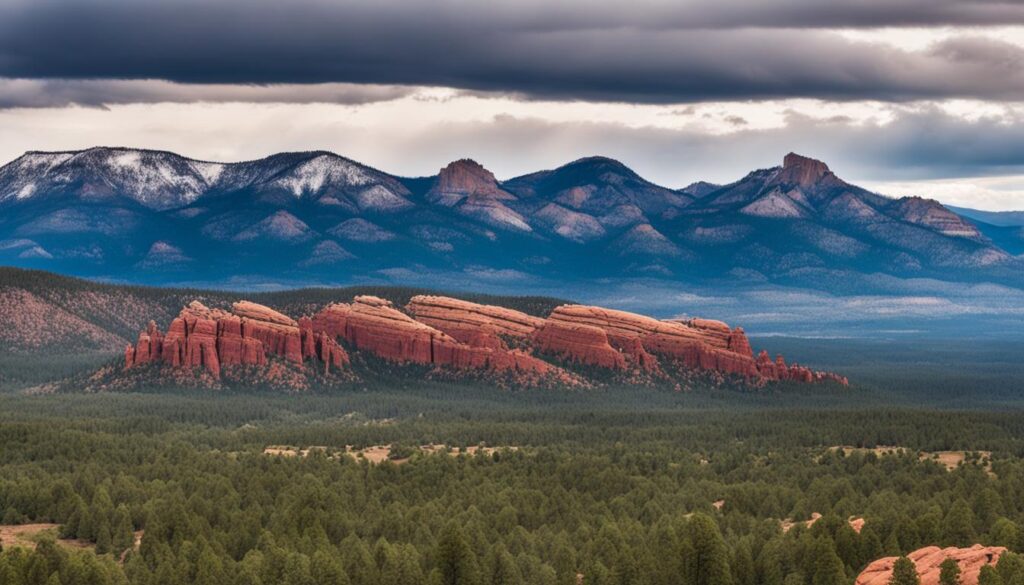
Flagstaff, situated as a gateway to Native American reservations, offers a remarkable opportunity for cultural immersion and incredible Native American experiences. By exploring this vibrant city, you can embark on a journey that takes you deep into the heart of indigenous culture.
Cultural immersion in Flagstaff allows you to discover the rich heritage and traditions of Native American tribes in the region. From the Navajo Nation to the Hopi Reservation, each Native American community offers a unique perspective on indigenous culture. By participating in traditional ceremonies, learning traditional arts and crafts, and engaging in storytelling sessions, you can gain a profound understanding of the depth and beauty of Native American traditions.
It is essential to engage with indigenous communities in a respectful manner, honoring their cultural protocols and seeking permission before taking part in sacred activities or events. Supporting Native artists and businesses is another meaningful way to contribute to the preservation of Native American heritage. By purchasing authentic Native American art, crafts, and products, you not only gain a cherished souvenir but also help sustain the local economy.
In conclusion, Flagstaff serves as a gateway to Native American reservations, providing an enriching cultural experience that invites you to immerse yourself in the vibrant tapestry of indigenous traditions. By embracing this opportunity, you can deepen your connection to Native American culture and gain a profound appreciation for the invaluable contributions of the Native American communities in this region.





