Uncover Khmer Rouge History at Wat Sampov Caves
Embark on a journey of discovery as you learn about the Khmer Rouge history and visit the solemn memorial site of Wat Sampov Killing Caves. This experience will offer a unique opportunity to understand the tragic events that took place during one of Cambodia’s darkest periods.
The Khmer Rouge regime, led by Pol Pot, was responsible for numerous atrocities and human rights abuses. Explore the caves and understand the historical significance of this memorial that serves as a reminder of the horrific atrocities committed during Cambodia genocide. By visiting this site, you have the opportunity to pay tribute to the victims and mourn for their loss.
Join us on this poignant journey of learning and understanding as we explore the lasting impact of the Khmer Rouge regime and the importance of remembering this tragic past.
Understanding the Dark History of Khmer Rouge
Uncovering the history of the Khmer Rouge regime is an essential part of understanding Cambodia’s past. Led by Pol Pot, the Khmer Rouge came to power in 1975 and ruled until their overthrow in 1979. During their reign, the Khmer Rouge committed a wide range of brutal atrocities against the Cambodian people.
Learning about the Khmer Rouge history will give you insight into the regime’s policies, which included forced labor, torture, and executions. These policies were designed to implement the Khmer Rouge’s vision of an agrarian communist utopia, which resulted in the deaths of over 1.7 million people.
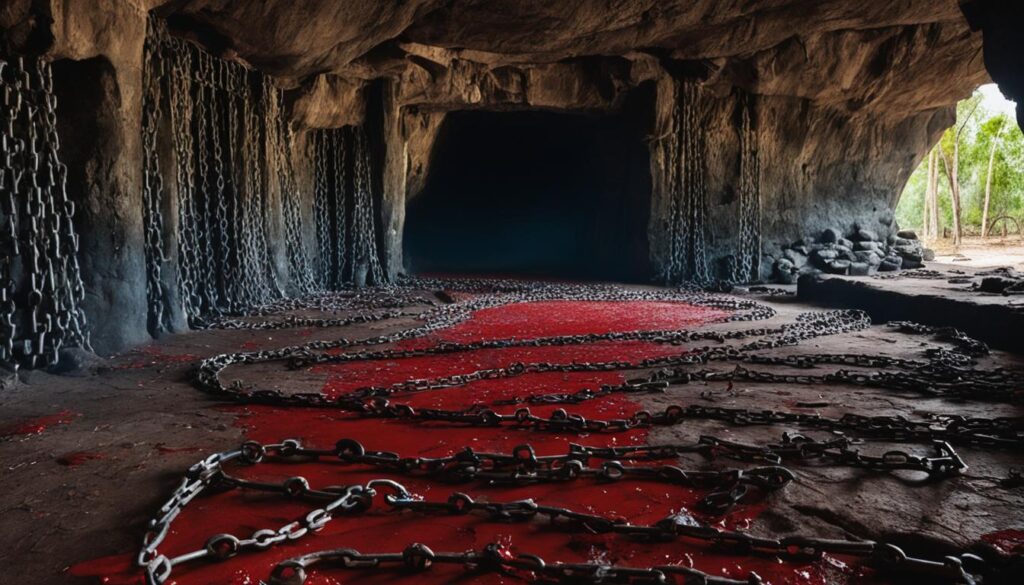
The Cambodia genocide resulted in the deaths of approximately 25% of the Cambodian population. Victims included ethnic minorities, intellectuals, and professionals, and were targeted for their perceived threat to the Khmer Rouge’s radical ideology. The regime’s brutal policies and actions left a profound impact on Cambodian society that can still be felt today.
“To keep you is no benefit. To destroy you is no loss.”
-Khmer Rouge slogan
Exploring the Wat Sampov Killing Caves
When you visit Cambodia, a visit to memorial sites is a must, including the Wat Sampov Killing Caves. These caves hold a significant place in Cambodia’s history due to the tragic events that took place within their walls.
The Wat Sampov Killing Caves serve as a powerful reminder of the brutality of the Khmer Rouge regime. The site is located in Battambang, approximately 12 kilometers southwest of the city. Over 10,000 people were executed here during the Khmer Rouge rule, and their remains are still within the caves.
Exploring the historical significance of the Wat Sampov Killing Caves provides insight into the atrocities committed during the Khmer Rouge era. The caves offer a harrowing glimpse into Cambodia’s dark past and the immense suffering endured by its people.

A visit to the site is a somber and emotional experience. You can see the various pits where the Khmer Rouge executed their victims, as well as the small shrine set up in their memory. Despite its dark past, the Wat Sampov Killing Caves serves as a poignant memorial site and a powerful reminder of Cambodia’s tragic history.
The Legacy of the Khmer Rouge
Learn about the long-lasting impact of the Khmer Rouge regime on Cambodia’s society today. The Khmer Rouge ruled Cambodia from 1975 to 1979, led by Pol Pot and their brutal regime resulted in the death of an estimated two million people.
One way to understand the dark history of the Khmer Rouge is to visit the Tuol Sleng Genocide Museum, formerly known as the S-21 prison. This haunting museum provides a glimpse into the atrocities committed by the Khmer Rouge, with exhibits of torture devices and graphic images of the victims.
Walking through the museum and learning about the Khmer Rouge regime can be an emotional and intense experience. It’s important to take your time and process the information at your own pace. The museum serves as a powerful reminder of the devastating impact that war and violence can have on a community.
Through learning about the Khmer Rouge history and the Tuol Sleng Genocide Museum, you can gain a deeper understanding of Cambodia’s past and present. It’s our responsibility to use this knowledge to build a more peaceful and compassionate future.

Paying Tribute to the Victims
As you embark on your visit to memorial sites in Cambodia, take the time to honor the memory of the victims of the Khmer Rouge. The Cambodia genocide was one of the most devastating events in modern history, and its impact on the Cambodian population cannot be overstated.
By paying respects at these memorial sites, you can gain a deeper understanding of the Khmer Rouge atrocities and the profound consequences they had on individuals and families. Take a moment to reflect on the lives lost and the lasting impact of this tragic period.
One of the most poignant memorial sites you can visit is the Choeung Ek Genocidal Center, also known as the Killing Fields. Here, you can pay tribute to the thousands of innocent souls who lost their lives in this location during the Khmer Rouge era. Other recommended sites include the Tuol Sleng Genocide Museum, also known as S-21, and the Banteay Chhmar Temple, which was used as a mass grave during this period.
Remembering and honoring the victims of the Cambodia genocide is an essential part of understanding the country’s history. By visiting these memorial sites, you can gain a deeper appreciation for the resilience and strength of the Cambodian people in the face of unspeakable tragedy.
Wat Sampov Killing Caves as a Historical Symbol
As you explore the Wat Sampov Killing Caves, you’ll begin to understand the historical significance of this site. The caves serve as a powerful symbol of Cambodia’s tragic past, and remind visitors of the atrocities committed during the Khmer Rouge regime.
During this era, the Khmer Rouge executed countless Cambodians in these caves, leaving behind a legacy of pain and suffering. The caves now serve as a memorial to the victims of the genocide and as a reminder of the importance of never forgetting the past.
Visiting the Wat Sampov Killing Caves is a deeply emotional experience that sheds light on the horrors of the Cambodia genocide. By understanding the importance and historical significance of this site, we can work towards a better future and ensure that such atrocities never occur again.
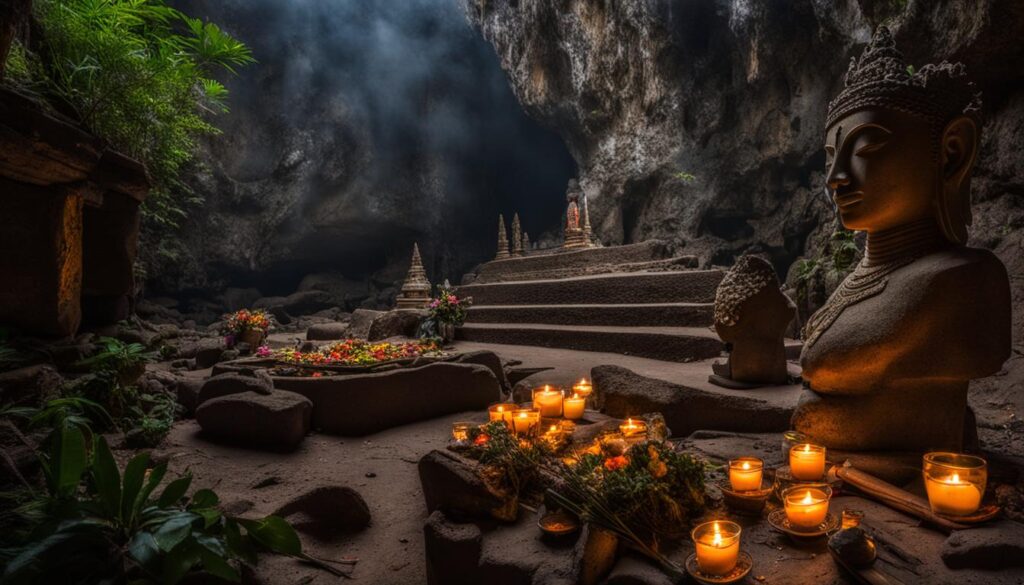
“The killing fields of Cambodia cry out for remembrance, for remembrance is the only appropriate reply.” – Elie Wiesel
Understanding the Importance of Remembering
When learning about the Khmer Rouge history and visiting memorial sites in Cambodia, it becomes clear that the past must not be forgotten. Understanding the Cambodia genocide is vital in ensuring that such atrocities never happen again. The role of memorial sites, such as the Wat Sampov Killing Caves, is to serve as a reminder of the horrors that occurred during the Khmer Rouge regime and the lives lost.
By visiting these sites and learning about the dark history of the Khmer Rouge, we can gain a greater understanding of the importance of human rights and the need to protect them. Historical education is necessary to prevent future tragedies and promote compassion and empathy.
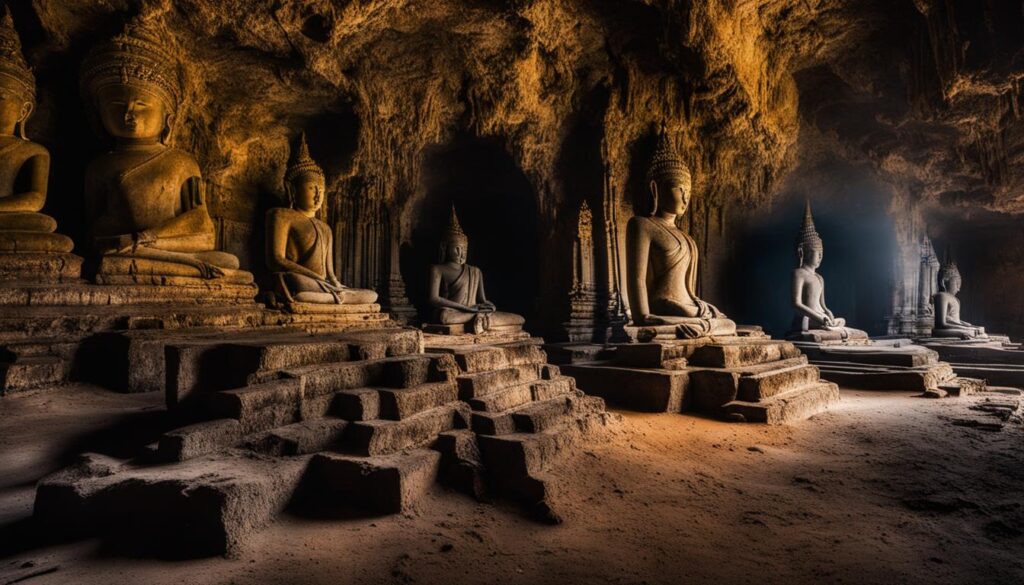
The role of memorial sites
Memorial sites, such as the Wat Sampov Killing Caves, hold immense historical significance and help to preserve the memory of those who lost their lives during the Cambodia genocide. They serve as a physical link to the past and a reminder of the consequences of authoritarian regimes. Visiting these sites can be a powerful experience that highlights the importance of continued efforts to prevent human rights violations.
The role of historical education
Understanding the Khmer Rouge regime and the atrocities committed during the Cambodia genocide is essential in preventing future acts of violence and injustice. Historical education helps to create a more informed and compassionate society that is committed to upholding human rights. By educating ourselves and others about the past, we can work towards a better future for all.
Continuing the Conversation About Genocide
Learning about the dark history of the Khmer Rouge and the atrocities committed under their regime is a critical step to preventing future genocides. It is essential to continue the dialogue surrounding the Cambodia genocide and educate future generations about the dangers of unchecked power and violence.
Pol Pot’s Khmer Rouge regime was responsible for unspeakable horrors, resulting in the deaths of over two million people. The Cambodian population was subjected to forced labor, torture, and execution under their rule.
The Wat Sampov Killing Caves serve as a powerful reminder of the Khmer Rouge’s brutal reign and the horrors that occurred during this time. Visiting the site and learning about the dark history of the Khmer Rouge is a crucial step in preventing similar atrocities from happening again.
By discussing and raising awareness about the Cambodia genocide, we can help prevent future human rights abuses and ensure that the victims of the Khmer Rouge are never forgotten. It is our responsibility to continue the conversation about genocide and work towards a more just and peaceful world.
Conclusion
Cambodia’s history is marked by the dark reign of the Khmer Rouge, a regime that caused immeasurable harm to the Cambodian people. By visiting the Wat Sampov Killing Caves and other memorial sites, you have taken a step towards understanding the profound impact of this era and honoring the memory of its victims.
It is crucial to remember and learn from the past to shape a more just and compassionate future. By continuing to discuss and raise awareness about the Khmer Rouge genocide, we can work towards preventing future atrocities and promoting human rights.
Thank you for exploring Cambodia’s tragic history and understanding the importance of remembering. By doing so, we can build a better tomorrow for ourselves and future generations.