The Top Things Trinidad Cuba is Known For
Thinking about visiting Trinidad, Cuba? You might wonder what makes it special. This charming town, 315 kilometers from Havana, is full of history, culture, and beauty. Its preserved architecture and rich heritage make it a unique place to visit.
From its colorful streets to its stunning beaches, there’s much to love here. You’ll find many reasons to fall in love with this Cuban gem.
Trinidad, Cuba is a World Heritage Site. It’s known for being one of the best-preserved colonial cities in the Americas. Exploring the town, you’ll see historic landmarks, cultural experiences, and outdoor activities.
So, what is Trinidad Cuba known for? Let’s discover what makes it special. We’ll explore the top Trinidad Cuba attractions waiting for you.
The Historical Significance of Trinidad Cuba
Exploring Trinidad Cuba history reveals a city rich in past events. Founded in 1514, Trinidad was key in the sugar trade of the 18th and 19th centuries. This period of growth led to the building of many grand structures, highlighting the city’s colonial architecture.
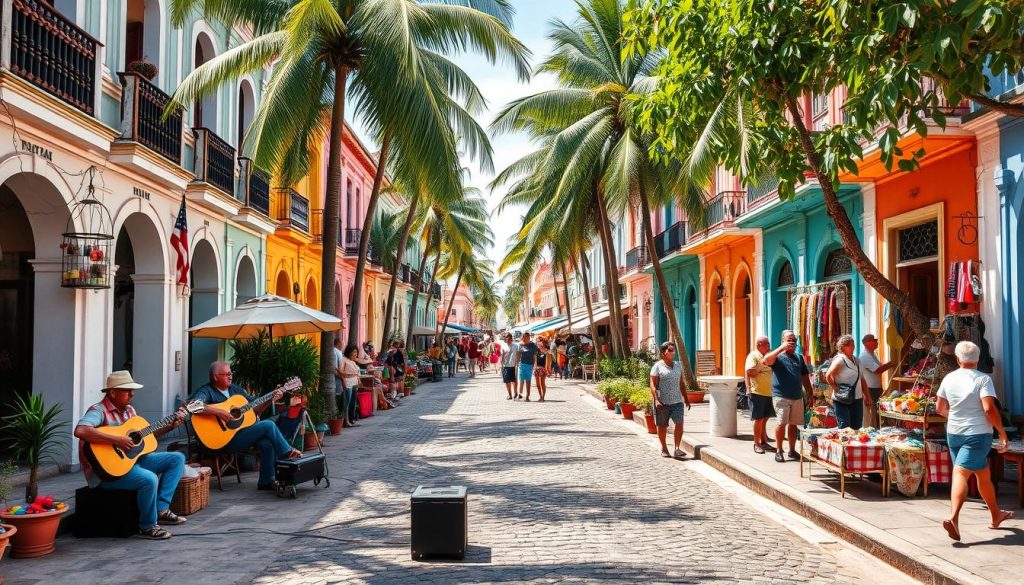
Now, Trinidad is a Trinidad Cuba UNESCO site, known for its preserved colonial streets and cultural heritage. The city’s historic center boasts colorful old buildings, narrow cobblestone streets, and vintage cars. Walking through, you’ll find museums, local markets, and landmarks like the Plaza Mayor and the Church of the Holy Trinity.
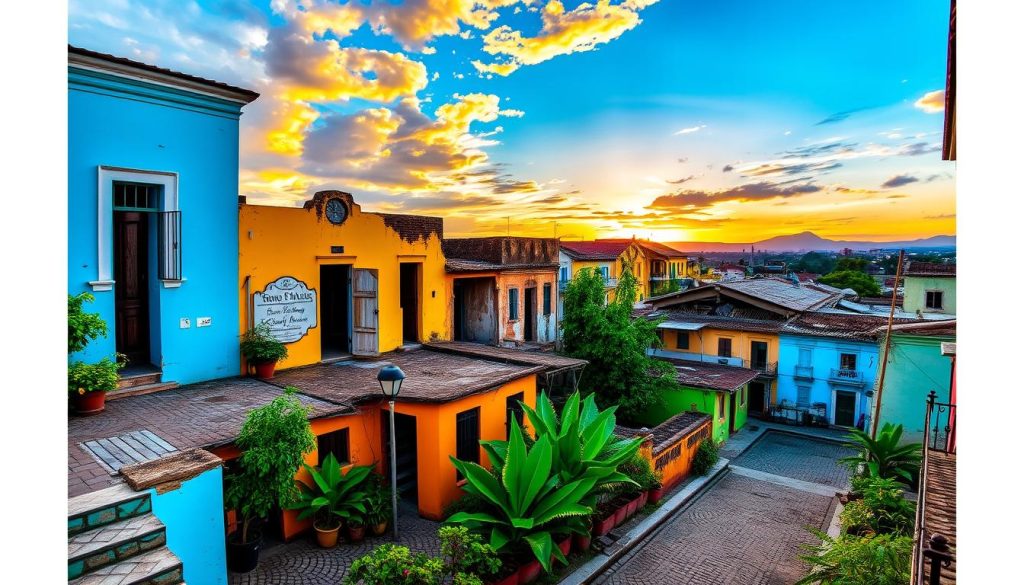
The city’s Trinidad Cuba history shows its strength and cultural importance. With its vibrant streets, rich history, and preserved architecture, Trinidad is a key spot for those wanting to see real Cuba. As a Trinidad Cuba UNESCO site, it draws visitors worldwide, showcasing its mix of African, Spanish, and Cuban cultures.
The Spanish Colonial Era
In the Spanish colonial era, Trinidad thrived as a sugar trade center. Many plantations around the city brought in slaves from Africa. These slaves brought their cultural traditions and customs.
The Sugar Trade Dynasty
The sugar trade greatly influenced Trinidad’s economy and culture. The city’s grand buildings and landmarks show the wealth from the sugar trade during that time.
UNESCO World Heritage Status
Trinidad’s UNESCO World Heritage status honors its preserved colonial architecture and cultural heritage. The city’s historic center is filled with buildings that reflect the African, Spanish, and Cuban cultures that shaped Trinidad’s history and identity.
Trinidad’s Stunning Colonial Architecture
As you explore Trinidad’s cobblestone streets, you’ll see colorful colonial buildings. These buildings tell the town’s rich history and show off its architectural beauty. With over a thousand colonial buildings left, Trinidad is a goldmine of 18th and 19th-century architecture.
The town’s colonial architecture is known for its bright colors, detailed ironwork, and large mansions. Places like the Palacio Brunet and the Iglesia y Convento de San Francisco stand out. They give us a glimpse into Trinidad’s architectural past and its prosperous history.
Trinidad’s colonial architecture is special because of:
- Grand mansions built by wealthy plantation owners
- Intricate ironwork and ornate details
- Vibrant colors and beautifully restored buildings
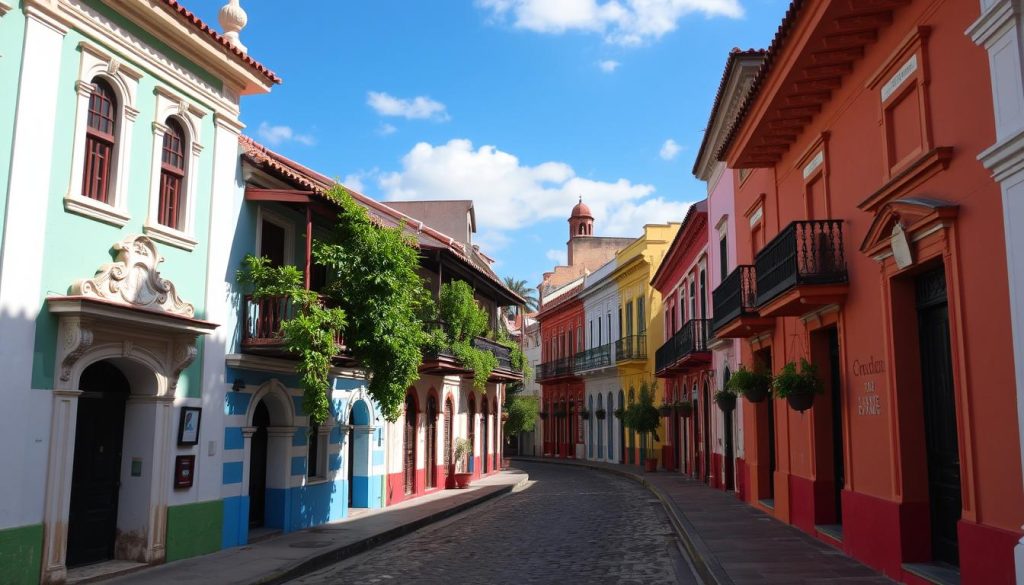
Many tourists visit Trinidad to see its colonial architecture. It’s a big reason why people come here. Whether you love history, architecture, or just want to enjoy the atmosphere, Trinidad’s colonial buildings have something for everyone.
| Building | Year Built | Architectural Style |
|---|---|---|
| Palacio Brunet | 1827-1830 | Colonial |
| Iglesia y Convento de San Francisco | 18th century | Baroque |
What is Trinidad Cuba Known For? A Cultural Overview
Trinidad, Cuba, is a city where history meets vibrant culture. It’s a place where Trinidad Cuba local culture shines through in traditions, music, and art. The city is famous for its lively music, featuring Cuban rhythms like son and salsa.
The city’s arts and crafts scene is also thriving. You can find authentic Cuban crafts in many galleries and workshops. Don’t miss the Museo Romántico and Museo de Arte Colonial to see the city’s colonial architecture.
Traditional Cuban Music Scene
Traditional Cuban music is a big part of Trinidad’s culture. You can hear live music at places like Casa de la Música. Local musicians play traditional Cuban rhythms there.
Local Art and Crafts
Trinidad’s local art scene is known for its unique crafts and souvenirs. You can find handmade items like woodcarvings, pottery, and textiles at markets and shops.
Religious and Cultural Festivals
Trinidad hosts many festivals throughout the year. These festivals celebrate the city’s cultural heritage. Events like the Trinitaria Cultural Week and Fiestas Sanjuaneras feature traditional music, dance, and food.
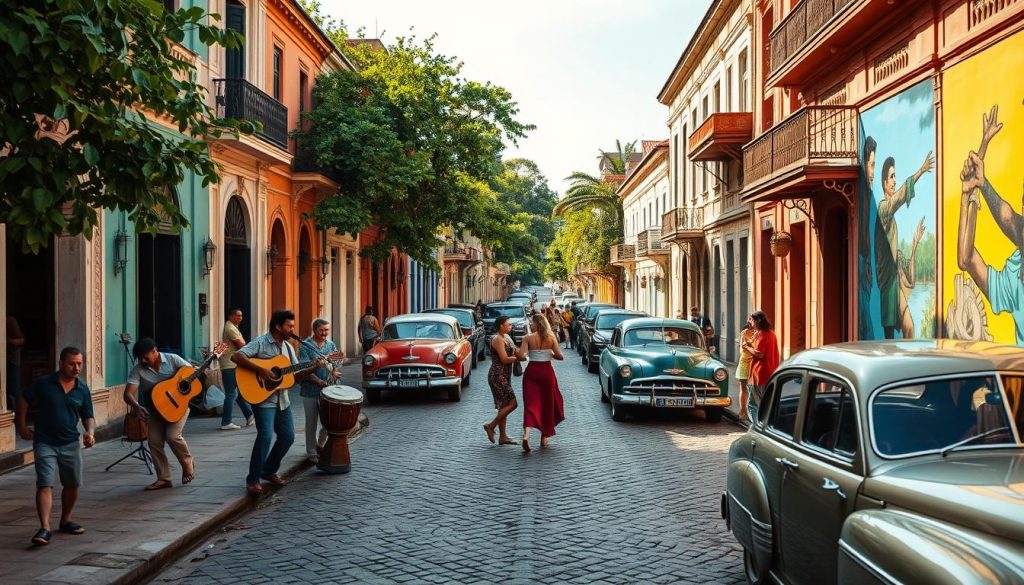
Trinidad, Cuba, offers a unique cultural experience. It combines rich history, vibrant music, and a thriving arts scene. Exploring the city, you’ll see how what is Trinidad Cuba known for is its blend of tradition and modernity.
| Festival | Description |
|---|---|
| Trinitaria Cultural Week | A week-long celebration of Trinidad’s cultural heritage, featuring traditional music, dance, and food. |
| Fiestas Sanjuaneras | A festival that showcases the city’s rich cultural heritage, with traditional music, dance, and food. |
The Valle de los Ingenios Sugar Plantations
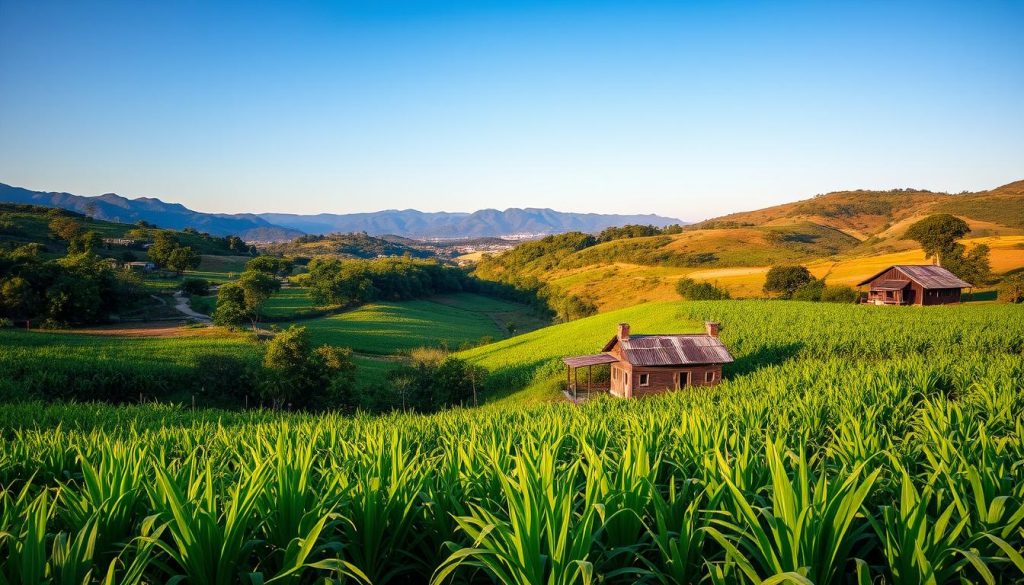
Exploring Trinidad Cuba reveals the importance of sugar plantations in its history. The Valle de los Ingenios spans 270 km2 and houses over 70 old sugar mills. These remnants show the valley’s past as a key player in Cuba’s economy.
During the 19th century, over 50 sugar cane mills operated here. The use of slave labor was widespread, with over 30,000 slaves working in these mills. The Manaca Iznaga Tower, built in 1816, stands at 45 meters tall. It offers stunning views and highlights the valley’s role in the region’s growth.
Historical Sugar Production
The sugar industry in Trinidad Cuba peaked in the 19th century. Over 50 sugar mills were in operation. But, by the 1990s, the industry started to decline due to land degradation and water shortages.
Despite this, the Valle de los Ingenios and Trinidad were named a UNESCO World Heritage Site in 1988. This recognition acknowledges their role in the early sugar trade.
Present-day Heritage Sites
Today, the Valle de los Ingenios is protected by laws like the Ley de Protección al Patrimonio Cultural. The site is managed by the Oficina del Conservador de la Ciudad de Trinidad y el Valle de los Ingenios. They aim to preserve the area for future generations.
Visitors can see the ruins of old mills, haciendas, and slave quarters. These sites offer a glimpse into the history and significance of Trinidad Cuba’s sugar plantations.
| Year | Number of Sugar Mills | Number of Slaves |
|---|---|---|
| 1827 | 50 | 11,000 |
| 1990s | Decline of the industry | N/A |
Trinidad’s Captivating Plaza Mayor
Exploring Trinidad, you’ll find Plaza Mayor at its heart. It’s surrounded by stunning colonial buildings and key landmarks like the Iglesia Parroquial de la Santísima Trinidad. This square is a top Trinidad Cuba attraction, showing the city’s rich history and lively culture.
The Museo Romántico in Plaza Mayor is a highlight. It displays 19th-century furniture, porcelain, and decorative art. This museum offers a peek into the colonial era’s social life, making it a hit with history and culture lovers.
Walking through the square, you’ll feel the buzz. Street vendors, musicians, and people from all over gather here. The plaza is alive with activity, featuring many restaurants, bars, and shops. These places offer a variety of Trinidad Cuba attractions for everyone.
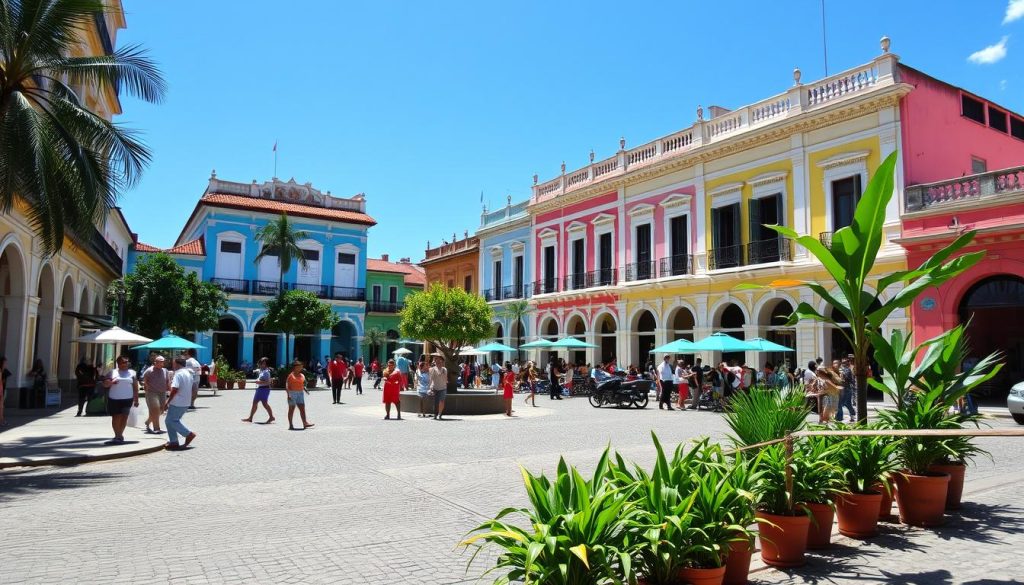
- Visiting the Iglesia Parroquial de la Santísima Trinidad, a beautiful church that dominates the square
- Exploring the Museo Romántico, with its impressive collection of 19th-century artifacts
- Enjoying the lively atmosphere, with street performers, musicians, and local vendors
Plaza Mayor is a must-see in Trinidad. It offers a mix of history, architecture, and culture. It’s a place that gives visitors a unique and memorable experience, perfect for Trinidad Cuba attractions fans.
Beaches and Natural Attractions
Exploring Trinidad Cuba tourism reveals the town’s beautiful natural spots. Playa Ancón, 12 km from town, is a must-see. It boasts white sand and clear waters, ideal for relaxing and water sports.
Nature enthusiasts will love the Topes de Collantes Nature Reserve. It offers hiking and waterfall adventures. You can see diverse plants and animals and enjoy the views. Trinidad Cuba tourism caters to all interests, from snorkeling to boat tours.
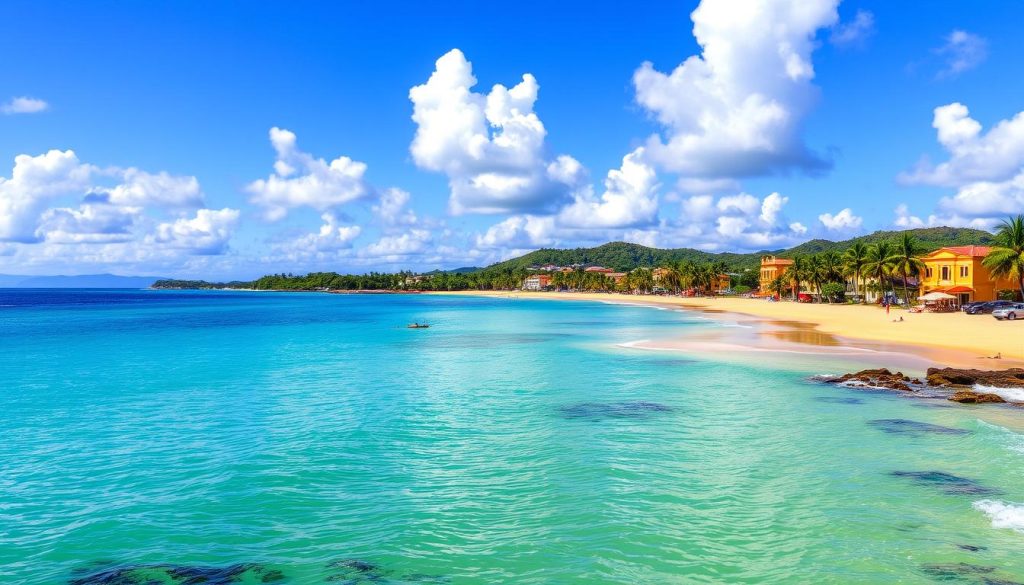
- Visiting the Topes de Collantes Nature Reserve
- Relaxing on Playa Ancón beach
- Snorkeling or diving in the Caribbean Sea
- Taking a boat tour to nearby islands
| Activity | Location | Cost |
|---|---|---|
| Playa Ancón beach | 12 km from Trinidad | Free |
| Topes de Collantes Nature Reserve | Near Trinidad | Approx. 25 CUC per person for horse riding tour |
Trinidad Cuba tourism offers stunning beauty and many activities. It’s perfect for those seeking a unique and exciting trip. Whether you want to relax, explore, or have an adventure, Trinidad has it all. It’s one of the Best things to do in Trinidad Cuba.
Local Cuisine and Dining Experiences
Trinidad, Cuba, is a city that mixes local culture with amazing food. Its food scene is shaped by its history and the people who came here. This mix creates a unique taste of cooking and ingredients.
Some top places to eat in Trinidad include:
- Seafood dishes like lobster-stuffed plantains
- Special cocktails, like the canchánchara, made of rum, honey, lemon, and water
- Vegetarian options, like hummus and falafel at La Redaccion
Trinidad has many places to eat, for every taste. You can find rooftop restaurants with great views or late-night spots like Taberna la Canchánchara. This place is known for attracting musicians when other bars close. The city’s food shows off its local culture, with a focus on Cuban dishes and ingredients.
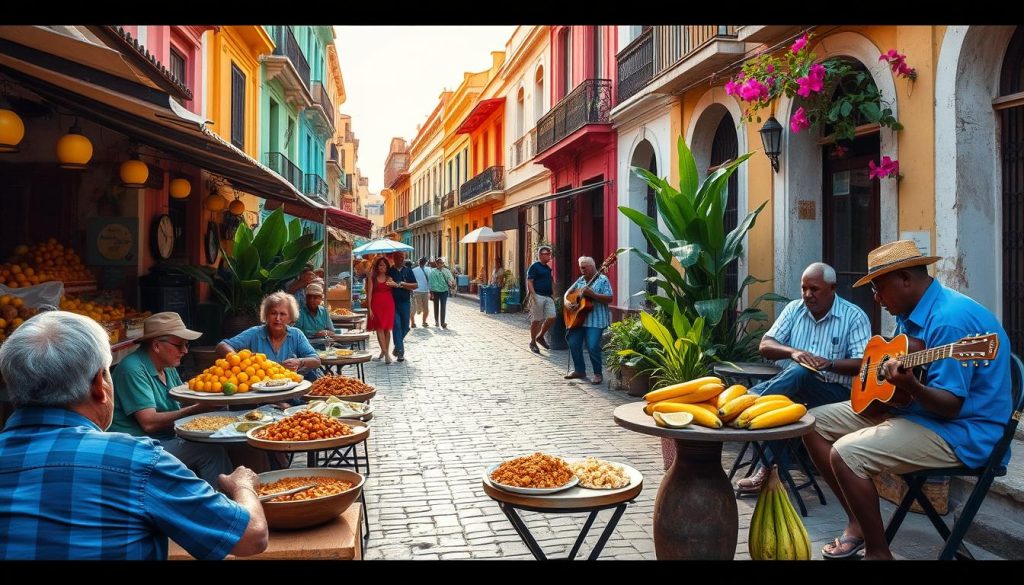
To enjoy Trinidad’s food, check out places like Sol Ananda and Sol Y Son. Sol Ananda is famous for its French colonial look, while Sol Y Son serves unique dishes like lobster-stuffed plantains. With about 70% of Cuba’s best food spots in Trinidad, you’re sure to find something you’ll love.
| Dining Venue | Description |
|---|---|
| Sol Ananda | French colonial decor, 1920s chandeliers and furniture |
| Sol Y Son | Unique dishes, such as lobster-stuffed plantains |
| La Redaccion | Vegetarian-friendly options, including hummus and falafel |
Trinidad’s Vibrant Nightlife and Entertainment
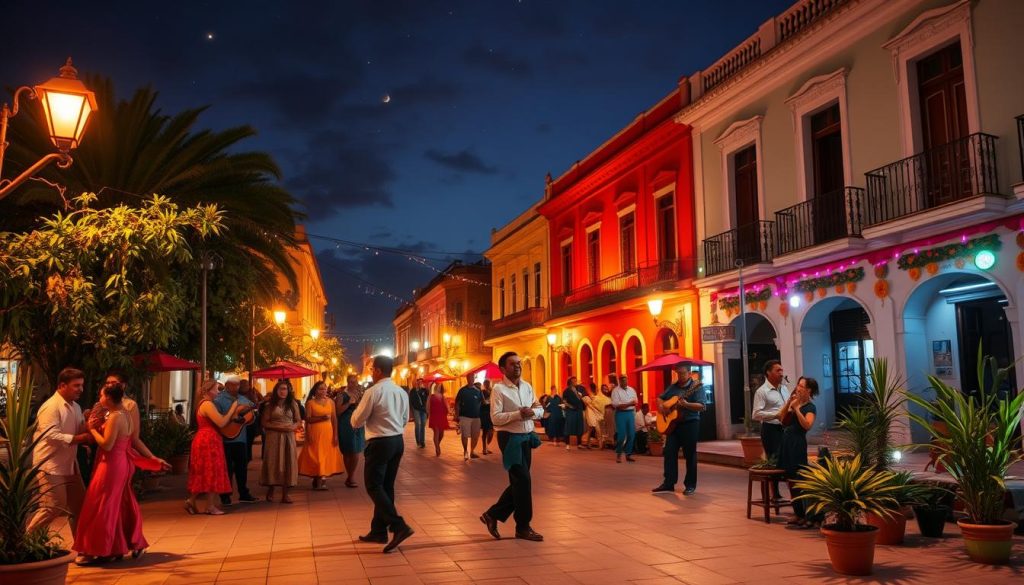
When the sun goes down, Trinidad bursts into life. It’s a great time to explore the city’s lively music and dance. Casa de la Música is a top spot for live music and dance, showing off Trinidad’s rich culture.
There are many places to see traditional Cuban dances and rhythms. Some favorites include:
- Salsa classes, where you can learn to dance like a local
- Traditional Cuban music performances, featuring live bands and musicians
- Local bars and social spots, where you can meet new people and enjoy a drink or two
Trinidad is also perfect for outdoor lovers. You can hike, ride horses, swim, or snorkel. It’s a place for adventure, culture, or just relaxing. Trinidad has something for everyone, making it a top spot in Cuba.
| Activity | Rating |
|---|---|
| Nightlife | 7/10 |
| Sport | 6/10 |
| Culture and Attractions | 9/10 |
Essential Travel Tips for Visiting Trinidad
Planning a trip to Trinidad, Cuba? Think about the best time to visit and how to get around. Trinidad’s historic center and natural beauty attract many tourists. The dry season, from November to April, is the best time to visit. It has pleasant weather and little rain.
Walking is a great way to explore Trinidad’s colonial district. For longer trips, vintage taxis or buses are good options. Trinidad offers various accommodations, from affordable homestays to luxury hotels. Whether you want a beach vacation or mountain adventures, Trinidad has it all.
Best Time to Visit
The dry season, from November to April, is the best time to see Trinidad. The weather is nice, with temperatures between 70°F and 80°F. This season is also perfect for outdoor activities like hiking and horseback riding in the Sierra del Escambray Mountains.
Getting Around
Trinidad is easy to walk around, with many attractions close by. For longer trips, vintage taxis or buses are good choices. The Viazul Bus from Havana to Trinidad costs about $25 USD/CUC and takes 7 hours. Renting a vintage taxi with a driver costs $100-$120 per day.
Accommodation Options
Trinidad has many places to stay, from budget-friendly homestays to luxury hotels. Homestays let you experience local culture and meet people. Hotels offer more amenities. Trinidad is a must-see for anyone interested in Cuba’s tourism, with its history, beauty, and culture.
Conclusion: Trinidad’s Timeless Cuban Charm
As you leave Trinidad, you’ll appreciate its unique charm more. This city in Cuba is known for its beautiful old buildings and lively culture. It also has stunning natural views, making it a special place.
Whether you tried the delicious local food, danced to Cuban music, or explored the UNESCO-protected area, Trinidad has made a lasting impression. It’s a place where history and beauty come together, offering real Cuban experiences.
Trinidad is famous for its timeless charm. Here, the old and new blend together, inviting you to explore its beauty. Think about your time in Trinidad and the memories you made. We hope you’ll come back to see more, like the Plaza Mayor and Topes de Collantes nature reserve.
Trinidad’s charm will stay with you, making it a top spot for anyone wanting to truly experience Cuba. It’s a place that will leave you wanting more.