Grand Turk Historical Sites Guide | Explore Now
Ever wondered how Grand Turk became a key spot for history and industry? This island’s maritime past and colonial buildings show its deep heritage. It played a big role in the Caribbean’s economy and culture.
The salt industry once covered 800 acres of salt ponds. Now, you can see old plantations that tell another story. This guide will take you through the landmarks that make Grand Turk special.
Exploring Grand Turk’s sites, you’ll see its lasting impact. It draws nearly a million tourists yearly. Let’s explore the historical architecture and sites together. It will make you appreciate Grand Turk’s rich history more.
Introduction to Grand Turk’s Historical Significance
Grand Turk is a key part of the Turks and Caicos Islands’ history. It was founded in 1681 by Bermudian salt collectors. They saw the island’s value early on.
The island’s location made it important for European explorers. It was also a key place for salt production. This was crucial for trade back then.
The capital, Cockburn Town, has buildings that show British and Bermudian styles. This mix creates a special cultural scene. You can see the Grand Turk Lighthouse, built in 1852. It’s the only one in the Turks and Caicos, helping ships navigate.
Grand Turk was a major commercial center. But, tourism took over with Providenciales’ growth in the 1980s. In the early 1900s, the island had over 227 acres for salt production. This was a big part of its history.
The Turks and Caicos National Museum tells the story of the Taino people and the sea. It has artifacts from old shipwrecks, including the oldest found in the Western Hemisphere. This shows the island’s rich history and culture.
Are there any historical sites on Grand Turk?
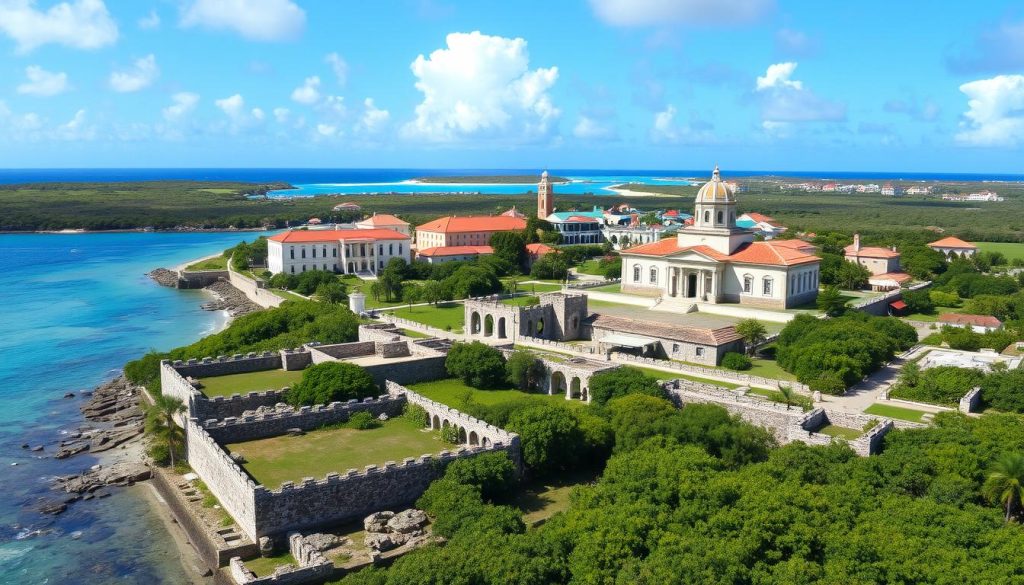
Grand Turk is full of historical sites that show the island’s rich past. You’ll find remnants of the salt industry, a key part of Grand Turk’s history. These salt ponds and salinas show how salt was made over time.
The Legacy of the Salt Industry
The salt industry’s legacy is deeply connected to Grand Turk’s history. These sites show the island’s economic and cultural growth. They highlight the creativity and hard work of those who worked there.
Today, visiting these sites lets you see the importance of this industry.
Influence of Colonial Architecture
Exploring the island, you’ll see the impact of colonial architecture in Cockburn Town. This style, with British Bermudian touches, shows the island’s colonial history. Buildings like St. Thomas Anglican Church and the Queen Victoria Library are key examples.
Each building has its own story, adding to the island’s history. Together with the salt industry, these sites make your visit to Grand Turk even more special.
Exploring the Grand Turk Lighthouse
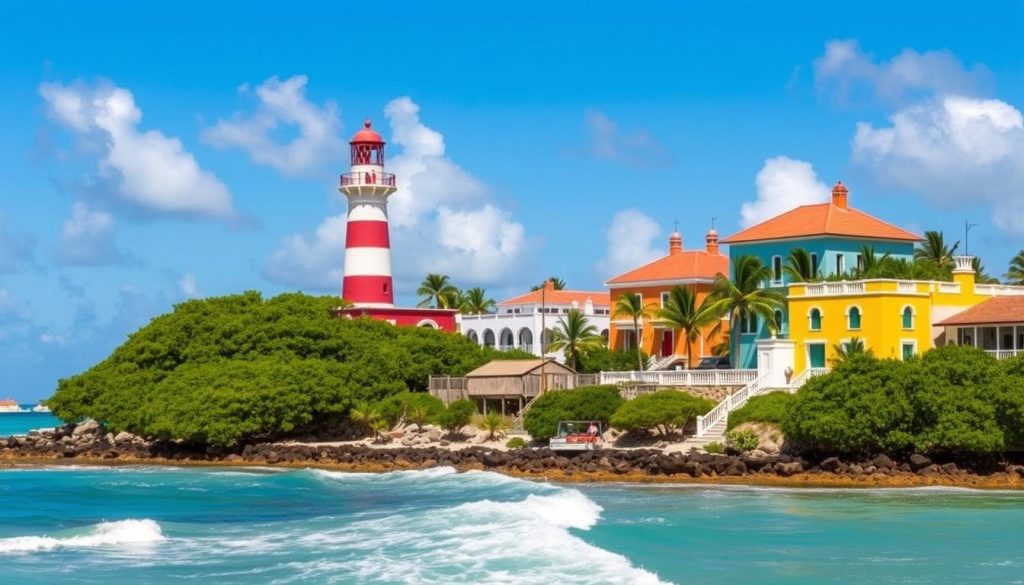
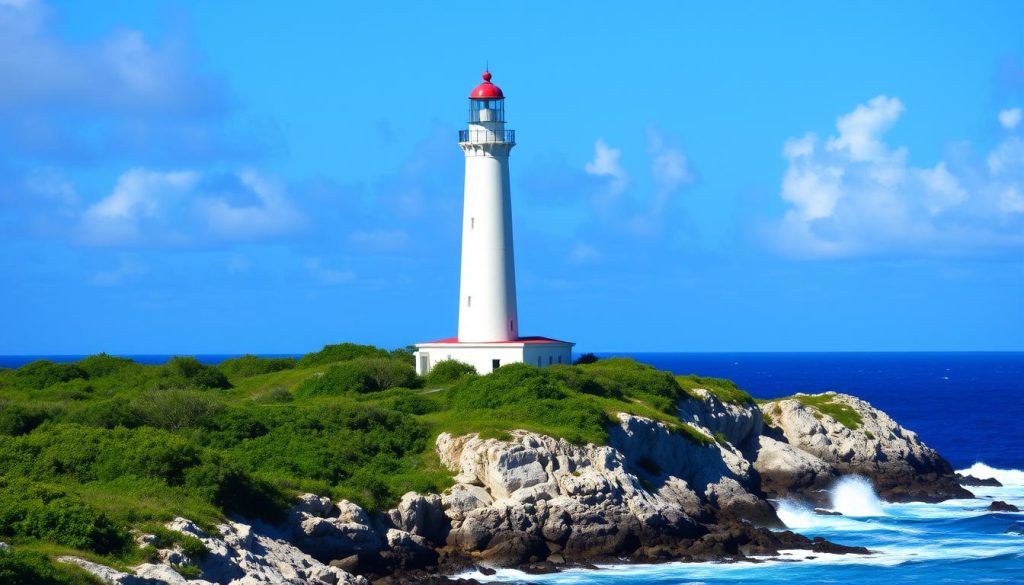
The Grand Turk Lighthouse is a key historical spot on the island. It was built in 1852 to guide sailors through dangerous waters. Standing 60 feet tall, it helped prevent shipwrecks, like the R.M.S. Medina in 1842.
Over time, the lighthouse changed from using whale oil to kerosene and then electricity. This shows how it adapted to keep ships safe.
History of the Lighthouse
The Grand Turk Lighthouse is deeply rooted in the island’s history. It was first lit with Argand reflector lamps, making its light 450 times brighter. It could be seen 15 miles away, helping sailors navigate.
Today, the lighthouse still guides ships but has modern updates. It’s a mix of beauty and function, serving as the only lighthouse in the Turks and Caicos Islands.
Visiting the Site
Visiting the Grand Turk Lighthouse is a must for history buffs and those who love views. It costs $3 USD per person to enter. You can also shop in the gift shop, located in the former keeper’s home.
The area is great for bird-watching and has a remote beach. It’s perfect for families, with activities for all ages. Taxis and rental cars make it easy to get there.
The best time to visit is from November to April. This way, you can enjoy the weather while exploring. Tours often include the lighthouse, making it easy to dive into the island’s history.
| Feature | Details |
|---|---|
| Built | 1852 |
| Height | 60 feet (18 m) |
| Total Height Above Sea Level | 108 feet (33 m) |
| Initial Light Visibility | 15 miles (24 km) |
| Original Fuel | Whale oil |
| Current Fuel Source | Electricity |
| Admission Fee | $3 USD per person |
| Accessibility | Taxis, rental cars, limited bicycle access |
| Best Time to Visit | November – April |
Discovering the Grand Turk National Museum
The Grand Turk National Museum gives a deep look into the rich history of Grand Turk. It’s in The Guinep House, one of the oldest buildings on the island. Here, you’ll see historical exhibits that show the life and history of the islands.
Exhibits and Treasures
At the Grand Turk National Museum, you’ll find many interesting exhibits. Some highlights include:
- Artifacts from the indigenous Lucayan people.
- Displays about the island’s colonial past.
- The Grand Turk Lighthouse, with its amazing Fresnel lens.
- Shipwreck artifacts that share maritime stories.
Getting into the museum is easy, with a $5 fee for adults. Kids under 12 get in free with an adult. You’ll have 30 minutes to an hour to enjoy the exhibits.
Cultural Importance
The museum celebrates Grand Turk’s cultural heritage. It opened in 1991 and is run as a non-profit. It gets help from donations, like the one from Mrs. Grethe Seim.
The museum matches its hours with cruise ship visits. It’s open from 9:00 AM to 1:00 PM on those days. With a 5-star rating, it’s a key place to learn about the islands’ history.
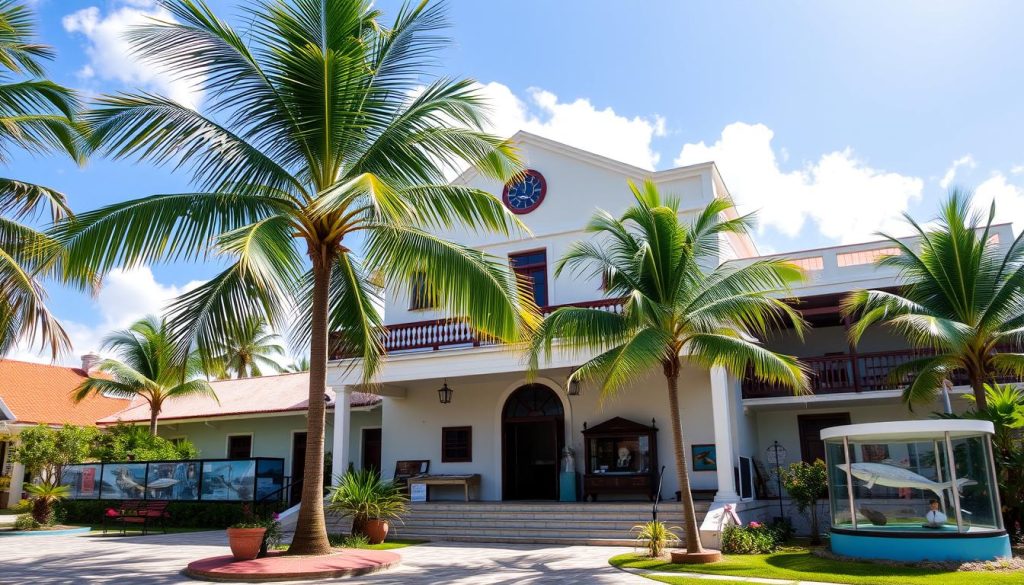
The Historic Cockburn Town
Cockburn Town is a treasure of the Turks and Caicos Islands. It was founded in 1681 by Bermudian sea salt producers. This town is the oldest permanent settlement in the area. It’s known for its unique architecture and fascinating stories.
Architectural Highlights
The architecture in Cockburn Town is stunning. Walking through the streets, you’ll see:
- Victoria Library: A historical library with local literature and art.
- St. Mary’s Pro-Cathedral: A beautiful beachfront church with Gothic architecture.
- The Turks and Caicos National Museum: Showcases the island’s history, including shipwrecks and the salt industry.
The historical part of Cockburn Town is about a mile long. It runs along the beautiful coastline. Visitors can enjoy the sea views while learning about the area’s history.
Key Landmarks in Cockburn Town
Cockburn Town has many landmarks worth seeing. Some key sites include:
- H.M. Prison: Open for tours, it offers a glimpse into the island’s past of piracy and punishment.
- Cockburn Town Beach: A lovely beach perfect for relaxation and enjoying views.
- Pillory Beach: Located on the outskirts, it’s great for those looking for peace away from the town.
Exploring Cockburn Town’s attractions reveals its natural beauty, rich culture, and history. It’s truly a Caribbean gem.
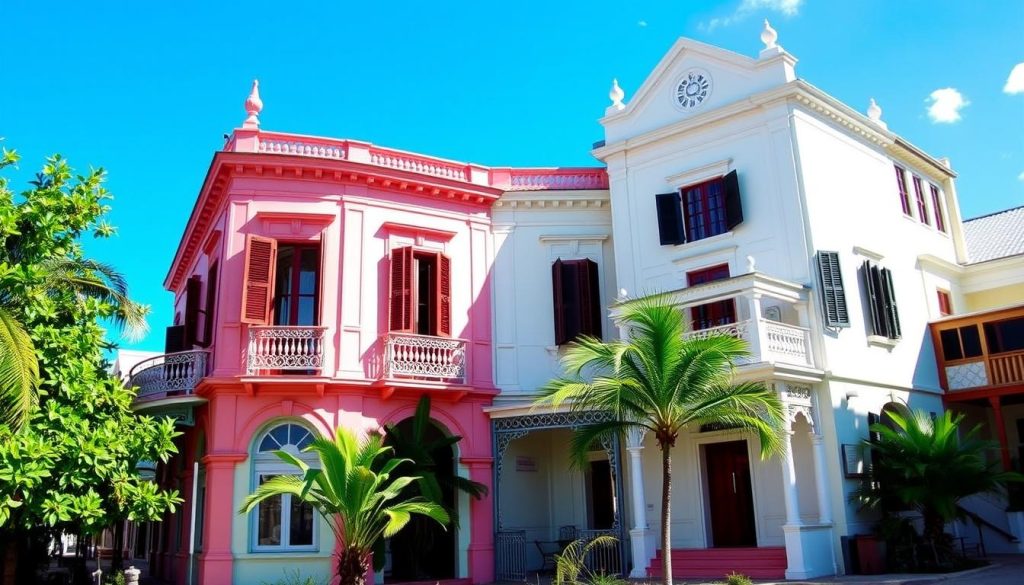
The Salinas of Grand Turk
The Grand Turk Salinas show the island’s past in salt production. These salt ponds tell of a time when salt was a big deal. They highlight the island’s history and its people’s hard work.
You can see the old salt ponds. They were made for collecting salt after it evaporated. These ponds still share the story of a lively trade.
Overview of Salt Production
For centuries, Grand Turk was famous for its salt. The salinas were key in making salt, which was vital for keeping food fresh and for trade. Making salt was a careful process, passed down through generations.
Workers used the island’s weather to get salt. This work is a big part of Grand Turk’s story, linking old times to today.
Preservation of Salinas Today
Now, there’s a push to keep the Grand Turk Salinas safe. Many projects work to keep these sites in good shape. They also show how important these places are.
By saving these sites, you learn about Grand Turk’s industrious spirit and rich history. It’s a way to see the island’s past come alive.
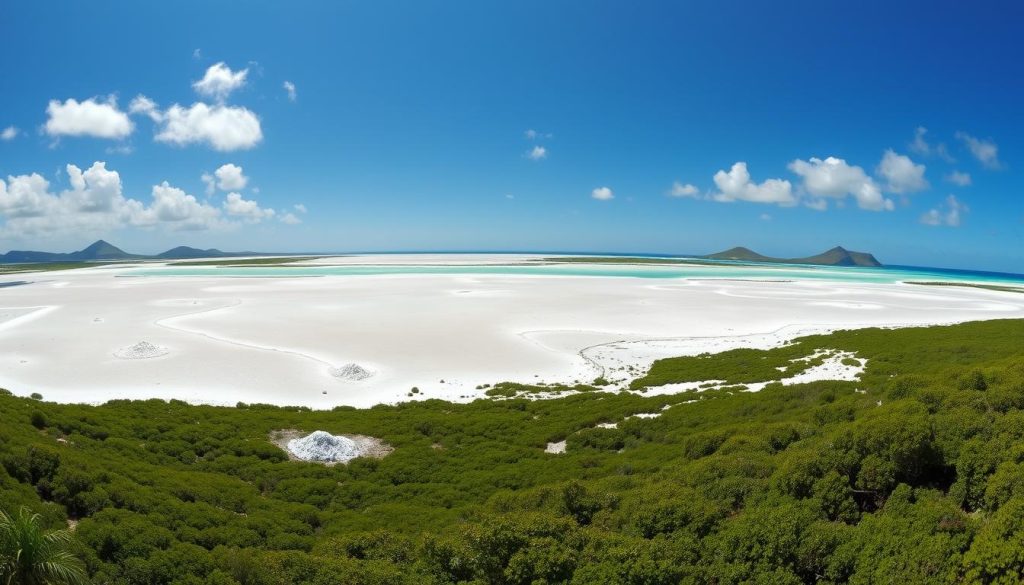
Remnants of the Plantations
The Grand Turk plantations give us a peek into the islands’ agricultural past. Exploring these sites, you’ll discover the land’s history and its changes. Cheshire Hall and Wade’s Green Plantation are key spots to learn about cotton and sisal farming.
Cheshire Hall Plantation
Cheshire Hall Plantation is near Downtown Providenciales. It’s the only open plantation site left. The site has the ruins of the Great House, overseer’s quarters, and a cotton mill.
Visitors can walk through and imagine life on this old cotton plantation. The preserved buildings offer a deep look into farming and economy back then.
Wade’s Green Plantation
Wade’s Green Plantation is on North Caicos. It’s an 18th-century cotton plantation with well-kept ruins. You’ll see the Great House, slave quarters, and the overseer’s home.
This site shows the size and effect of plantation economies in the Caribbean. The green surroundings and old buildings make a powerful contrast, showing the era’s complexity.
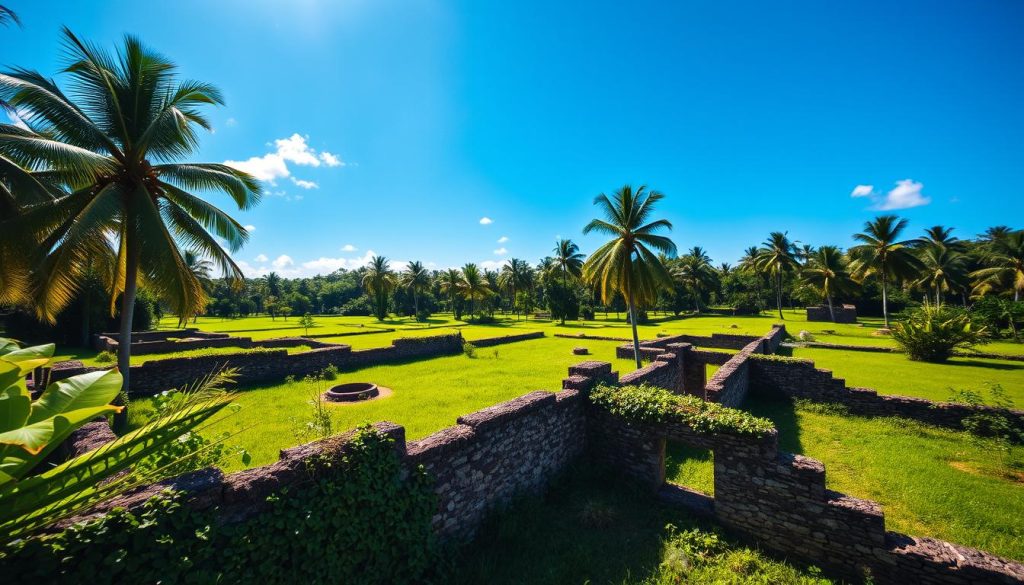
Exploring Historic Sites in Cockburn Town
Cockburn Town is the oldest permanent settlement in the Turks and Caicos. It has many historical sites to explore. Walking through this town, you’ll see beautiful buildings and learn about its rich history.
Places like St. Mary’s Pro-Cathedral and the Queen Victoria Library are must-sees. Each has its own fascinating story.
St. Mary’s Pro-Cathedral Anglican Episcopal Church
St. Mary’s Pro-Cathedral is a key historical site in Cockburn Town. Its beautiful architecture creates a peaceful atmosphere. Built in 1823, it shows the British colonial influence.
Visitors love the stained glass and other artistic details. They add to the church’s beauty and importance.
Queen Victoria Library and Other Important Buildings
The Queen Victoria Library highlights British influence and colonial heritage. Built in the early 20th century, it’s a treasure trove of local history. It stands alongside other important buildings, like the Government Offices and H.M. Prison.
Together, these sites tell the story of Cockburn Town’s growth. They show its role in the Turks and Caicos Islands’ history.
Uncovering the Stories Behind the Rock Carvings
The Grand Turk rock carvings offer a glimpse into the island’s past before Columbus. At Sapodilla Hill, these carvings show the art and beliefs of the Taino people. They highlight the deep bond between the islanders and their surroundings.
Significance of Sapodilla Hill Rock Carvings
The importance of Sapodilla Hill’s carvings is huge. They are more than art; they tell stories of the island’s first people. By studying these carvings, we learn about the Taino’s lives, beliefs, and their connection to the land. They give us a peek into a time when the island was untouched by outsiders.
Cultural Interpretations
Many theories exist about the Grand Turk rock carvings. Scholars keep finding new meanings in these ancient artifacts. Each carving offers a piece of the Taino’s world, helping us understand Grand Turk’s rich history.
These interpretations are key to keeping the island’s history alive. By exploring these carvings, we gain a deeper respect for Grand Turk’s cultural stories. It’s a way to honor the island’s past and its people.

Additional Historic Points of Interest
Exploring Grand Turk reveals more than just famous sites. The Grand Turk H.M. Prison and the salt industry remnants at Haulover and Salt Cay Salinas are key. These spots offer a deeper look into the island’s rich history.
H.M. Prison
The Grand Turk H.M. Prison was the only jail in the country until 1994. Today, it’s a major historical spot on Grand Turk. Walking through, you’ll see the old prison’s architecture and conditions.
Thanks to restoration, this site still tells its story. It lets visitors see the prison’s past.
Haulover and Salt Cay Salinas
The Salt Cay Salinas are crucial to Salt Cay’s history. These salt ponds show the island’s salt-making past. They highlight how salt production boosted the economy.
Visiting these sites, you’ll see the salt industry’s impact. Haulover and Salt Cay Salinas show the salt industry’s lasting influence on Grand Turk’s history.
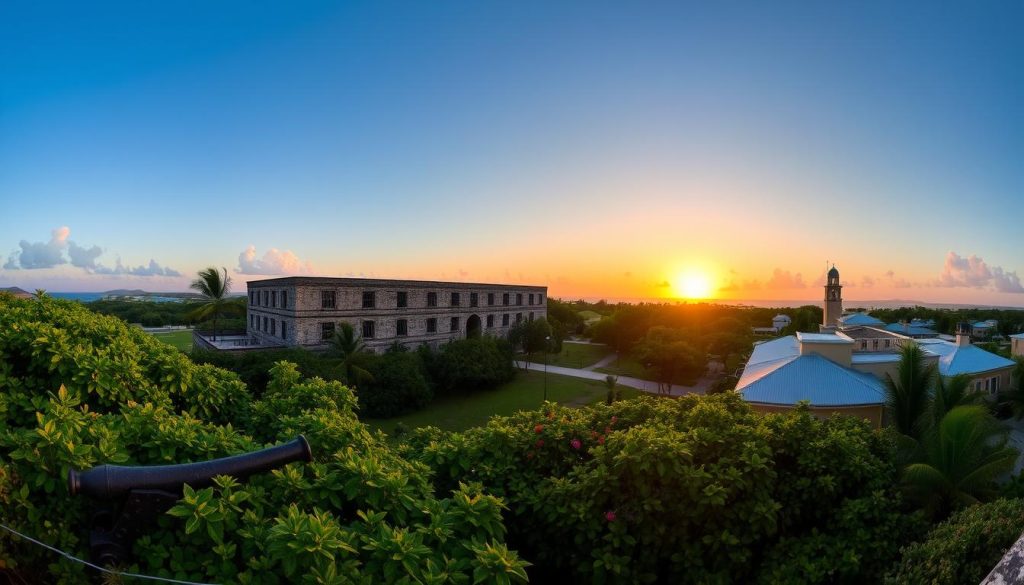
Historical Events that Shaped Grand Turk
Grand Turk’s history is filled with key moments that shaped its culture and economy. The Age of Discovery brought European explorers, starting its colonial journey. The U.S. military influence during the Cold War changed its role in the region.
The Age of Discovery
The Age of Discovery Grand Turk started in the late 15th century. It was when Europeans first met the island, leading to settlements. This era changed the local economy and culture.
Events like the Turks Island Whaling Company’s start in 1846 show the island’s spirit. Queen Victoria’s charter from 1848 to 1873 made Grand Turk its own colony. This was a big step in its political history.
Impact of the U.S. Military Presence
The missile tracking station in 1950 brought the U.S. military influence Grand Turk. It lasted until 1981. This presence helped secure the island and shaped its modern life.
The U.S. also helped with communications and transport. For example, the telegraph cable in 1898 connected Bermuda and Jamaica. This linked Grand Turk to a wider network. Grand Turk’s history is a mix of cultural and political changes.
Tourism and Historical Attraction Integration
Grand Turk tourism is booming as people see the rich history behind its sights. Guided tours make history come alive. Local guides share tales of the past, from early settlers to the salt industry.
Every historical site is a source of inspiration. It deepens your respect for the cultural heritage of this special place.
Visitor Engagement with History
Travelers on Grand Turk have many chances to connect with history. The Grand Turk National Museum and local landmarks offer interactive exhibits. Walking through Cockburn Town, you’ll see buildings that tell the island’s story.
History becomes a living experience here. It’s not just something to study, but something you can feel.
Guided Tours and Educational Opportunities
Grand Turk offers many chances to learn. Guided tours cover key historical periods, like the colonial era. They also visit natural wonders, like coral reefs.
These tours are great for history buffs and casual visitors alike. They show how tourism and education blend, making every visit unforgettable.
Conclusion
Exploring Grand Turk shows it’s more than a vacation spot. It’s a rich mix of history and culture. Historical sites spark curiosity and appreciation for the island’s long story.
From Christopher Columbus’s first visit to the salt collectors’ settlement, each site tells a part of Grand Turk’s tale. The Grand Turk Lighthouse and the Turks & Caicos Islands National Museum are key parts of this story.
The architecture in Cockburn Town shows the island’s colonial past. Events like the Salt Festival let visitors see the traditions that shape the island. These experiences deepen your connection to the local heritage.
Your trip to Grand Turk will be filled with color and history. Whether walking through architectural wonders or diving into the land’s stories, Grand Turk invites you to explore its past. It’s a compelling place to plan your adventures.