The Intriguing Story of the Great Mosque Sousse: Uncover Its Past
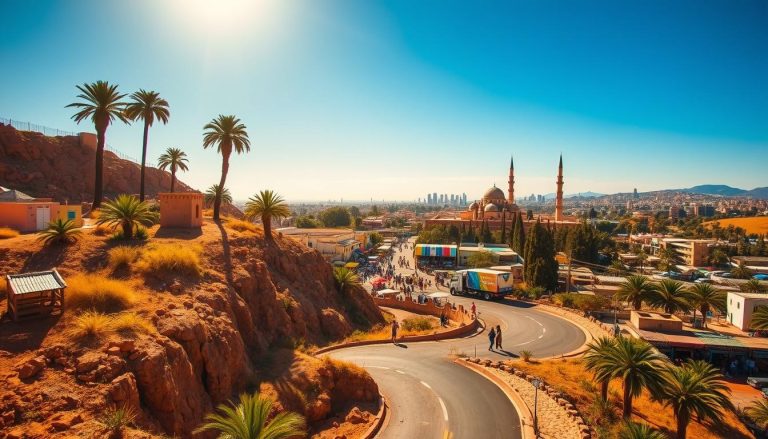
Ever wondered what secrets ancient walls hold? The Great Mosque in Sousse is a window into the city’s rich past. It shows the city’s deep cultural and historical significance.
In the heart of Sousse’s medina, this mosque is a marvel. It has endured for centuries, symbolizing Islamic identity. As you learn about it, you’ll discover its history, from start to present.
This landmark is more than just beautiful architecture. It’s a key part of Tunisia’s history and culture.
The Origins of the Great Mosque Sousse
Exploring the Great Mosque Sousse’s history reveals its roots in the Aghlabid dynasty. This era set the stage for its architectural and historical importance.
Foundation in the Aghlabid Dynasty
The Great Mosque Sousse was built during the Aghlabid dynasty’s rule. This period was key in shaping the mosque’s design and its role in the community.
The Vision of Ziyadat Allah I
Ziyadat Allah I’s vision led to the mosque’s construction. It was designed to be grand and functional. The Aghlabid dynasty’s mark is clear in the mosque’s architecture, showcasing the era’s styles.
The mosque’s foundation showcases the Aghlabid dynasty’s architectural skill. Its original construction includes:
- A robust structure designed to withstand the test of time
- Architectural elements that reflect the Aghlabid style
- A design that maximized the use of available space for worship and community gatherings
The Great Mosque Sousse is a prime example of Islamic architecture from the Aghlabid period. It highlights the dynasty’s impact on the region’s culture and religion.
Historical Context: Sousse in the 9th Century
In the 9th century, Sousse became a key Mediterranean port city. It played a big role in trade and cultural exchange. The city grew important under the Aghlabid dynasty, a Muslim state in North Africa.
Sousse as a Strategic Mediterranean Port
Sousse’s location on the Mediterranean coast made it perfect for trade. It connected Europe, Africa, and the Middle East. The port was where goods like textiles, spices, and metals were exchanged.
Trade Routes and Economic Importance
The city’s wealth came from its spot on important trade routes. Key factors included:
- Strategic location on the Mediterranean coast
- Access to major trade routes
- Diverse economy with a strong focus on textiles and spices
The Great Mosque Sousse, built then, shows the city’s rich culture and history. Its design shows the mix of cultures and civilizations in the city.
Great Mosque Sousse History: A Timeline of Development
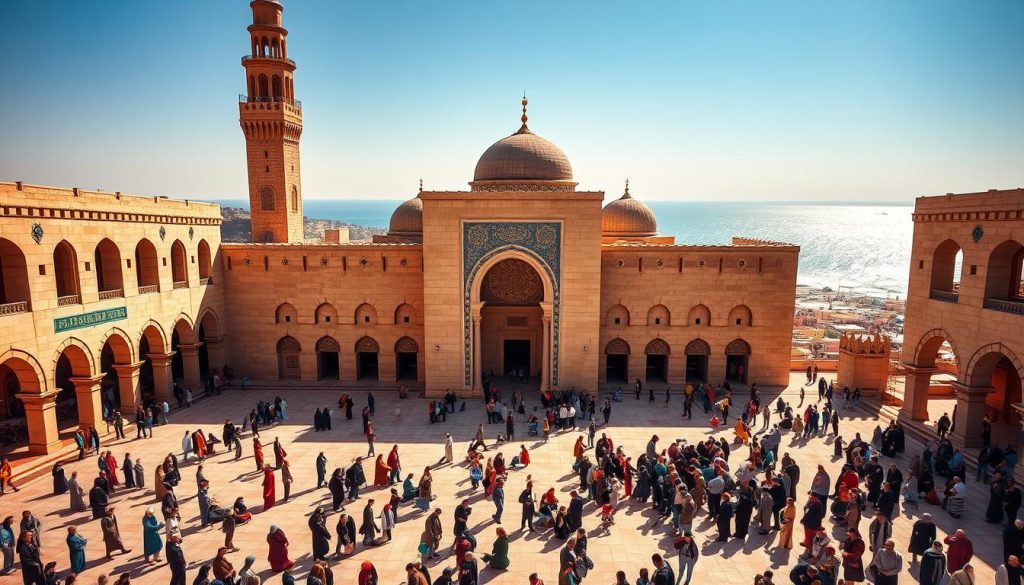
Exploring the Great Mosque Sousse reveals a rich history of growth and updates. The mosque has seen many changes over the years. These changes show the impact of different dynasties and cultures on the area.
Original 9th Century Construction
The Great Mosque Sousse started in the 9th century under the Aghlabid dynasty. This was the mosque’s first chapter, making it a key spot for religion and culture.
Fatimid and Zirid Period Modifications
Modifications during the Fatimid and Zirid periods changed the mosque’s look. These dynasties added new styles and features, making the mosque even more beautiful.
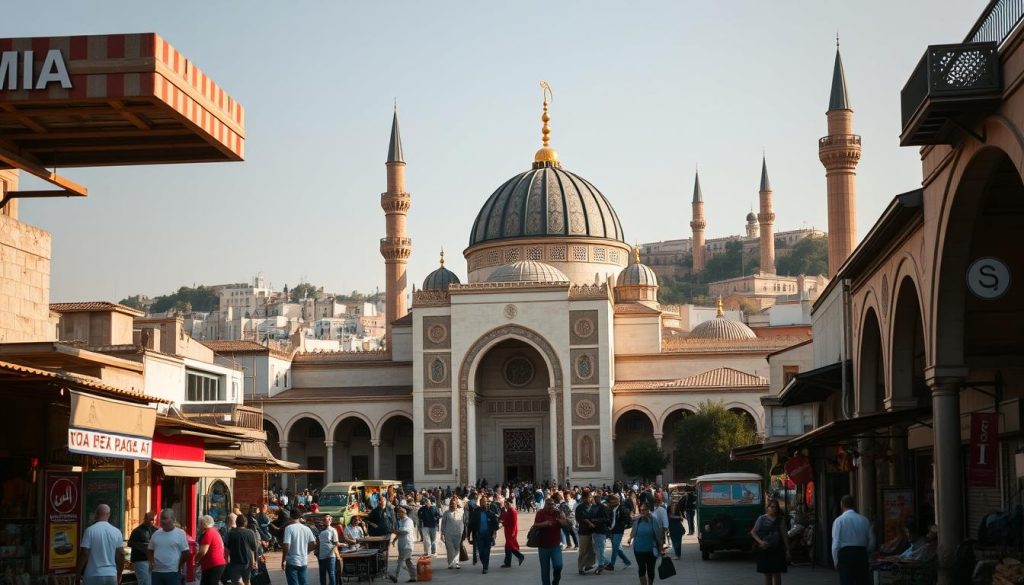
Historian Marçais said, “The mosque’s design shows the mix of cultures that have shaped it over time.”
Ottoman Era Renovations
In the Ottoman era, the mosque got more updates, blending Ottoman styles. This time brought new decorations and structural changes.
Colonial Period and Modern Interventions
The colonial era and modern times also influenced the Great Mosque Sousse. Some changes were made to use the mosque differently. But, efforts were made to keep its historical essence.
The Great Mosque Sousse is a symbol of the region’s deep history and cultural richness. Its evolution shows the complex mix of dynasties and cultures.
Architectural Marvels of the Great Mosque
When you enter the Great Mosque Sousse, you’re hit with its grand design. It’s famous for its distinctive architectural features, kept intact for centuries.
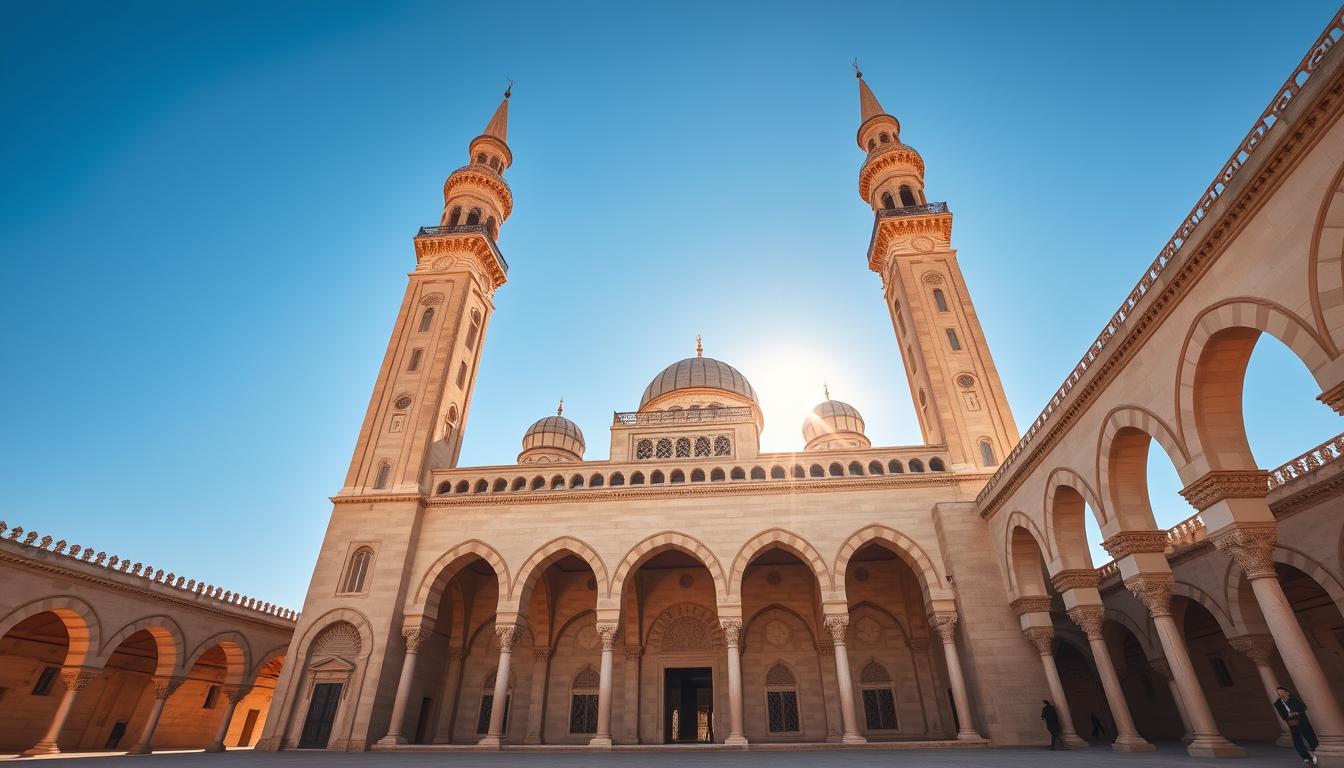
The Distinctive Square Minaret
The square minaret of the Great Mosque Sousse stands out. It’s not just a visual highlight but also key to the mosque’s use.
Design Elements and Symbolism
The minaret’s design shows the Islamic faith through geometric patterns and simple yet strong design. It reflects the Aghlabid period’s architectural style.
Prayer Hall Structure and Layout
The prayer hall is a major part of the Great Mosque Sousse. It’s built to hold many worshippers, focusing on prayer direction.
The Mihrab and Qibla Wall
The mihrab, or prayer niche, is beautifully made. It’s the prayer hall’s center. The qibla wall, showing Mecca’s direction, is also vital.
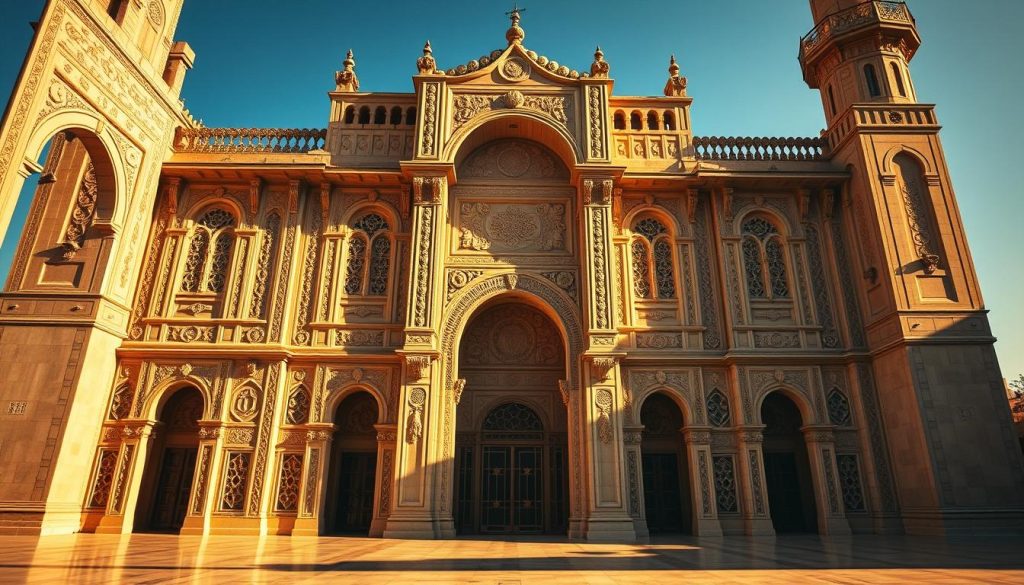
Courtyard Design and Function
The courtyard of the Great Mosque Sousse is peaceful. It lets in natural light, making the mosque’s atmosphere better.
Exploring these architectural wonders helps you understand the Great Mosque Sousse’s importance in Islamic architecture. It shows its lasting impact.
Artistic Elements and Decorative Features
Exploring the Great Mosque Sousse reveals a world of artistic beauty. Its interior and exterior are filled with detailed decorations. These not only make the mosque stunning but also highlight its role in Islamic history.
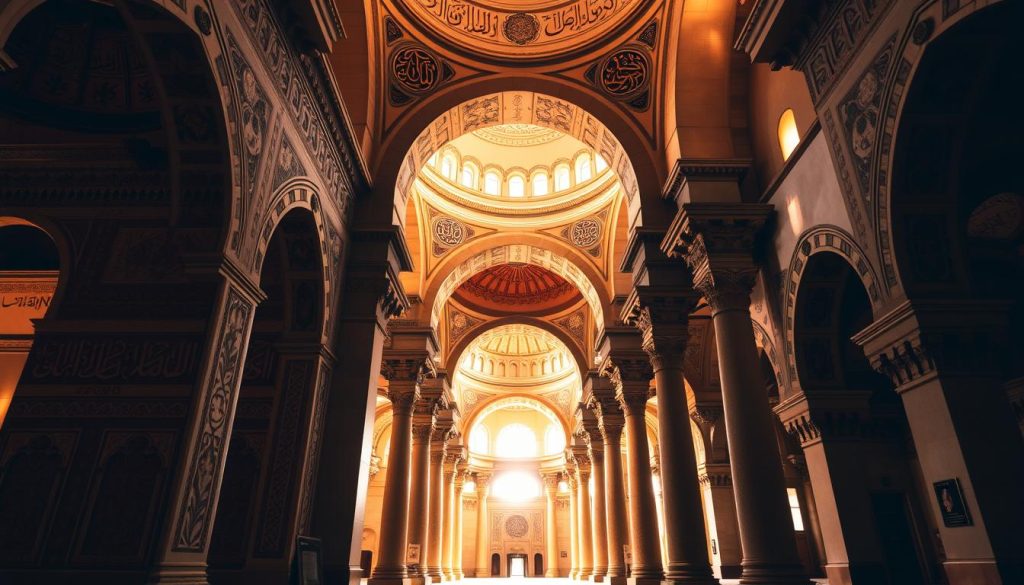
Calligraphy and Religious Inscriptions
The Great Mosque Sousse is adorned with beautiful calligraphy and religious inscriptions. These elements are not just visually appealing. They also hold deep spiritual meaning, often featuring verses from the Quran.
Geometric Patterns and Islamic Motifs
Geometric patterns and Islamic motifs cover the mosque, creating a peaceful atmosphere. These designs showcase the skill of the artisans who built the mosque.
Unique Architectural Ornamentations
The mosque’s unique architectural features set it apart from other Islamic buildings. These features add to its cultural and historical value.
Comparison with Contemporary Islamic Art
Compared to modern Islamic art, the Great Mosque Sousse’s decorations are elegant and sophisticated. It connects the past and present, showing how Islamic art has evolved over time.
The Mosque’s Role in Sousse’s Cultural Heritage
Exploring Sousse, you’ll see the Great Mosque is key to the city’s heritage. It has shaped Sousse’s culture and faith deeply.
Center of Religious Learning and Education
The Great Mosque is a major spot for learning and education. Scholars and students flock here, making Sousse a center of Islamic knowledge.
Influence on Local Architecture and Urban Development
The mosque’s design has inspired local buildings. Many in Sousse show its architectural style. This has made the city’s look unique.
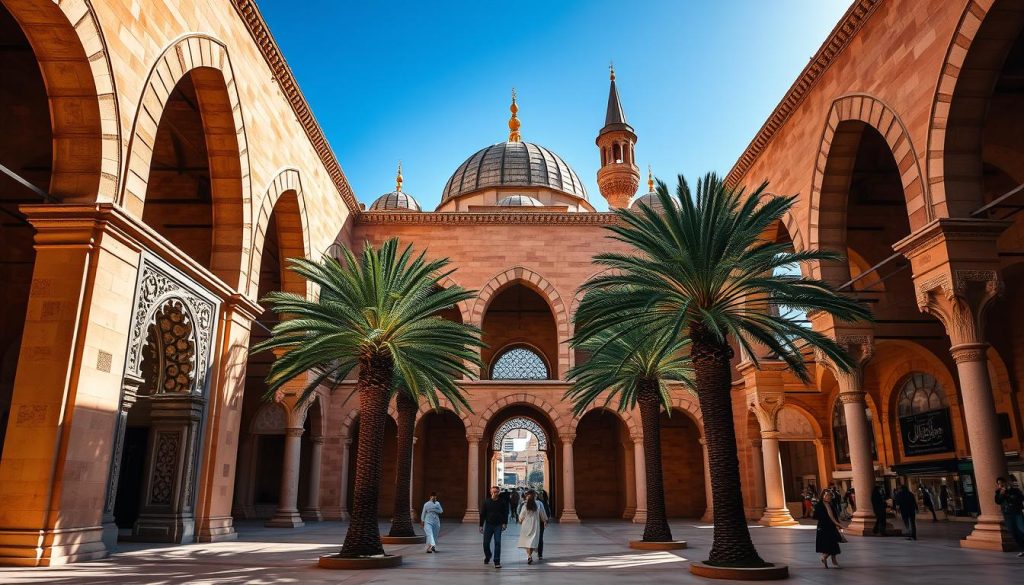
Symbol of Sousse’s Islamic Identity
The Great Mosque stands as a symbol of Sousse’s Islamic identity. It showcases the city’s rich religious history and remains a cornerstone of its culture.
Today, the mosque’s historical importance is still celebrated. It’s a vital part of Sousse’s cultural heritage.
Notable Historical Events at the Great Mosque Sousse
The Great Mosque Sousse has seen many historical events. It’s a key landmark in Sousse, Tunisia. It has played a big role in the city’s life.
Religious Ceremonies and Gatherings
The mosque hosts many religious events. This includes Friday prayers and Eid celebrations. These events keep the mosque at the heart of the community.
Political Assemblies Throughout History
The Great Mosque Sousse has also seen political gatherings. These have included announcements by rulers and talks among leaders.
The Mosque During Times of Conflict
The mosque has faced many conflicts, like invasions and wars. Its survival shows its importance and the community’s strength.
Survival Through Invasions and Wars
Despite many challenges, the Great Mosque Sousse has stood strong. It continues to be a place of worship and community. Its story mirrors the region’s history.
| Event | Date | Description |
|---|---|---|
| Construction Completion | 9th Century | The mosque was completed during the Aghlabid dynasty. |
| Fatimid Modifications | 10th Century | The mosque underwent significant changes under Fatimid rule. |
| Ottoman Renovations | 16th-18th Century | Renovations were carried out, reflecting Ottoman architectural influences. |
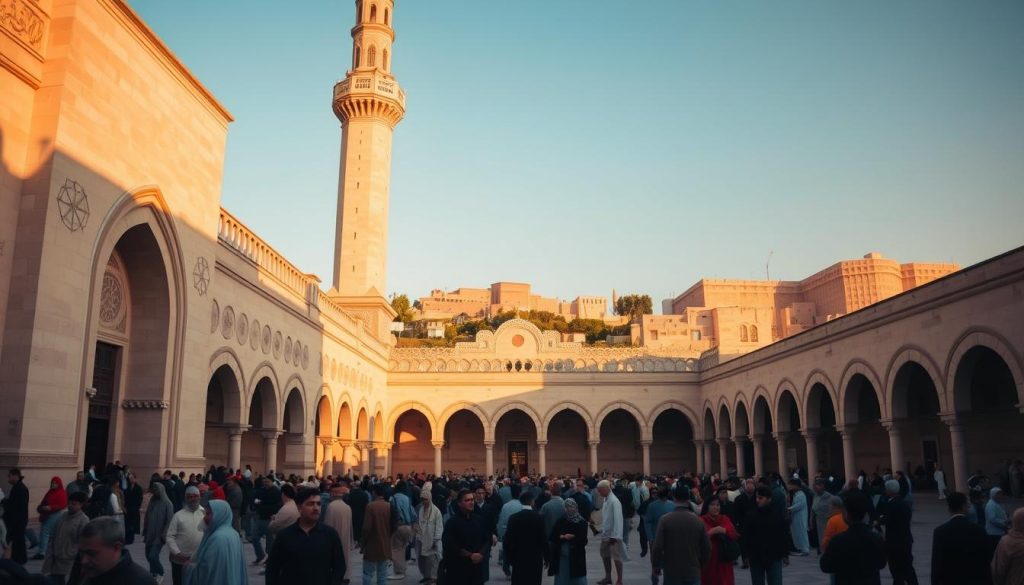
Religious Practices and Traditions
The Great Mosque Sousse is more than a historical site. It’s a place where people gather for prayers and celebrations. Exploring the mosque, you’ll learn about the community’s faith and cultural traditions.
Daily Prayer Rituals and Worship
Daily prayers are key at the Great Mosque Sousse. The prayer hall is filled with people, showing the mosque’s role in their lives. The call to prayer, echoing from the minaret, is a poignant reminder of the mosque’s role in the daily lives of the faithful.
Ramadan Observances
Ramadan makes the Great Mosque Sousse even more special. It hosts special prayers and fasting breaks. This period is a time of heightened spiritual awareness and community bonding.
Eid Celebrations and Special Events
The Great Mosque Sousse is also the site of significant celebrations during Eid. The mosque is filled with worshippers, and special prayers are performed to mark the occasion. 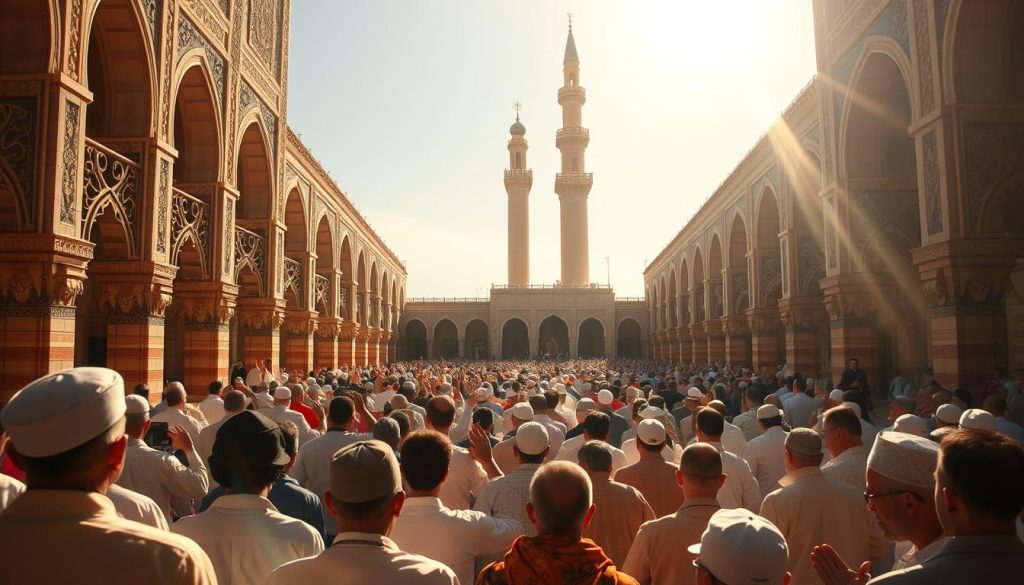 These events show the mosque’s importance in religious and cultural life.
Through daily prayers, Ramadan, and Eid, the Great Mosque Sousse remains a vibrant center of religious practice and community life.
Visiting the Great Mosque Sousse Today
Visiting the Great Mosque Sousse is a special chance to see Islamic history and culture. As you enter this ancient mosque, you see a place of worship and a living part of the region’s rich cultural heritage.
Visitor Information and Practical Tips
Before you go, learn some key Great Mosque Sousse facts to make your visit better. The mosque welcomes visitors all day, except during prayer times. Remember to dress modestly and take off your shoes before entering the prayer hall.
Opening Hours and Etiquette
Visitors must be respectful of the mosque’s rules and traditions. This means being quiet and not causing trouble. Following these rules will make your visit better for everyone.
Tour Highlights and What to Observe
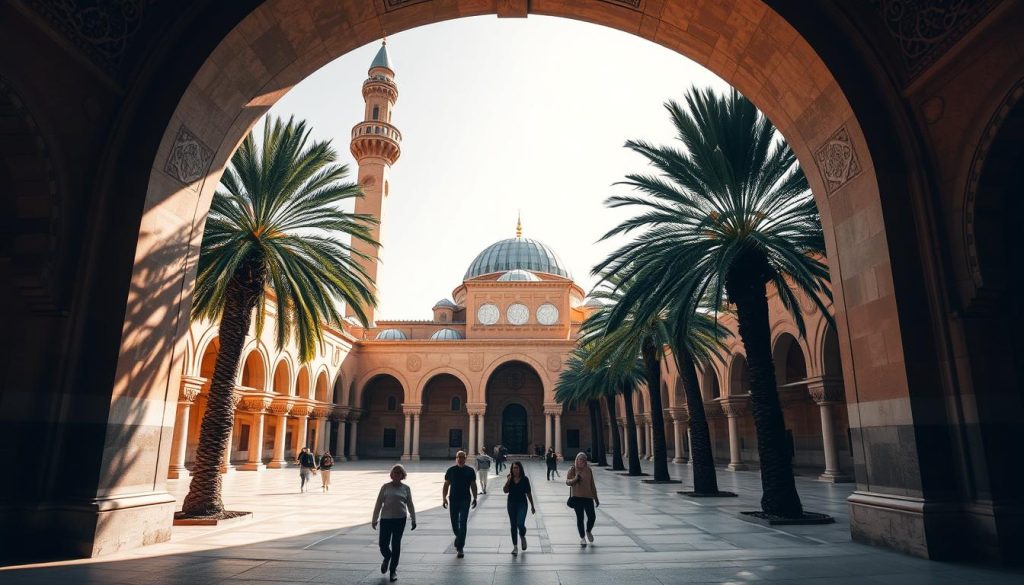
While exploring the Great Mosque Sousse, look at its amazing architecture. Notice the square minaret and the detailed designs in the prayer hall. These are not just beautiful but also important to the mosque’s history and culture.
Photography and Cultural Sensitivity
Be careful with your photos, considering the worshippers. The Great Mosque Sousse is a sacred place. By being respectful, you’ll enjoy your visit more and help keep the mosque’s spirit alive.
Preservation Efforts and UNESCO Recognition
The Great Mosque Sousse is a symbol of successful preservation and restoration. It has faced many challenges, mainly because of its location by the sea.
Conservation Challenges in a Coastal Environment
The mosque is close to the sea, which brings salt and changing temperatures. These can damage the mosque. Conservation efforts include regular upkeep and protective steps.

Major Restoration Projects
Many restoration projects have aimed to bring back the mosque’s former glory. These efforts have fixed damaged parts and made the decorations shine again.
World Heritage Status and Its Impact
The Great Mosque Sousse is a UNESCO World Heritage Site. This recognition highlights its cultural heritage and historical significance. It has raised its profile and brought in international help for its care.
International Cooperation for Preservation
International teamwork is key in keeping the Great Mosque Sousse safe. UNESCO’s involvement has brought in resources and skills. This ensures the mosque remains intact for future generations.
Comparing the Great Mosque Sousse to Other Historic Mosques
Exploring the Great Mosque Sousse reveals its architectural style is similar to other historic mosques. Its design and historical importance make it a great example for comparison with other mosques in North Africa.
Similarities with Other North African Mosques
The Great Mosque Sousse has architectural similarities with mosques in Kairouan and Tunis. These mosques were built during the same time and show the Aghlabid and Fatimid architectural styles.
Kairouan and Tunis Comparisons
The Great Mosque of Kairouan is famous for its impressive minaret and detailed stone carvings. The Great Mosque Sousse also has a distinctive square minaret, showing the architectural influences of the time. Mosques in Tunis use local materials and traditional Islamic motifs, similar to Sousse.
Unique Features That Set It Apart
Despite similarities, the Great Mosque Sousse has unique features. Its location in Sousse and its role in the city’s history make it stand out.
Influence on Later Mosque Architecture
The Great Mosque Sousse has influenced the architecture of later mosques. Its design, like the square minaret and local materials, has been used in other mosques.
| Mosque | Location | Notable Feature |
|---|---|---|
| Great Mosque Sousse | Sousse, Tunisia | Square Minaret |
| Great Mosque of Kairouan | Kairouan, Tunisia | Impressive Minaret and Stone Carvings |
| Great Mosque of Tunis | Tunis, Tunisia | Traditional Islamic Motifs |
Conclusion: The Enduring Legacy of the Great Mosque Sousse
The Great Mosque Sousse is a key part of Sousse’s culture and faith. It shows the city’s deep history and cultural richness. Exploring the mosque helps us see its role as a religious and cultural landmark.
The mosque’s design, with its square minaret and detailed decorations, highlights the Aghlabid dynasty’s skill. This architecture is a marvel of craftsmanship.
The mosque’s story mirrors Sousse’s strategic position and its role as a major port. Over time, it has changed with different dynasties and cultures. Now, it symbolizes Sousse’s Islamic heritage and connects to its past.
Today, the Great Mosque Sousse is more than just a building. It’s a heart of Sousse’s community, hosting prayers, Ramadan, and Eid celebrations. Visitors can see its beauty and importance, learning more about Sousse’s cultural heritage.