Swimming Safety in the Dead Sea: Essential Tips
Have you ever wondered why the Dead Sea is a top swimming spot? Its salinity level of about 34% draws many. But before you jump in, knowing the safety tips is key. This guide will help you enjoy a safe swim, letting you fully experience the Dead Sea’s benefits.
Introduction to the Dead Sea
The Dead Sea is a fascinating natural wonder, located between Jordan and Israel. It has a very high salt level, almost ten times more than regular oceans. This unique saltiness makes it a place of wonder and offers great health benefits, attracting many visitors.
Swimmers can float easily on the Dead Sea’s surface because of its dense salt. It’s a great spot for relaxation and rejuvenation. The mineral-rich mud along its shores is believed to help with skin issues like psoriasis and eczema. This makes the Dead Sea a popular health resort, welcoming over a million tourists each year.
When you visit the Dead Sea, remember to check the travel restrictions. These can change due to various reasons. Knowing about these restrictions helps ensure your trip is enjoyable and without any issues.
The Unique Characteristics of the Dead Sea
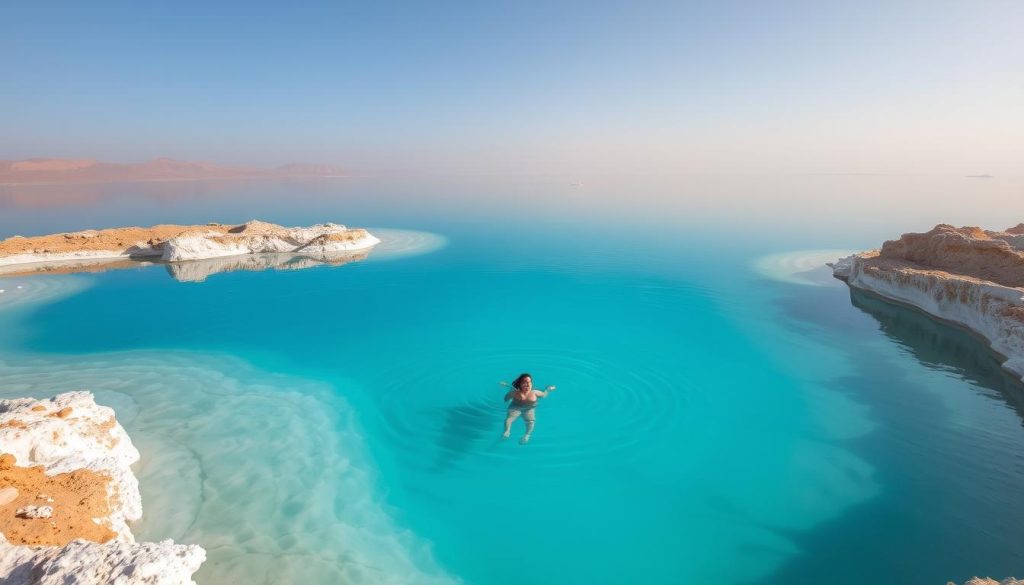
The Dead Sea is known for its Dead Sea characteristics, like its very high salt levels. It has about 34.2% salt, making it the fourth saltiest body of water. This is much saltier than the Mediterranean Sea, which has only 3.5% salt.
Because of this, the Dead Sea’s water is so dense that you can float on it easily. This is a unique experience you can’t find anywhere else.
The Dead Sea is also the lowest point on Earth, sitting 430 meters below sea level. It’s huge, covering 51 kilometers and reaching up to 18 kilometers wide. It’s filled with 26 minerals, like magnesium, calcium, and potassium, which are good for your skin.
People often go there for mud treatments to help with skin problems like psoriasis and eczema. These treatments use the minerals in the mud to improve your health and relax you.
The Dead Sea’s environment is very different from others. Its high salt levels make it hard for most living things to survive. This makes it a special place for healing and relaxation.
Visitors love to float on the water and enjoy the beautiful surroundings. This makes the Dead Sea a top place to visit.
Can You Swim in the Dead Sea?
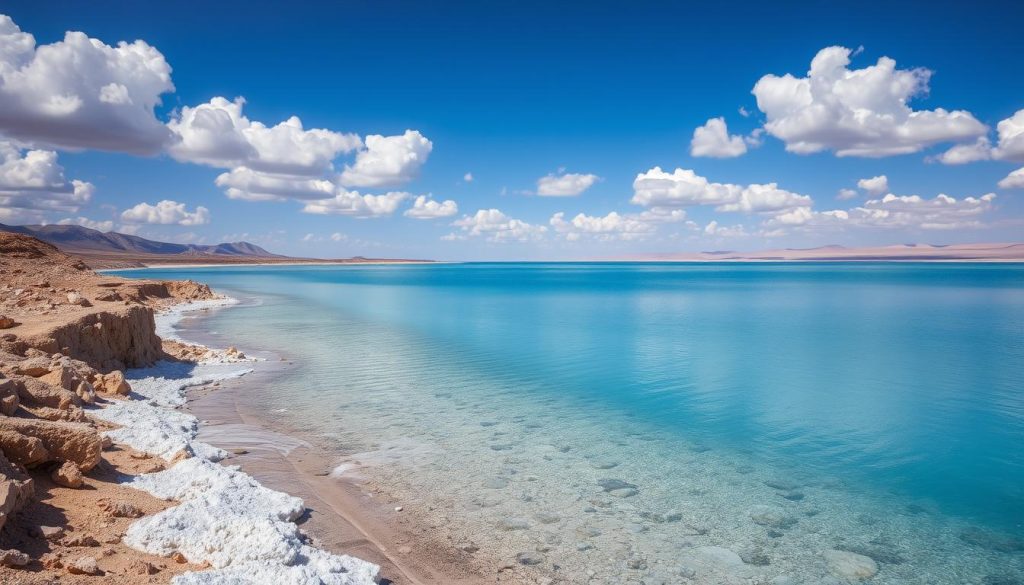
Visiting the Dead Sea offers unique experiences. People often ask, can you swim in the Dead Sea? Yes, but it’s not like swimming in regular water. The water’s high mineral content changes how you float and interact with it.
Understanding Buoyancy and Salt Content
The Dead Sea is much saltier than ocean water, with minerals making up 34%-35% of its content. This makes it very buoyant, so you can float easily. Most people find it hard to sink, making it a strange but cool experience.
While it might seem like a good idea to swim, the buoyancy makes it hard to move like you normally would.
What to Expect While Floating
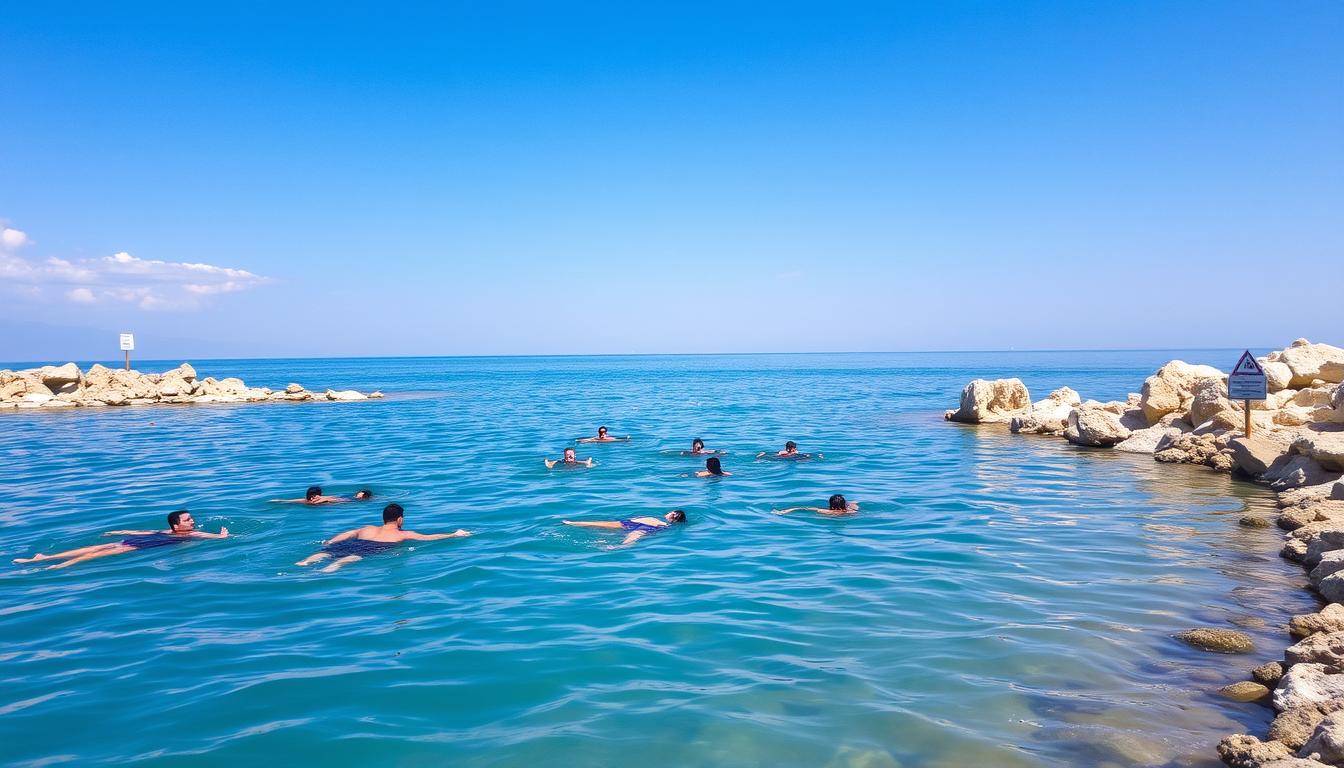
When floating in the Dead Sea, remember the water’s high salt content can be risky. Getting water in your eyes or mouth can hurt. It’s best to keep your head up and enjoy the feeling of floating, not try to swim.
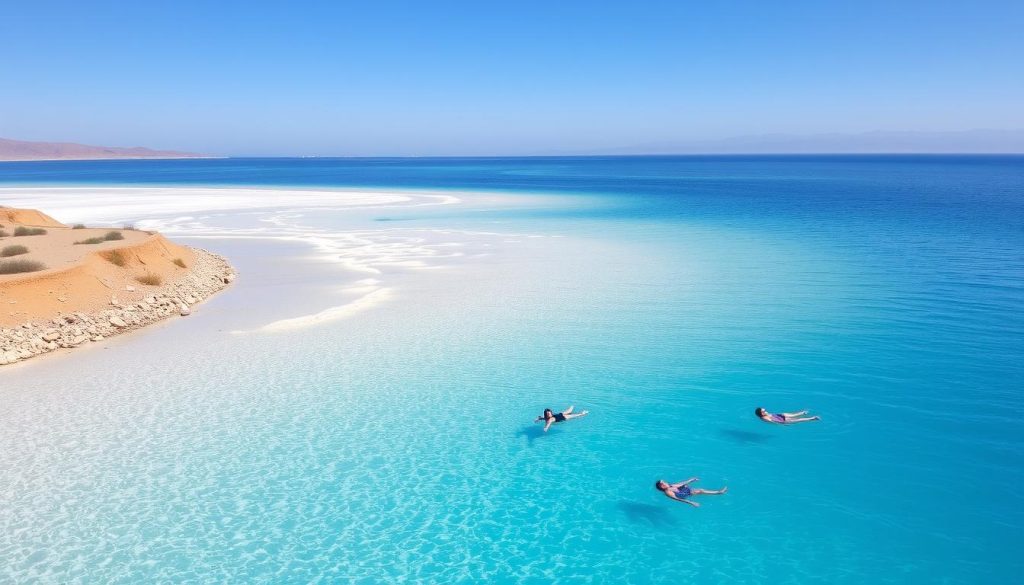
| Characteristic | Dead Sea | Ocean |
|---|---|---|
| Salinity | 34%-35% | 3.5% |
| Bouyancy | Highly buoyant | Moderately buoyant |
| Organisms | No aquatic life | Supports a variety of marine life |
| Location | 1400 feet below sea level | Varies |
Safety Precautions Before Swimming
Before you dive into the Dead Sea, it’s important to take safety steps. The water’s high salt can be tough on sensitive skin or open wounds. Taking these precautions can make your swim safer and more comfortable.
Wound and Skin Sensitivity
Swimming in the Dead Sea can sting if you have cuts or sensitive skin. Cover any open wounds with waterproof bandages to avoid discomfort. Also, wait a day or two after shaving before swimming to avoid stinging.
Protective Clothing and Gear
Wearing the right swimwear can add comfort. Choose a swimsuit that covers your skin to lessen irritation. Goggles or a snorkel mask can protect your eyes from the saltwater. Wearing shoes is also a good idea for the rocky bottom.
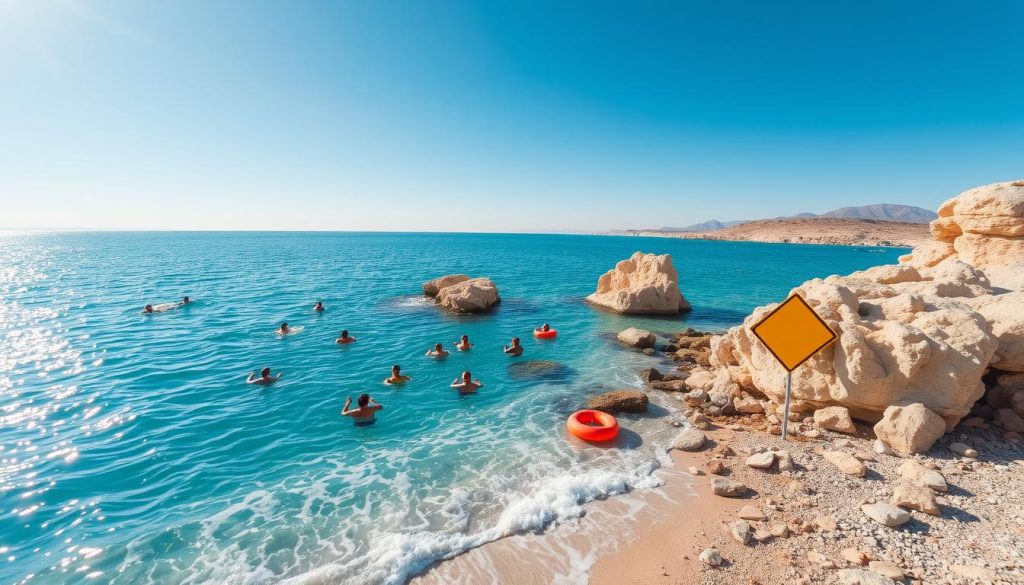
| Safety Precautions | Description |
|---|---|
| Cover Wounds | Use waterproof bandages to prevent stinging from saltwater. |
| Avoid Shaving | Wait 1-3 days after shaving before swimming to minimize irritation. |
| Wear Protective Clothing | Opt for swimsuits that cover skin to reduce irritation. |
| Use Goggles | Protect your eyes from saltwater to enhance visibility. |
| Footwear Recommended | Wear shoes to navigate rocky areas comfortably. |
Tips for Enjoying Your Dead Sea Swim
Swimming in the Dead Sea is a unique experience. Its high salt content makes you buoyant and offers health benefits. Here are some tips to make your swim safe and fun.
How to Enter the Water Safely
Approach the shore slowly when entering the water. Take time to get used to the buoyant conditions. Once in, let your body float naturally without worrying.
Remember, the Dead Sea swimming tips stress relaxation over fast movements. This helps avoid discomfort in this special water.
Best Practices While in the Water
While swimming, try to float instead of swimming hard. The high salt keeps you buoyant, adding to the Dead Sea’s charm. It’s important to stay hydrated, as the water can dry out your skin quickly.
Try to swim for 20 minutes at a time. This helps you enjoy the water’s benefits without getting too tired.
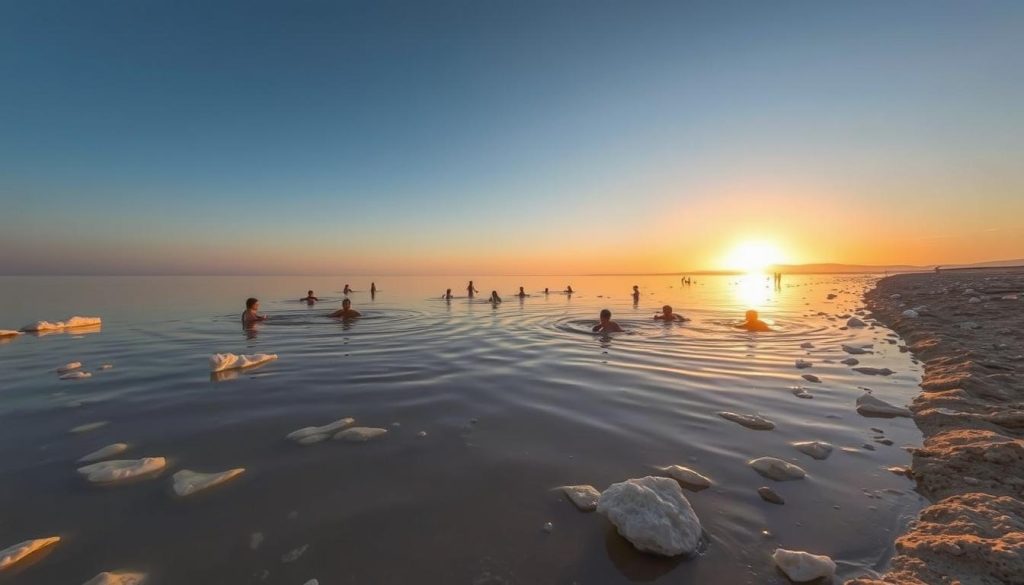
Using the water’s healing properties can improve your skin and reduce joint pain. The minerals in the water are beneficial. For a more personal experience, explore secluded spots by car instead of crowded tourist areas.
| Swimming Tips | Benefits |
|---|---|
| Enter slowly | Acclimates body to buoyancy |
| Focus on floating | Minimizes exhaustion |
| Stay hydrated | Prevents dehydration |
| Limit swim time to 20 min | Reduces risk of salt-related discomfort |
| Explore secluded areas | Enhances personal experience |
Post-Swim Care and Rinse Off
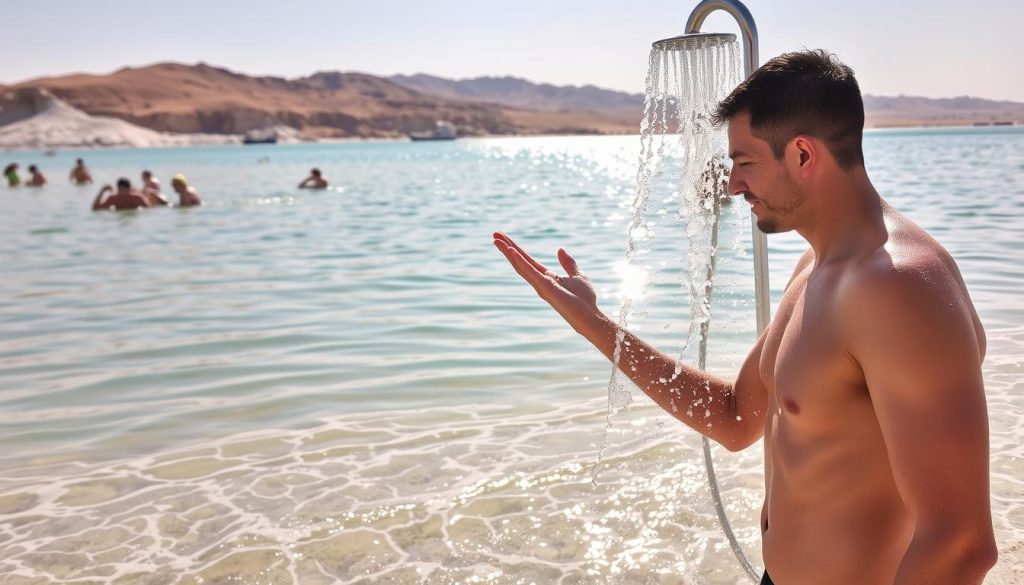
After enjoying a swim in the Dead Sea, it’s important to rinse well. The Dead Sea’s salt content, about 34%, can cause skin irritation if not washed off. Rinsing with fresh water right after swimming helps remove excess salt and prevents discomfort.
After rinsing, applying Dead Sea mud can greatly benefit your skin. This mud is known for helping with psoriasis and eczema. It makes your skin feel better and look healthier.
Keeping your skin hydrated is key after swimming. Use a good moisturizer to keep your skin soft and prevent dryness. Here’s a quick guide to taking care of your skin after a Dead Sea swim:
| Post-Swim Care Steps | Description |
|---|---|
| Rinse Off | Wash thoroughly with fresh water to remove salt residues. |
| Apply Dead Sea Mud | Use the mineral-rich mud for its skin-rejuvenating benefits. |
| Moisturize | Apply a moisturizer to restore hydration and elasticity. |
| Stay Hydrated | Drink plenty of water post-swim to help skin recover. |
Best Areas and Beaches to Swim in the Dead Sea
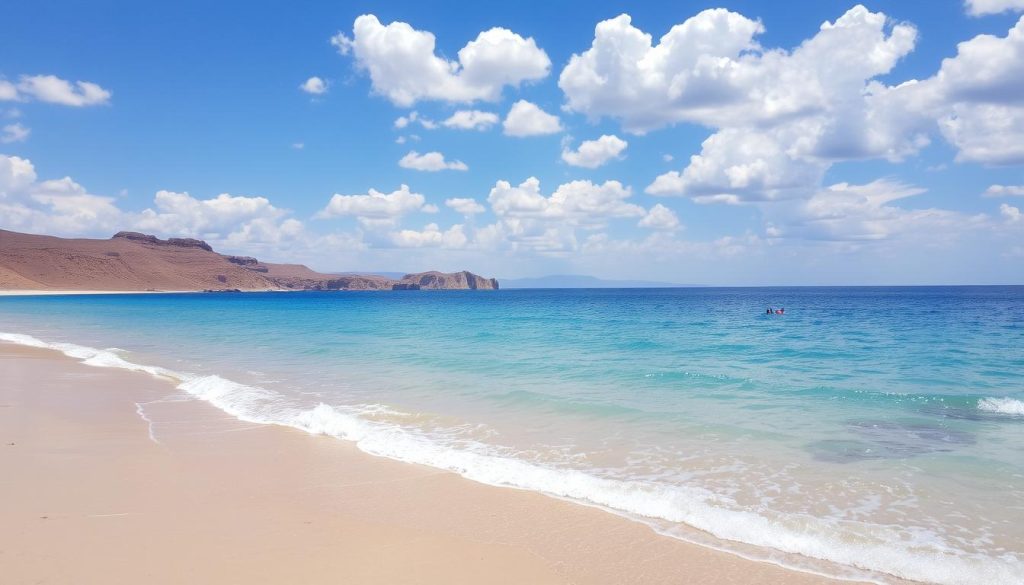
Choosing the right spot for swimming is vital when visiting the Dead Sea. This unique destination offers a variety of experiences. From luxurious resorts to accessible public beaches, there’s something for everyone. As the Dead Sea shrinks each year, finding the best spots becomes essential.
Resorts like Mövenpick, Kempinski, and Marriott provide a lavish experience. Prices range from 60.00 USD to 300.00 USD per night. Day passes start at about 60.00 USD. Visitors enjoy private beaches, showers, and spa treatments.
For budget-friendly options, Amman Tourist Beach is a popular choice. Entry costs about 20 JD per person. It’s a great example of public Dead Sea beaches, offering a unique experience without the high costs of resorts.
Local spots with natural springs and mud offer a unique swimming experience. They’re often called the “poor-man’s version” of a Dead Sea Spa, costing roughly 20 JD. These hidden gems, along with small natural pools fed by Ma’in Hot Springs, let you enjoy the Dead Sea at little or no cost.
While enjoying the Dead Sea, cleanliness can be an issue. Many areas suffer from plastic and waste littering the beach. This highlights the importance of maintaining these natural wonders.
| Location | Type | Entry Fee | Amenities |
|---|---|---|---|
| Amman Tourist Beach | Public Beach | 20 JD | Showers, Changing Rooms |
| Mövenpick Resort | Luxury Resort | Starting at 60.00 USD (Day Pass) | Private Beach, Spa Treatments |
| Kempinski Hotel | Luxury Resort | Starting at 60.00 USD (Day Pass) | Private Beach, Wellness Facilities |
| Local Natural Springs | Natural Swimming Spot | Free (or 20 JD for Poor Man’s Spa) | Natural Mud, Fresh Water |
Exploring different Dead Sea swimming locations can enhance your experience. It caters to a range of budgets while ensuring a memorable visit. Whether you choose a resort or a natural spring, the Dead Sea’s allure remains captivating.
Additional Water Activities Beyond Swimming
The Dead Sea offers more than just floating. It has a wide range of activities that add to the swimming experience. You can enjoy spa treatments or try out adventurous mud baths. These activities not only relax you but also improve your health.
Exploring Spa Treatments and Mud Baths
Dead Sea spa treatments are a great way to relax and feel refreshed. Resorts and spas use the area’s mineral-rich mud. You can try:
- Full-body mud wraps for skin health.
- Salt scrubs to exfoliate and refresh.
- Therapeutic massages with Dead Sea minerals.
Places like the Kempinski Hotel Ishtar Dead Sea and the Movenpick Resort & Spa Dead Sea offer these treatments. They let you enjoy the Dead Sea’s natural benefits while relaxing.
Other Activities for Tourists
There’s more to do than just spa treatments. You can also enjoy:
- Hiking at Masada National Park for history and views.
- Mud baths for a fun, messy time.
- Relaxing at wellness resorts with packages that include meals and spa access.
These activities help you make the most of your Dead Sea visit. You can plan a trip that includes everything the Dead Sea has to offer.
| Activity | Description | Average Cost |
|---|---|---|
| Dead Sea Spa Treatments | Soothing treatments using mineral mud and salt. | Starting from 25JD ($50 CAD) per session. |
| Mud Bath | A fun experience with mineral mud on your body. | Usually included in spa packages. |
| Hiking at Masada | A scenic hike with historical significance. | Entry fee of approx 28JD ($56 CAD). |
Conclusion
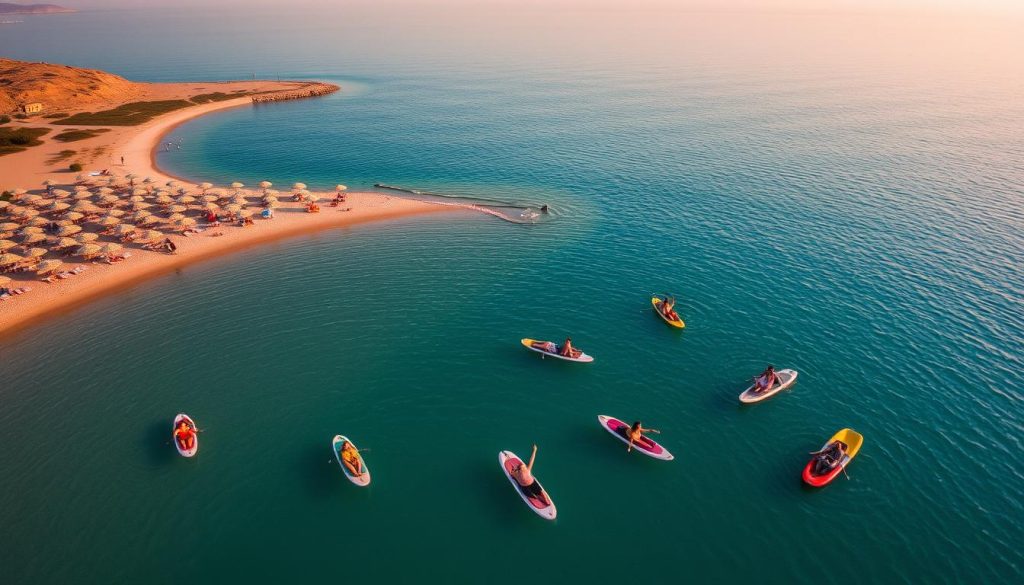
Your Dead Sea experience is more than just a swim. It’s a chance to soak in waters rich with minerals and enjoy the therapeutic mud. For centuries, travelers have come here for well-being and relaxation.
The area’s stunning landscapes and rich history add to its appeal. It’s perfect for those who love wellness, culture, and nature.
Before you go, remember to stay safe. Learn how to float in the salty water and enjoy the activities around. Knowing the ins and outs of Dead Sea tourism will make your trip better.
Don’t miss out on the luxurious resorts and spa treatments. They’re designed to help you relax and heal.
The Dead Sea is more than a body of water. It’s a place for wellness, relaxation, and discovery. Whether you’re floating in the water or enjoying a mud bath, your visit will be unforgettable.