Best Time to Visit the Dead Sea | Travel Tips
Ever thought about the best time to see the Dead Sea? It’s in the Jordan Rift Valley, the lowest spot on Earth. It’s famous for its healing waters and mud, making it a top spot for millions each year.
Here, you can float easily because of the water’s high salt content. The mud is also known for making your skin look better. Knowing when to go will make your trip even better.
This article will guide you through the best times to visit the Dead Sea. We’ll look at the weather, activities, and what each season offers. Whether you want peace, culture, or adventure, we’ve got you covered. Learn about the best times to visit and make memories that last a lifetime.
Introduction to the Dead Sea
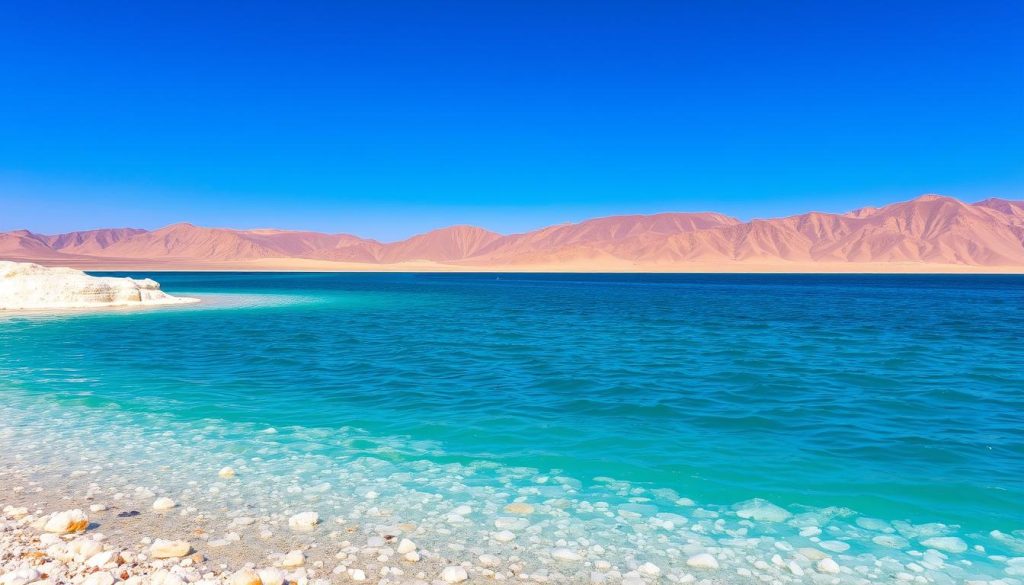
The Dead Sea is a salt lake between Israel and Jordan. It’s the lowest point on Earth, about 1,400 feet below sea level. Its geography is unique, with stunning landscapes and historical landmarks.
The mountains around it add to its beauty. This makes it a popular travel spot.
People visit for the therapeutic properties of the Dead Sea. Its waters are very salty, over ten times the ocean’s. This makes it impossible for marine life to exist.
When you’re in the water, you feel almost weightless. This is because the salt makes you float easily.
The Dead Sea is also rich in history and culture. It’s near places like Masada, which are full of wonder and knowledge. Visitors can enjoy both nature and history here.
The Unique Climate of the Dead Sea
The unique geography of the Dead Sea shapes its climate, leading to weather that draws visitors all year. It sits 430 meters below sea level. This location brings mild winters and very hot summers, making it a fascinating place to visit.
In winter (December to February), Dead Sea weather conditions are between 22 to 13 degrees Celsius. There’s about two rainy days a month, perfect for outdoor fun. Spring (March to May) is the busiest time, with temperatures from 35 to 16 degrees Celsius. The weather is warm and dry, ideal for exploring and relaxing.
Summer (June to August) brings very high temperatures, up to 41 degrees Celsius. But the water stays cooler, between 22 to 35 degrees Celsius. This makes swimming comfortable, thanks to low humidity and less UV exposure.
Fall (September to November) sees temperatures from 38 to 18 degrees Celsius. It’s a great time for desert walks and bird watching, starting in mid-October. Plus, accommodation prices drop as the tourist season ends by late November.
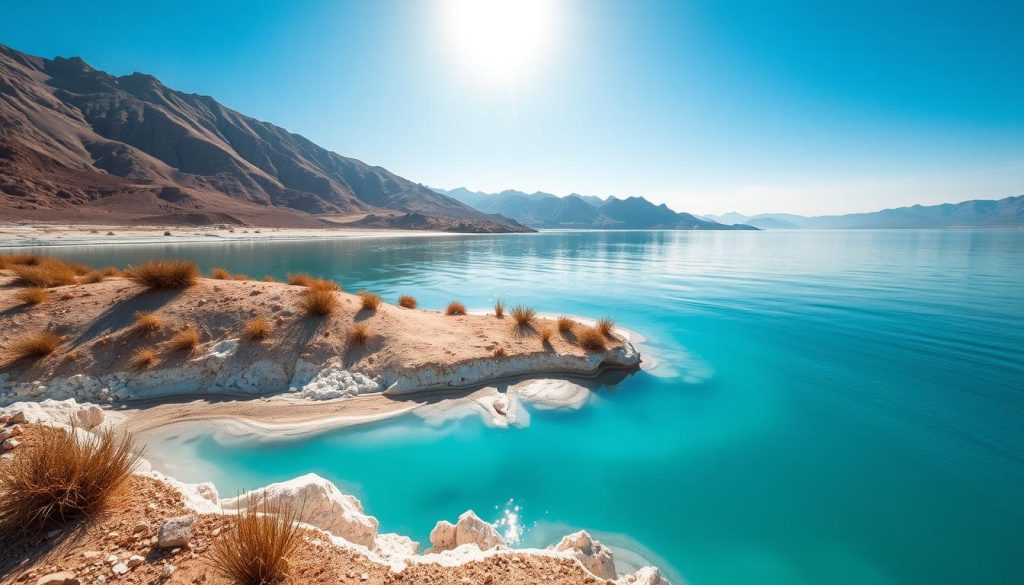
The Dead Sea climate guide shows a sunny place with very little rain, less than four inches a year. This stable weather lets visitors enjoy the Dead Sea’s healing waters all year round.
| Season | Temperature Range (°C) | Rainfall (Days/Month) | Activities |
|---|---|---|---|
| Winter | 22 – 13 | 2 | Outdoor Activities, Spa Treatments |
| Spring | 35 – 16 | Minimal | Exploration, Relaxation |
| Summer | 41 – 26 | Very Little | Swimming, Sunbathing |
| Fall | 38 – 18 | Minimal | Desert Walks, Bird Watching |
What is the best time to visit the Dead Sea?
Choosing the right time to visit the Dead Sea ensures a great experience. You can enjoy its natural beauty and health benefits. The best months are from December to May, with comfortable weather for swimming and relaxation.
Dead Sea Weather Conditions Throughout the Year
Dead Sea weather changes a lot throughout the year:
- Winter (December – February): Temperatures range from 11°C to 24°C, perfect for escaping cold weather.
- Spring (March – May): Nice temperatures draw many visitors, but expect bigger crowds.
- Summer (June – August): Temperatures can hit 47°C, so plan carefully for outdoor activities.
- Fall (September – November): The weather is mild, making these months a good time to visit.
Best Season for Dead Sea Trip Overview
The best time to visit the Dead Sea is from March to November. Swimming is popular from May to October, thanks to the perfect conditions. The mineral-rich mud and water offer health benefits.
Remember, December and January are colder, making them less ideal for swimming. To make your trip better, try dining at local spots like the Taj Mahal restaurant in Ein Bokek. It’s famous for its grilled meats.
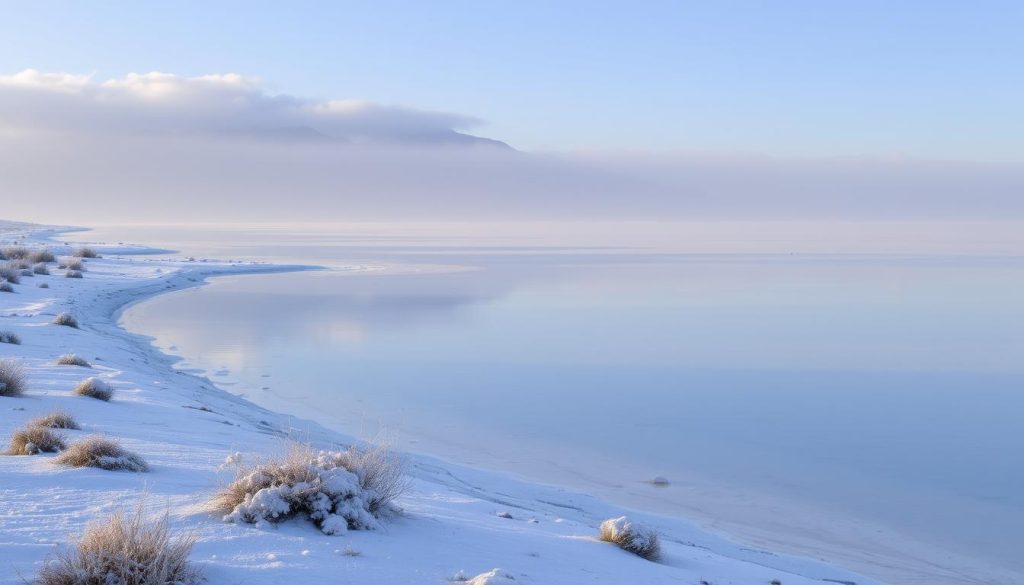
The Dead Sea in Winter (December – February)
Visiting the Dead Sea in winter is a special experience. From December to February, you can avoid the cold of the north. The Dead Sea’s weather is mild, with temperatures between 11 to 24 degrees Celsius. This makes your visit comfortable, unlike the cold in other places.
Advantages of Winter Visits
One big plus of visiting the Dead Sea in winter is the mild weather. Unlike other parts of Jordan, which can get very cold, the Dead Sea stays warm. Even when other areas in Jordan get snow, the Dead Sea remains peaceful.
Winter in the Dead Sea also means less rain. You might see rain only a couple of days a month. This makes it easy to enjoy outdoor activities, spa treatments, and swimming. The water at the Dead Sea is often warmer than the air, making it perfect for swimming.
Traveling in winter has many benefits:
- Milder temperatures make it easier to explore and relax outside.
- There are fewer tourists, so you can enjoy a quieter experience.
- You can see unique winter landscapes, even in nearby areas.
The Dead Sea in Spring (March – May)
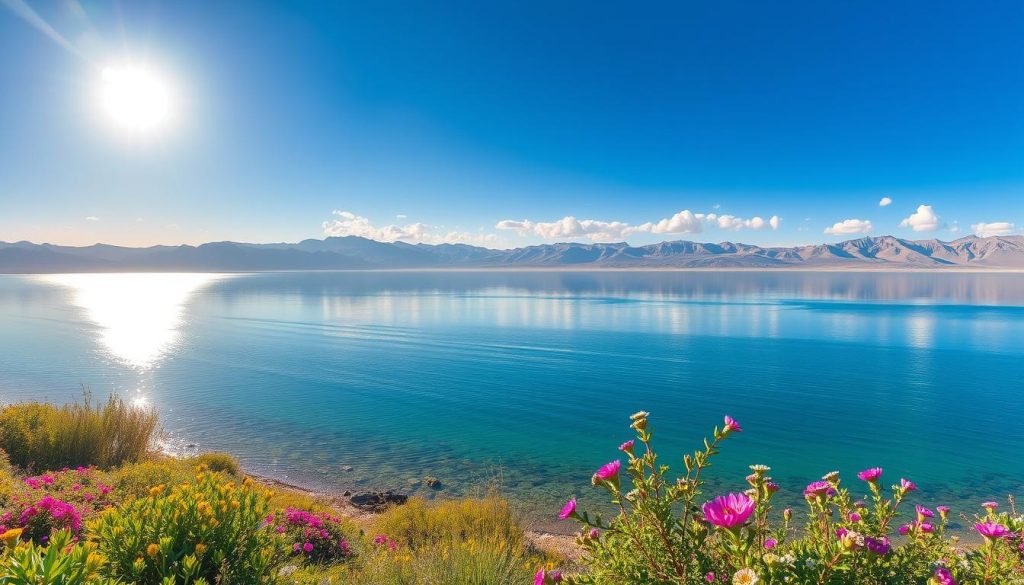
Spring at the Dead Sea is lively, with warm weather and blooming plants. Temperatures range from 16 to 35 degrees Celsius, and it hardly rains. This makes it perfect for exploring and relaxing.
Places like Ein Gedi are full of wildflowers. And sites like Masada are very popular.
Peak Tourist Season Considerations
Spring is the busiest time at the Dead Sea. More people come, so book early. Here are some spring travel tips to help:
- Book your hotel or Airbnb early to get a good price and spot.
- Keep up with local events, as spring has festivals and cultural events.
- Visit popular spots during less busy times to skip the lines.
- Easter and Passover can make flights and hotels hard to find, so plan ahead.
Spring is a great time to see the Dead Sea’s beauty. But, with careful planning, you can enjoy it without the crowds. This way, your trip will be unforgettable.
The Dead Sea in Summer (June – August)
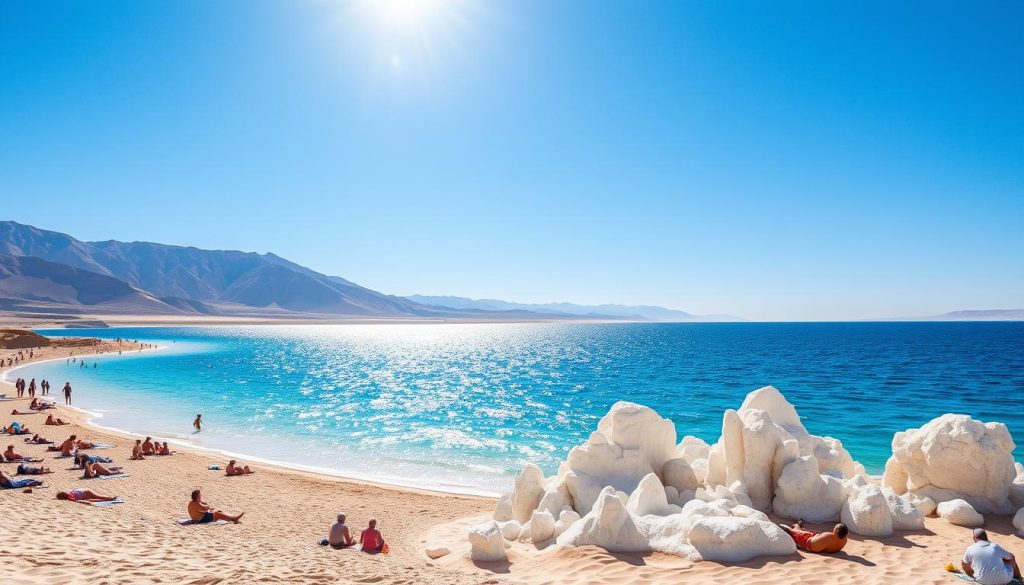
Summer at the Dead Sea is very hot. Temperatures usually hit 38 to 42 degrees Celsius (100 to 108 degrees Fahrenheit), highest in August. But, the Dead Sea’s special qualities offer a cool break, if you’re careful.
Managing the Heat: Tips for Summer Travelers
Exploring the Dead Sea in summer requires staying cool and safe. Here are some tips to beat the heat:
- Schedule Activities Wisely: Visit early morning or late afternoon when it’s cooler.
- Stay Hydrated: Drink lots of water to fight off dehydration.
- Utilize Sun Protection: Use sunscreen, wear a hat, and stay in the shade to avoid UV damage.
- Take Breaks: Rest in shaded spots to avoid getting too tired.
- Know Your Limits: Listen to your body and don’t push yourself too hard when it’s hot.
The dry air and low humidity at the Dead Sea help make the summer heat more bearable. The water temperature in August is about 33.5 degrees Celsius (92 degrees Fahrenheit). This makes for a warm but nice swim. Following these tips will help you have a great time, even when it’s very hot.
The Dead Sea in Fall (September – November)
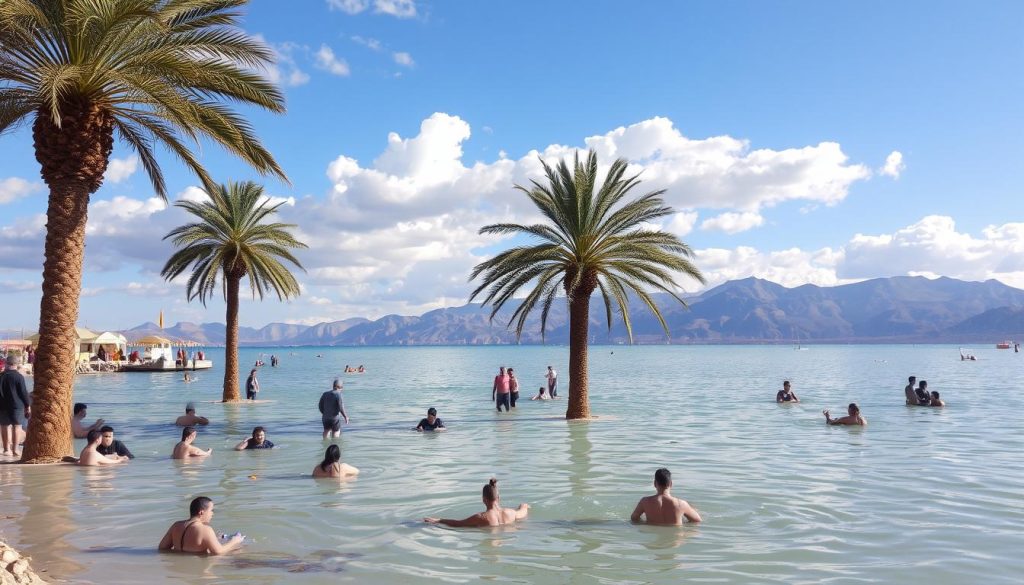
Fall at the Dead Sea is perfect for travel, with warm but comfortable weather. Temperatures range from 68°F to 102°F, offering great opportunities for exploration. The autumn scenery is stunning, making it ideal for enjoying the Dead Sea and participating in cultural events.
Cultural Events and Activities
As summer’s heat fades, fall at the Dead Sea becomes more lively. Events like the Tamar Music Festival and Jewish high holidays draw visitors. Early in the season, hotels are busy, and prices are higher.
After the holidays in late October, prices drop, and places get less crowded. The cooler evenings are great for outdoor dining and trying local food. The weather is also perfect for nature walks and wildlife watching in nearby reserves.
Luxury resorts and spas in the area offer special treatments using Dead Sea minerals. These treatments can refresh your body while you enjoy beautiful views.
For adventure seekers, the Mujib Biosphere Reserve near the Dead Sea is a must-visit. It has dramatic canyons and rivers for hiking. The area’s unique landscapes and historical sites like Mount Nebo and Madaba make your visit both relaxing and culturally enriching.
| Activity | Description | Best Time |
|---|---|---|
| Cultural Events | Attend festivals and observe local traditions. | September – November |
| Nature Walks | Experience picturesque landscapes and local wildlife. | October – November |
| Relaxation at Spas | Enjoy treatments with Dead Sea minerals. | September – November |
| Hiking in Mujib | Add adventure with canyon hikes and river activities. | September – November |
Fall at the Dead Sea is a great time for travel, with nice weather and lots to do. Plan your trip to enjoy this vibrant season.
Conclusion
A trip to the Dead Sea is unforgettable, showing one of the world’s most unique spots. You can relax in waters ten times saltier than the ocean. This makes floating easy and helps with skin issues like psoriasis and eczema.
The Dead Sea’s landscapes are stunning, and it offers rich culture. It’s not just for relaxing but also for wellness and exploring nature.
The best time to visit the Dead Sea is from October to April. The weather is mild, perfect for outdoor fun. Whether you want wellness treatments or to see the natural beauty, planning is key.
Use these travel tips to make your visit great. Choose the season that fits your interests best.
Remember, preserving the environment is crucial for the Dead Sea’s future. Practice sustainable tourism and help with conservation. This way, you can enjoy this amazing place while protecting it for others.