

Suva Municipal Market: Explore Fiji’s Vibrant Marketplace
Ever thought about what makes a place truly special? Is it the food, the culture, or the markets? For Fiji visitors, the key is the tourist attraction that shows Fijian culture’s heart.
The Fijian marketplace you’re about to see is more than a shopping spot. It’s an adventure. You’ll find fresh produce, local crafts, and the Fijian people’s warm welcome. Here, you’ll see why the Suva Municipal Market is a must-see.
This lively market is more than a tourist attraction. It opens the door to Fijian traditions and lifestyle. By exploring and talking to locals, you’ll learn about Fiji’s rich culture.
The Heart of Fiji’s Capital: Discovering Suva Municipal Market
In the heart of Suva, you’ll find a treasure trove of Fijian culture and commerce. The Suva Municipal Market is a vibrant marketplace. It shows the rich tapestry of daily life in Fiji.
A Glimpse into Fiji’s Largest Marketplace
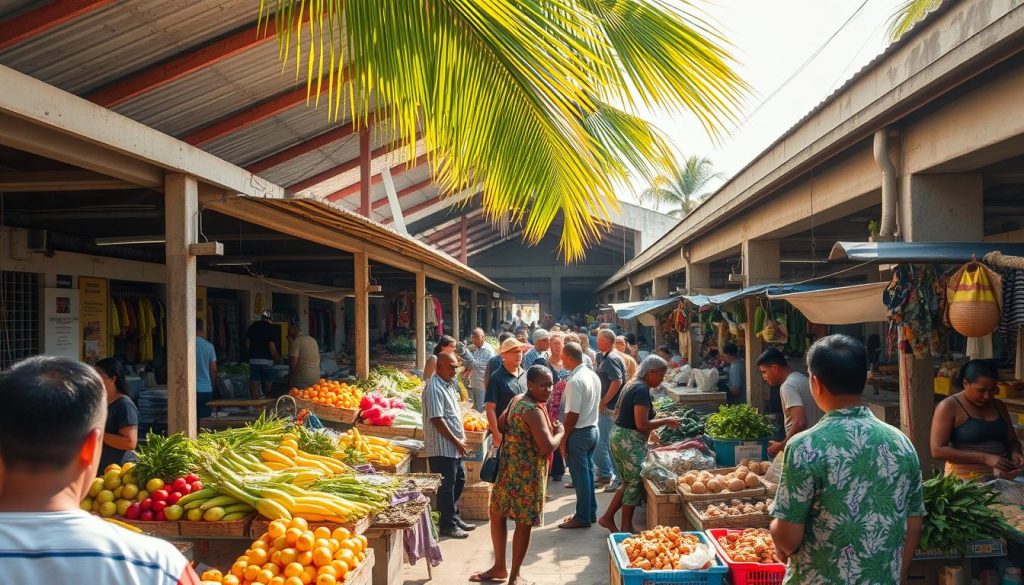
The Suva Municipal Market is Fiji’s largest and most bustling marketplace. It attracts locals and tourists. As you walk through, you’ll meet local vendors with warm smiles.
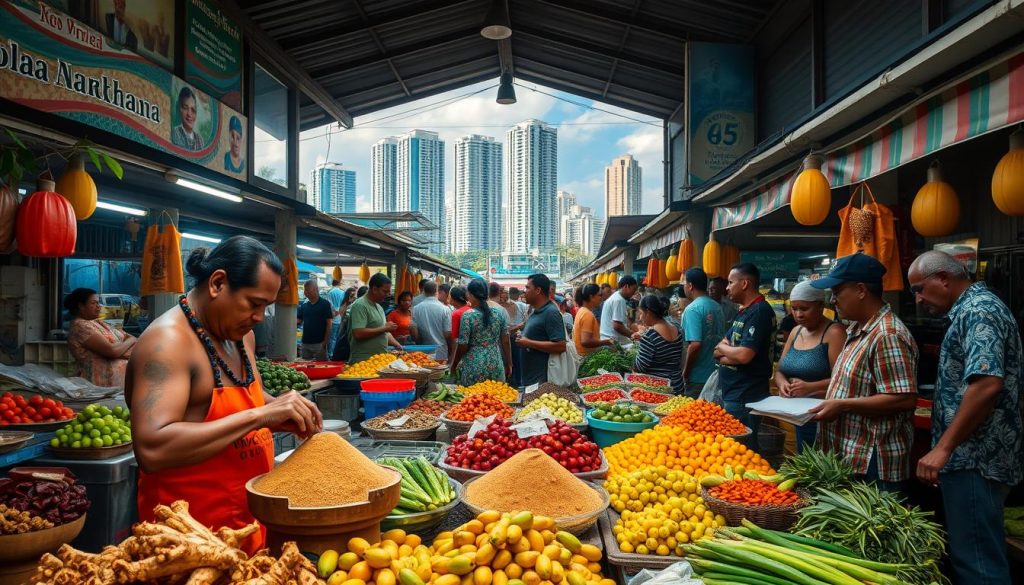
They offer a wide range of goods. You can find fresh tropical fruits, vegetables, handmade crafts, and souvenirs. The market’s atmosphere is electric, filled with lively chatter and exotic spices.
You can try local delicacies like kokoda (Fijian raw fish salad) and rourou (steamed taro leaves). These dishes offer a taste of authentic Fijian cuisine.
The Market’s Role in Fijian Daily Life
The Suva Municipal Market is crucial for Fijian daily life. It’s a hub for local commerce and community interaction. For many Fijians, it’s a key part of their daily routine.
| Market Aspect | Importance | Impact on Local Community |
|---|---|---|
| Fresh Produce | High | Provides essential food items for local households |
| Handicrafts and Souvenirs | Medium | Supports local artisans and offers unique cultural experiences for tourists |
| Community Interaction | High | Fosters social connections and a sense of community among locals |
The market’s importance goes beyond commerce. It’s a cultural melting pot. It preserves traditional practices and promotes cultural exchange.
Historical Background of Suva Municipal Market
When you enter the Suva Municipal Market, you’re stepping into Fiji’s history. This market is a key part of Fiji’s culture, showing the country’s past and its growth.
Origins and Colonial Influence
The Suva Municipal Market started during the British colonial time. It was a key spot for local trade and commerce. The design of the market shows British influence, focusing on being organized and functional.
The market became a place where different cultures came together. Fijian, Indian, Chinese, and British traders sold their goods here. This mix of cultures makes the Suva Municipal Market special and continues to shape it today.
From Local Trading Post to Tourist Destination
The Suva Municipal Market has changed a lot over time. It’s now a top spot for tourists, offering a deep cultural experience. Visitors can try local foods and buy traditional crafts.
| Year | Event | Significance |
|---|---|---|
| 1881 | Establishment of Suva Municipal Market | Central hub for local trade and commerce |
| 1900s | Influx of Indian and Chinese traders | Diverse cultural influence on market |
| Present Day | Popular tourist destination | Rich cultural experience for visitors |
What to Expect When Visiting This Authentic Fijian Market
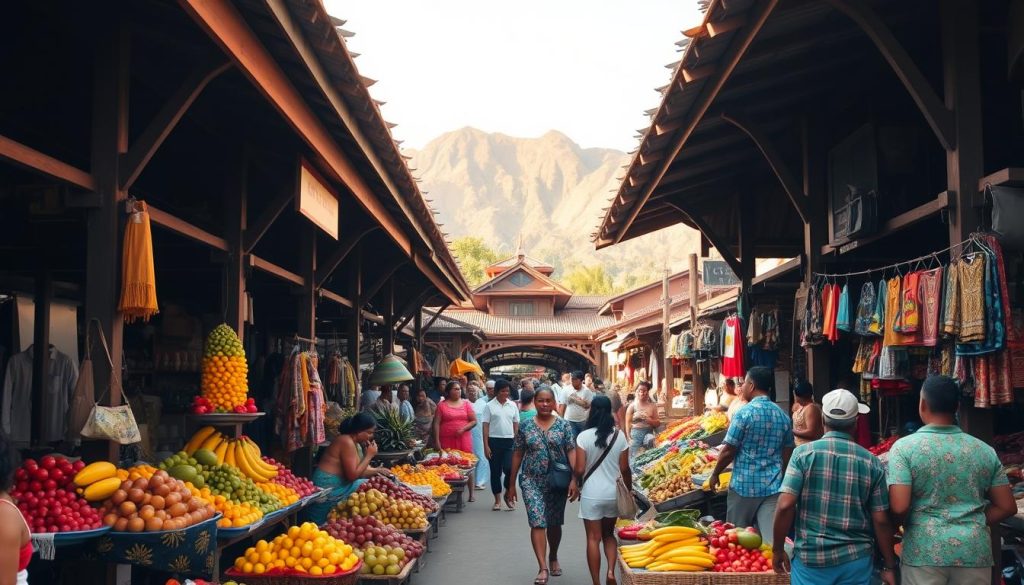
When you enter Suva Municipal Market, you’ll be surrounded by bright colors, delicious smells, and lots of talk. This lively market shows off Fijian culture in a special way. It’s an experience that will touch your senses.
The Sensory Experience: Sights, Sounds, and Aromas
The market is a treat for your senses. You’ll see vibrant colors of fresh fruits and veggies. The smell of local foods and spices fills the air. You’ll hear the sounds of market talk and pots and pans clinking. Visit early in the morning for the freshest produce and a lively atmosphere.
The Vibrant Market Atmosphere Throughout the Day
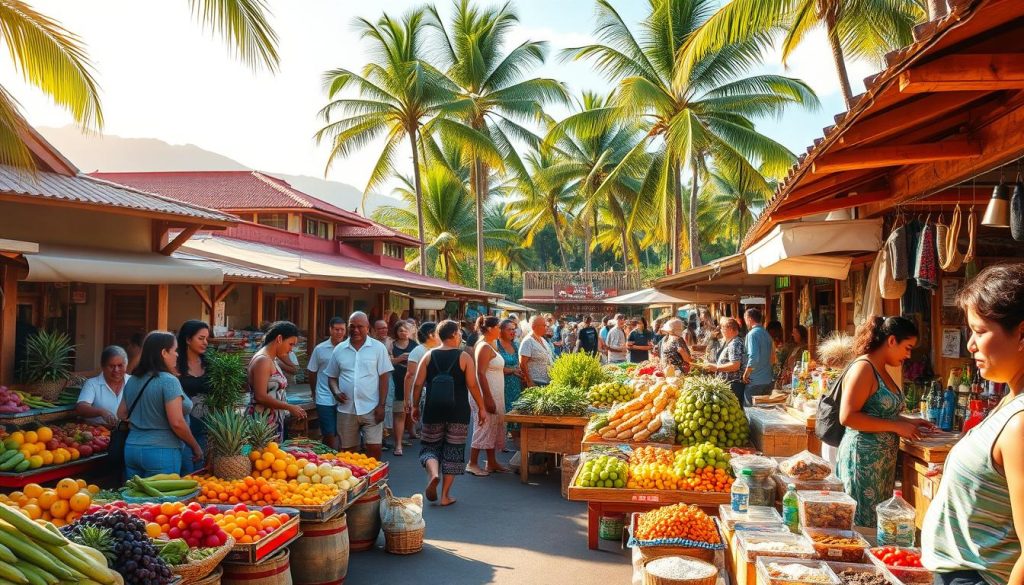
The market’s vibe changes as the day goes on. In the morning, locals are there for fresh goods. As the day goes on, tourists come to see Fijian culture. The market stays lively, with vendors ready to share their stories. As one vendor said,
“The market is not just about buying and selling; it’s about community and connection.”
Looking for fresh produce, local crafts, or a unique experience? Suva Municipal Market has it all.
Navigating the Market’s Layout and Sections
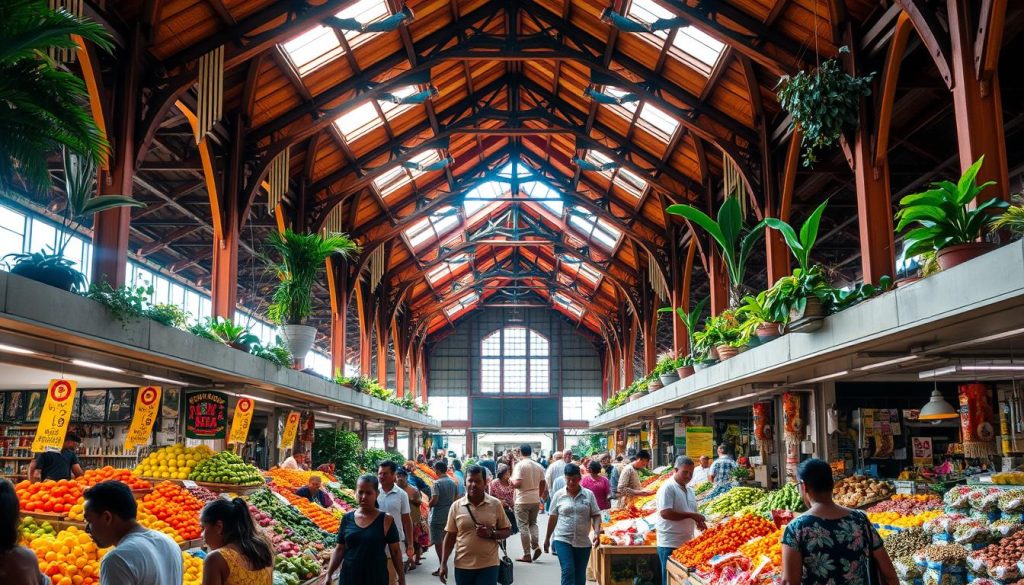
To get the most out of your visit to the Suva Municipal Market, knowing its layout is key. It’s a major Suva city landmark with a wide range of products and experiences. It spans across different levels.
Ground Floor: Produce and Essentials
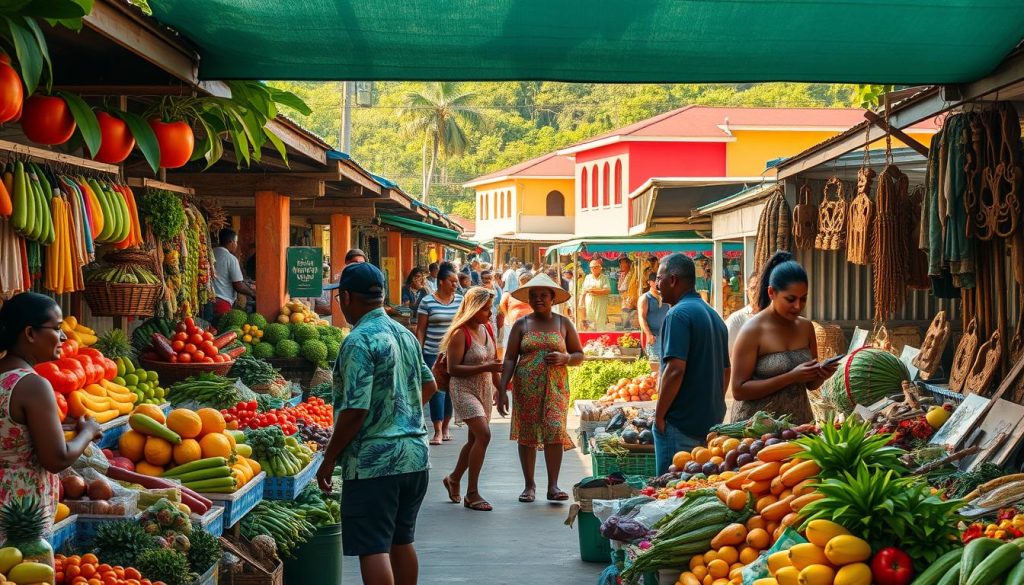
The ground floor is packed with fresh produce and daily needs. You’ll find tropical fruits, veggies, and local treats. The vibe is lively, with local vendors ready to talk about their goods and culture.
Take your time to chat with them. They love to share stories about their products and the local way of life.
- Fresh fruits and vegetables
- Local spices and delicacies
- Daily essentials for the local community
Upper Level: Handicrafts and Souvenirs
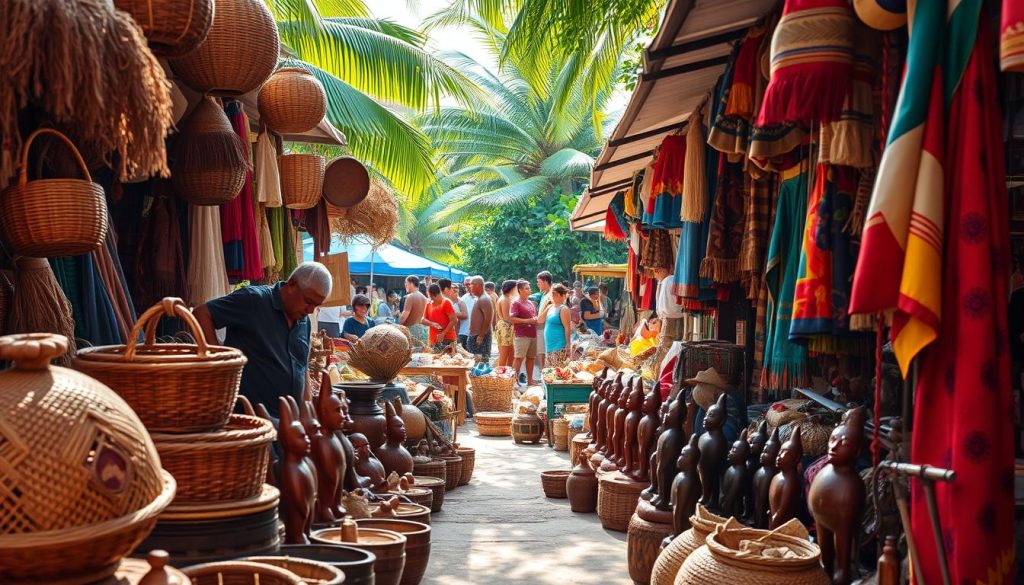
The upper level showcases handicrafts and souvenirs, giving a peek into Fijian craftsmanship. You’ll see traditional crafts like wood carvings, woven baskets, and handmade jewelry. It’s the perfect spot to find unique souvenirs and learn about Fiji’s rich culture.
- Traditional Fijian handicrafts
- Handmade jewelry and accessories
- Unique souvenirs for visitors
Exploring both levels of the market makes your visit more rewarding and fun. You’ll get to see the market’s full range of offerings.
Fresh Produce: A Rainbow of Tropical Delights
Suva Municipal Market is famous for its wide range of fresh produce. It shows off Fiji’s tropical treasures. As you wander through, you’ll see colorful fruits, veggies, and local treats that will excite your taste buds.
Exotic Fruits and Vegetables You Won’t Find at Home
The market has many unusual fruits and veggies from Fiji and the Pacific. Look out for these seasonal treats:
- Otah: A sweet and crunchy Tahitian apple.
- Dalot: A leafy green used in local dishes.
- Vi: A fruit for making traditional Fijian sauce.
Seasonal Specialties to Look For
When you visit, you might see fruits and veggies at their best. In summer, expect lots of juicy mangoes and pineapples.
Unusual Varieties and Their Uses
Many exotic items at the market are great for different dishes. Try them in salads, smoothies, or Fijian recipes. Ask vendors for ideas on how to use them.
Seafood, Spices, and Local Delicacies
The market also offers local seafood, spices, and treats. Find fresh fish, shellfish, spices, and kava, a traditional Fijian drink.
Culinary Experiences at Suva Municipal Market
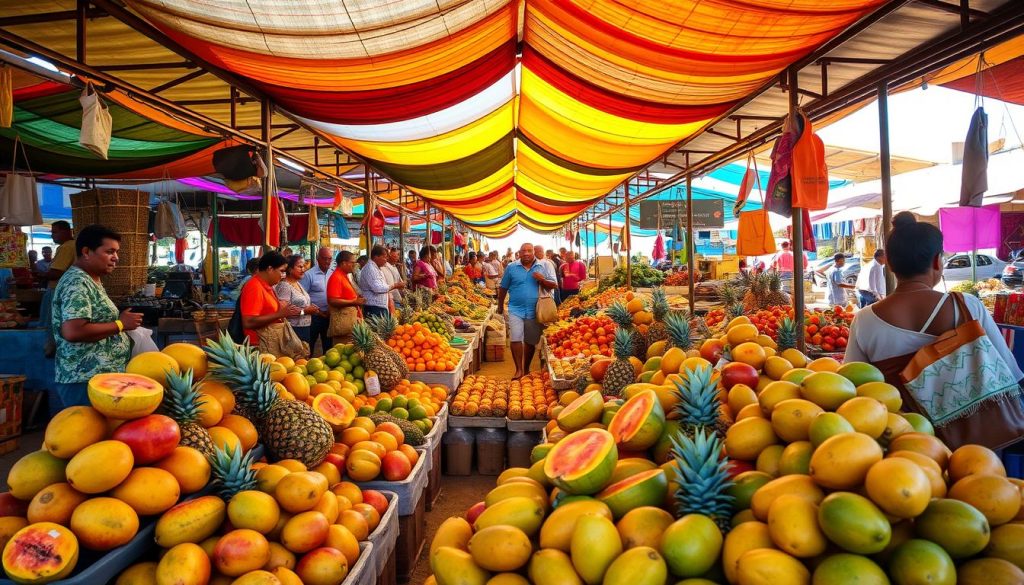
Exploring Suva Municipal Market is like going on a food journey. It shows off Fiji’s rich culture. Here, food lovers find many local treats and drinks.
Ready-to-Eat Local Foods and Snacks
The market is famous for its tasty, authentic foods. Try kokoda, Fiji’s ceviche, with fresh fish in coconut milk and lime. You’ll also love rourou (steamed taro leaves) and lovo (meat or veggies cooked underground). These dishes truly capture Fijian flavors.
- Kokoda (Fijian ceviche)
- Rorou (steamed taro leaves)
- Lovo (meat or vegetables cooked in an underground oven)
Kava: Fiji’s Traditional Ceremonial Drink
Don’t miss out on kava, Fiji’s ceremonial drink. It’s made from Piper methysticum roots and relaxes you. Kava vendors are all over the market, letting you dive into Fijian culture.
Trying these foods and drinks deepens your understanding of Fijian culture. You’ll remember your visit to Suva Municipal Market forever.
Handicrafts and Souvenirs: Taking a Piece of Fiji Home
Exploring Suva Municipal Market reveals a wealth of handicrafts and souvenirs. These items showcase Fiji’s rich cultural heritage. It’s a perfect spot to find unique gifts or mementos to remember your trip.
Traditional Crafts and Their Cultural Significance
Fijian handicrafts are not just beautiful; they hold deep cultural meaning. You’ll find Tapa Cloth and Masi Art here. These crafts are key to Fijian culture, used in ceremonies and symbolize important values.
Tapa Cloth and Masi Art
Tapa cloth is made from mulberry tree bark, pounded and decorated with traditional patterns. Masi art features intricate designs for ceremonies. Both are treasured in Fijian culture.
Woven Items and Wood Carvings
There are also woven items like mats and baskets, and wood carvings. These show the talent of local artisans. They depict Fijian motifs and legends.
Popular Souvenirs for American Visitors
American visitors to Suva Municipal Market seek authentic souvenirs. They look for traditional clothing, handmade jewelry, and local handicrafts. City Handicrafts offers a wide range of these items, including handwoven mats, wooden sculptures, and traditional clothing.
Cultural Experience: Interacting with Local Vendors
As you explore Suva Municipal Market, talking to local vendors is key. The market is more than a place to shop. It’s where locals meet to chat and share stories.
Understanding Fijian Market Etiquette
Fijian markets have their own rules. Say “Bula” (hello) to vendors. Showing respect and interest in their goods helps build a connection.
- Be ready to bargain; it’s market tradition.
- Handle products with care and respect.
- Talk a bit before buying.
Language Tips for Better Communication
Many vendors speak English, but learning Fijian phrases helps. Saying “Kerekere” (please) and “Vinaka” (thank you) can make a big impact.
Essential Fijian Phrases for Shopping
- Bula: Hello
- Vinaka: Thank you
- Kerekere: Please
- Cai: No
- Io: Yes
Building Rapport with Vendors
Talking to vendors makes shopping better. Ask them about their day or family. This can start interesting chats and maybe even get you a good deal.
Remember, the goal is to enjoy the experience and learn about the local culture.
Practical Information for Your Visit to Suva Municipal Market
Planning your visit to Suva Municipal Market? There are a few things to keep in mind. Being prepared will make your visit to this lively Suva city landmark even better.
Location, Transportation, and Opening Hours
Suva Municipal Market is right in Suva’s heart. It’s easy to get there by bus or taxi. The market opens early and stays open all day.
Safety Tips for American Tourists
Be careful with your stuff in crowded places. Keep an eye on your belongings. Also, stay alert and don’t show off your wealth.
Currency, Exchange, and Payment Methods
 Bring cash, as some vendors might not take cards. It’s smart to have small bills ready. This way, you won’t have trouble with change.
With these tips, you’ll be ready to enjoy your time at Suva Municipal Market.
Best Times to Visit This Suva City Landmark
Planning your visit to Suva Municipal Market at the right time can make your experience better. The market’s vibe changes based on the day and time you go.
Weekday vs. Weekend Experience
Going on a weekday, early in the morning, lets you see the fresh produce without the crowds. Weekends are busier, with locals and tourists around.
Seasonal Considerations for Visitors
The market’s offerings change with the seasons. You can find a variety of tropical fruits and vegetables all year. Knowing these changes helps you plan your visit to get the best.
Special Market Days and Events
Suva Municipal Market has special events and days that show off Fijian culture. It’s a great authentic Fijian market experience. Check the market’s calendar to catch these unique events.

By thinking about these points, you can make your visit to the market even better. Enjoy the market’s lively vibe and fresh produce fully.
Conclusion: Why Suva Municipal Market Is a Must-Visit Destination
Exploring Suva’s vibrant city? Don’t miss the Suva Municipal Market. It’s a treasure trove of experiences. You’ll get a unique peek into Fijian culture and daily life.
The Suva Municipal Market is more than a tourist spot. It’s an immersive experience. You’ll be surrounded by Fiji’s sights, sounds, and smells. From fresh produce to local crafts, it showcases Fiji’s rich heritage.
Looking to try local food, buy unique souvenirs, or just enjoy the vibe? The Suva Municipal Market has it all. It’s a key part of Fijian life. It’s an authentic and unforgettable spot for visitors worldwide.





