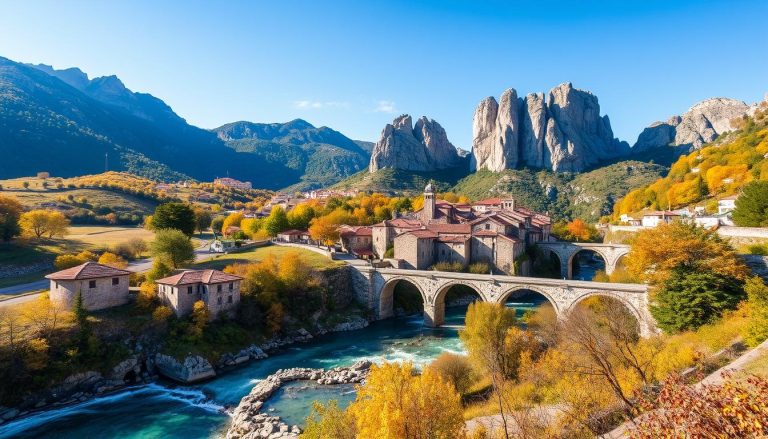
Matera’s Mystical Caves: A Journey Through Time
What secrets are hidden in Matera, Italy’s ancient caves? These caves have intrigued people for thousands of years.
Let’s take a magical trip through Matera’s mystical caves, a historical gem of Italy. Walking through this old city reveals stories from the past. Matera is famous for its cave homes and rich history, going back to the Paleolithic era.
Matera is Europe’s second-oldest city where people have always lived. Its “Sassi,” or stone areas, were once seen as Italy’s disgrace. But now, they make Matera a UNESCO World Heritage site. The caves’ journey from poor homes to cultural icons shows Matera’s true spirit.
Get ready to explore the depths of Matera’s mystical caves. Inside, history, culture, and resilience weave together. They show why people worldwide find Matera fascinating.
Introduction to Matera’s Mystical Caves
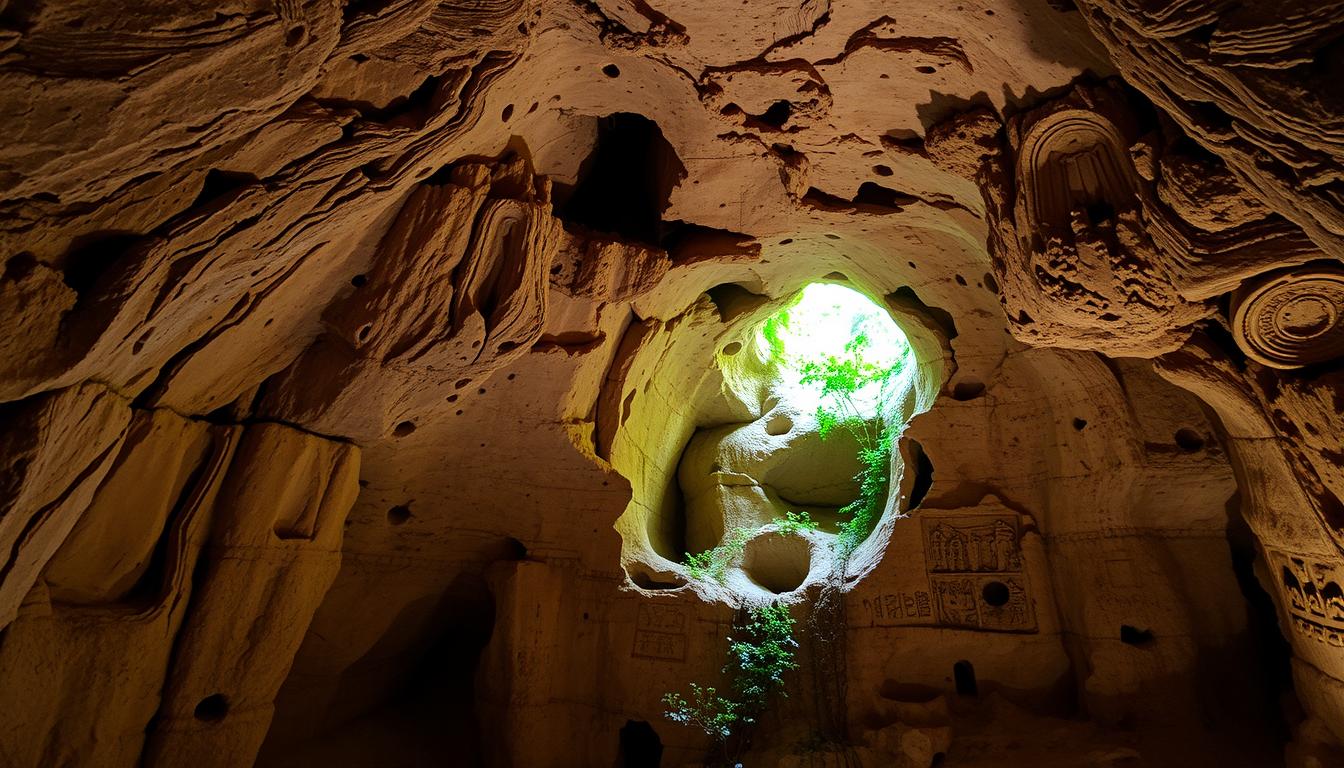
The Sassi of Matera, ancient cave dwellings, are carved into the limestone. They show how early humans created their homes. The blend of natural and human-made structures tells inspiring stories. These stories are about people overcoming challenges.
The Sassi turned into attractions that show Matera’s spirit. They attract people worldwide. Recognized by UNESCO in the 90s, Matera was named European Capital of Culture in 2019. This honor made it a top place to visit.
Visiting Matera offers unique places to stay, like cave hotels. For an authentic experience, you might choose Corte San Pietro for about €280 per 2 people. Or, Hydria Rooms offers a mid-range option at around €130 per 2 people.
Matera is full of narrow alleys and historic spots to explore. You’ll find a wide variety of places to eat, from local spots in Sasso Caveoso to chic cafes. They serve everything from traditional pasta to fancy desserts.
Exploring Matera might be hard with strollers due to its narrow alleys and steps. However, this adds to its charm. The ZTL (limited traffic zone) reduces traffic, making it peaceful for exploration.
Whether you stay in a cave hotel like Sextantio Le Grotte della Civita or choose a B&B like Gradelle San Nicola B&B, experiencing Matera’s caves is unforgettable. Staying outside the Sassi area might save money. Places like Masseria Santa Lucia offer modern comforts, from large rooms to great pools and dining.
A trip to Matera is not complete without diving into its fascinating history and culture. Every moment in this amazing city feels like stepping back in time.
The Ancient City of Matera: A Historical Overview
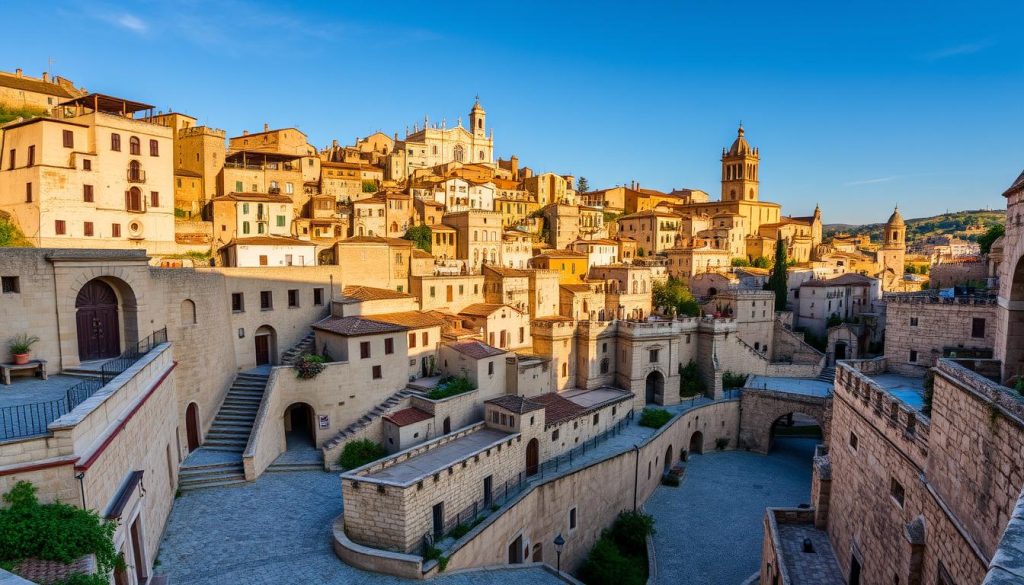
Matera, Italy, has been lived in since the Stone Age. This city has seen many changes over thousands of years. It is key to understanding our past and culture.
The Paleolithic Era
People have called Matera home since the 10th millennium BC. It’s one of the world’s oldest living cities. Matera’s Sassi caves show people lived here since the early days of humans.
Transformations Over Millennia
Matera has changed hands many times since 251 BC when the Romans founded it. The Lombards took over in AD 664, and the Arabs captured it briefly in 994. It became an Aragonese territory in the 15th century and joined Apulia’s Terra d’Otranto.
Matera was Basilicata’s capital until 1806. In 1927, it became the capital of its province. Being named a European Capital of Culture in 2019 highlights its historic and cultural importance.
| Historical Milestone | Year |
|---|---|
| Foundation by Roman Lucius Caecilius Metellus | 251 BC |
| Conquest by Lombards | AD 664 |
| Brief Arab Capture | 994 |
| Aragonese Possession | 15th Century |
| Capital of Basilicata | Until 1806 |
| Capital of New Province of Matera | 1927 |
| UNESCO World Heritage Site | 1993 |
| European Capital of Culture | 2019 |
Over centuries, Matera has been molded by various rulers. Today, with over 60,000 people, it showcases the resilience and importance of culture. Its sprawling area of 387.4 km² (149.6 sq mi) is a testament to human endurance.
The Park of Rupestrian Churches showcases Matera’s rich history and architecture. Covering over 8,000 hectares, it features more than 150 ancient cave churches.
Sassi di Matera: The Heart of the City
The Sassi di Matera are the heart of Matera. They show an enduring architectural success that has lasted for ages. These ancient cave dwellings, made from calcareous rock called tuff, hold centuries of history and transformation.
A Unique Architectural Marvel
Since the Paleolithic period, Matera’s caves have shown signs of human life. This makes it one of the world’s oldest cities. Over time, these caves changed from simple shelters into complex structures. They show Matera’s people’s ability to adapt and their creativity. Today, the Sassi di Matera blend the past and present in a beautiful architectural wonder.
From Shame to Fame: The Metamorphosis
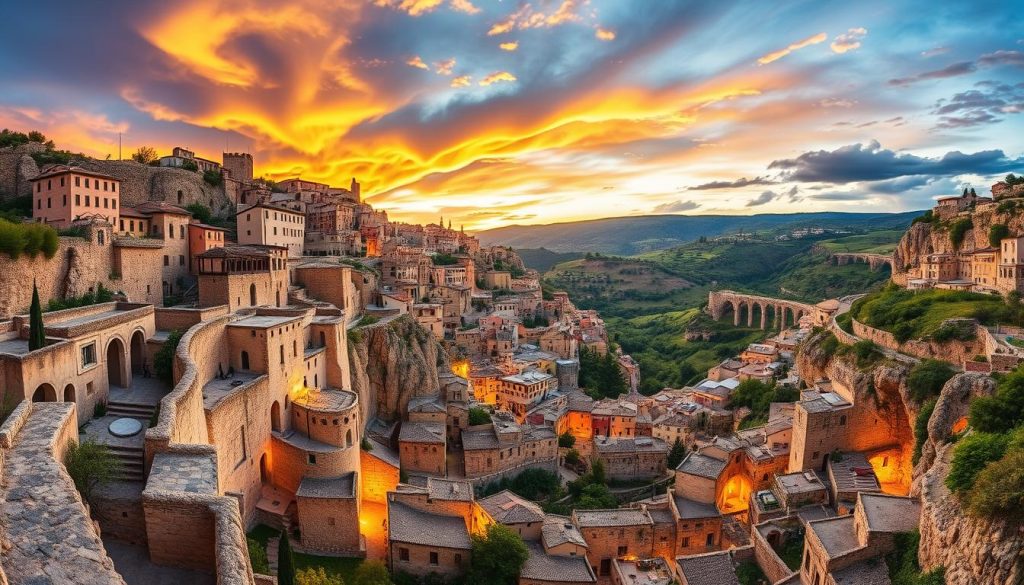
In the 1950s, the Sassi di Matera were known for extreme poverty. Residents were moved due to unhealthy conditions. But things changed when Matera became a UNESCO World Heritage Site in 1993. This honor showed Matera’s historical value and began its transformation. The Sassi went from forgotten caves to lively homes, fancy hotels, and cultural spots. Matera’s shift from the brink of destruction to a celebrated site shows its resilience and dedication to its rich history.
| Key Statistics | Details |
|---|---|
| Evidence of Human Settlements | Since the Paleolithic period |
| UNESCO World Heritage Site | Since 1993 |
| Religious Sites | More than 150 built between the early Middle Ages and the 19th century |
| Europe’s Capital of Culture | 2019 |
UNESCO World Heritage Site: Significance and Preservation
Matera, Italy, became a UNESCO World Heritage Site in 1993. It’s famous for its Sassi di Matera, ancient cave dwellings. This title highlights Matera’s historical importance and helps combine conservation with sustainable tourism.
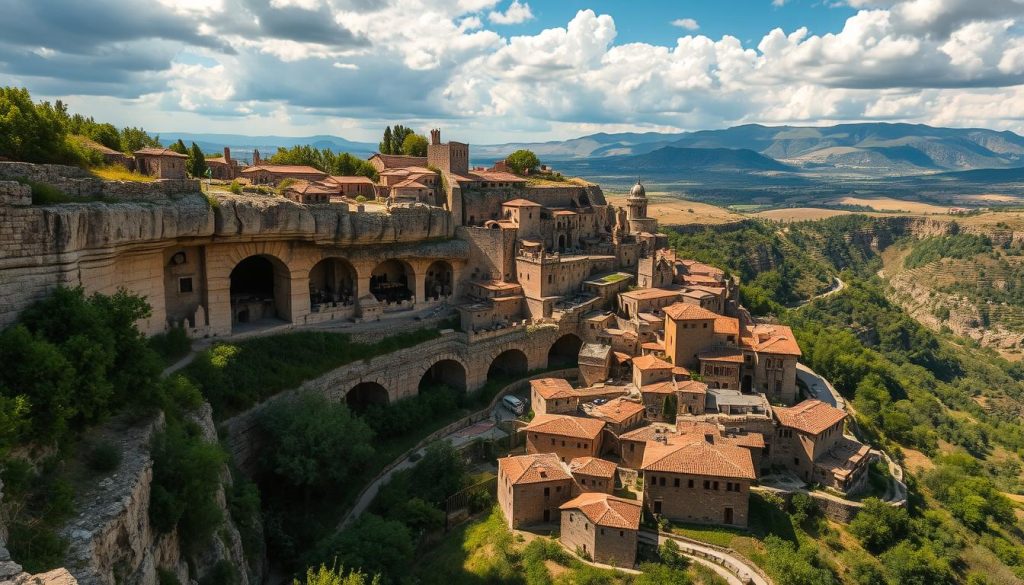
The Sassi di Matera are ancient homes carved from stone, going back to the Paleolithic era. A law from 1986 shows Italy’s promise to keep Matera’s beauty and history safe. The “Ufficio Sassi” ensures restoration meets high standards and historical facts are kept.
Matera’s heritage area is huge, covering 1,016 hectares with homes, shops, and more. Places like Barisano and Caveoso show how people have lived here for over 2000 years. The 1950s saw these areas cleared for health reasons, but the 1980s brought a revival.
A law in 1990 created a park to protect Matera’s historic and natural sites. This park not only guards the famous rock churches but also the Murgia plateau. These steps keep Matera a key spot for history and culture.
Being named a UNESCO World Heritage Site is a big deal for Matera, Italy. It shows the world the value of keeping ancient cultures alive. It also lets future generations explore and value these traditions.
Exploring Cave Dwellings in Matera: A Journey Through Time
Matera is known as Italy’s oldest city, with a history of around 7,000 years. It shows ancient human life through its iconic cave homes. The Sassi district is central to Matera’s ancient heritage, made up of Sasso Caveoso and Sasso Barisano.
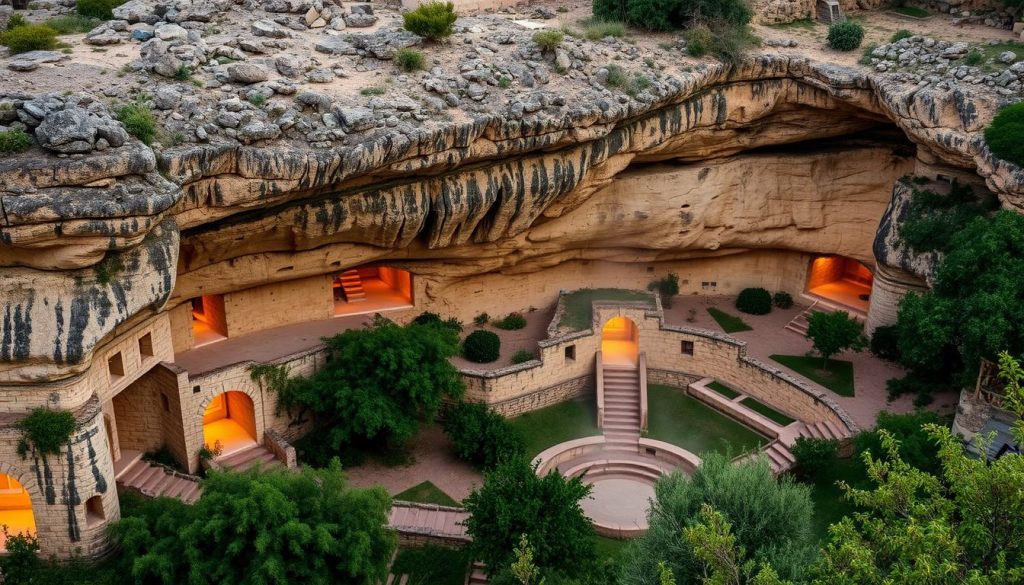
Restored vs. Original Caves
The cave homes in Matera vary from untouched sites to luxurious places to stay. For instance, the Aquatio Cave Luxury Hotel and Spa offers 35 rooms made in limestone, combining comfort with history. Still, there are caves that remain unchanged, showing their simple beauty. These differences show how Matera has changed from old ruins to valuable gems.
The Stories Behind the Dwelling
Each cave in Matera has its own story, reflecting the city’s long history. These homes have been used since the Stone Age, showing how humans have lived through time. Today, visiting these caves feels like stepping back in history. Matera’s caves let you feel a strong sense of the past. These places, whether restored or untouched, take you on a journey through time.
Matera’s Rock Churches: Architectural and Cultural Treasure
In Matera’s heart, an architectural and cultural gem awaits. It’s famous for its ancient churches carved into rocks. These structures show off the area’s religious history and ancient craftsmanship. Matera’s Rock Churches are iconic, showing the spirit of the past.
San Pietro Barisano
San Pietro Barisano, the biggest of these churches, dates back to the 12th-13th centuries. It was made bigger in the 15th and 16th centuries. Inside, there are beautiful frescoes and a detailed altar, showing Matera’s rich spiritual and artistic history.
Santa Lucia alle Malve
Santa Lucia alle Malve started in the 8th century as a Benedictine Order’s first female settlement. It has amazing frescoes and simple beauty. The site tells the story of the monastic life that once flourished here.
Frescoes and Their Significance
The frescoes in Matera’s Rock Churches are culturally vital. They give us a glimpse into the ancient communities’ spiritual lives. Influenced by Byzantine art, they show the religious practices of that era. Churches like Santa Maria de Idris are noted for their biblical scene frescoes, adding to Matera’s historical and artistic depth.
| Church | Era | Main Features |
|---|---|---|
| San Pietro Barisano | 12th-13th centuries | Large structure, intricate frescoes, significant enlargements |
| Santa Lucia alle Malve | 8th century | First female monastic settlement, splendid frescoes |
| Santa Maria de Idris | Various periods | Stunning frescoes, biblical scenes |
Cinematic Allure: Matera’s Hollywood Connection
Matera has become a favorite for filmmakers globally, used as a stunning setting in various movies. Its old look and maze-like streets are perfect for telling stories on screen.
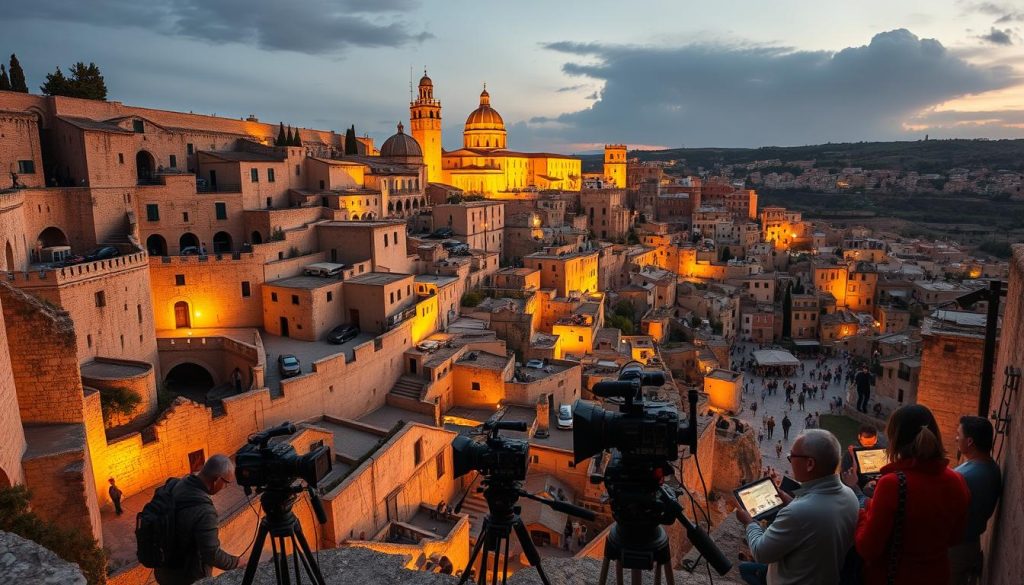
Movies Filmed in Matera
Matera is famous in the movie world. Films like Mel Gibson’s “The Passion of the Christ” and “No Time To Die” from the James Bond series were shot here. Its unique buildings and ageless charm add a lot to movies’ visual stories.
The Magic of Matera’s Streets on Screen
Walking in Matera, it’s easy to see its allure for movie makers. Its alleys and caves provide an amazing setting to bring tales to the big screen. The twisting paths offer fresh views, perfect for directors to create their films.
| Film Title | Year | Significant Locations |
|---|---|---|
| The Passion of the Christ | 2004 | Sassi di Matera, Gravina |
| No Time To Die | 2021 | Piazza San Pietro Caveoso, Sassi di Matera |
Matera, Italy: Best Time to Visit and Travel Tips
Planning your visit to Matera, Italy, means looking at the best times and essential tips. This helps make your trip amazing.
Ideal Seasons for Visiting
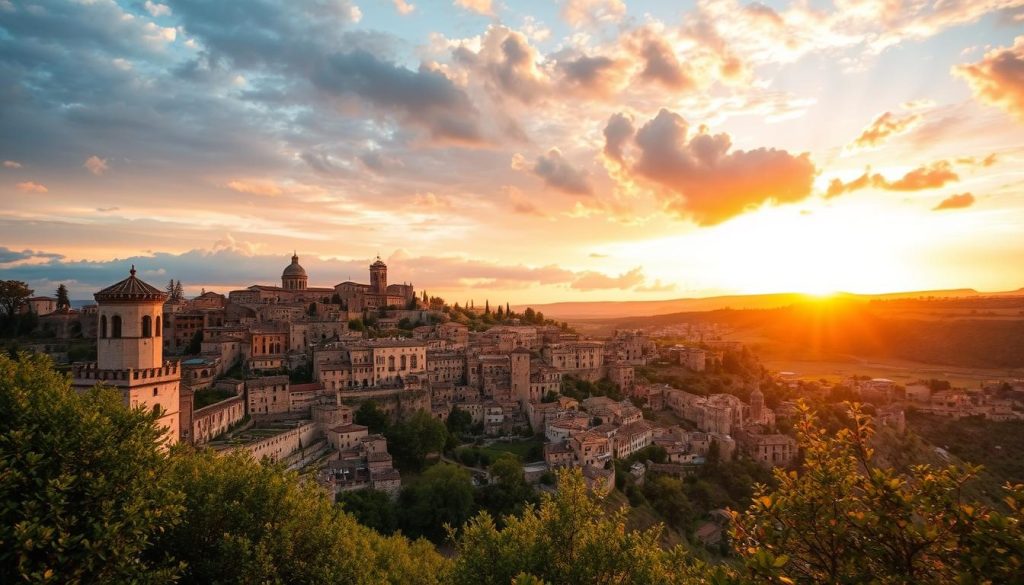
The best time to visit Matera is in spring (May–June) and early fall (September–October). The weather is perfect for checking out Matera’s stairs, caves, and churches then. But, it gets a bit rainy in November.
In summer, like July and August, it gets really hot. This makes it tough for outdoor fun. Still, Matera is lovely all year with mild winters. Yet, the best time is from mid-September to early October.
Essential Travel Tips
Follow these Matera travel tips for a great trip:
- Wear Comfortable Shoes: You’ll walk a lot on cobblestones and stairs. So, comfy shoes are important.
- Transportation: Bari Palese Airport is close, 37 miles away. It has flights and buses. Remember, many Matera areas are walk-only.
- Accommodation: Try staying in cave houses in the Sassi districts. Places like Hotel Corte San Pietro add to the experience.
- Duration of Stay: Spend at least two nights to really get to know Matera. This gives you time to see everything important.
- Local Festivals: Check out the Madonna Della Bruna festival on July 2 if you’re there. It has parades and fireworks!
- Parking: Finding parking is hard near downtown. Use the paid parking spots close to the Sassi to make things easier.
- Beyond the Sassi: Besides the famous Sassi, explore the rest of Matera. It’ll show you more of its culture and food.
By visiting at the right time and using these tips, your trip to Matera will be unforgettable.
Accommodation: Matera Hotels with a Unique Touch
Visiting Matera is special when you stay in a unique hotel. These hotels let you dive deep into the city’s history. From boutique cave-hotels to luxury homes, Matera’s places to stay mix old architecture with new comforts.
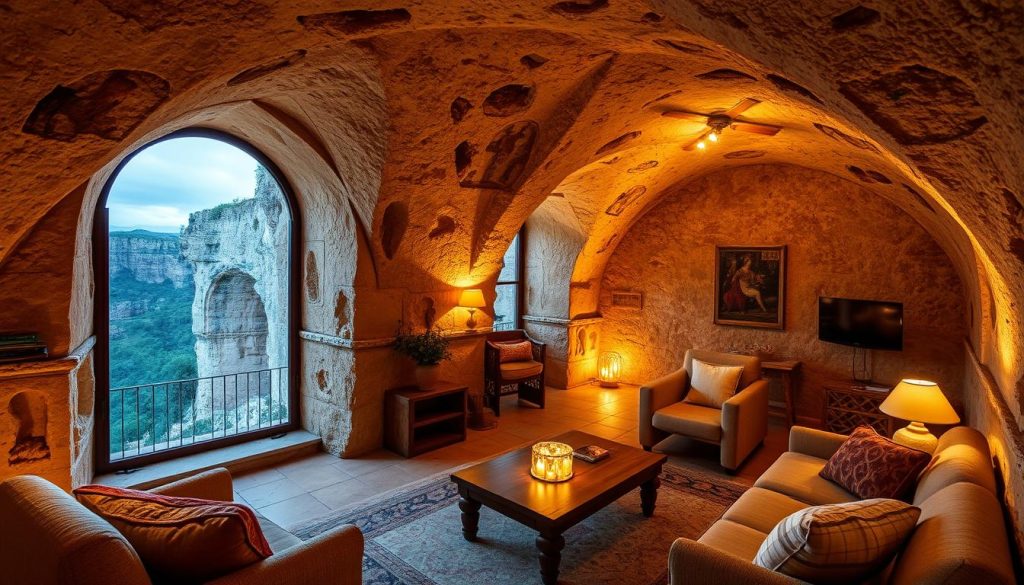
Here’s a look at some special Matera hotels that’ll make your visit unforgettable:
| Hotel Name | Number of Rooms | Special Features |
|---|---|---|
| Palazzo Margherita | 9 | Outdoor pool, free Wi-Fi, garden |
| Le Origini | 4 | Air-conditioned, located in Sassi di Matera, free Wi-Fi |
| Vittorio Veneto Matera Luxury Rooms | 4 | Historical building, central location |
| Palazzo Del Duca Luxury Hotel | 4 | Elegant rooms, panoramic terrace |
| L’Hotel In Pietra | 9 | Free Wi-Fi, located in UNESCO site, unique rooms |
| Loft 291 | 1 | Air-conditioned, close to Sassi di Matera |
| Hydria Rooms | 4 | Free Wi-Fi, restored Tuff-stone building |
| Casa Diva | – | Historical building within UNESCO site |
| I Tre Portali Luxury Suites | 2 | Located in Sassi di Matera, close to MUSMA Museum |
| Aquatio Cave Luxury Hotel & SPA | 16 | On-site restaurant, free Wi-Fi |
| Hotel La Casa di Lucio | 23 | Original rock structure, panoramic views |
| Angolo del Poeta suite | 2 | Free Wi-Fi, views of Sassi di Matera |
| Corte San Pietro | 10 | Free Wi-Fi, private entrances |
| Le Grotte della Civita | 18 | Large caves, antique furniture |
| La Dimora Di Metello | – | Modern accommodation, high rating |
| La Residenza del Monaco bianco | 6 | Restaurant on site, near Tramontano Castle |
| B&B Al Convento | 1 | Free Wi-Fi, air-conditioned, central location |
| Corte San Pietro Hotel | 12 | Renovated cave-house accommodation |
| Palazzo Gattini Hotel | 20 | Underground spa, lavish rooms |
| Sextantio Le Grotte della Civita Hotel | 18 | Large spaces, unique design |
| Sant’Angelo Luxury Resort | – | Cave-dwelling rooms, spa-like bathrooms |
| Palazzo Viceconte Hotel | 14 | Elegant rooms, grandiose decorations |
| Locanda di San Martino Hotel | – | Suites with jacuzzi bathtubs |
| Palazzo del Duca Matera Hotel | – | Opulent chandeliers, king-size beds, private pools |
| Aquatio Cave Luxury Hotel & Spa | 35 | Modern technology, infinity-edge swimming pool |
Choosing any of these unique places adds magic to your Matera visit. All these hotels combine old-world charm with today’s amenities. This blend makes your stay in Matera unforgettable.
Indulging in Matera: Top Restaurants and Culinary Delights
Visiting Matera means going on a food adventure that combines tradition with modern flair. Its restaurants serve a mix of classic Materan dishes and fresh dining concepts. This blend of old and new caters to all kinds of food lovers.
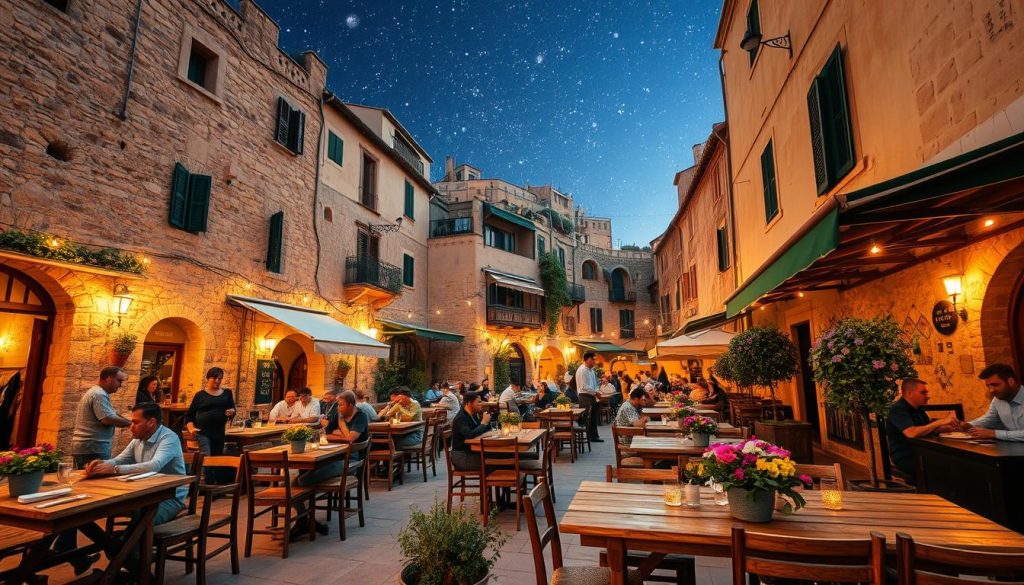
Traditional Materan Cuisine
Materan cuisine showcases the area’s history and natural bounty. Residents enjoy dishes that emphasize basic yet intense flavors. The city’s bread, from local durum wheat, is known as Italy’s finest.
During summer, locals gather for “Sagra della Crapiata” to enjoy Crapiata, a filling soup. Peperoni Cruschi, crispy fried peppers, and *Gnimmeredd*, a dish with Mediterranean and Middle Eastern vibes, are also popular.
Don’t miss orecchiette pasta with turnip greens, a Materan classic. Sweet lovers will adore Strazzate cookies and Le Tette delle Monache cake. A rustic lamb dish called Pignata showcases Materan cooking traditions.
Contemporary Dining Experiences
Modern eateries in Matera blend the past with inventive cuisine. Ristorante Francesca offers elevated dishes using local produce in Sassi di Matera. Oi Mari’ shines with its certified Napoli style pizzas.
Looking for a twist on regional food? Try Ristorante Soul Kitchen for its creative Basilicata dishes. Il Mare nei Sassi focuses on seafood, enjoyed on a rooftop overlooking Sassi.
For a mix of art and dining, visit Cenacolo degli Artisti. L’Abbondanza Lucana serves up Lucanian cuisine in Sassi’s heart. Ristorante Alle Fornaci presents a sophisticated menu in Piazza Cesare Firrao’s elegant setting.
| Restaurant | Specialty | Location |
|---|---|---|
| Ristorante Francesca | Local Ingredients | Sassi di Matera |
| Oi Mari’ | Napoletana Pizzas | Sassi di Matera |
| Ristorante Soul Kitchen | Modern Basilicata Cuisine | Matera |
| Il Mare nei Sassi | Fish-Focused Cuisine | Sassi di Matera |
| Cenacolo degli Artisti | Eclectic Dining | Matera |
Matera’s culinary scene pleases everyone, mixing history with top-notch food experiences. Whether you crave traditional flavors or modern dishes, Matera’s restaurants promise memorable meals.
Capturing Matera: Photographic Highlights
Matera, Italy, is a photographer’s dream, filled with scenes waiting to be captured. From wide angles of the Sassi to close-ups of ancient frescoes, it’s endlessly beautiful. Knowing where to shoot can make your photo journey in this ancient city unforgettable.
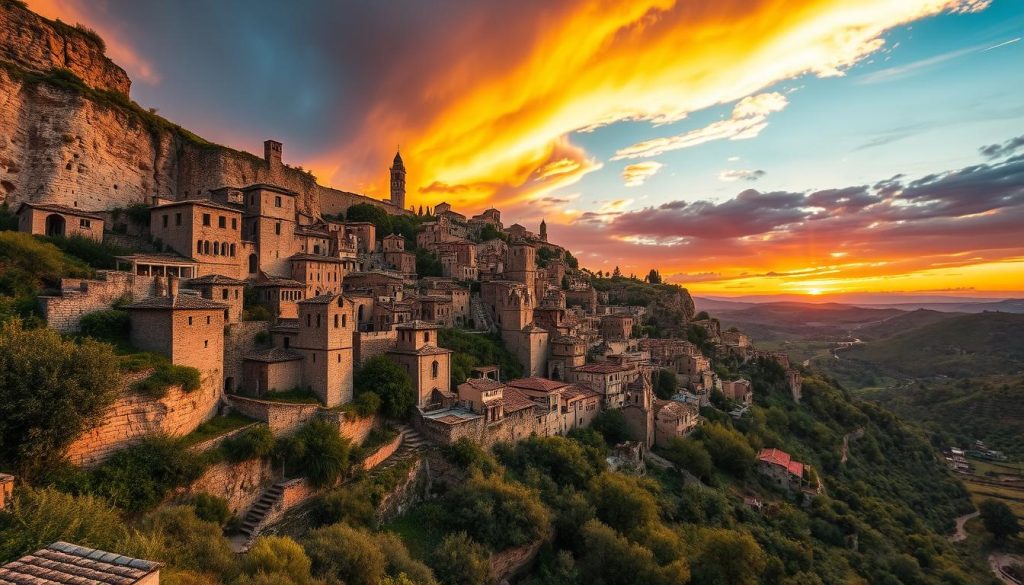
Panoramic Views and Iconic Spots
Many spots in Matera give you amazing views for your photos. The Belvedere di Piazza Giovanni Pascoli offers a wide view of the old town. Another great spot is the Tre Archi, popular for its view of Matera. And don’t miss the Fontana dell’Amore Statues for an amazing view of the Rock Church and San Pietro Caveoso.
Visit the Murgia Materana Park to see Matera from a new angle, with caves to explore. The Gradoni Sant’Antonio shows off cobblestoned streets and the Matera Cathedral. Check out the Terrace near Casa Cava for a unique view of the old town. Eating at Annunziata 1735 combines great food with stunning views of Matera.
Photography Tips for Tourists
For top-notch photos, shoot during early morning or late afternoon. This light makes Matera’s attractions even prettier. Walking less known paths can give you unique shots, different from typical tourist photos.
For sunset lovers, the Church of San Pietro Barisano and the Belvedere Murgi Timone are perfect. Drawing inspiration from Henri Cartier-Bresson, knowing the history behind places can add depth to your photos.
Also, visit spots like the Quarry Resort Lounge and the Convent of Saint Agostino. They offer expansive views of places like the Rock Church and Murgia Materana Park. These viewpoints showcase Matera’s beauty in full.
Conclusion
We’re ending our journey in Matera, a city with a rich mix of history and culture. Once, 15,000 people lived in Matera’s cave dwellings. Now, it’s a place of incredible change. Visiting Matera, you’ll be touched by its history and unique buildings.
Since becoming a UNESCO World Heritage Site in 1993, Matera has amazed many. It was even the European Capital of Culture in 2019. Now, about 600,000 visitors come each year. They’re drawn not just by history but by modern cave hotels and shops too. Places like L’Hotel in Pietra show Matera’s blend of old and new perfectly.
Matera isn’t overrun by tourists like some cities. With lots of Airbnb options, it welcomes many visitors without feeling crowded. This balance of old and new makes Matera special. When you visit, you don’t just see Matera—you truly experience it. The memory of Matera stays with you long after, a lasting piece of your travels.